
15 Mississippi Summer Day Trips That Feel Like A Mini Vacation This Year
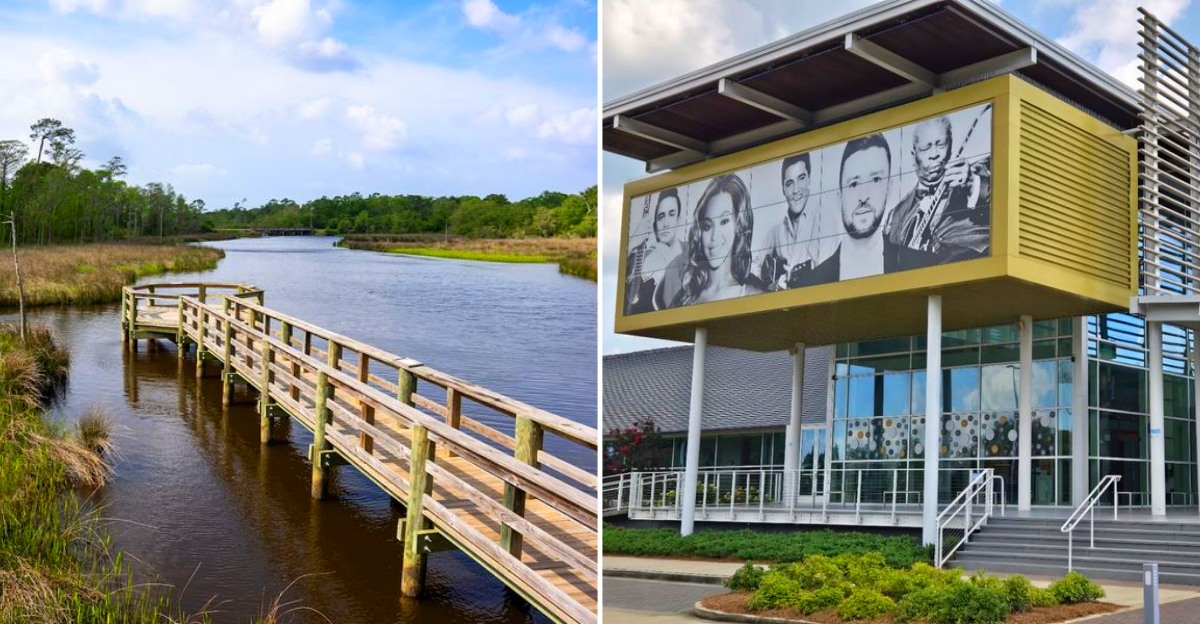
Ghost towns. Canyon-like bluffs. The home of a Nobel Prize-winning author. A music museum that produces something closer to a physical reaction than a cultural one.
Mississippi packed all of that into a state most people think they already understand, and the day trips on this list are what happens when that assumption gets corrected at full speed.
Fifteen destinations made the cut, and not one of them requires a suitcase, a passport, or anything more complicated than a full tank and a cooler packed before nine.
Mississippi rewards the people who show up without a rigid plan and a willingness to be genuinely surprised by what the next county is holding.
The ghost towns alone are worth the drive. The bluffs that look nothing like anything the word Mississippi typically conjures are worth even more. Pack the cooler.
Gas up the car. The mini vacation was here the whole time. It just needed someone to finally point the car in the right direction.
1. Red Bluff
Nobody warns you that Mississippi has its own version of the Grand Canyon, and honestly, that feels like a crime.
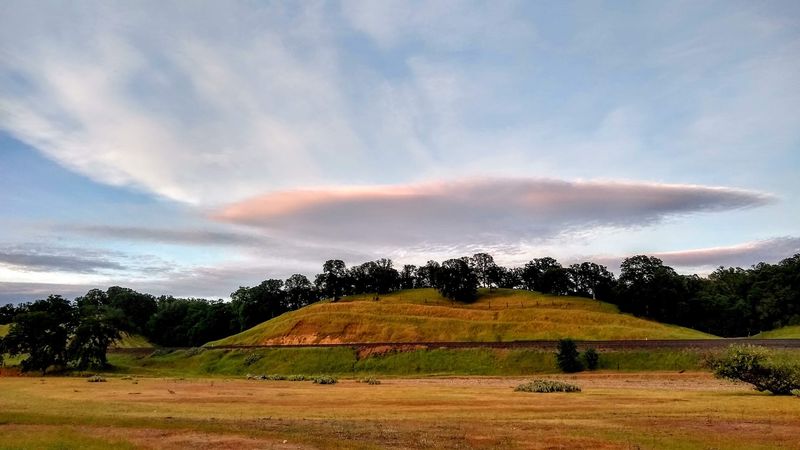
Red Bluff, off Red Bluff Rd in Columbia, MS 39429, is a jaw-dropping stretch of exposed pink, red, orange, and purple clay cliffs that rise sharply above the Pearl River floodplain.
The canyon runs nearly a mile long and drops about 150 to 200 feet, which is genuinely wild for a state most people associate with flat Delta farmland.
The whole formation was carved out by natural erosion over centuries, and it is still actively changing shape today. Erosion has actually forced the rerouting of a nearby highway twice.
A one-mile loop trail takes you toward the base where the colors are most vivid and the views feel almost unreal.
The trail gets steep and sandy in spots, so wear shoes with actual grip. Public hiking access is generally permitted, and there is no admission fee.
Bring water, bring your camera, and prepare to send photos that make your friends genuinely question where you went. Red Bluff is the kind of place that makes you proud to know Mississippi like this.
2. Rocky Springs Ghost Town
An entire town just quietly faded away, and you can walk through what is left of it. Rocky Springs, found at Milepost 54.8 on the Natchez Trace Pkwy in Port Gibson, MS 39150, was once a thriving community of over 2,500 people.
Yellow fever, exhausted soil, and a slow retreat of Trace traffic eventually brought the whole thing down.
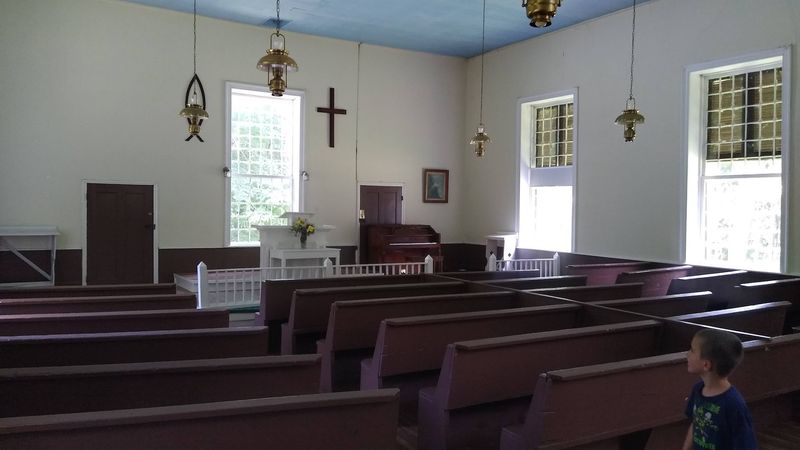
What stands today is an 1837 Methodist church, a cemetery, and a short loop trail peppered with historical placards pointing out where buildings once stood. You can spot remnants like an old post office safe and stone cisterns half-swallowed by the earth.
Union General Ulysses S. Grant actually used that church as a camp headquarters during the Civil War in 1863, which adds a whole extra layer to the silence you feel walking around.
The church held regular Sunday services until 2010, which means it outlasted the town by about 180 years. Rocky Springs sits within the Natchez Trace Parkway, so the drive in is gorgeous on its own.
Pack a picnic and spend a slow, thoughtful afternoon here. It costs nothing and delivers everything a history lover could want from a summer afternoon.
3. Friendship Cemetery
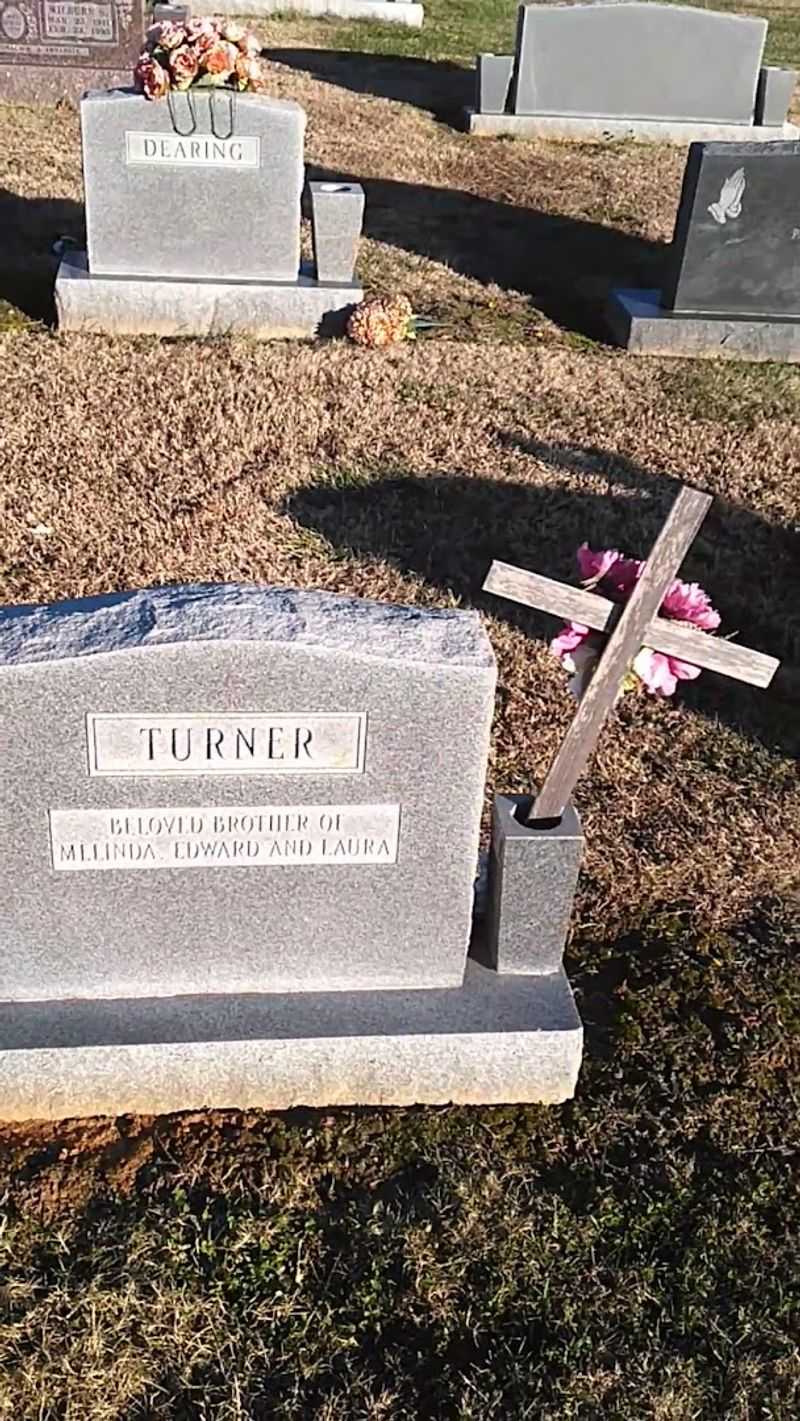
Memorial Day has a birthplace, and it is right here in Columbus, Mississippi. Friendship Cemetery at 4th St N, Columbus, MS 39701 is where, in April 1866, a group of women gathered to place flowers on the graves of both Confederate and Union soldiers.
That single act of grace during a deeply divided time caught the attention of newspapers across the country and inspired a famous poem called “The Blue and the Gray” by New York jurist Francis Miles Finch.
Established in 1849, the cemetery spans 70 acres and holds over 2,000 Confederate graves along with the remains of four Confederate generals.
The Victorian ironwork throughout the grounds is genuinely stunning, with ornate fencing and decorative grave markers that feel like open-air sculpture.
Ancient magnolia trees shade the pathways and make the whole place feel like a living painting.
Added to the National Register of Historic Places in 1980, Friendship Cemetery carries real weight without feeling heavy. History here is not locked behind glass.
You walk among it, read the names, and feel something shift in your chest. Plan to spend at least an hour and bring comfortable walking shoes because 70 acres is not a quick stroll.
4. Waverly Mansion
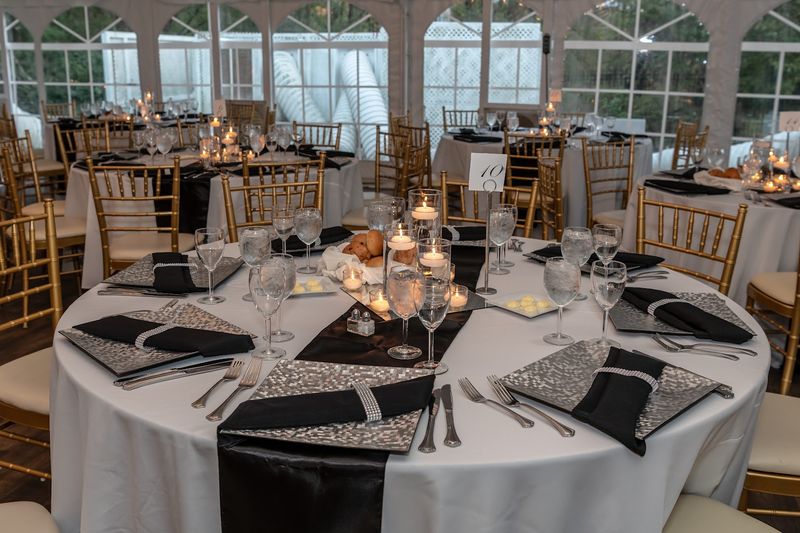
Some buildings make you stop mid-sentence and just stare. Waverly Mansion at 1852 Waverly Plantation Rd, West Point, MS 39773 is exactly that kind of place.
Built by Colonel George Hampton Young starting in 1840 and reaching full glory around 1852, this antebellum Greek Revival showpiece is one of the most architecturally distinctive homes in the entire South.
The octagonal cupola crowning the roofline is extraordinary, and the self-supporting curved staircases inside defy what you would expect from 19th-century construction.
The mansion is believed to retain all of its original furnishings, which means stepping inside feels less like a museum visit and more like walking into a family home that time simply paused.
The plantation once operated as a fully self-sustaining community with its own orchards, livestock, gardens, a brick kiln, and a cotton gin. That scale of operation is hard to fully grasp until you are standing on the grounds.
Waverly is a working reminder that Mississippi history is layered, complicated, and worth understanding. Plan a morning visit so you have plenty of time to absorb every detail. Guided tours are available and worth every minute of your time.
5. Brice’s Cross Roads National Battlefield
Most people drive right past this one, and that is a genuine shame. Brice’s Cross Roads National Battlefield at 607 Grisham Rd, Baldwyn, MS 38824 marks the site of one of the most tactically brilliant Confederate victories of the entire Civil War.
On June 10, 1864, General Nathan Bedford Forrest led his cavalry to a decisive win over Union forces, despite being significantly outnumbered.
The visitor and interpretive center in Baldwyn holds Civil War artifacts, a detailed battlefield diorama, and a video program that breaks down the troop movements in a way that actually makes sense.
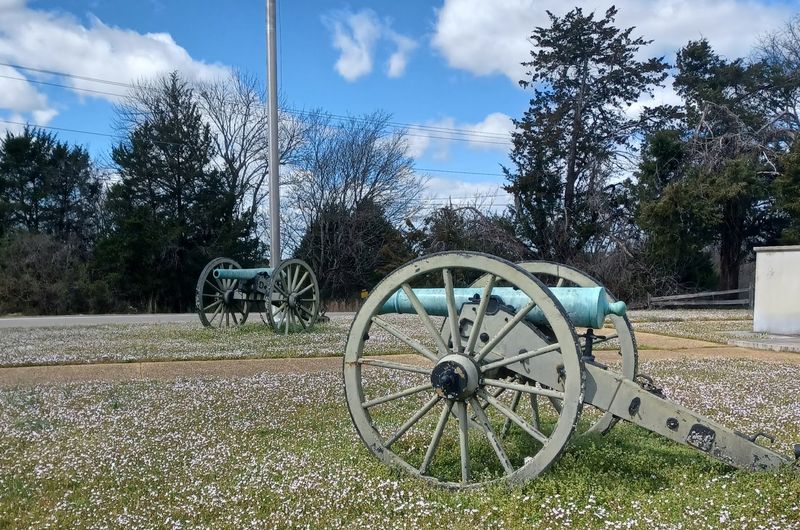
Outside, newly paved trails with interpretive signage walk you through the battle lines step by step. Two cannons and a memorial monument anchor the site with quiet authority.
Over 1,400 additional acres have been acquired for preservation, expanding what was once a tiny one-acre park into a much more complete historical experience. The outdoor areas are open from sunrise to sunset.
Military history fans will find this spot deeply satisfying, but you do not need to be a history buff to appreciate the scale of what happened here. Baldwyn is a small town with a very big story tucked inside it.
6. Rodney Ghost Town
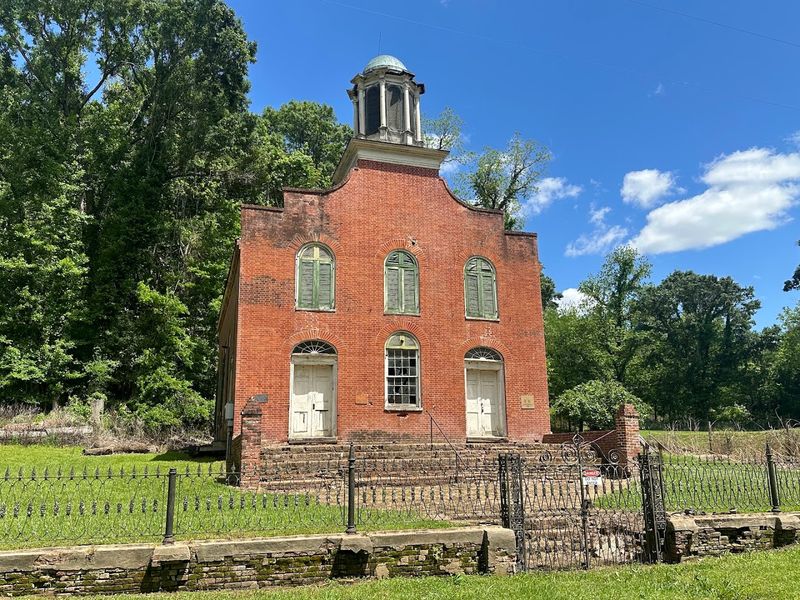
Rodney is not pretending to be a ghost town. It actually is one, and the difference is everything.
Reached via Rodney Rd in Lorman, MS 39096, Rodney was a booming Mississippi River port in the 1840s, handling commerce flowing between St. Louis and New Orleans.
Andrew Jackson and Jefferson Davis both passed through here, which gives the silence a certain electric quality.
The 1829 Historic Presbyterian Church is the most photographed structure in town, and for good reason. Bullet holes from Union riverboat cannonballs are still clearly visible in the brick walls, completely unrestored and unapologetic.
The Mississippi River changed course in the 1870s, cutting Rodney off from its economic lifeline, and the railroad finished what the river started.
By 1930, the town was officially gone from the record books. What remains today is a small collection of crumbling structures reclaimed by vines and Mississippi humidity.
The road into Rodney is rough, so a vehicle with decent clearance is a smart call. Bring bug spray, solid shoes, and a fully charged phone for photos.
Rodney is the kind of place that feels like a secret, and once you visit, you will completely understand why people keep going back.
7. Grammy Museum Mississippi
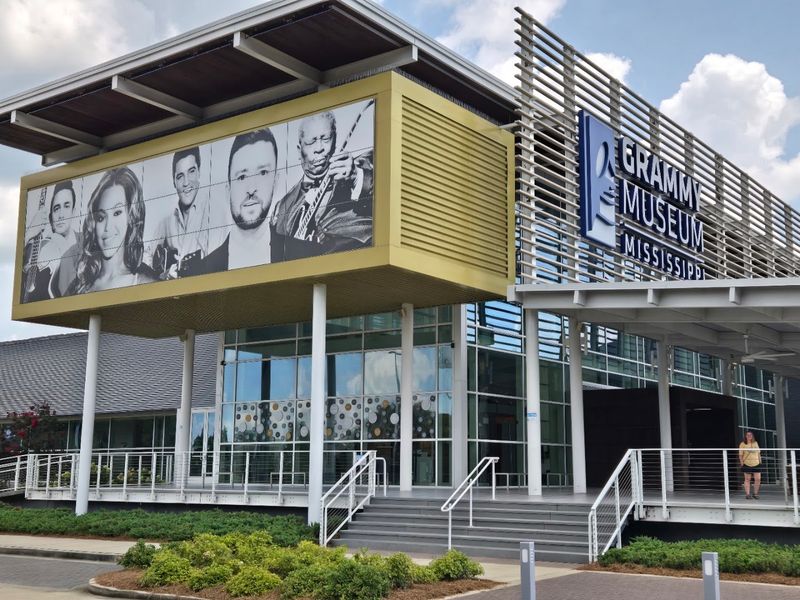
Cleveland, Mississippi is not the city most people think of when they hear Grammy, and that is exactly the point.
The Grammy Museum Mississippi at 800 W Sunflower Rd, Cleveland, MS 38732 is the only Grammy Museum outside of Los Angeles, and it opened in March 2016 with a mission to prove that Mississippi is the true engine behind American music.
The 28,000-square-foot facility covers blues, country, rock and roll, pop, and jazz through interactive touch-screens, live instrument stations, an interactive dance floor, and an impressive collection of musical artifacts.
The Mississippi Gallery honors homegrown legends including Elvis Presley, Muddy Waters, and Faith Hill.
A 130-seat soundstage hosts live performances and educational programs throughout the year.
The museum leans hard into Mississippi’s identity as the Birthplace of American Music, and by the time you finish the exhibits, that claim feels completely earned.
Plan to spend at least two hours here because the interactive elements are genuinely engaging for all ages.
Cleveland is a small Delta town that punches way above its weight, and this museum is the clearest proof of that. If you have been sleeping on the Delta music scene beyond Clarksdale, consider this your very loud wake-up call.
8. Holly Springs
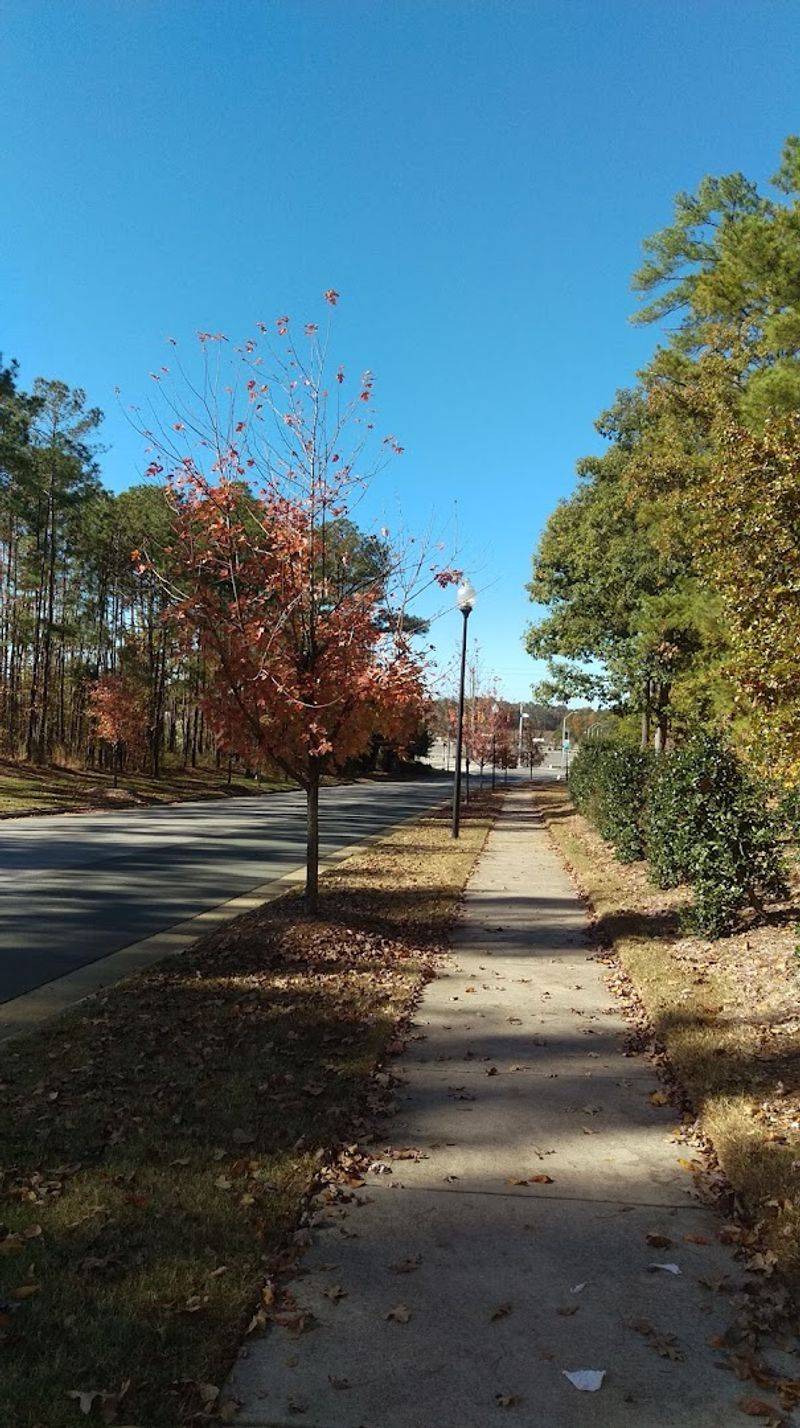
Holly Springs keeps a low profile compared to Natchez, and history lovers who know the difference are absolutely thriving because of it.
The town centers around Memphis St, Holly Springs, MS 38635 and offers a remarkable concentration of antebellum architecture without the crowds that follow more famous destinations.
Strolling the streets here feels like flipping through a very well-preserved scrapbook.
Hill Crest Cemetery, established in 1837 and sometimes called the Little Arlington of the South, is the emotional anchor of the town.
Six Confederate generals are buried here, along with many unknown Civil War soldiers and victims of the devastating 1878 Yellow Fever Epidemic.
The ornate iron entrance gates, crafted by the Jones, McElwain and Company Iron Foundry before the Civil War, are a feat of detailed metalwork worth admiring up close.
Holly Springs rewards slow exploration. Walk the residential streets, read the historical markers, and let the architecture do the talking.
The town has a quiet confidence that feels earned rather than performed. Bring a good pair of walking shoes and a camera with plenty of storage.
Holly Springs is the kind of day trip that makes you feel like a true Mississippi insider, and honestly, that feeling is completely justified.
9. Pascagoula River Audubon Center
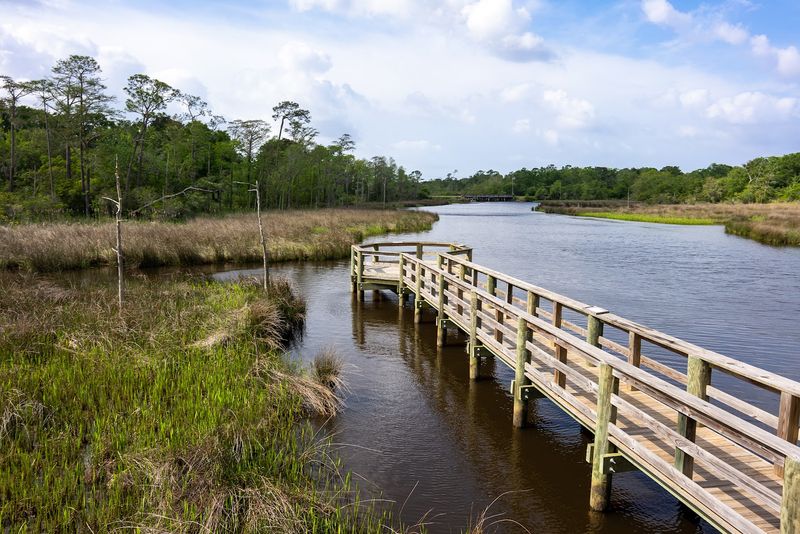
The Pascagoula River holds a title that sounds almost too good to be true. At 80 miles long with zero dams interrupting its flow, it is recognized as the last free-flowing river in the lower 48 states.
The Pascagoula River Audubon Center at 5107 Arthur St, Moss Point, MS 39563 is your base camp for experiencing this extraordinary waterway up close.
The center protects over 35,000 acres along the river corridor and supports more than 300 bird species including herons, egrets, ospreys, and kingfishers.
Guided kayak tours are available through McCoy’s Swamp and River Tours, which put you directly into the bayou habitats where the wildlife activity is most concentrated.
The center also features nature trails, a bayou pier, critter tanks, and an art gallery.
It is worth checking ahead before your visit because the center is currently undergoing structural repairs that may affect access to certain areas. Community programs are still running, so options exist even during the renovation period.
The river itself remains open and breathtaking regardless. Pack sunscreen, binoculars, and a genuine curiosity about what a truly wild river looks and sounds like.
South Mississippi delivers in ways that feel almost unfair to the rest of the country.
10. Rowan Oak
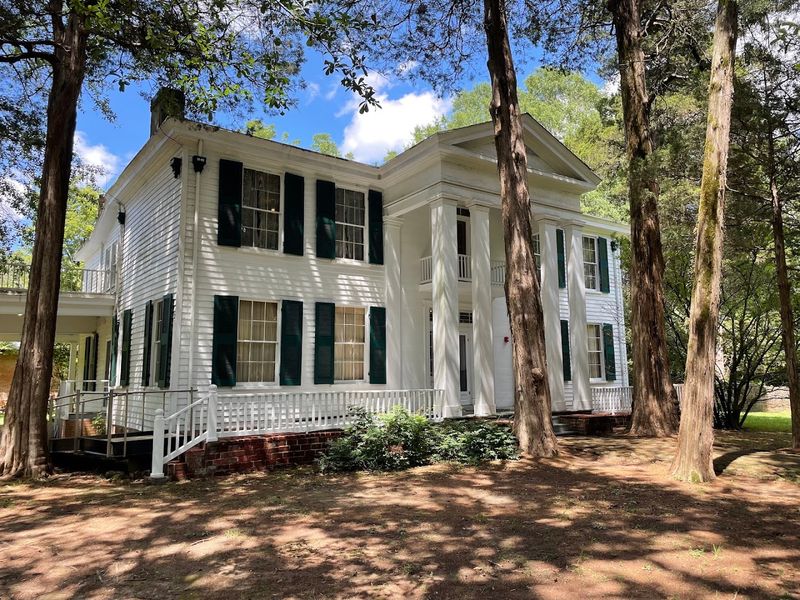
William Faulkner won the Nobel Prize in Literature and chose to spend most of his life on a quiet property in Oxford, Mississippi. Rowan Oak at Old Taylor Rd, Oxford, MS 38655 is that property, and it is one of the most quietly powerful literary landmarks in the entire country.
Faulkner lived here for over 40 years, writing some of the most celebrated novels in American history from within these walls.
The primitive Greek Revival house was built in 1844 and sits on more than 29 acres of heavily wooded land. The University of Mississippi acquired it in 1972 and has maintained it as an open educational space.
The grounds are free to visit from dawn to dusk, and the house itself offers a look at Faulkner’s personal space including his actual study where the outline of a novel is written directly on the wall.
The Bailey Woods Trail connects Rowan Oak to the University Museum through about 3,000 feet of forest that Faulkner himself walked regularly.
Note that the trail is currently closed for bridge repairs, so check ahead before planning that portion of your visit.
The grounds alone are worth the trip. Oxford is a fantastic college town to explore before or after your visit, with excellent food and a genuine literary soul.
11. Noxubee National Wildlife Refuge
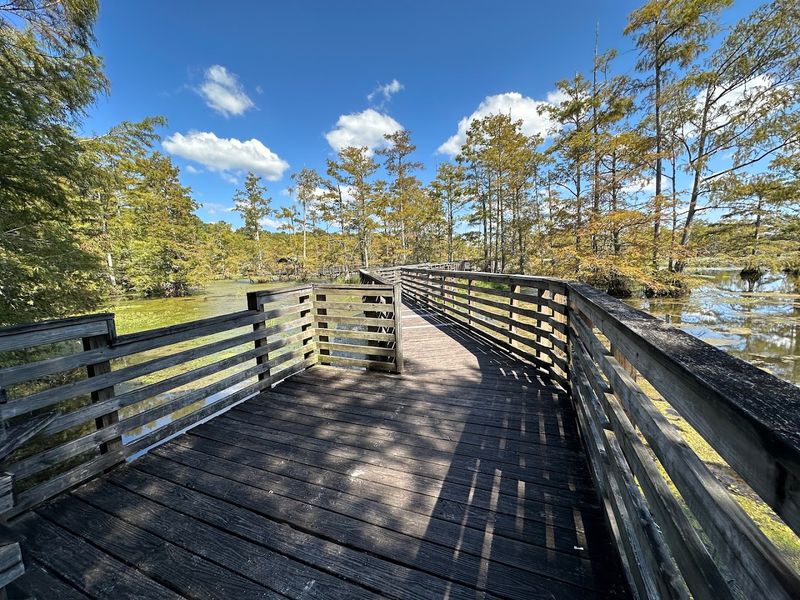
Forty-eight thousand acres of Mississippi wilderness, complete with alligators, bald eagles, and wood ducks, sounds like a nature documentary. The Sam D.
Hamilton Noxubee National Wildlife Refuge at 2970 Bluff Lake Rd, Brooksville, MS 39739 has been providing exactly that kind of experience since it was established in 1940. It is the kind of place that reminds you how genuinely wild Mississippi still is.
The refuge hosts over 200 bird species and actively manages habitat for the endangered red-cockaded woodpecker.
Elevated viewing platforms like the 30-foot Goose Overlook above Bluff Lake and the Morgan Hill Overlook above Loakfoma Lake give you sightlines that feel almost cinematic.
Boardwalks, hiking trails including Beaver Dam Trail and Woodpecker Trail, and open refuge roads offer multiple ways to explore the landscape at your own pace.
Boating, canoeing, and kayaking are permitted in refuge waters from March 1 through October 31, so summer is prime time for a paddle through the wetlands.
Bring binoculars because the wildlife viewing here is genuinely exceptional and not something you want to experience at a squinting distance.
Noxubee is the kind of refuge that turns casual visitors into dedicated wildlife watchers by the time they reach the parking lot on the way out.
12. Sandy Creek Covered Bridge
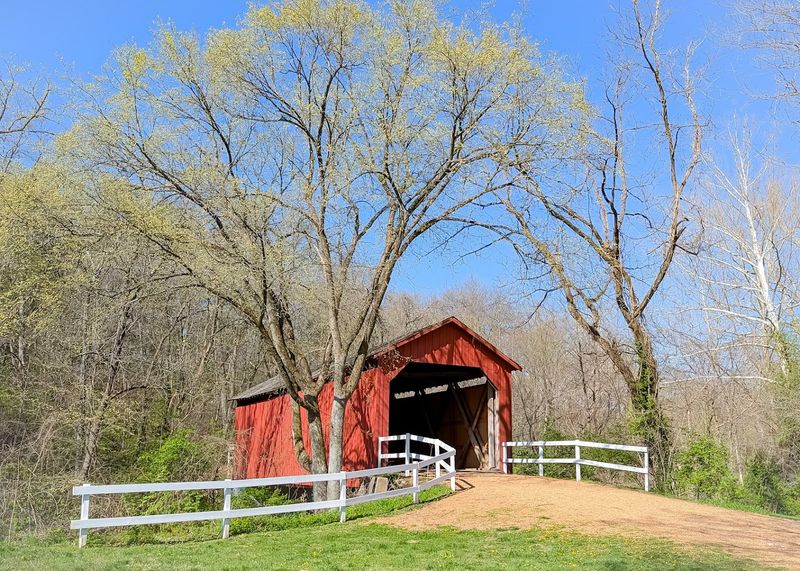
Mississippi does not have many covered bridges, and the one that remains open to the public is worth the drive to Iuka.
The covered bridge at Mineral Springs Park in Tishomingo County is a 45-foot wooden span over Indian Creek, rebuilt in 1993 after a flood took out the original in 1991.
It carries on a tradition that most of the country has completely forgotten, and it does so with genuine charm.
The park surrounding the bridge is a destination on its own. Natural spring-fed pools, picnic areas, and hiking trails fill out the visit nicely.
The springs within the park famously won a gold medal for water quality at the 1904 World’s Fair in St. Louis, which is a fun detail to drop on whoever you bring along.
To reach Mineral Springs Park, take US Highway 72, head north on Highway 25 for about two miles to a four-way stop, then turn right and go east for about 1.5 miles on East Quitman Street.
The combination of the bridge, the springs, and the shaded trails makes this a genuinely refreshing summer stop. Bring a picnic and plan to linger because the setting rewards the kind of unhurried afternoon that is increasingly hard to find.
Tishomingo County in northeast Mississippi is full of natural beauty that deserves far more attention than it currently gets.
13. Port Gibson
General Ulysses S. Grant called Port Gibson too beautiful to burn during the Civil War, and the town has been living up to that compliment ever since.
Church St, Port Gibson, MS 39150 is lined with antebellum homes and historic churches that survived the 1863 campaign largely intact, making it one of the most authentic preserved streetscapes in the entire state.
Founded in 1788 and chartered in 1803, Port Gibson holds the distinction of being Mississippi’s third oldest town. The 1845 Claiborne County Courthouse and the 1859 First Presbyterian Church anchor Church Street with serious architectural authority.
A substantial portion of the downtown area sits on the National Register of Historic Places, which means the whole neighborhood carries official recognition for what your eyes are already telling you.
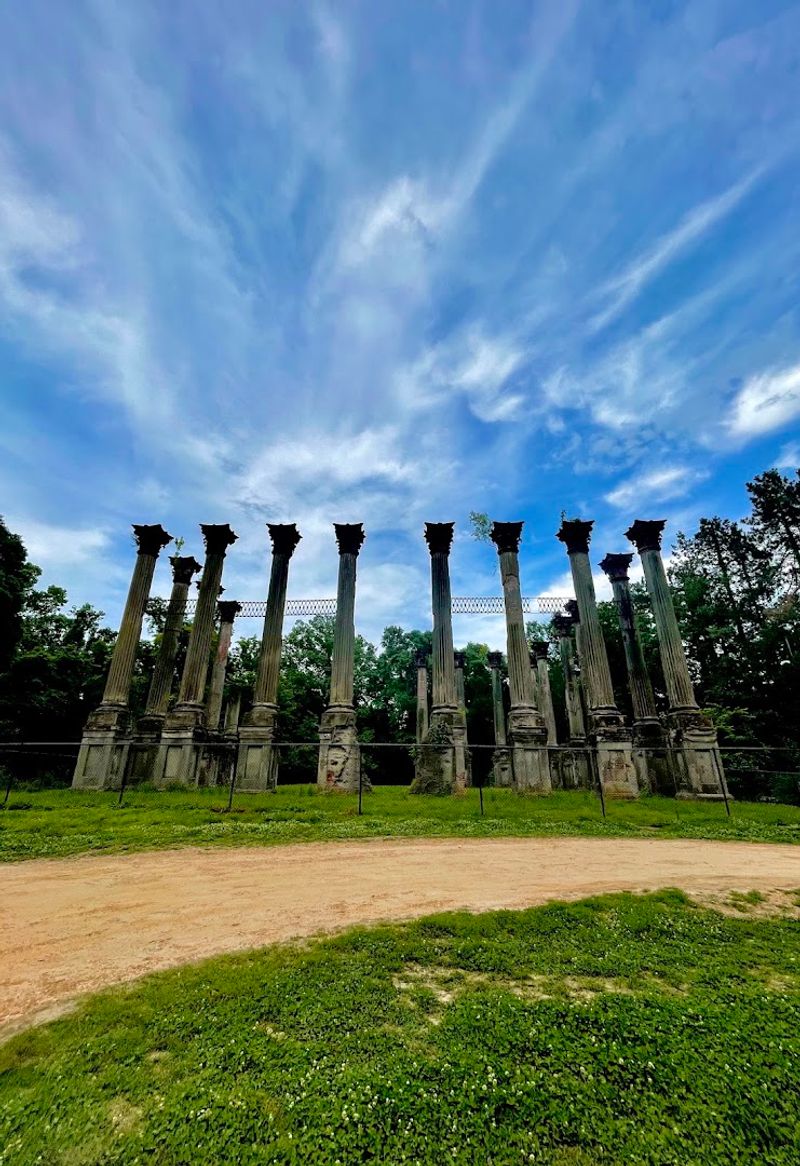
Just outside of town, the Windsor Ruins stand as one of Mississippi’s most striking sights. Twenty-three towering Corinthian columns are all that remain of an extravagant Greek Revival mansion that burned in 1890.
The columns rise from an open field like a scene from another world entirely. Port Gibson and the Windsor Ruins together make for a full and deeply satisfying day trip.
Bring a good camera and pack your patience because this place deserves to be experienced slowly and without rushing.
14. Black Creek Wilderness
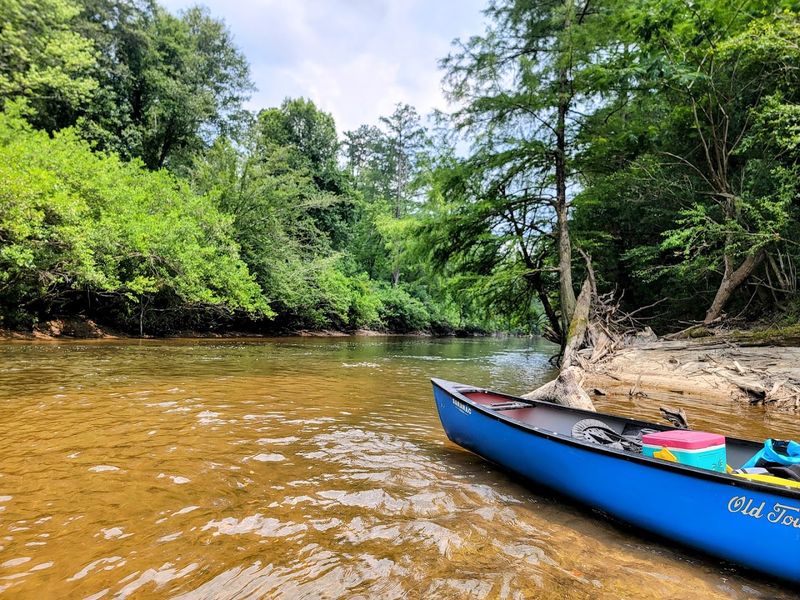
Black Creek has a color you will not forget. The water runs a deep, warm caramel shade from tannic acid released by decaying vegetation, and it flows through Mississippi’s largest Wilderness area without interruption.
Black Creek Wilderness in Brooklyn, MS 39425 sits within the DeSoto National Forest and covers over 5,000 acres of hardwood floodplain, oxbow lakes, and dense stands of sweet gum, bald cypress, oak, and pine.
Black Creek itself holds the distinction of being Mississippi’s only designated National Wild and Scenic River, with a 21-mile segment classified as scenic since 1986.
The 41-mile Black Creek National Recreation Trail runs alongside the water, with about 10 miles of it passing directly through the wilderness area.
White sandbars appear regularly along the creek and make perfect spots for a midday break during a canoe or kayak trip.
Anglers will find bass and panfish in the water, and the birdlife along the banks is consistently active throughout summer. The creek’s remote character means you genuinely feel away from everything out here, which is precisely the point.
Pack food, water, and sun protection because shade is inconsistent on the water. Black Creek is a full sensory reset, and Mississippi should be shouting about it from every rooftop it owns.
15. B.B. King Museum And Indianola Pecan House
Indianola, Mississippi gave the world B.B. King, and the town has not stopped celebrating that fact.
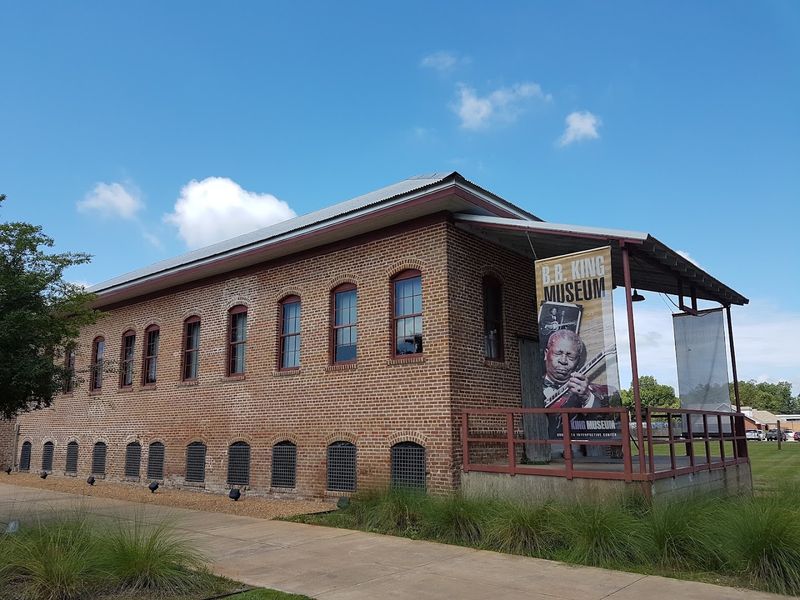
The B.B. King Museum and Delta Interpretive Center at 400 Second St, Indianola, MS 38751.
It opened in 2008 and tells King’s full life story through interactive exhibits, personal artifacts, audio and visual presentations, and a 20,000-square-foot facility that feels both intimate and expansive at the same time.
A historic brick cotton gin where King worked as a young man is built directly into the museum’s structure, connecting his personal history to the building itself. A 2021 expansion added a wing featuring one of his tour buses and personal vehicles.
King is interred on the museum grounds within a Memorial Pavilion, giving the visit a quietly emotional dimension that stays with you. Club Ebony, a historic juke joint King purchased and later donated, hosts special events nearby.
Before or after the museum, stop by Indianola Pecan House, the home of the Original Praline Pecan and one of the largest in-shell pecan buyers in the state.
Sea-salt, Cajun, garlic, chocolate, cinnamon, and honey-roasted options are all available, and leaving without a bag is genuinely not recommended.
Indianola delivers music, history, and snacks in one very satisfying Delta afternoon that you will be talking about for weeks.