
Residents Claim Tourists Have Completely Changed This Popular Vermont Town
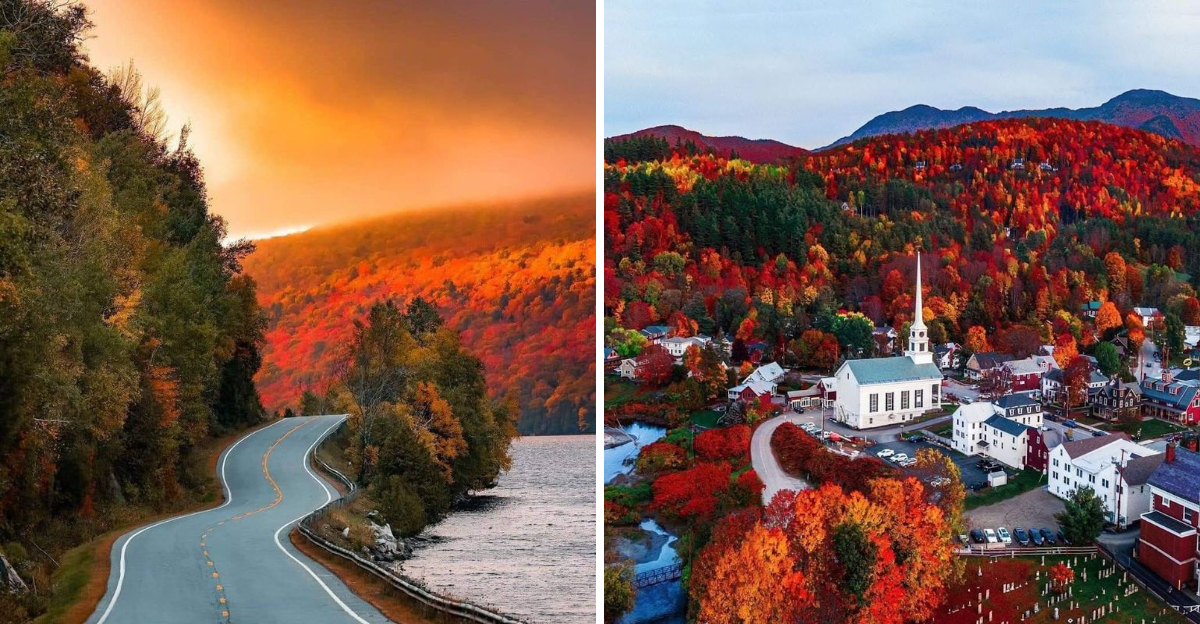
Something strange is happening in one of Vermont’s most beloved towns. Locals aren’t shy about saying so.
Main Street still looks the same. But the energy underneath has quietly shifted toward something else.
Visitors keep flocking here for ski legends, four dazzling seasons, and views that beg for a lingering look. Longtime neighbors watch familiar faces vanish a little more each year.
Housing prices climbed fast. Restaurants fill with strangers, and quiet mornings feel harder to find.
This Vermont mountain escape built its charm slowly, over generations of hard winters and shared history. Now residents wonder how much of that spirit survives the crowds.
Curious what changed, and what locals want protected? This story peels back layers you won’t expect, and it’s one worth keeping close.
A Mountain Town With Deep Roots
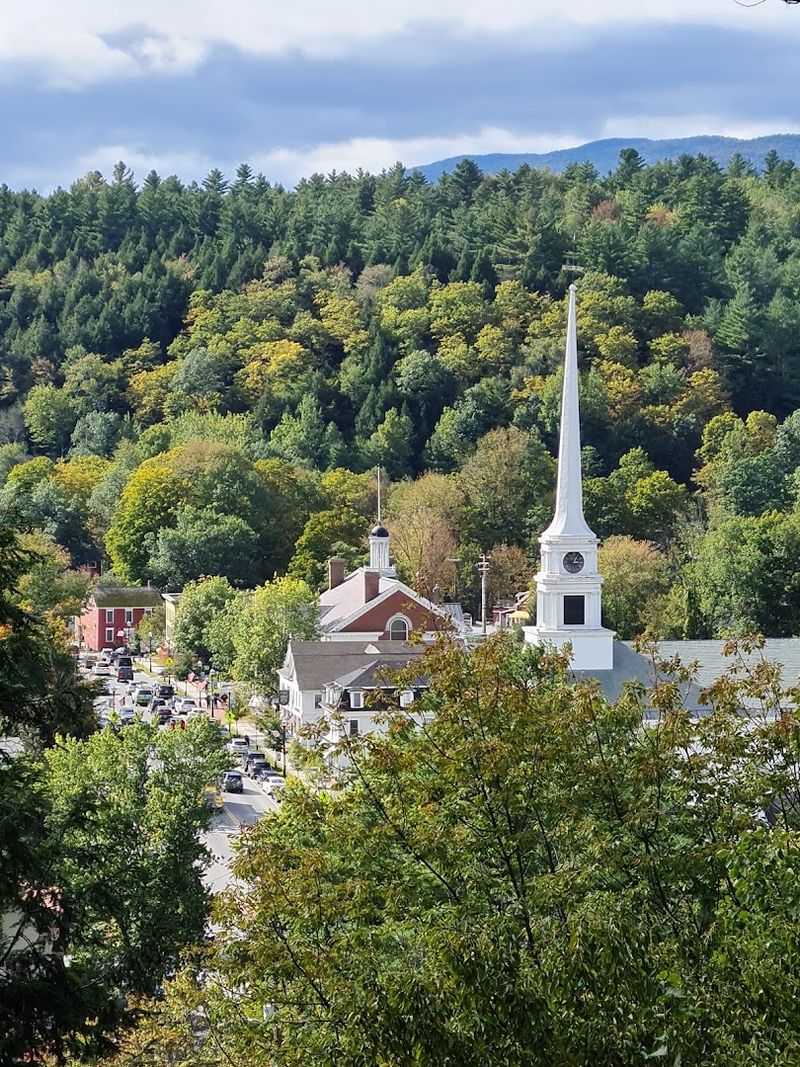
Long before ski lifts and luxury lodges, Stowe was a working farming community with calloused hands and muddy boots. The town received its royal charter back in 1763, though settlers did not arrive until around 1793.
Early residents cleared the land for agriculture, raising crops and sheep across the rolling hillsides of Vermont.
At its peak, the region supported thousands of sheep, and the lumber industry kept families fed through hard winters. Over time, the cleared fields slowly gave way to returning forest, restoring the green canopy that defines the landscape today.
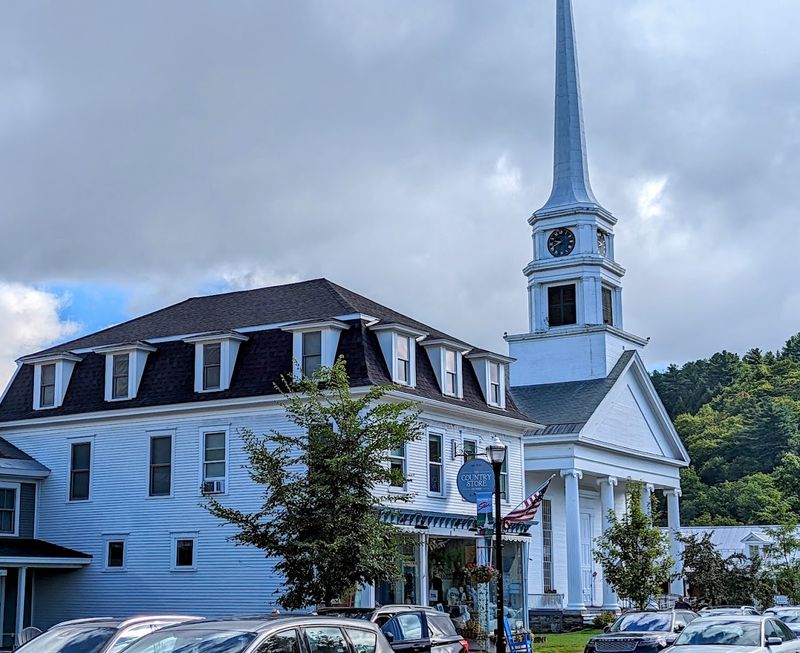
The village center still carries echoes of that early era, with classic New England storefronts and a graceful church spire rising above Main Street.
That history is not just decoration. It is the backbone of the community’s identity.
Residents point to these roots when they talk about what Stowe really is, and what they fear it might stop being as outside demand continues to reshape the town season after season.
How Skiing Put Stowe on the Map
It all started with a pair of long wooden boards. Swedish families introduced skiing to the Stowe area around 1913, and locals quickly caught on to the idea.
The first Winter Carnival arrived in 1921, bringing ski jumping and skating competitions that drew crowds from across the region.
The real turning point came during the 1930s, when the Civilian Conservation Corps cleared ski trails on Mount Mansfield. The Bruce Trail was among the earliest runs carved from the mountainside.
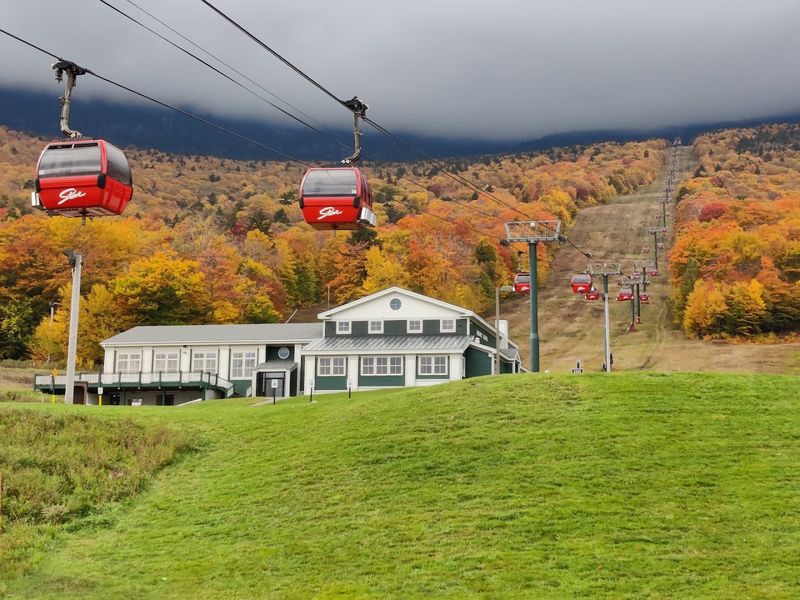
A chairlift began operation in 1940, and suddenly the mountain was accessible to far more than just the most adventurous hikers.
Today, Stowe Mountain Resort stretches across more than 485 skiable acres with over 100 trails. The nickname “The Ski Capital of the East” is not just marketing language.
It reflects decades of investment, passion, and snowfall that built a genuine winter destination. That legacy also set the stage for the tourism pressures residents now navigate every single year.
Four Seasons Keep Visitors Coming Back
Winter gets all the headlines, but Stowe refuses to slow down once the snow melts. Spring brings maple sugaring tours, a sweet Vermont tradition that draws curious visitors eager to see how syrup moves from tree to table.
The quiet beauty of early spring also offers a welcome contrast to the packed slopes of February.
Summer opens up a completely different playbook. Hikers tackle the Sterling Pond Trail and push toward the summit of Mount Mansfield for sweeping views across the Green Mountains.
Kayaking, swimming, and outdoor concerts fill the warmer weeks with activity and energy.
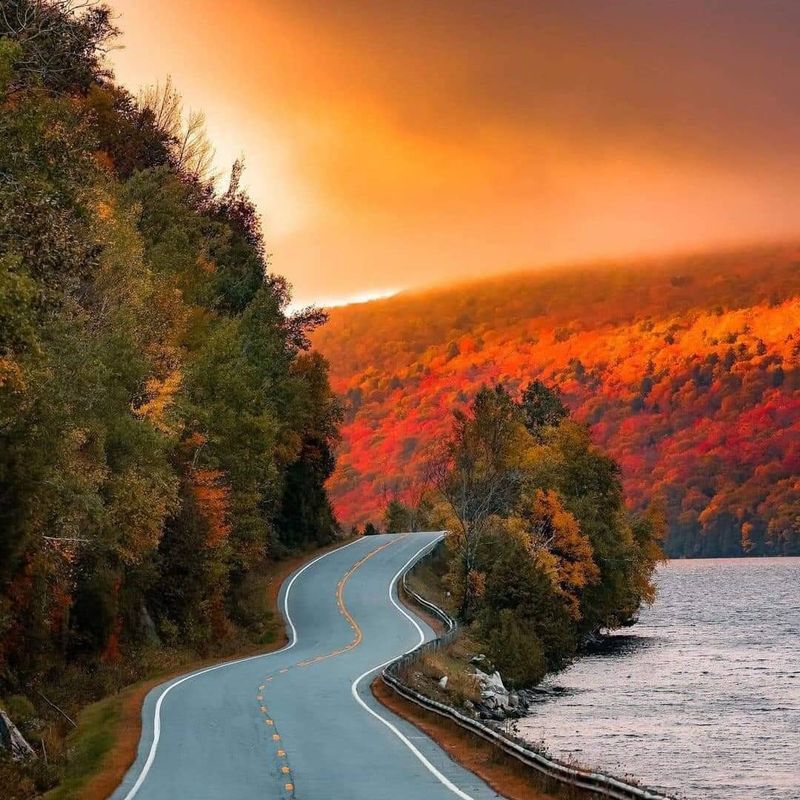
Then autumn arrives and practically stops traffic. Leaf-peepers flood the scenic roads as the mountains ignite in orange, red, and gold.
Scenic drives become the main event, and the Stowe Recreation Path along the West Branch of the Little River turns into a front-row seat for the show. Each season layers new reasons to visit, and new pressures on the community that calls Vermont home year-round.
The Village Charm That Became a Double-Edged Sword
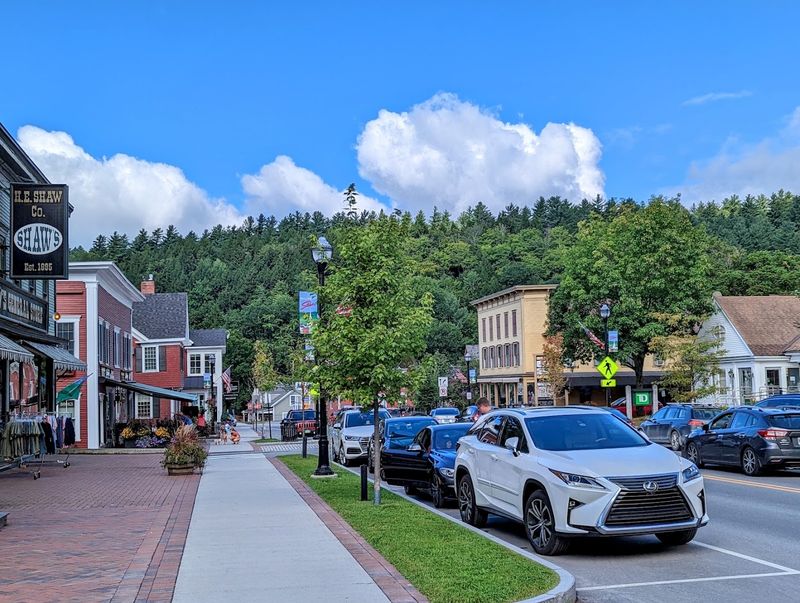
The village center is exactly what people imagine when they picture a perfect New England town. Independent boutiques, cozy cafes, and art galleries line walkable streets.
The Stowe Community Church spire frames every photograph beautifully. Shops carry locally made jewelry, pottery, and maple products that feel genuinely rooted in Vermont culture.
That charm is magnetic, and that magnetism is exactly the problem. What once felt like a quiet neighborhood shopping street now operates more like a resort strip during peak season.
Restaurant wait times stretch to 90 minutes. Parking fees climb.
The sidewalks fill with visitors who outnumber residents by a wide margin on busy weekends.
Long-time locals describe a strange feeling of watching their town perform for an audience. The storefronts still look the same, but the energy has shifted.
Businesses cater increasingly to tourist preferences rather than neighborhood needs. The village charm that made Stowe special is now the very thing drawing the crowds that threaten to change it beyond recognition.
When Neighbors Become Strangers
Ask longtime residents what has changed most, and many will skip past the traffic and go straight to the neighbors. Familiar faces have been disappearing from Stowe neighborhoods for years.
Between 2012 and 2024, the town lost 98 primary residences to the short-term rental market. That number represents real families who no longer live there.
Properties that once housed local teachers, tradespeople, and shop owners now sit empty most of the week, waiting for the next weekend booking. A significant majority of these rental properties are owned by people who live outside the town entirely, with many based in other states.
The community fabric, built over generations of shared winters and town meetings, is quietly unraveling.
New regulations set to take effect in 2026 aim to cap short-term rentals and slow this trend. Residents are cautiously hopeful but realistic.
Rules can slow a tide, but reversing one takes far more than policy. The sense of loss among those who remain is palpable, personal, and deeply tied to what they believe Stowe should still be.
The Housing Crisis Hitting Close to Home
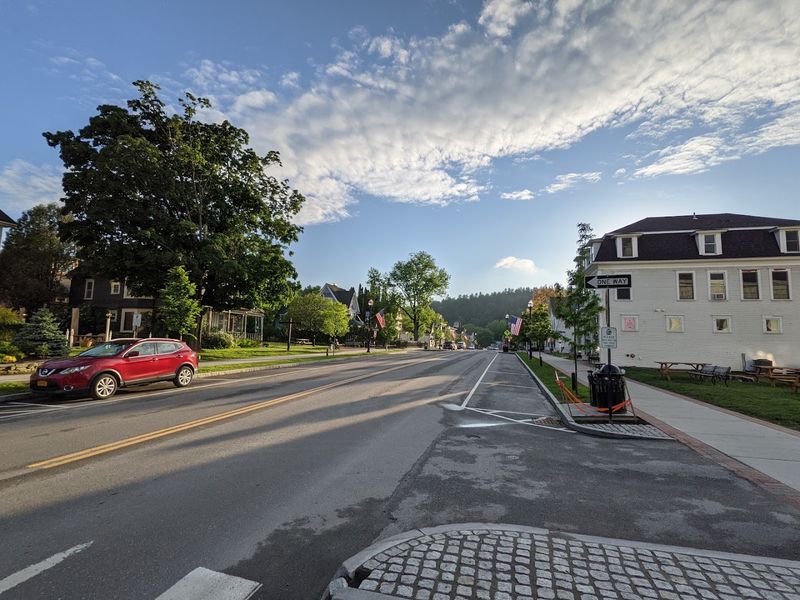
Home prices in Stowe have climbed well beyond what most local workers can afford. The combination of remote buyers, vacation property investors, and short-term rental demand has pushed the market into territory that feels disconnected from local wages.
Workers who staff the restaurants, ski resort, and shops often cannot afford to live in the town they serve.
This creates a daily commute problem that ripples through the entire economy. Businesses struggle to hire and retain staff when employees must drive long distances just to get to work.
The service quality that visitors expect depends on a stable local workforce, and that workforce is increasingly priced out.
The town’s planning process, known as Stowe 2050, surfaced these concerns clearly. Residents participating in that process expressed frustration that visitor experience had begun to take priority over community wellbeing.
The affordable housing gap is not just a real estate issue. It is a question of who gets to belong to a place and who gets quietly pushed out by its success.
The Trapp Family Lodge and Its Unexpected Legacy
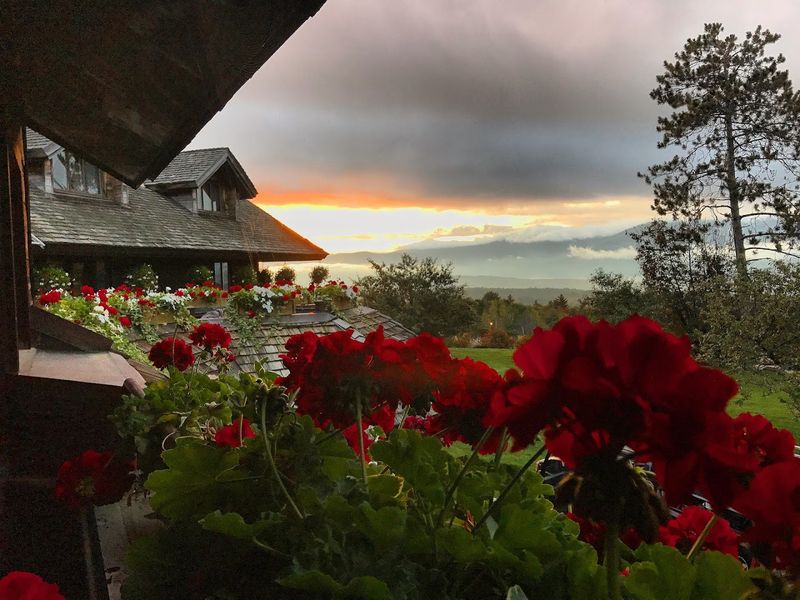
Few Vermont landmarks carry as much story as the Trapp Family Lodge, perched on a hillside above Stowe. The Von Trapp family, whose escape from Europe became one of the most famous stories ever told on film, eventually settled here and built a life rooted in this mountain landscape.
Their Austrian heritage gave the lodge a distinctly European character that still stands out against the surrounding Vermont scenery.
The property is a destination on its own terms. Cross-country ski trails wind through the grounds in winter, offering a quieter and more contemplative alternative to the downhill slopes.
Warmer months bring hiking and outdoor activities that showcase the property’s stunning setting.
For many visitors, the lodge represents exactly what draws people to Stowe in the first place. History, beauty, and a sense of place that feels earned rather than manufactured.
But it also illustrates the tension at the heart of the town’s identity. The things that make Stowe extraordinary are also the things that make it irresistible to the world, and managing that irresistibility is the ongoing challenge.
Arts and Culture Holding Their Ground
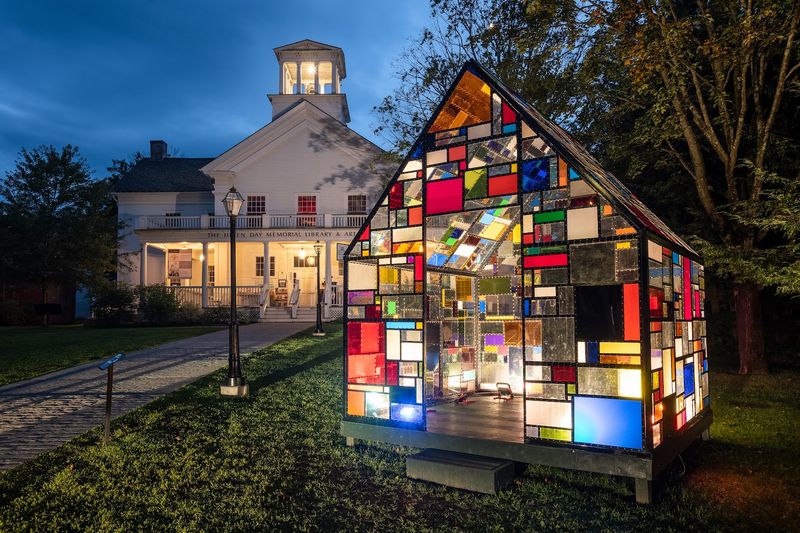
Outdoor adventure gets most of the spotlight, but Stowe nurtures a creative side that deserves equal attention. Local galleries showcase handmade jewelry, textiles, and paintings by artists who draw direct inspiration from the surrounding Vermont landscape.
The Vermont Ski and Snowboard Museum offers a fascinating window into the region’s winter sports history, with gear and artifacts that trace the sport’s evolution from wooden planks to modern equipment.
The community calendar fills up across all four seasons. Winter Carnival brings festive energy to the colder months.
Summer art walks and fall harvest festivals create opportunities for residents and visitors to connect around shared creativity rather than just shared scenery.
Live music and theater performances add another dimension to the town’s cultural life. These events matter beyond entertainment.
They serve as anchors for the local community, providing spaces where belonging feels possible even as the town’s demographics shift. For residents worried about losing their town’s soul, the arts scene represents one of the clearest signs that something genuine still pulses beneath the tourist surface.
Food, Flavor, and the Farm-to-Table Tradition
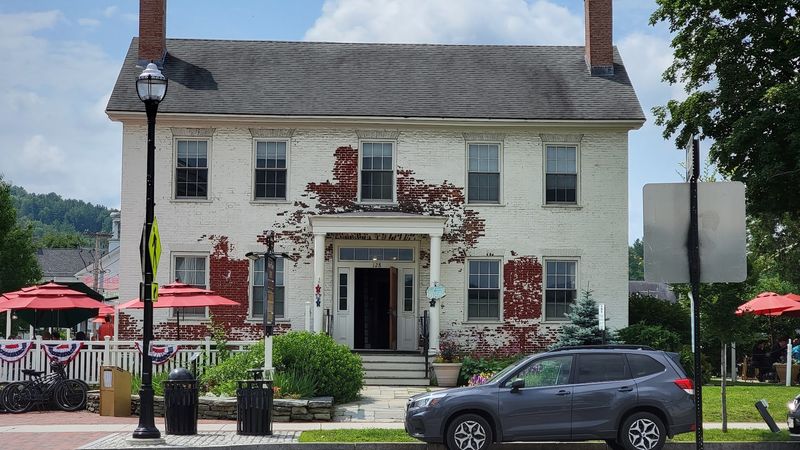
The dining scene in Stowe reflects the same values that run through much of Vermont life: local sourcing, seasonal ingredients, and a genuine connection to the land. Cozy cafes serve maple lattes made with syrup from nearby farms.
Rustic restaurants build menus around fresh cheeses, local produce, and proteins raised within driving distance of the kitchen.
This farm-to-table ethos is not a trend here. It is a deeply embedded part of how the community relates to its agricultural surroundings.
Visitors who take the time to seek out these spots often describe the experience as one of the most memorable parts of their trip. The food tells a story that no ski trail or foliage drive can quite replicate.
Local markets round out the picture, offering authentic Vermont maple syrup, craft cider, and artisan goods that make for far better souvenirs than anything sold in a resort gift shop. The culinary identity of Stowe remains one of its most grounded and authentic qualities, even as other aspects of the town continue to shift under the pressure of growing visitor numbers.
What Stowe Is Trying to Protect
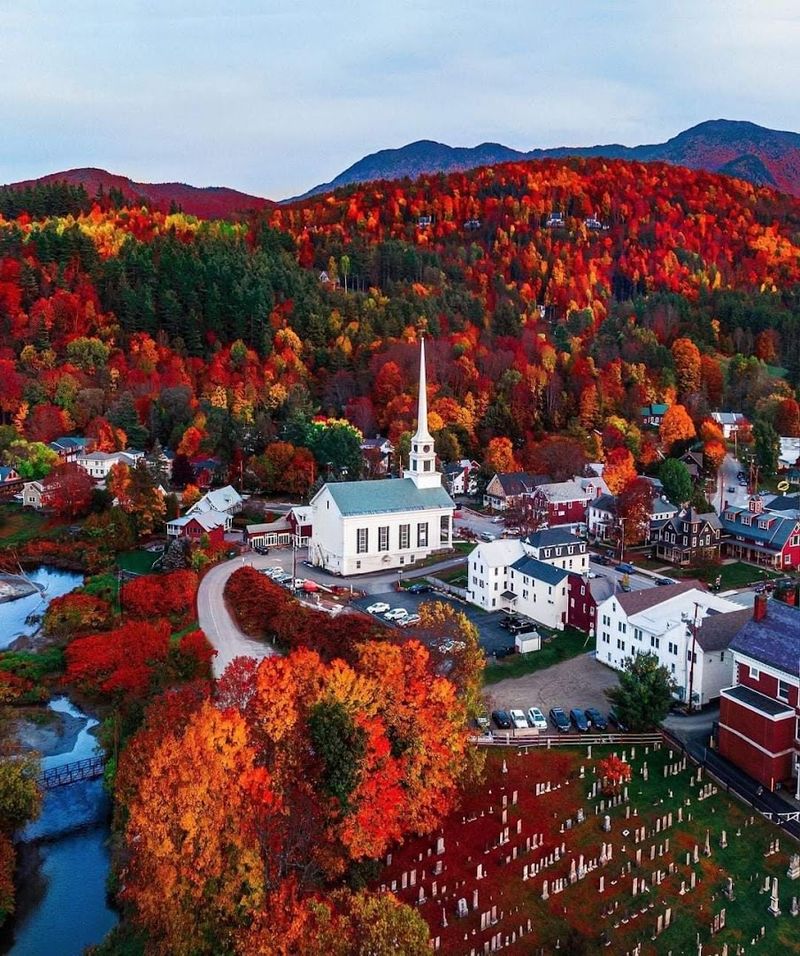
Stowe is not sitting still while the debate over its future plays out. The Stowe 2050 planning initiative brought residents together to articulate what they value most and what they most fear losing.
The answers pointed consistently toward community cohesion, natural landscapes, and a quality of life that cannot be measured in hotel bookings or lift ticket sales.
Short-term rental regulations taking effect in 2026 represent one concrete step toward rebalancing the equation. Environmental stewardship remains a stated priority, with the understanding that the natural beauty drawing visitors is also the town’s most fragile asset.
Protecting it requires active effort, not passive appreciation.
The broader goal is a Stowe where residents and visitors can coexist without one group erasing the other. That balance is genuinely difficult to strike in a place this desirable.
But the conversation happening here in Vermont is one that many popular destinations avoid having until it is too late. Stowe, at least, is asking the hard questions while there is still time to shape the answers.