
9 Tiny Idaho Towns With Downtowns That Still Feel Wonderfully Old Fashioned
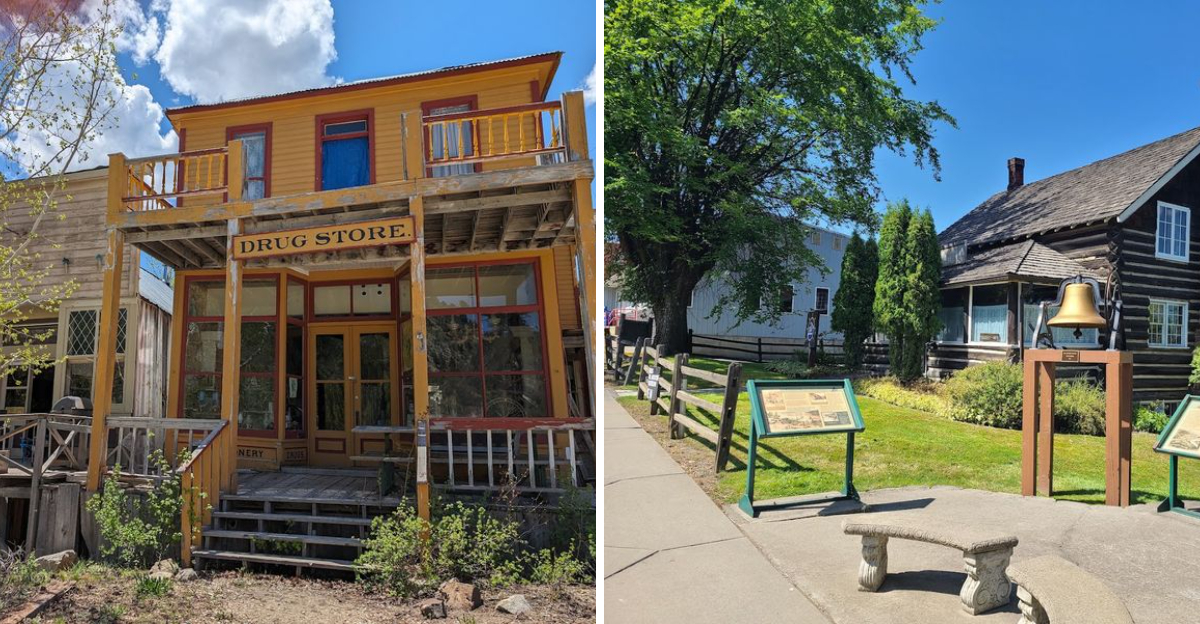
Ever wish you could park the car, silence your phone, and spend an afternoon somewhere that seems untouched by modern rush? Idaho still has tiny towns where downtown means brick storefronts, hand-painted signs, old theaters, and sidewalks made for slow wandering.
You may stop for coffee and end up chatting with a shop owner who knows nearly everyone passing the window. That rarely happens anymore, which makes these places feel even more special.
Each downtown has its own personality. One may have historic buildings filled with antiques, while another centers around a quiet main street where family businesses have served generations. Nothing feels overly polished or designed for tourists. It simply feels real.
These small communities reveal a side of Idaho that busy highways often hide. They remind you that the state still values local stories, familiar faces, and places with history written into every block.
Ready to see which old-fashioned downtown might become your next favorite stop in the state?
1. Paris
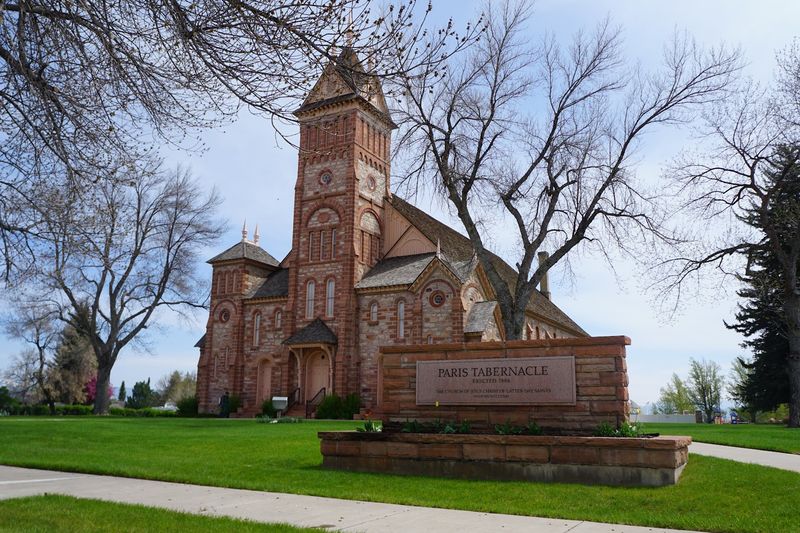
Red sandstone gives this Bear Lake Valley town its distinctive character. Quarried locally in the 1800s, the unique building material creates a warm, rustic appearance you will not find elsewhere in Idaho.
The Paris Tabernacle dominates the skyline with its Romanesque Revival architecture. Built in 1889, the structure showcases the craftsmanship of pioneer builders who worked without modern tools.
Its tower and arched windows make it a regional landmark.
Main Street feels frozen around 1920. Original storefronts maintain their vintage signage and window displays.
The pace here moves slowly, with locals stopping to chat on corners just as their ancestors did.
Agriculture still drives the local economy, just as it has for over a century. Surrounding farms and ranches supply the community, maintaining rural traditions that urban areas have lost.
Harvest seasons bring the town together in ways that feel genuinely old-fashioned.
The town sits near Bear Lake, but Paris itself maintains a separate identity. Its elevation and valley location create distinct seasons, each bringing different beauty to the historic streetscape.
Few modern intrusions disrupt the vintage atmosphere. Streetlights remain simple and unobtrusive.
Buildings have been maintained rather than replaced, preserving the architectural integrity of the downtown core.
Paris, Bear Lake County, Idaho
2. Idaho City
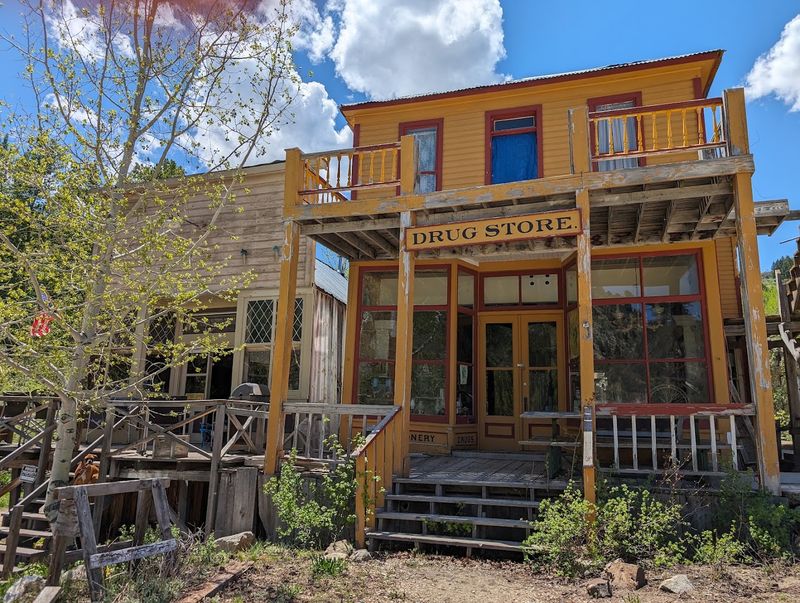
Gold fever built this mountain town in the 1860s. Over 20,000 miners once called it home, making it larger than Portland at the time.
The downtown still looks remarkably similar to those boom years. Original brick buildings line the main drag, their facades barely changed since construction.
You can peek into the old Boise Basin Mercantile, which has operated in the same spot for generations.
The wooden sidewalks creak under your feet as you pass by structures that survived multiple fires. Many buildings sport their original paint schemes, faded but authentic.
The territorial-era courthouse still stands watch over the community, its clock tower visible from blocks away.
Historic cemeteries dot the hillsides around town. Boot Hill contains graves of pioneers, miners, and characters who shaped early Idaho.
The stories etched on weathered headstones bring history to life in ways museums cannot match.
Modern life exists here, but it takes a backseat to preservation. No chain stores interrupt the vintage streetscape.
Local shops occupy spaces that have housed businesses since the 1800s, creating continuity across centuries.
Winter snows blanket the town in white, making it look even more like an old photograph. Summer brings tourists, but the authentic character remains unchanged year-round.
Idaho City, Boise County, Idaho
3. Salmon
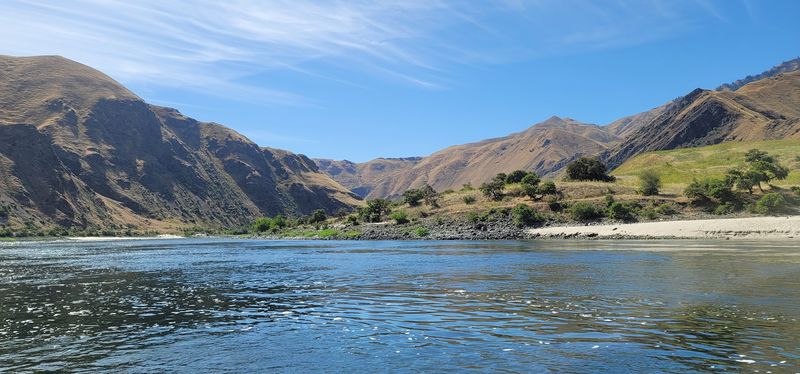
Mountains surround this river town on all sides. The Salmon River flows right through, giving the community its name and its historic purpose as a transportation hub.
Downtown preserves its frontier character beautifully. Brick buildings from the early 1900s line the main corridor, their upper-story windows overlooking streets that once saw pack trains and freight wagons.
Original tin ceilings still grace several interiors.
The town grew as a supply center for miners and ranchers. That practical heritage shows in the no-nonsense architecture and straightforward layout.
Everything was built to last, and most of it has.
Local shops occupy spaces that have housed businesses for generations. The drugstore, hardware store, and cafes all maintain their traditional roles in community life.
You can still get a milkshake at an old-fashioned counter.
Murals depicting local history cover several building walls. These artistic additions tell stories of Native American heritage, pioneer settlement, and the challenges of mountain living.
They add color without compromising the historic feel.
The surrounding wilderness remains as wild as ever. This isolation has helped preserve the downtown, keeping development pressures minimal.
Modern amenities exist, but they blend into the established character rather than overwhelming it.
Salmon, Lemhi County, Idaho
4. Bonners Ferry
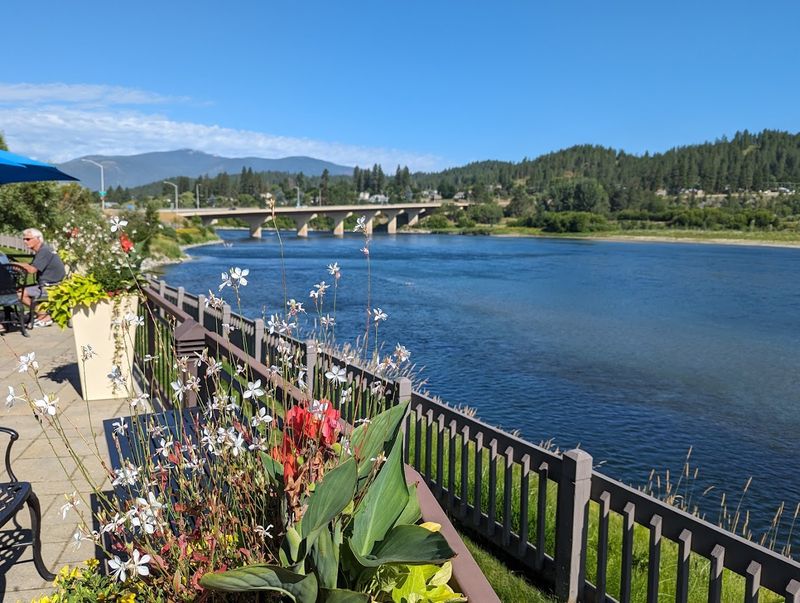
Can a border town maintain small-town charm? This northern Idaho community proves it can, sitting just miles from Canada yet feeling worlds away from urban sprawl.
The downtown district showcases early 20th-century commercial architecture. Brick facades with decorative cornices line the streets, their details reflecting pride in construction.
Large storefront windows were designed to display goods to passing wagon traffic.
The Kootenai River shaped the town’s development and location. Early ferries crossed here, giving the community its name and purpose.
That transportation heritage remains visible in the downtown layout and orientation toward the water.
Local businesses have occupied the same buildings for decades. The continuity creates trust and stability that newer communities lack.
Shop owners know their customers by name, maintaining relationships across generations.
Vintage neon signs still advertise some establishments. These mid-century additions have become historic in their own right, adding retro charm to the Victorian and Edwardian structures.
The mix of eras creates visual interest without feeling chaotic.
Surrounding forests and mountains provide a dramatic backdrop. The natural setting has changed little since settlement days, reinforcing the sense of stepping into the past.
Wildlife still wanders near town limits, just as it always has.
Bonners Ferry, Boundary County, Idaho
5. Sandpoint
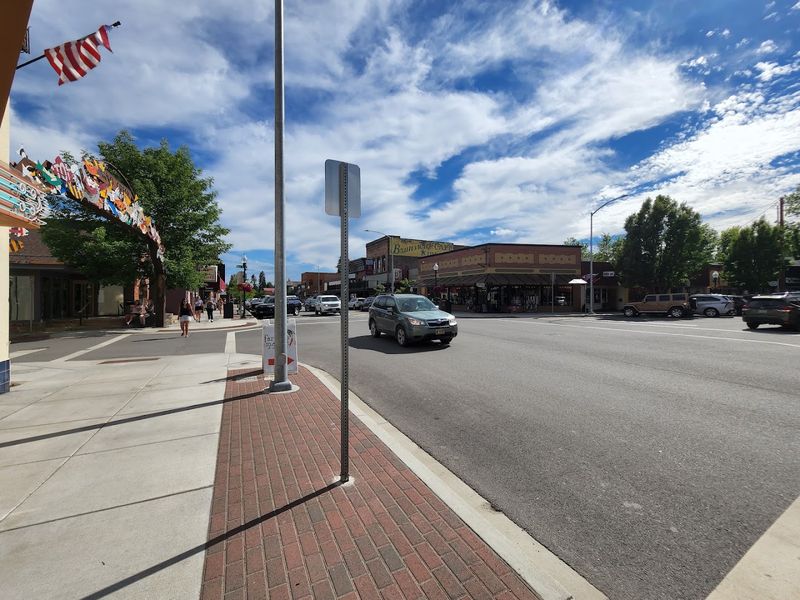
Lake Pend Oreille sparkles just blocks from downtown. This waterfront location attracted early settlers and continues to define the community character today.
The business district maintains its turn-of-the-century appearance remarkably well. Two and three-story brick buildings create a consistent streetscape, their proportions and details reflecting the commercial architecture of 1900-1920.
Upper windows often feature original glass.
Railroad history runs deep here. The town grew as a division point for transcontinental lines, and that heritage shows in the substantial construction downtown.
Buildings were designed to impress travelers and serve a bustling commercial center.
Independent shops fill the historic spaces now. Bookstores, galleries, and cafes occupy rooms that once held mercantiles and hotels.
The businesses have changed, but the bones remain authentically old.
Wooden awnings shade the sidewalks in summer. These practical additions also enhance the vintage atmosphere, creating covered walkways that encourage strolling.
The main street invites exploration rather than quick pass-throughs.
Mountain views frame every vista. The surrounding peaks have witnessed all of Sandpoint’s history, providing continuity across the decades.
Snow-capped or green, they anchor the town in its spectacular natural setting.
Local preservation efforts have protected the downtown core. Careful restoration maintains historic integrity while allowing modern use of the buildings.
Sandpoint, Bonner County, Idaho
6. St. Maries
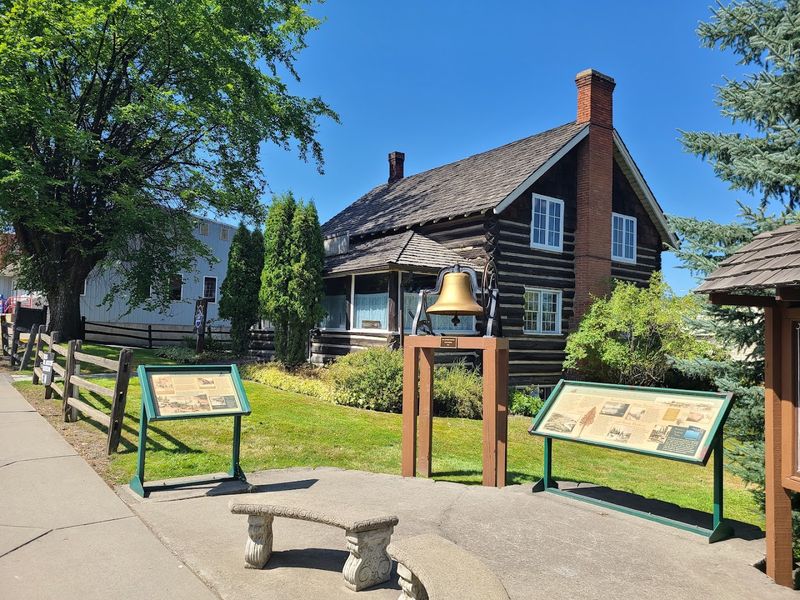
Timber built this town and still defines it. The surrounding forests provided the economic foundation, and that logging heritage permeates the downtown atmosphere.
Sturdy brick and stone buildings line the main streets. Their construction reflects the prosperity of early lumber boom years, when mills ran constantly and money flowed freely.
Decorative brickwork and stone foundations showcase the quality standards of that era.
The St. Joe River flows nearby, once the highway for log drives. Those days have passed, but the river remains central to town identity.
Its presence influenced the street layout and building orientation that still exist today.
Original storefronts retain their vintage character. Large display windows, recessed entries, and transoms above doors all follow early 20th-century commercial design.
Some businesses have operated in the same locations for three or four generations.
Hardware stores still stock items you cannot find in big-box retailers. The inventory reflects the needs of a working community rather than suburban convenience.
This practicality connects directly to pioneer traditions of self-sufficiency.
Painted murals celebrate local history on several building walls. These artistic touches add visual interest while educating visitors about timber industry heritage, Native American culture, and early settlement challenges.
The pace here remains unhurried. People take time for conversation, and community events draw genuine participation from residents of all ages.
St. Maries, Benewah County, Idaho
7. Weiser
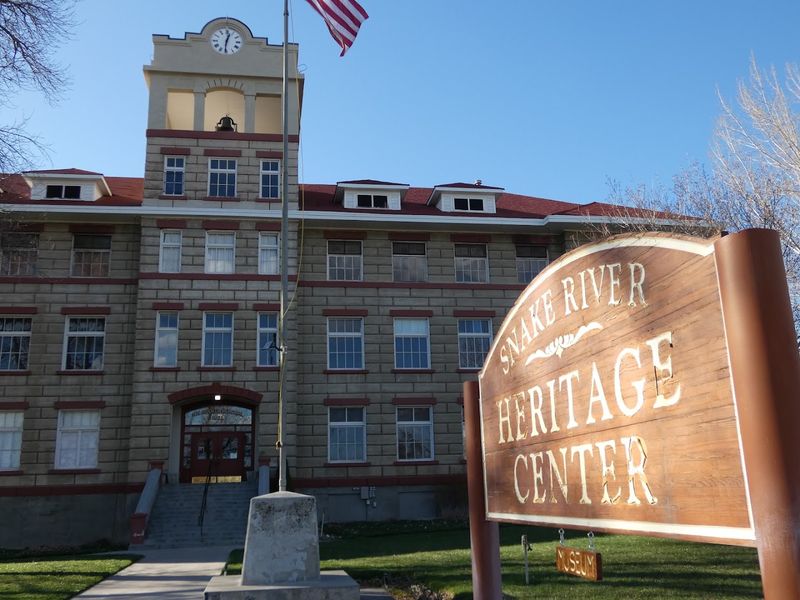
Fiddle music fills the air each June. This Snake River valley town hosts the National Oldtime Fiddlers’ Contest, bringing traditional music to streets that have heard it for generations.
The downtown core preserves its agricultural boom-era character beautifully. Substantial brick buildings from the 1900s and 1910s reflect the wealth that farming brought to the region.
Corner buildings feature particularly ornate details, marking their prominence in the commercial district.
Wide streets accommodate the farm equipment that still passes through town. This practical design element also creates an open, welcoming feel to the business district.
Angled parking preserves a vintage traffic pattern.
Original theater marquees still advertise entertainment on main street. These vintage signs have been carefully maintained, their neon and bulbs restored to working condition.
They light up the downtown on weekend evenings, creating atmosphere that modern LED signs cannot match.
Local shops serve a farming community first, tourists second. This authenticity means you will find working ranch supplies alongside antiques.
The mix reflects genuine local needs rather than manufactured charm.
Tree-lined residential streets surround the commercial core. Many homes date to the same era as downtown buildings, creating architectural consistency throughout the community.
Front porches and sidewalks encourage neighborly interaction.
The surrounding valley produces crops just as it has for over a century. This agricultural continuity reinforces the historic character of the town itself.
Weiser, Washington County, Idaho
8. Driggs
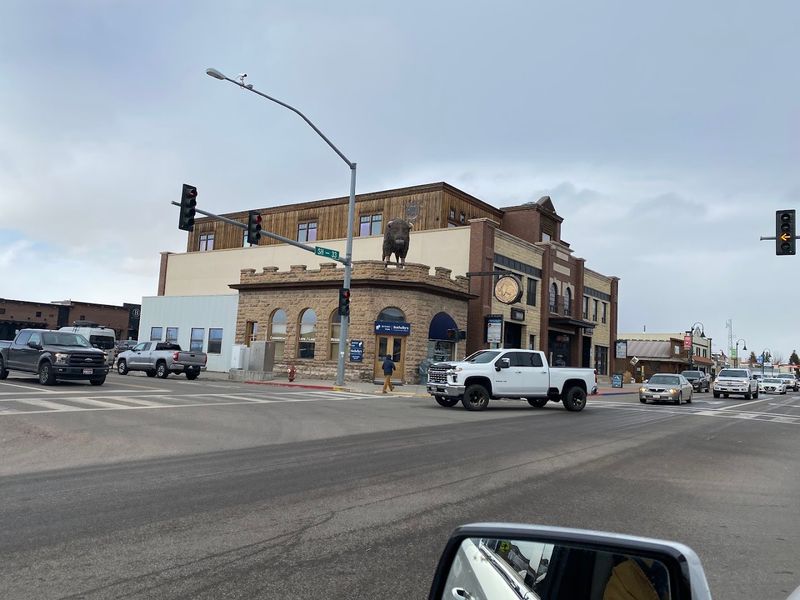
The Teton peaks dominate the eastern skyline here. These mountains provided the backdrop when pioneers first settled the valley, and they still define the community character today.
Main Street preserves its ranching-town roots remarkably well. Simple wooden and brick buildings reflect the practical needs of early settlers rather than architectural pretension.
False fronts and covered walkways create classic western atmosphere.
The town grew slowly, which helped preserve its historic core. No boom-and-bust cycle brought rapid construction and demolition.
Buildings were maintained because replacing them made no economic sense, inadvertently creating preservation.
Local businesses still cater to working ranchers and farmers. Feed stores, equipment dealers, and practical services occupy downtown spaces.
This functionality keeps the town authentic rather than turning it into a tourist facade.
Vintage signs and original storefronts remain largely intact. Modern updates have been minimal and sympathetic to the historic character.
The result feels genuinely old rather than artificially aged.
Surrounding potato fields and ranches maintain the agricultural landscape that has existed for generations. This rural setting reinforces the small-town atmosphere and prevents suburban sprawl from encroaching on the historic downtown.
Winter brings deep snow, just as it always has. The town adapts to seasons in traditional ways, maintaining rhythms that connect to pioneer experiences.
Driggs, Teton County, Idaho
9. Ketchum
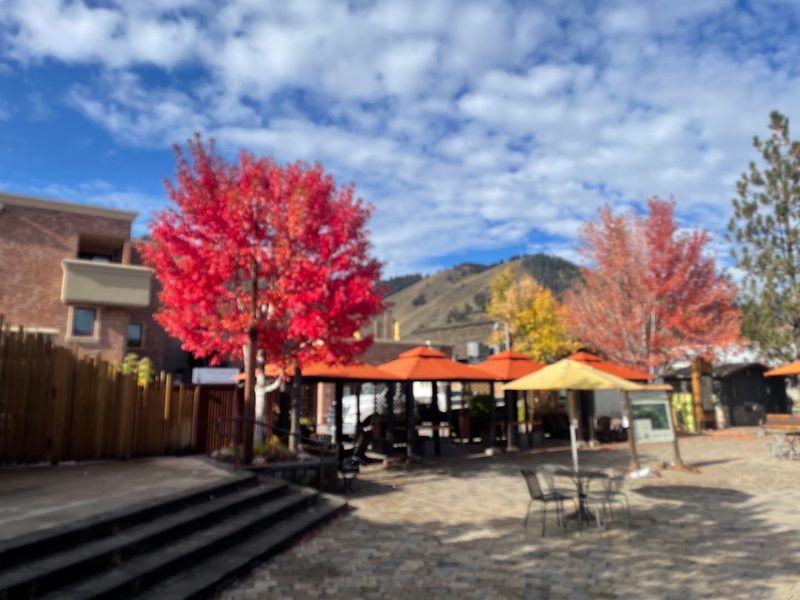
Mining started it all here in the 1880s. Silver and lead drew prospectors to this mountain valley, and their legacy remains visible in the downtown architecture.
The business district maintains its mining-era bones despite later development. Original stone and brick buildings anchor the main street, their solid construction reflecting the wealth that minerals brought.
Upper stories often feature living quarters where merchants once resided above their shops.
The transition to a resort economy brought changes, but careful preservation protected the historic core. New construction has been required to complement rather than overwhelm the vintage buildings.
Height restrictions and design guidelines maintain the small-town scale.
Local shops occupy spaces with genuine history. The buildings have stories that go back generations, creating depth that new construction cannot replicate.
Original tin ceilings, wooden floors, and brick walls remain visible in many interiors.
Mountain views surround the town on all sides. These peaks witnessed the entire evolution from mining camp to modern community, providing continuity across the decades.
Their unchanging presence anchors the town in its spectacular natural setting.
The Wood River flows through the valley, just as it did when prospectors first arrived. This natural feature influenced the town layout and continues to shape community life today.
Ketchum, Blaine County, Idaho