
This West Virginia Mountain Town Still Feels Wonderfully Off The Beaten Path
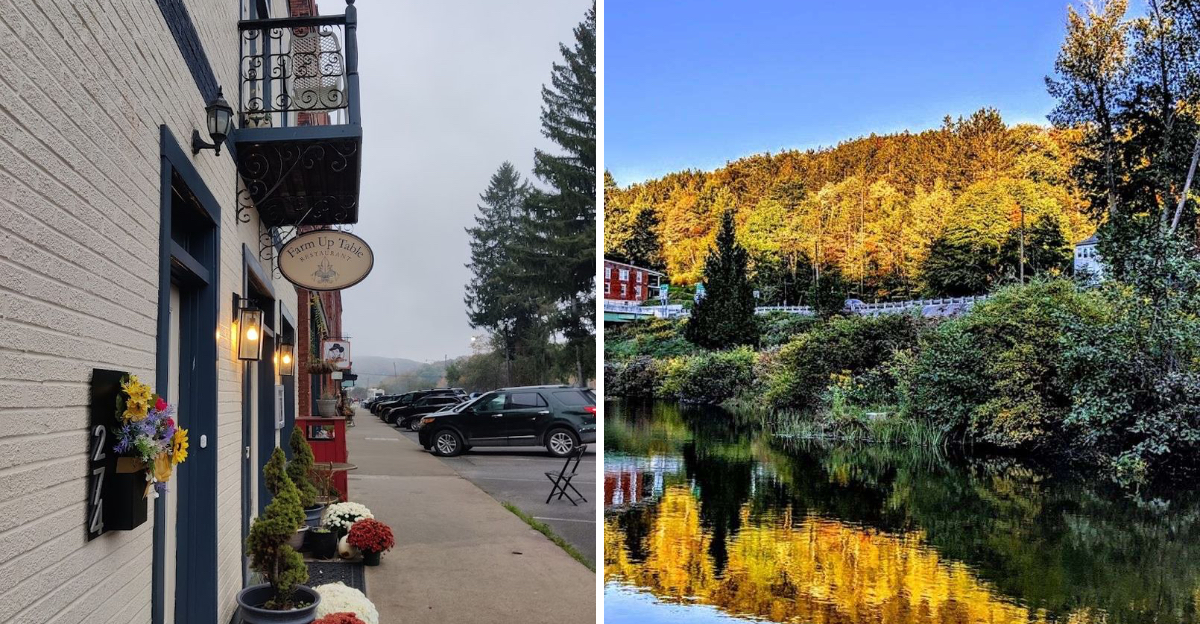
Tiny streets, mountain views, and creative surprises make this escape unforgettable. Every block feels like a discovery, blending colorful galleries, historic buildings, and breathtaking scenery into one memorable adventure.
The peaceful atmosphere makes it wonderfully easy to slow down and enjoy every moment.
West Virginia hides remarkable destinations where nature and creativity come together in unexpected ways, and this mountain town captures both beautifully.
Spend the day exploring art galleries, scenic trails, live music, and charming storefronts before heading toward spectacular waterfalls and sweeping overlooks nearby.
Every visit offers another reason to linger a little longer. West Virginia continues to reward curious travelers with places that feel refreshingly authentic, making this destination a fantastic choice for your next mountain getaway.
A Coal Town With a Complicated, Colorful Past
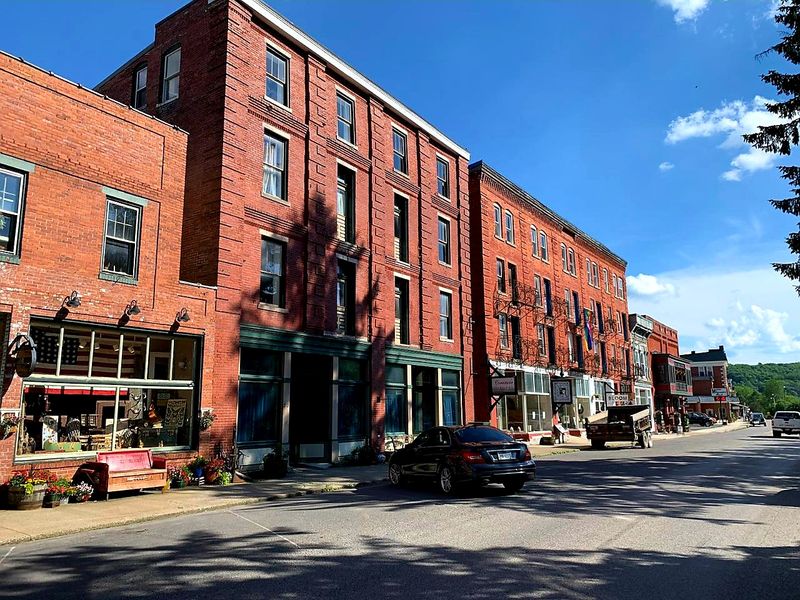
Coal built this town fast and hard. Thomas, West Virginia, rose from rugged Appalachian terrain in the 1880s after workers discovered vast underground coal seams that would fuel an entire region.
The WV Central and Pitt Railway arrived and changed everything. That single rail connection allowed both coal and timber industries to explode almost overnight.
The Davis Coal and Coke Company became a global operation, drawing laborers from Austria, Poland, Russia, and Italy.
Thomas was incorporated in 1892. Its population climbed past two thousand by 1910, a remarkable figure for such remote mountain terrain.
Immigrants did not just work here. They built their own homes, many featuring balconies and overhanging porches that echoed European architectural traditions.
Prosperity brought fine hotels, a grand railway station, and the beloved Cottrill’s Opera House. That cultural foundation, laid by workers from dozens of countries, still shapes the town’s identity today.
History here is not just preserved. It is lived.
The National Register Recognition That Says It All
Not every small mountain town earns a spot on the National Register of Historic Places. Thomas did, and it earned that recognition in 1997 for good reason.
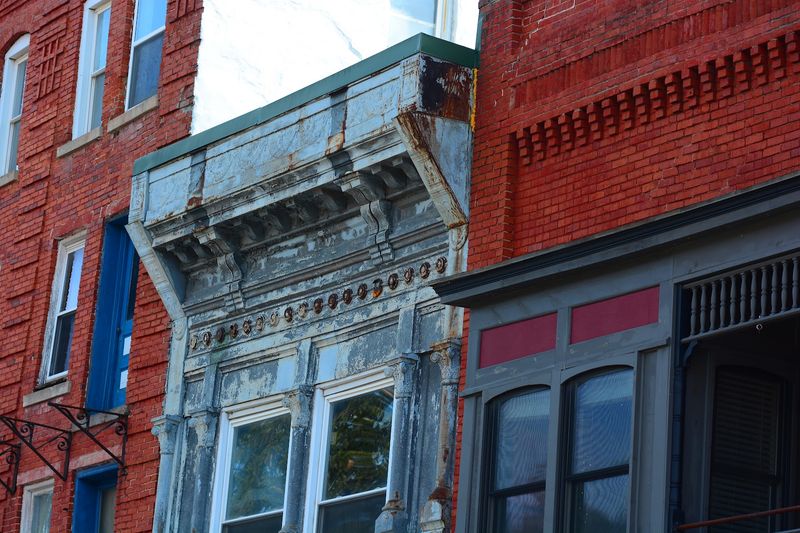
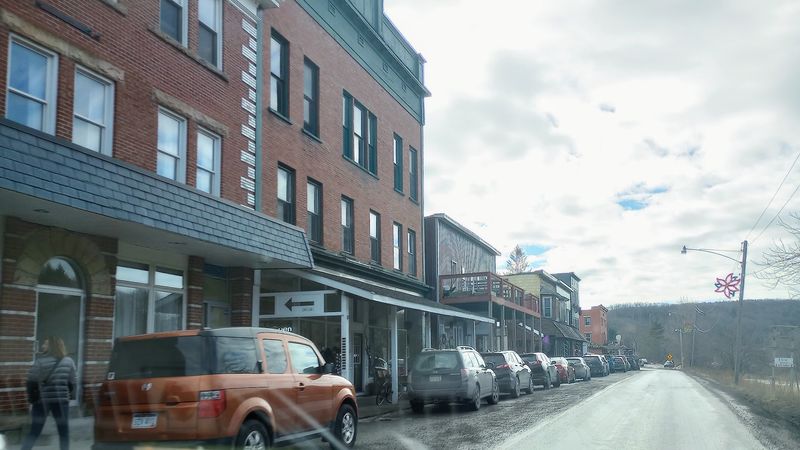
The downtown district along Front Street and Spruce Street retains an architectural character that feels genuinely rare. Buildings from the late 19th and early 20th centuries stand shoulder to shoulder, representing Italianate, Renaissance Revival, and Gothic Revival influences.
These styles arrived with the immigrant workforce that built the town.
Walking these streets feels like flipping through a well-preserved history book. The brick facades tell stories of the fire that swept through in 1901, destroying nearly half the town in under two hours.
Thomas rebuilt quickly, replacing wooden structures with the durable brick buildings that still define its skyline today.
That resilience is baked into the architecture itself. Preservation efforts have kept the district intact, giving visitors a rare chance to experience Appalachian industrial history without the filter of heavy restoration or commercial overdevelopment.
Front Street and the Art Scene That Snuck Up on Everyone
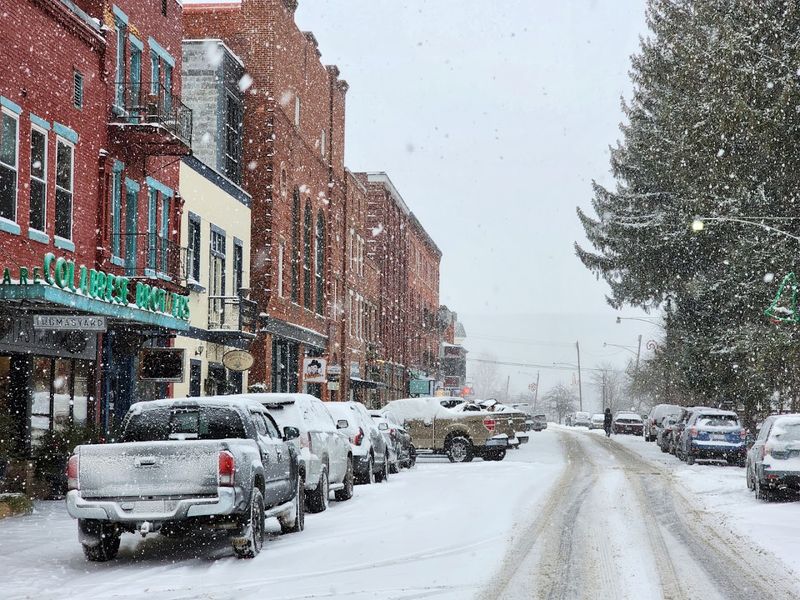
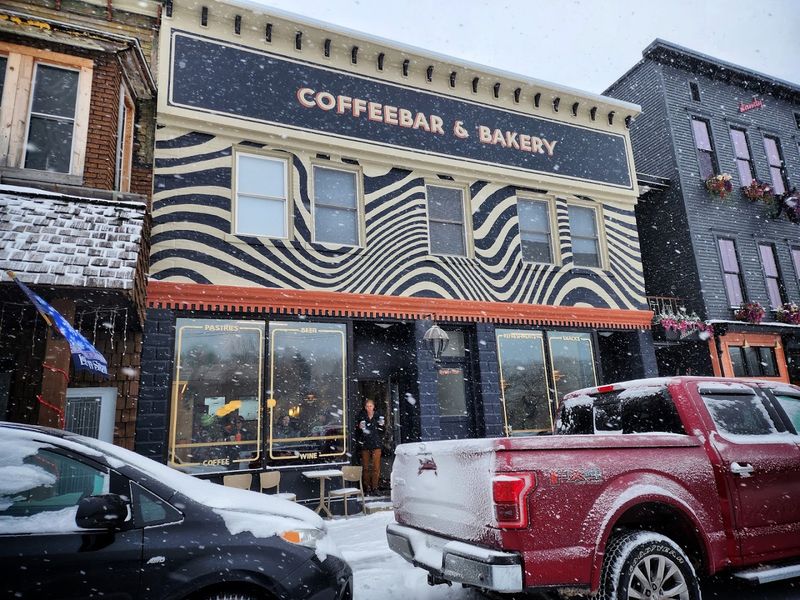
Thomas gradually evolved into an arts hub as artists, entrepreneurs, and preservation efforts breathed new life into its historic downtown. Entrepreneurs spotted affordable historic storefronts and creative potential in a town that the mainstream had overlooked.
Today, Front Street and Spruce Street form a creative corridor that punches well above its weight. The White Room Art Gallery draws visitors with rotating exhibits.
Buxton and Landstreet Gallery and Studios showcases local creations with real depth and range. Invisible features bold, super colorful works that stop foot traffic cold.
Santangelo has built a following for its story-driven art, while Bloom offers accessible Appalachian art prints at prices that do not require a second mortgage. Nellie Rose rounds out the experience with handmade clothing crafted from organic fabrics.
West Virginia does not often appear on lists of top arts destinations, but Thomas is changing that conversation one gallery at a time. The creative energy here feels earned rather than manufactured, which makes browsing these spaces genuinely refreshing.
The Purple Fiddle and the Sound of the Mountains
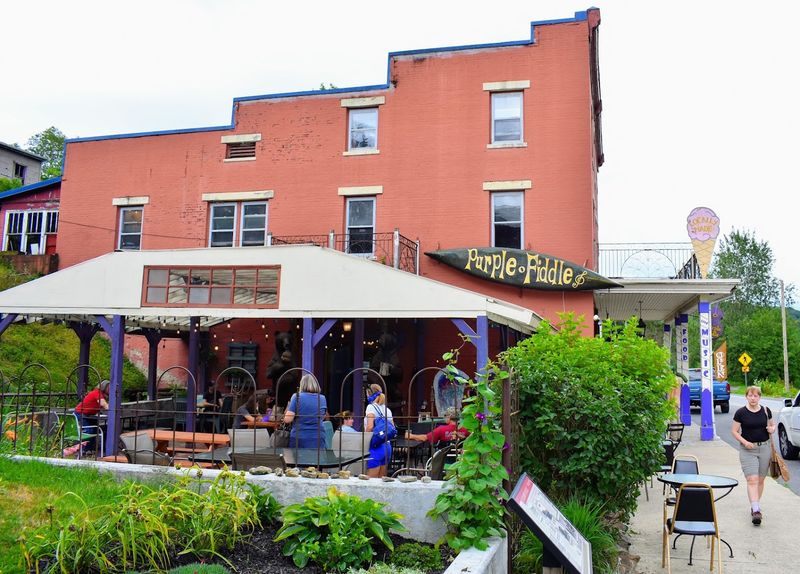
Some venues become legends. The Purple Fiddle earned that status by doing one thing exceptionally well: bringing live mountain music to a converted grocery store in the heart of Thomas.
Bluegrass, folk, and Appalachian mountain music fill this intimate space year-round. Both local acts and touring artists have graced its low stage, creating an atmosphere that feels more like a community gathering than a ticketed show.
The crowd is always a mix of regulars and first-timers, and somehow it always works.
The Purple Fiddle also serves food, making it easy to spend an entire evening without ever wanting to leave. The cozy setting, warm lighting, and proximity of the performers to the audience create a connection that larger venues simply cannot replicate.
Thomas has always had music in its bones. Historical records note the town once supported its own band and jazz ensembles during its coal-era peak.
The Purple Fiddle honors that legacy while pushing it forward into something new and alive.
Blackwater Falls and the Waterfall Next Door
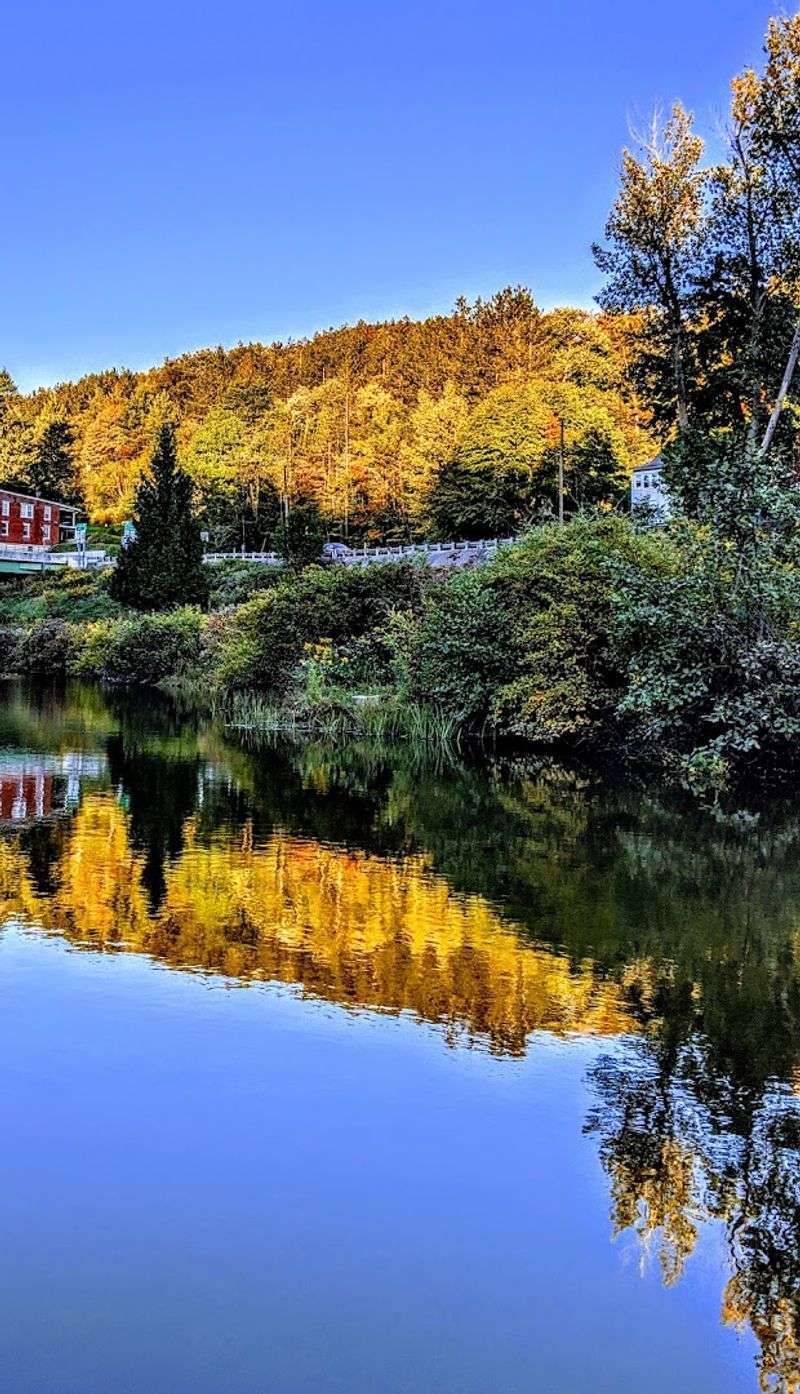
Having a 57-foot waterfall practically in your backyard is not something most towns can claim. Thomas sits just minutes from Blackwater Falls State Park, home to one of West Virginia’s most photographed natural landmarks.
The falls cascade in a rich amber hue, stained by the tannic acid from fallen hemlock and red spruce needles upstream. The effect is dramatic in every season.
Autumn amplifies the spectacle with fiery foliage framing the plunge. Winter coats the surrounding canyon walls in ice formations that look almost architectural.
Hiking trails wind through the park at varying difficulty levels, making it accessible for casual walkers and serious trekkers alike. The canyon overlooks offer perspectives that stop people mid-sentence.
For visitors using Thomas as a base camp, Blackwater Falls State Park is the obvious first stop. It sets the tone for the entire trip, reminding anyone who arrives skeptical that this corner of West Virginia holds natural drama on a scale that is hard to overstate.
Trails, Bikes, and the Blackwater Canyon Rail Trail
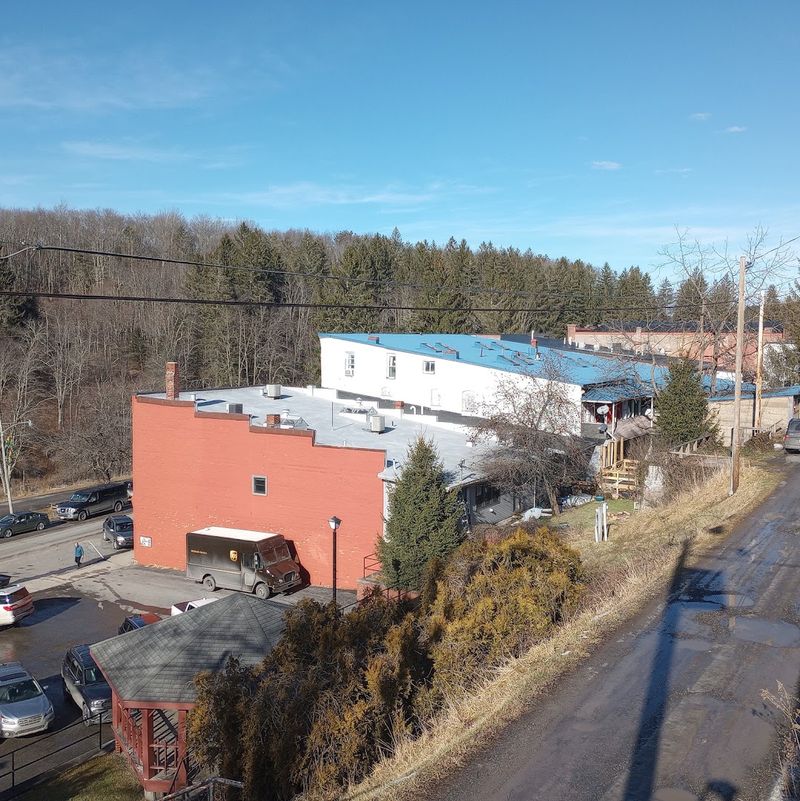
The Blackwater Canyon Rail Trail follows the old rail corridor through one of the most dramatic gorges in the eastern United States. Hikers and cyclists share this path, which cuts through dense forest with the Blackwater River rushing below.
The trail is ideal for mountain biking, hiking, and cross-country skiing when winter snow arrives. The grade stays relatively manageable along former rail bed sections, making it accessible for riders and walkers who are not looking for an extreme challenge.
For those wanting more technical singletrack, Lake Thomas delivers. The trails around the lake combine forest riding with occasional water views and enough elevation change to keep things interesting.
Douglas Falls, reachable via the Allegheny Highlands Rail Trail, rewards the effort with a stunning payoff.
Outdoor outfitters in nearby Davis supply equipment rentals for visitors who arrive without gear. Thomas functions as an excellent staging point for multi-day adventures throughout Tucker County, with enough trail variety to keep active travelers occupied across an entire long weekend.
Canaan Valley and the Winter Sports Scene Nearby
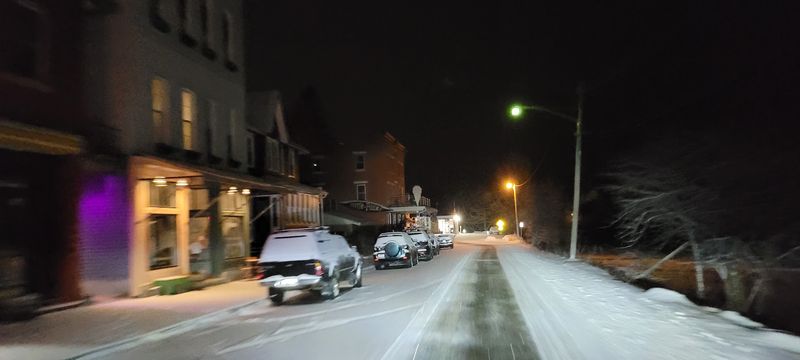
Winter does not slow Thomas down. It actually gives the town a second wind.
Canaan Valley Resort State Park sits nearby, offering alpine skiing, cross-country trails, and snowshoeing across a high-altitude plateau that holds snow better than almost anywhere else in the mid-Atlantic region.
The valley sits at an elevation that consistently delivers serious snowfall, which is rare enough on the East Coast to make it a legitimate draw for winter sports enthusiasts who do not want to travel to New England. Canaan Valley also offers mountain biking and hiking in warmer months, making it a year-round asset for the region.
Dolly Sods Wilderness adds another layer of winter appeal. Its open heath barrens and high-elevation terrain create conditions that feel more like northern Canada than West Virginia.
Cross-country skiers and snowshoers find it exceptional on a good snow year.
Thomas benefits from all of this proximity. Visitors can ski during the day and catch live music in town at night, which is a combination that is surprisingly hard to beat in this part of the country.
Architectural Details Worth Slowing Down For
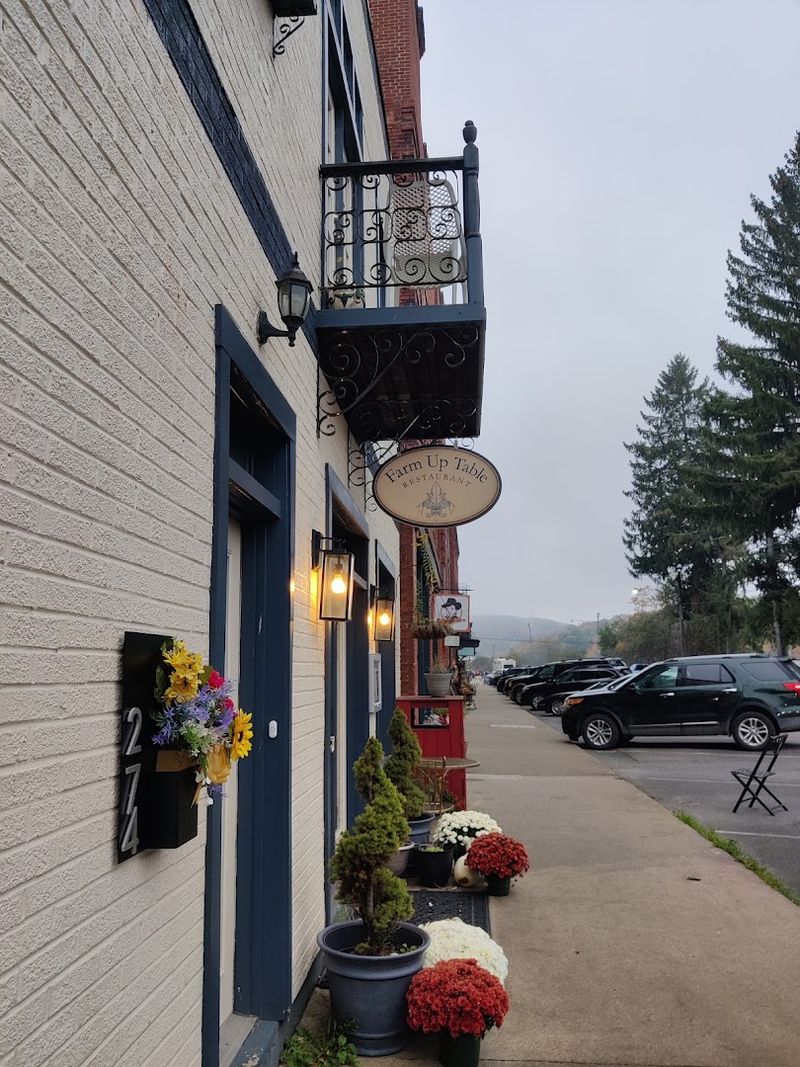
Most visitors walk Thomas’s streets at a brisk pace and still miss half of what is worth seeing. The architectural details reward anyone willing to slow down and actually look up.
Buildings along the historic district carry design elements that reflect the diverse origins of the immigrant workforce that constructed them. Balconies, overhanging porches, and decorative brickwork hint at European building traditions transplanted into Appalachian mountain terrain.
The effect is genuinely unusual and worth studying.
Italianate cornices sit above storefronts that now sell art prints and handmade goods. Renaissance Revival touches appear on structures that once housed coal company offices.
Gothic Revival details show up in unexpected places, creating a visual conversation between architectural eras.
The 1997 National Register listing helped protect this streetscape from the kind of unsympathetic renovation that has erased similar districts in other small towns. What Thomas preserved by accident through economic hardship, it now maintains with growing intentionality.
The result is a downtown that feels authentic rather than reconstructed for tourism purposes.
Thomas City Park and the Trails Hidden in Plain Sight
Right on the edge of town, Thomas City Park offers more than five miles of trails that most visitors never discover. That oversight belongs entirely to those visitors, because the park is genuinely worth the detour.
Hikers and mountain bikers share the trail network, which covers varied terrain across the forested hillside above the city. A trail map helps navigate the system, which ranges from easy walking paths to more technical singletrack sections that keep experienced riders engaged.
The park also includes a small boat launch and a fishing platform positioned along the water’s edge. Anglers target bass and trout from this spot, and the platform provides a quiet place to sit even for those with no interest in fishing.
The surrounding forest creates enough natural insulation from town noise to make it feel genuinely remote.
For families traveling with children or visitors looking for low-key outdoor activity close to the downtown area, Thomas City Park fills that role perfectly. It is free, accessible, and consistently underused, which makes it all the more appealing.
Why Architectural Digest and the Rest of the World Finally Noticed
Recognition tends to arrive late for places like Thomas. When it finally does, it tends to arrive loudly.
Architectural Digest has recognized Thomas as one of the country’s standout small mountain destinations, bringing national attention to its historic downtown and creative community.
That ranking factored in winter attractions, snowfall, skiing access, restaurants, and entertainment options. Thomas scored well across the board, which surprised people who had never heard of it and validated everyone who had been visiting quietly for years.
Local officials credited the town’s rise to organic growth driven by entrepreneurs who recognized potential in a walkable historic downtown with affordable real estate and a strong sense of community identity. West Virginia does not always get credit for its cultural offerings, but Thomas is making that a harder argument to sustain.
The town remains small, with a population of around 623 according to the 2020 census. That scale is part of the appeal.
Big enough to offer real experiences, small enough that the crowds have not yet caught up with the reputation.