
This Mississippi Museum Offers An Unforgettable Journey Through Quilt And Textile History
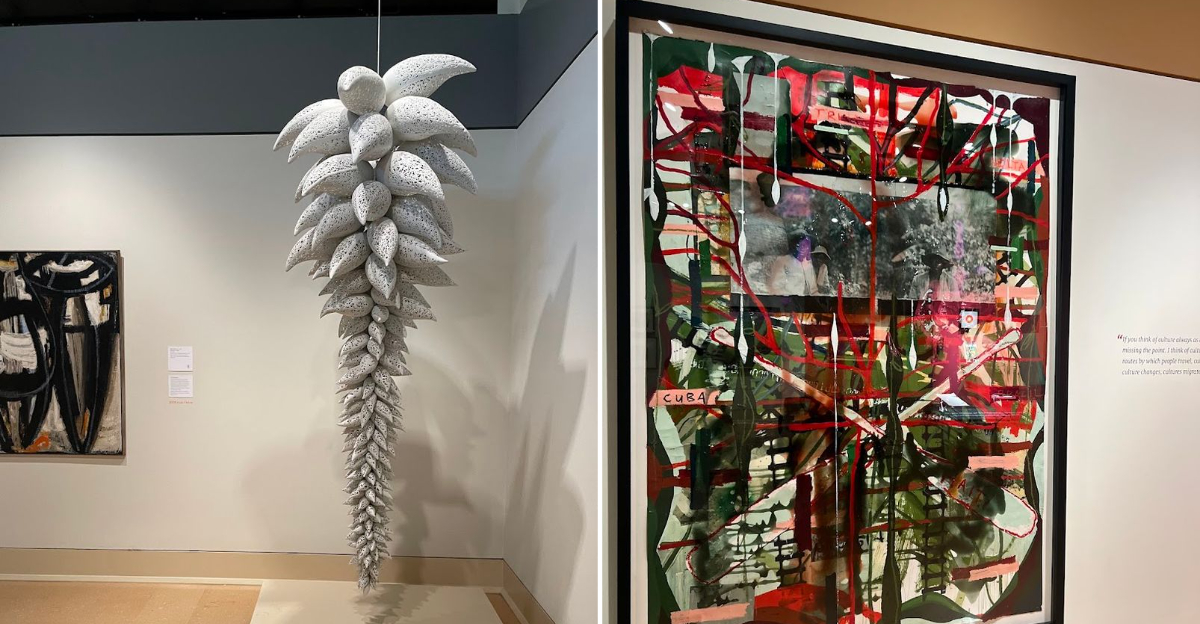
“A single stitch can carry the weight of a generation across decades of silence.” This quiet truth greets everyone who enters the gallery rooms. The air smells lightly of aged cotton and preserved cedar chest memories.
Here, history is not chiseled into cold marble columns. Instead, it is carefully pieced together from scraps of worn calico and faded denim.
Each quilt on display tells a story of survival, celebration, and deeply rooted community heritage. You can trace the steady rhythm of a grandmother’s hand in every uneven seam.
These vibrant textile patterns served as silent diaries for women whose voices were otherwise marginalized. Mississippi preserves these soft, heavy testaments to human endurance with profound respect.
Visitors leave with a sudden, deep understanding of the warmth that art can hold.
Origins Of Quilt Patterns In Mississippi
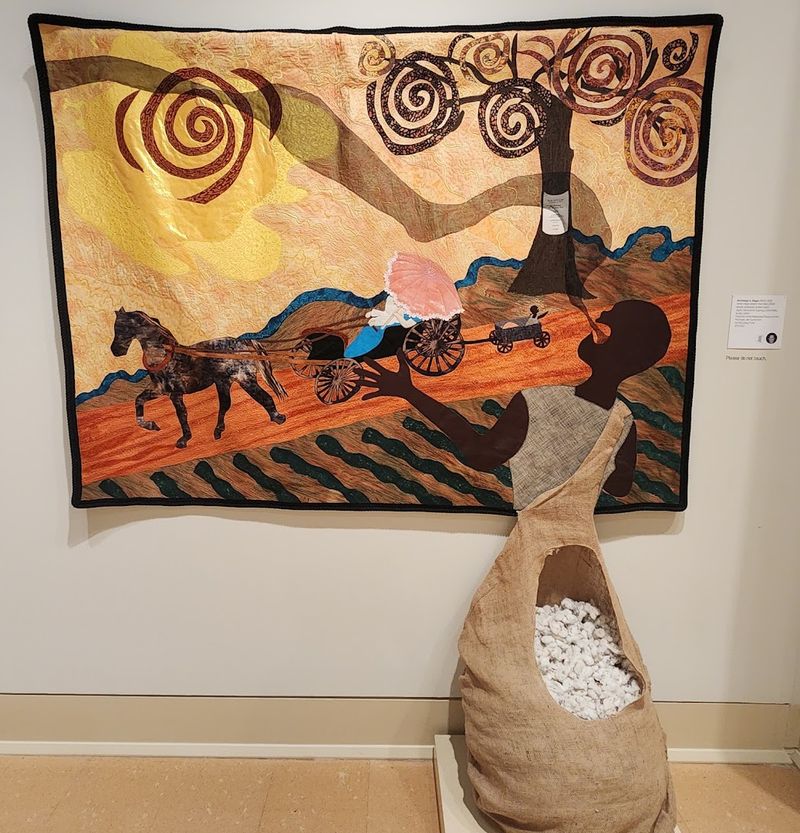
Long before quilts became wall art, they were survival. The Mississippi Museum of Art showcases quilt patterns rooted in Black Southern tradition.
Many pieces come from African-American quilters working across the Deep South. Their work spans from the 1960s all the way to modern times.
Photographer Roland L. Freeman dedicated years to documenting these quilters.
He traveled across Southern states capturing their craft on film. His collection became a landmark record of African-American textile history.
Some pieces in his archive even include international influences.
These patterns are not random. Each design carries meaning passed down through families and communities.
Some reflect African geometric traditions. Others show improvisation born from necessity and creativity.
What makes this collection special is its honesty. These quilts were made by real people living real lives.
They were not created for museums. They were made for homes, for warmth, and for love.
Visiting this exhibit feels like reading a history book written in fabric. Every pattern tells you something.
Every color choice was intentional. The museum gives each piece the respect it deserves.
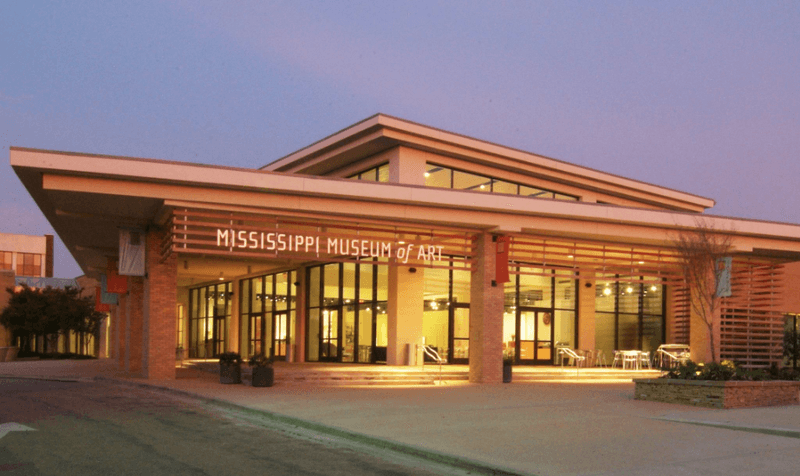
You can find the Mississippi Museum of Art at 380 S Lamar St, Jackson, MS 39201. It is the largest art museum in the state.
Admission to permanent collections is free. Hours run Tuesday through Saturday from 11 AM to 5 PM.
Techniques Behind Traditional Textile Making
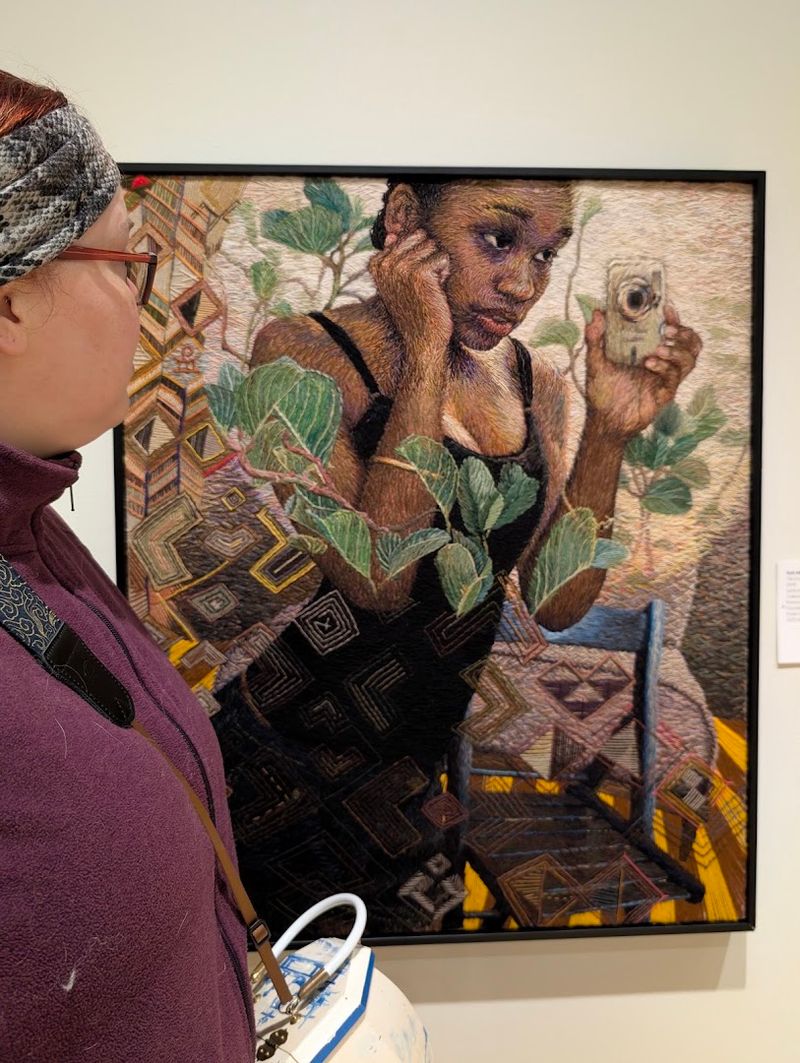
Not every quilt is made the same way. Some are hand-stitched with careful, slow precision.
Others are machine-sewn with bold, deliberate speed. The Mississippi Museum of Art shows both approaches without picking sides.
Traditional hand quilting involves layering fabric, batting, and backing. Then the quilter stitches all three layers together by hand.
This process can take months for a single piece. The patience required is honestly staggering.
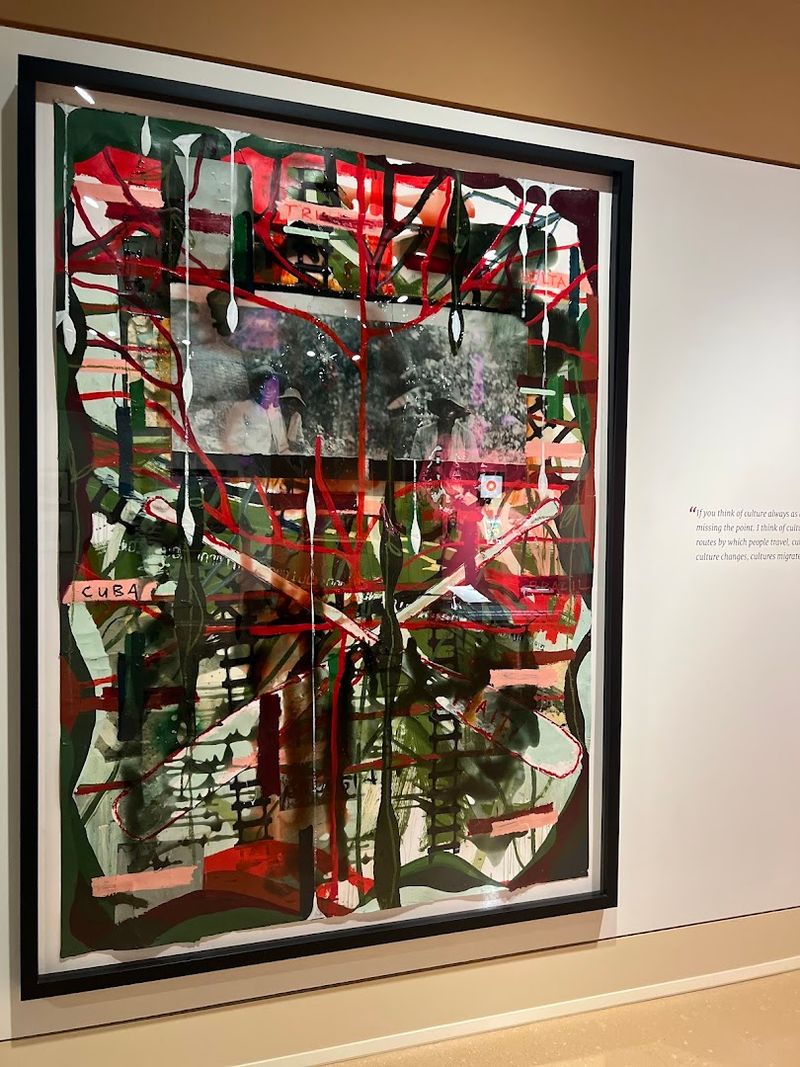
Modern artists at the museum push things further. Coulter Fussell is a great example.
She mixes upholstery fabric, photography, and quilting into one piece. Her work challenges what a quilt is even supposed to be.
Mixed-media techniques have opened new doors for textile artists. Salvaged materials get new life inside museum frames.
Old curtains become canvases. Worn clothing becomes part of a larger visual story.
Machine stitching brought speed to the craft without removing soul. Many contemporary quilters use machines for structure and hands for detail.
The combination creates work that is both precise and personal.
What the museum does well is showing the full spectrum. You see grandmothers’ careful hand-stitching next to boundary-pushing modern art.
Both deserve equal admiration. Textile making is not one thing.
It is a living, evolving practice with deep roots and an exciting future. The museum captures that beautifully without being preachy about it.
Cultural Significance Of Quilting In Local Communities
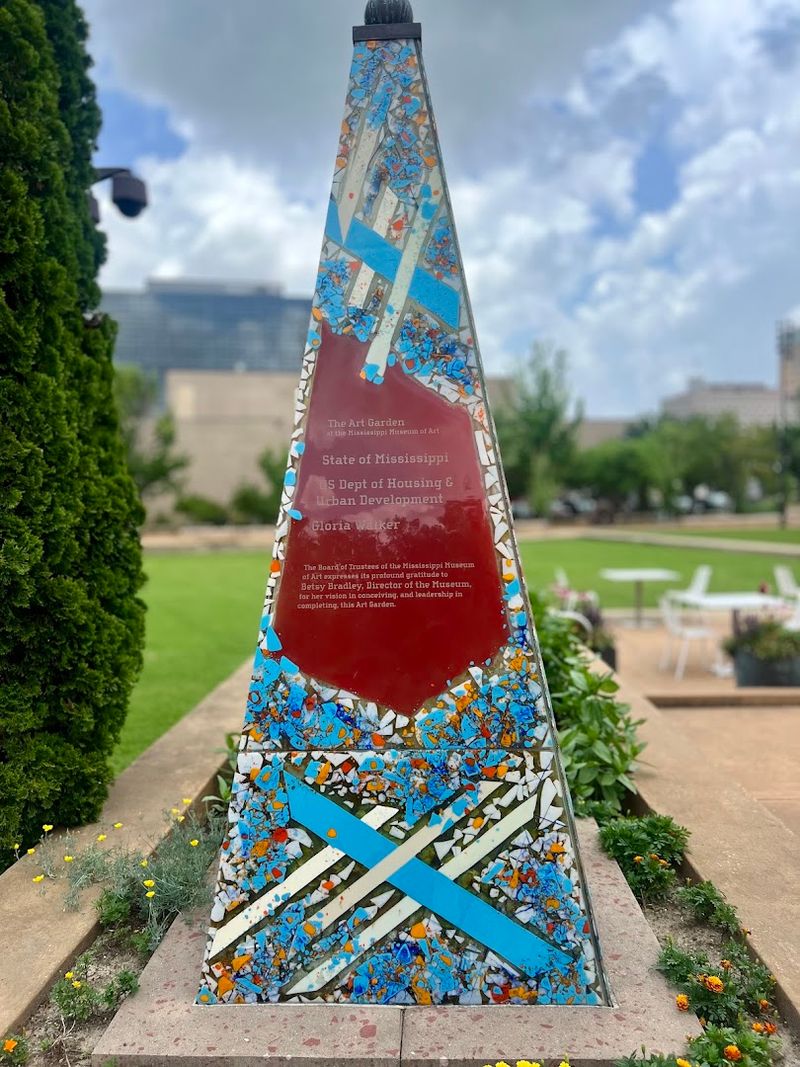
Quilting in Mississippi is not a hobby. For many communities, it is a lifeline to history.
It connects generations in ways that words sometimes cannot. The Mississippi Museum of Art understands this deeply.
Within Black Southern culture, quilts have always carried extra weight. They preserved memories of people who were not allowed to write their stories down.
Every stitch became a form of documentation. Every pattern became a language.
Community quilting circles brought people together regularly. Women gathered to share fabric, stories, and support.
These gatherings were social events as much as they were creative ones. That tradition still lives in many Mississippi communities today.
Quilts also marked life events. Births, marriages, and deaths were all commemorated in fabric.
A quilt given at a wedding was not just a gift. It was a blessing sewn by hand from people who loved you.
The museum highlights how quilting built resilience. During hard economic times, quilts made use of every scrap of fabric.
Nothing was wasted. Creativity flourished even under pressure.
Seeing these quilts in a museum context adds new meaning. They are recognized as serious art now.
But their roots are in kitchens, porches, and church halls. That everyday origin is exactly what makes them so powerful.
The Mississippi Museum of Art honors both the art and the community behind it without separating the two.
Evolution Of Fabric Materials Through The Decades
Fabric tells time. Walk through the quilt exhibits at the Mississippi Museum of Art, and you can almost date each piece by its material.
Cotton dominated early work. Polyester showed up in the 1970s.
Velvet added richness to pieces from later decades.
The museum features quilts spanning from the 1960s through 2010. Each decade brought new fabrics to the market.
Quilters adapted fast. They used whatever was available and made it beautiful.
Cotton was the classic choice for good reason. It is breathable, durable, and easy to dye.
Early Mississippi quilts relied heavily on cotton scraps from clothing and feed sacks. Nothing went to waste in those households.
Polyester arrived with mixed feelings. It was cheap and widely available.
Some quilters loved the bright colors it offered. Others stuck firmly to natural fibers out of tradition and preference.
Velvet and specialty fabrics appeared in more ceremonial quilts. These pieces were meant to impress.
They were made for display rather than daily use. The difference in texture is immediately noticeable when you see them in person.
Artist Coulter Fussell takes fabric evolution a step further. She repurposes salvaged textiles into entirely new art.
Old upholstery becomes part of her visual compositions. Her work shows that fabric history never really ends.
It just gets reimagined by the next creative mind willing to work with what already exists.
Role Of Quilts In Storytelling
Roland L. Freeman said it plainly: quilts hold stories. He was right. Every quilt in the Mississippi Museum of Art collection carries a narrative. Some stories are joyful. Some are painful, but all of them are true.
Quilters used their work to communicate when other channels were closed. Patterns carried coded meanings in some traditions.
Colors expressed emotions that were hard to say out loud. Fabric became a quiet but powerful voice.
Personal stories live inside these stitches. A quilt might include fabric from a late grandmother’s dress.
Another piece might use scraps from a child’s first school clothes. These details transform a blanket into a biography.
Historical events also found their way into quilts. Civil rights struggles, migrations, and family separations were documented in fabric.
These pieces serve as primary sources. Historians and artists both find value in studying them.
The museum presents quilts as storytelling objects, not just decorative ones. Wall labels give context about each maker.
You learn who they were and why they made each piece. That context makes the art hit differently.
Sitting with a quilt and reading its story is a slow, rewarding experience. You start noticing details you would have missed rushing past.
A specific color placement. An unusual stitch pattern.
A shape that keeps repeating. Every choice was deliberate.
Every quilt is a story waiting to be read by someone patient enough to look.
Preservation Methods For Historic Textiles
Old fabric is fragile. Light, humidity, and dust are all enemies of historic textiles.
The Mississippi Museum of Art takes preservation seriously, and you can see that care reflected in how pieces are displayed.
Quilts shown flat on walls or tables experience less stress than those folded in storage. Hanging creates tension on fibers over time.
Flat display spreads the weight more evenly. It is a small detail with big long-term impact.
Acid-free tissue paper is used when wrapping stored textiles. Regular paper releases acids that break down fabric fibers over decades.
Acid-free materials slow that process significantly. It sounds boring, but it saves irreplaceable pieces.
Climate control is non-negotiable in textile preservation. Temperature and humidity fluctuations cause fabric to expand and contract.
Over years, that movement weakens fibers and fades dyes. Stable environments extend textile life by generations.
Light exposure is carefully managed in the galleries. UV-filtering glass and controlled lighting protect colors from fading.
Some quilts rotate in and out of display to limit their total light exposure. It is a balancing act between sharing art and protecting it.
Handling protocols are strict for a reason. Even clean hands transfer oils to fabric.
White cotton gloves are standard practice when touching historic pieces. These methods are not overcautious.
They are the reason textiles made decades ago still look vivid and intact today inside this remarkable Mississippi institution.
Influence Of Regional Styles On Quilt Designs
Southern quilting has its own visual language. Bold colors, improvised layouts, and expressive patterns define regional styles.
The Mississippi Museum of Art celebrates this distinctiveness without trying to smooth it into something generic.
Quilters from across Southern states are featured in the collection. Each region brought its own aesthetic.
Alabama, Georgia, and Mississippi quilters all approached fabric differently. Those differences are visible and fascinating side by side.
Mississippi quilters often favored bold contrasts and asymmetrical designs. There was less concern with perfect symmetry and more focus on emotional impact.
That freedom produced some of the most visually striking pieces in the collection.
Coulter Fussell draws on layered Southern landscapes in her art. Her work references the physical environment of the region.
Fields, water, and sky appear in her textile compositions in abstract but recognizable ways.
Roland L. Freeman’s documentation added international context to regional styles.
He found connections between Southern African-American quilting and West African textile traditions. Those links deepened the understanding of where these regional styles originally came from.
Regional style is not about limitation. It is about identity.
Quilters working within a Southern tradition were not copying each other. They were building on shared knowledge while expressing individual voices.
The museum presents this complexity honestly. You leave with a much richer understanding of what regional art actually means and why it matters beyond geography.
Educational Programs On Textile Arts
The Mississippi Museum of Art is not just for looking. It is for doing.
The museum runs hands-on educational programs that bring textile arts to life for visitors of all ages. That interactive approach sets it apart from typical museum experiences.
One popular offering is a printmaking with fabric workshop. Participants learn how patterns transfer onto cloth using basic printmaking techniques.
It sounds simple, but the results are genuinely impressive. Even first-timers walk away with something worth keeping.
Professional teaching artists lead all studio workshops. These are working artists with real experience, not just instructors reading from a manual.
They bring current practice into the classroom. That connection to living art makes a real difference in how participants engage.
Programs are designed for multiple age groups. Kids get age-appropriate projects that build foundational skills.
Adults get more complex techniques and historical context. Everyone works with actual materials rather than just watching demonstrations.
School groups visit regularly for curriculum-connected programs. Teachers find the museum a useful extension of classroom learning.
History, art, and culture all intersect naturally in textile education. The museum makes those connections explicit and accessible.
Community workshops also run throughout the year. These programs invite Jackson residents to participate in their local art scene.
Free admission days make the museum accessible to more people. The educational mission here is genuine.
Learning is not an afterthought. It is built into the core experience of visiting this outstanding Mississippi institution.