
10 Dreamy Day Trips In Mississippi That Are Perfect For A Weekend Drive This Year
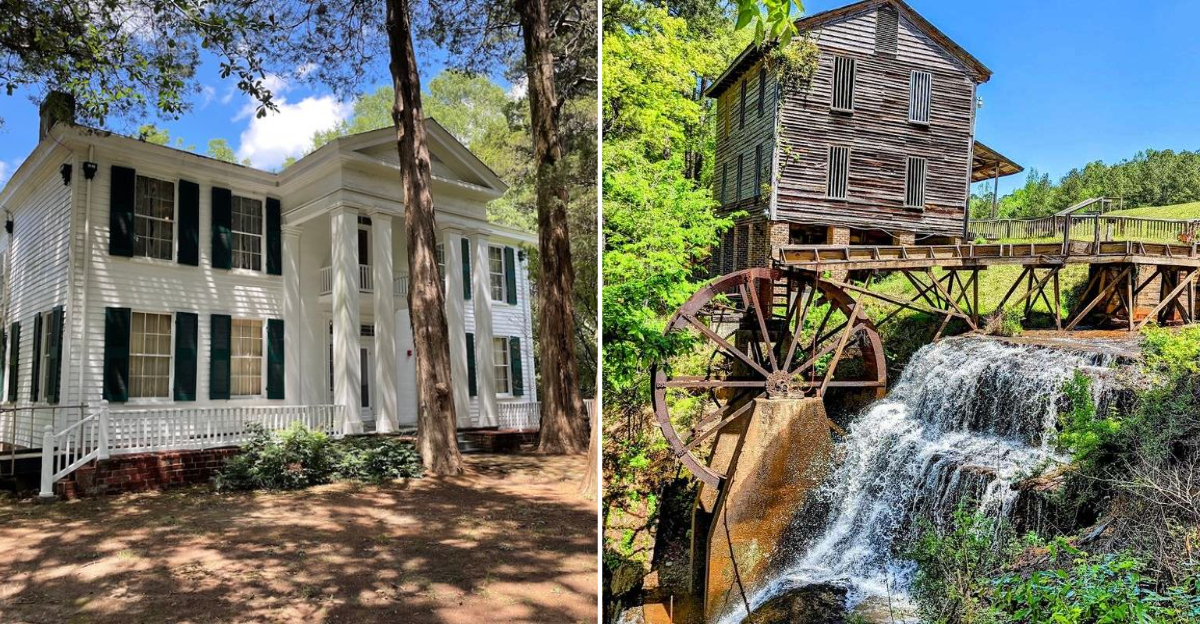
A weekend morning holds a special kind of freedom that demands an open highway. The urge to flee the city grid usually starts with a simple glance at the sunny forecast.
You do not need a massive budget or a week of planning for a proper reset. Mississippi contains a network of scenic bypasses that lead directly to quiet, forgotten landscapes.
The state route signs point toward peaceful river towns and sun-drenched coastal marshes. One hour you are tracking historic markers along a shaded trail.
The next hour finds you ordering sweet tea at a roadside diner with screen doors. These drives offer a gentle reminder that beauty thrives just outside your daily routine.
The miles pass easily while the stress of the work week dissolves in the rearview mirror. You will return home by sunset with a completely clear mind.
1. Clark Creek Natural Area
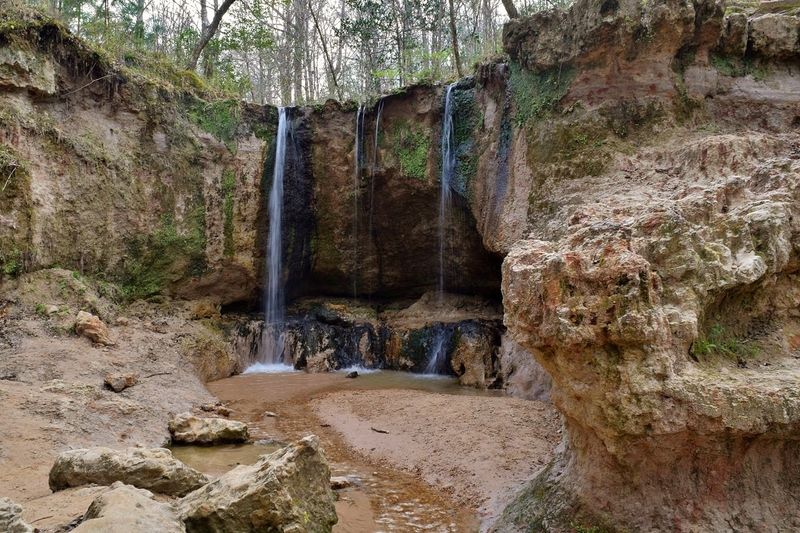
Nobody informs you that Mississippi has waterfalls. Clark Creek Natural Area in Woodville is one of the most jaw-dropping surprises in the entire state.
The park sits along the Louisiana border, and it feels like a completely different world. Massive ravines, steep loess bluffs, and more than fifty waterfalls are packed into this wild stretch of land.
Trails here are not exactly beginner-friendly. You will scramble over roots, wade through shallow creek crossings, and grip tree branches on steep descents.
Wear sturdy shoes and bring trekking poles if you have them.
The waterfalls range from gentle trickles to dramatic cascades dropping into clear pools. Spring and winter offer the best water flow, so plan accordingly.
Summer visits are still gorgeous but expect more mud.
Wildlife sightings are common here. Deer, herons, and box turtles share the trails with hikers.
Keep your eyes open and your voice low for the best encounters.
There is no cell service in the park, which honestly makes it better. You are fully present and completely off the grid for a few hours.
That feeling is rare and worth every muddy step.
Bring water, snacks, and a camera because the scenery earns every photo. Find it located at 366 Ft Adams Pond Rd, Woodville, MS 39669.
2. Mississippi Petrified Forest
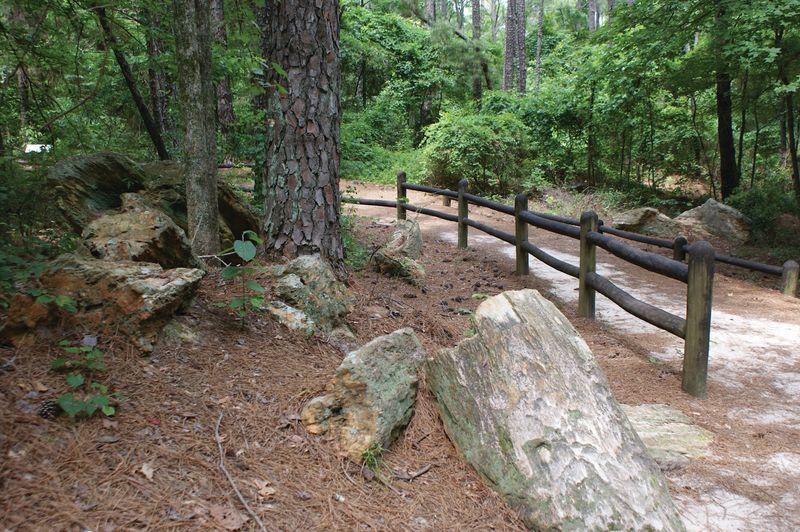
Imagine walking through a forest where the trees turned to stone roughly 36 million years ago. That is exactly what you get at the Mississippi Petrified Forest in Flora.
It is genuinely wild to think about.
This is the only petrified forest in the eastern United States. Giant ancient logs lie scattered across the trail like a scene from a prehistoric movie set.
Some of them are enormous.
A self-guided trail winds through the site, with numbered markers explaining the geology at each stop. The accompanying brochure breaks it all down in a way that actually makes sense, even if science was never your strong subject.
The museum on-site adds great context about how wood becomes stone over millions of years. There are also fossil exhibits and spot displays that kids absolutely go nuts over.
Adults too, honestly.
The gift shop sells polished petrified wood pieces you can take home. Holding a chunk of 36-million-year-old tree in your hand is a genuinely strange and cool experience.
Plan to spend about two hours here between the trail and museum. It is a short drive from Jackson, making it an easy half-day addition to a longer trip.
Weekdays tend to be quieter, so if you want the trail mostly to yourself, aim for a Tuesday or Wednesday visit. Find it at 124 Forest Park Rd, Flora, MS 39071.
3. Windsor Ruins
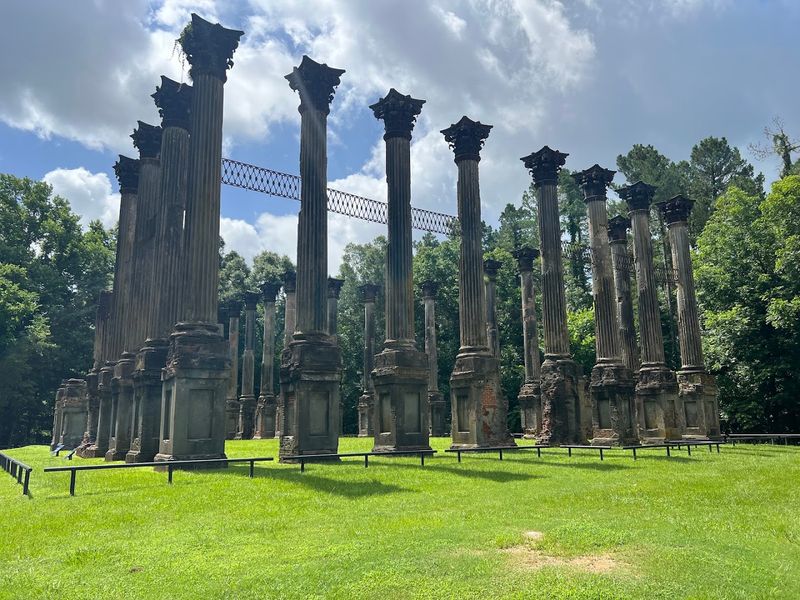
Twenty-three massive columns rising from an empty field with nothing else around them. That is Windsor Ruins, and it hits differently in person than any photo can capture.
The scale is genuinely shocking.
Windsor was once the largest antebellum mansion in Mississippi. It burned down in 1890, leaving only these iron-capped columns standing like silent sentinels in the middle of nowhere.
Getting there is part of the adventure. The drive along Rodney Road winds through dense forest and farmland, and the ruins appear almost without warning.
First-timers usually gasp out loud.
The site is free to visit and open during daylight hours. There are no fences, no gift shops, and no crowds most days.
Just you, the columns, and an overwhelming sense of history.
Mark Twain reportedly visited Windsor before it burned. The ruins were also used as a filming location for the movie Raintree County.
History and Hollywood in one spot.
Photographers love this place at sunrise and sunset when the light turns golden and dramatic. Bring a wide-angle lens if you have one because getting all twenty-three columns in a single frame takes some creative effort.
Wear bug spray from spring through fall. The mosquitoes out here are ambitious.
You have been warned. Visit at Rodney Rd, Port Gibson, MS 39150.
4. Emerald Mound
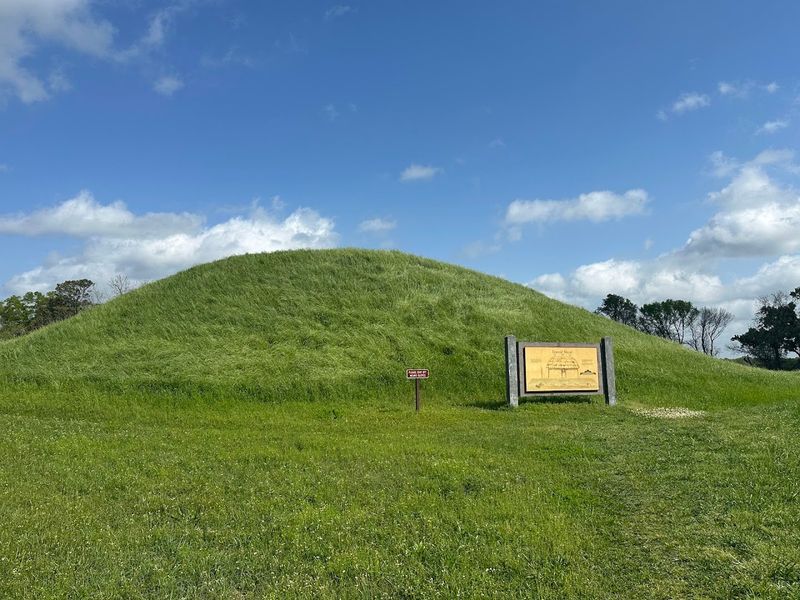
Standing on top of Emerald Mound feels like standing on a small hill, until you realize the entire hill was built by hand. Ancient hands.
Thousands of them over hundreds of years.
Emerald Mound is the second largest ceremonial mound in the United States. It covers about eight acres and was built by the ancestors of the Natchez people between 1250 and 1600 AD.
That math is staggering.
The mound sits along the Natchez Trace Parkway, making it an easy and free stop on any road trip through the region. Pull off the road, walk up the gentle slope, and suddenly the view opens up beautifully.
Two smaller mounds sit on top of the main platform, where temples and ceremonial structures once stood. Standing up there, imagining the activity that once filled this space, is quietly powerful.
The National Park Service maintains the site, and interpretive signs share the history without being overwhelming. Rangers are sometimes on-site and happy to answer questions in detail.
Sunrise visits are particularly stunning here. The mist rolls through the surrounding forest, and the whole scene feels ancient and alive at the same time.
Bring coffee and enjoy the quiet.
No admission fee makes this one of the best free history stops in the entire South. Located at Emerald Mound Rd, Natchez, MS 39120.
5. Rowan Oak
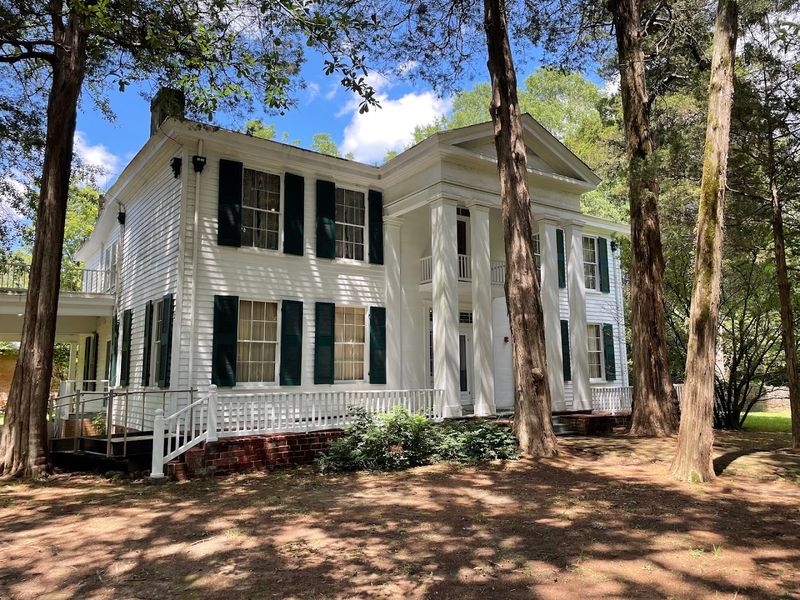
William Faulkner wrote some of the most celebrated novels in American literature right here on this property. Rowan Oak in Oxford is where he lived, worked, and famously outlined his novel A Fable directly on his study wall.
The wall outline is still there. You can see it in person through the study window.
That alone makes the trip worth it for any book lover or literary history fan.
The house itself is a beautiful, unpretentious antebellum home surrounded by towering cedar trees. Walking the grounds feels calm and unhurried, which makes sense given how much thinking happened here.
The University of Mississippi now owns and operates the property as a museum. Guided tours are available and genuinely interesting, packed with stories about Faulkner’s daily routines and writing habits.
Faulkner bought the property in 1930 when it was a rundown mess and spent years restoring it himself. He named it Rowan Oak after a Scottish legend about the tree bringing protection and peace.
The surrounding Bailey’s Woods trail adds a lovely nature walk to the visit. Tall hardwoods shade the path and make for a peaceful post-tour stroll.
It connects directly to the Ole Miss campus.
Oxford itself is a charming town worth exploring after your visit. Find Rowan Oak at 916 Old Taylor Rd, Oxford, MS 38655.
6. Walter Anderson Museum Of Art
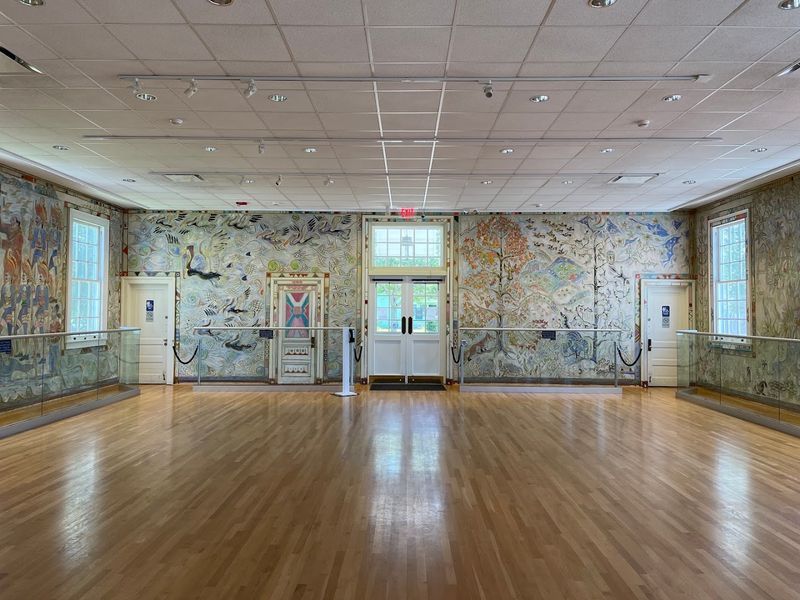
Walter Anderson was one of the most extraordinary and eccentric American artists of the 20th century.
He paddled a small boat alone to Horn Island regularly, camped there for weeks, and filled thousands of pages with breathtaking drawings of wildlife and nature.
The museum in Ocean Springs celebrates his wild, prolific life in full color. The collection is massive and genuinely moving.
You do not need to be an art person to feel it.
The highlight is the Community Room, a small cottage Anderson secretly covered floor-to-ceiling with stunning watercolor murals before he passed away in 1965. Nobody knew about it until after he was gone.
Walking in for the first time is unforgettable.
Ocean Springs itself is an incredibly charming town. Galleries, restaurants, and boutiques line the streets just minutes from the museum.
Plan to spend a full afternoon here easily.
Anderson also created large ceramic pieces, tapestries, and wood carvings that fill the main gallery. His range was remarkable.
Each room reveals a new creative obsession.
The gift shop carries prints, books, and locally made art that make excellent souvenirs. Skip the generic tourist trinkets and bring home something actually meaningful instead.
Weekends bring more visitors, but the museum never feels overwhelming. The staff is knowledgeable and passionate about Anderson’s legacy.
Visit it at 510 Washington Ave, Ocean Springs, MS 39564.
7. Dunn’s Falls Park
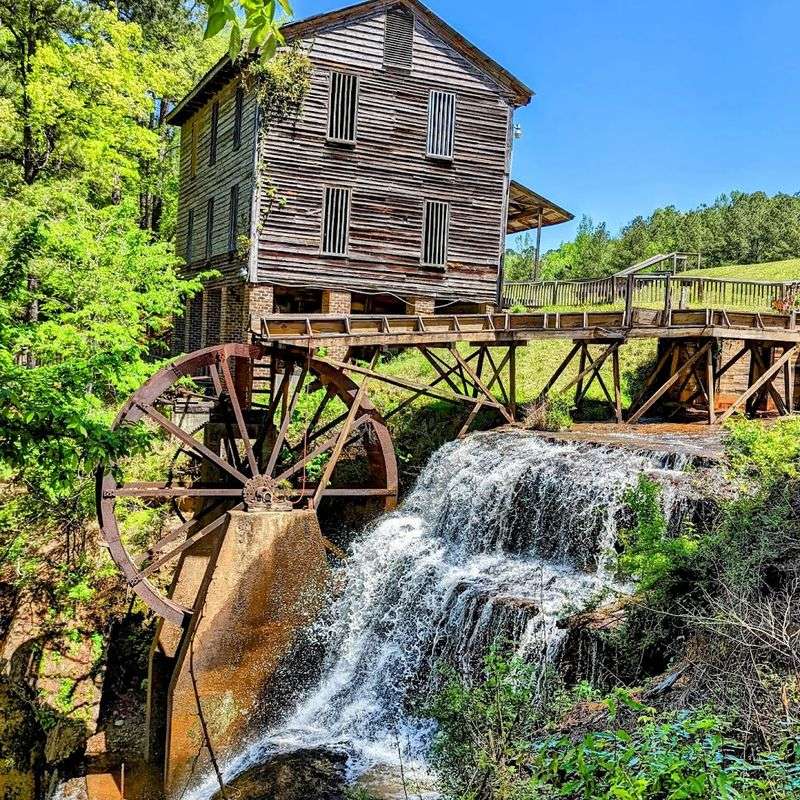
A 65-foot waterfall in Mississippi sounds like a rumor until you are standing right in front of it. Dunn’s Falls in Enterprise is the real deal, and it is one of the most photogenic spots in the entire state.
The falls drop dramatically over a rocky ledge into a clear pool below. The sound alone is worth the drive.
It is genuinely loud and refreshing in the best possible way.
The park also features a historic 1850s grist mill that was powered by the waterfall. The mill has been restored and is absolutely gorgeous against the backdrop of rushing water.
History and nature in one frame.
Hiking trails wind through the surrounding forest and offer multiple viewpoints of the falls from different elevations. The upper trail gives a bird’s-eye perspective that most visitors miss.
Swimming is allowed in the pool at the base of the falls during warmer months. Bring a towel and water shoes because the rocks can be slippery.
Kids lose their minds here in the best way.
The park is operated by the East Mississippi Electric Power Association and is well-maintained. Picnic tables, restrooms, and shaded areas make it a comfortable full-day outing for families.
Spring offers peak water flow and the most dramatic falls experience. Fall foliage adds incredible color to the scene.
Find the park at 6890 Dunns Falls Rd A, Enterprise, MS 39330.
8. B.B. King Museum & Delta Interpretive Center – B.B. King Grave
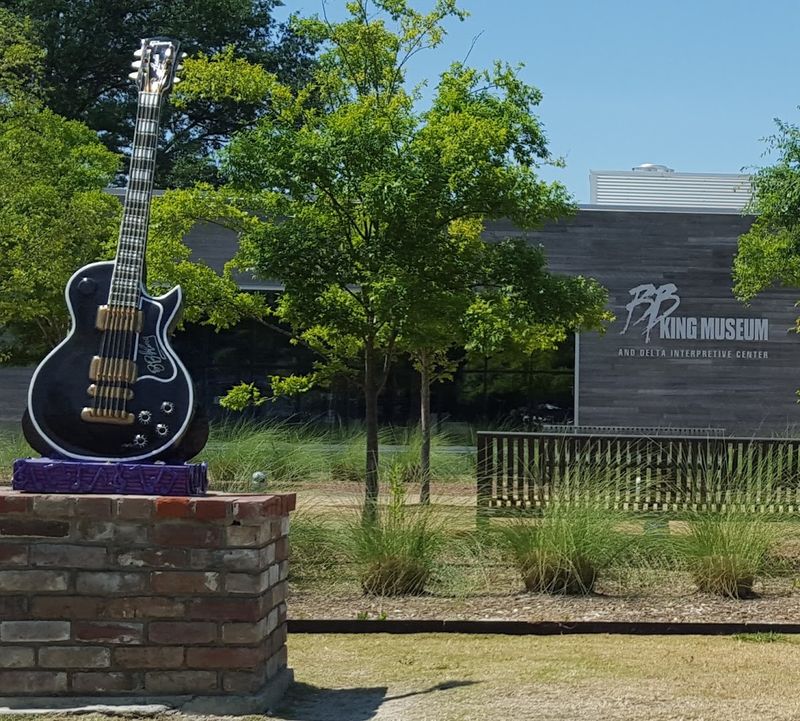
Riley B. King grew up picking cotton in the Mississippi Delta and became one of the greatest guitarists who ever lived.
The B.B. King Museum in Indianola tells that story with honesty, depth, and serious soul.
The museum opened in 2008 and is one of the most thoughtfully designed cultural institutions in the South. Interactive exhibits walk you through B.B.’s childhood, his rise to fame, and his lifelong connection to the Delta.
You can see his famous guitar Lucille on display, along with handwritten notes, performance outfits, and personal memorabilia. The audio stations let you hear his music in context, which makes everything hit harder.
The Delta Interpretive Center portion covers the broader history of the region, including sharecropping, the Great Migration, and the birth of the blues. It is educational without ever feeling like a lecture.
Indianola itself is a small, proud Delta town. The surrounding area is flat, wide, and deeply atmospheric.
Driving through cotton fields on the way here adds to the whole experience.
Live music events happen regularly at the museum, especially in warmer months. Check their calendar before visiting because catching a performance here is genuinely special.
B.B. King is buried on the museum grounds, and visitors often leave guitar picks at his grave as a tribute.
It is a touching, quiet moment in an otherwise lively place. Visit at 400 2nd St, Indianola, MS 38751.
9. Dockery Farms
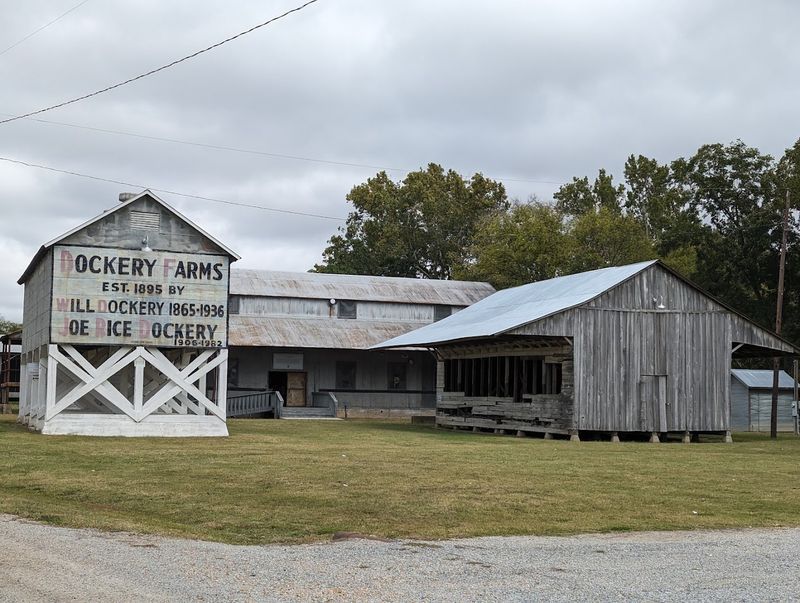
Some places do not just have history; they are history. Dockery Farms in the Mississippi Delta is widely considered the birthplace of the blues, and standing here makes that claim feel completely believable.
Charley Patton, the father of the Delta blues, lived and performed at Dockery in the early 1900s. Robert Johnson, Howlin’ Wolf, and other legends spent time on this same land.
The musical energy left behind is palpable.
The farm is still a working operation today, which makes it feel authentic in a way that curated museums sometimes cannot match. Original brick buildings, a water tower, and a cotton gin remain on the property.
A small outdoor exhibit with historical markers explains the significance of the site and the artists connected to it. The Delta Blues Museum in Clarksdale is a great companion stop if you want more context.
The wide, flat landscape here is quintessential Delta. Enormous skies, endless cotton fields, and a stillness that is hard to describe but easy to feel.
Bring a good playlist for the drive in.
Photography opportunities are excellent, especially during golden hour when the old brick buildings glow warm and dramatic. The water tower alone makes for an iconic shot against a big Delta sky.
Dockery Farms hosts occasional events and tours, so check ahead for special programming. Find it at 229 MS-8, Cleveland, MS 38732.
10. Grand Gulf Military State Park
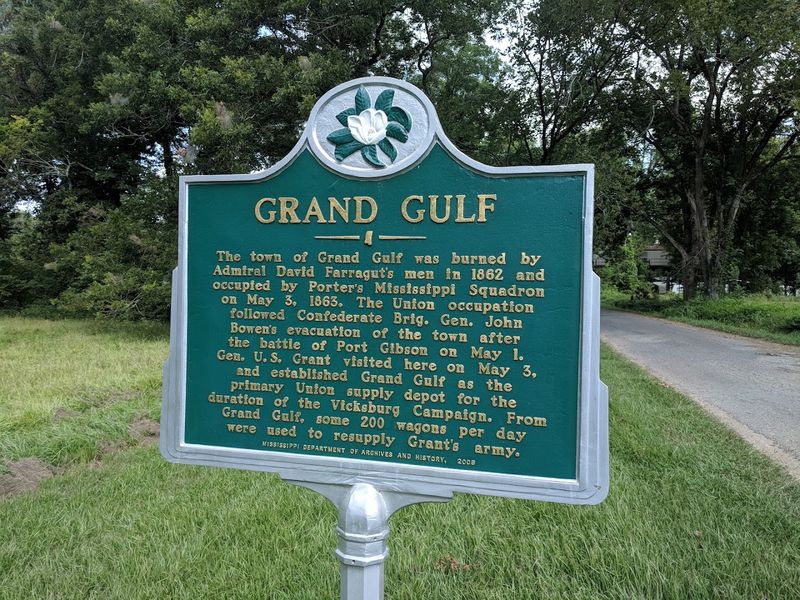
Grand Gulf has a ghost town vibe that is genuinely fascinating. This was once a thriving Mississippi River port town before floods and the Civil War essentially erased it from the map.
What remains is eerie and compelling.
The state park preserves earthen Civil War forts that Confederate forces used to defend the river in 1863. Ulysses S.
Grant bypassed the heavily defended position and changed the course of the Vicksburg Campaign.
Walking the fort trails gives you a real sense of the strategic geography. The river views from the bluffs are sweeping and gorgeous.
Cannons are positioned along the earthworks exactly as they would have been during battle.
The on-site museum is small but packed with artifacts, maps, and period photographs. The exhibits explain the military significance of Grand Gulf clearly and without oversimplifying the complex history.
A cemetery on the grounds holds the graves of soldiers and civilians alike. The oldest markers date back to the early 1800s.
Walking through it is a quiet, reflective experience.
The park also has a campground, picnic areas, and river access for fishing. Families often combine history with outdoor time, and the park handles both equally well.
Wildlife is abundant here, including deer, wild turkey, and river birds. Early morning visits reward patient visitors with great sightings.
Visit at 12006 Grand-Gulf Rd, Port Gibson, MS 39150.