
This 11.9-Mile Scenic Mississippi Route Follows A Historic Railroad Grade Through Pitcher Plant Savannas And Woodlands
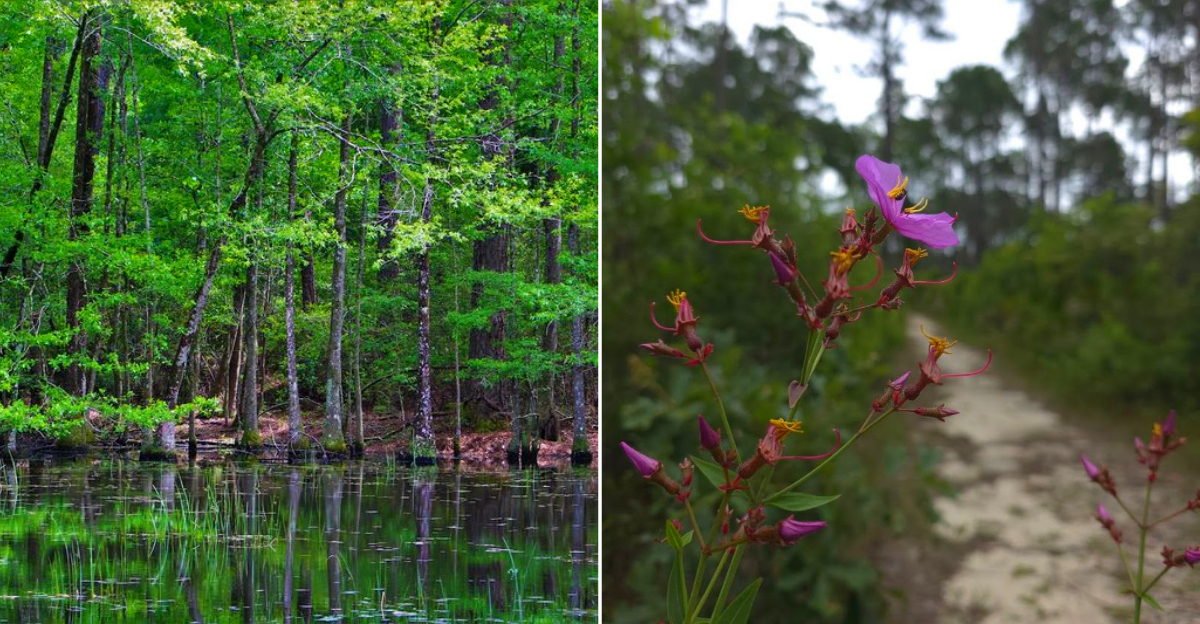
Trains stopped running here decades ago, yet their old path still guides visitors through some of Mississippi’s strangest scenery today.
Nearly twelve miles of trail follow that historic railroad grade, cutting straight through pitcher plant savannas most people never even knew existed.
Carnivorous plants dot the ground on both sides. Woodlands close in overhead before opening back into wide, sunny clearings without much warning.
Old railroad paths usually just mean flat, boring trails, but this one breaks that pattern completely. Pitcher plants trap insects right along the trail’s edge, visible enough to stop hikers mid step.
Woodland sections offer shade before the savanna stretches open again, keeping the whole route from feeling repetitive. History and biology mix here in a way that few trails manage, one railroad tie’s worth of ground at a time.
A Trail Unlike Anything You Have Walked Before
Some places earn their reputation one footstep at a time. The Tuxachanie National Recreation Trail does exactly that, earning genuine admiration from the very first row of live oaks that greet you at the trailhead.
The air shifts almost immediately, swapping highway noise for birdsong and rustling pine needles.
Spanning 11.9 miles through the heart of De Soto National Forest in south Mississippi, the trail moves through an impressive variety of ecosystems. You get longleaf pine ridges, cypress swamps, creek crossings, and open savannas all on the same route.
Each habitat feels like a different chapter of the same great story.
Mileage markers appear every half mile, which keeps you oriented without breaking the mood. The trail is well-beaten and easy to follow, so getting lost is not really a concern.
What you should concern yourself with is slowing down enough to actually absorb the scenery, because it rewards patience. Bring water, wear comfortable boots, and plan for a full day if you want the whole experience.
The Tuxachanie National Recreation Trail
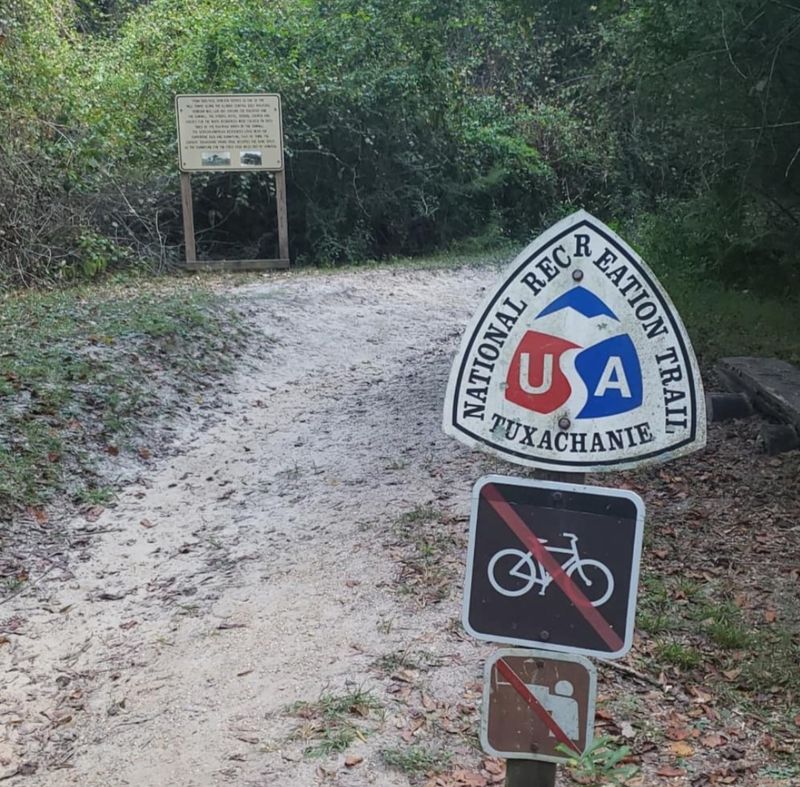
Right off US Highway 49 near the Highway 67 intersection in Saucier, Mississippi, the west end trailhead at 26204 US-49 serves as the main gateway to this remarkable route. Paved parking accommodates roughly 20 vehicles, and the trail begins just steps from your car door.
The Tuxachanie National Recreation Trail carries a 4.5-star rating and stays open 24 hours a day, every day of the week. That kind of accessibility is rare for a trail of this caliber.
Early mornings offer the quietest experience, with wildlife most active and the light filtering through the pines in long golden streaks.
A gas station sits directly across the highway, which is genuinely handy if you forgot to grab snacks or need an extra water bottle before heading in. The first 1.5 miles are heavily shaded, making the entry stretch comfortable even on warmer days.
For first-time visitors, hiking in two to three miles and returning is a satisfying way to get a real feel for the trail without committing to the full distance.
Walking On History: The Old Railroad Grade
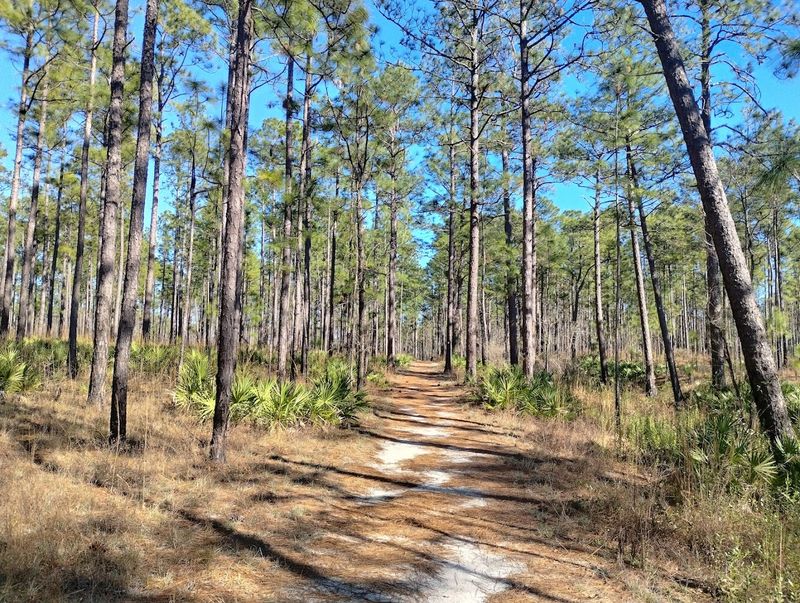
The first five miles of the Tuxachanie Trail follow the bed of an old railroad grade, and that detail alone makes the hike feel grounded in something bigger than scenery.
The Dantzler Lumber Company once ran operations through here, using this very route to connect their sawmill in Howison, Mississippi to the wider world.
Built in the early 1900s, the railroad grade was constructed by immigrants working with hand tools and mule-drawn earthmovers. That level of physical effort shaped the landscape you are walking through today.
The path is notably flat along this stretch, which makes sense given its industrial origins.
There is something quietly powerful about retracing a route that once carried timber through the Mississippi forest. You are not just hiking, you are moving through time.
The forest has reclaimed most of the evidence, but the gentle, steady grade beneath your feet tells the whole story without needing a single sign. History has a way of staying in the ground long after everything above it has changed.
Pitcher Plant Savannas That Stop You In Your Tracks
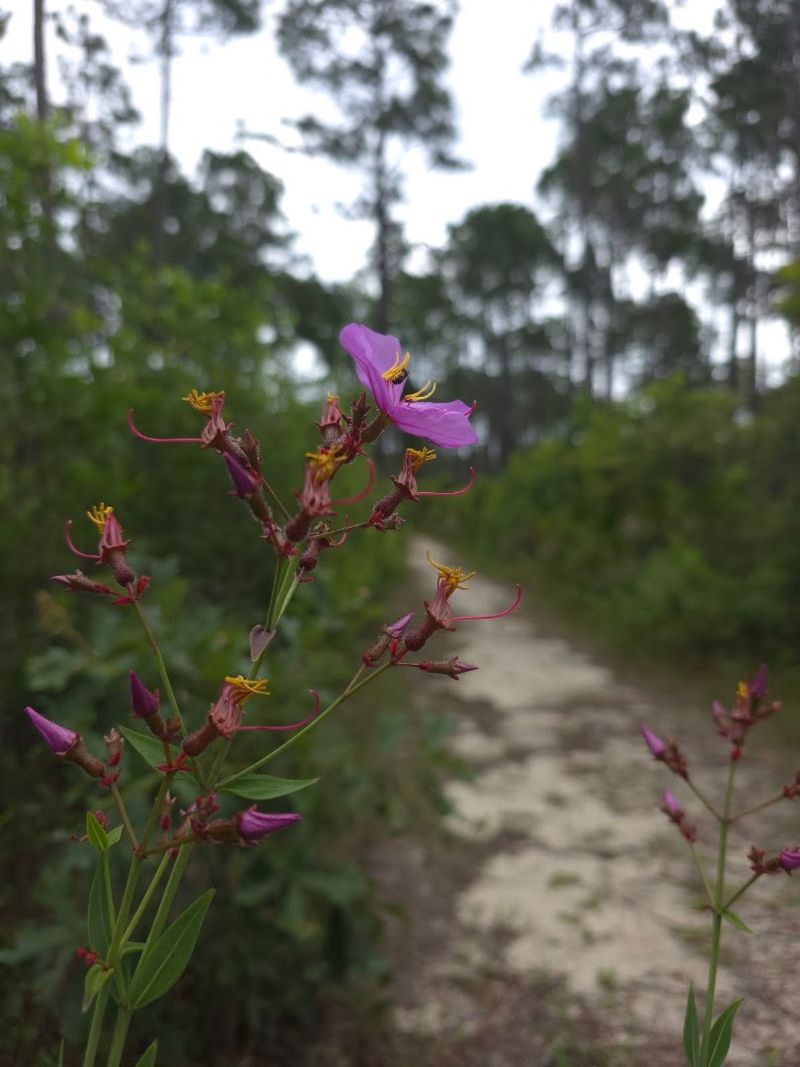
Carnivorous plants do not usually make a hiking trail famous, but the Tuxachanie Trail is not a usual kind of place. The pitcher plant savannas here are genuinely striking, with clusters of these unusual plants growing alongside palmettos in open, sun-soaked boggy clearings.
It feels like stumbling into a secret garden that forgot to be ordinary.
Beyond pitcher plants, the savannas also host butterworts and sundews, two more carnivorous species that thrive in the nutrient-poor, wet soils of these habitats.
Spring is the showiest season, when wildflowers like wild azalea, yellow jessamine, and horse-sugar add vivid color to the already interesting plant mix.
The savannas represent one of the most ecologically significant features of the entire trail. They exist because of the specific combination of sandy soil, high moisture, and periodic natural burning that characterizes this part of south Mississippi.
Stopping to look closely at the plants pays off, because the details are extraordinary. A pitcher plant mid-meal is a genuinely fascinating thing to witness up close.
Woodlands, Wetlands, And Wooden Bridges
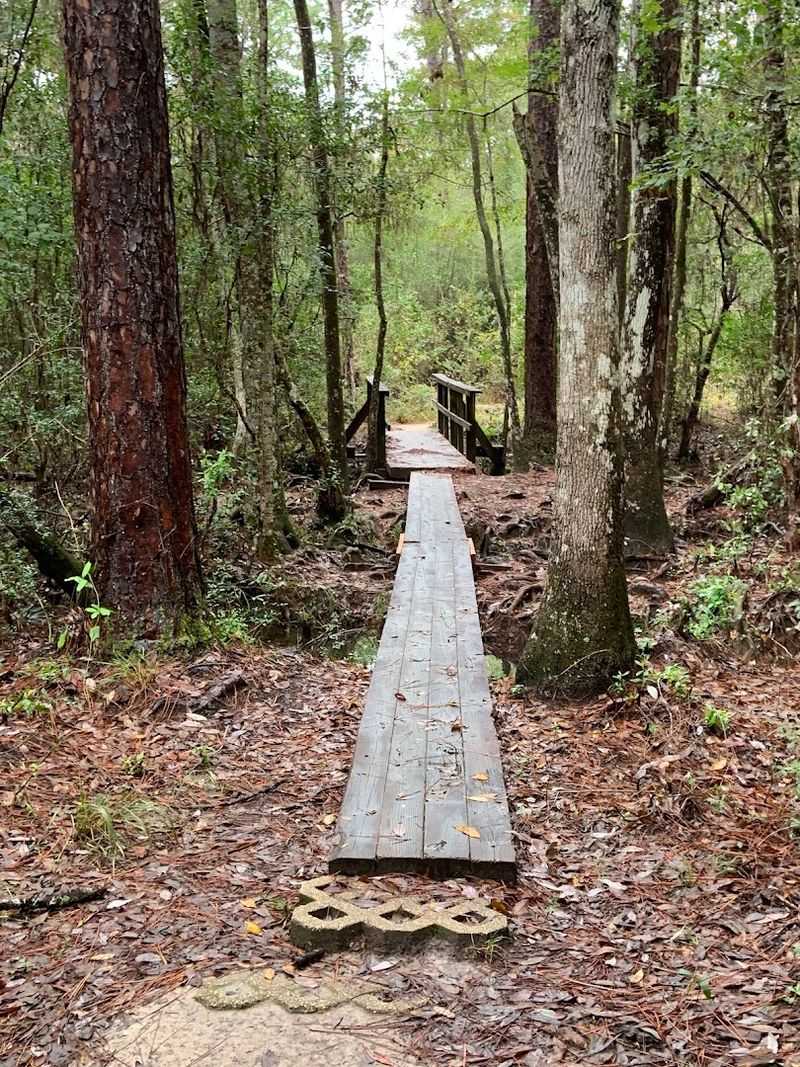
Variety is the real selling point of the Tuxachanie Trail, and nowhere is that clearer than in how quickly the terrain shifts beneath your feet.
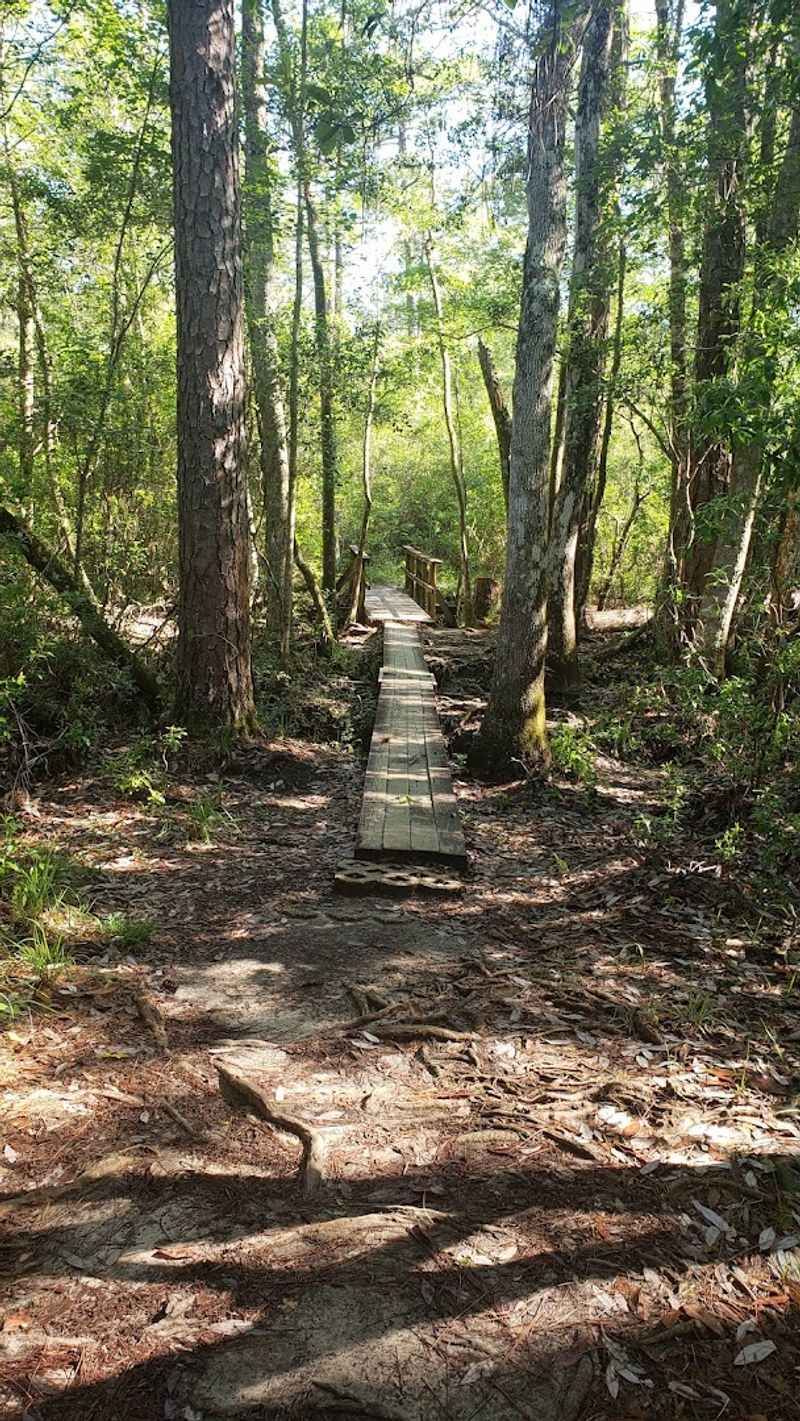
Within a single hike, you move from dry longleaf pine ridges to shaded beech-magnolia forest, then out onto elevated wooden footbridges spanning sloughs and creeks. Each transition feels earned.
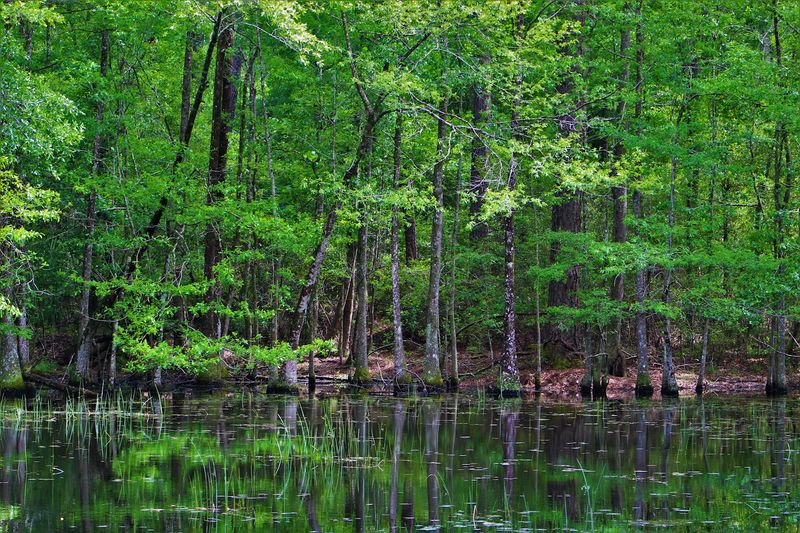
The boardwalks and bridges are functional but also genuinely enjoyable. Standing above a slow-moving slough and watching the reflection of cypress trees in dark water is one of those trail moments that stays with you.
The wooden structures offer a slightly different perspective, putting you above the wetland rather than slogging through it.
About one mile from the Highway 49 trailhead, a small beech-magnolia forest appears and offers cool, dense shade that is especially welcome on warm afternoons.
Cypress swamps emerge further along, their wide bases rising from the water with an ancient, unhurried confidence.
Golden club plants brighten the creek edges, and fungi of various shapes and colors appear along fallen logs throughout the route. The trail essentially gives you a full ecology tour without charging admission.
Wildlife That Makes Every Visit Feel Fresh
Quiet trails reward patient walkers, and the Tuxachanie Trail has a well-deserved reputation for wildlife sightings. White-tailed deer move through the undergrowth with a casual grace, and wild turkeys make occasional appearances that are equal parts surprising and delightful.
The further you get from the trailhead, the more the forest opens up around you.
Red-tailed and red-shouldered hawks patrol the sky overhead, their calls cutting clearly through the canopy.
Birdwatchers will find the diverse habitats especially productive, since the mix of wetlands, savannas, and dense woodland supports a wide range of species across different seasons.
September visitors have reported surprisingly clean conditions with very manageable bug activity.
Green snakes, lizards, and various woodland creatures add texture to the experience for those who pay attention to the smaller details. The trail does not promise a wildlife spectacle at every turn, but it delivers consistent, authentic encounters with the natural world.
That kind of honest wildness is harder to find than most people realize. The Tuxachanie Trail keeps it real in the best possible way.
The CCC Legacy And The POW Camp Endpoint
The Tuxachanie Trail carries more than natural beauty along its route.
Its development traces back to the Civilian Conservation Corps in the 1930s, a federal program that put thousands of Americans to work building the outdoor infrastructure that still serves hikers today.
Walking this trail means walking on their effort.
At the far eastern end of the trail, the path arrives at the site of a former World War II German Prisoner of War camp. The building foundations remain visible beneath decades of forest growth, offering a quiet, reflective endpoint to the journey.
It is an unexpected historical punctuation mark on what begins as a nature hike.
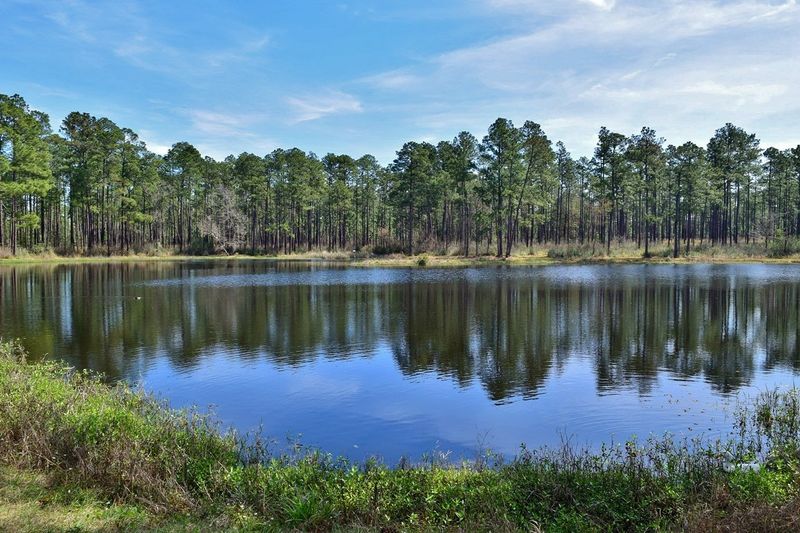
The POW Lake Recreation Area near the endpoint provides fishing access, adding another activity option for those who make it the full distance.
The layered history of this trail, from immigrant railroad laborers to CCC workers to wartime history, gives it a depth that most recreational trails simply do not carry.
A hike here is part outdoor adventure and part living history, and the combination is remarkably compelling.
Flora That Puts On A Seasonal Show
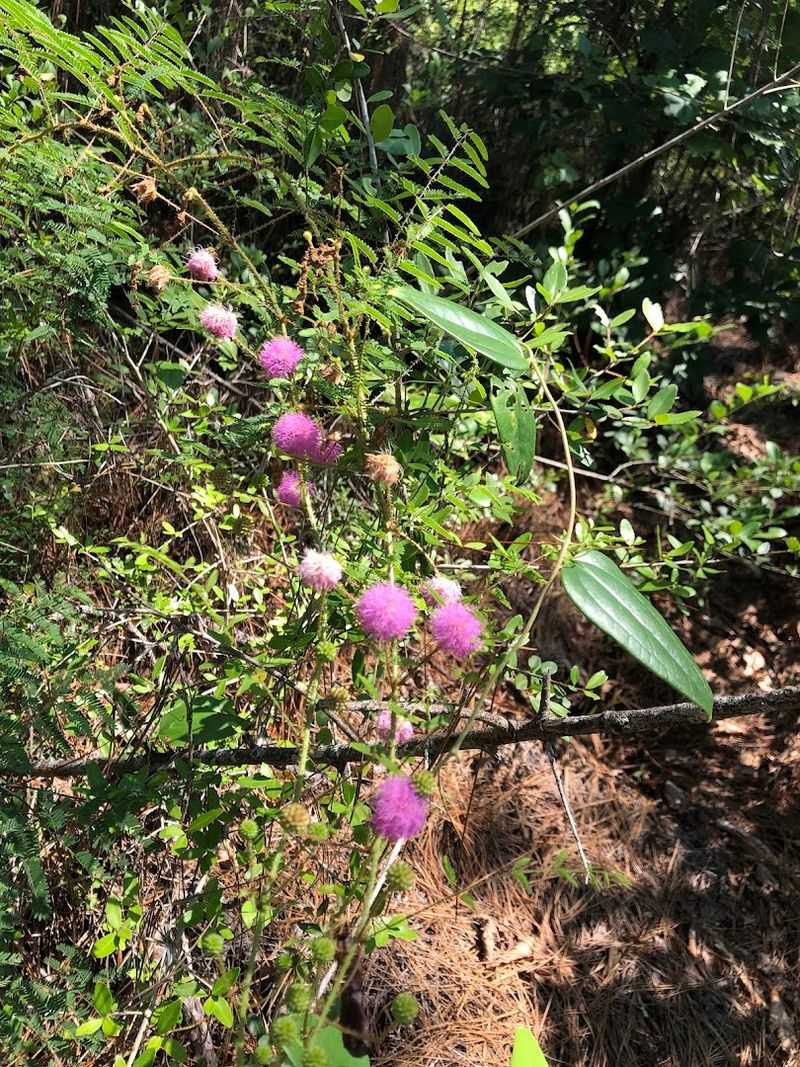
Few hiking trails in the American South deliver a botanical experience quite like the Tuxachanie Trail does across the seasons.
Spring brings a full-on floral celebration, with wild azalea, yellow jessamine, heart-leaf plants, and violets transforming the forest floor into something genuinely worth photographing.
Early spring is when the trail earns its most enthusiastic reactions.
Star-anise and horse-sugar add fragrance to the mix, while golden club brightens the creek edges with cheerful yellow blooms. Rare wild orchids make occasional appearances for those lucky enough to catch them.
The longleaf and slash pine forests carry their own quiet beauty through every season, with the scent of pine needles underfoot adding to the sensory experience.
Even outside of peak bloom times, the plant diversity along this trail keeps things visually interesting. Palmettos cluster in the wetter areas, fungi colonize fallen logs in spectacular variety, and the cypress swamps maintain their moody, atmospheric character year-round.
Mississippi has plenty of beautiful outdoor spaces, but the Tuxachanie Trail offers a concentration of botanical richness that genuinely stands apart from the average forest walk.
Planning Your Trip To The Tuxachanie Trail
Preparation makes the difference between a good hike and a great one on the Tuxachanie Trail. Water is the most important thing to pack, especially during warmer months, because there are no drinking fountains along the route.
The first water and restroom access point is at Airey Lake Recreation Area, roughly six miles in from the western trailhead.
Bug spray earns its place in your pack too, particularly during spring and summer. The trail is dog-friendly, and plenty of four-legged hikers have made the journey with great success.
Trekking poles are worth bringing if you plan to cover more than three miles, since some sections include clay washouts and exposed roots that require careful footing.
Primitive camping is permitted along the trail as long as campsites are set at least 100 feet from the main path. Airey Lake and the POW Lake area both offer picnic tables and BBQ pits for a proper trail lunch.
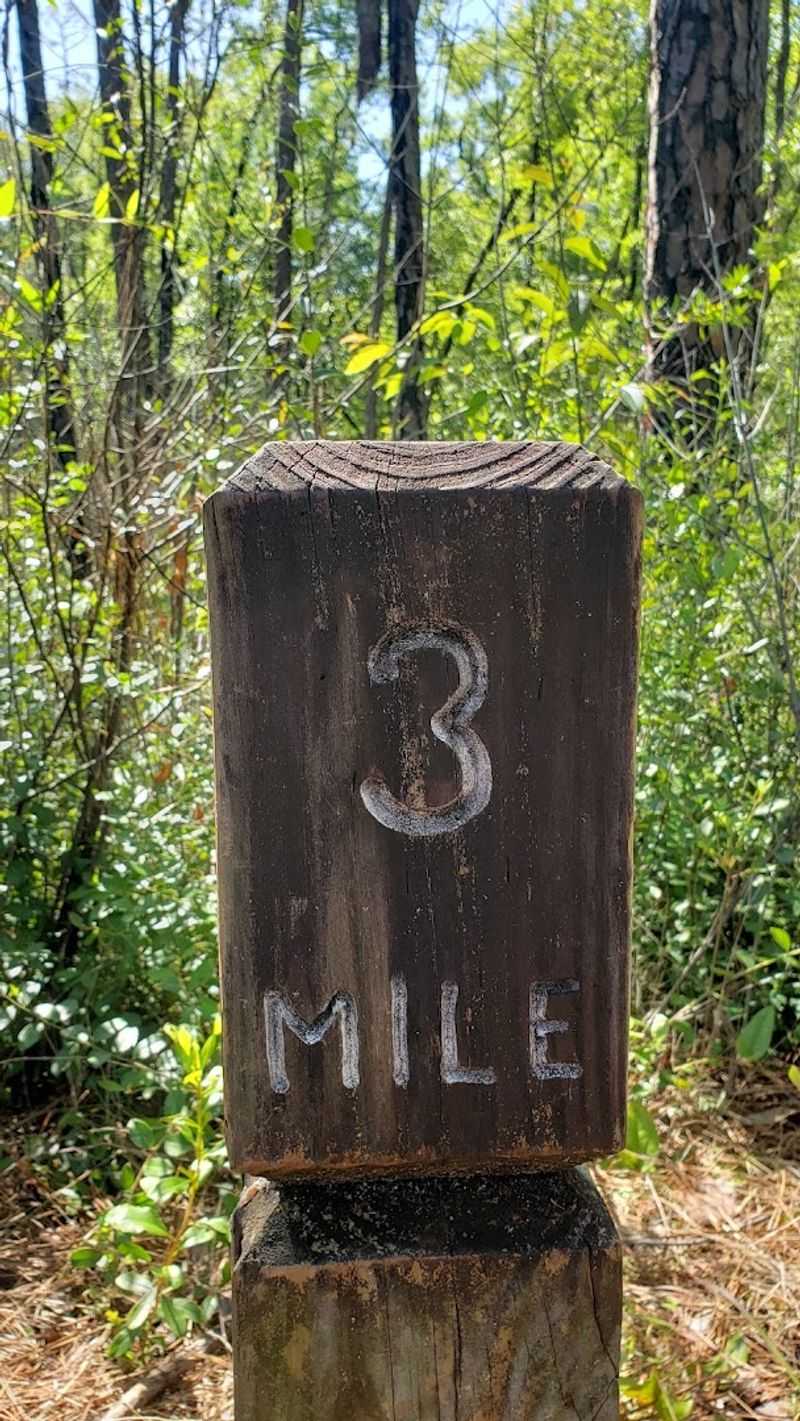
Mileage markers every half mile keep navigation simple and honest. The trail is open 24 hours a day, which means sunrise hikes are absolutely on the table for early risers ready to catch the forest at its most peaceful.