
This Washington Waterfall Hike Is The Perfect Summer Adventure With A Cool Down Spot
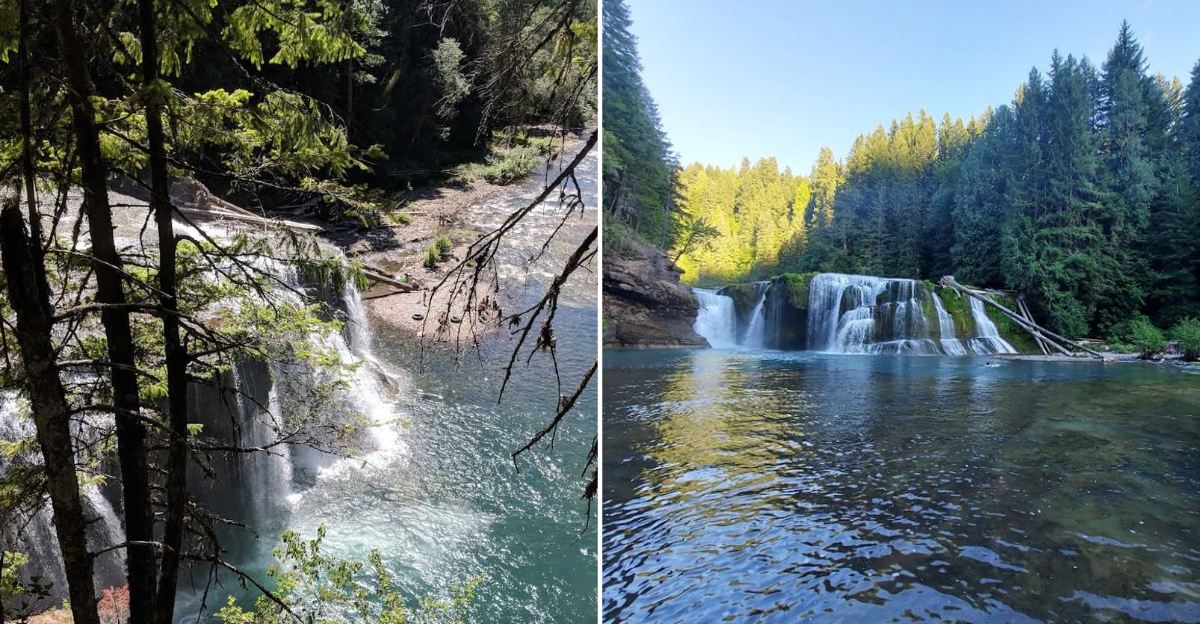
My childhood summers always revolved around the search for the ultimate natural swimming hole. This Washington trail delivers that exact nostalgic magic after a long trek through the woods.
The path leads adventurers straight toward the thunderous sound of rushing water. You feel the temperature drop by ten degrees before the cascading falls even come into view.
Glacial runoff crashes over ancient basalt rocks into a deep emerald pool below. The mist instantly coats your skin like a refreshing blanket against the July heat.
Brave hikers kick off their muddy boots to submerge their feet in the icy mountain water. Shaded cedar trees offer the perfect canopy for a quiet afternoon picnic on the smooth stones.
It is a sensory escape that washes away the exhaustion of the trail.
Preparing For Your Waterfall Trek
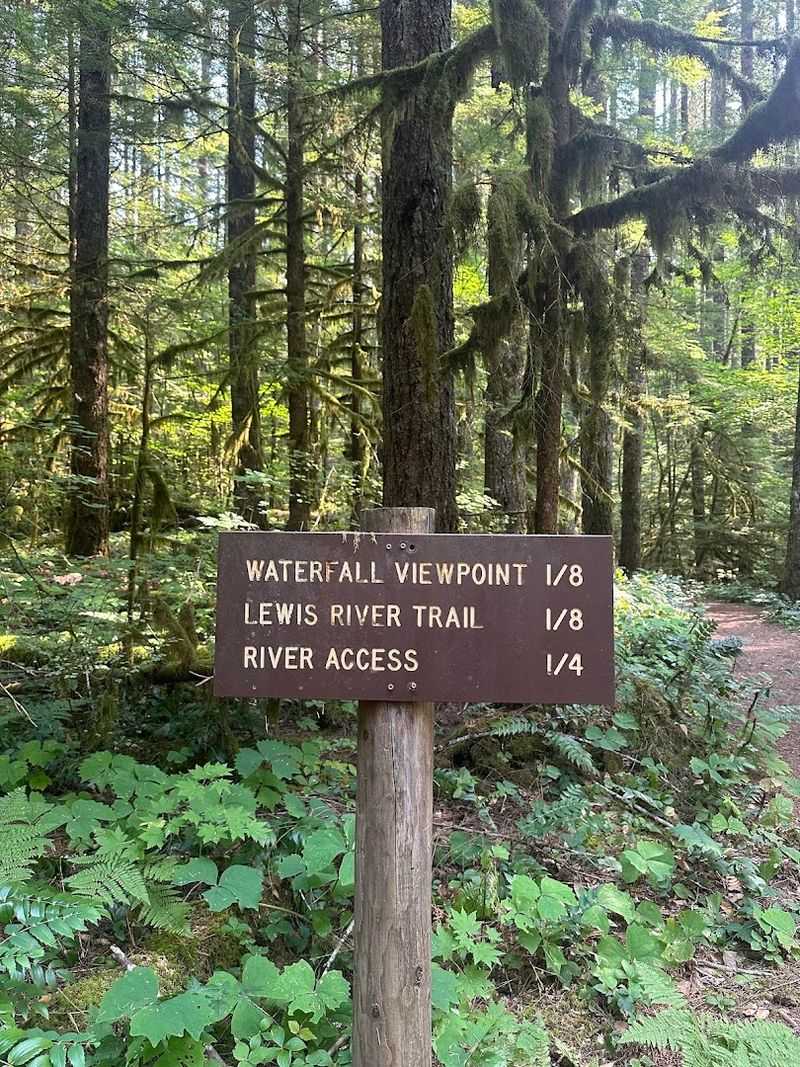
Planning is what separates a smooth trip from a frustrating one. You will need a Northwest Forest Pass or a day pass to park at Lower Lewis River Falls.
During peak season, roughly June 15th through September 15th, a reservation through recreation.gov is also required.
Print your reservation ticket before you leave home. There is zero cell service for a long stretch before the trailhead.
Download offline maps and bring printed directions so you are not guessing turns on a gravel forest road.
Arrive before mid-morning to snag a parking spot and beat the crowds. Forest Road 90 leads you in, but it gets rough in sections.
Drive slowly and watch for deep ruts as you approach the recreation area.
The parking area does offer restrooms and picnic spots, which is a nice bonus. Fuel up your vehicle before heading out, because there are no gas stations nearby.
You can find fuel near the Swift Reservoir area if needed.
The address for your GPS is Lower Lewis River Falls, Cougar, WA 98616. Save it before you lose signal.
A little prep work here makes the whole day run smoother and keeps stress off the trail.
Choosing The Best Trail For Your Adventure
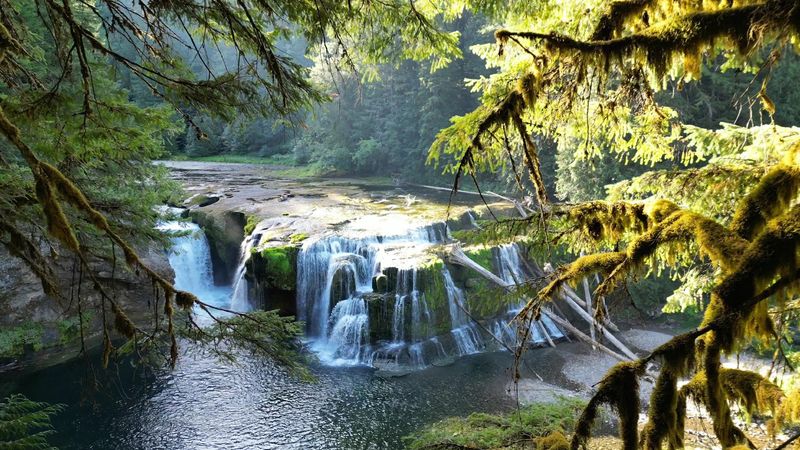
The Lewis River Trail, numbered Trail 31, gives you real options depending on how far you want to go. A shorter, easier walk leads directly to the viewing areas for Lower Lewis River Falls.
Stairs descend to viewpoints right above the falls, making it accessible for most fitness levels.
If you want more miles, the stretch between Lower and Upper Lewis River Falls runs about 6 miles roundtrip. Along the way, you pass Lower, Middle, Upper, and Copper Creek Falls.
That is four waterfalls in one hike, which is honestly a pretty solid deal.
The trail is multi-use, welcoming hikers, mountain bikers, and even horseback riders. It stays well-maintained for most of the route.
A few downed trees occasionally cross the path, but nothing that stops you completely.
The Middle Falls view can be partially blocked from the riverbank, so adjust your expectations there. Upper Falls tends to be quieter and less crowded.
Going early in the day almost guarantees you will have those upper sections mostly to yourself.
For first-timers, starting at the Lower Falls parking area and working your way upriver is the most logical approach. You get the big payoff right away.
Then the trail rewards your continued effort with more stunning scenery around every bend.
Wildlife You May Encounter Along The Path
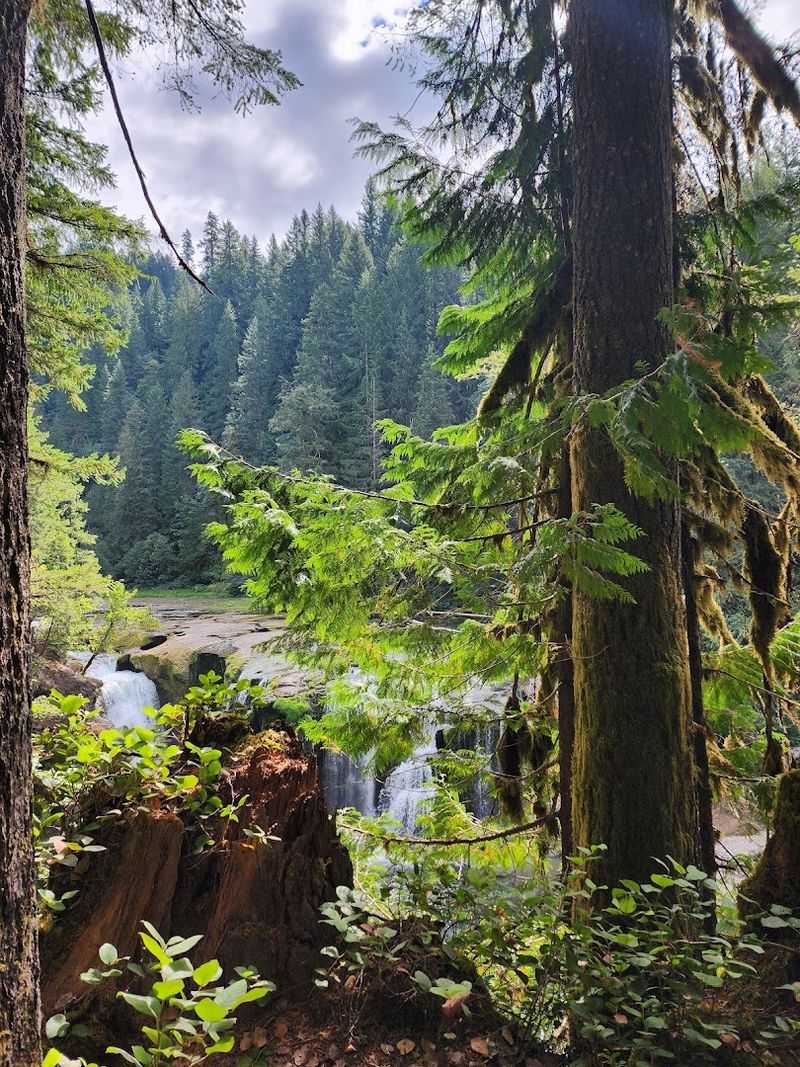
The forest along the Lewis River Trail is genuinely ancient. Towering Douglas fir and western red cedar trees line the path, some so wide you cannot wrap your arms around them.
Nurse logs covered in thick green moss create a layered, living landscape that feels prehistoric.
Keep your eyes on the undergrowth as you walk. Unique plants like pinesap, coralroot, and gnome plants grow here.
These are not plants you see every day, and spotting them feels like finding little forest secrets.
In early spring, trillium blooms appear along the trail in clusters of white and pink. Western bunchberry and thimbleberry show up later in June.
By midsummer, ripe huckleberries line sections of the path, and yes, you can eat them right off the bush.
Woodland wildflowers brighten the undergrowth in late spring, adding color to the green-heavy palette. Birds are active throughout the forest, especially in the morning hours.
You might hear a woodpecker working overhead before you ever see it.
The old-growth environment supports a rich ecosystem that rewards slow, attentive walkers. Rushing through means missing most of it.
Take your time, look closely at the details, and the forest will keep showing you new things around every corner.
Safety Tips For Hiking In Rugged Terrain
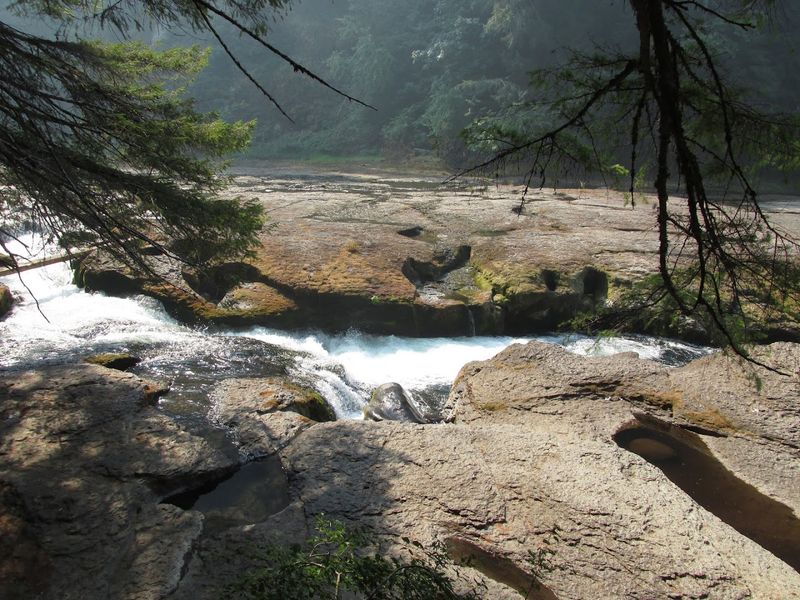
Hiking near powerful waterfalls is beautiful, but it comes with real risks. The rocks near the water’s edge at Lower Lewis River Falls get extremely slippery.
Non-slip water shoes are genuinely important here, not just a recommendation.
Always pack the ten essentials before any hike. That means extra food, water, a basic first aid kit, and rain gear.
Washington weather can flip fast, even on a sunny summer day.
Tell someone your hiking plans and expected return time before you leave. This is a simple habit that matters in remote areas.
Cell service is nonexistent along most of this route, so you cannot call for help if something goes wrong.
Watch for eroded trail sections and steep drop-offs near the viewpoints. Some areas have short, steep paths with ropes to help you descend.
Use those ropes; do not try to skip them to save time.
Fallen trees occasionally block sections of the trail. Be ready to climb over or duck under them carefully.
Rushing through these obstacles is how people twist ankles on otherwise easy terrain.
If the parking lot is full, the trail will likely be crowded too. A crowded trail near slippery rocks and powerful water increases risk for everyone.
Arriving early reduces both crowds and hazards in one smart move.
Photographing Waterfalls In Natural Light
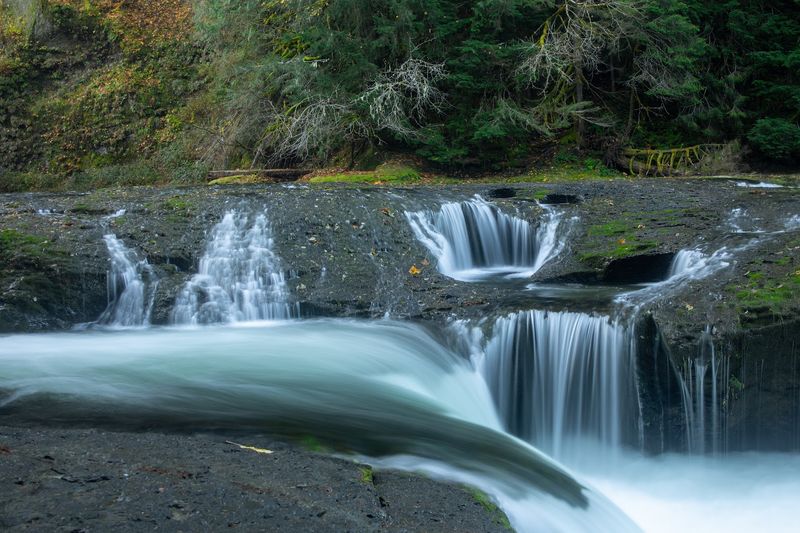
Getting great waterfall photos at Lower Lewis River Falls is absolutely possible with the right approach. Avoid shooting when the falls are in direct, harsh sunlight.
Midday light blows out the white water and changes the color contrast in the surrounding forest.
Early morning and late afternoon light are your best windows. Overcast skies work even better for waterfall photography.
Clouds act like a giant natural softbox, reducing harsh shadows and making the greens pop.
A neutral density filter, often called an ND filter, lets you use longer shutter speeds in bright conditions. Exposures between one and ten seconds create that smooth, silky water effect you see in professional shots.
Without a filter, achieving this look in daylight is nearly impossible.
A sturdy tripod is non-negotiable for long exposures. Even a small vibration will blur your entire frame.
Set your camera on a timer or use a remote shutter release to eliminate camera shake at the moment of capture.
A polarizing filter helps cut glare off wet rocks and the water surface. It also deepens the blue-green color of the pool below the falls.
Stack it with your ND filter for maximum control over the scene.
Bring several lens cloths. Mist from the falls lands on your lens constantly.
A clean lens is the difference between a sharp image and a soft, hazy disappointment.
Essential Gear To Stay Comfortable And Dry
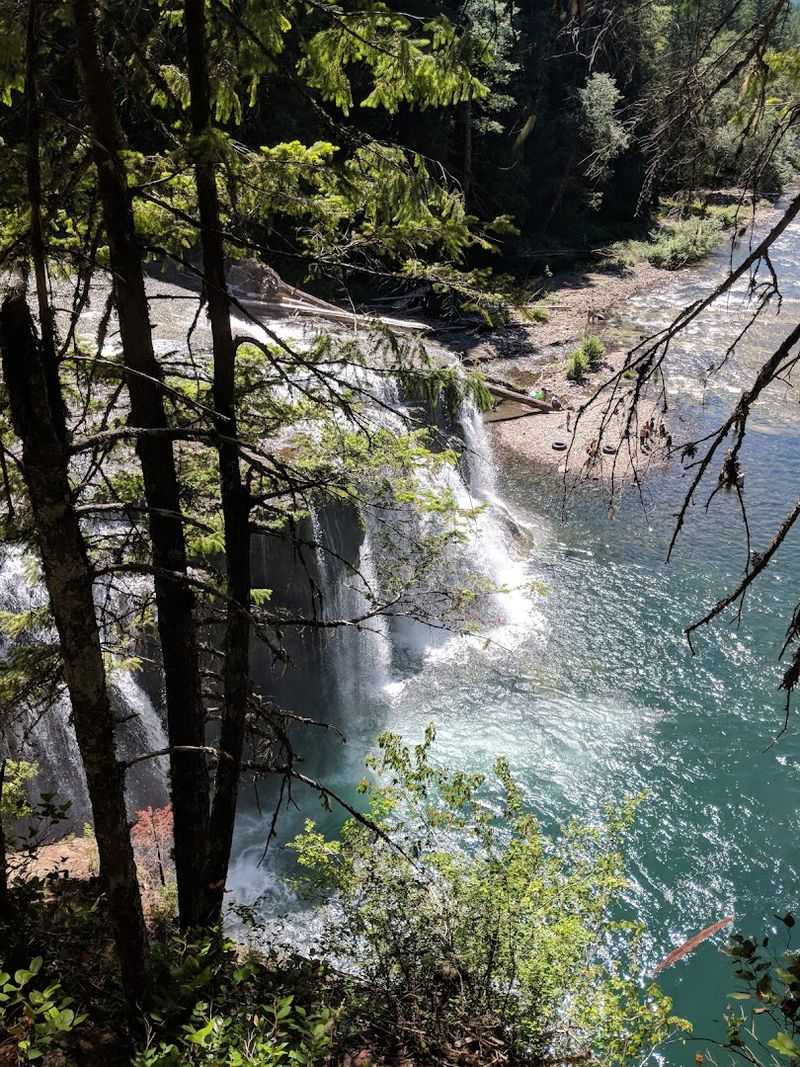
Rain gear is non-negotiable on this hike, regardless of the forecast. The mist from Lower Lewis River Falls reaches well beyond the water’s edge.
A lightweight waterproof jacket packs down small and saves you from a cold, soggy afternoon.
Footwear matters more here than on most trails. Supportive waterproof hiking boots handle the uneven terrain on the main trail.
Once you reach the base of the falls, non-slip water shoes become your best friend on those wet, mossy rocks.
Pack more food and water than you think you will need. The trail is not extremely long, but the environment is active, and your body burns more than you expect.
Bring snacks that hold up in a warm pack, like nuts, jerky, or energy bars.
A basic first aid kit should always ride in your backpack. Blisters, scrapes, and minor cuts happen on rocky terrain.
Having supplies on hand means small problems stay small.
Since cell service is completely unreliable in this area, downloaded offline maps or printed directions are essential. Do not rely on live GPS navigation once you leave the main highway.
Losing your route in a dense forest is not a fun surprise.
For photographers, a camera rain cover and a lens hood protect your gear from the constant mist near the falls. Carry lens cloths in an easy-access pocket.
Keeping your lens clear keeps your shots sharp.
Benefits Of Cooling Off At Waterfall Pools
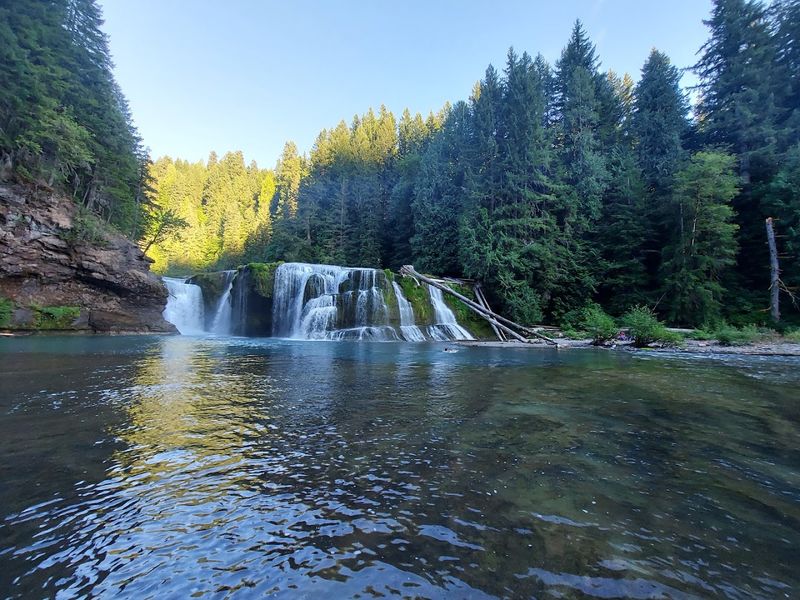
The pool at the base of Lower Lewis River Falls is one of the best natural cool-down spots in Washington. The water is notably clear with a captivating green hue that looks almost unreal in person.
On a hot summer day, stepping into that pool is an immediate full-body reset.
The base of the lower falls is considered the safest swimming area. The current is more manageable there compared to areas closer to the cascade.
Still, always use caution near any powerful waterfall, no matter how calm the surface looks.
The water temperature is cold year-round. In summer, that cold is a feature, not a bug.
It wakes you up, sharpens your focus, and makes the surrounding scenery feel even more vivid once you climb back out.
Getting down to the base requires navigating a short, steep path with ropes to assist you. Wear your water shoes for this descent.
The rocks down there are wet and uneven, and grip matters a lot.
Many visitors spend a long time just sitting near the pool after their swim. The sound of the falls, the cool air, and the green forest overhead create a setting that is hard to leave.
There is a reason this spot earns consistent five-star praise from nearly everyone who visits.
Seasonal Changes Affecting Waterfall Flow
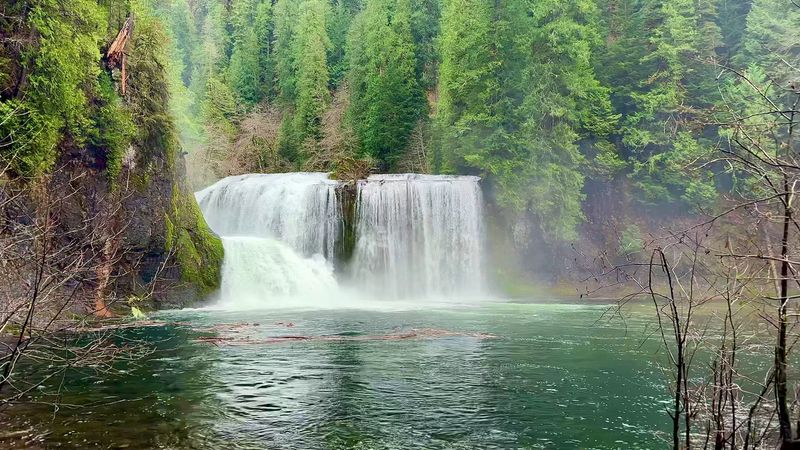
Water levels at Lower Lewis River Falls change dramatically depending on the season. Spring and early summer bring the most powerful flows.
The falls roar during this period, and the sheer volume of water crashing down is genuinely impressive.
Late spring through fall offers the best overall hiking conditions. Trails are clear, weather is more predictable, and the forest is fully alive with color and growth.
This window is when most visitors plan their trips.
By late summer, some of the smaller falls in the area, like Upper Copper Creek Falls, can slow to a trickle. Lower Lewis River Falls maintains a stronger, more consistent flow due to the Lewis River’s overall volume.
It still delivers even when surrounding cascades disappoint.
Winter closes the area off for most visitors due to snow accumulation on Forest Road 90. The road becomes impassable without specialized equipment.
Checking current conditions before any off-season visit is essential.
Early spring visits, around April, offer a different kind of experience. Water volume is extremely high, mist fills the air heavily, and the crowds are minimal.
The trade-off is a rougher road and cooler temperatures on the trail.
May tends to hit a sweet spot. Water volume remains impressive, wildflowers are beginning to bloom, and summer crowds have not yet arrived.
Many experienced hikers consider May the most rewarding month to visit this area.