
This Mississippi State Park Has One Of The Most Legendary Hiking Trails In The Southeast
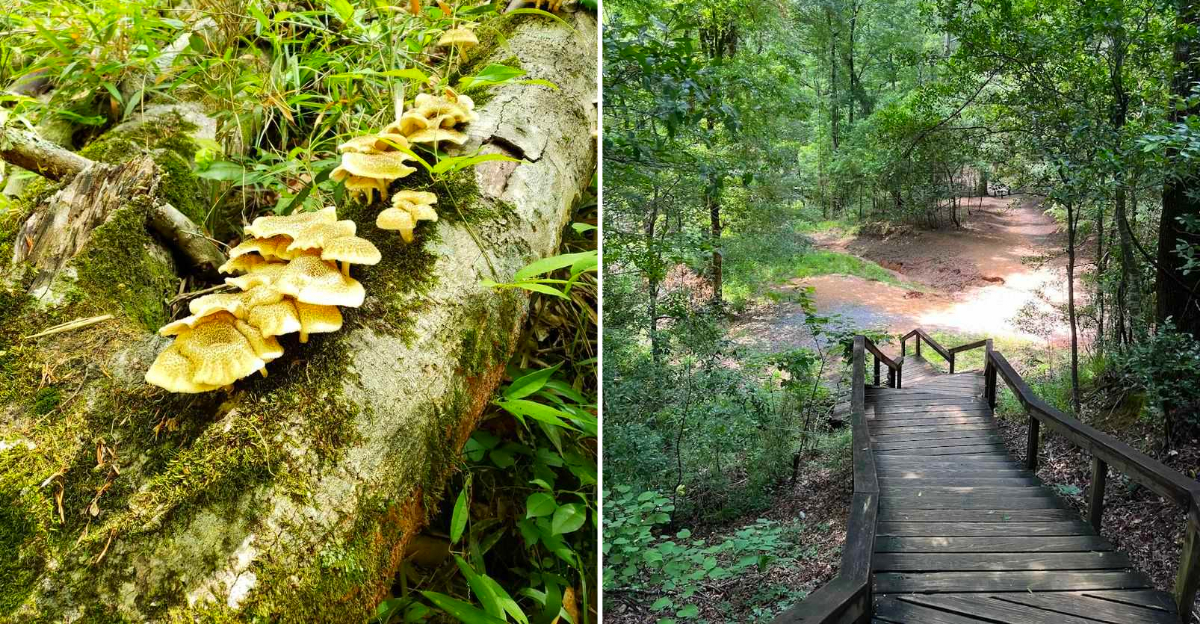
So real talk, when you think Deep South hiking, waterfalls probably aren’t the first thing that comes to mind. Rolling hills, maybe some swamp, sure.
But this natural area sits quietly in the far southwest corner of Mississippi holding onto a secret most people never expect to stumble on. Fifty plus waterfalls. In Mississippi. I had to read that number twice myself.
Here’s the part that really sold me though. This is only a 700 acre park, which sounds small until you realize how much elevation change and rushing water they packed into that space.
Hikers across the whole Southeast talk about these trails like they’re some kind of local legend, and honestly, once you’re standing next to your third or fourth waterfall of the day, you get why. It’s the kind of hike that makes you forget you’re still technically in Mississippi.
A Waterfall Wonderland Where You Least Expect It
Most people do not picture waterfalls when they think of Mississippi. The state is known for its flat bayou country, lazy rivers, and humid summers.
Clark Creek Natural Area breaks every one of those expectations in the best possible way.
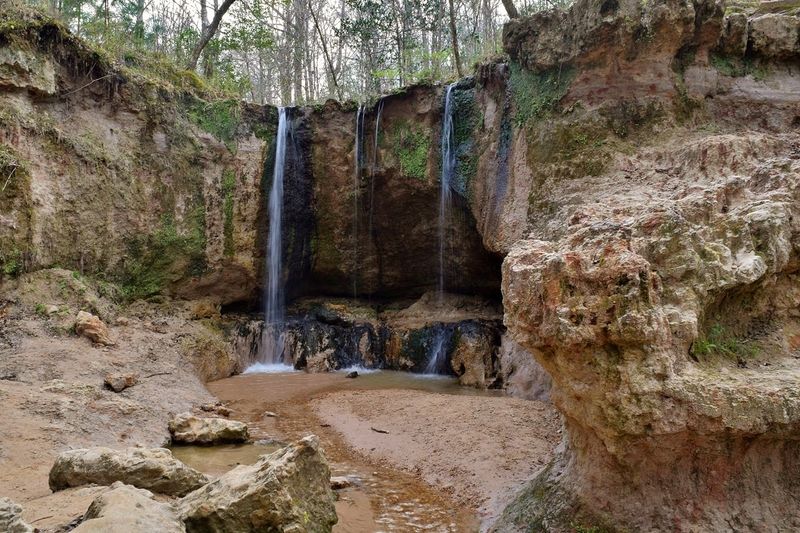
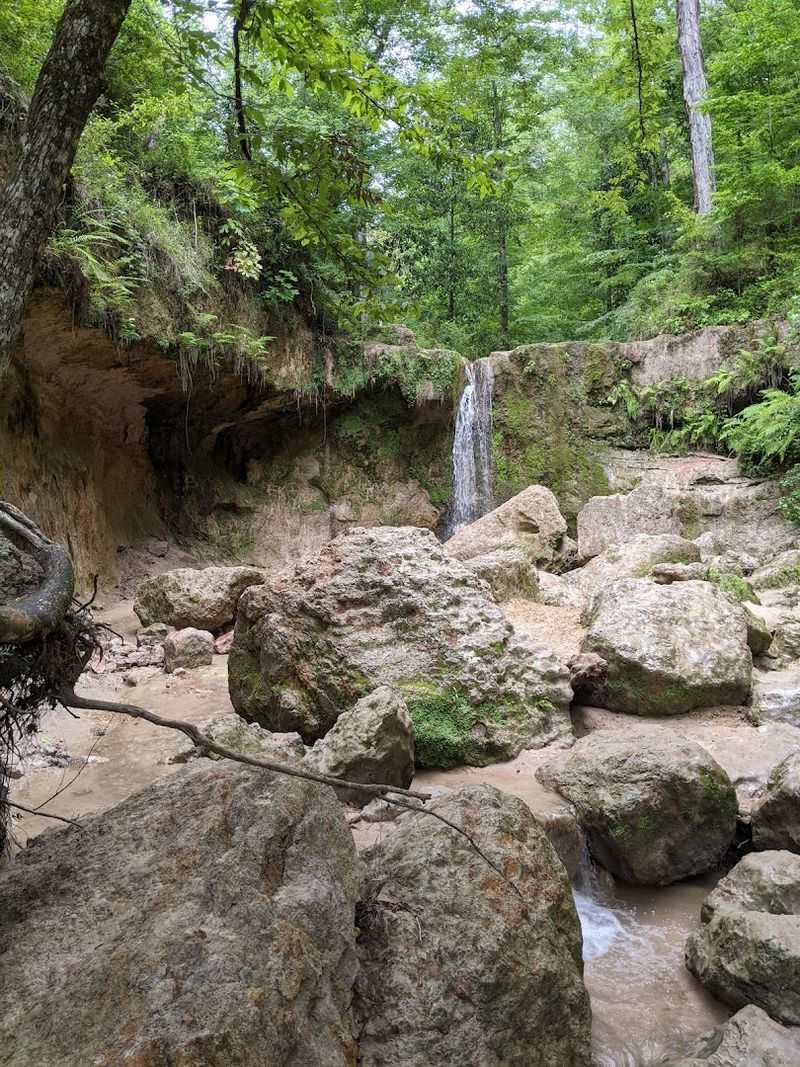
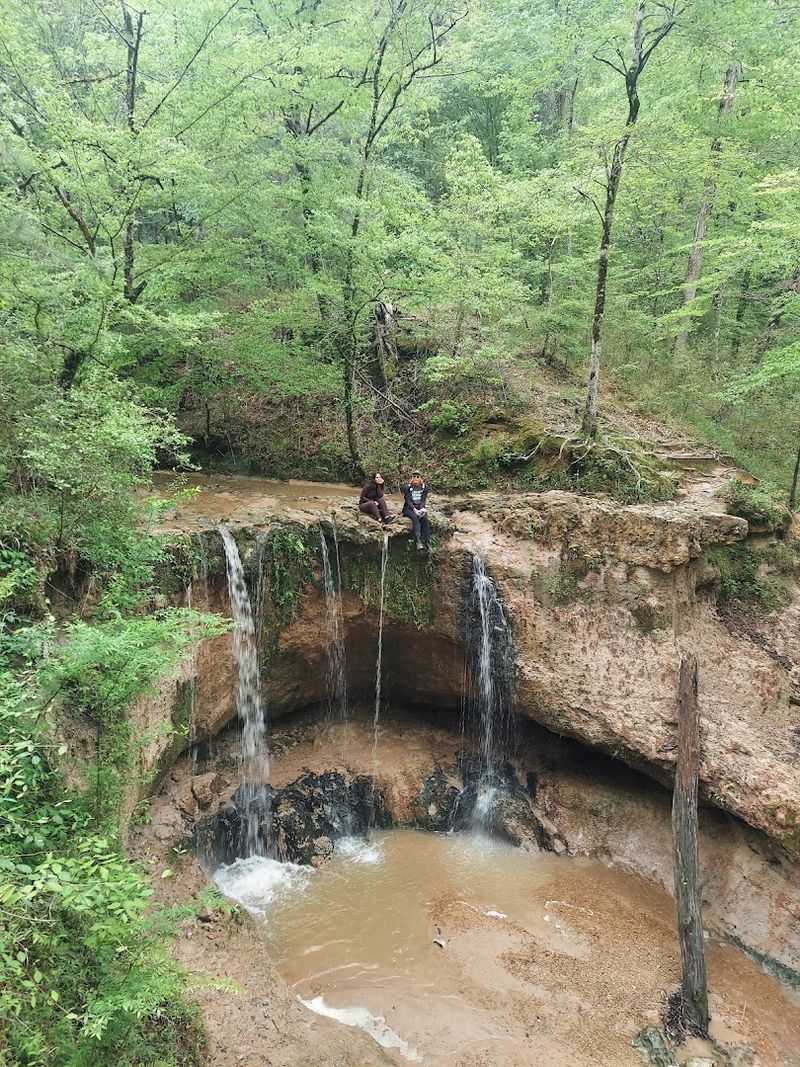
More than 50 waterfalls flow through the park’s 700 acres, ranging from 10 to 30 feet in height. That kind of abundance is almost unheard of in this part of the country.
The terrain shifts dramatically here, shaped by ancient loess bluff hills that create steep ravines and rushing creeks.
Spring-fed pools gather beneath many of the falls, cool and clear even in the heat of summer. Swimmers and waders absolutely love them.
The sound of moving water follows you through almost every stretch of trail, which gives the whole experience a rhythm that is hard to describe but impossible to forget.
Clark Creek earns its legendary status not through one showstopper moment but through a relentless series of beautiful surprises. Around every bend, another cascade appears.
For a state often overlooked in outdoor travel conversations, this place makes a very convincing argument that Mississippi deserves a spot at the top of any serious hiker’s list.
Clark Creek Natural Area: The Address Of Adventure
Clark Creek Natural Area sits at 366 Ft Adams Pond Rd, Woodville, MS 39669, about an hour’s drive from Baton Rouge and just 30 minutes from St. Francisville.
The address does not look like much on a map, but the experience waiting at the end of that road is something else entirely.
Managed by the Mississippi Department of Wildlife, Fisheries, and Parks, the area is officially classified as a state park and natural preservation zone. The entrance is modest and easy to miss if you are not paying attention.
A small parking area greets visitors, along with clean restrooms, trail maps, and an honor-system fee station.
Entry runs about $2 to $4 per person or vehicle, paid by placing cash in an envelope. It is one of the most affordable outdoor experiences in the entire Southeast.
The park operates daily from 8 AM to 5 PM and can be reached by phone at 601-888-6040.
No motorized vehicles are allowed beyond the parking area, which keeps the trails peaceful and undisturbed. Camping and hunting are also prohibited.
What you get instead is pure, uninterrupted access to one of the most rewarding natural spaces Mississippi has to offer.
Trail Options For Every Level Of Brave
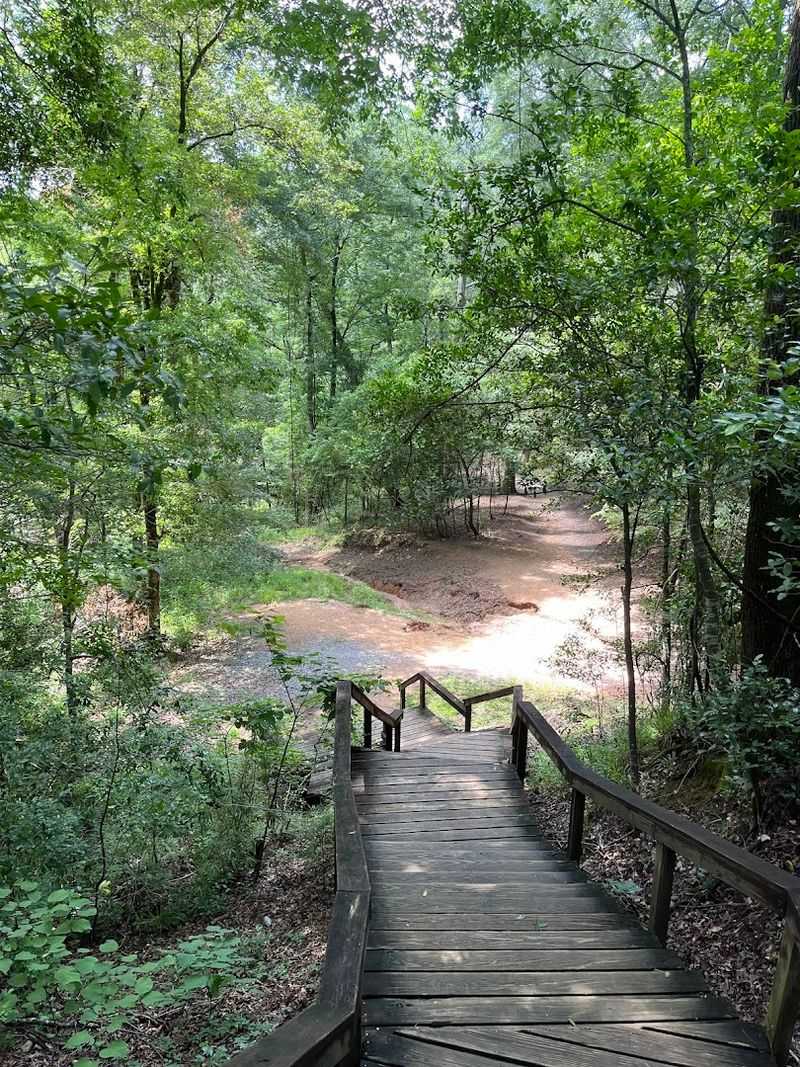
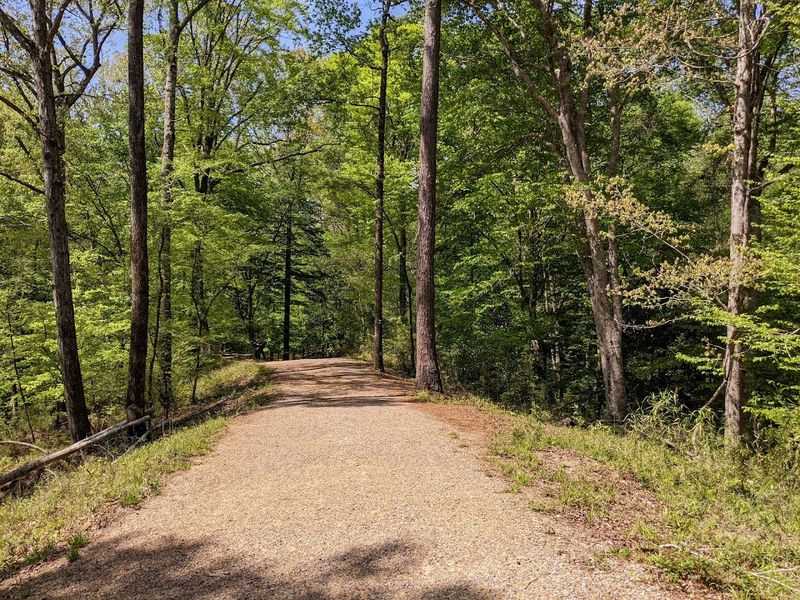
Clark Creek offers two main trail types, and both deliver a genuine workout. The improved trails stretch about 1.75 miles and typically take around two hours to complete.
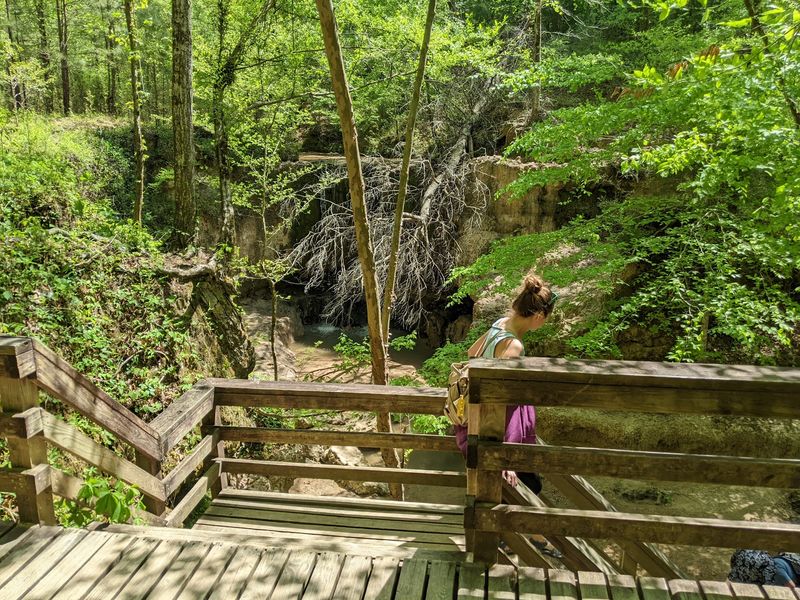
They feature pea gravel surfaces and steep wooden stairs, making them more accessible while still demanding solid effort.
The primitive trail is a different story altogether. Running approximately 2.6 miles, it can take anywhere from three to five hours depending on your pace and how long you linger at each waterfall.
The path is rugged, steep, and gloriously unpolished. Expect to climb over downed trees, cross creek beds, and navigate narrow ravines.
Combining both trails creates a loop of roughly 4.5 to 5.6 miles. That is a full day of hiking by any standard.
Trail markers exist but require close attention, so staying alert is part of the adventure.
Footwear matters enormously here. Sturdy boots or trail shoes with solid grip are not optional.
The terrain gets slippery after rain, and some sections involve loose gravel and wet rocks. Bring plenty of water since potable water is not available on the trails themselves.
Preparation turns a tough hike into a truly memorable one.
Rare Trees That Hold World Records
Few hiking destinations in the Southeast can claim what Clark Creek holds within its forest. The natural area is home to world record specimens of Mexican plum and bigleaf snowbell trees.
Mississippi’s state record hophornbeam also grows here, quietly standing among the hardwoods as if it has nothing to prove.
Southern sugar maple and the globally rare Carolina magnolia vine also call this forest home. That level of botanical diversity in a single 700-acre park is genuinely remarkable.
Botanists and tree enthusiasts travel significant distances just to walk among these specimens.
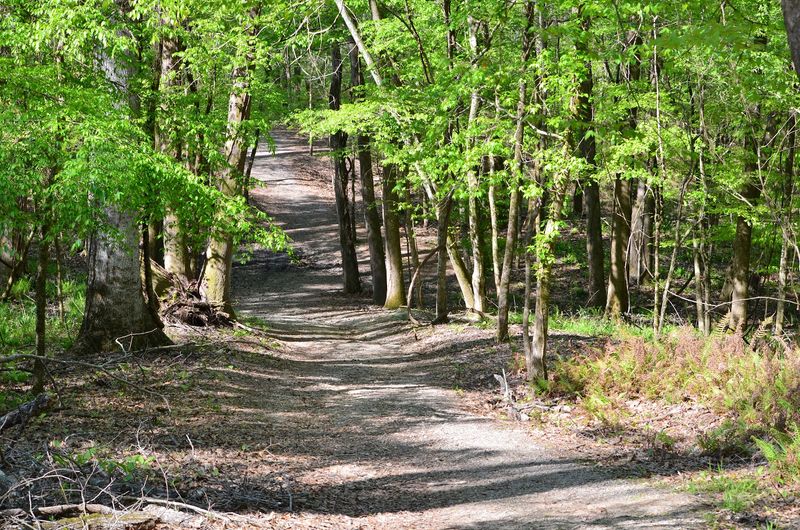
Large beech and magnolia trees dominate much of the forest canopy, creating deep shade that keeps temperatures surprisingly cool on the trails. The mix of hardwood and pine gives the landscape a layered, textured feel that changes with the seasons.
Fall brings warm color; spring brings lush, almost electric green.
Most visitors come for the waterfalls and leave talking about the trees. The forest has a presence that is hard to put into words.
Every trail segment feels like walking through a living museum where the exhibits have been growing for centuries. Clark Creek rewards the curious and the observant in equal measure.
Wildlife That Will Stop You In Your Tracks
Clark Creek Natural Area is alive in ways that genuinely catch visitors off guard. White-tailed deer move quietly through the undergrowth, and chipmunks dart across the trail with impressive speed.
Foxes, coyotes, armadillos, and bobcats also roam the park, though most prefer to stay out of sight.
Bird watchers find the area especially rewarding during migration season. The forest’s dense canopy and creek corridors create ideal habitat for a wide variety of migratory species.
Bring binoculars and patience, and the rewards stack up quickly.
The Southern red belly dace fish, a state-endangered species, lives in the creek waters here. A rare land snail also inhabits the forest floor, a detail that surprises most people who learn about it.
Occasional black bear sightings have been reported as well, which adds a certain respectful awareness to the hiking experience.
Feral pigs and cottontail rabbits round out the cast of residents. Encountering wildlife on the trail is not guaranteed, but the odds are genuinely good given how undisturbed the habitat remains.
The park’s no-hunting policy protects all of this biodiversity year-round, keeping Clark Creek a functioning and thriving ecosystem that hikers are privileged to pass through.
Swimming Holes That Earn Their Cool
After a sweaty climb through steep terrain, stumbling onto a cool spring-fed pool feels like a genuine reward.
Clark Creek’s waterfalls feed natural swimming holes that sit at the base of many cascades, and on a hot Mississippi summer day, they are absolutely worth every step of the hike.
The water is clear and cold, fed by underground springs rather than surface runoff. That keeps the pools cleaner and cooler than most natural swimming spots in the region.
Visitors are welcome to wade, swim, and cool off beneath the falls. A swimsuit and a dry bag for electronics are strongly recommended gear.
The pools range in depth and size depending on rainfall and season. Some are shallow and perfect for splashing around, while others are deep enough for a proper swim.
The surrounding rocks add natural seating and good spots to sit and take in the sound of the falls.
Bringing a change of clothes is one of the smartest packing decisions you can make for this trip. Most people end up wet whether they plan to or not.
The combination of slippery rocks, refreshing water, and sheer enthusiasm tends to make waterproofing your bag a very practical priority rather than an optional one.
What To Pack Before You Hit The Trail
Preparation makes the difference between a great day at Clark Creek and a miserable one. The trails do not offer potable water at any point beyond the parking area, so carrying enough hydration is non-negotiable.
A minimum of two liters per person is a smart baseline, especially in warmer months.
Footwear deserves serious thought. Trail shoes or boots with aggressive grip perform best on the wet rocks and steep gravel sections.
Sandals and flat sneakers are genuinely risky choices here. The terrain earns its moderate-to-challenging rating on both trail types.
Bug spray is a must. Mosquitoes and horseflies are active throughout the warmer months, and going without repellent turns a pleasant hike into an itchy ordeal.
Sunscreen matters too, even though the forest canopy provides significant shade. Open sections near the creek can catch you off guard.
Snacks, a small first-aid kit, a waterproof bag for electronics, and a printed or downloaded trail map round out a solid packing list. Cash is also essential since the honor-system entrance fee requires it.
The restrooms at the parking area are the last plumbing you will encounter, so plan accordingly before heading down the trail.
Best Times To Visit For Peak Experience
Timing a visit to Clark Creek can shape the entire experience. Spring brings the highest water flow, which means the waterfalls are at their most dramatic and the pools are full.
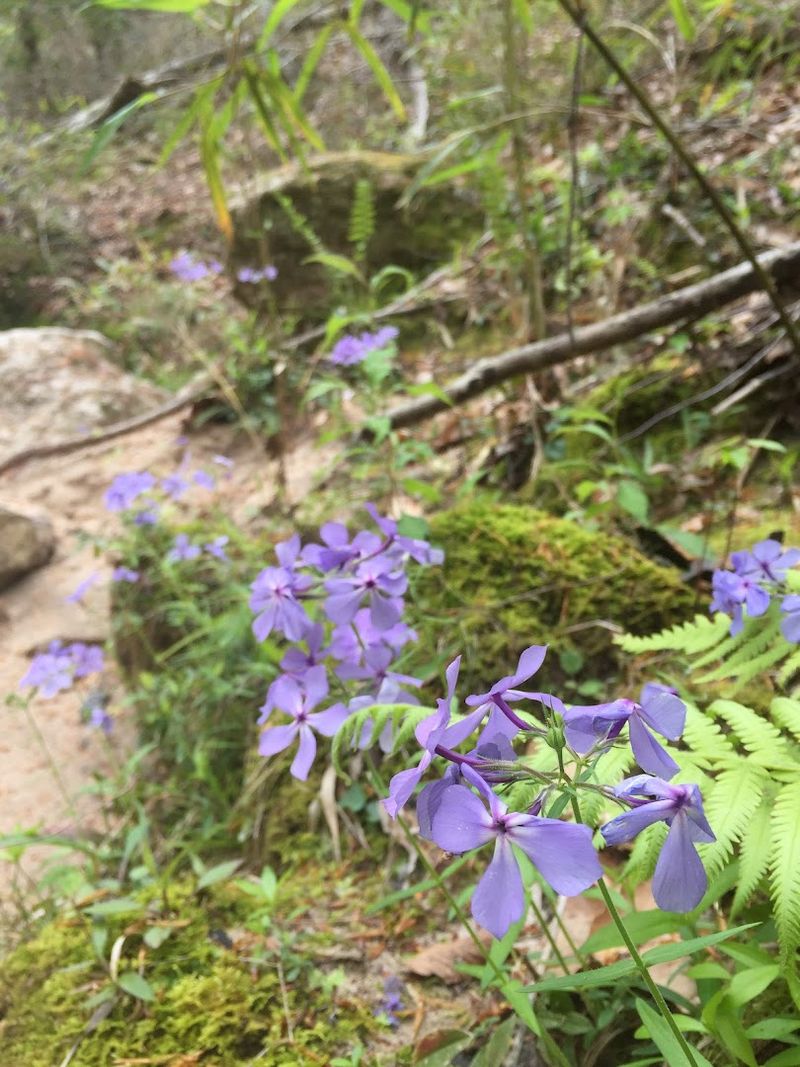
The forest is also at its greenest, and wildflowers add color to the trail edges. It is genuinely one of the most photogenic times of year.
Fall offers a different kind of beauty. The hardwood canopy shifts through warm oranges and deep golds, and the cooler temperatures make the strenuous hike far more comfortable.
Bug activity drops significantly in autumn, which many regular visitors consider the single best reason to visit between October and November.
Summer visits are possible but demand extra preparation. Heat and humidity in Mississippi can be intense, and the physical demands of the trail compound quickly in high temperatures.
Starting early in the morning helps avoid the worst of both the heat and the insects.
Winter visits attract a smaller crowd and offer surprisingly clear views through the bare canopy. The waterfalls still flow, and the quiet of the forest in winter has its own appeal.
The park is open year-round from 8 AM to 5 PM, giving every season a legitimate case for being the right time to show up.
Bird Watching And Geocaching Beyond The Falls
Hiking to the waterfalls is the headline act at Clark Creek, but the supporting activities deserve attention too. Bird watching ranks among the most popular reasons to visit outside of the main trail experience.
The forest corridor along the creek creates a natural flyway for migratory species, and the variety of birds spotted here is impressive for a park of this size.
Early mornings are the prime window for bird activity. Arriving at the park when it opens at 8 AM gives you the quietest, most productive hours on the trail.
A field guide and a patient attitude go a long way in a forest this rich with habitat.
Geocaching has also found a home at Clark Creek. The combination of rugged terrain, multiple trail options, and dense forest makes the park a natural fit for the activity.
Participants enjoy an extra layer of purpose to their hike beyond simply reaching the next waterfall.
Wild muscadine grapes and American beautyberries grow throughout the area and are worth noticing as you walk. The park also benefits from visitors who carry small bags to collect litter along the trail.
That small habit keeps the ecosystem clean and ensures the experience stays as pristine as possible for everyone who follows.