
Almost Nobody Outside Mississippi Knows About This Massive Hidden Lake
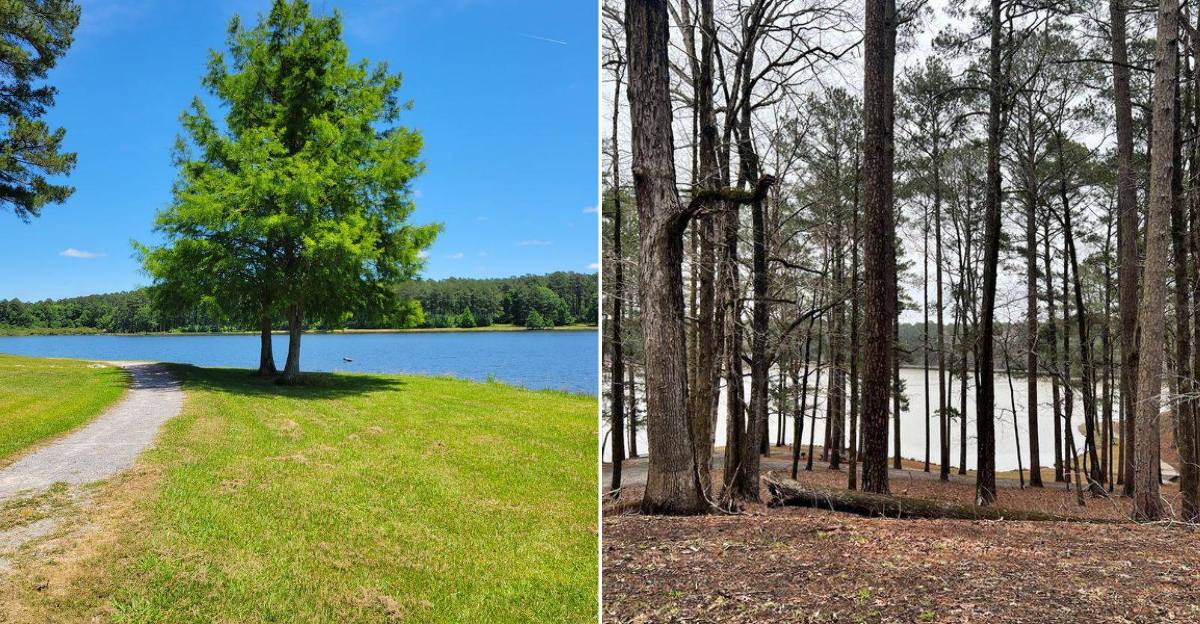
“Mama always said there’s an awful lot you could tell about a person by their shoes, where they’re going, where they’ve been.” Finding this Mississippi lake might mean getting those shoes a little dirty first. That’s not necessarily a bad thing.
It’ll remind you exactly where you’ve been long after the trip ends. Almost nobody outside the state has heard of this place at all.
Locals kept that quiet for years, not out of secrecy but simple lack of reason to advertise it. The water stretches far wider than most visitors expect once they actually arrive.
Shorelines stay mostly empty even during peak summer weekends. Fishing here happens without the crowds that plague more famous lakes nearby.
This lake never needed outside attention to feel complete, and that might be exactly why it stayed hidden for so long.
Geological Formation Of Massive Hidden Lakes
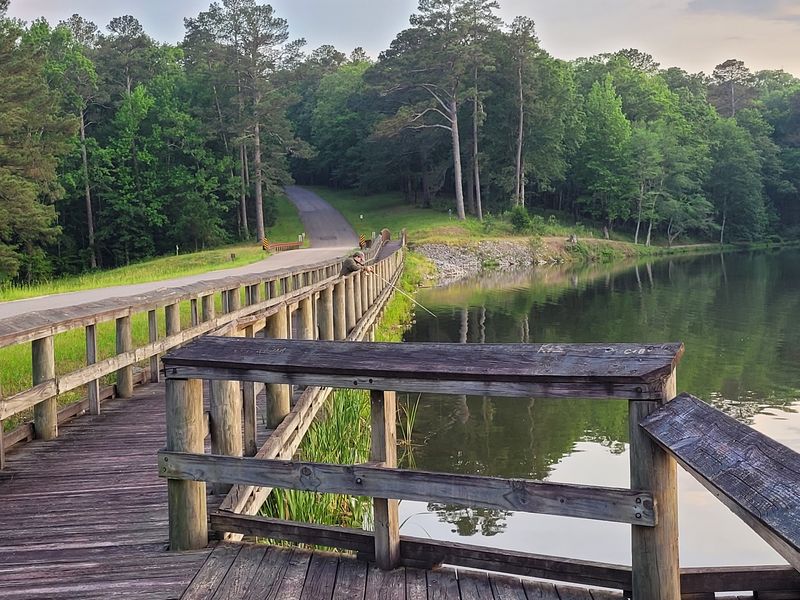
This place did not form naturally over millions of years. Workers built a dam across a small stream, and water slowly filled the valley behind it.
That is how a reservoir becomes a lake people now love.
The land around the lake sits on Mississippi’s North Central Plateau. This region has rolling hills and rugged terrain that makes the landscape feel dramatic.
Before the forest grew back, much of this area was worn-out farmland nobody wanted.
Pine and hardwood trees eventually reclaimed the soil. The regrowth created a thriving forest ecosystem around the reservoir.
Nature basically hit a reset button, and the results are impressive.
The dam controls water levels and helps prevent flooding downstream. Reservoirs like Choctaw Lake also serve as reliable water sources for surrounding communities.
Engineering and nature ended up working together really well here.
The geology beneath the lake includes clay-rich soils common to central Mississippi. Those soils hold water effectively, which helps maintain consistent lake levels year-round.
You can find Choctaw Lake in Mississippi.
Flora And Fauna Surrounding Large Lake Environments
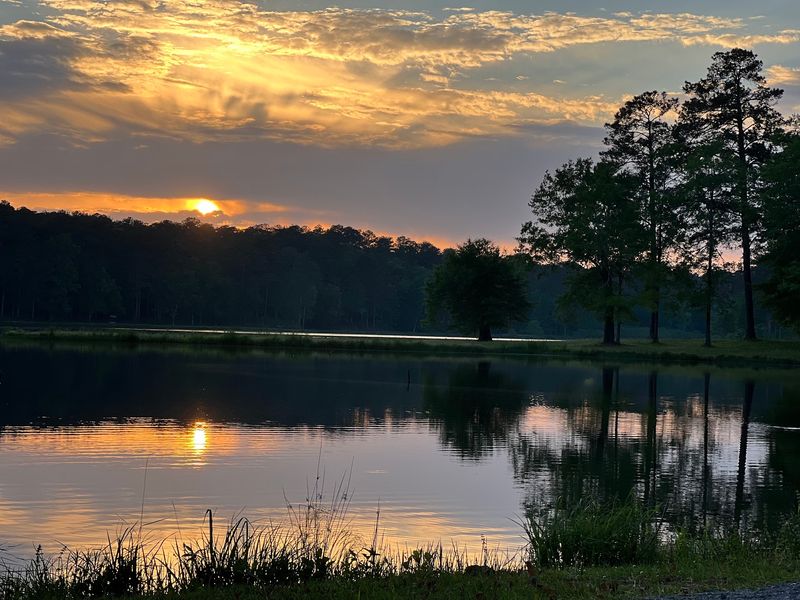
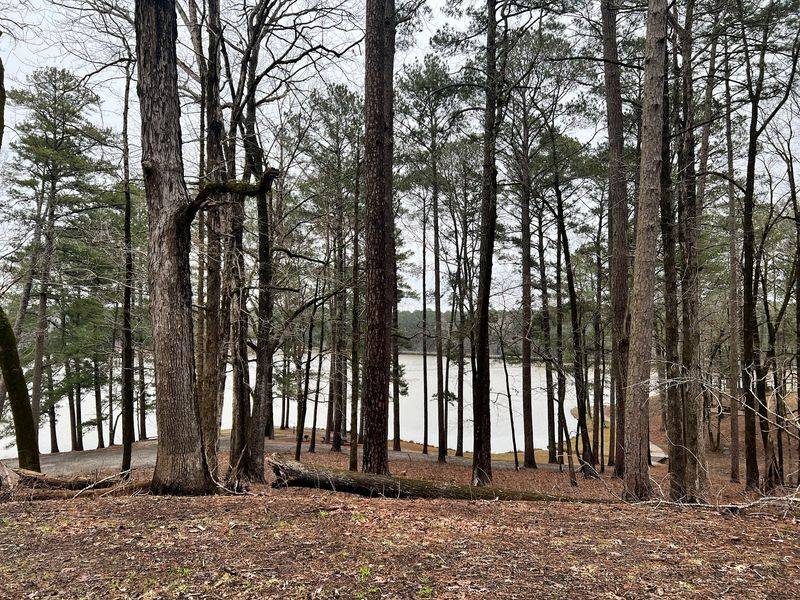
Choctaw Lake sits inside Tombigbee National Forest, which means wildlife surrounds you on every side. The forest is a mix of tall pines and broad hardwoods.
Birds, mammals, and reptiles all share this space comfortably.
Largemouth bass, bream, catfish, and crappie swim through the lake’s waters. Anglers know this spot produces solid catches throughout the warmer months.
The fish population stays healthy thanks to the forest’s natural filtration.
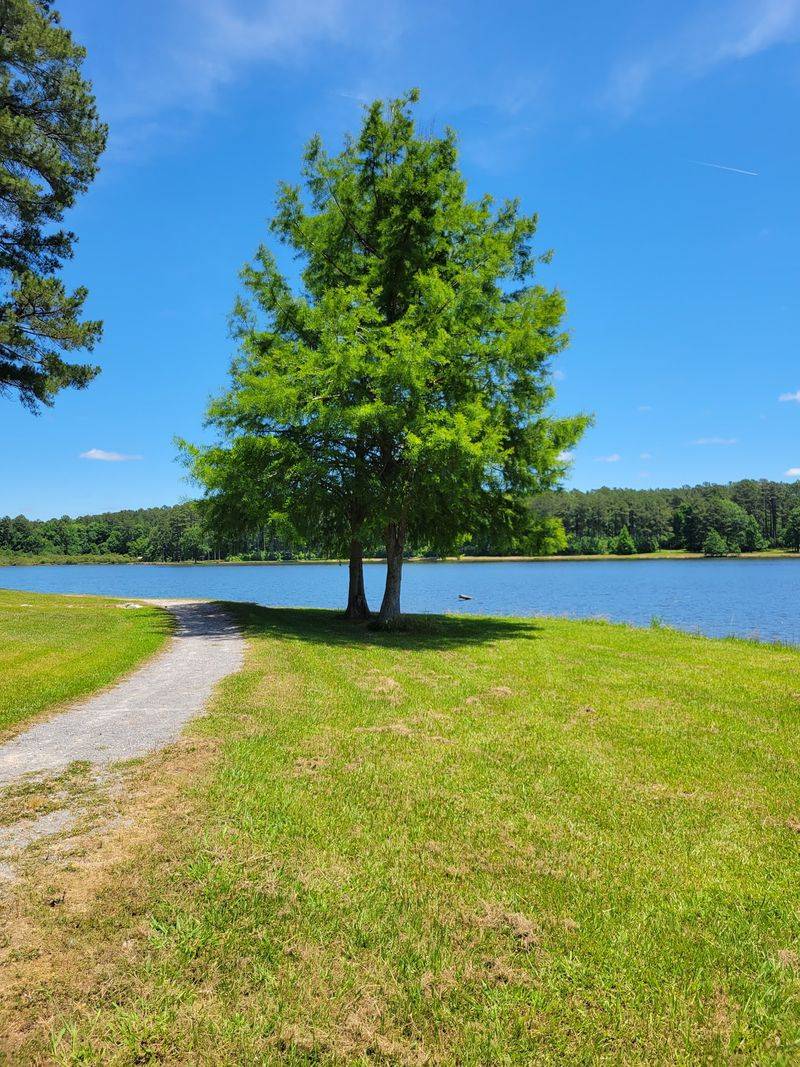
Near the shoreline, you will spot bald cypress trees with their knobby roots poking out of the water. Buttonbush and swamp sunflowers also grow along the edges.
Native ferns, azaleas, and irises add bursts of color throughout the seasons.
Turtles sun themselves on logs near the water. Frogs call out loudly at dusk, which creates a natural soundtrack you cannot replicate.
Snakes are around too, so watch your step on the trail.
Bird watching at Choctaw Lake is genuinely rewarding. Herons, woodpeckers, and various songbirds are common sightings.
The biodiversity here reflects how healthy and protected this forest environment truly is. Bring binoculars, and you will not regret it.
Recreational Activities Supported By Hidden Lakes
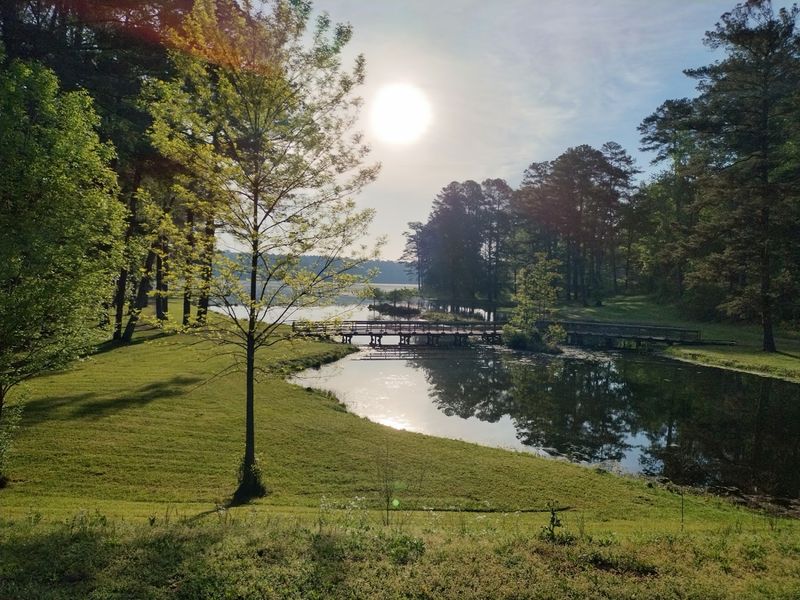
A lake like this packs a surprising number of activities into one compact location. You can camp, picnic, swim, fish, hike, and bike all in the same visit.
That kind of variety is rare at a spot this quiet.
Two boat ramps give anglers and paddlers easy access to the water. Choctaw Lake operates as a no-wake zone, so the water stays calm and peaceful.
Kayaks and canoes fit right in with that relaxed vibe.
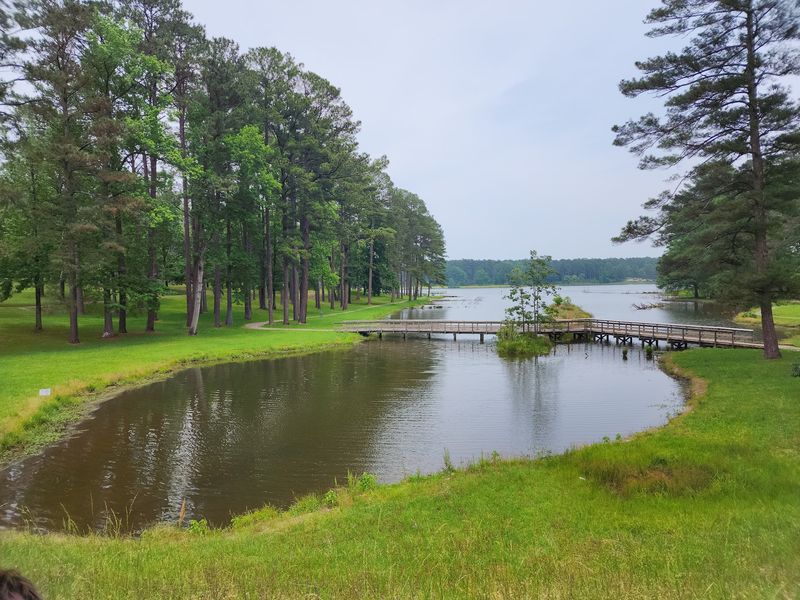
The Lakeside Trail loops around the entire lake on well-maintained gravel paths. A boardwalk section crosses part of the water, which makes the walk feel special.
The full loop takes about an hour at a comfortable pace.
A frisbee golf course runs throughout the trail system. It is a fun way to mix outdoor sport with a nature walk.
Families, solo hikers, and groups all enjoy it.
Picnic areas with grills are scattered throughout the park. The beach area opens for swimming during warmer months.
Campsites are available for reservation online, and some first-come spots can be claimed right at the site. Dogs on leashes are welcome, which makes this a great outing for pet owners too.
Seasonal Changes And Their Impact On Lake Ecology
Spring is when Choctaw Lake truly wakes up. Bass and bream begin spawning in the shallows, and the fishing gets exciting fast.
Wildflowers bloom across the forest floor, and new leaves make the whole place feel refreshed.
Summer brings the biggest crowds to the beach and boat ramps. The warm water invites swimmers, and the long days give hikers plenty of daylight.
Heat can be intense in Mississippi, so early morning visits are smart.
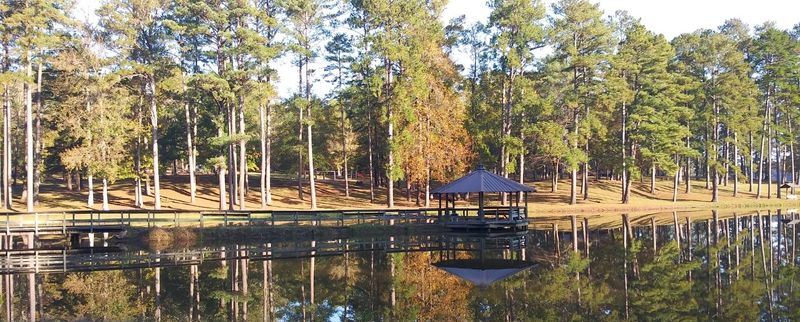
Fall is quietly spectacular here. Temperatures drop to comfortable levels, and the hardwood trees shift into shades of orange, red, and gold.
The rolling hills around the lake look especially beautiful during this season.
Winter brings a stillness that feels almost meditative. Fewer visitors come out, which means the trails feel wide open.
Some wildlife becomes harder to spot, but bird watchers often find unique species passing through during migration.
Each season changes the lake’s ecology in measurable ways. Water temperatures affect fish behavior, oxygen levels, and plant growth.
Understanding those seasonal shifts helps visitors plan better trips and respect the natural cycles happening beneath the surface all year long.
Historical Significance Of Remote Mississippi Lakes
The name Choctaw is not random. It honors the Choctaw Nation, one of the most significant Native American tribes in Mississippi’s history.
Their ancestral lands once covered a huge portion of the southeastern United States.
Choctaw people lived across central Mississippi long before European settlers arrived. They built communities, traded goods, and maintained deep connections to the land and water.
Their presence shaped the region in ways still visible today.
The Tombigbee National Forest, which surrounds the lake, contains ancient Native American mounds. These earthworks date back to the Mississippian culture, which flourished between 800 and 1600 CE.
Finding them in the forest adds a layer of history to every hike.
Nanih Waiya, a sacred mound in Winston County, holds special importance in Choctaw oral tradition. Many stories describe it as the place where the Choctaw people first emerged.
That origin story connects the tribe directly to this Mississippi landscape.
The land around the lake was also once abandoned farmland. Generations of families worked this soil before the forest reclaimed it.
Choctaw Lake now sits at the intersection of Native history, agricultural memory, and forest renewal. That layered past makes this place far more interesting than it first appears.
Conservation Efforts Protecting Natural Lake Habitats
The U.S. Forest Service manages Tombigbee National Forest, which includes Choctaw Lake.
Their oversight means the land follows federal conservation standards. Habitat protection, trail maintenance, and water management all fall under their responsibility.
Sustainable forestry practices help protect the watershed surrounding the lake. Controlled burns and selective logging prevent overgrowth while maintaining biodiversity.
Without active management, the ecosystem could shift in ways that harm water quality.
Organizations focused on Mississippi lakes promote water quality monitoring programs. Citizens can participate by reporting unusual changes in water color or clarity.
That kind of community involvement genuinely helps catch problems early.
Dam management plays a role in conservation too. The Sustainable Rivers Program works with dam operators to release water in ways that mimic natural flow patterns.
Those releases support fish populations and downstream habitats.
Visitor fees collected at Choctaw Lake go back into maintaining the park. Clean bathhouses, well-kept trails, and monitored campgrounds all result from that funding.
Conservation here is not just about protecting the environment. It is also about keeping the place enjoyable and accessible for future visitors who have not discovered it yet.
Every responsible visitor contributes to that ongoing effort simply by following the rules.
Water Quality And Environmental Challenges In Hidden Lakes
Choctaw Lake faces the same environmental pressures affecting reservoirs across Mississippi. Aging infrastructure, climate shifts, and land-use changes all influence water quality over time.
Staying aware of those pressures is the first step toward managing them.
Rising temperatures affect oxygen levels in the water. Warmer water holds less dissolved oxygen, which stresses fish and other aquatic life.
That chain reaction can quietly destabilize an ecosystem that looks perfectly healthy on the surface.
Algae blooms become more likely when nutrient runoff enters the lake. High phosphorus levels from surrounding land feed excessive plant and algae growth.
When algae decompose, it pulls even more oxygen from the water.
Sedimentation is another ongoing concern. Soil washed into the lake from nearby land gradually fills in shallow areas.
Over decades, that buildup changes the lake’s depth and the habitat available to fish and plants.
Pathogens from wildlife and stormwater runoff can also affect water safety for swimmers. Regular water quality testing helps managers identify risks before they become serious problems.
Choctaw Lake benefits from being inside a managed national forest, which limits the type and amount of development nearby. That natural buffer provides real protection that many other Mississippi lakes simply do not have.
Local Legends And Cultural Stories About Secluded Lakes
The Choctaw people carry one of the richest oral traditions in North American history. Their stories pass down knowledge, identity, and values across generations.
Lakes and waterways appear often in those narratives as places of power and meaning.
Choctaw legends include tales of “Little People,” small forest spirits believed to live in hidden caves and remote places. Some stories describe them as mischievous, others as protective.
Either way, a forest as quiet as Tombigbee feels like exactly where those stories would be set.
Animal tales form another major part of Choctaw storytelling. Rabbits, deer, and birds often appear as clever characters teaching moral lessons.
Sometimes those lessons come with humor, which keeps the stories memorable and relatable across every age group.
Nanih Waiya, the sacred mound not far from this region, anchors many Choctaw origin stories. It is described as the mother mound, the place where the Choctaw people emerged from the earth.
That story gives the entire landscape around Choctaw Lake a deeper spiritual weight.
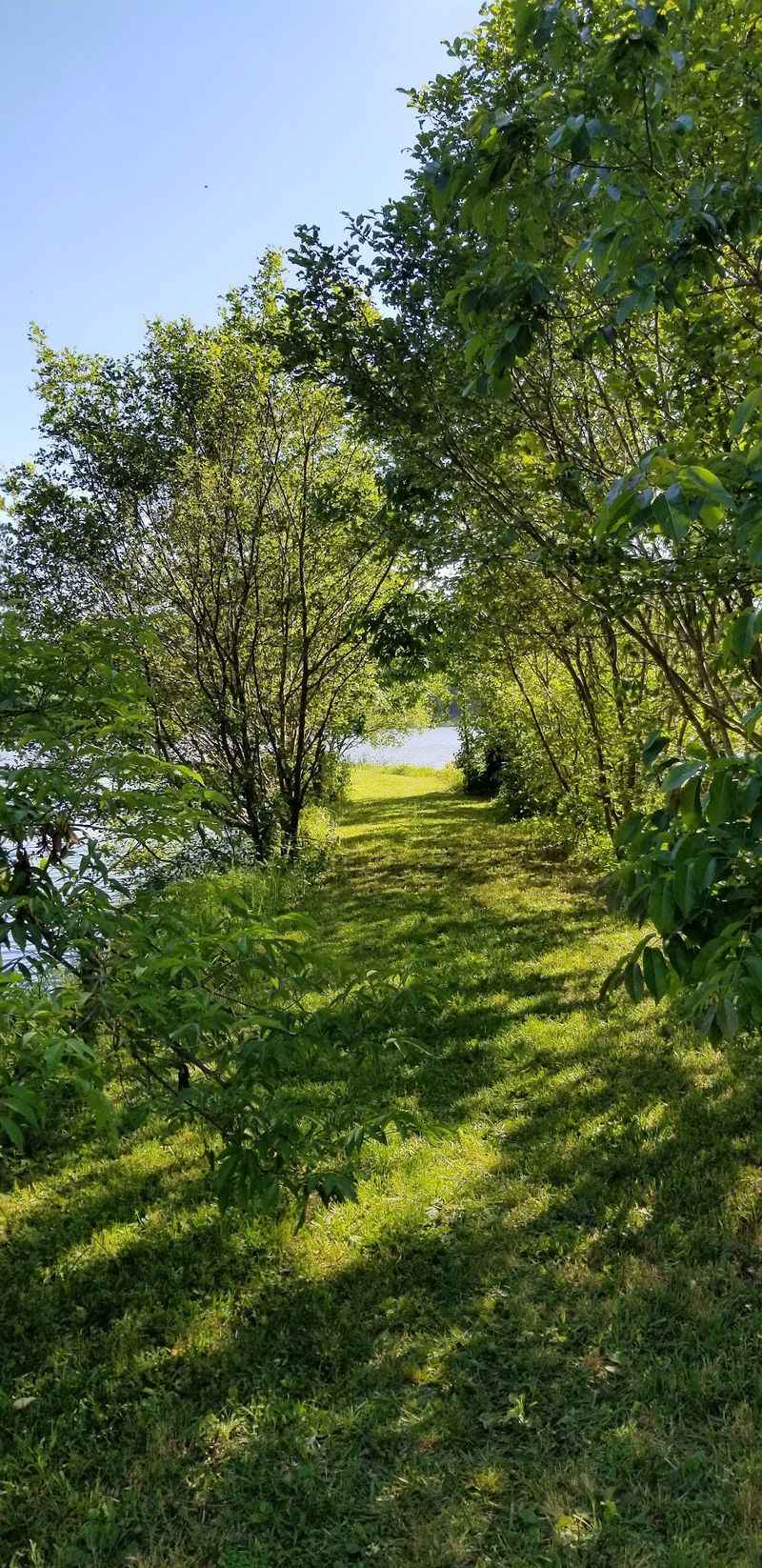
Standing at the lake’s edge on a foggy morning, it is easy to understand why this land inspired legends. The mist sits low over the water.
The trees stand silent. The forest holds its breath.
Places like this have always sparked stories, and Choctaw Lake is no different.