
10 Ohio Towns Where Escalating Property Taxes Are Becoming A Growing Concern
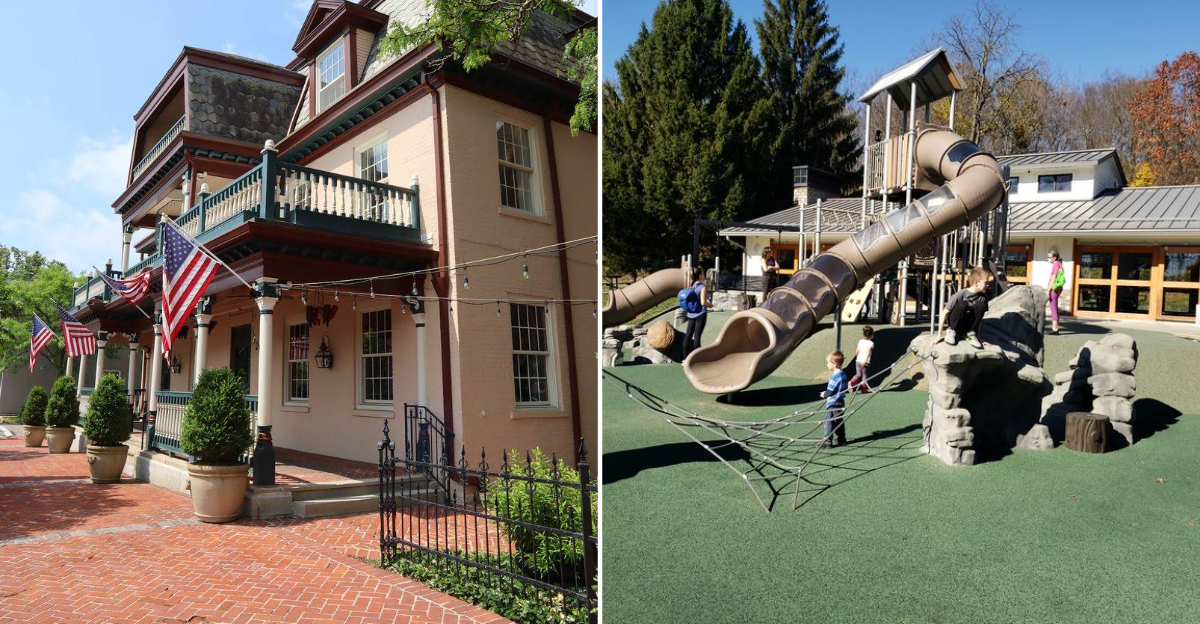
Property taxes rarely make headlines until the numbers climb high enough for homeowners to start comparing notes at the mailbox. These Ohio towns have reached exactly that point recently.
Rising home values pushed assessments higher across these areas, even for residents who have no plans to sell anytime soon. Longtime homeowners on fixed incomes feel the increase the hardest, since their earnings didn’t rise to match the new bills.
Local governments point to rising costs and infrastructure needs to justify the hikes. Residents point to their bank accounts and see a different kind of math entirely.
Some families have already started discussing whether staying still makes financial sense long-term. These towns represent a growing pattern across the state, one that shows no signs of reversing soon.
1. Peninsula
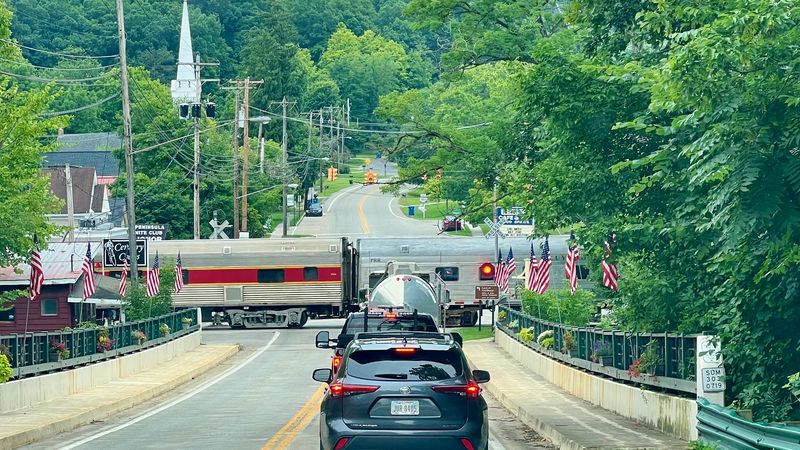
Peninsula sits right inside Cuyahoga Valley National Park, and yes, it is as beautiful as it sounds. The Cuyahoga River literally wraps around the village, giving it that classic peninsula shape.
History runs deep here. The village was established back in 1837 and once boomed with sandstone quarries.
Walking down Main Street feels like flipping through an old postcard collection. The Peninsula Village National Historic District is well-preserved and genuinely charming.
Local shops and small businesses line the streets with real character.
But here is the part that stings a little. Summit County completed a property value update in 2023, and values jumped noticeably.
Homeowners who loved the peaceful, park-adjacent lifestyle are now seeing higher tax bills arrive each year.
The 20-mill floor rule in some local school districts limits how much tax relief homeowners can get, even when values rise sharply. That is a frustrating reality for long-time residents.
Many bought here for the quiet, not for the financial pressure.
If you are considering Peninsula, go visit first. The scenery is genuinely stunning.
Just build the rising tax reality into your budget before falling in love with a historic home on the river.
2. East Cleveland
East Cleveland has a story that swings between grandeur and struggle. It was once home to Millionaire’s Row, with some of the most elegant homes in the region.
John D. Rockefeller himself had ties to this land.
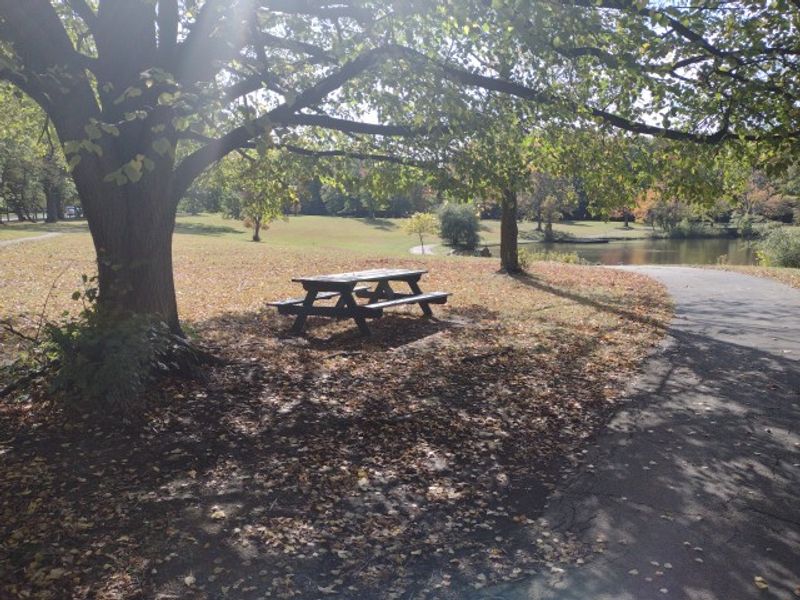
Forest Hill Park, once part of his estate, still gives residents a beautiful green escape.
General Electric’s historic Nela Park also calls East Cleveland home. The East Cleveland Theater keeps arts alive with community programs and instruction.
There is real cultural richness here if you know where to look.
Now for the jaw-dropping number. Residential property values in East Cleveland are projected to increase by 67% in 2024.
That is not a typo. Sixty-seven percent.
Residents already pay some of Cuyahoga County’s highest property tax rates. The city has been dealing with fiscal emergencies since 1988, struggling with a shrinking tax base for decades.
Higher assessed values do not always translate to better services in a cash-strapped city.
The combination of rising valuations and limited city resources puts homeowners in a tough spot. You pay more, but the infrastructure challenges remain real.
That tension is something any potential buyer should understand clearly before signing anything.
3. Monroe Township
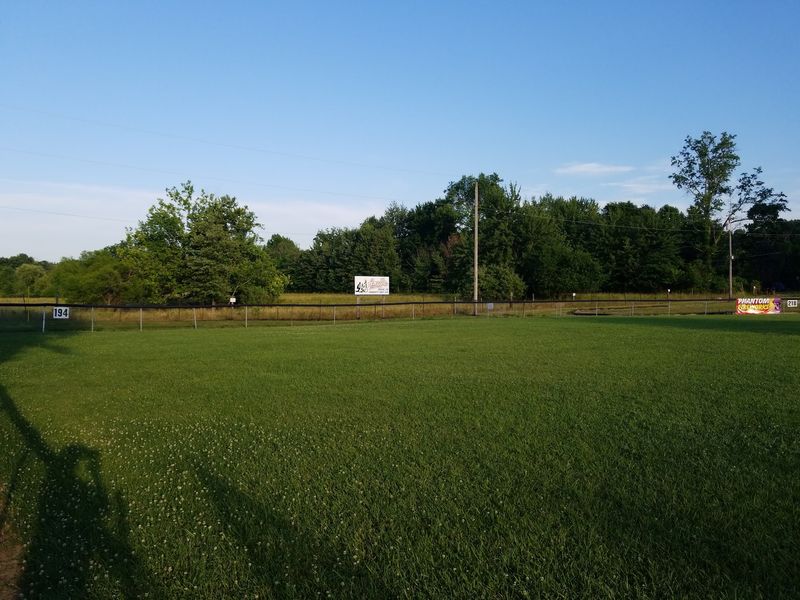
This place in Butler County has that appealing mix of rural calm and growing suburban energy. Fields and farmland still exist nearby, but new residential developments are popping up steadily.
It is the kind of place families are drawn to for space and a slower pace.
But Butler County saw a median property value increase of 37% in 2023. That is a massive jump for homeowners who budgeted based on older valuations.
For the 2026 tax year, residential values are climbing another median of 19%.
Here is where it gets particularly tricky for Monroe Township residents. The Monroe school district sits below the 20-mill floor.
That means homeowners receive less tax relief even as property values keep rising. Essentially, the safety net has a hole in it right where you need it most.
The median annual tax bill in Monroe is noticeably higher than the national median. For families stretching their budgets, that gap matters.
It is not just a number on paper. It shows up in real monthly financial decisions.
Townships rely heavily on property taxes for roads, emergency services, and local programs. As values climb, the system puts more pressure on individual homeowners without always delivering proportional improvements in services.
4. Worthington
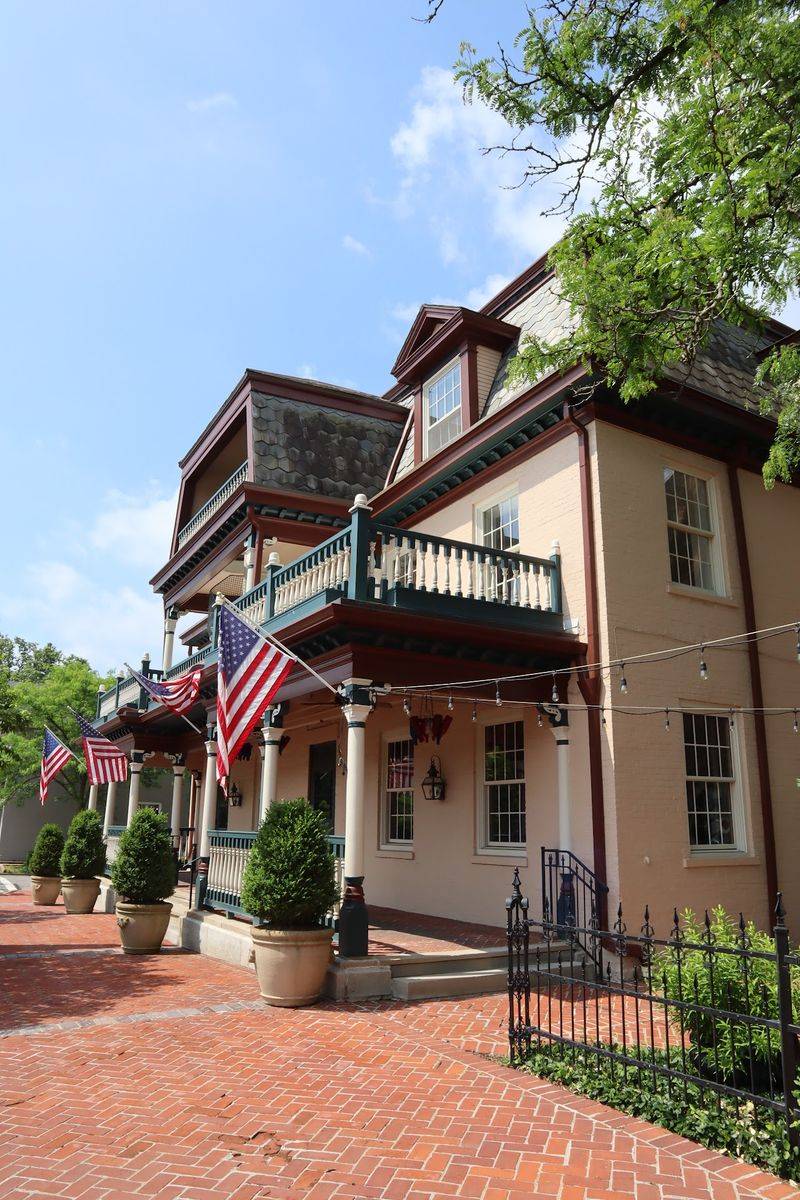
Worthington is the kind of Columbus suburb that people brag about at dinner parties. The historic district is legitimately gorgeous.
Downtown has high occupancy rates, meaning local businesses are actually thriving here, which is not always the case in suburban Ohio.
The community pride is real and visible. Events at the Griswold Center Town Hall bring residents together regularly.
There is a warmth to Worthington that makes it easy to understand why demand keeps climbing.
That demand, though, comes with a cost. Worthington carries a median effective property tax rate of 2.22%.
That sits above both the Ohio and national medians, which is saying something given Ohio already ranks eighth in the country for property taxes.
Property values in the Worthington School District have increased by an average of 9%. In 2024, voters passed a new levy for an outdoor pool, which added to the millage for 2025.
Every levy adds up over time, and residents feel each one in their annual bills.
The school district is a big draw for families moving here. Great schools cost money, and residents fund them largely through property taxes.
The tradeoff is real, and it is worth calculating carefully before buying in Worthington.
5. Bexley
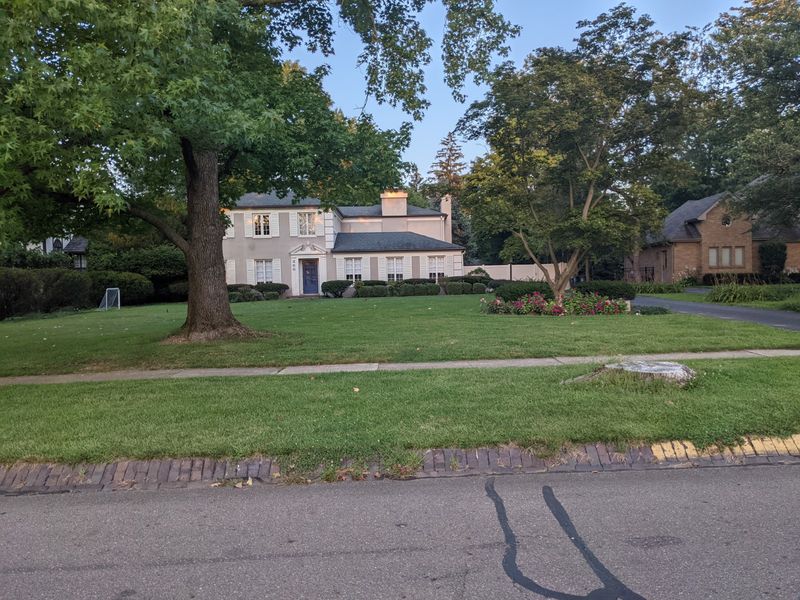
Bexley has personality. It is dense, walkable, and packed with historic homes that have real architectural character.
As a Columbus suburb, it attracts buyers who want urban energy without giving up the neighborhood feel. People love it here, and the market reflects that consistently.
The city has even pursued creative affordable housing initiatives, expanding tax abatement programs back in 2015. That forward-thinking shows a community that is paying attention to who gets left behind as values climb.
And climb they have. Property values in Bexley increased by approximately 14% in the current appraisal cycle.
For a neighborhood already known for high property tax rates, that increase is significant. Bexley is consistently noted as having one of the higher tax rates in the Columbus metro area.
Buyers who fall in love with the historic homes here need to run the numbers carefully. A beautiful old house with character comes with a tax bill that reflects its assessed value.
That value keeps going up.
On the flip side, the schools are well-funded, the parks are maintained, and the community services are solid. You do get something for what you pay.
Whether that tradeoff works for your budget is the honest question worth asking.
6. Lemon Township
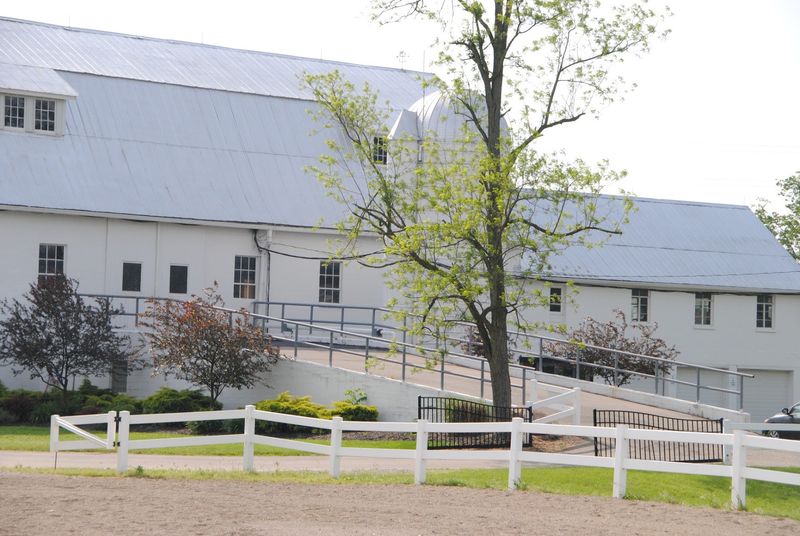
A spot like this in Butler County is not trying to be flashy. It is rural, quiet, and the kind of place where neighbors actually know each other.
That low-key appeal draws people who want land, space, and a break from suburban density.
But Butler County’s 37% median property value increase in 2023 did not skip over Lemon Township. Rural does not mean exempt from rising valuations.
For the 2026 tax year, residential values are heading up another median of 19% across the county.
Township governments depend heavily on property taxes. Roads, fire protection, and basic local services all get funded through those bills.
As values rise, the tax burden on individual landowners increases, sometimes without a visible improvement in what they receive in return.
The Township Trustees recently made headlines by requesting a moratorium on data center developments in the area. The concerns centered on land use, infrastructure strain, and environmental impact.
That kind of development pressure signals change coming, whether residents want it or not.
Change often brings rising land values, which sounds positive until the tax bill arrives. For longtime rural residents on fixed incomes or tight budgets, a 37% jump in assessed value is not a celebration.
It is a financial stress test.
7. Boston Heights

Boston Heights is a small village with big outdoor energy. Matthews-Thomas Park sits at the heart of community life here, and it has been getting some serious upgrades.
New pickleball courts, baseball fields, and a pond with walking trails make it a genuinely enjoyable place to spend time.
The village received capital funds specifically for park improvements and restoration. That kind of investment shows a community that values its quality of life.
Residents here care about their green spaces, and it shows in how well they maintain them.
Summit County, where Boston Heights sits, completed a property value update in 2023. That update sent assessed values upward across the county, and Boston Heights was no exception.
Homeowners who chose this village for its natural setting are now navigating higher annual tax bills.
In 2023, voters renewed fire levies here. That shows community willingness to fund public safety services.
But each approved levy adds to the overall millage that homeowners carry each year.
The balance between maintaining services, improving parks, and keeping taxes manageable is a real challenge for small villages. Boston Heights is genuinely lovely, and that desirability is part of what drives values up.
Beauty, it turns out, has a price tag attached to the property deed.
8. Maple Heights

This place has a long history in Cuyahoga County. Incorporated as a village in 1915 and elevated to city status by 1932, it carries decades of working-class pride.
The Maple Heights Regional Library remains a beloved anchor for the community, drawing residents of all ages through its doors regularly.
City Hall keeps the administrative wheels turning for a city that has seen its share of economic shifts over the decades. Maple Heights is southeast of Cleveland, which gives it easy access to the metro area without the downtown price tag.
That accessibility has always been part of the appeal.
Here is the number that gets attention fast. Residential property values in Maple Heights are projected to increase by 59% in 2024.
That is a staggering jump for a city where many residents are working-class families managing tight budgets.
The median effective property tax rate in Maple Heights sits at 3.16%. That is significantly higher than both state and national averages.
The median annual tax bill here is well above what most American homeowners pay.
For a city still working through economic challenges, a nearly 60% valuation increase creates real hardship for residents on fixed or modest incomes. The math is brutal.
Higher values mean higher bills, and relief mechanisms do not always move fast enough to help.
9. Grandview Heights
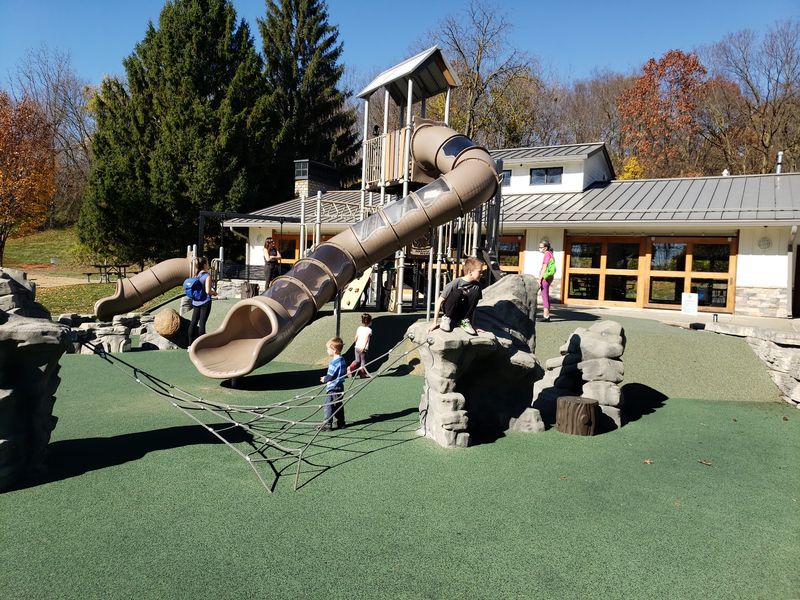
Grandview Heights punches well above its size. For a dense Columbus suburb, it has an urban village energy that attracts young professionals in a big way.
The highly rated public schools are a major draw for families who want top-tier education without moving far from the city.
The Grandview Heights Public Library is more than just a place to borrow books. It functions as a genuine community gathering spot, hosting events and programs that keep residents connected.
That kind of civic infrastructure reflects how invested this community is in itself.
Property taxes here carry a median effective rate of 2.04%, which is above both Ohio and national medians. Values are up 14% in the current appraisal cycle, continuing a trend that has been building for years.
Back in 2017, a reappraisal pushed residential values up 29.9%, leading to an average tax bill increase of 4.15%.
Property taxes serve as the city’s second-largest revenue source. Schools, parks, safety services, and infrastructure all depend on that income.
So while the rates are high, the money is doing real work in the community.
That said, rising valuations without proportional income growth create stress for residents. Even people who love Grandview Heights deeply are doing harder math each year to make homeownership work here.
10. Silver Lake
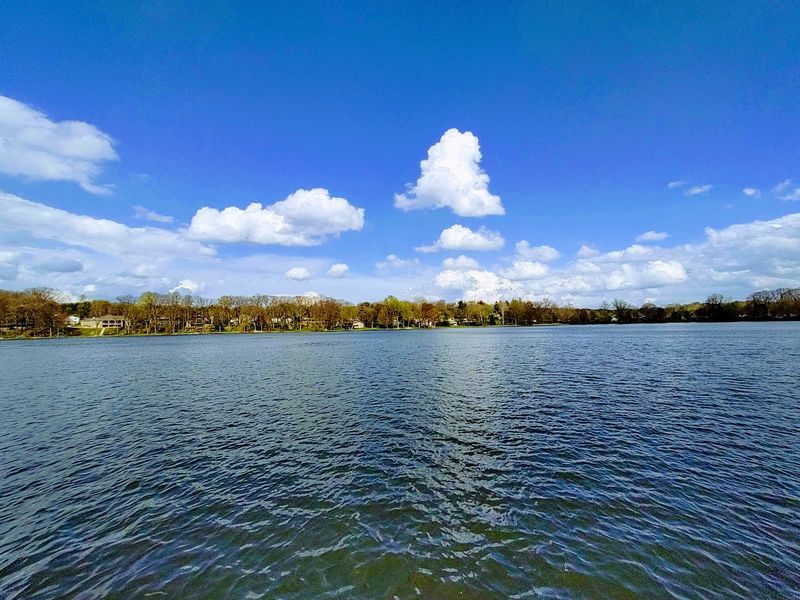
Silver Lake has one of the best origin stories of any Ohio village. Back in 1874, it was a popular amusement park drawing up to 10,000 visitors daily.
That is an impressive crowd for anywhere, let alone a small Ohio spot. By 1917, the park was subdivided into the residential community it is today.
Now it is known for tree-lined streets, picturesque lakes, and a genuine sense of safety and calm. Families love it here.
The village even has outdoor pickleball courts at Village Hall, which tells you a lot about the community vibe. Active, engaged, and friendly.
Silver Lake sits in Summit County, which completed a property value update in 2023. That update has pushed assessed values upward across the county, and Silver Lake is feeling the effects.
Homeowners are watching their tax bills rise in a place they chose specifically for its quiet stability.
The median home value here is actually below the national average, but median household income is roughly double the national figure. That income cushion helps, but it does not make rising tax bills feel comfortable for everyone.
For residents who have lived here for decades, rapid valuation increases can feel disconnected from their daily reality.
The charm of the village has not changed and the cost of owning a piece of it has.