
10 Amazing Mississippi Rockhounding Spots For Finding Crystals Hidden Gems And Rare Rocks
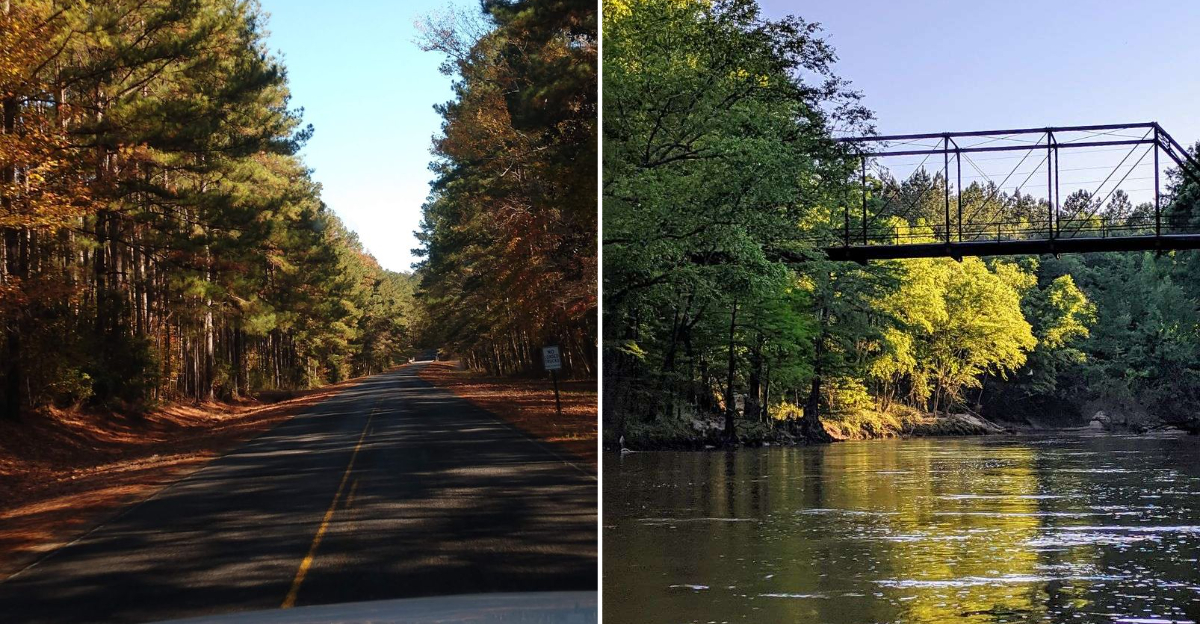
More than half of summer has already passed, which makes the time left worth spending wisely. These Mississippi spots offer the kind of adventure worth remembering long after the season ends.
Rockhounding here turns an ordinary afternoon into something closer to treasure hunting. Crystals and rare rocks turn up in places most visitors would otherwise walk right past.
Some spots require nothing more than a careful eye along a creek bed or gravel path. Others reward patience with finds serious collectors would recognize immediately.
Kids take to it naturally, drawn in by the simple thrill of digging something up themselves. Families often lose track of time completely once the search actually begins.
These places prove that summer still has plenty left to offer before it runs out.
1. Mississippi Petrified Forest
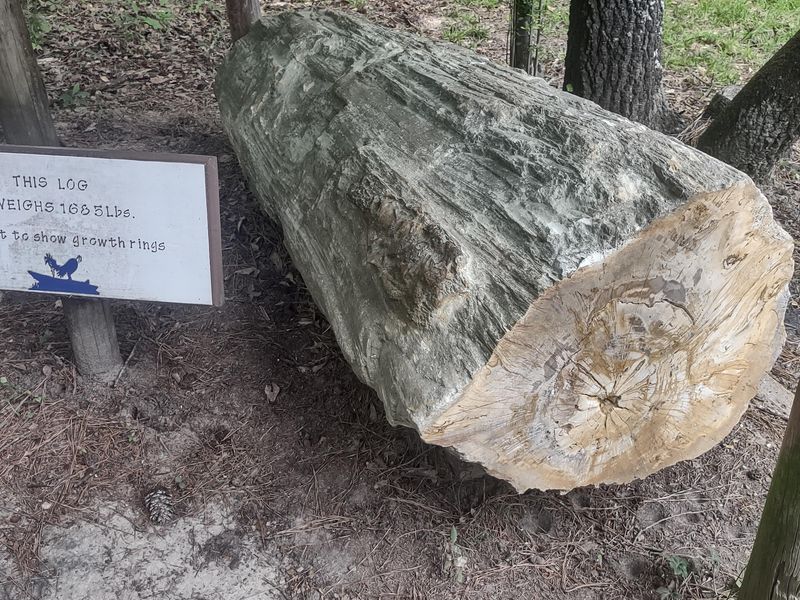
Thirty-six million years ago, giant trees fell into a prehistoric river and slowly became stone. That is not a fairy tale.
That is the Mississippi Petrified Forest, and it is one of the most jaw-dropping places in the entire state.
Minerals replaced the wood grain by grain over millions of years. The result is a collection of ancient fir, cypress, and maple logs that look like wood but are completely rock solid.
You cannot collect specimens inside the park boundaries. But honestly, just walking among these giants is worth every second of the drive.
The Forest Hill Formation here features red sands and silts that paint the landscape in warm earthy tones. One famous log, nicknamed “The Frog,” has a shape that actually looks like its namesake.
This site is a designated National Natural Landmark. That title is not handed out casually.
The museum on-site adds great context about how petrification actually works.
Even kids who normally find geology boring tend to get completely hooked here. Standing next to a 36-million-year-old stone log has a way of making you feel wonderfully small.
Visit this spot at 124 Forest Park Rd, Flora, MS 39071.
2. Tishomingo State Park
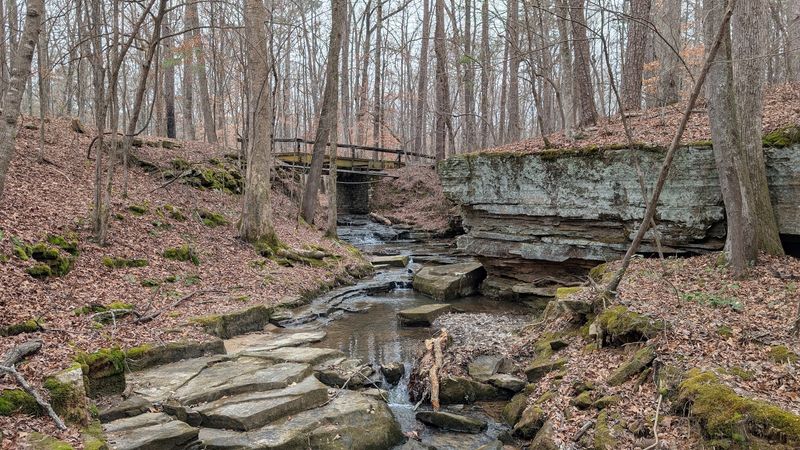
Most people do not expect to find Appalachian-style scenery in Mississippi. Then they show up at Tishomingo State Park and immediately eat their words.
Towering sandstone cliffs and massive moss-covered boulders greet you right at the trailhead.
The park sits in the Appalachian foothills, making it geologically unique compared to the rest of the state. Bear Creek Canyon cuts through the landscape in a way that feels more Tennessee than Mississippi.
Devonian fossils like brachiopods and crinoids have been found in this area. These creatures lived in ancient seas hundreds of millions of years ago.
Finding one feels like holding a piece of deep time in your hand.
Collecting inside the park boundaries is generally not permitted. However, exploring the exposed rock formations and learning to identify them is a rewarding experience on its own.
The scenery alone makes the trip worthwhile. Huge sandstone outcroppings rise dramatically above the creek, and the light filtering through the trees creates a pretty magical atmosphere.
Bring your camera and a field guide. The geology here tells a story that most Mississippi visitors never expect to find.
Head to 105 Co Rd 90, Tishomingo, MS 38873.
3. W.M. Browning Cretaceous Fossil Park
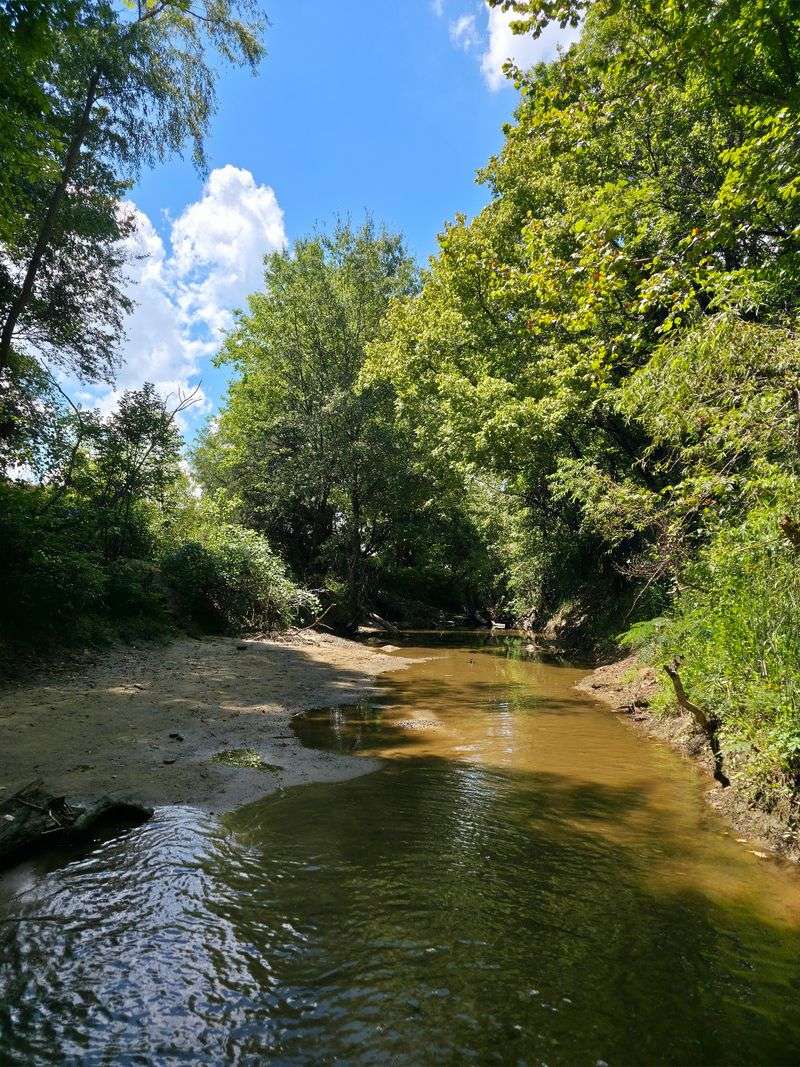
Back in 1990, highway construction crews in Baldwyn made a discovery that stopped everything. They uncovered a fossil site so rich that scientists immediately recognized its significance.
That site became the W.M. Browning Cretaceous Fossil Park.
Around 75 million years ago, a shallow sea covered this exact piece of land. Marine creatures lived here in enormous numbers.
Their remains settled into the sediment and waited patiently for someone to find them.
Shark teeth are the star attraction. They show up with impressive regularity in the Twenty Mile Creek sediments.
Finding one gives you an instant adrenaline rush, no matter how many times it happens.
Oyster shells, bivalves, and even marine reptile fossils have all been recovered here. The variety is genuinely impressive for a single location.
Serious collectors make repeat trips throughout the year.
The park is set up specifically for fossil enthusiasts, which means it welcomes diggers with open arms. Bring a small trowel, a brush, and a keen eye for anything that looks out of place in the sediment.
This is one of those rare spots where beginners and experts alike come away with real finds. Check it out at Co Rd 7450, Baldwyn, MS 38824.
4. Homochitto National Forest
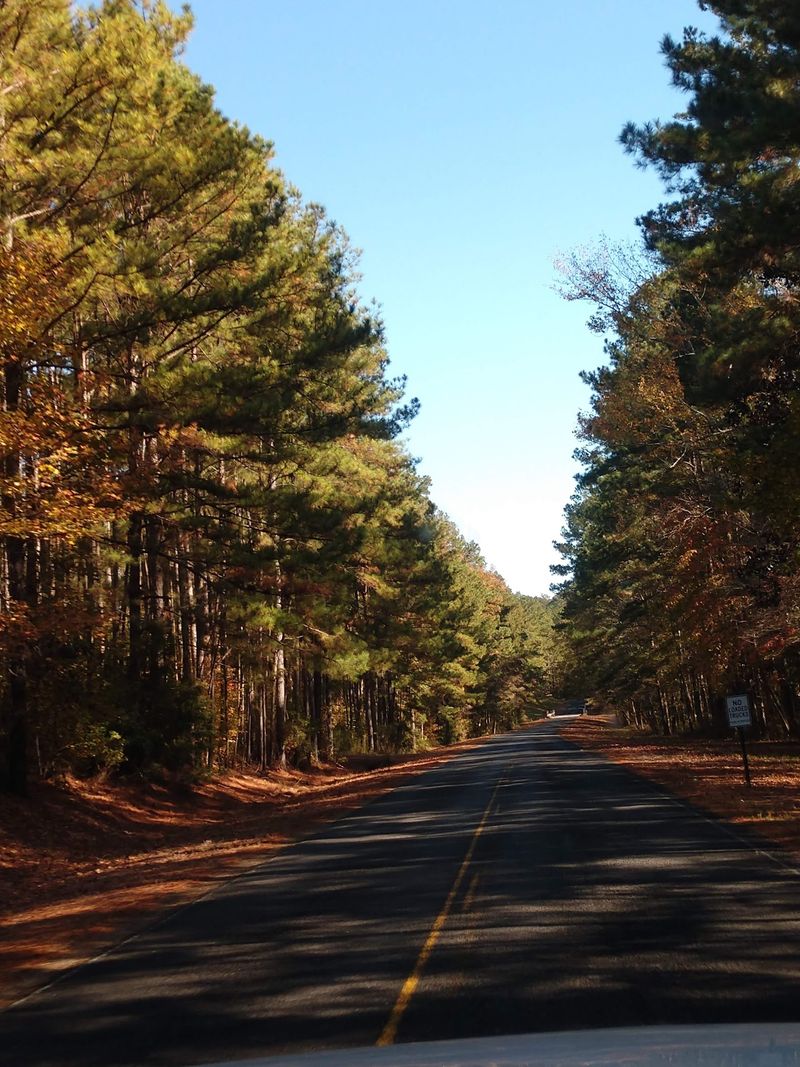
Agate hunters have a soft spot for Homochitto National Forest, and for very good reason. The stream beds and sandy areas here produce some genuinely beautiful specimens.
Banded agates with rich color patterns are the prize everyone chases.
Jasper also turns up regularly in the gravels, often in earthy reds and yellows that look stunning once cleaned up. Petrified wood fragments add another layer of excitement to every outing here.
One of the cooler geological footnotes about this forest is the occasional discovery of Sioux Quartzite fragments in the gravels. That material originated far to the north and traveled here via ancient river systems.
Finding it feels like a small geological miracle.
Personal collecting for non-commercial use is generally permitted on National Forest land. That means you can legally pocket your finds and bring them home.
Always confirm current regulations before you go, just to be safe.
The forest itself is beautiful and peaceful. Walking the creek banks feels relaxing even on days when the finds are slow.
The search is genuinely half the fun.
Bring a sieve if you really want to maximize your haul from the sandy creek bottoms.
5. Bienville National Forest
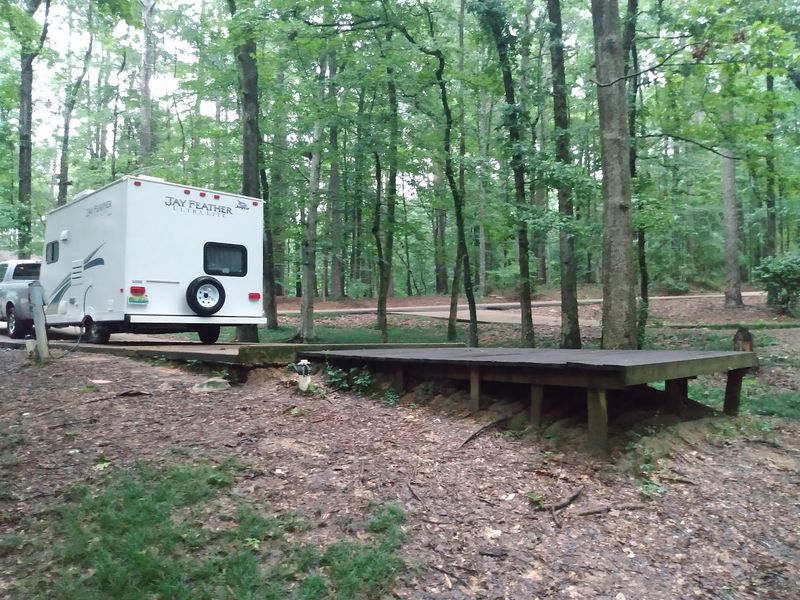
Central Mississippi does not always get the rockhounding spotlight, but Bienville National Forest deserves serious attention. Petrified wood, chalcedony, and chert all show up here with regularity.
The variety keeps every trip feeling fresh and unpredictable.
The petrified wood here has a fascinating origin story. Ancient hardwood trees were buried and slowly replaced by chalcedony and opal over millions of years.
The resulting specimens can be absolutely stunning when polished.
Creek gravels are your best friend in Bienville. Silicified wood tends to concentrate in these areas after being washed down from eroded deposits.
A slow walk along any decent creek bank usually produces results.
Iron concretions also appear occasionally, which adds a fun wildcard element to the hunt. These rounded, heavy nodules look unassuming from the outside.
Cut one open, and you might find a surprisingly interesting interior.
Rockhounding here is legal for personal, non-commercial collecting on National Forest land. The forest covers a large area, so there is plenty of ground to explore without feeling crowded.
Pack water, wear good shoes, and bring a small bag for your finds. The forest is gorgeous, and the hunting is genuinely rewarding.
6. Tombigbee National Forest
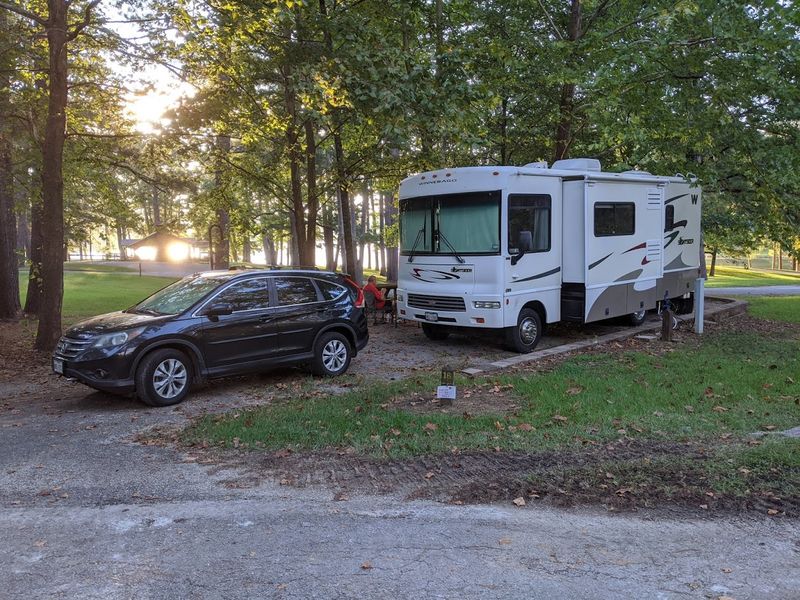
The Tombigbee National Forest has a quiet, no-frills appeal that serious rockhounds absolutely love. Creek gravels here regularly produce small agate nodules, chert specimens, and older transported materials.
It is the kind of place where patience pays off in a big way.
The Tombigbee River itself is a key player in the geology of this area. Over thousands of years, its flow has sorted and concentrated silica-rich minerals along the banks and gravel bars.
Quartz, chert, and jasper all show up with satisfying frequency.
Gravel bars are the spots to focus on here. The river does the sorting work for you, depositing heavier and more durable minerals in predictable locations.
Learning to read a gravel bar is a skill that pays dividends fast.
Personal collecting is generally permitted on National Forest land, which makes this a stress-free destination. You can fill a bag with legally collected specimens and head home happy.
Always double-check current rules before collecting anywhere.
The forest has a calm, almost meditative quality. You can spend hours walking the river banks without seeing another soul.
That kind of solitude is genuinely rare and deeply enjoyable for outdoor enthusiasts.
Bring a field guide to help with identification in the field.
7. Delta National Forest
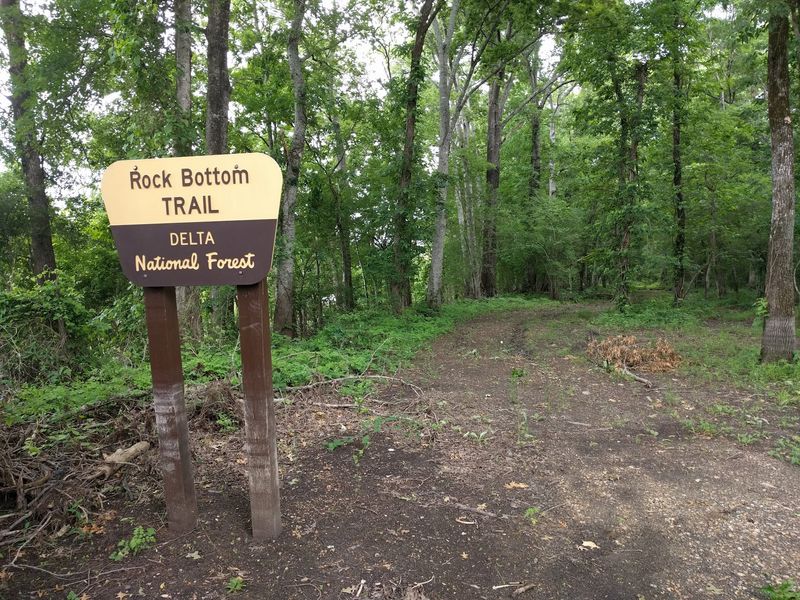
The Delta National Forest sits within the Mississippi Alluvial Plain, which sounds flat and unexciting until you realize what that plain is hiding. Ancient river deposits have carried rocks here from hundreds of miles away.
The result is a surprisingly diverse collection of minerals waiting to be found.
Chert, quartz, and quartzite pebbles are common finds in the river gravels. These materials traveled long distances before settling here, which makes each piece a little traveler with a story.
Geodes from the Keokuk region have been found in these deposits. That is not a typo.
Actual Keokuk geodes, the kind that crack open to reveal sparkling crystal interiors, have turned up in Mississippi Delta gravels.
Ice Age fossils add another dimension entirely. Mastodon teeth and bones of large land animals have been recovered from river gravels in this region.
Those finds are the stuff of rockhounding legend.
Personal collecting for non-commercial use is generally permitted here. The landscape is flat and easy to navigate, which makes it accessible for collectors of all fitness levels.
Bring your eyes wide open and your expectations even wider. This forest surprises people constantly.
Stop by 68 Frontage Rd, Rolling Fork, MS 39159.
8. De Soto National Forest
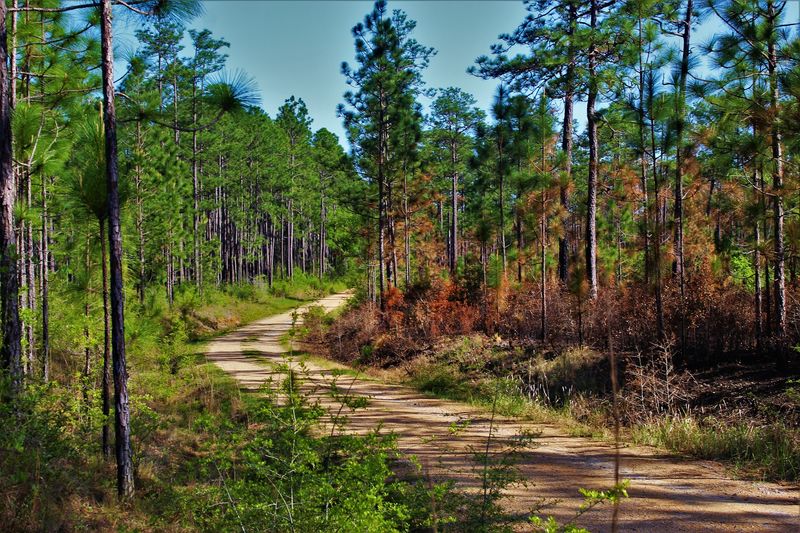
De Soto National Forest holds the title of largest national forest in Mississippi, and it wears that title well. The forest covers a massive swath of southern Mississippi, offering rockhounds an enormous amount of ground to explore.
The streams here run clear and tea-colored, stained by tannins from the surrounding pines. Walking along these creeks feels like exploring a world that time mostly forgot.
It is peaceful in a way that is hard to describe accurately.
Jasper and petrified wood are the headline finds in De Soto. Look along stream banks and in eroded deposits where the current has exposed older material.
The exposed layers tell a geological story that goes back millions of years.
One unique feature of this forest is its pitcher plant bogs. These rare ecosystems create unusual soil chemistry that influences the local geology in interesting ways.
They are also just genuinely fascinating to look at.
Personal collecting of common minerals and fossils is allowed here, which makes De Soto a relaxed and welcoming destination. You are free to explore at your own pace without worrying about overstepping boundaries.
The sheer size of the forest means you can always find a new creek to explore on your next visit.
9. Chickasawhay River
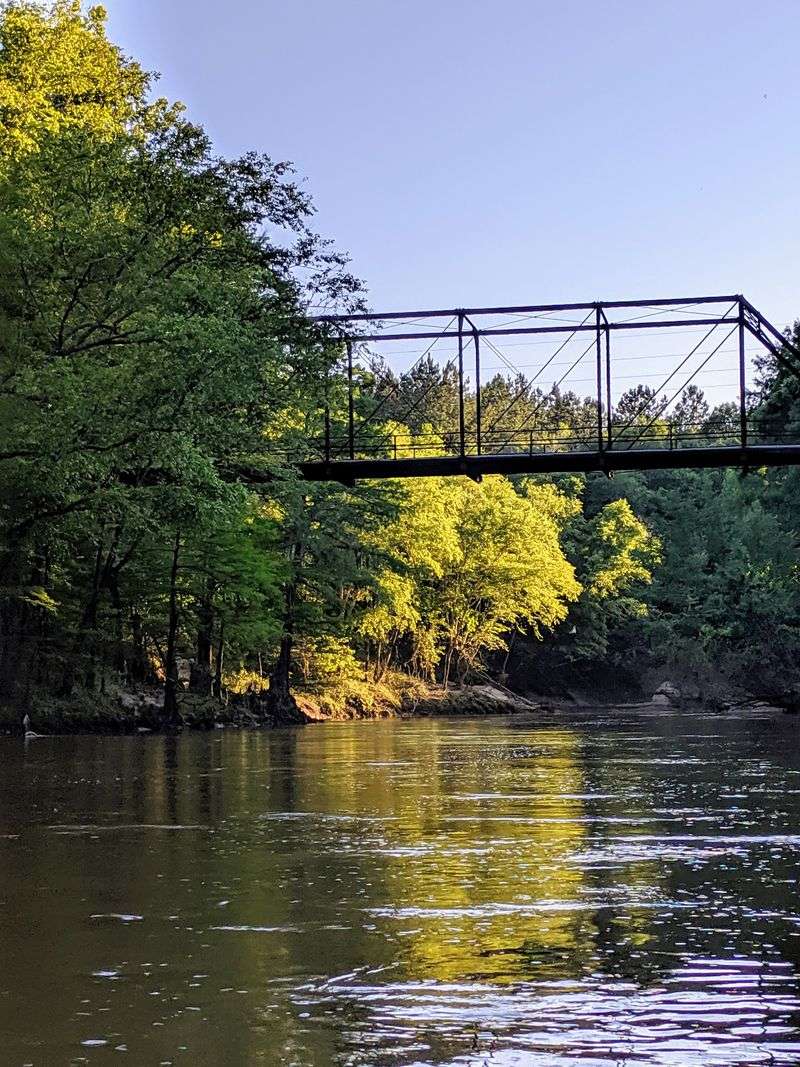
Geologists have been drawn to the Chickasawhay River near Leakesville for decades, and they keep coming back for good reason. The river cuts through rock layers that expose fossils from the Paleozoic era.
That means some of the finds here are genuinely ancient beyond easy comprehension.
Sedimentary banded agates are one of the most exciting things to search for along this stretch of river. These agates form in layered patterns that look almost artificially perfect.
Finding one in the wild feels like stumbling onto hidden art.
Marine fossils from ancient seas are also on the menu here. The limestone and sandstone boulders along the riverbanks contain clues about creatures that lived in warm tropical waters long before humans existed.
Examining these rocks is like reading a very old book.
The river itself is beautiful and relatively easy to access in most areas near Leakesville. Wading the shallows and flipping rocks is a perfectly effective collecting strategy here.
Just wear shoes you do not mind getting wet.
The local geology is genuinely complex and rewarding for anyone willing to learn a little about it. A basic field guide to Mississippi geology will dramatically improve your success rate at this location.
Plan for a full day here because the river keeps pulling you further along.
10. Leaf River Hwy 11 Boat Ramp
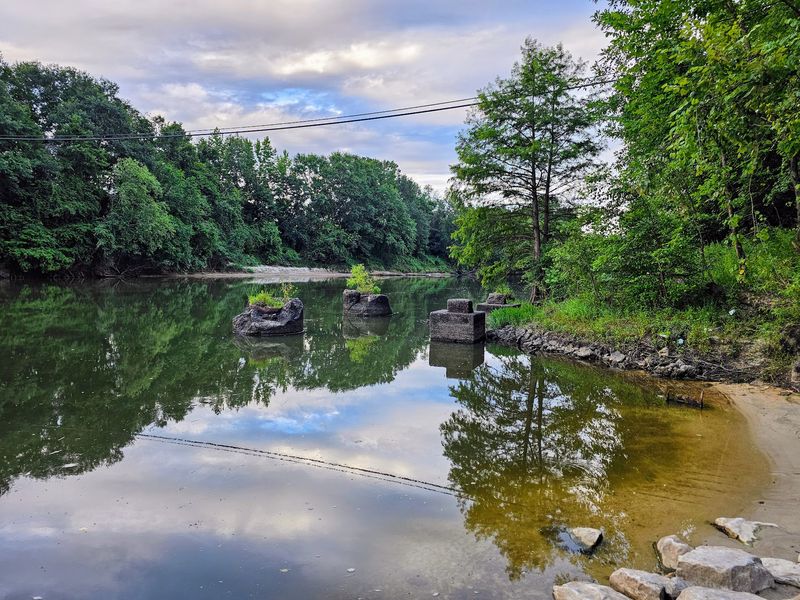
The Leaf River near Hattiesburg is one of those spots that rewards the curious and the persistent in equal measure. Pockets of agate and petrified wood appear regularly in the river gravels here.
Collectors who know where to look rarely leave empty-handed.
The river cuts through the Catahoula and Hattiesburg Formations, which date from the late Oligocene through the early Miocene epochs. That geological context means the exposed material is genuinely old and geologically interesting on multiple levels.
Sandstone outcrops line sections of the riverbank, and these are worth examining closely. Fossil leaves have been found in similar formations throughout the region.
Spotting one preserved in stone is a genuinely thrilling moment.
The Hwy 11 boat ramp provides easy access to the river without requiring a long hike. You can park, walk to the water, and start exploring the gravel bars almost immediately.
Accessibility like that is a real bonus for collectors with limited time.
Bring a sieve or mesh bag to help sort through the finer gravels along the banks. Agates can hide among ordinary-looking pebbles until you hold them up to the light.
That moment of recognition never gets old, no matter how many times it happens.