
This Glacial Wyoming Lake Is So Clear You Can See Straight To The Bottom
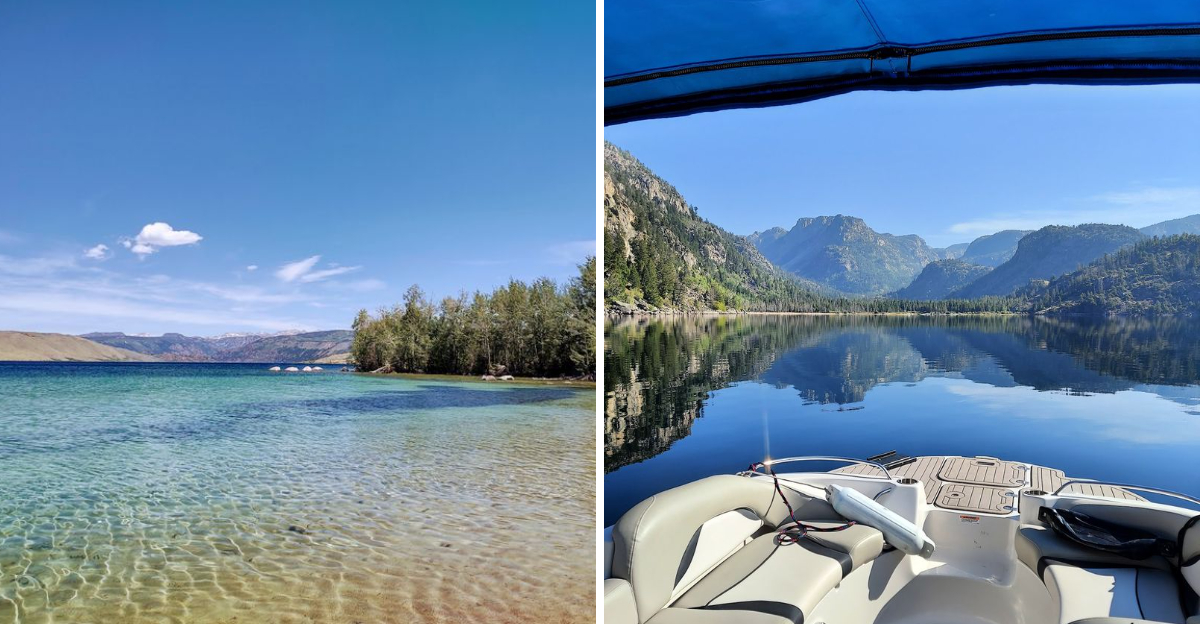
The first glimpse of this lake may make you stop mid-sentence. Its water is so clear that rocks, fallen branches, and the pale lakebed remain visible far beneath the surface.
Fed by ancient glacial forces and surrounded by rugged Wyoming scenery, this peaceful stretch of blue feels almost unreal on a bright day. Sunlight reaches deep into the water, revealing details that most lakes keep hidden.
You may find yourself standing along the shore longer than planned, trying to understand how water can look this clean.
Wyoming has plenty of dramatic landscapes, but few places capture the wild beauty of the state quite like this. The cold water and mountain setting only add to its untouched feeling.
Travelers journey around the state for views like these, yet photographs barely capture the clarity. Seeing the bottom with your own eyes is the moment that makes the entire trip unforgettable.
The Water Is Clear Enough To Reveal Every Stone Below
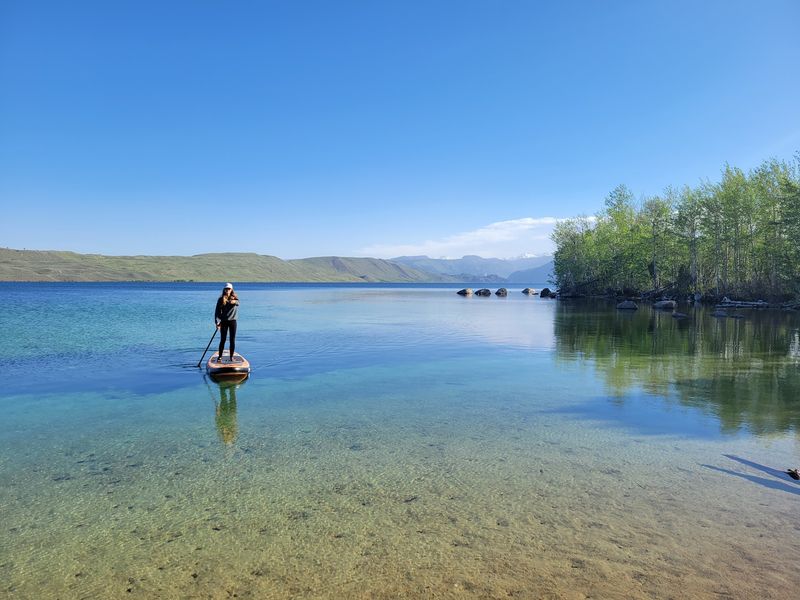
Looking down into Fremont Lake feels like peering through a window rather than water. The clarity here reaches depths that surprise even seasoned lake visitors.
You can often see rocks, logs, and aquatic plants dozens of feet below the surface.
This exceptional transparency comes from the lake’s glacial origins and minimal sediment input. Cold temperatures also help keep algae growth low throughout most of the year.
The result is water so pure it practically glows in the sunlight.
Standing on the shore, you might find yourself mesmerized by the view beneath the surface. Fish occasionally dart past visible rocks, creating a natural aquarium effect.
It’s one of those sights that makes you want to grab your camera immediately.
The best visibility usually occurs during calm mornings when the surface is smooth. Even a slight breeze can create ripples that obscure the view, so timing matters if you want that perfect look straight down.
A Glacier Carved A Lake That Still Looks Untouched
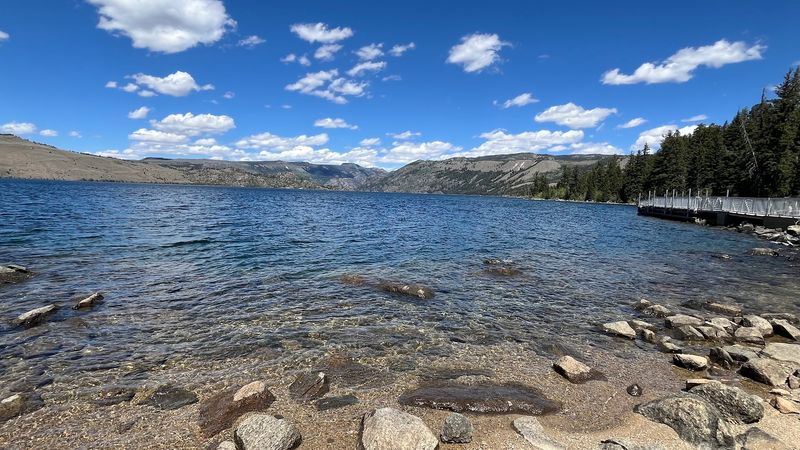
Thousands of years ago, massive glaciers scraped and gouged their way through this region. They left behind Fremont Lake, a deep basin that filled with meltwater as the ice retreated.
The lake still carries that ancient, untouched feeling today.
Stretching over 12 miles long, it ranks as Wyoming’s second-deepest lake. The glacial carving created steep underwater walls and a basin that plunges over 600 feet at its deepest point.
Those same forces shaped the dramatic landscape you see surrounding the water.
Walking along the shore, you’ll notice how the mountains seem to rise straight from the water’s edge in places. This is classic glacial topography, where ice once filled the entire valley.
The rocks scattered along the beach are glacial erratics, carried here by ancient ice flows.
The wilderness character remains largely intact because development has stayed minimal. You won’t find crowded marinas or rows of condos blocking the view here.
Sandy Beach Gives You A Front Row Seat To The Blue
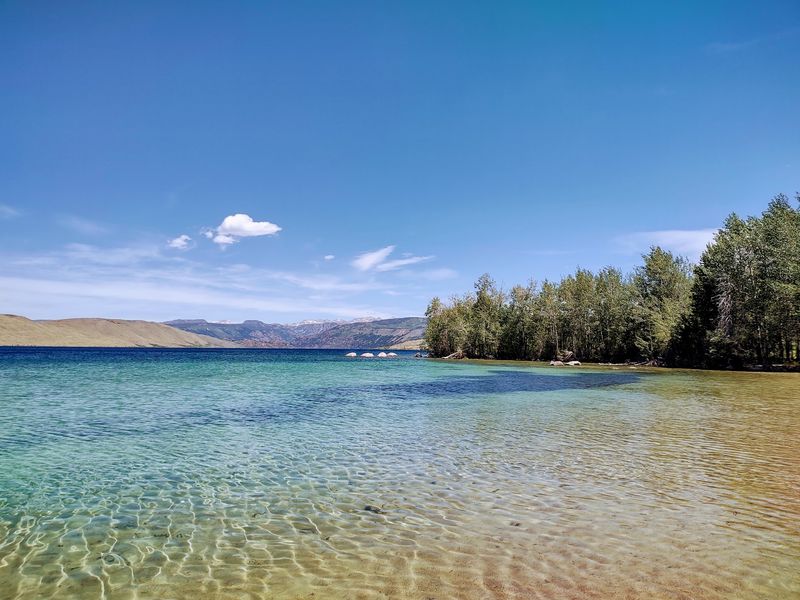
Several sandy beaches dot the shoreline, offering comfortable spots to settle in and enjoy the scenery. The most popular beach area sits near the campground on the lake’s eastern shore.
Soft sand meets that impossibly blue water, creating a classic summer scene.
Families often spread out blankets here while kids wade into the shallows. The sandy bottom extends gradually into deeper water, making it safer for younger swimmers.
Just remember that this is Wyoming, so even in summer, the water stays quite cold.
The beach provides unobstructed views across the entire lake to the mountains beyond. Photographers love the way afternoon light hits the peaks while the water glows in the foreground.
It’s a postcard view that changes throughout the day.
Arriving early helps you claim a good spot during busy summer weekends. The beach never gets overly crowded, but a little planning ensures you get that perfect patch of sand.
The Wind River Peaks Make Every View Feel Bigger
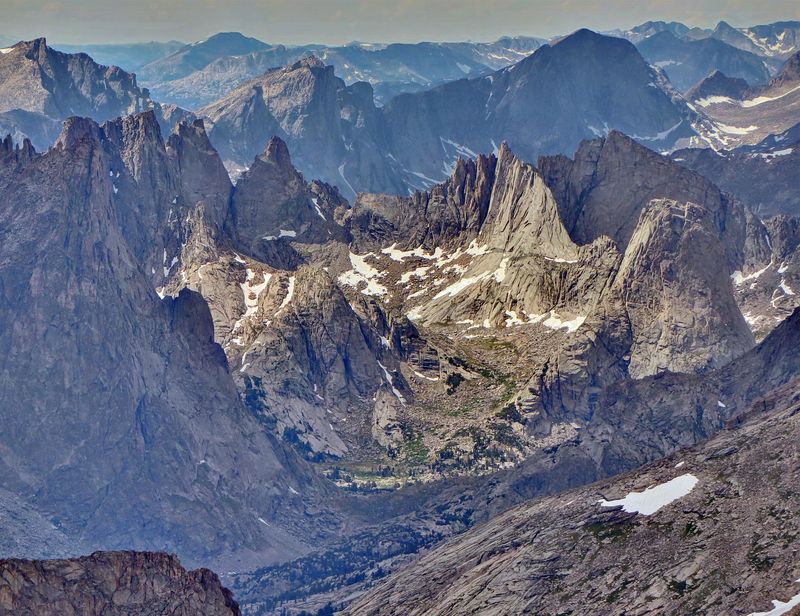
Rising behind the lake, the Wind River Range creates a backdrop that takes your breath away. These rugged peaks stretch across the horizon, many still wearing snow caps even in summer.
The mountains make Fremont Lake feel even more spectacular than it already is.
Some of Wyoming’s highest summits stand within this range, including Gannett Peak. While you won’t see Gannett itself from the lake, the visible peaks still tower impressively overhead.
Their reflection on calm water doubles the visual impact.
Morning light hits the eastern faces first, painting them in shades of gold and pink. By afternoon, the peaks stand in sharp relief against deep blue skies.
Sunset brings another transformation as alpenglow lights up the western slopes.
The mountains also influence the lake’s weather patterns, creating the afternoon winds that sailors love. Those same peaks catch winter snow that feeds the lake throughout the year, maintaining its pristine water quality.
You Can Paddle Into Water That Looks Like Glass
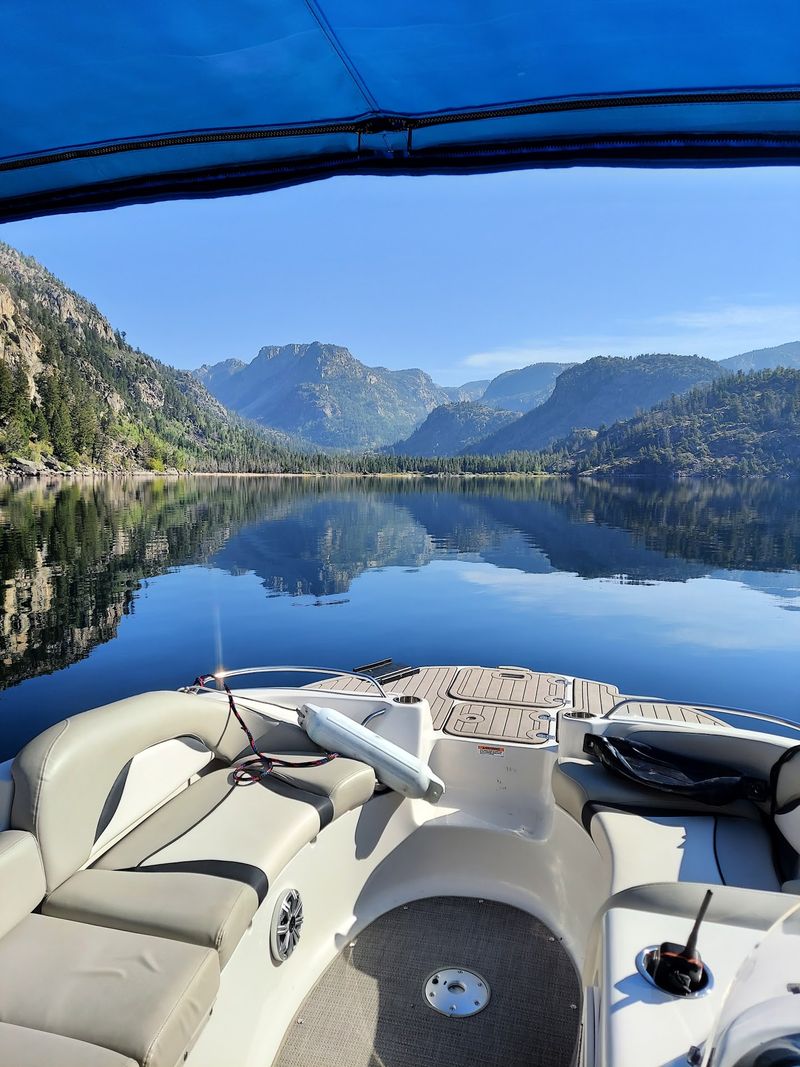
Bringing a kayak or canoe to Fremont Lake opens up endless exploration possibilities. The shoreline stretches for miles, with countless coves and inlets to investigate.
Paddling here feels like gliding across liquid crystal.
Launch sites are available near the campground and at other access points around the lake. Once you’re on the water, you can head in any direction that catches your interest.
The northern end tends to be quieter and more sheltered from wind.
Paddling close to shore lets you spot details you’d miss from land. Boulders rest beneath the surface, visible through the clear water.
Occasionally you’ll see fish swimming below your boat, taking advantage of the shade you provide.
Many paddlers make a day of it, packing lunch and exploring the entire shoreline. The lake is large enough that you can paddle for hours without retracing your path.
Just keep an eye on the weather since conditions can change quickly.
Its Calm Mornings Were Made For A Kayak
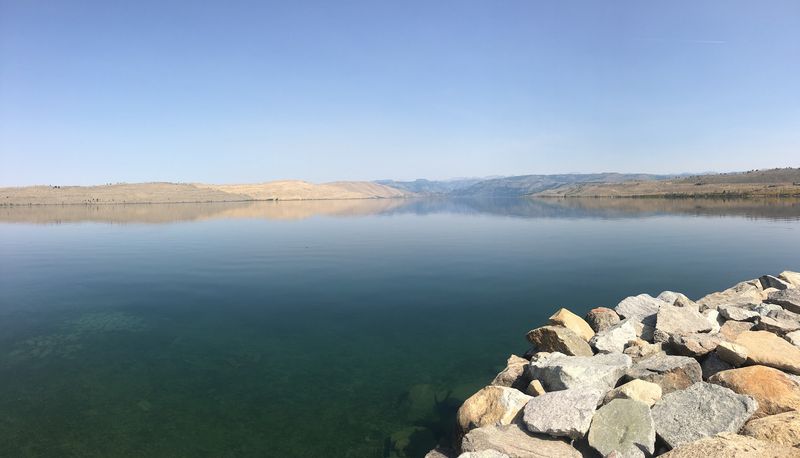
Early risers get rewarded with the best paddling conditions at Fremont Lake. Mornings typically bring calm water before the afternoon winds arrive.
The surface often resembles glass, perfectly reflecting the surrounding peaks.
Launching at sunrise means you might have the entire lake to yourself for an hour or two. The quiet is profound, broken only by your paddle dipping into the water.
Wildlife is more active during these early hours too.
Photographers especially appreciate morning conditions when the light is soft and the water is still. The combination creates stunning opportunities for reflection shots.
Even if you’re not into photography, the beauty is undeniable.
The calm usually lasts until mid-morning before breezes start to develop. Planning your paddle for these early hours makes the experience more enjoyable and less strenuous.
You’ll understand why locals set their alarms early to catch these conditions.
Bringing a thermos of hot coffee or tea makes the early start even better.
Afternoon Winds Send Sailboats Gliding Over The Lake
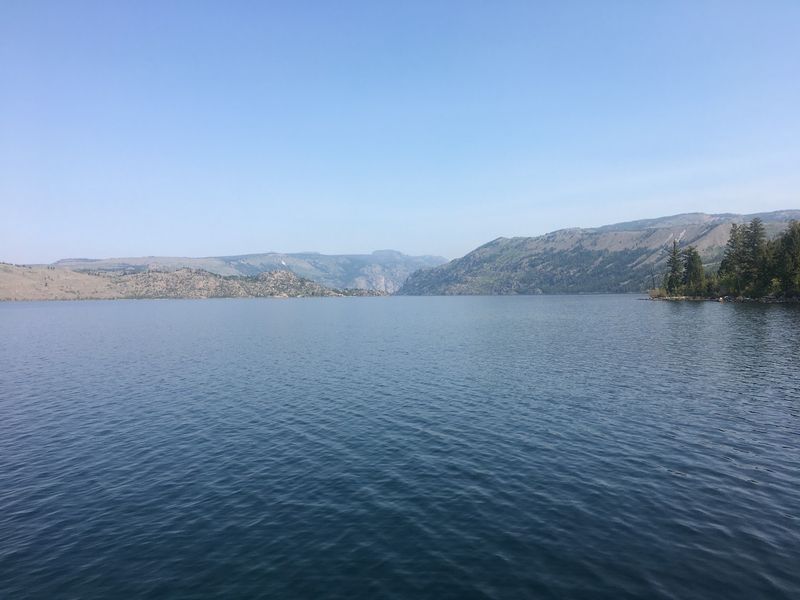
As morning calm gives way to afternoon energy, sailboats appear on Fremont Lake. The reliable afternoon winds that challenge kayakers become perfect for sailors.
White sails dot the blue water as boats tack back and forth across the lake.
The wind pattern here is fairly predictable during summer months. Breezes typically pick up around midday and continue into the evening.
Sailors appreciate this consistency since it makes planning trips easier.
Watching sailboats cross the lake adds a graceful element to the scenery. They move silently compared to motorboats, fitting the natural setting better.
Some sailors have been coming here for decades, knowing exactly how the winds behave.
If you’re interested in sailing but don’t own a boat, some local outfitters offer rentals or tours. Learning to sail on such a beautiful lake makes the experience even more memorable.
The combination of reliable wind and stunning surroundings creates ideal conditions.
Anglers Come Searching For Trout And Kokanee Salmon
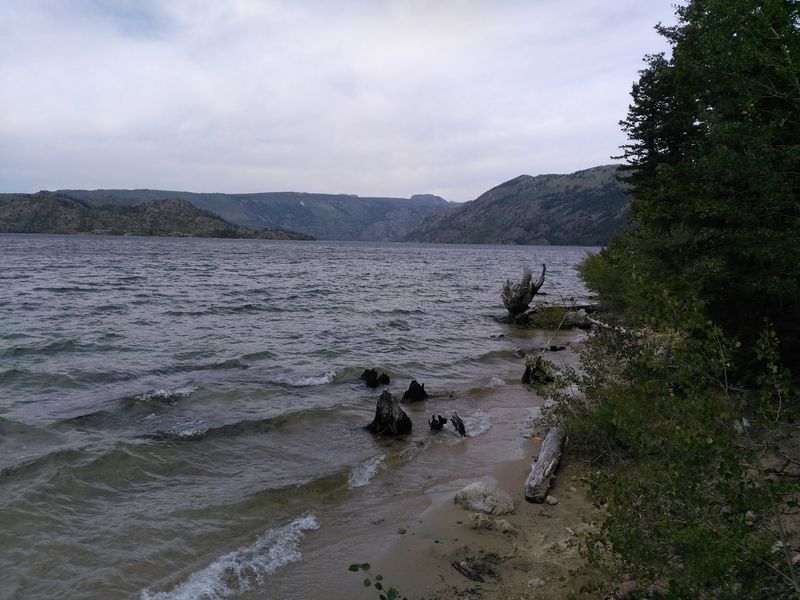
Fremont Lake has earned a reputation among anglers for its quality fishing. The cold, clear water supports healthy populations of lake trout and mackinaw.
Kokanee salmon also thrive here, providing another target for fishing enthusiasts.
Lake trout can grow quite large in these deep, cold waters. Some anglers specifically target the bigger fish that lurk in the depths.
Trolling is a popular technique, though shore fishing can also be productive in the right spots.
The kokanee salmon run attracts attention during their spawning season. These landlocked salmon put on impressive displays as they prepare to spawn.
Catching them requires different tactics than trout fishing, adding variety to the experience.
Wyoming fishing regulations apply here, so make sure you have the proper license before casting a line. The lake is open year-round, though ice fishing becomes the only option during winter months.
Local tackle shops in Pinedale can provide current fishing reports and advice.
Moose And Eagles May Join Your Day By The Shore
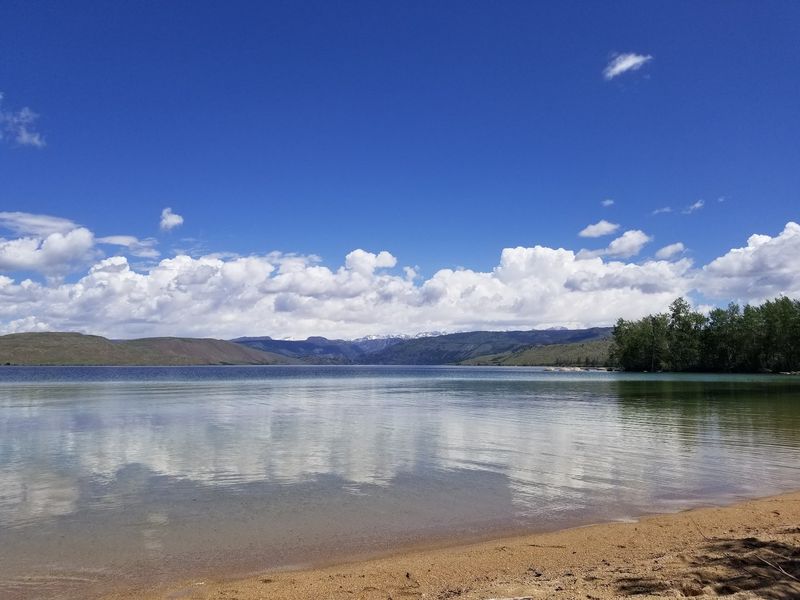
Wildlife sightings add unexpected excitement to visits at Fremont Lake. Moose occasionally wander down to the shoreline, especially during early morning or evening hours.
These massive animals seem unbothered by quiet observers as they feed on aquatic plants.
Bald eagles nest in the area and frequently soar over the lake hunting for fish. Watching an eagle dive and snatch a fish from the clear water is unforgettable.
Ospreys also patrol the skies, performing their own dramatic fishing displays.
Smaller creatures are abundant too, from chipmunks scurrying along the beach to various waterfowl paddling near shore. Deer sometimes appear at the forest edge, particularly near the campground.
Each visit might bring different wildlife encounters.
Remember to keep a respectful distance from all animals, especially moose. They may look calm, but they can be dangerous if approached too closely.
Binoculars or a good camera lens let you observe wildlife safely while still getting great views.
Its Greatest Depth Is Hiding Beneath A Peaceful Surface
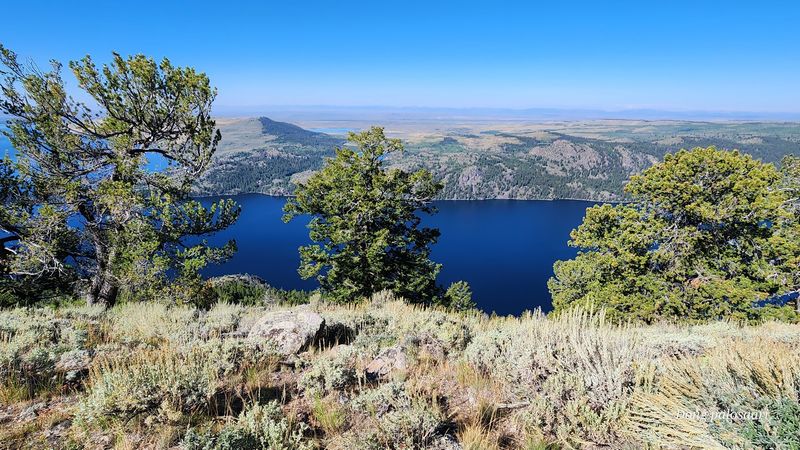
What you see on the surface barely hints at what lies below. Fremont Lake plunges to depths exceeding 600 feet, making it one of the deepest natural lakes in the United States.
That’s deeper than many ocean dive sites.
The incredible depth results from the powerful glaciers that carved this basin. Ice thousands of feet thick ground away rock for millennia, creating this deep trough.
When the glaciers melted, water filled the depression they left behind.
This depth contributes to the lake’s clarity and cold temperatures. The deep water stays cold year-round, creating habitat for cold-water fish species.
It also means the lake takes a long time to warm up each summer.
Standing on the shore, it’s hard to imagine that much water beneath you. The peaceful surface gives no indication of the profound depths below.
That contrast between the serene appearance and hidden depth makes Fremont Lake even more intriguing to those who appreciate Wyoming’s natural wonders.