
11 Beautiful Mississippi Delta Towns That Locals Prefer To Enjoy During The Week
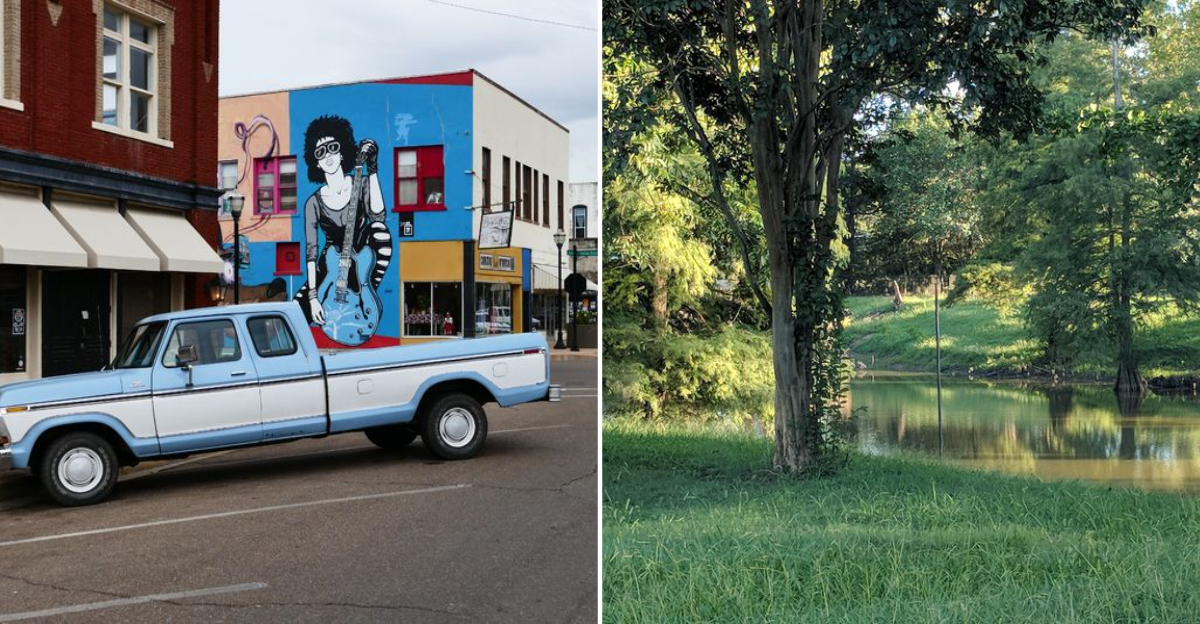
Some Delta towns simply feel better suited for a slower pace during the week than others. These Mississippi towns built their charm around a slow rhythm and quiet enjoyment that weekends rarely allow.
Streets stay quieter without weekend crowds filling up local shops and restaurants. Locals prefer this pace, treating weekdays as the actual best time to enjoy what these towns offer.
Businesses run at a relaxed rhythm, without the rush that weekend visitors sometimes bring along. History and culture feel easier to absorb without competing for space at popular spots.
Restaurants serve the same quality food, just without the wait that builds up during busier days. These Delta towns prove that sometimes the best time to visit is exactly when everyone else stays home.
1. Cleveland
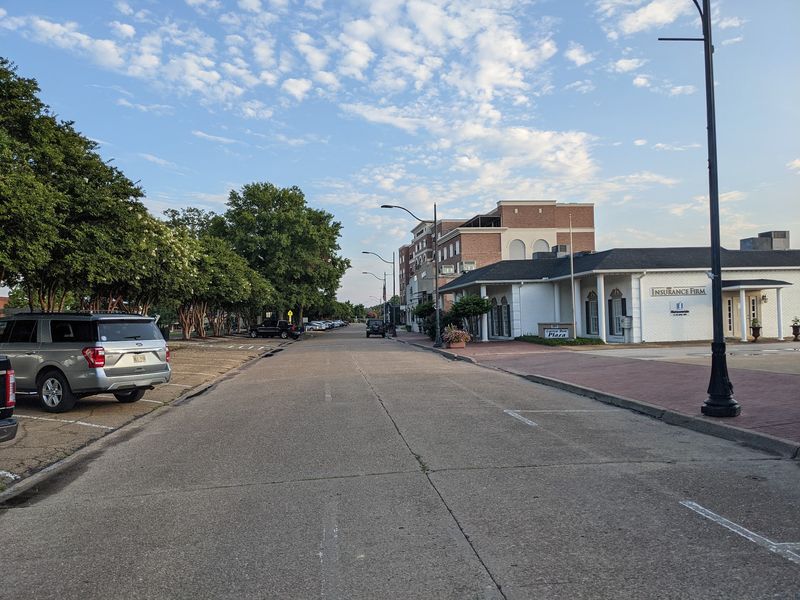
Cleveland has a personality you notice right away. The downtown feels alive and cared for, like someone genuinely loves this place.
The historic Greenstrip, a long linear park running through the center of town, is one of those spots you walk through and think, why don’t more cities do this?
Delta State University gives the whole town a young, energetic buzz. You will hear students talking about everything from art to agriculture.
The university mascot is literally the Fighting Okra. Yes, really.
That alone tells you Cleveland does not take itself too seriously.
The GRAMMY Museum Mississippi is the real crown jewel here. Interactive exhibits let you experience blues and American music history in a hands-on way.
On a weekday, you practically have the whole place to yourself.
Dockery Farms sits just outside town and carries serious blues music history. Blues pioneers once gathered on those grounds, and the atmosphere still feels heavy with it.
McCarty’s Pottery in nearby Merigold makes stunning ceramic pieces with glazes unlike anything you have seen.
The Martin and Sue King Railroad Heritage Museum is a quiet spot. It holds one of the largest O gauge model railroads around.
Cleveland earns its reputation as one of the South’s finest small towns every single weekday.
2. Greenville
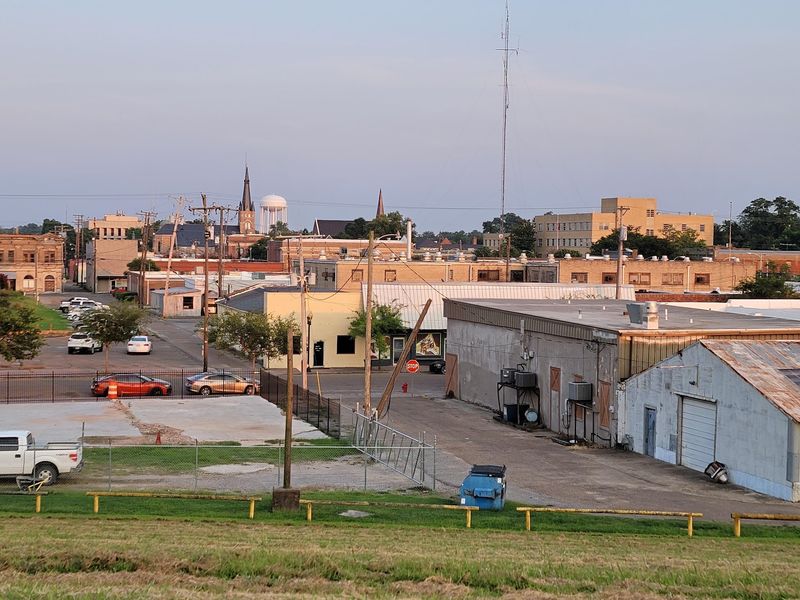
Greenville sits right where the land meets Lake Ferguson and the Mississippi River, and the view never gets old. Locals call it the “heart and soul of the Mississippi Delta,” and spending a Tuesday afternoon here makes you completely understand why.
The water is calm, the air is warm, and nobody is rushing.
Warfield Point Park is perfect for a slow weekday morning walk. Bring a lunch, find a bench near the water, and watch the river do its thing.
Fishing and boating on Lake Ferguson hit differently when the weekend crowd is gone. You can actually hear the birds.
The Highway 61 Blues Museum is a must. It covers the lives of legends like B.B.
King with real depth and care. The 1927 Flood Museum nearby tells the story of one of the most devastating disasters in Greenville’s history.
Both museums are far more enjoyable on a quiet Wednesday than a packed Saturday.
Sherman’s at South Main has been a Greenville institution for years. The Delta dining experience there is genuinely memorable. 1697 South Main Street.
Doe’s Eat Place is legendary for steaks and hot tamales. Yes, hot tamales.
Greenville declared itself the “Hot Tamale Capital of the World,” and after one bite at Doe’s, you will not argue that claim.
3. Clarksdale
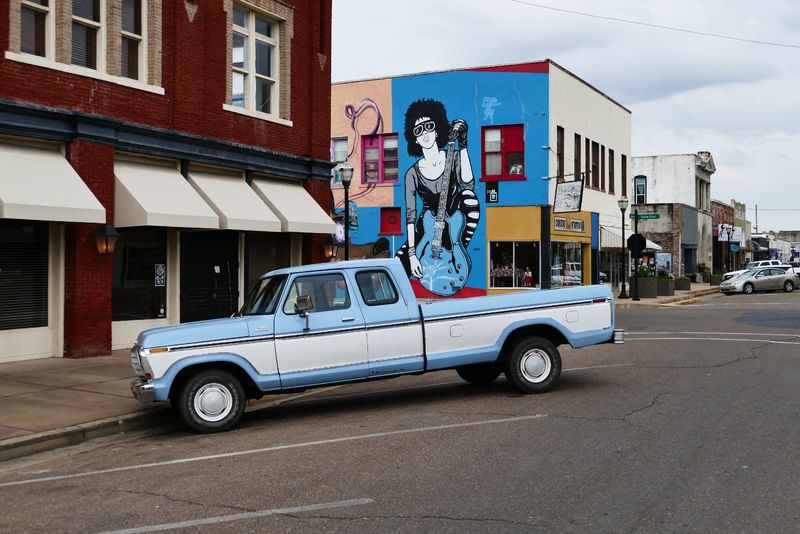
This place carries a reputation that precedes it by about a hundred years. The “birthplace of the blues” is not just a marketing tagline here.
Walk the historic downtown Arts and Culture district on a weekday morning, and you feel that history in the sidewalks, the murals, and the old brick buildings that have seen everything.
The Delta Blues Museum is housed in a former freight depot, and that setting alone makes it special. Exhibits are authentic, personal, and deeply moving.
Cat Head Blues and Folk Art is the kind of shop you walk into for five minutes and leave an hour later. Blues albums, folk art, and pure Delta character fill every corner.
Hambone Gallery is a lively creative spot with real energy. Owner Stan Street has hosted musicians like Robert Plant, which tells you the caliber of people drawn to this place.
The Crossroads Cultural Arts Center offers workshops and tours that go deep into Clarksdale’s multicultural roots.
Nellie May’s downtown gift shop is worth a stop for clothing, home accessories, and pottery. The New Roxy Theatre is a beautifully repurposed historic venue with superb acoustics that make every performance feel intimate.
The intersection of Highways 61 and 49 is the famous Crossroads. Legend says Robert Johnson made a deal there.
Whether you believe it or not, standing at that corner gives you chills every time.
4. Greenwood
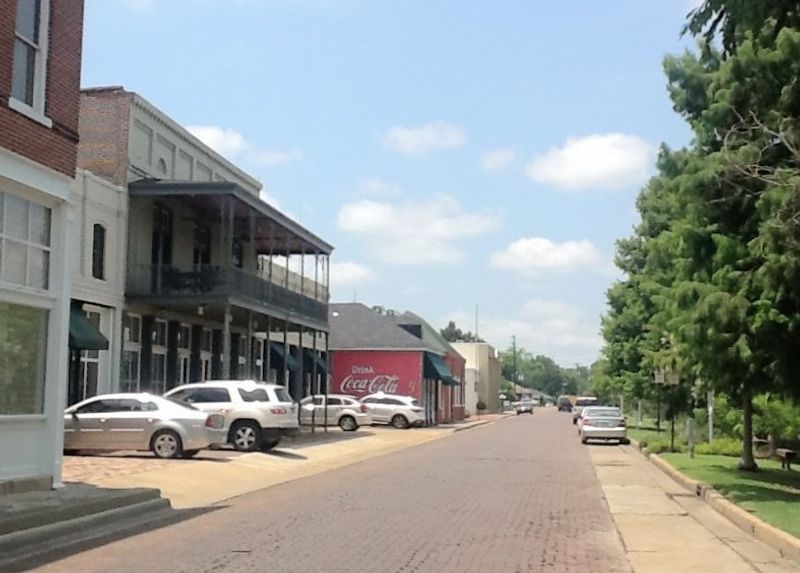
A spot is the kind of Mississippi town that makes you want to cancel your weekend plans and just stay. Howard Street runs through the heart of downtown, and it is packed with character.
Small boutiques, specialty stores, and local galleries line the blocks in a way that feels curated but never pretentious.
Turnrow Book Co. is a downtown spot that goes way beyond selling books. Author signings and art exhibitions happen regularly, turning the shop into a genuine community hub.
On a quiet weekday, you can browse the shelves without anyone hovering over you. That is a rare thing.
Delta Emporium offers unique artisan merchandise that you simply cannot find anywhere else. Everything inside feels handpicked and meaningful.
The Mississippi Gift Company sells local crafts and gourmet foods that make perfect souvenirs or gifts for people back home.
Sprout is a high-end children’s boutique carrying classic clothing and toys that grandparents absolutely love. Fincher’s offers fine china and beautiful garments in a luxurious setting that feels surprisingly relaxed for a weekday afternoon browse.
Southern hospitality in Greenwood is not a phrase. It is an actual lived experience.
Shopkeepers know their customers by name. Strangers get greeted like neighbors.
Come on a Tuesday, and you will leave with a full shopping bag and an even fuller sense of what small-town Southern life actually looks like.
5. Indianola
Indianola is the kind of town that earns your respect quietly. It is a real farming community, built on cotton and catfish, with Indian Bayou, a gorgeous cypress-laden stream, running right through it.
The pace here is unhurried in the best possible way, especially on a weekday when the streets belong mostly to locals.
The B.B. King Museum and Interpretive Center is world-class, full stop.
It is the cultural heartbeat of Indianola and one of the most thoughtfully designed museums in the entire Delta region. On a slow Wednesday morning, you can spend real time with each exhibit without feeling rushed by crowds behind you.
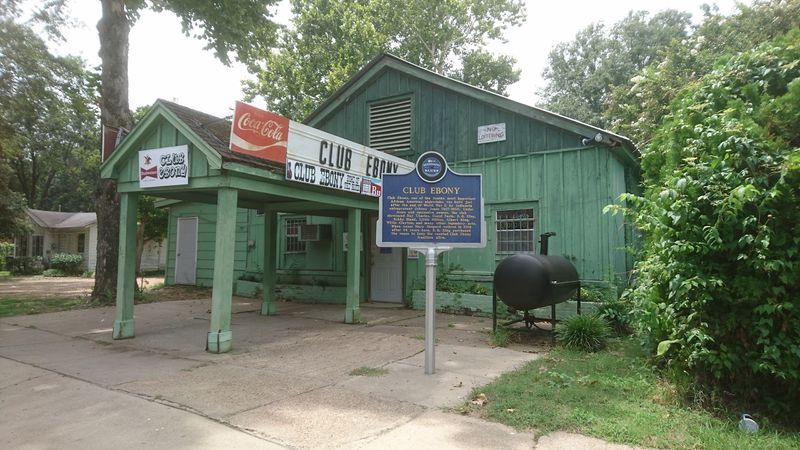
Club Ebony is a legendary stop on the Mississippi Blues Trail. It has hosted some of the greatest artists in American music history, and the walls feel like they remember every single one of them.
The Crown started as an antique shop and tea room and has grown into an Indianola institution with serious local loyalty.
Paul’s Jewelry has been a community fixture for 60 years. Custom work and repairs keep generations of families coming back.
Abraham’s Carriage House is a multi-generational clothier with a loyal following that spans decades.
Young Riley B. King worked at a 1905 cotton gin right here in Indianola. The town shaped the man who became B.B. King. That story alone makes every visit feel like a pilgrimage worth taking.
6. Yazoo City
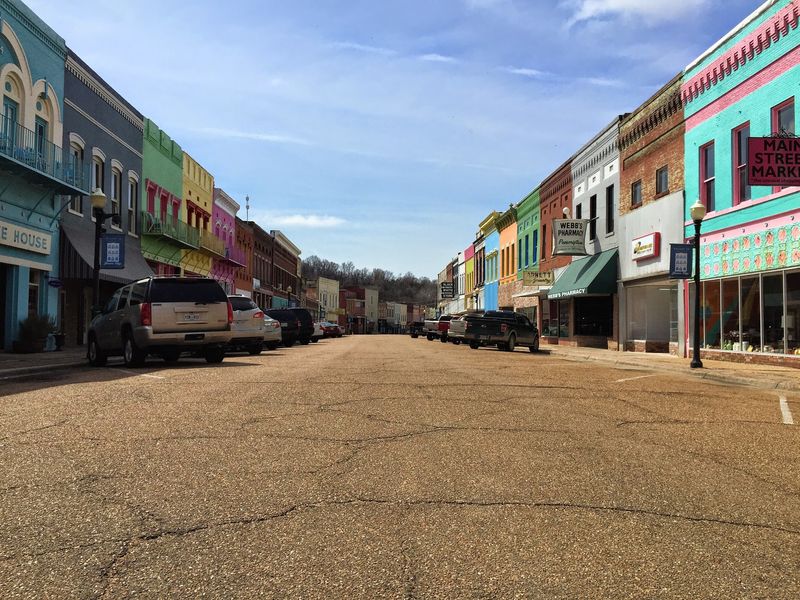
Yazoo City greets you with one of the most visually striking Main Streets in all of Mississippi. The historic downtown features brightly colored pastel buildings that give the whole street a vaguely Caribbean feel.
That is not something you expect to find in the Mississippi Delta, which makes it all the more delightful.
The original 1904 Main Street buildings survived fire, time, and a whole lot of history. They now house unique shops and dining spots that feel genuinely local rather than tourist-facing.
On a weekday, you can wander the storefronts without bumping into tour groups at every turn.
Glenwood Cemetery dates back to 1856 and offers surprisingly fascinating cemetery tours. History lovers will find stories here that no museum has fully captured yet.
The Triangle Cultural Center operates out of the 1904 Main Street School building, connecting community members to educational and cultural programming year-round.
Ricks Memorial Library is the oldest library in Mississippi still used for its original purpose. The grand 1900 building is worth seeing even if you just peek through the front door.
The Main Street Hotel offers uniquely decorated suites, many with balcony access that gives you a front-row seat to the pastel streetscape below.
A local legend blames “The Witch of Yazoo” for the catastrophic 1904 fire that burned the city to the ground. The town rebuilt completely.
Yazoo City has been bouncing back from tough moments for over a century, and it shows in every colorful block.
7. Rosedale
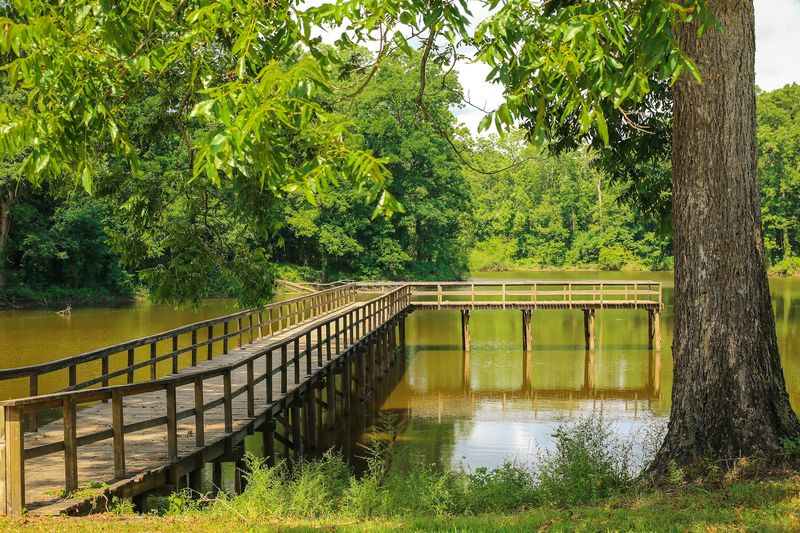
Rosedale sits right on the Mississippi River and owns that fact with quiet pride. The Port of Rosedale offers peaceful waterway access that feels a million miles from city noise.
Come on a weekday, and you might have the entire riverbank practically to yourself, which is honestly one of the best feelings in the Delta.
Great River Road State Park is the main draw for outdoor lovers. Fishing, boat launching, scenic overlooks, and walking trails are all packed into one beautiful stretch of riverside land.
The temperate climate makes a weekday morning hike genuinely pleasant for most of the year.
The Port of Rosedale’s public boat ramp provides river access that remains usable even during high water periods. That kind of reliable access matters a lot to locals who come here regularly.
Rosedale functions as a strategic multi-modal transportation point, which sounds dry on paper but means the town has serious infrastructure supporting its river-loving community.
Then there is the legend. Robert Johnson supposedly sold his soul to the devil somewhere near Rosedale, not just at the Clarksdale Crossroads as the more famous version goes.
Historians debate the exact location endlessly. Either way, Rosedale has a blues mythology all its own that adds a layer of mystique to every sunset view over the water.
Rosedale is small, genuine, and completely worth a slow weekday afternoon. The river does not care what day it is, and neither do the locals here.
8. Belzoni
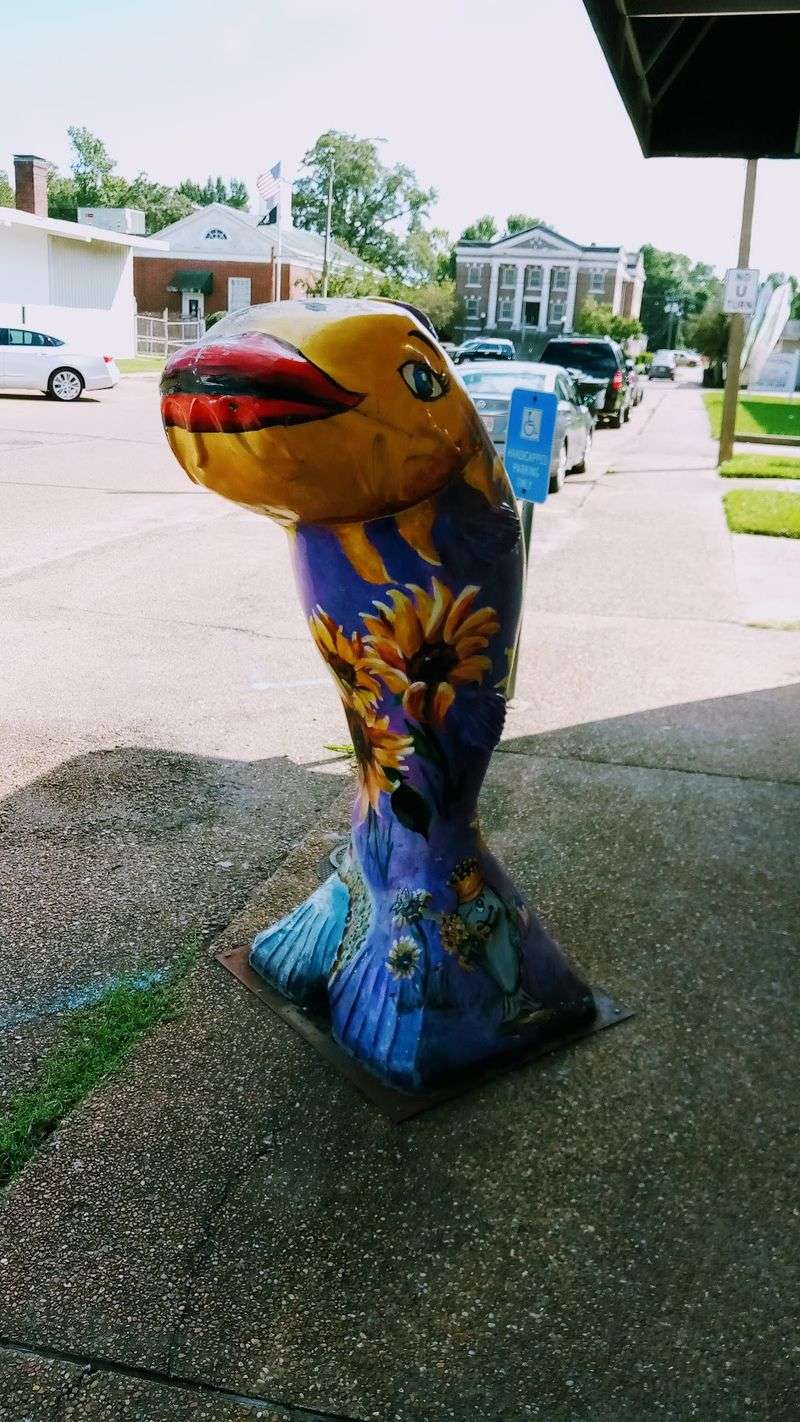
This place proudly calls itself the “Catfish Capital of the World,” and it earns that title with zero apology. Around 60 percent of farm-raised catfish consumed in the United States comes from this region.
That is a staggering number for a small town sitting quietly on the Yazoo River, and locals will tell you about it with genuine pride.
The Catfish Museum and Visitors Center is the perfect starting point. It explores fish-farming heritage through artisan-crafted displays that feel personal rather than corporate.
Outside the museum stands “King Cat,” a 40-foot catfish fountain that is absolutely, wonderfully ridiculous in the best possible way. Fiberglass catfish sculptures are scattered throughout the city like a fishy public art tour.
Ethel Wright Mohamed Stitchery Museum is a completely different kind of attraction. Mohamed documented Delta life through intricate thread work that is as detailed as any painting.
Her pieces are vivid, specific, and deeply human. This museum is a hidden spot that deserves far more attention than it gets.
Sky Lake Boardwalk offers a peaceful escape through ancient bald cypress trees. The boardwalk winds through scenery that looks like it belongs in a nature documentary.
On a weekday, the only sounds you hear are birds and water.
Belzoni earned its catfish title officially in 1976. The town has leaned into that identity ever since.
Come hungry, come curious, and definitely stop to take a photo with King Cat. No trip to Belzoni is complete without it.
9. Leland
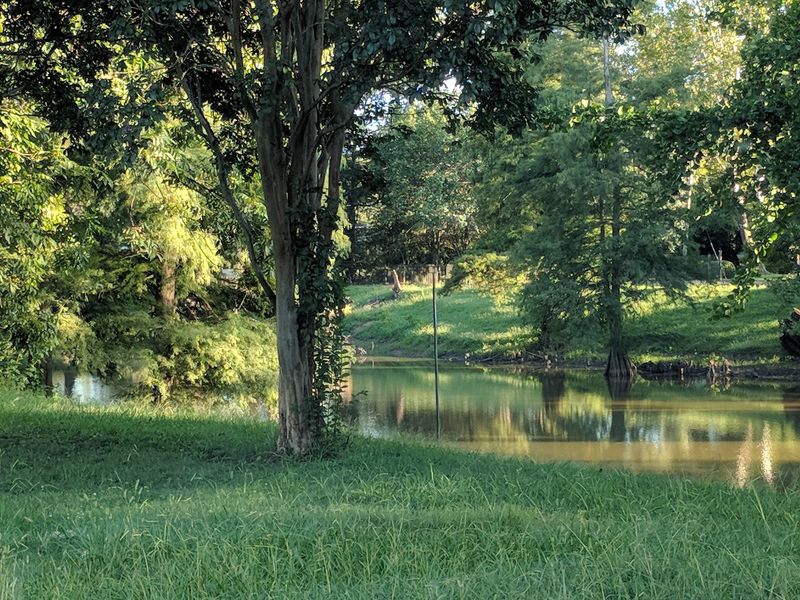
Leland is the birthplace of Kermit the Frog, and yes, that is a completely real and wonderful fact.
Jim Henson grew up here in the Mississippi Delta, and the creeks and landscapes of his childhood directly inspired the most beloved amphibian in television history. That origin story alone makes Leland worth the drive.
The Jim Henson Delta Boyhood Exhibit is a genuinely joyful experience. Life-sized Muppets, interactive displays, and the full story of how a Delta kid grew up to change entertainment forever.
On a quiet weekday, families and solo visitors can take their time with every exhibit without feeling rushed.
The Highway 61 Blues Museum in Leland preserves Delta blues music history with engaging exhibits and authentic memorabilia. It runs directly through town and carries that legendary musical weight with every mile.
Blues Murals on Main Street immortalize local musicians in vivid color. One mural specifically honors Doc’s B’s at 3rd and Main, paying tribute to a corner that meant something real to this community.
The Mississippi Wildlife Heritage Museum celebrates the natural world and conservation efforts throughout the Delta region.
Deer Creek Duck Launch is a local favorite that brings outdoor enthusiasts back season after season. Leland blends music history, pop culture, and natural beauty in a way that feels effortless.
A weekday visit gives you the breathing room to actually absorb all of it properly.
10. Tunica
Tunica sits close to the Mississippi River with a quiet, unhurried energy that rewards visitors who show up on a weekday.
The town carries deep history tied to the Native American Tunica Tribe, and that heritage shapes how the community understands and presents its past. Wetlands surround the area, making it a genuine destination for wildlife watching and fishing.
Tunica RiverPark and Museum is the standout attraction. Interactive exhibits explore Mississippi Delta history in ways that feel genuinely engaging rather than dry.
Nature trails extend the experience outdoors along the riverbank. 1 RiverPark Dr., Tunica Resorts. The combination of indoor history and outdoor scenery makes this a full half-day stop easily.
The Gateway to the Blues Museum tells the story of how the blues was born in the Delta. Famous guitars and harmonicas are on display alongside detailed historical accounts.
It is a compact but powerful museum that punches well above its size.
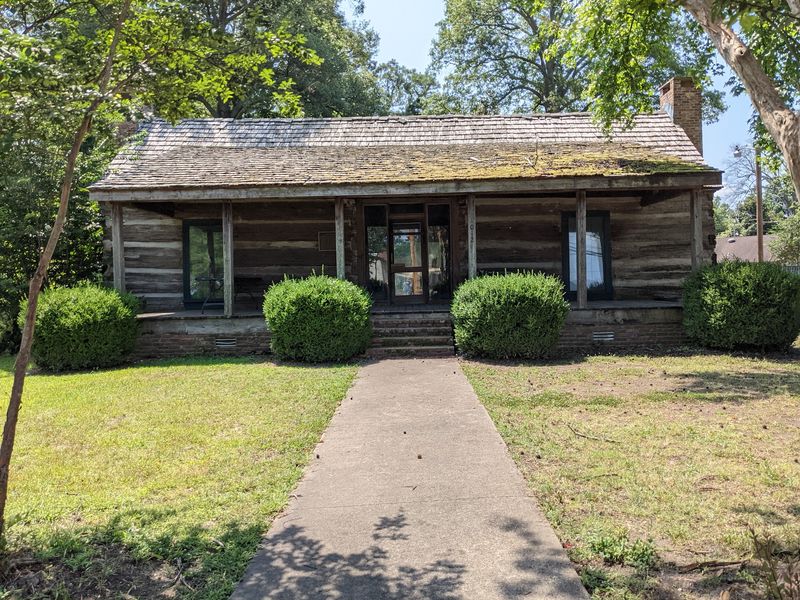
Tunica Museum covers Tunica County history from Native American settlements through modern daily life. The Tate Log Home Museum is the oldest standing structure in the county, built in 1840, offering a raw look at early living conditions.
Blue and White Restaurant has been serving down-home cooking since 1924. It started life as a Pure Oil filling station, which is the kind of origin story that makes a meal taste even better.
Tunica is small, historically layered, and genuinely worth an unhurried weekday exploration.
11. Rolling Fork
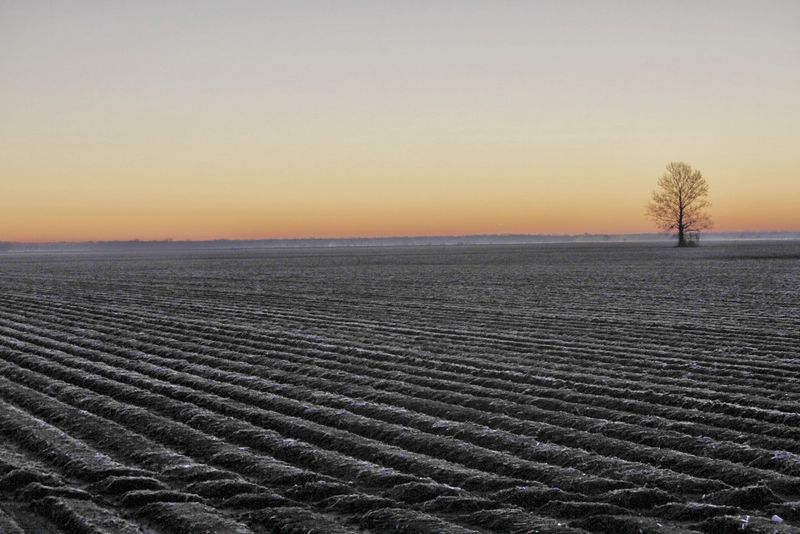
Rolling Fork is a town that carries two enormous origin stories without bragging about either one. President Theodore Roosevelt’s famous bear hunt near here directly inspired the creation of the teddy bear.
Muddy Waters, one of the greatest blues musicians who ever lived, was also born right here. That is an almost unfair amount of history for one small Lower Delta town.
The Rolling Fork Visitor Center and Museum brings both stories to life. Exhibits on Theodore Roosevelt’s bear hunt are detailed and fun, especially for history buffs who know the teddy bear backstory.
The museum does a solid job connecting local history to national significance without overstating anything.
Mont Helena is a historic home with a genuinely tragic love story attached to it. The kind of story that sticks with you on the drive home.
Delta National Forest is nearby and contains some of the largest bottomland hardwood trees in the country. Migratory waterfowl viewing here is exceptional, especially during the right season.
Blue Lake Recreational Area offers fishing and a one-mile interpretive hiking trail that moves through beautiful Delta landscape at a comfortable pace. Chuck’s Dairy Bar has served American classics for over 50 years.
They are known for the Chuck Burger, which locals defend with the kind of loyalty usually reserved for sports teams.
Rolling Fork is resilient, story-rich, and deeply rooted in Delta identity. A weekday visit means slower service, more conversation, and a real chance to connect with what makes this corner of Mississippi genuinely remarkable.