
This Mississippi Rock Shop Is Filled Floor-To-Ceiling With Fossils, Crystals, And Giant Geodes
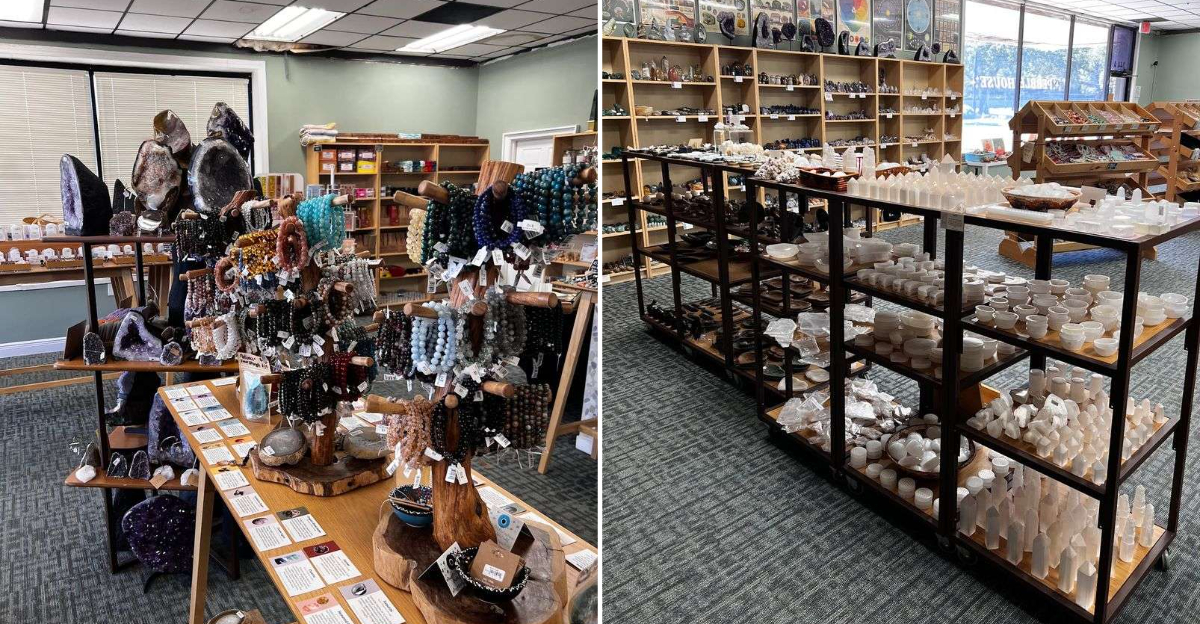
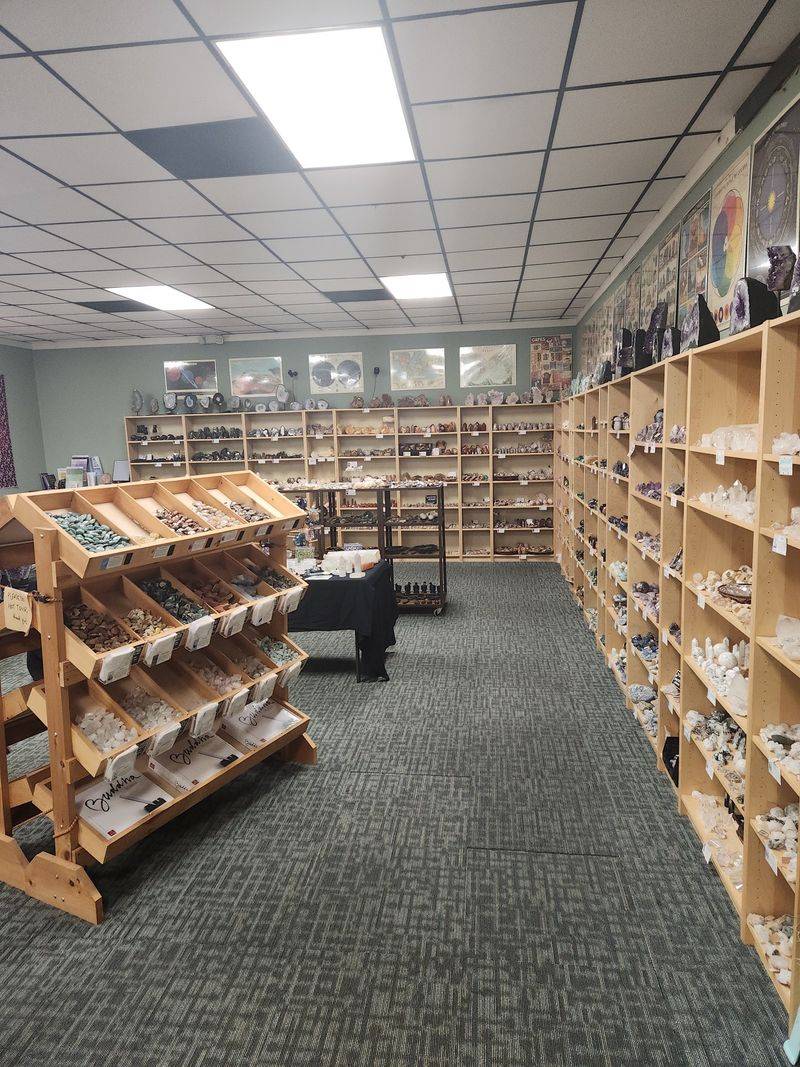
Fossils, crystals, and giant geodes are just a small part of what you’ll find inside this Mississippi shop. Shelves stretch floor to ceiling, packed with more than most visitors expect from a single stop.
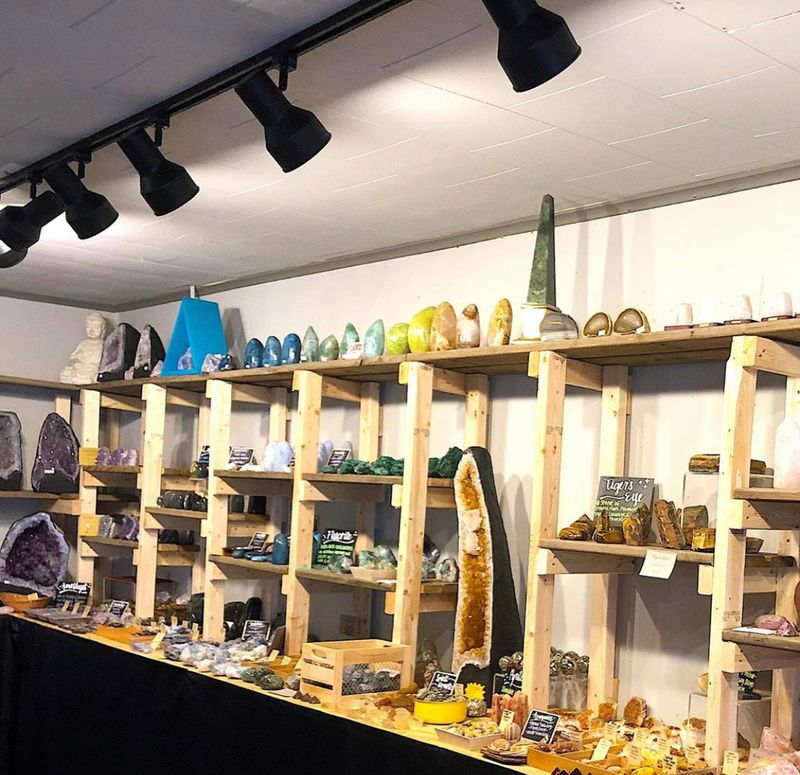
Fossils fill entire sections, some dating back further than most realize just by glancing at them. Crystals stack along shelves in every color and size, drawing collectors who know exactly what they’re searching for.
Giant geodes sit as centerpieces throughout the shop, cracked open to reveal formations most people have only seen in photos. Regulars treat browsing here like an actual hobby rather than a quick errand.
Nothing about the inventory feels repetitive, since new pieces arrive regularly throughout the year. This shop proved that sometimes the best natural wonders end up indoors, stacked from floor to ceiling.
Fossil Identification And Preservation Techniques
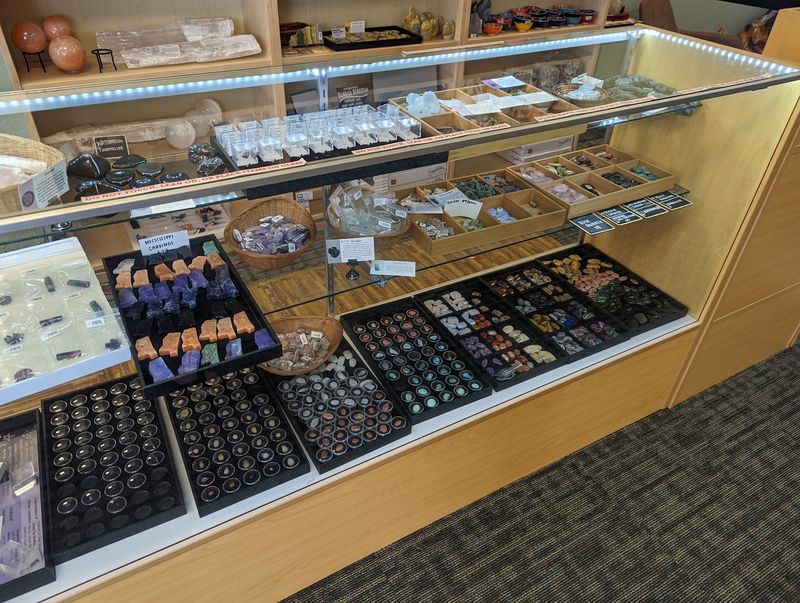
Knowing what you are holding is half the fun of fossil collecting. Here, the staff actually helps you figure out what you have got.
They once identified a customer’s lava air bubble geode on the spot. That kind of hands-on knowledge is hard to find.
Fossils have a distinct look once you know what to search for. They show repeating, organized internal structures that plain old rocks just do not have.
Guidebooks with colorful photos are a solid starting point. Online resources and collector forums can also help you narrow things down fast.
Preservation matters just as much as identification. Delicate specimens need a soft brush and room temperature water for cleaning.
Never use harsh chemicals on a fossil you want to keep looking sharp. Microfiber cloths work great for dusting harder pieces without scratching the surface.
Avoid sudden temperature changes when cleaning or storing fossils. Heat and cold can cause tiny cracks to spread over time.
A stable environment keeps your collection in great shape for years. Pebble House staff can point you toward the right tools and methods when you visit.
Find Pebble House located at 344A Courthouse Rd, Gulfport, MS 39507.
Varieties And Origins Of Crystals On Display
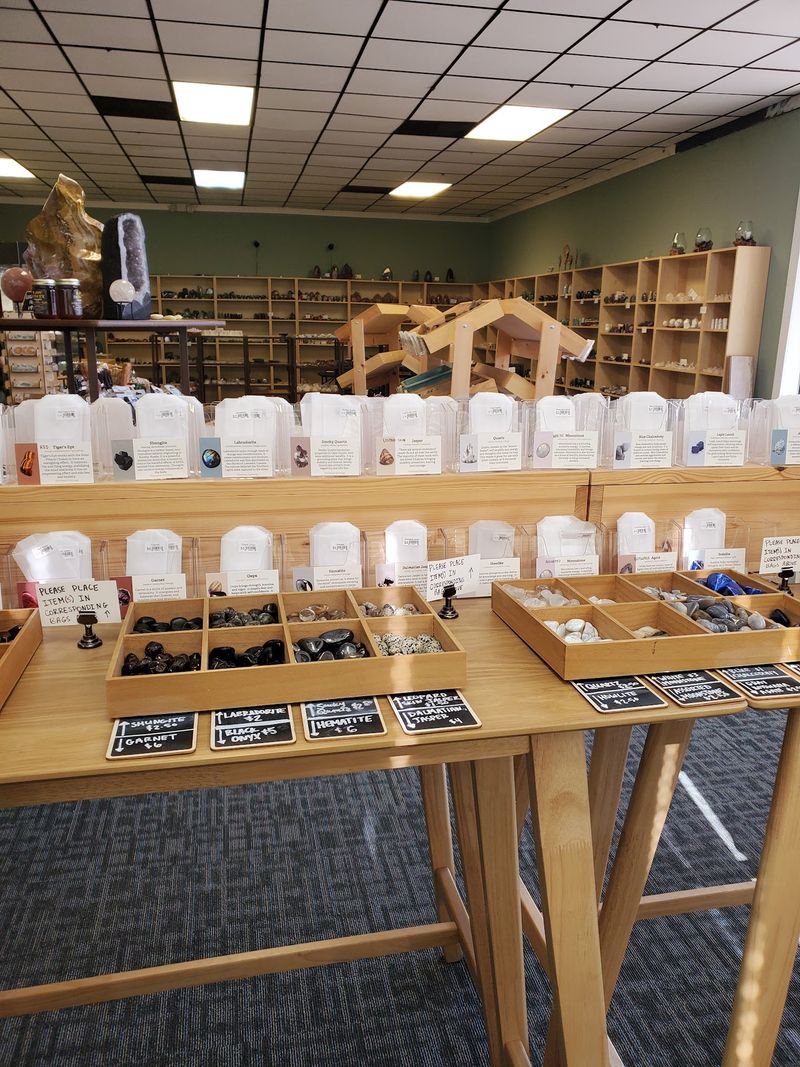
Pebble House carries crystals from all over the world, and the variety is genuinely impressive. They source their inventory through family-owned mines and crystal wholesalers.
That means you are getting real, quality pieces rather than generic bulk imports. The selection changes regularly, so there is almost always something new to find.
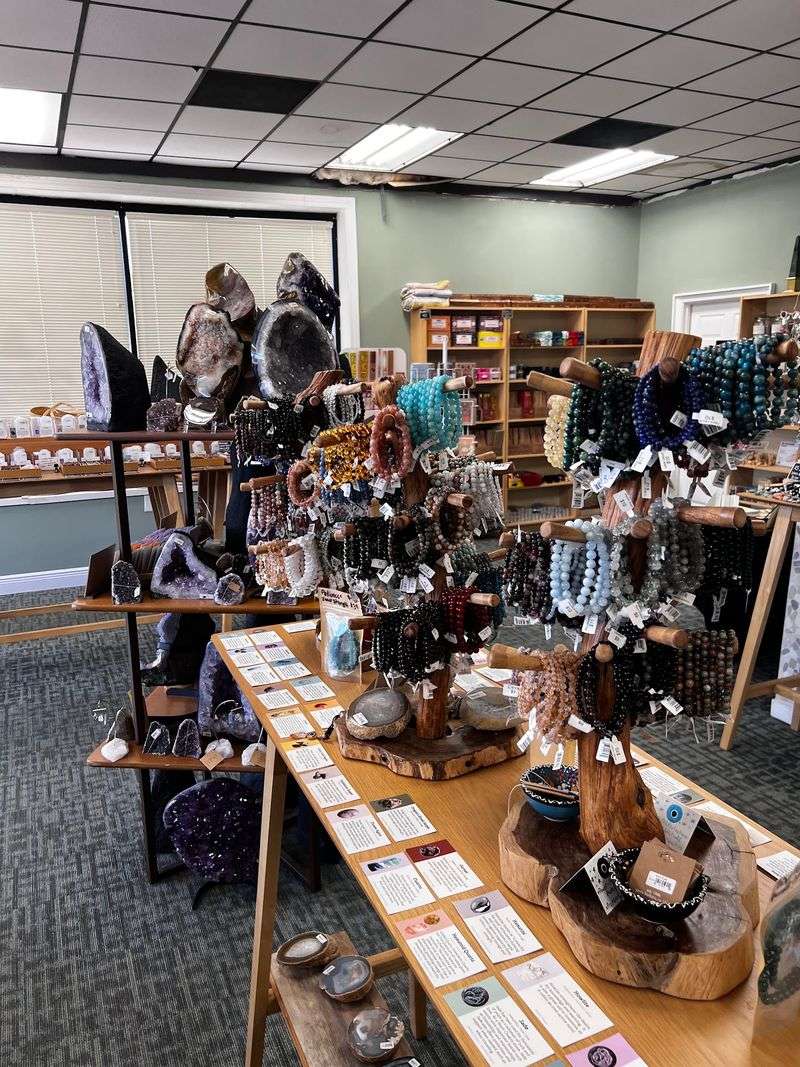
Walk through the shop, and you will spot amethyst, aragonite, and fluorite in multiple sizes and colors. Rose quartz shows up in everything from raw chunks to polished spheres.
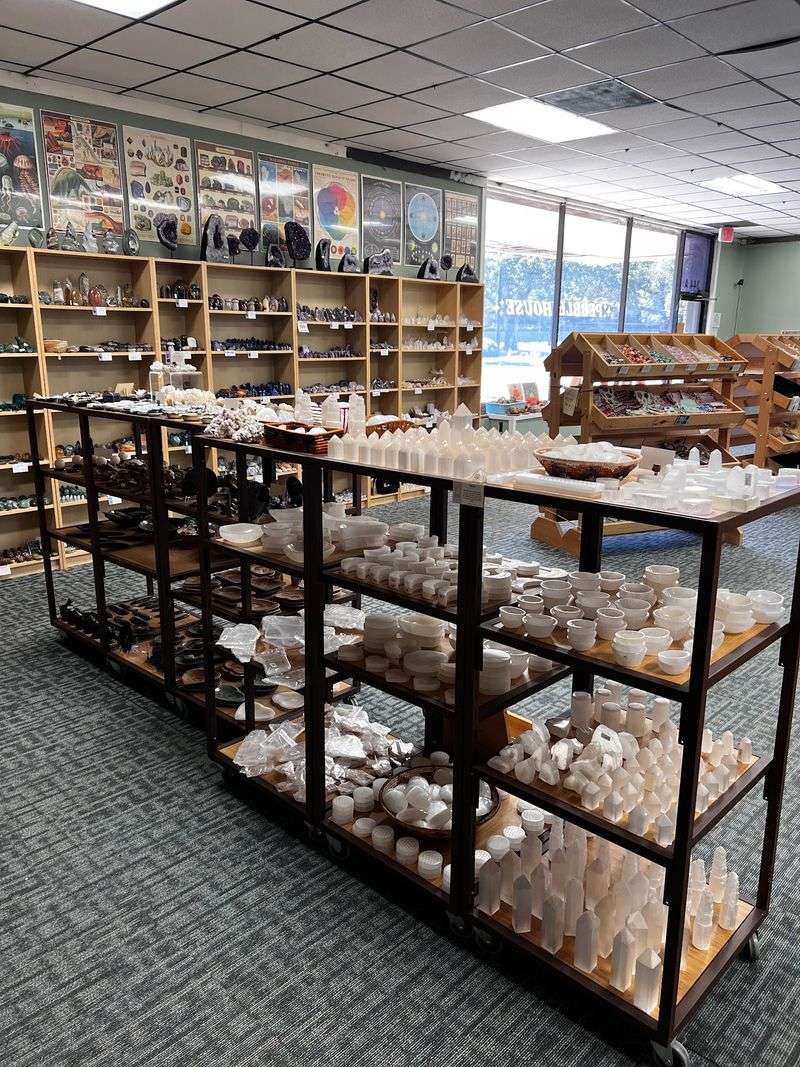
Lapis lazuli brings that deep blue that collectors go crazy for. Aventurine, rhodonite, shungite, and selenite round out a lineup that covers pretty much every taste.
Each crystal type comes with an info card explaining its origin and properties. That is super helpful if you are just getting started and want to learn as you browse.
You are not just buying a pretty rock. You are getting a little education with every purchase.
The shop layout keeps everything organized and easy to explore without feeling overwhelmed. Sections are clearly labeled so you can zero in on what you want.
Whether you collect by color, origin, or mineral type, Pebble House makes the whole experience straightforward and enjoyable for anyone who walks through the door.
Geode Formation And Extraction Explained
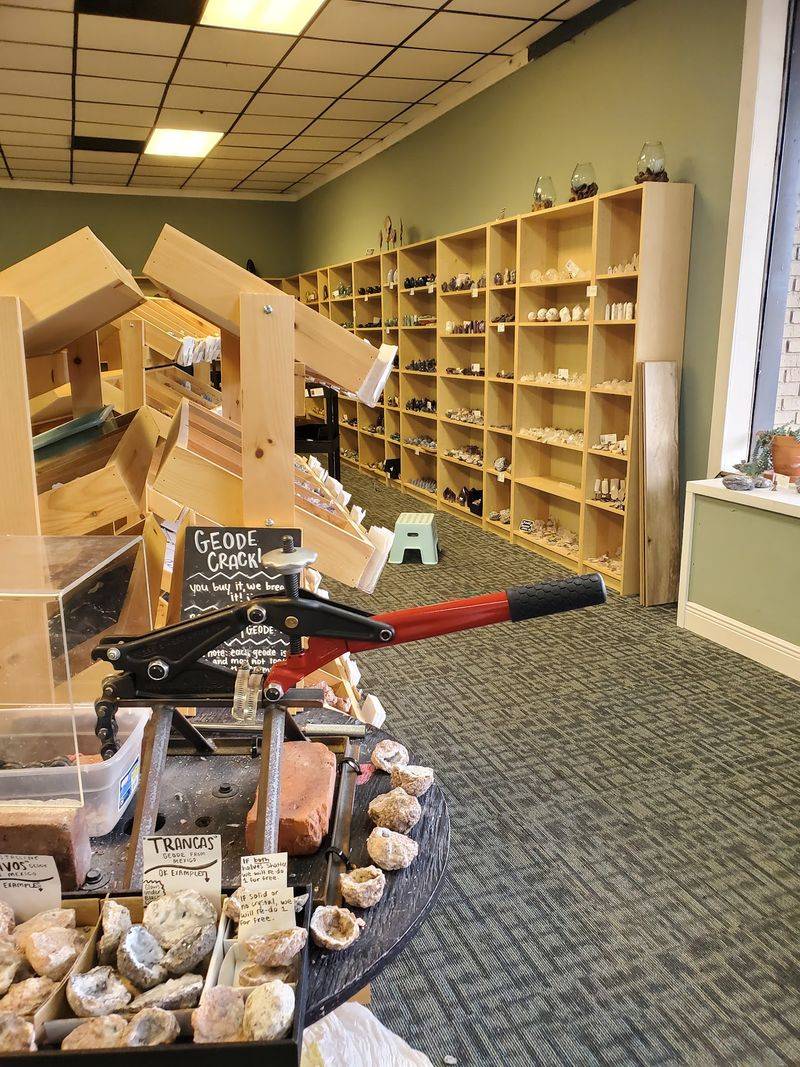
Geodes look like ordinary, boring rocks on the outside. Crack one open and you find a world of sparkling crystals hiding inside.
That surprise factor is exactly why so many people get hooked on collecting them. Pebble House carries some seriously impressive geodes, including giant ones that command attention from across the room.
Formation starts when mineral-rich water fills a cavity inside volcanic or sedimentary rock. Over thousands of years, minerals like quartz or calcite slowly crystallize inward from the walls.
The cavity itself can start as a gas bubble trapped in cooling lava. Sometimes it begins where organic material decayed and left a space behind.
Mississippi geodes tend to run small, usually around one to three inches across. They feel noticeably lighter than solid rocks of the same size.
The outer rind often looks chalky and unremarkable. That humble exterior is part of what makes opening one so satisfying.
Extraction from the ground requires patience and the right tools. Collectors use chisels and rock hammers to carefully free geodes without damaging the interior.
Professional geode cracking uses a specialized saw for clean cuts. If you want to try cracking one yourself, Pebble House is a great place to grab your first geode and get started on the adventure.
Mineral Composition And Classification Basics
Minerals are natural, inorganic solids with a specific chemical makeup and an ordered crystalline structure. That might sound like a textbook line, but it actually tells you a lot.
Every crystal and gemstone at Pebble House falls into a mineral class. Understanding those classes makes shopping way more interesting than just picking the prettiest rock.
Mineralogists sort minerals by their dominant anion, which is basically the negatively charged part of their chemical formula. Common classes include silicates, oxides, sulfides, and carbonates.
Silicates are the largest group and include quartz, feldspar, and mica. You will find representatives from several of these groups displayed throughout the shop.
The Dana classification system is one of the most widely used methods for organizing minerals. It groups them by chemistry rather than appearance alone.
Physical properties like hardness, luster, cleavage, and crystal shape also help collectors and scientists tell minerals apart. The Mohs hardness scale is a quick and practical tool every collector should know.
Pebble House labels its specimens with helpful information that makes these classifications feel accessible rather than intimidating. You do not need a geology degree to appreciate what is on the shelves.
A little background knowledge just makes each piece more meaningful. The more you learn, the harder it gets to leave the shop empty-handed.
Educational Workshops And Events Offered
Pebble House keeps things lively beyond just selling rocks and crystals. The shop hosts online shopping live events where followers can browse and buy in real time.
These sessions are a fun way to score new pieces without making the drive. They also give you a chance to ask questions and see specimens up close through video.
Social media is where Pebble House announces its special events and promotions. Following their pages keeps you in the loop on what is coming up next.
The online community around the shop is active and enthusiastic. It is a solid way to connect with other collectors in the area.
The in-store experience itself carries a strong educational element even without formal classes. Every specimen comes with an info card explaining its origin and key properties.
Staff members are genuinely knowledgeable and happy to share what they know. Conversations at the counter can easily turn into impromptu geology lessons.
If you are hoping to learn more about specific minerals or identification techniques, just ask. The team at Pebble House is approachable and enthusiastic about sharing information.
The shop atmosphere encourages curiosity and questions. Checking their website at pebblehouse.co and their social media regularly is the best way to stay current on any upcoming educational opportunities they offer.
Care And Maintenance Of Rock Collections
Taking care of your collection is just as important as building it. Most gemstones clean up nicely with lukewarm water and a small amount of mild soap.
A soft toothbrush works well for getting into crevices on rough or textured specimens. Rinse thoroughly and let pieces air dry completely before storing them.
Delicate or fragile specimens need a gentler approach. A soft artist’s brush works perfectly for dusting away surface particles without causing scratches.
Avoid soaking porous stones like turquoise or malachite in water. Wiping them with a dry cloth is the safest method for keeping them clean and intact.
Storage matters more than most beginners realize. Keeping specimens separate prevents harder rocks from scratching softer ones.
Individual pouches, foam-lined trays, or divided boxes all work well for this purpose. Label each piece with its name and where you got it so your collection stays organized as it grows.
Sunlight is a silent enemy for some crystals. Amethyst and rose quartz are especially vulnerable to color fading when left in direct light for long periods.
Display them in spots with indirect light or rotate them occasionally. Pebble House staff can give you specific storage advice for whatever pieces you pick up during your visit.
Local Geological History And Significant Finds
Mississippi sits on top of a surprisingly rich geological story. The state has ancient igneous and metamorphic basement rocks buried deep beneath its surface.
Above that lies a thick layer of Cenozoic coastal plain sediments built up over millions of years. The Gulf Coast region, including Gulfport, reflects that long and layered history.
Local finds in Mississippi often include petrified wood, agates, and fossils pulled from gravel beds and creek banks. South Mississippi is particularly known for turning up Paleozoic-era chain coral and nautiloid fossils.
The Homochitto River watershed is a favorite spot among collectors for chert gravel fossils and banded agates. These finds connect everyday collectors to deep time.
Volcanic activity once occurred near Jackson, Mississippi, roughly 69 to 79 million years ago. That activity left behind minerals and rock formations that still show up in local geology today.
It is a reminder that the Magnolia State has more geological drama in its past than most people expect. Mississippi’s geology is genuinely underrated as a collecting destination.
Pebble House reflects this regional richness in its inventory and knowledge base. The staff understands local geology and can help you connect the specimens on the shelves to the land around you.
Learning the geological story behind your home state makes every rock you pick up feel like a small piece of a much bigger puzzle.
Tips For Beginning Rock And Gem Collectors
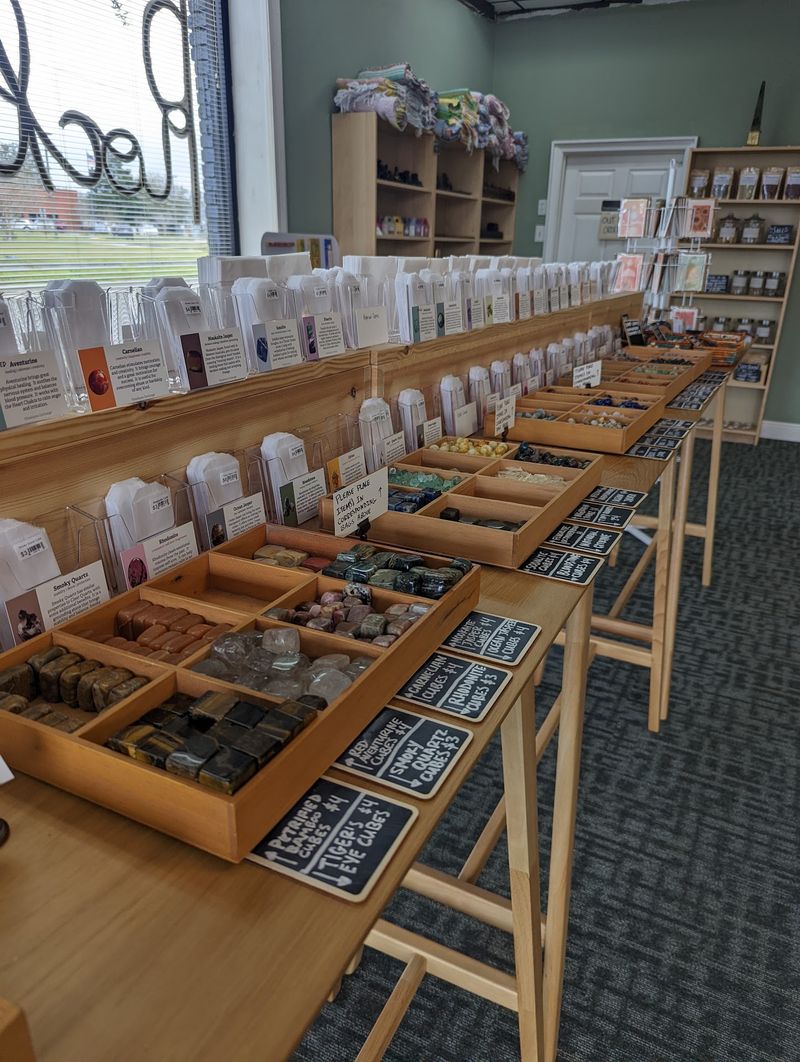
Starting a rock collection is one of the most rewarding hobbies you can pick up. The barrier to entry is low, and the learning curve is actually fun.
Begin by choosing pieces that genuinely appeal to you visually. Personal taste is a perfectly valid starting point, and it keeps you motivated to keep going.
Grab a good identification guidebook with plenty of color photographs. Visual references make it much easier to compare what you find in the field or at a shop.
Following experienced collectors and sellers on social media is another fast way to build your knowledge base. Pebble House has an active online presence worth checking out regularly.
Keep a simple journal to document your finds. Write down where you got each piece, what it is, and anything interesting you learned about it.
This habit turns a casual collection into a meaningful record over time. It also helps you avoid buying duplicates as your collection grows.
A 10X jeweler’s loupe is one of the most useful tools a beginner can own. It lets you see surface details, crystal structure, and inclusions that are invisible to the naked eye.
A small flashlight helps too when checking for transparency or internal features. Visit Pebble House early in your collecting journey because the selection, staff knowledge, and info cards make it one of the best places to learn and shop at the same time.