
This California Outdoor Go-Kart Track Makes Every Lap Feel Like A Real Race Day
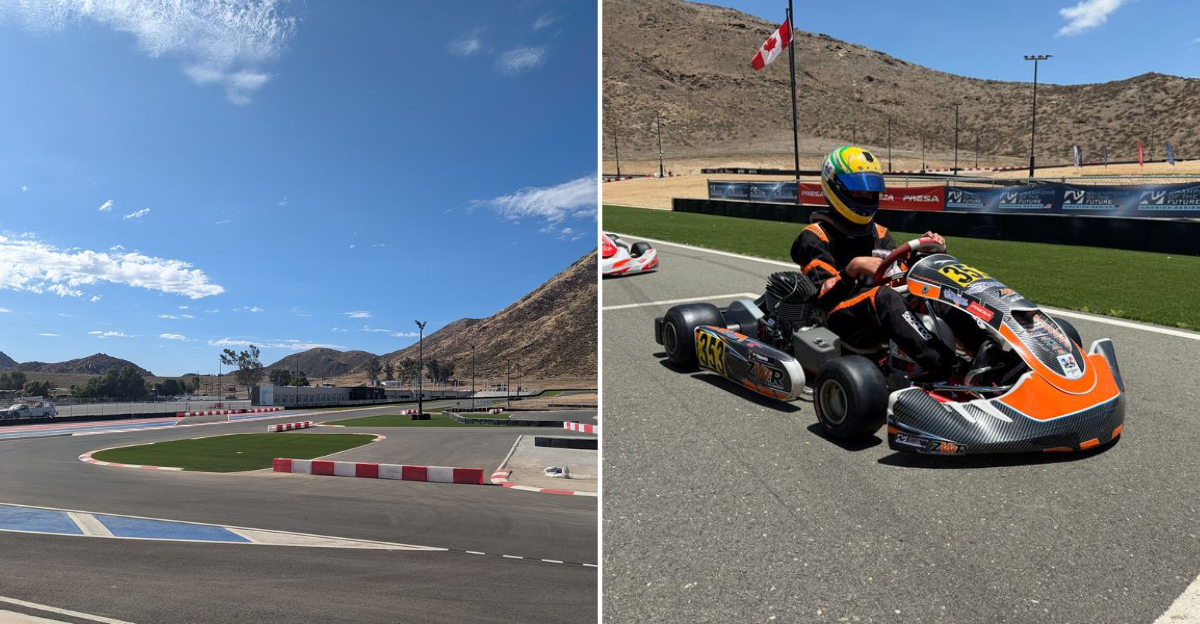
This place is a genuine source of adrenaline and enjoyment, where you can put your driving skills to the test. This California outdoor go-kart track makes every lap feel like an actual race day.
Karts here reach speeds that surprise most first time visitors expecting something closer to a casual ride. Turns get designed with real racing in mind, rewarding skill rather than just holding the pedal down.
Regulars track their lap times, treating each visit almost like genuine competition against themselves. Nothing about the course feels watered down for casual tourists passing through.
Staff maintain the karts well, keeping performance consistent across every session throughout the day. Racers of different skill levels find something challenging here, regardless of experience behind the wheel.
This track proved that go-karts can deliver a real taste of actual racing.
Design Safety Features
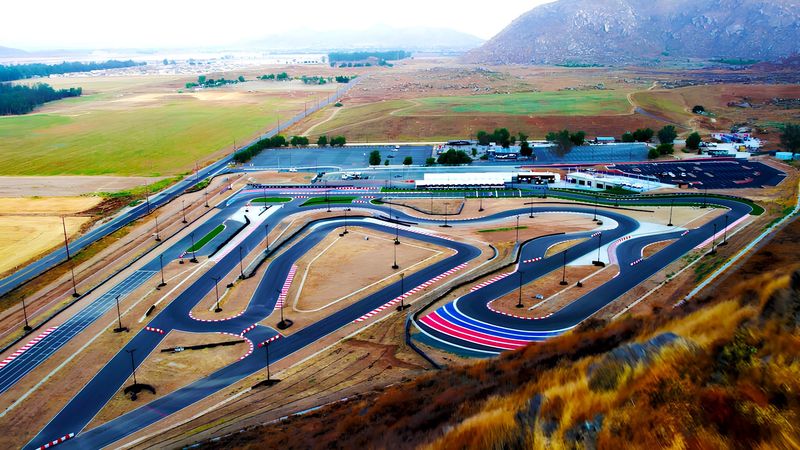
The layout was built to CIK-FIA specifications, which is the same rulebook used for serious international karting. That means the safety details are not an afterthought.
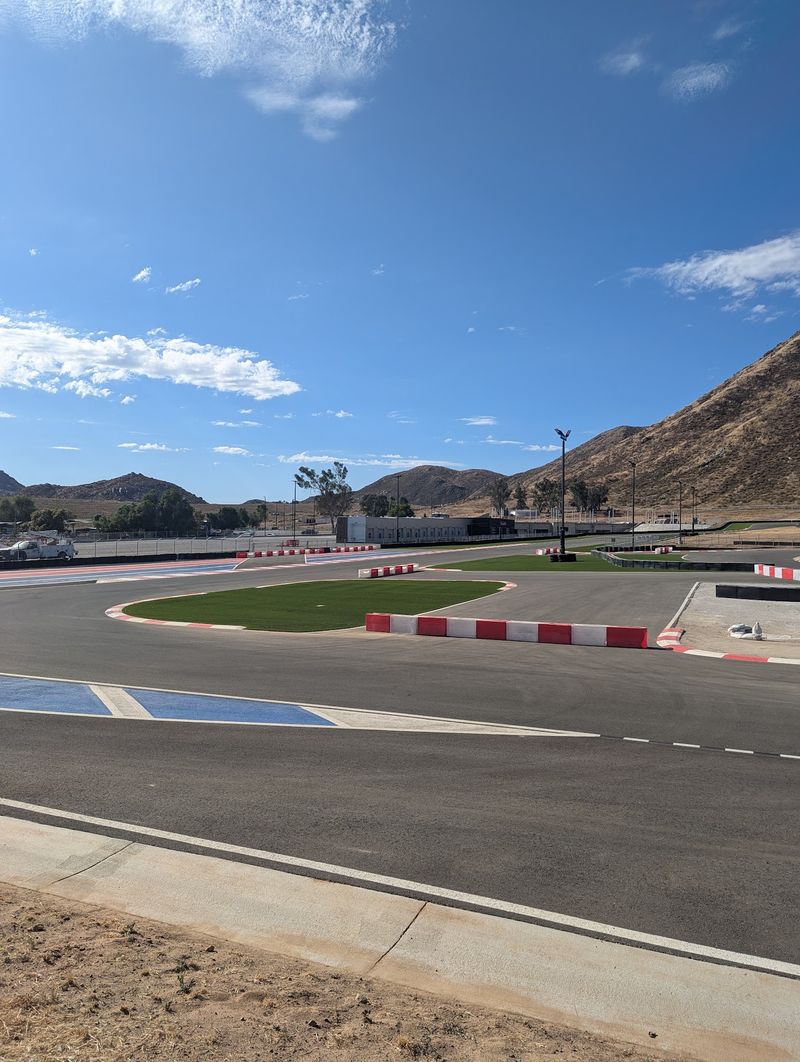
The circuit runs 1.1 miles long and holds a steady 28-foot width the whole way around. Extra width gives drivers room to pass without trading paint.
Professional curbing lines the corners, marking exactly where the track ends. Wide run-off zones sit beyond that, so a mistake usually costs you time instead of a wrecked kart.
Elevation changes make the place interesting and also demand respect. Blind crests reward drivers who look ahead and punish drivers who guess.
Every corner has its own personality, from tight hairpins to fast sweepers. You learn quickly which ones forgive you and which ones do not.
Lighting covers the full circuit, so evening sessions are a real option. Night laps feel faster even when the stopwatch disagrees.
New drivers go through a mandatory briefing before heading out. Staff also hand out fire-retardant safety gear, helmets, and gloves.
Corner workers watch the action and use flags plus light boards to communicate. Knowing those signals keeps traffic moving safely.
Spectators get grandstands and viewing areas well away from the racing surface. Families can watch comfortably without standing near the barriers.
You can find it at 32240 Grand Ave, Winchester, CA 92596.
Optimal Performance Maintenance
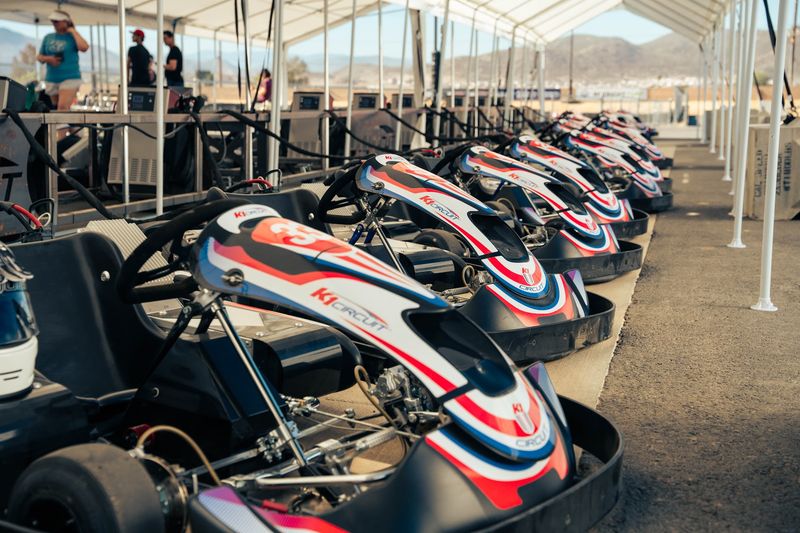
Rental karts here go through regular checks and servicing between sessions. Brakes, steering, and batteries all get attention, which is why the fleet feels consistent.
Drivers notice the difference right away. Front disc brakes actually bite, and the pedals feel the same from kart to kart.
Owner karters face their own set of standards before rolling out. Every private kart must pass safety and eligibility checks first.
Noise limits are enforced clearly. Two-stroke engines cap at 95dB, four-strokes at 85dB, and all two-strokes need airboxes fitted.
Staff can refuse track access to any kart that is unsafe or too loud. That rule keeps neighbors calm and racing fair.
Tarps are mandatory under karts parked in the paddock. Fuel and oil drips stay off the pavement instead of soaking in.
Used tires and empty fuel cans must be hauled out properly by their owners. Nobody wants a mountain of old rubber behind the grandstands.
Mechanics on site are usually happy to share pointers about tricky corners. Asking a question costs nothing and can save you a second per lap.
Tire pressures on rental karts stay preset for even wear. Sets are expensive, so consistency wins over chasing perfect grip.
Facility upkeep goes past the karts, covering the track surface and paddock. Clean pavement means fewer surprises mid-corner.
Techniques For Efficient Cornering
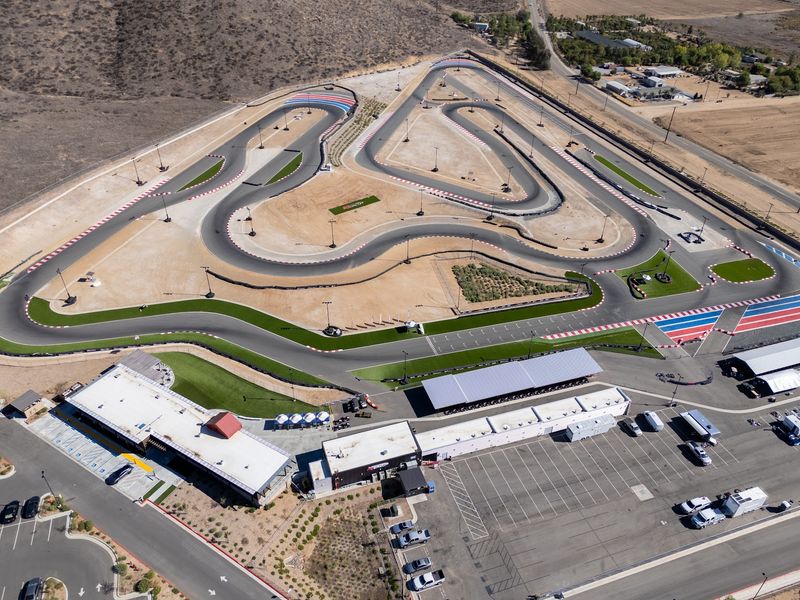
Good cornering is where lap time actually hides. Straights are simple, but turns separate the quick drivers from everyone else.
Break every corner into three parts: entry, apex, and exit. Thinking that way stops you from treating a turn as one big guess.
The racing line is wide in, tight at the apex, then wide again on exit. Following it turns a sharp corner into a gentler arc.
Smooth hands beat fast hands every single time. Jerky steering scrubs speed and pushes the front tires past their grip.
Brake before you turn, not while you are already wrestling the wheel. Then squeeze the throttle open as the kart straightens out.
Trail braking is the next step up. Release the brake gradually as you turn in, and the front end grips better.
Body position matters more than people expect in a kart. Stay centered, keep your back against the seat, and sit upright.
The track has plenty of elevation, which changes how much grip you get. Downhill entries need earlier braking than flat ones.
Hard rental tires create noticeable understeer, or push. Slowing your hands slightly helps the front tires cooperate.
Practice one corner at a time instead of everything at once. Fixing a single turn per session adds up fast.
Rules Regulations Of Competitive Racing
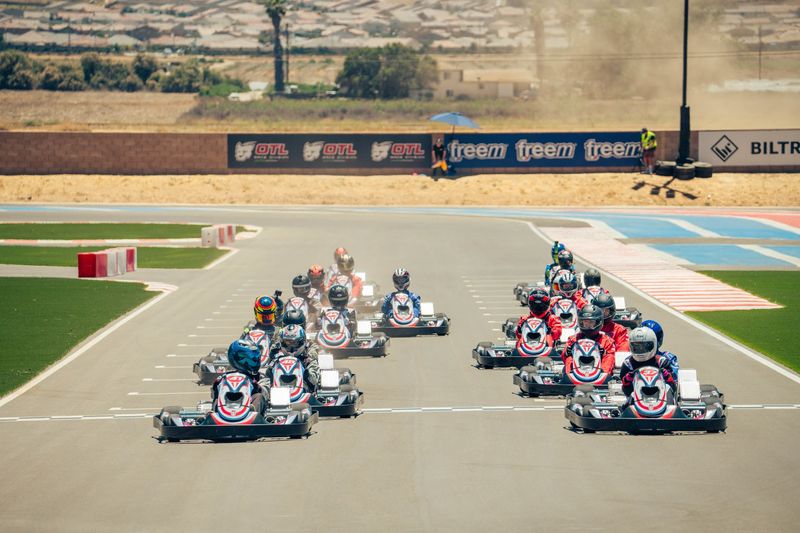
Contact is not part of the deal here. Bumping, blocking, and shoving are treated as serious violations, not racing incidents.
Drivers who ignore that get consequences quickly. Staff can slow a kart remotely or pull the driver from the session entirely.
Flags and light boards run the show on track. Blue means faster traffic behind, yellow means caution, and checkered means your session is finished.
Everyone needs a K1 Circuit License before turning a wheel. It comes with a briefing that covers signals and passing etiquette.
The license system also ties into kart speed levels. New drivers start at Bronze and complete several races before moving up.
Minors need a parent or guardian to sign their waiver. Bring the adult with you or the paperwork stalls.
Wristbands stay on for the entire visit. Staff uses them to confirm who is cleared to race.
Passing is expected to be clean and predictable. Choose a line, hold it, and let the other driver know where you are going.
Aggressive driving does not make you look fast, just expensive. Spins and contact cost more time than any risky move gains.
League racing requires an upgraded license tier. Regulars often chase that path for tighter, more organized competition.
Weather Impact On Racing Conditions
Rain does not automatically shut things down. Rental kart racing continues in wet conditions, which surprises plenty of first-timers.
Southern California rain is rare enough that wet sessions become a novelty. Photos of karts throwing spray around the corners are proof.
Events can still be rescheduled when weather turns rough. Checking ahead before driving out saves a wasted trip.
Wet practice sessions happen occasionally, and they are genuinely useful. Learning where grip disappears makes you a smarter dry-weather driver.
Competitive racers cannot just bolt on rain tires whenever they want. The Race Director has to approve wet tires first.
Running wet tires on dry pavement is off limits. Soft rain rubber shreds fast and creates unsafe, unpredictable handling.
Drivers who use the wrong tires can be black-flagged. That means coming off the track immediately.
Heat is the bigger factor most of the year. Inland Riverside County summers get hot, so water and shade planning matter.
Booking early morning or evening sessions helps a lot in July. The lighting system makes night racing a comfortable alternative.
Wind and afternoon glare can change braking references too. Pick visual markers low to the ground so shadows do not fool you.
Equipment Selection Suitability
Two rental kart categories cover most visitors. Cadet karts serve ages 7 to 12, with a 50-inch height requirement.
Pro Karts handle ages 13 and up and need a 60-inch minimum height. Those are the ones adults line up for.
The Pro Karts are high-performance electric OTL E-Pro models. Instant torque means acceleration arrives the moment you press the pedal.
Front disc brakes are the real headline for experienced drivers. Braking power like that changes how late you can attack a corner.
Electric power also means no exhaust fumes in the paddock. Zero emissions is a nice side benefit of the setup.
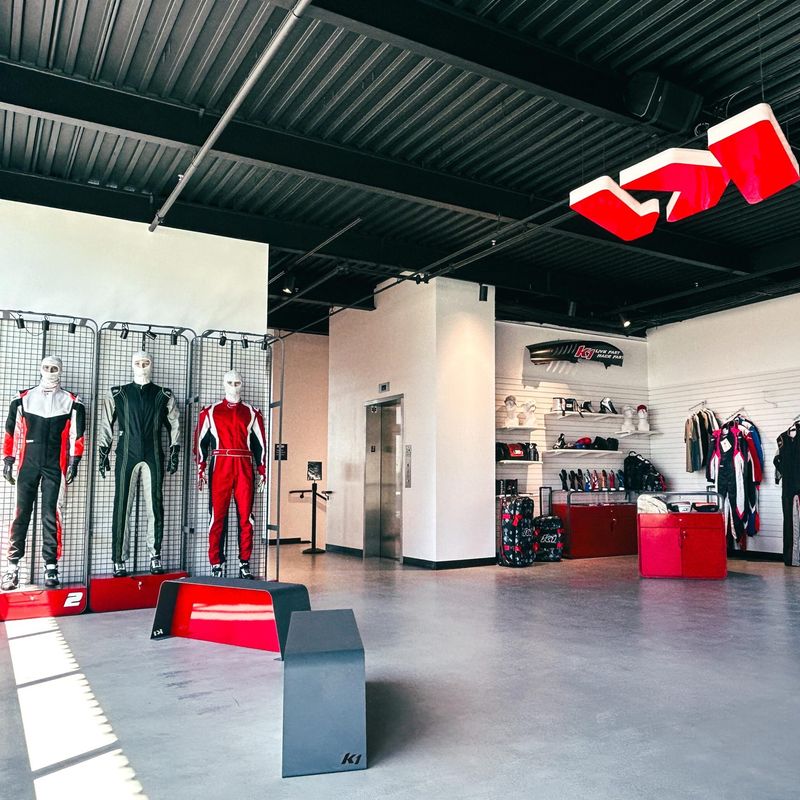
Clothing rules are simple and worth reading before you leave home. Long-sleeved shirts, long pants, closed-toe shoes, and gloves are required.
Full-face helmets and racing suits are available to borrow. Nobody gets turned away for lacking gear.
Bigger drivers still fit comfortably in the seats. The karts accommodate a wide range of body types.
Owner karters get their own space and access to practice sessions. Bringing a personal kart opens up the full Pro layout.
Expect a workout regardless of which kart you pick. There is no power steering, and your shoulders will notice by lap ten.
Strategies To Improve Lap Times
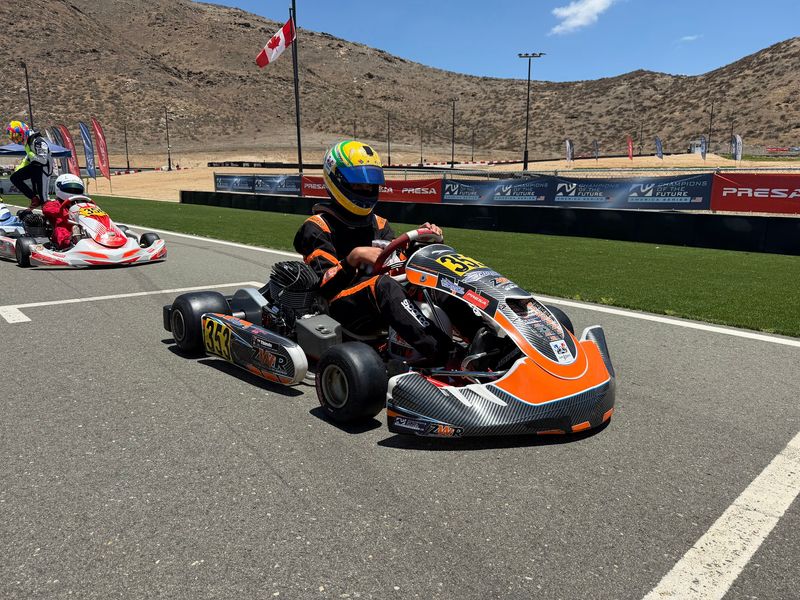
Chasing a faster lap starts with being smooth, not brave. Sudden inputs upset the kart and cost more than they gain.
Master the racing line first. Wide entry, clip the apex, then let the kart run wide on exit.
Brake in a straight line whenever possible. Tires grip better when they are only doing one job at a time.
Roll onto the throttle progressively coming out of turns. Stomping it just makes noise and scrubs the rear tires.
Look far down the track instead of at the pavement in front of you. Your hands follow your eyes more than you realize.
Pick visual cues for braking and turn-in points. A crack in the asphalt or a curb edge works fine.
Spins are lap time killers. One slow, controlled corner beats one dramatic rotation every single time.
Link corners together where the layout allows. Carrying momentum through a sequence pays off more than nailing one turn.
Regulars mention that low 34-second laps are competitive on Silver speed. Newer drivers often start in the 36 to 38 range.
Weekday mornings can be nearly empty, which means clear track. Clean laps without traffic are where real improvement happens.
Ask staff about the trickier corners. Local knowledge shortens the learning curve considerably.
Benefits Of Group Events Competitions
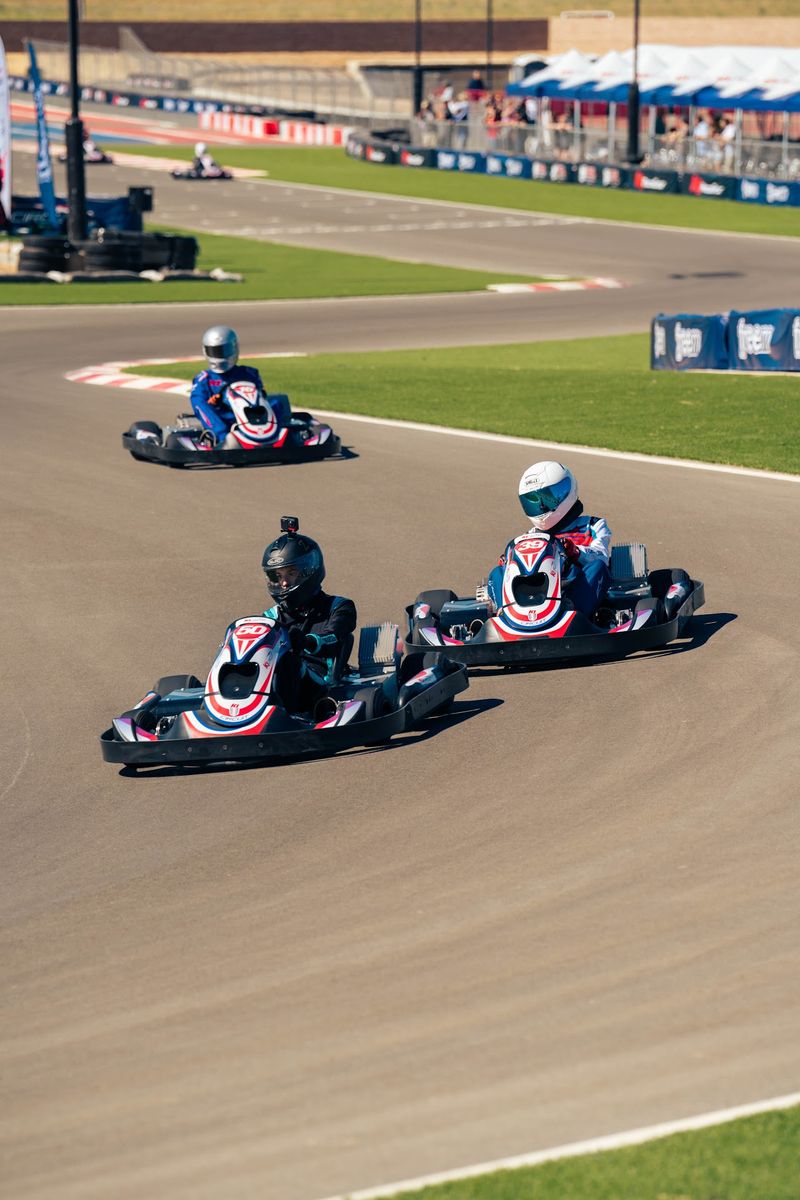
Group bookings come with reserved race times. Your crew gets the session to itself instead of sharing with strangers.
Larger parties can take an entire track section for the day. Having a whole side of the circuit changes the whole vibe.
Private event spaces are available for gatherings. Catering options mean nobody has to run out for food mid-event.
Formats can include a qualifying race followed by a main race for position. Starting order suddenly matters, and people take it seriously.
Medals and trophies go to top finishers. Bragging rights last far longer than the actual race.
Karting works well as an ice-breaker for teams. Coworkers who barely talk end up comparing braking points afterward.
Communication and morale get a boost from shared competition. Everyone starts on equal footing in identical karts.
Focus and concentration get sharpened too. You cannot check your phone at 50 miles per hour.
Birthday parties, graduations, and family outings all fit here. There is a party room plus a restaurant with panoramic track views.
Full facility rentals give exclusive access for bigger occasions. That includes the paddock, grandstands, and event spaces.
Booking ahead is smart, especially for weekends. Demand climbs quickly once the weather turns pleasant.