
8 Delaware Areas With Rising Tick Populations You Should Know About This Summer
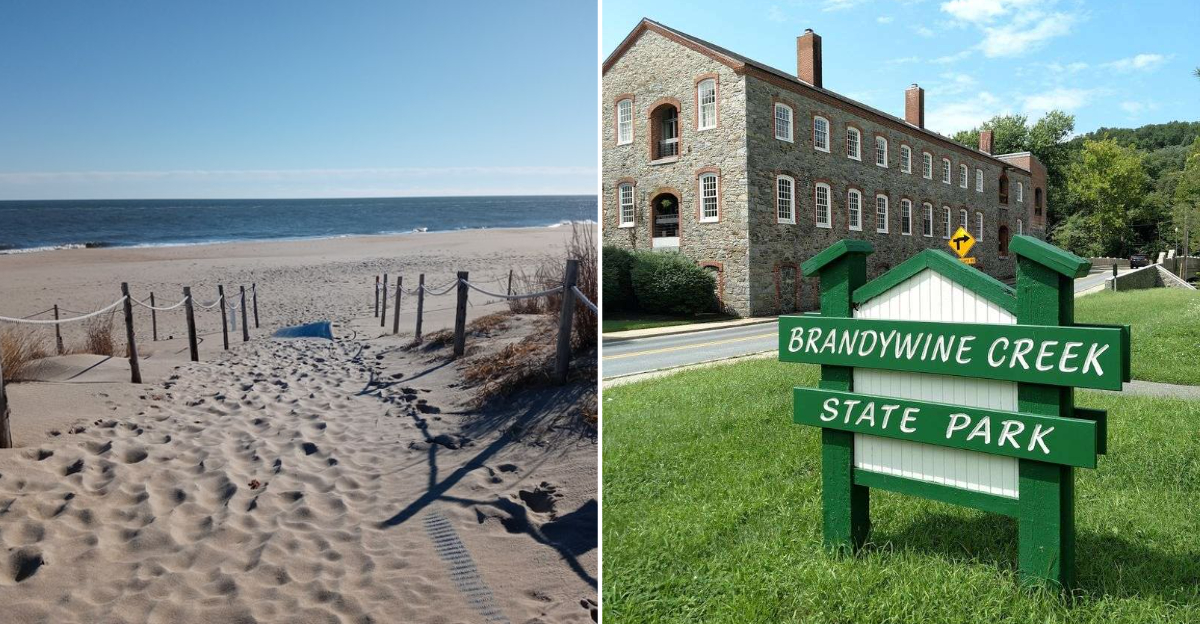
These tiny parasites know how to be unpleasant, and they often spread bacteria and viruses along the way. These Delaware areas have recorded a rise in tick populations this summer.
Health officials tracked higher-than-usual tick numbers across these specific areas compared to previous years. Warmer winters likely played a role, allowing more ticks to survive into the current season.
Wooded trails and tall grass areas tend to see the highest concentrations, especially during peak summer months. Hikers and pet owners report more frequent encounters than in past years, sometimes even in backyards.
Officials recommend checking thoroughly after outdoor activity and using proper repellent as basic precautions. These areas remain worth extra caution as tick activity continues through the rest of summer.
1. White Clay Creek State Park
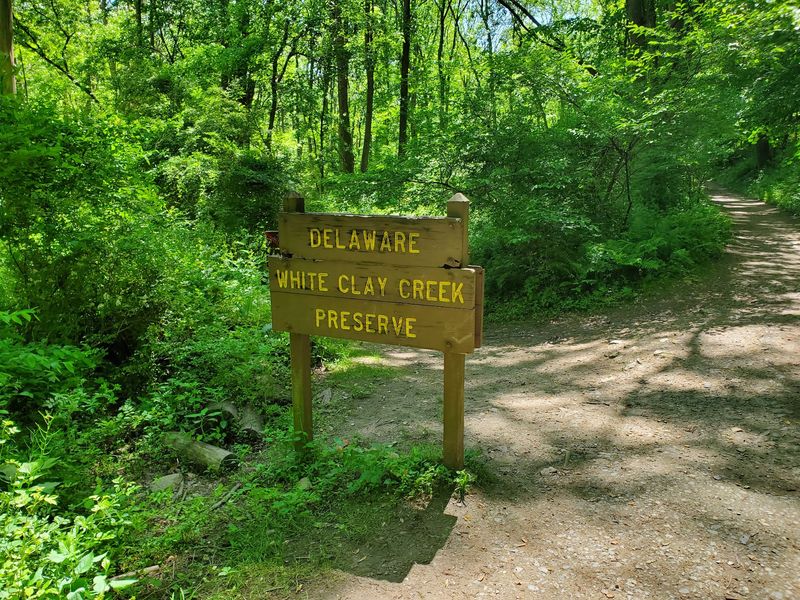
Hikers love White Clay Creek State Park for its 37-plus miles of trails. The forested slopes and creek beds make it one of the prettiest spots in New Castle County.
But those same shaded, leafy corridors are exactly where blacklegged ticks like to hang out.
Blacklegged ticks, also called deer ticks, are the main carriers of Lyme disease. This park has a large deer population, which basically means a built-in buffet for ticks.
More deer means more ticks hitching rides and dropping off along every trail you walk.
Park visitors have reported finding ticks even on paved paths. That is honestly a little alarming.
You do not have to go bushwhacking through dense brush to pick one up here.
White Clay Creek staff actually participate in tick surveillance programs run by DNREC. Researchers use cloth flags to drag along trails and count how many ticks they collect.
The numbers they find are not exactly reassuring for casual visitors.
The park sits right on the Pennsylvania border, giving it that wild Appalachian Piedmont feel. It is beautiful, no question.
Just make sure you wear long pants, use repellent with DEET, and do a full-body tick check when you get back to your car.
Tuck your socks over your pants legs. Yes, it looks silly, but do it anyway.
After your visit, throw your clothes in the dryer on high heat for at least ten minutes. That gets rid of any ticks you might have missed.
White Clay Creek is worth every visit; just go prepared. Find it at 750 Thompson Station Rd, Newark, DE 19711.
2. Bellevue State Park
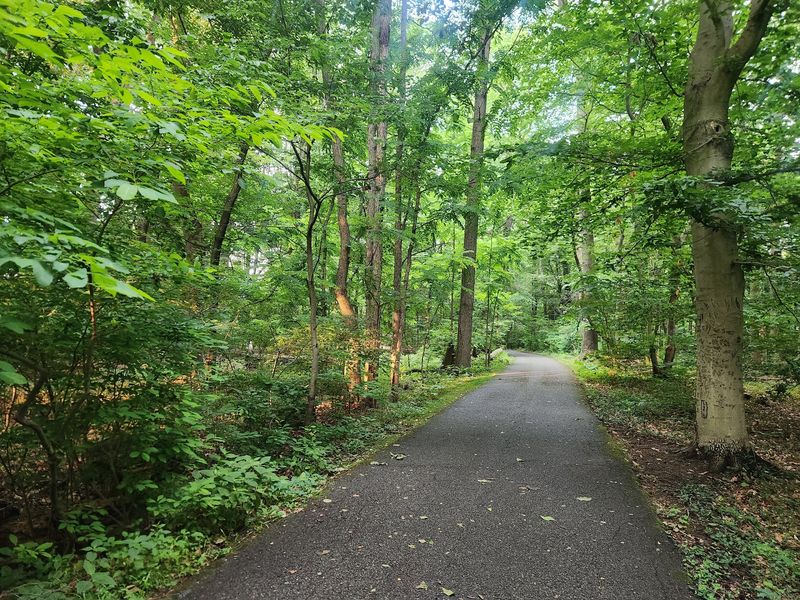
Bellevue State Park used to be a DuPont family estate, and honestly, the place still has that grand, manicured energy. There are formal gardens, rolling lawns, an arboretum, and even horse stables.
It feels more like a countryside retreat than a suburban park.
But tucked behind all that elegance is the Bellevue Woods Nature Preserve. It is a forested stream corridor that ticks absolutely adore.
Shaded, humid, and full of leaf litter, it checks every box on a tick’s wish list.
The park connects to the Northern Delaware Greenway Trail, which winds through wooded and grassy areas. Those transition zones, where forest meets open lawn, are prime tick territory.
Researchers call them “edge habitats,” and they are basically tick highways.
Lone Star ticks are the dominant species in Delaware right now. They are aggressive, they move fast, and unlike deer ticks, they do not wait patiently on a blade of grass.
They actually chase you; A little. Okay, they crawl toward heat and movement, which is creepy enough.
Lone Star ticks can spread ehrlichiosis and a condition called STARI. Neither one is fun to deal with in the middle of summer.
Wearing light-colored clothing helps you spot them before they find skin.
The fitness track around the fishing pond is a popular spot for joggers and walkers. It is mostly open, which is lower risk.
The wooded trails near the preserve are where you want to be extra careful.
Always check behind your knees, around your waist, and in your hair after visiting. Bellevue is beautiful and worth the trip.
Just stay tick-aware. Visit it at 800 Carr Rd, Wilmington, DE 19809.
3. Brandywine Creek State Park
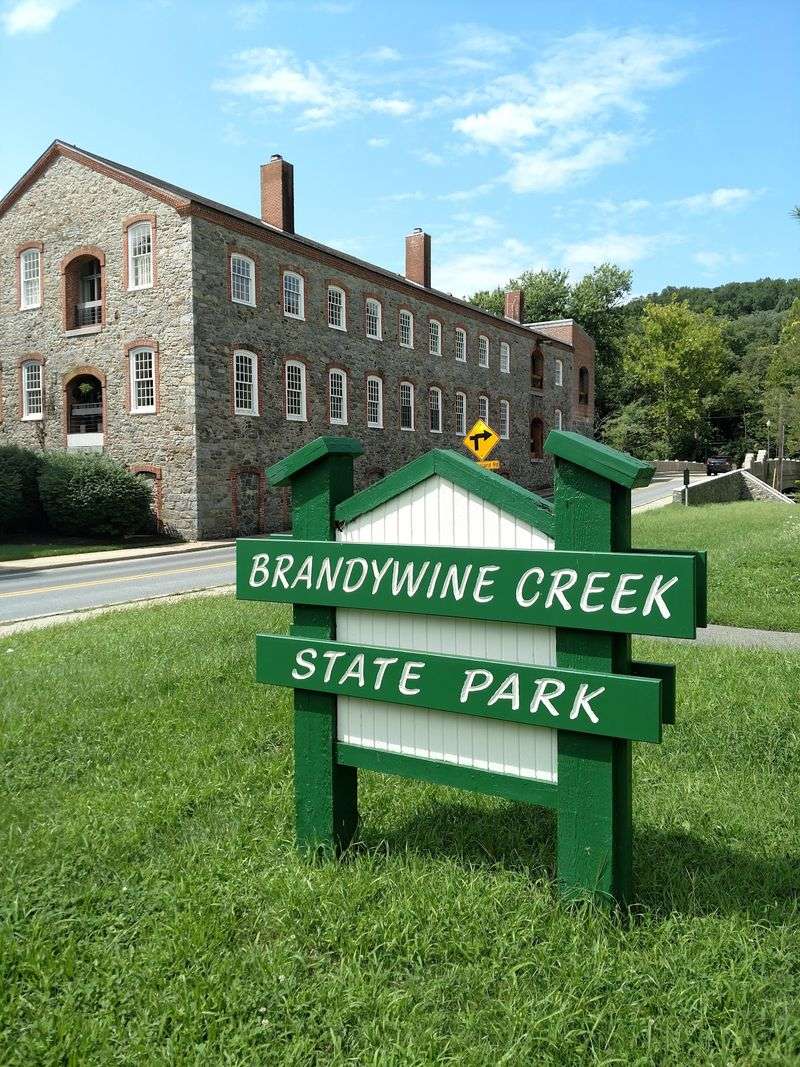
Brandywine Creek State Park is the kind of place that makes you want to slow down and just breathe. Old blue gneiss stone walls zigzag through the property, built by hands long gone.
Tulip Tree Woods is a stand of old-growth trees that genuinely stops people in their tracks.
The park holds Delaware’s first two designated nature preserves. That says a lot about how wild and ecologically rich this place is.
It also says a lot about why ticks thrive here so well.
Freshwater Marsh and the surrounding meadows create a layered habitat. You get forest edges, open fields, and wetland areas all in one park.
Each of those environments supports different tick species, which means your exposure risk is high across the whole property.
Here is a sobering detail worth knowing. College field researchers working in the woods at Brandywine have contracted Lyme disease on the job.
These are people trained to be cautious outdoors. It shows just how dense the tick activity can be here.
The park has over 14 miles of trails for hiking and wildlife watching. Picnickers love the open meadows, and kite flyers show up on breezy days.
Both of those activities involve sitting or lying in grass, which is exactly how ticks find you.
Permethrin-treated clothing is a solid investment if you visit regularly. Spray it on your shoes and pants before you head out.
It repels ticks on contact and stays effective through several washes.
Brandywine is genuinely one of Delaware’s most scenic parks. Go explore it.
Just do not go in unprepared. The address is 41 Adams Dam Rd, Wilmington, DE 19807.
4. Killens Pond State Park
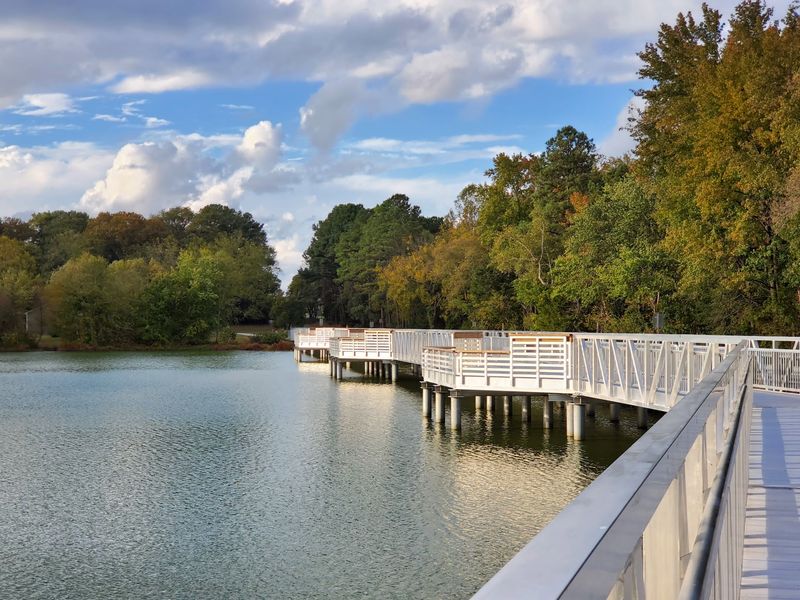
A spot like this is the kind of place families return to every single summer. The 66-acre millpond is gorgeous.
There is a waterpark, a nature center, campgrounds, and a 2.6-mile loop trail that circles the whole pond.
The elevated boardwalk is a fan favorite. It lets you walk above the water and watch wildlife without getting your feet muddy.
But the wooded areas flanking that boardwalk? Those are serious tick zones.
Killens Pond sits in Kent County, and Kent County is known for higher tick densities than New Castle County to the north. Lone Star ticks are especially common here.
They are active from early spring all the way through fall, which basically covers your entire camping season.
The nature center has live exhibits featuring local animals. It is a great educational stop, especially for kids.
While you are in there learning about local wildlife, it is worth asking the staff about current tick activity on the trails.
Camping at Killens is a genuine joy. Wooded campsites feel cozy and private.
But sleeping near dense vegetation overnight means ticks have plenty of time to find their way onto gear, clothing, and sleeping bags.
Check your kids thoroughly every evening before bed. Use a headlamp and go slowly.
Ticks are tiny, especially nymph-stage ticks, which are about the size of a poppy seed. Missing one is very easy.
The pond is also great for fishing. Bass and crappie are popular catches.
Just tuck in your shirt and check yourself when you get back to the picnic table. Killens Pond is worth every visit.
Head to 5025 Killens Pond Rd, Felton, DE 19943.
5. Cape Henlopen State Park
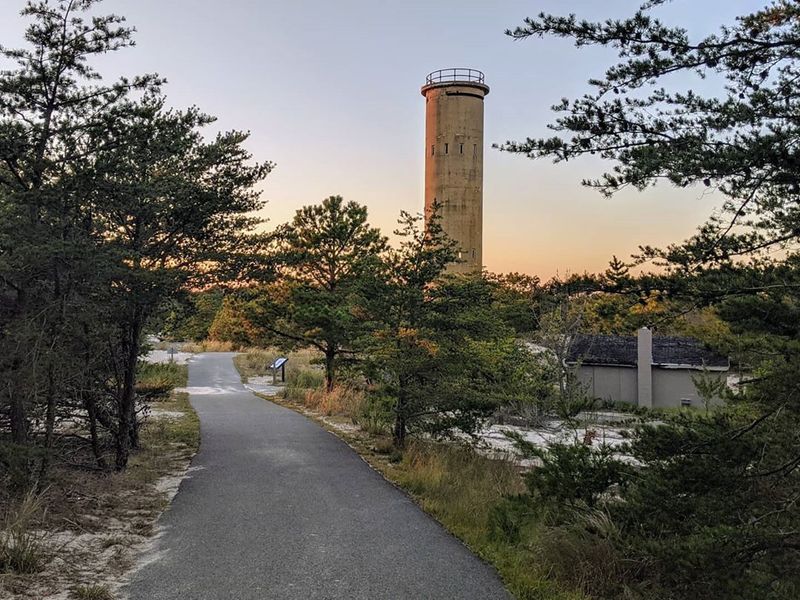
Cape Henlopen is one of Delaware’s crown jewels. Five thousand acres of dune grasslands, maritime forest, open beaches, and bay shoreline.
It is the kind of park that makes you forget you are in a small state on the East Coast.
But here is something most beachgoers do not think about. Coastal edge habitats, where dunes meet shrubby vegetation and forest, are perfect tick environments.
The mix of humidity, shade, and wildlife traffic creates ideal conditions for multiple species.
DNREC tick biologists actually conduct field research specifically at Cape Henlopen. They study tick populations along the Gordons Pond Trail, which is one of the park’s most popular routes for bikers and birdwatchers.
If the scientists are out there collecting ticks with cloth flags, that tells you something.
Lone Star ticks dominate Sussex County, where this park sits. Sussex has the highest Lone Star tick numbers in the entire state.
These ticks are known to cause ehrlichiosis and can trigger a strange red meat allergy called alpha-gal syndrome. Yes, a tick bite can make you allergic to burgers.
That is not a joke.
The Gordons Pond Trail is mostly paved and open, which reduces risk compared to dense forest trails. Still, the brushy edges along the path are exactly where ticks wait.
Staying centered on the trail makes a real difference.
A WWII observation tower still stands in the park. It is a cool piece of history worth seeing.
Just check yourself after exploring the grassy areas around it.
Cape Henlopen is stunning. You should visit it and respect it, but check every inch of yourself thoroughly afterward.
The address is 15099 Cape Henlopen Dr, Lewes, DE 19958.
6. Trap Pond State Park
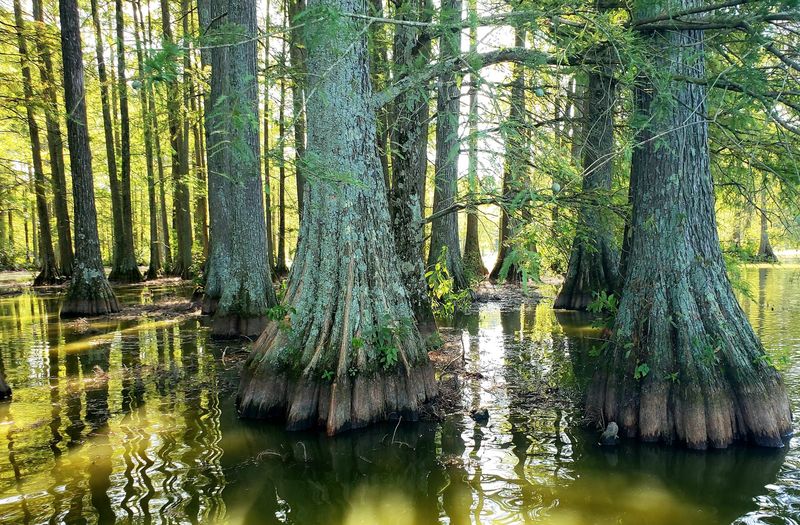
Trap Pond is Delaware’s oldest state park, and it has a personality unlike anything else in the state. Ancient bald cypress trees rise straight out of the water like something from a Southern bayou.
Kayaking through them feels genuinely surreal.
That swampy, humid atmosphere is part of what makes Trap Pond so magical. Unfortunately, it is also exactly what ticks love most.
Humidity is their best friend. The dense tree canopy keeps moisture locked in, and the ground stays damp even on hot days.
Lone Star ticks are especially active here. They are known to be abundant in Sussex County, where Trap Pond is located.
Unlike some ticks that only climb vegetation and wait, Lone Stars actively quest for hosts. They sense carbon dioxide and body heat and move toward it.
Hiking trails wind through cypress swamps and mixed woodlands. The atmosphere is moody and beautiful.
It is also the kind of terrain where you brush against vegetation constantly, which is exactly how ticks transfer to skin or clothing.
Camping here is popular and peaceful. The sounds of frogs and water birds at night are worth every minute.
But camping in a humid, wooded environment means tick exposure is higher than at a typical campsite.
Shake out your gear before packing up. Check your tent, sleeping bags, and backpacks carefully.
Ticks can hide in fabric folds for hours without being spotted.
Trap Pond is genuinely one of Delaware’s most unique natural spaces. The cypress trees alone are worth the drive.
Go see them. Wear repellent, check yourself thoroughly, and enjoy every gorgeous minute of it.
Find it at 33587 Bald Cypress Ln, Laurel, DE 19956.
7. Redden State Forest
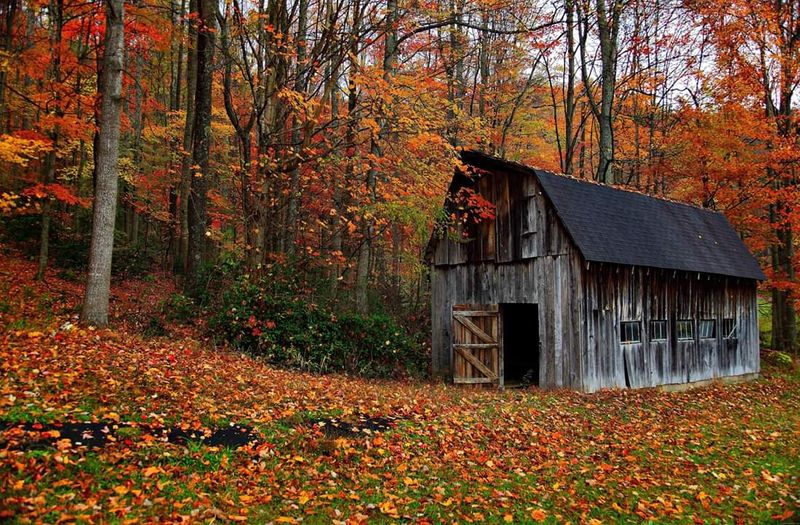
About 14,000 acres of loblolly pine and mixed hardwood trees sprawling across Sussex County. It is Delaware’s largest contiguous forest, and it feels like it.
You can walk for miles without seeing another person.
Locals call it serious deer country, and that reputation is well earned. A high deer population means a constant, reliable source of tick hosts moving through every corner of the forest.
More deer traffic equals more ticks dropped along every trail and meadow edge.
Sussex County has the highest Lone Star tick population in Delaware. Redden sits squarely in that zone.
Lone Star ticks are active from spring through late fall, and they show up in every habitat type the forest offers: pine stands, hardwood groves, swampy areas, and open meadows.
Over 44 miles of trails invite hikers and horseback riders. The Headquarters Tract loop is about four miles and passes through a variety of terrain types.
Each habitat transition is another tick hotspot to navigate carefully.
Horseback riders face a specific challenge here. Horses can carry ticks back to stables, and riders often brush against vegetation at a height that exposes their legs and arms to questing ticks on shrubs.
Checking your horse after a ride matters just as much as checking yourself.
The forest is genuinely spectacular in summer. Shafts of light cut through the pine canopy and the air smells incredible.
Wildlife sightings are common and rewarding.
Just make tick prevention part of your routine before entering. Treat your boots, check your waistband, and scan your scalp when you get home.
Redden rewards the prepared visitor. Find this place located at 18074 Redden Forest Dr, Georgetown, DE 19947.
8. Fenwick Island State Park
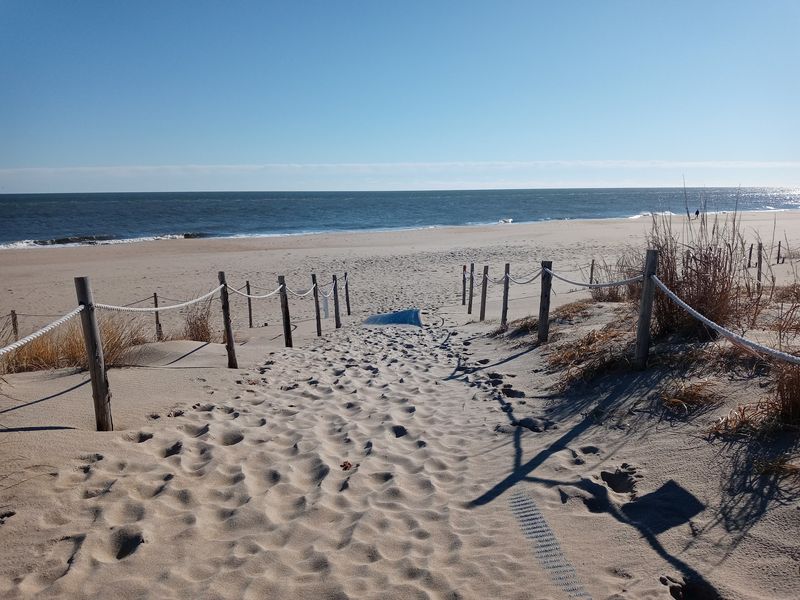
Fenwick Island State Park is a three-mile barrier island sandwiched between the Atlantic Ocean and Little Assawoman Bay. Ocean on one side, bay on the other.
Surfers, swimmers, fishermen, and families all claim their own piece of it.
Most people think beach equals no ticks. That is a reasonable assumption, and for the wide open sandy beach itself, it mostly holds true.
But the edges of barrier islands are a different story entirely.
Coastal shrub zones and dune grass areas along the bay side create edge habitats that can absolutely harbor ticks. The transition from open sand to vegetation is where risk increases.
Those grassy, brushy patches between the parking area and the shoreline deserve a second look before you sit down.
Crabbing and clamming on the bay side are popular activities. People wade through shallow water and brush through bay-side vegetation regularly.
That kind of movement through shoreline plants is exactly how ticks hitch rides on unsuspecting visitors.
A historic WWII concrete observation tower still stands at the park. It is a cool relic that draws curious visitors every summer.
The grassy areas around historic structures like that one can harbor ticks, so watch where you step when you go exploring.
Fenwick is known for stunning sunsets over the bay. People camp out on the shore just to catch the colors.
It is genuinely one of Delaware’s most scenic coastal experiences.
Apply repellent before walking through any vegetated areas, even short grass. Shake out towels and beach gear before loading them into your car.
Fenwick Island is a beautiful end to any Delaware summer day. Just stay aware of your surroundings.
The address is DE-1, Fenwick Island, DE 19944.