
Pennsylvania Harbor Town Wakes Up To A Major Development Fight
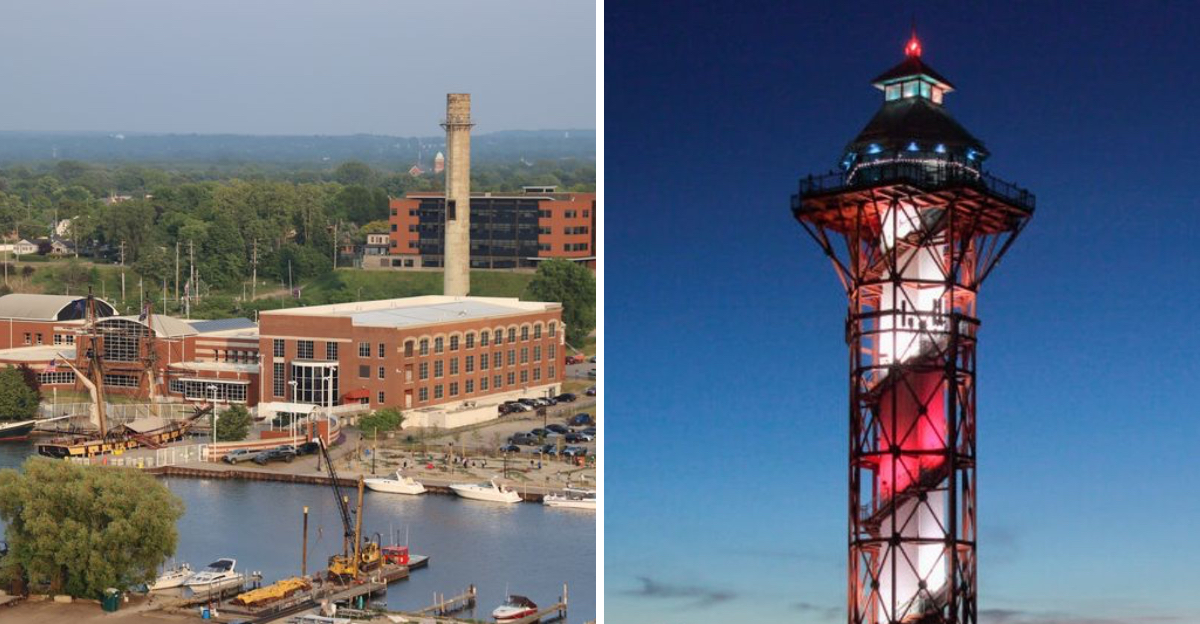
Cranes rise beside blue water, ship masts catch the breeze, and a major development fight is reshaping the waterfront. Pennsylvania feels especially alive here, where ambitious plans meet a shoreline locals fiercely care about.
A proposed market house, a sweeping parkway project, and new waterfront development are all pushing the conversation forward. Pennsylvania is watching as residents, officials, and developers debate what belongs beside the bay and what should stay untouched.
Add sandy beaches, maritime landmarks, scenic paths, and a peninsula stretching into Lake Erie, and the picture gets even more tempting. Come for the views, stay curious about the changes, and you will find a waterfront story unfolding in real time, with plenty of character between the big construction headlines.
The Bayfront’s Shifting Tides
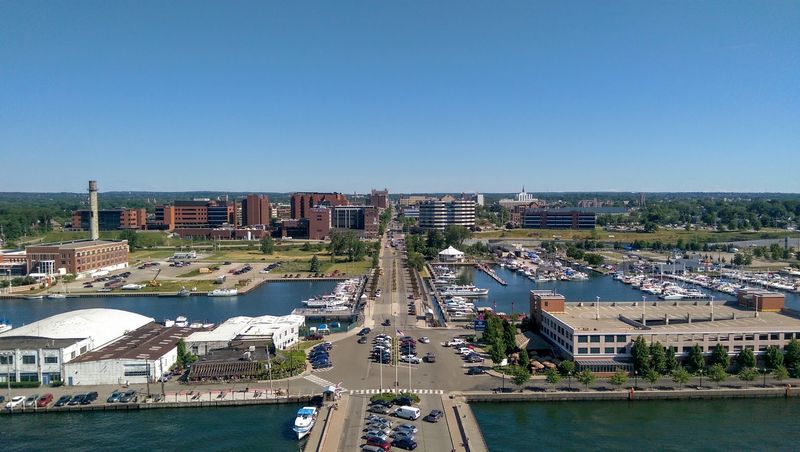
Change arrived by water, then by bulldozer. Erie’s harbor has worked for centuries, and it is working overtime now.
The Erie-Western Pennsylvania Port Authority has pushed waterfront revitalization for decades. Shipping, shipbuilding, and industrial sites sit close to marinas and public walkways.
That mix explains most of the friction. Officials see location, jobs, and visitors.
Longtime residents see views, quiet, and habits they would rather keep.
Modern buildings rise beside maritime landmarks, so questions about scale come up often. Will new structures crowd the shoreline character?
Will benefits reach neighborhoods away from the water?
Nobody has a tidy answer yet, and that uncertainty keeps meeting rooms full.
For visitors, the practical takeaway is simple. Expect detours, fencing, and fresh pavement in stretches near the bay.
Also expect the payoff already in place, including public access paths where walking, jogging, and fishing are allowed.
Come early in the day if photographs matter to you. Morning light on the bay flatters everything, even a half-finished foundation.
A Marketplace Of Dreams And Debate
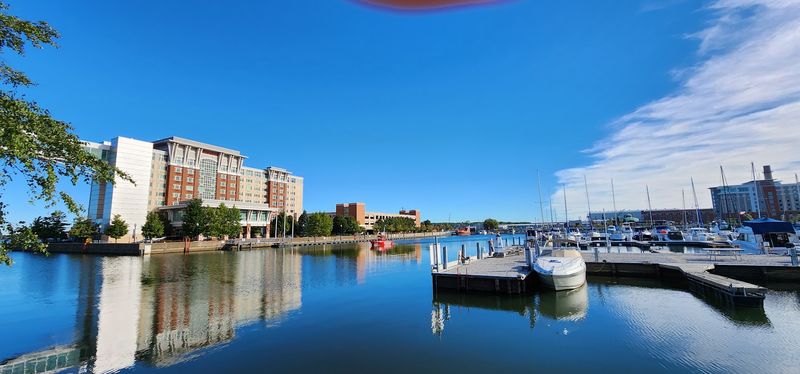
One building sparked more debate than a dozen ordinary projects. The proposed Bayfront Market House became the talk of the town.
Plans describe a year-round destination with local shops, food vendors, entertainment, and community space. Reported cost sits around fourteen million dollars.
The site is the former JF property, on West Bayfront Parkway near the Bayfront Convention Center, in Erie, Pennsylvania.
Approval did not come easily. City Council rejected a key zoning request first, voting four to two against it.
Council members questioned public benefit and asked whether ordinary residents would truly gain.
Developers with Erie Events then clarified their standing as a governmental authority rather than a non-profit, and affirmed they pay taxes.
Persistence worked. Council later approved the project unanimously, clearing the way forward.
Reports point to construction beginning in 2026 with completion projected for late 2027, though timelines can shift.
Curious travelers should treat the site as a preview stop. Watching a market house take shape has its own strange charm.
The Parkway Predicament
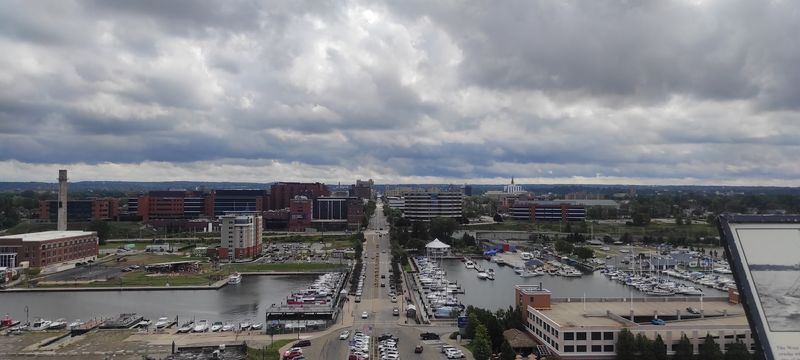
Roads rarely make headlines. This one did, repeatedly.
The Bayfront Parkway Improvement Project aims to rebuild a major waterfront route, with reported costs above one hundred sixty-two million dollars.
Designs include dual-lane roundabouts at the Sassafras Street Extension and Holland Street. A grade-separated intersection at State Street appears in plans too.
Sidewalk and crosswalk upgrades run through the corridor. Supporters say the work eases congestion and reconnects downtown with the harbor.
The Bayfront Parkway project has also faced federal legal challenges over its environmental and transportation impacts, while construction is now underway and is expected to continue through 2027.
Their filings allege violations of environmental and highway laws. Critics argue the design favors cars over people on foot and on bikes.
They also warn that historically Black neighborhoods could be further divided, and that air and water quality deserve fuller study.
Earlier legal challenges included a request for a preliminary injunction seeking to pause the project, but construction is now underway along the Bayfront Parkway.
Visitors driving here should check current traffic patterns before arriving. Conditions along the parkway keep evolving.
Harboring Grand Designs
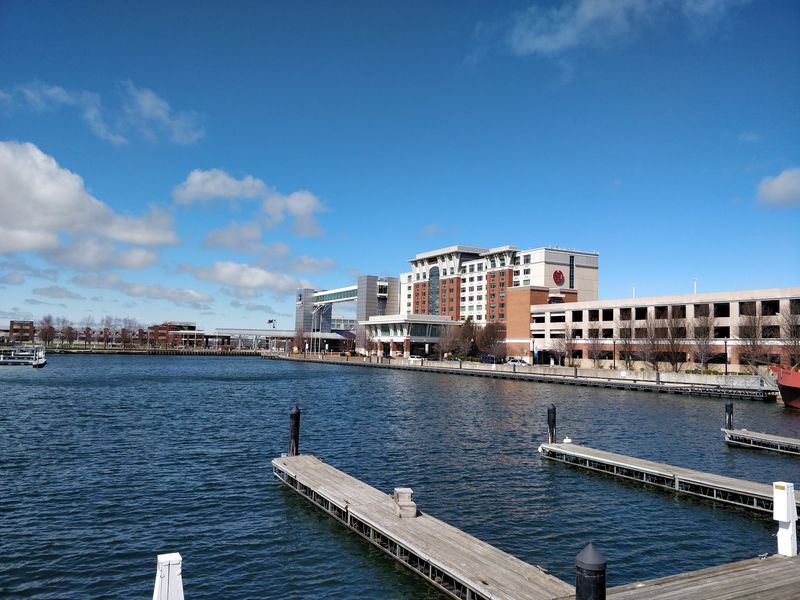
Twelve acres, one very long wish list. Harbor Place occupies the northeast corner of State Street and the Bayfront Parkway.
Scott Enterprises leads the multi-phase, mixed-use plan. Concepts include corporate offices, hotels, retail, parking structures, and residences.
An outdoor ice-skating rink also appears in the long-term vision, which sounds delightful during a lake-effect winter.
Phase One is finished. A Hampton Inn & Suites opened on the bayfront, followed by a rooftop restaurant with harbor views.
A beer garden addition came later, adding outdoor seating to the mix.
Phase Two is planned around an AC Hotel by Marriott Erie Bayfront, with a rooftop dining venue overlooking Presque Isle Bay.
Estimated implementation cost for the wider development reportedly exceeds one hundred fifty million dollars.
Travelers get the clearest benefit here, since waterfront rooms remain limited in this part of Pennsylvania.
Book ahead during summer weekends. Beach season fills lodging faster than most first-time visitors expect.
Public Access Versus Private Investment
Who owns the view? That question drives half the arguments in town.
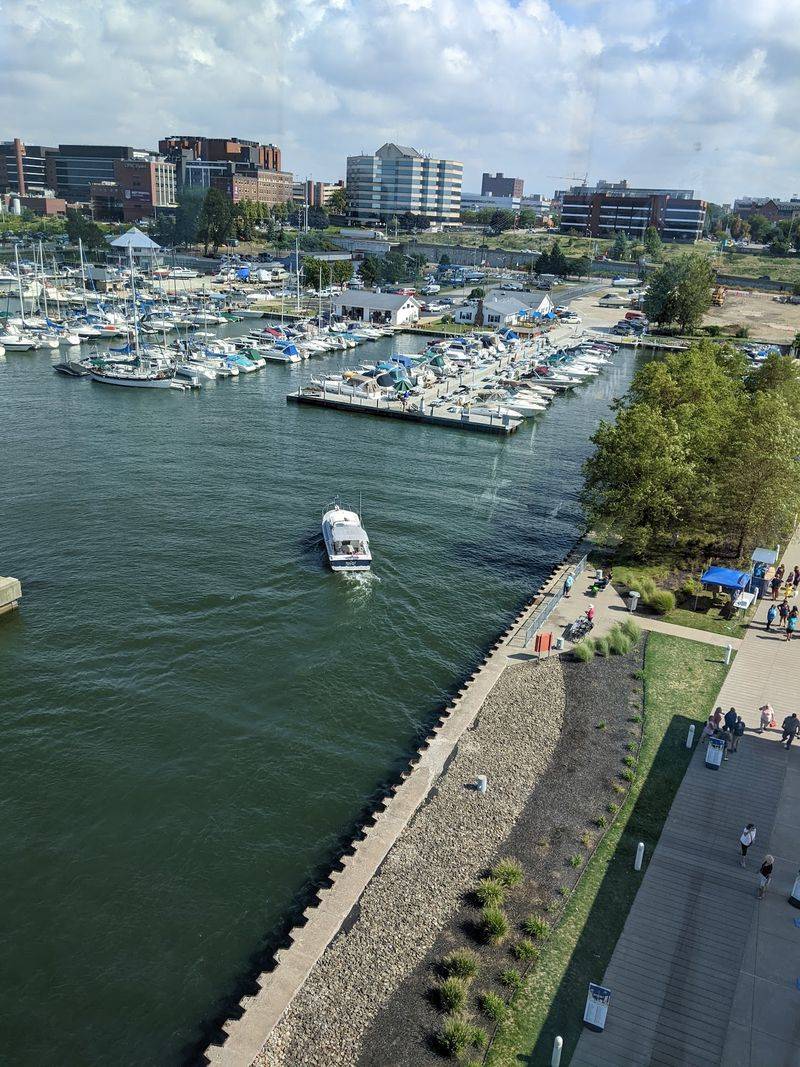
City rules require free public access ways along the water’s edge for walking, jogging, and fishing. The current waterfront zoning ordinance dates to 1988.
Residents treat that guarantee as non-negotiable. Their attachment to Presque Isle Bay runs deep and generational.
Developers see costs without direct returns. Paths, railings, and open space rarely pay for themselves.
Public-private partnerships often bridge that gap, which is why officials keep returning to them.
Gaps still exist in the system. The ordinance addresses shoreline access more than connections to blocks farther inland.
So a walker can reach the water in some spots yet struggle to get there from downtown.
Practical tip for visitors: look for signed access ways between buildings. Several lead to quiet piers where anglers cast for hours.
Bring a folding chair and patience. The bay rewards people who stop moving for a while.
Money, Jobs, And Tourism Math
Follow the money and the debate makes more sense. Economic hope fuels nearly every bayfront proposal.
City leaders describe these projects as catalysts for tourism, jobs, and new revenue. Hotels, restaurants, and entertainment venues capture spending that once passed through.
The market house pitch leans on year-round appeal, drawing locals in February as well as tourists in July.
Large developments also mean construction work first, then hospitality and retail roles later.
Ripple effects reach shops and services well beyond the shoreline, according to supporters.
Manufacturing matters here too. Project RESOLVE focuses on advanced manufacturing, nudging plastics and metal-casting industries toward circular models.
Regional expertise, including Penn State Behrend, factors into that strategy. Environmental measurement sits alongside competitiveness goals.
Visitors can support the local economy easily. Independent shops, bakeries, and diners cluster near downtown and along Peach Street corridors.
Spend an afternoon off the waterfront. Neighborhood businesses often reveal the character that big projects are trying to package.
Community Voices Rise
Loud rooms mean healthy towns. Erie’s council hearings prove it.
Residents show up to question traffic, green space, shoreline access, and neighborhood effects. That feedback has changed outcomes.
The initial rejection of the market house zoning request showed real influence from public pressure.
Advocacy groups add weight. The NAACP Erie Unit and PennFuture pressed a legal challenge to the parkway design, forcing closer review.
Their arguments center on environmental justice and whether improvements serve every neighborhood equally.
Collaboration also has a name here. The One Bayfront initiative gathers residents to help build a shared blueprint for the waterfront.
Organizers evaluate opportunities and challenges together rather than reacting to finished plans.
Travelers interested in civic life can sit in on public meetings, which are usually open and surprisingly engaging.
Listening for twenty minutes teaches more about this Pennsylvania city than any brochure. Locals speak plainly about what they want their harbor to become.
The Promise Of Presque Isle Bay
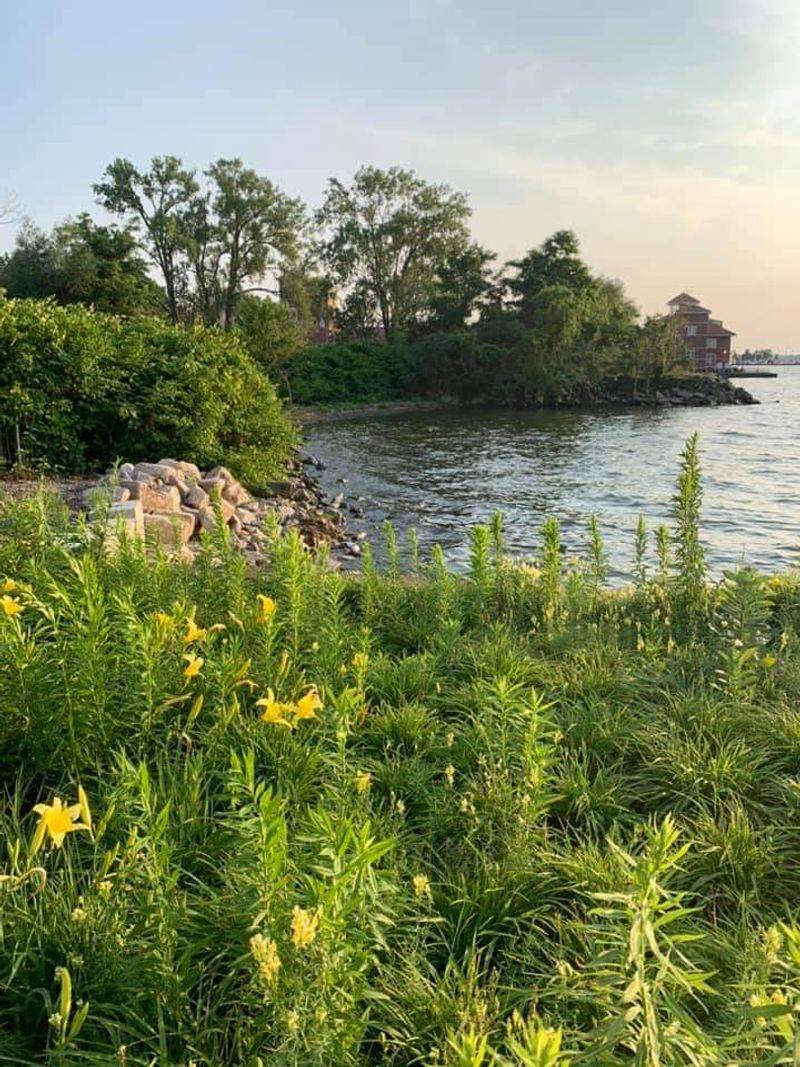
Beaches, trails, and a curving sand peninsula. That is the prize everyone keeps mentioning.
Presque Isle State Park wraps protectively around Presque Isle Bay, sheltering the harbor from open Lake Erie.
Millions of visitors come annually for swimming, hiking, birding, and paddling. Wildlife habitat covers much of the peninsula.
Water quality history explains local caution. The watershed once carried contamination from industrial and private wastewater sources.
Urban runoff and combined sewer overflows added pressure. Restoration work has continued for years.
That backstory shapes how residents judge new construction. Anything near the shoreline gets extra scrutiny, and reasonably so.
Practical planning helps here. Weekend beach parking fills fast in midsummer, so arriving early saves frustration.
Spring and fall bring quieter trails, migrating birds, and cooler air for cycling the multi-purpose path.
Nearby attractions round out a day, including the Erie Maritime Museum and the Erie Art Museum downtown.
The bay stays the anchor of it all. Protecting it remains the one point almost nobody disputes.
Charting What Comes Next
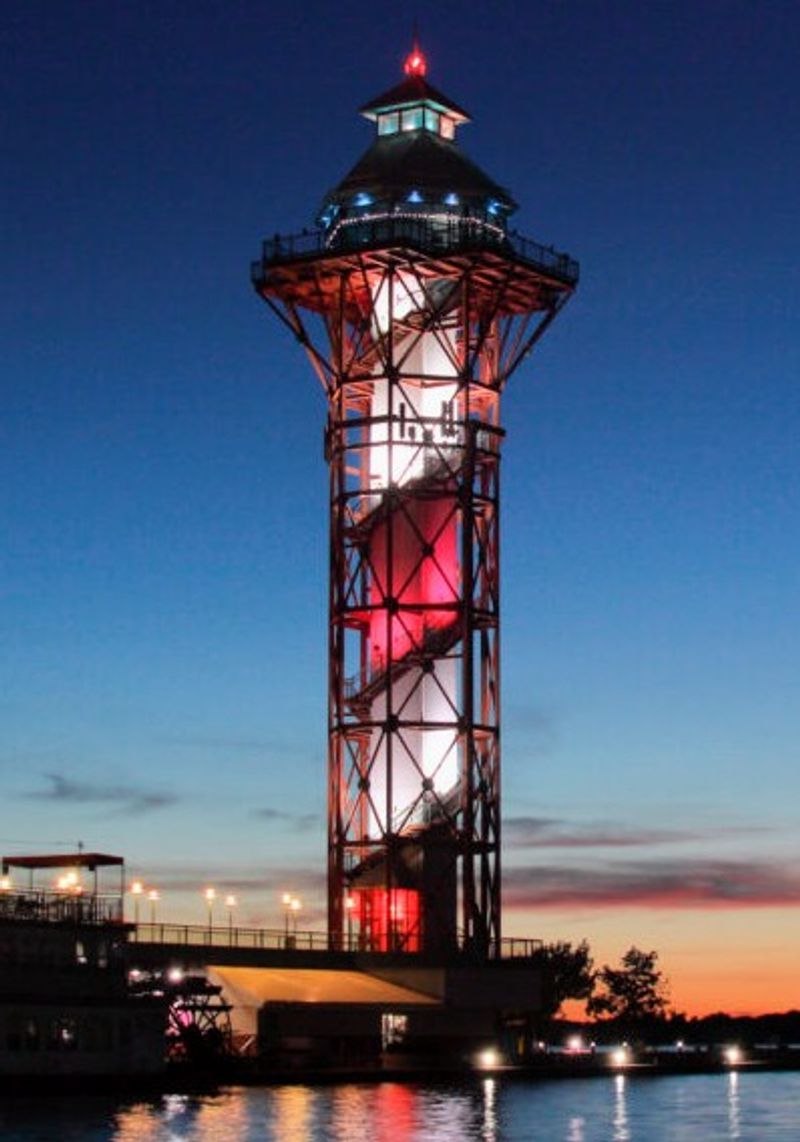
Blueprints beat guesswork. Erie seems to have learned that lesson the hard way.
The One Bayfront effort is assembling a waterfront blueprint with technical analysis, market research, and community feedback.
Reports indicate the final blueprint and implementation roadmap will be shared during winter 2026-2027.
Goals include balancing economic development with environmental protection while keeping public access central.
Whether every group accepts the result remains unclear, and organizers do not pretend otherwise.
Innovation runs parallel. Project RESOLVE aims to move regional industry toward sustainability, with lake water and air quality measurement included.
Ambitions reach toward leadership in advanced manufacturing and reduced plastic waste.
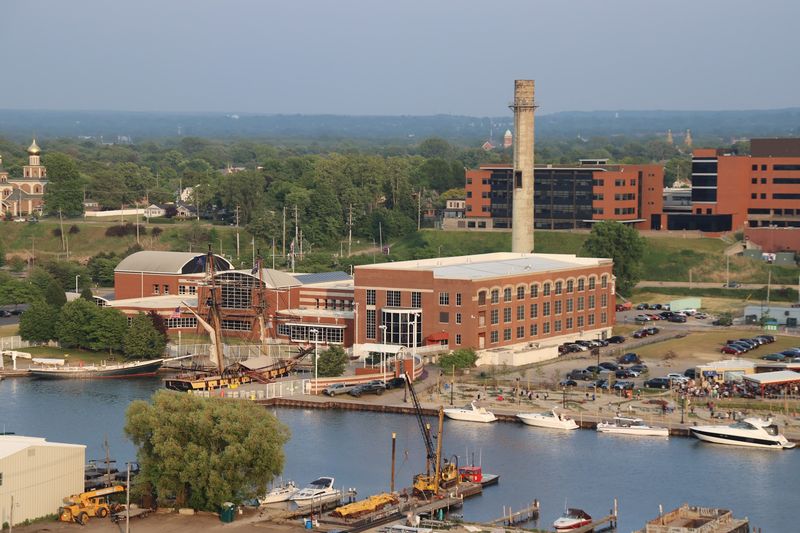
Meanwhile the harbor keeps doing harbor things. Boats leave slips, the US Brig Niagara rests at its home port, and the sun drops behind the peninsula.
Visitors get a rare chance to watch a city argue, build, and reinvent itself in real time.
Return in a few years. The shoreline will likely tell a different story, shaped by the voices arguing over it today.