
This Massive Indoor Mississippi Museum Is Packed With Strange Curiosities
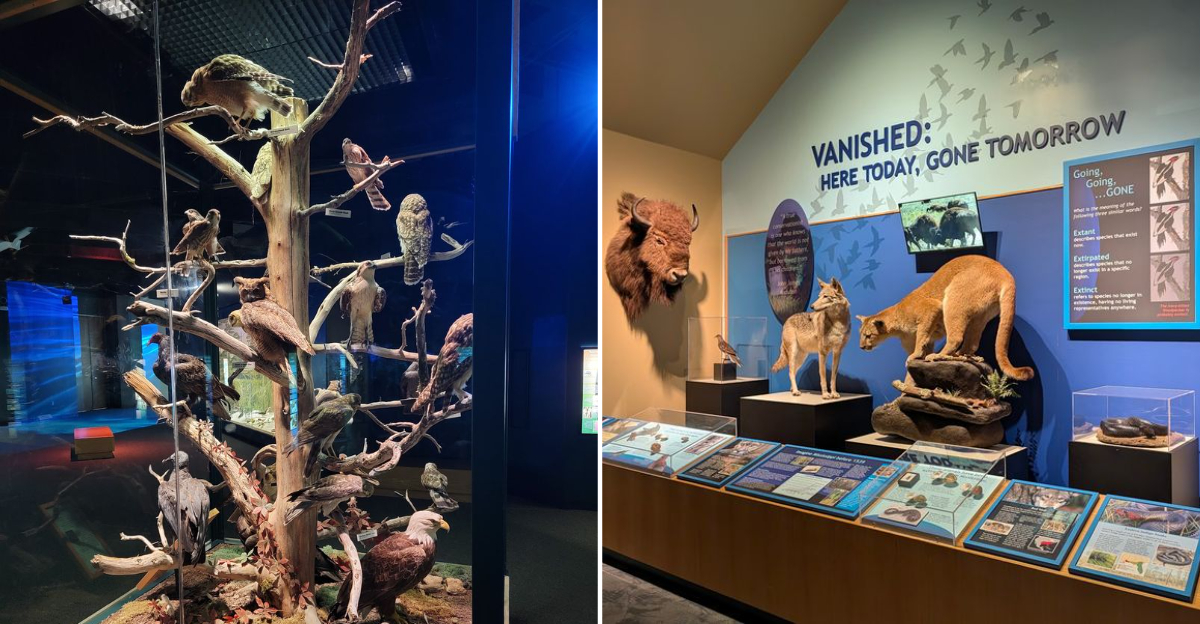
If you’re into documentaries, into reptiles, or just anything out of the ordinary, this Mississippi museum will genuinely blow you away. Exhibits here range from bizarre historical artifacts to oddities most visitors have never encountered anywhere else.
Nothing about the collection feels curated for typical museum expectations. Rooms branch off into sections most first time visitors don’t expect to find inside.
Regulars treat repeat visits as necessary, since one trip rarely covers everything on display. Staff share context behind specific pieces, adding depth beyond just walking past glass cases.
Families often lose track of time completely once they start exploring deeper into the building. This museum proved that sometimes the strangest attractions make for the most memorable visits.
Unusual Specimens And Their Origins
Over one million specimens call this museum home. That number is not a typo.
The collections here include Mississippi vertebrate animals and freshwater mussels, and they are the largest reference collections of their kind anywhere.
A saber-toothed cat heel bone was recently found right here in Mississippi. Researchers confirmed the identification by comparing it to the museum’s osteological collection.
That kind of real scientific detective work happens here regularly.
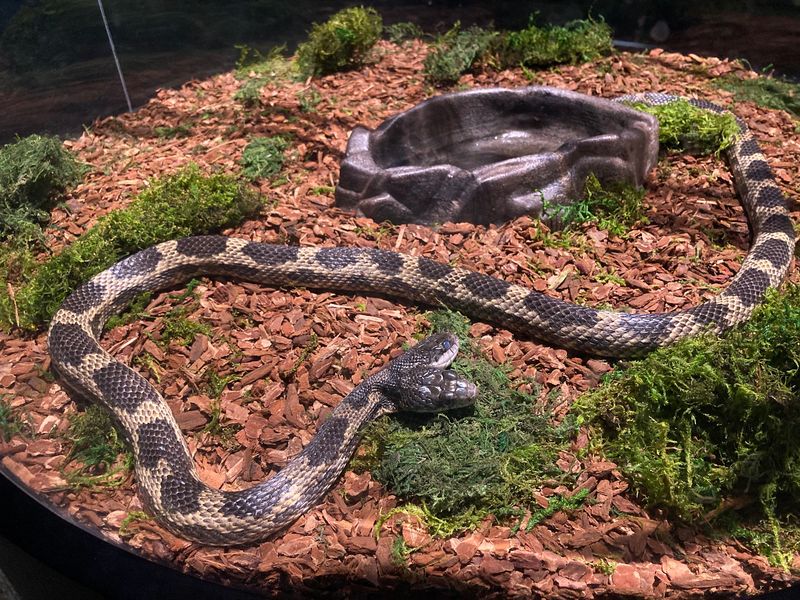
One of the most talked-about residents is a live two-headed rat snake. Both heads eat and drink independently.
The right head tends to take the lead when moving, which is both fascinating and slightly unsettling in the best way.
A temporary exhibit called “Giants of the Ice Age” brings robotic prehistoric creatures to life. A towering woolly mammoth and a ferocious short-faced bear are among the highlights.
These animatronic animals make the ancient world feel surprisingly close.
The museum is located at 2148 Riverside Dr, Jackson, MS 39202. Plan to spend more time here than you think you will need.
There is always one more strange and wonderful thing around the corner.
Interactive Displays That Engage Visitors
The centerpiece of the museum is a 100,000-gallon aquarium network. It holds over 200 native species, including massive catfish, prehistoric-looking snapping turtles, and creatures from the Pearl River and Mississippi Sound.
Watching a diver feed the fish is genuinely exciting for all ages.
Right next to the aquarium is “The Swamp,” a 1,700-square-foot greenhouse. Live alligators, turtles, and fish share this space with real wetland plants.
Natural light filters through the ceiling, making it feel like an actual Louisiana bayou somehow relocated to Jackson.
Kids absolutely lose their minds over the Preschool Discovery Room. Colorful murals cover the walls, and a giant treehouse slide sits in the middle.
It is playful, educational, and chaotic in all the right ways.
Outside, a dinosaur trail features large three-dimensional dinosaur models spread across the grounds. Temporary animatronic dinosaur exhibits have also made appearances here.
The “Bird Flight” exhibit inside explains how birds actually achieve lift and navigate air currents.
Every corner of this museum has something hands-on waiting. Nothing feels like a passive experience.
Visitors of every age walk away having touched, watched, or interacted with something genuinely memorable from Mississippi’s natural world.
Historic Artifacts And Their Stories
Fannye Cook founded this museum back in 1932. She was a biologist, a conservation pioneer, and honestly one of the most underrated figures in Mississippi history.
Cook wrote the state’s very first game laws, which helped protect wildlife for generations.
Her original specimen collections became the foundation of everything the museum holds today. Without her work, over a million biological specimens might never have been preserved.
That is a legacy worth understanding and appreciating.
The museum actually has her original office on display as an exhibit. Walking past it gives you a real sense of the era when conservation biology was just getting started in the American South.
It is a quiet but powerful moment inside an otherwise busy museum.
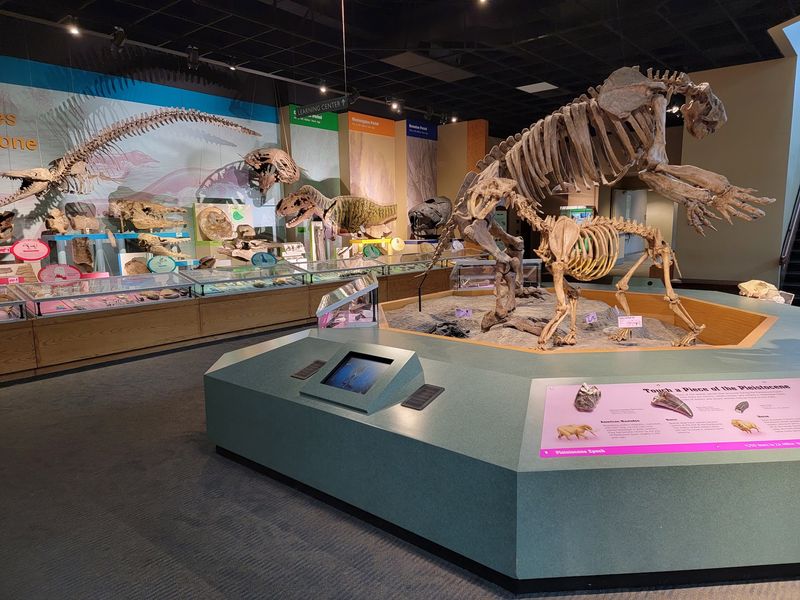
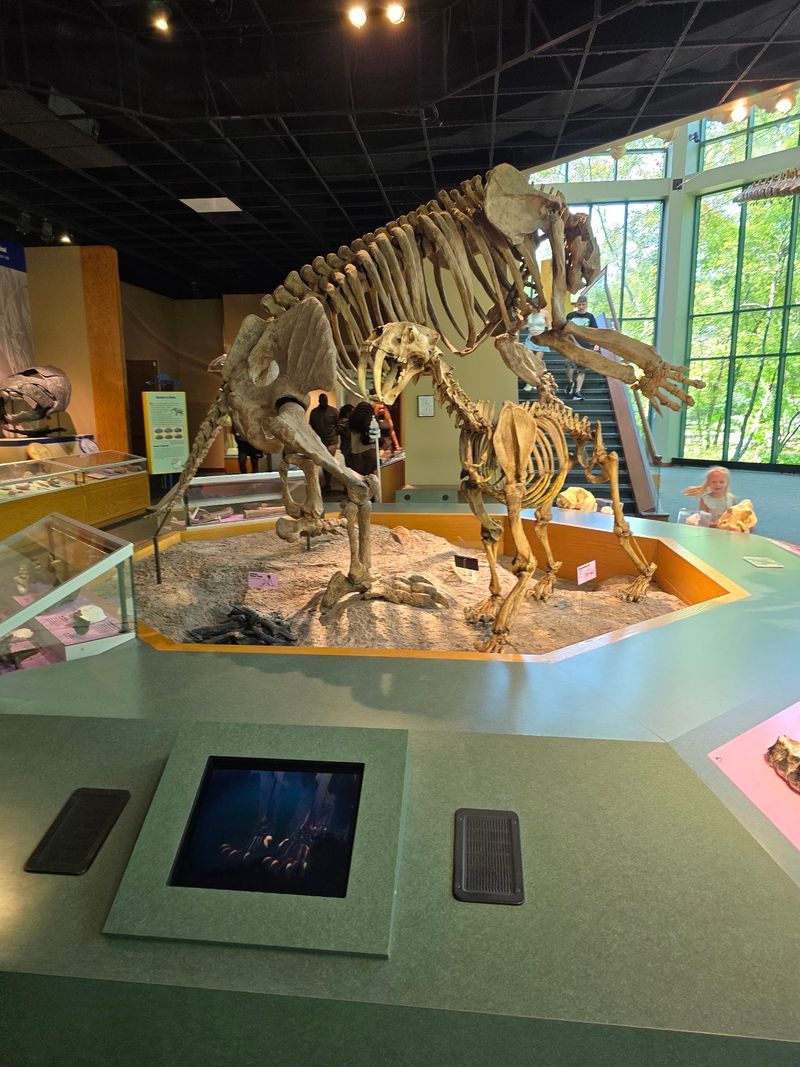
A fossil wall showcases ancient specimens from Mississippi’s deep past. A giant sloth skeleton and a massive Mosasaurus are among the standout pieces.
These fossils connect modern visitors to creatures that lived millions of years before humans arrived.
Cook’s WPA-era project established the collections that researchers still use today. Her influence is everywhere in this building, even when her name is not on the wall.
History here is not just displayed; it is lived in by every scientist who works on-site.
Educational Programs For All Ages
The museum runs educational programs that reach every corner of Mississippi. Outreach efforts cover all 82 counties in the state.
That kind of commitment to public education is rare and genuinely impressive for a state-funded institution.
Field trips are a regular part of the museum’s calendar. Schools bring students here to learn about ecosystems, fossils, and native wildlife in a hands-on setting.
Teachers can also attend workshops focused on conservation and environmental education.
Summer camps give kids an immersive experience beyond the school year. Overnight sleepovers inside the museum are offered too.
Imagine spending a night surrounded by alligators, fish tanks, and dinosaur bones. That is a story kids will tell for years.
The Preschool Discovery Room hosts story times and smaller group events for the youngest visitors. These programs are designed to build early curiosity about the natural world.
Starting that connection young makes a real difference in how people relate to nature later in life.
Adults are not left out either. Lectures, conservation talks, and community events keep the museum active beyond school hours.
Learning here does not stop when you graduate. It continues every time you walk through the front doors, regardless of your age.
Conservation Efforts To Protect Wonders
Conservation is not just a buzzword here. It is the entire reason the museum exists.
Since the 1930s, this institution has worked to monitor, document, and protect Mississippi’s native biodiversity in meaningful and measurable ways.
The research team actively tracks the state’s fish and wildlife populations. Their data helps inform policy decisions at the state level.
Without this ongoing monitoring, many species could decline without anyone noticing until it is far too late.
Founder Fannye Cook pioneered conservation biology in Mississippi during a time when very few people were paying attention to it. She made the case that preserving natural specimens and studying wildlife was serious scientific work.
That philosophy is still the engine driving everything the museum does.
The museum partners with community groups for park cleanup and habitat restoration efforts. These collaborations extend conservation work beyond the museum walls and into the broader ecosystem.
Getting communities involved builds a culture of environmental care that lasts longer than any single program.
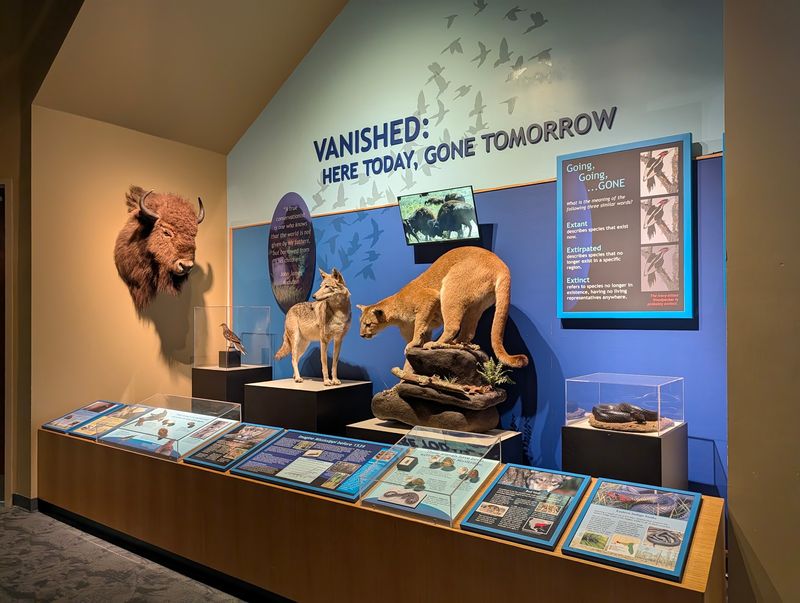
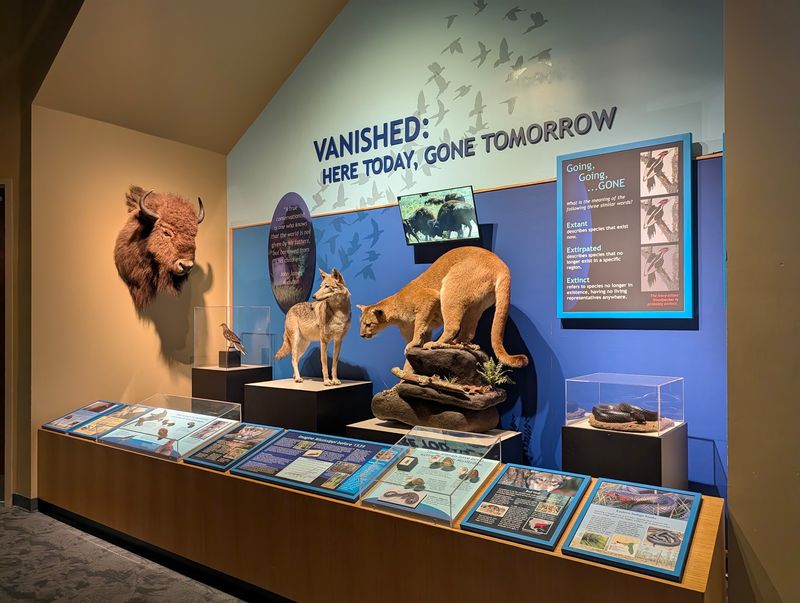
Preventing species extinction requires consistent, long-term effort. The museum understands that.
Its research collections serve as a biological baseline, allowing scientists to compare past and present populations. That kind of data is irreplaceable once it is lost, which is exactly why the museum works so hard to keep it safe.
Detailed Exhibits On Regional Wildlife
Mississippi has one of the most diverse ecosystems in the entire American South. The museum captures that diversity across multiple exhibit floors.
Each section is organized by region of the state, so the geography actually makes sense as you move through the space.
The 100,000-gallon aquarium holds creatures from the Mississippi Sound, the Pearl River, and freshwater habitats across the state. Native catfish, gar, and snapping turtles share the water.
Watching them move through their tanks is oddly calming and endlessly watchable.
“The Swamp” greenhouse exhibit brings the wetlands indoors. Live alligators lounge under natural light alongside turtles and fish.
The plants surrounding them are real too, creating a genuinely immersive environment that photographs cannot fully capture.
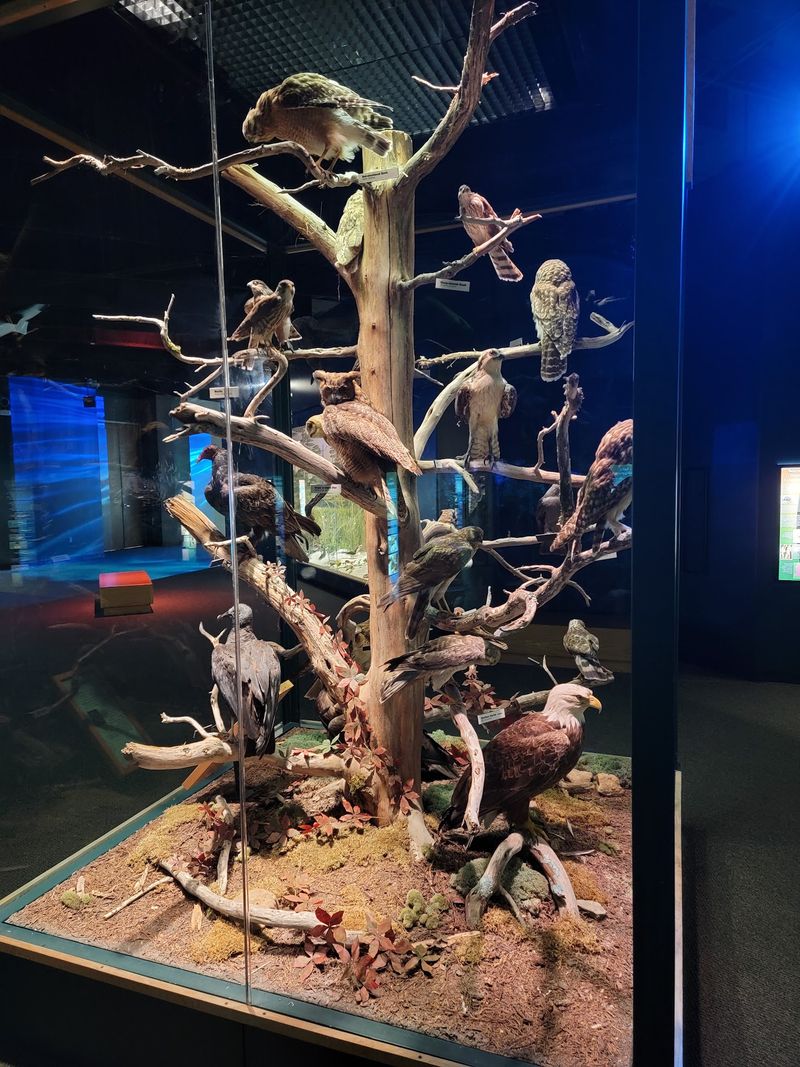
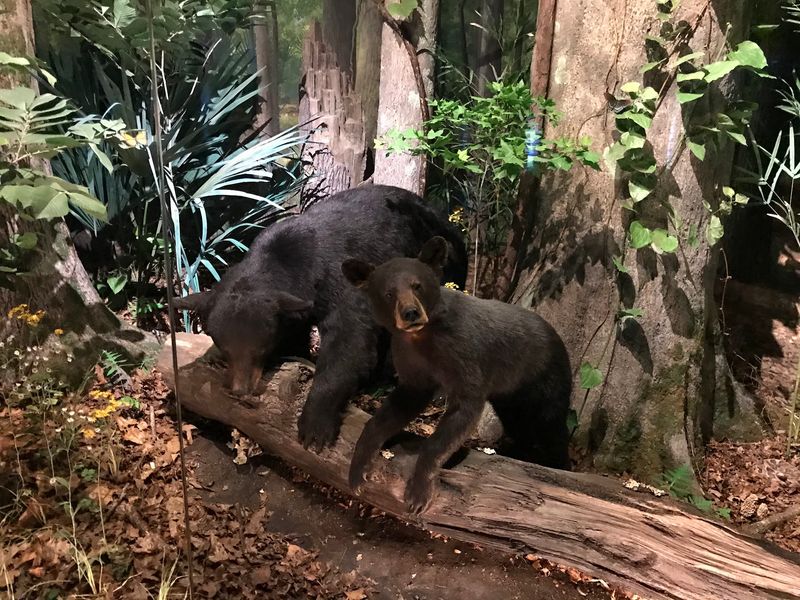
Life-size taxidermy displays show animals arranged in their natural habitats. Deer, black bears, and various bird species appear throughout the exhibits.
The level of detail in these dioramas is remarkable, making each one feel like a frozen moment from the wild.
Outside, 2.5 miles of nature trails extend the experience beyond the building. Boardwalks cross cypress swamps and lead down toward the Pearl River.
Walking those trails after exploring the exhibits connects everything you just learned to the living landscape right outside the door.
Behind The Scenes Operations
Most visitors never see what keeps a museum like this running. Behind the public exhibits, a research team manages over one million biological specimens.
These collections require constant care, organization, and climate control to remain scientifically useful.
Scientists from around the world request access to these specimens for their research. A museum’s collection is like a lending library for global science.
Mississippi’s collection is especially valuable because of its focus on regional freshwater and vertebrate species that are not well-documented elsewhere.
Researchers here use comparative osteological collections to identify fossils found across the state. When that saber-toothed cat heel bone was discovered, it was the museum’s own reference collection that confirmed what it was.
That is real scientific infrastructure doing real scientific work.
The museum operates as an official research facility for the Mississippi Department of Wildlife, Fisheries, and Parks. That institutional connection gives the staff both the resources and the authority to conduct serious fieldwork.
It is not just a place to look at things. It is a place where discoveries actually happen.
Fannye Cook’s original WPA project established the foundation for these collections in the 1930s. Decades of careful stewardship have built on that foundation.
Every specimen in storage represents a piece of Mississippi’s natural history that might otherwise have been lost forever.
The Role Of Technology In Modern Museums
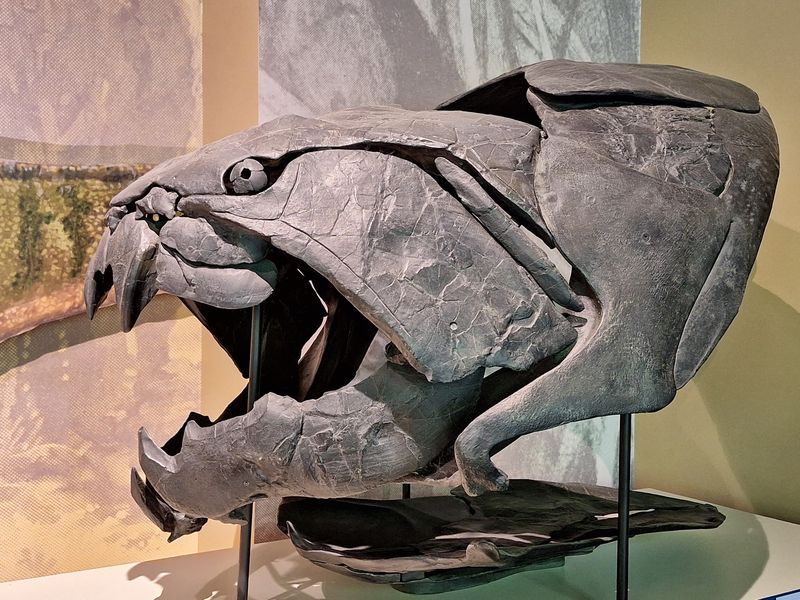
Robots and prehistoric animals are not a combination you expect to find in Mississippi. But the “Giants of the Ice Age” exhibit brought exactly that to the Mississippi Museum of Natural Science.
A towering woolly mammoth and a short-faced bear are among the animatronic creatures featured in the display.
That exhibit uses Eureka Inquiry-Based Simulation Technology to create an interactive prehistoric experience. Visitors do not just look at the creatures.
They engage with the environment around them through guided simulations. It turns passive observation into active learning without feeling forced or gimmicky.
The “Dinosaurs Around the World” traveling exhibit has also featured animatronic dinosaurs. These temporary exhibits rotate through the museum regularly, giving repeat visitors a reason to come back.
Seasonal programming keeps the experience fresh throughout the year.
Google Maps Street View offers a virtual tour of the museum for anyone who cannot visit in person. This digital access expands the museum’s reach well beyond Jackson.
Schools in remote parts of Mississippi can explore the exhibits without a long bus ride.
Upcoming renovations will modernize the lobby, gift shop, and upper atrium. These updates will bring the public spaces in line with the world-class research and exhibits already inside.
Technology here is not just a gimmick. It is a bridge between scientific knowledge and the people who need it most.