
This Wisconsin Model Train Haven Feels Like A Miniature World Come To Life
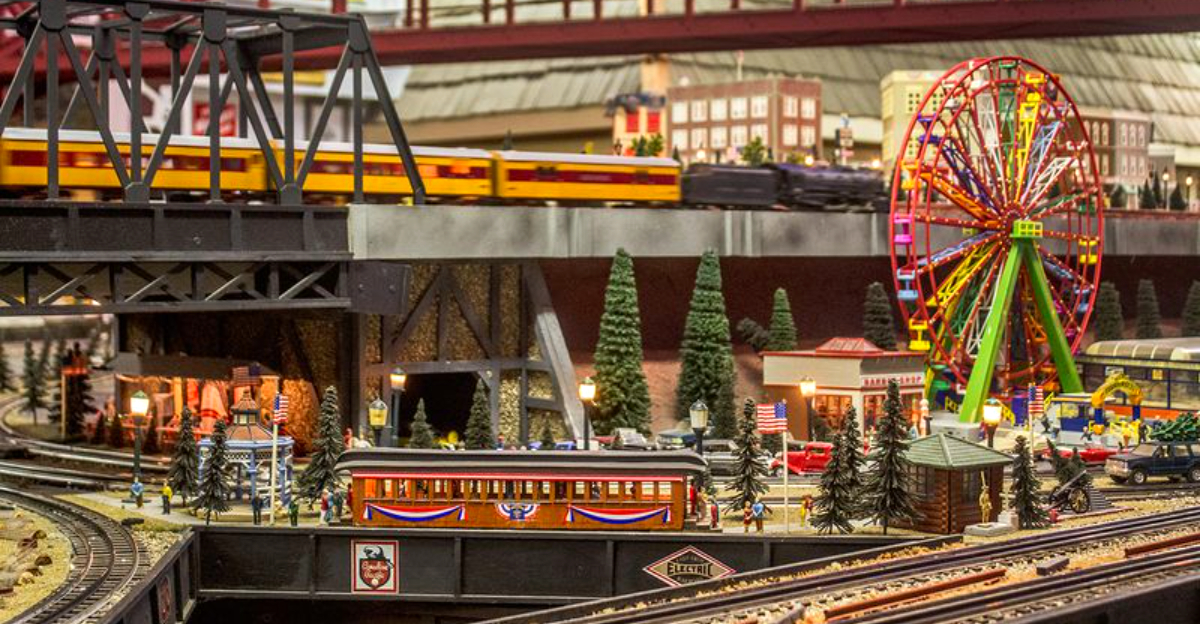
A plain-looking building can hide a surprisingly big world. Behind the doors, tiny towns come alive, trains race along winding tracks, and miniature scenes turn into a full-blown adventure.
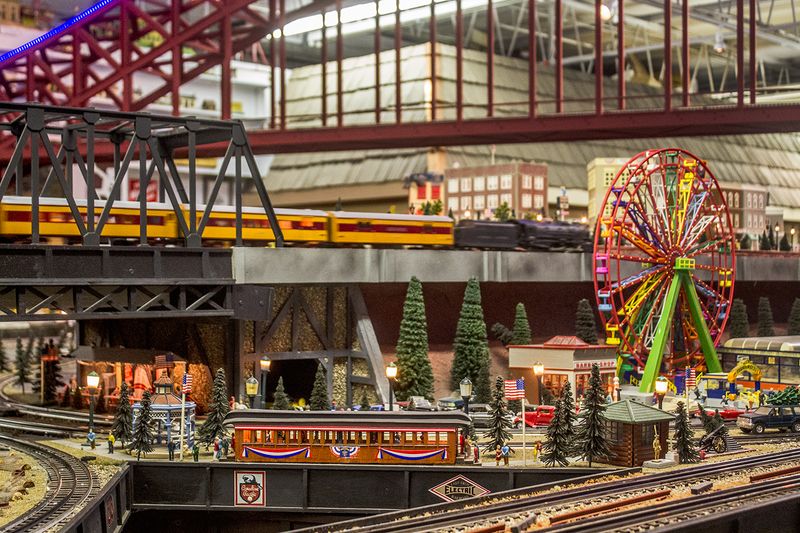
This Wisconsin attraction is packed with movement. Trains weave through tunnels, cross bridges, and pass detailed streets that reward a closer look.
Buttons let kids bring parts of the display to life, while longtime hobby fans can easily lose track of time studying the craftsmanship.
The fun comes from the details. Every loop, building, and passing train adds something new to spot. The volunteers behind the display have spent years shaping the layout, and that dedication shows everywhere.
Admission is free, which makes the experience even easier to enjoy. Donations help support the operation. What looks like a quick stop can quickly become the kind of visit that keeps everyone looking, pointing, and discovering something new around every corner.
Seventeen Trains Can Run At The Same Time
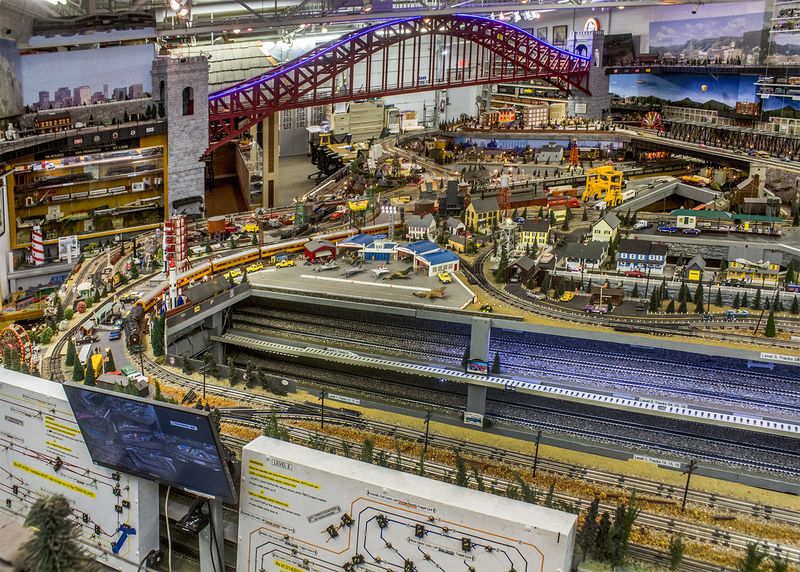
Counting the trains becomes a game the moment you walk up to the main layout at the Milwaukee Lionel Railroad Club. The club’s permanent layouts can operate up to seventeen trains at once.
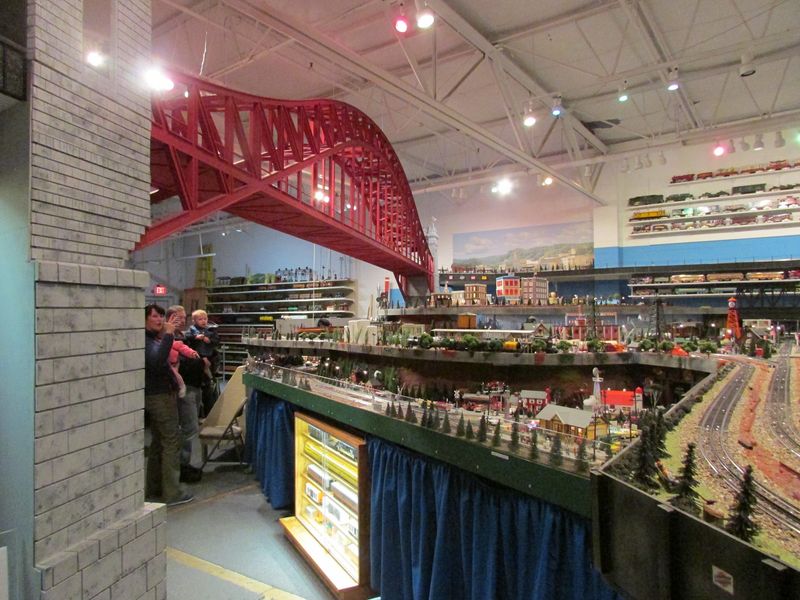
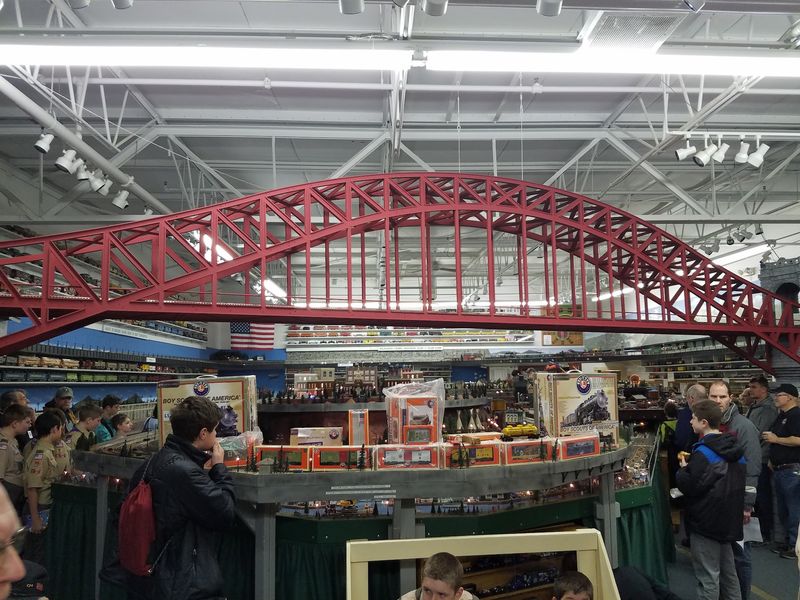
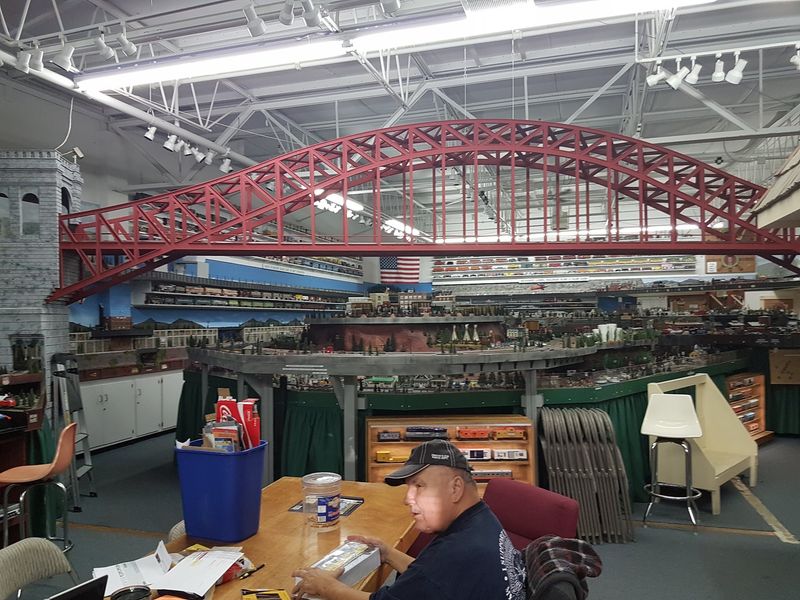
Because the loops run independently, several trains can move at the same time without ever bumping into one another. You might watch a freight train rumble under a bridge while a passenger set glides past a tiny station on the level above.
The scale here is O gauge, which is larger than what many people picture when they think of model trains. Bigger cars mean you can actually see the details: door handles, painted lettering, and the glow of small headlights.
Give yourself time to follow one train all the way around. You will spot buildings, crossings, and scenery you missed on the first pass. Kids tend to park themselves at the edge of the layout and stay there. Adults do the same thing, just with slightly more dignity.
Either way, the constant motion keeps your eyes busy for a long while.
Hands-On Controls Built Just For Young Visitors
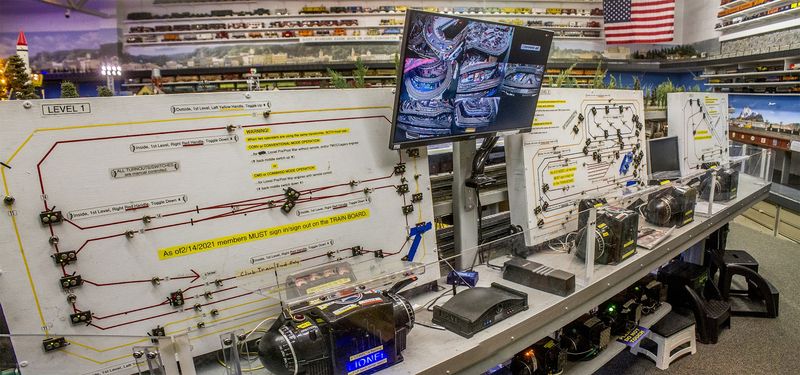
Most museums tell you not to touch anything. Here, the opposite is true, and that changes everything for families. Two children’s layouts let kids try their hand at operating trains, while interactive buttons activate animated scenes around the displays.
Around the larger layout, animated accessories wait for a button press. Cranes swing, lights flash, tiny figures move, and crossing gates drop. Each one gives children a reason to keep exploring rather than just standing still.
Parents appreciate how this setup keeps young visitors engaged without anyone needing to hover. The trains are sturdy, the controls are forgiving, and mistakes cause nothing worse than a brief stop.
You will notice that the volunteers at the Milwaukee Lionel Railroad Club genuinely enjoy showing kids how things work. They ask questions, explain what a switch does, and point out details a first-time visitor would never catch.
Plan for your child to want a second turn. That request comes almost every time.
Vintage Lionel Cars Displayed Around Every Corner
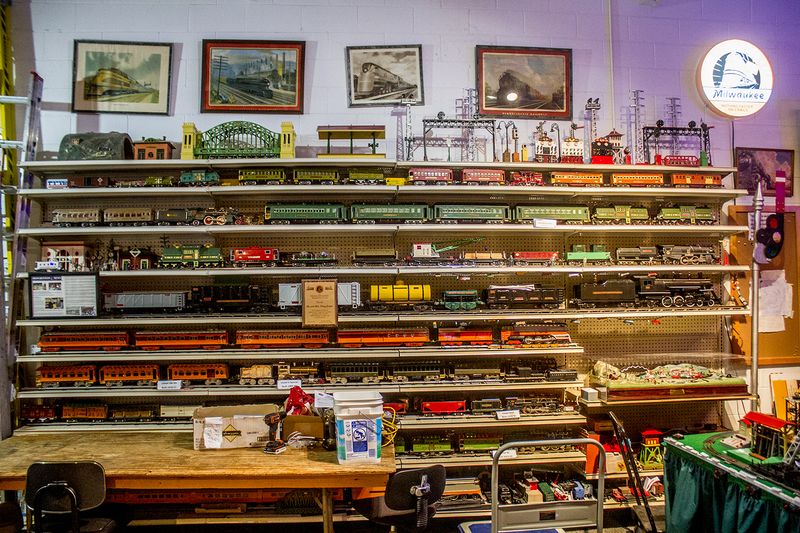
Look up, look sideways, look behind the layout, and you will keep finding trains that are not running at all. Shelves and cases hold antique cars and locomotives, some dating back to the pre-war years of the hobby.
Lionel started making toy trains in 1900, and the brand became a fixture in American homes for generations. Seeing the older models lined up gives you a quick lesson in how design, materials, and paint styles changed over the decades.
Some pieces are heavy stamped metal with bright enamel finishes. Others show the smoother plastic bodies that came later. Side by side, the contrast is easy to spot even if you know nothing about trains.
The display corners of the Milwaukee Lionel Railroad Club function almost like a small museum, and members are glad to explain what you are looking at. Ask about a particular car and you may hear its whole backstory.
Collectors find plenty to study here. Casual visitors simply enjoy the colors and the nostalgia. Both walk away knowing a little more than they did before.
Miniature Towns With Details You Have To Lean In To See
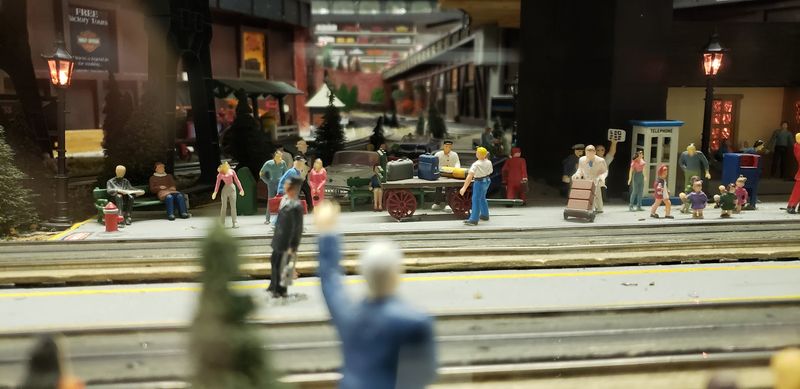
Half the fun is the stuff that never moves. Tiny towns fill the spaces between the tracks, and each one carries small touches that reward a closer look.
You will find storefronts with painted signs, streetlights that actually glow, parked cars, and figures frozen mid-conversation on a sidewalk. Bridges span little valleys. Tunnels disappear into hillsides that were shaped by hand.
Scenery like this takes years to build. Members add sections, refine them, and swap in new ideas as the layout grows, so the view is rarely identical from one visit to the next.
Bring a phone or camera with a decent zoom if you enjoy photography. Close-up shots of the buildings and figures often turn out better than wide shots of the whole room.
Children love hunting for the odd details, and turning it into a scavenger hunt keeps them busy. Ask them to find the smallest person, a dog, or a vehicle in an unusual spot.
What the Milwaukee Lionel Railroad Club has built rewards patience. The longer you look, the more the miniature world reveals.
Volunteers Who Actually Want To Talk Trains With You
A greeting usually comes before you finish crossing the threshold. Club members sit near the entrance, and they treat newcomers like guests rather than tourists.
What stands out is how willing they are to spend real time with you. A member might walk you around the layout, point out features you would never notice alone, and answer questions for half an hour without checking the clock.
You do not need any background in the hobby. People arrive knowing nothing about gauges or locomotives and leave with a decent grasp of both, simply because someone explained it in plain language.
The membership includes men, women, and whole families, along with younger enthusiasts who count down the days until their next chance to run a train. That mix keeps conversations lively.
Call ahead with a question and you will likely get a helpful answer about local rail activity across Wisconsin, not just about the club itself.
Kindness like this is the quiet reason so many families return to the Milwaukee Lionel Railroad Club year after year. The layout draws you in, but the people bring you back.
Friday Hours And Open Houses Worth Planning Around
Timing matters more here than at most attractions, so check before you drive over. The club opens Fridays from 1 PM to 9 PM year-round, with additional seasonal public hours on weekends and select Wednesdays.
Special open houses happen throughout the year, and those events tend to draw bigger crowds and extra activity on the layout. Following the club online or calling ahead is the easiest way to catch one.
You will find the building at 2721 South Calhoun Road in New Berlin, WI 53151, an easy drive from Milwaukee and the surrounding suburbs. Parking is straightforward, and the entrance is simple to spot once you pull in.
Because the Milwaukee Lionel Railroad Club runs on volunteer time, schedules can shift around holidays. A quick call saves disappointment. Arrive earlier in the afternoon if you are bringing young kids. The pace is calmer then.
Free Admission With Donations Appreciated
Nobody asks you for money at the door, which surprises most first-time visitors. Admission is free, and that policy has held for years. Donations are appreciated and help support the club and its train displays.
Dropping in a few dollars feels natural once you see how much work went into the place. Regular visitors treat it as part of the routine, and families often let the kids do the honors.
Free entry also makes this an easy stop when you are not sure how long anyone will want to stay. If a toddler lasts twenty minutes, no harm done. If everyone stays two hours, even better.
For families across Wisconsin looking for affordable weekend outings, that flexibility is a real advantage. You can build a whole afternoon around the visit or fold it into other errands.
Support from visitors keeps the Milwaukee Lionel Railroad Club going, and members are upfront about that without ever pressuring anyone. Give what you can, or simply say thank you on your way out.
Why Train Lovers And First-Timers Both Leave Happy
Plenty of attractions appeal to one age group and lose everybody else. Not the case here, where grandparents, parents, and small children all find something that holds their attention.
Older visitors often recognize the trains from their own childhoods, and that recognition sparks stories worth sharing on the drive home. Younger ones just want to press buttons and watch things move, which the layout delivers in abundance.
Serious hobbyists come for the O gauge equipment and the pre-war pieces on display. Newcomers come out of curiosity and usually leave with a longer list of questions than they arrived with.
An hour passes quickly. Many families discover they have stayed well past that without noticing, then start planning a return trip before they reach the parking lot.
Wisconsin has larger and flashier destinations, but few offer this combination of craftsmanship, warmth, and genuine welcome under one roof.
What the Milwaukee Lionel Railroad Club has assembled is the result of decades of patient work by people who love what they do. Show up on a Friday, take your time, and let the miniature world do the rest.