
This Massive Formerly Abandoned Wisconsin Factory Is Now Open For Exploring
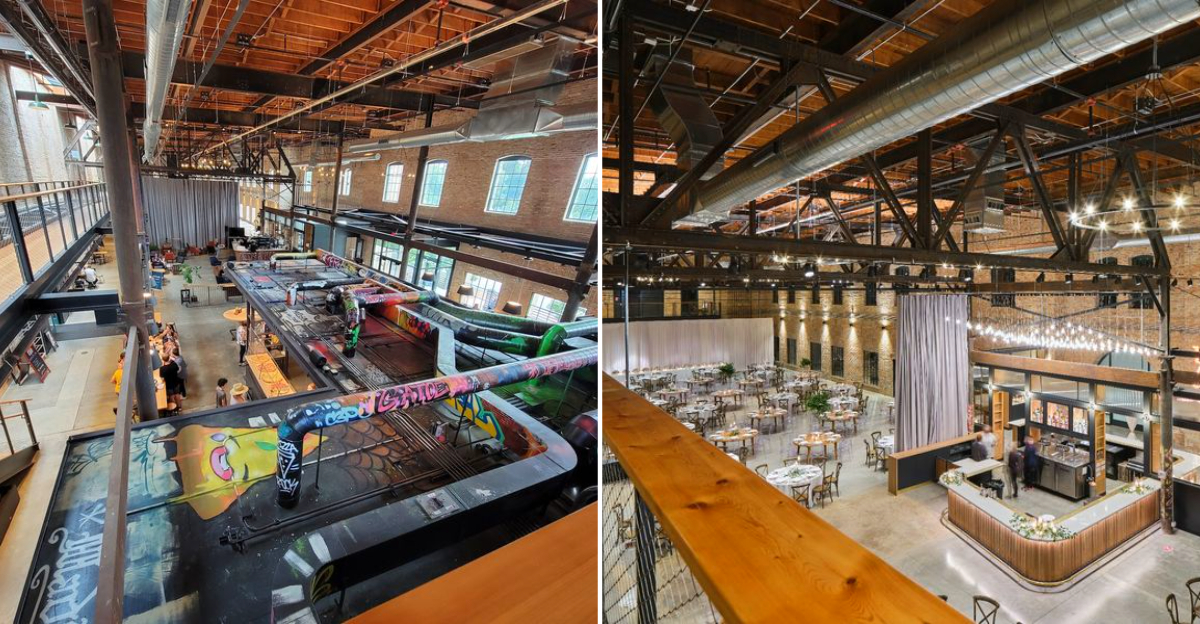
Some buildings fade away. Others fight their way back. For decades, this old industrial space looked finished. Brick cracked. Windows went dark. Plants pushed through the floors. The structure seemed headed for demolition, but that ending never came.
Instead, years of restoration gave it a remarkable second life. Today, visitors can wander through a massive piece of Wisconsin history without losing the rough character that made it interesting in the first place.
Old steel beams still stretch overhead. Weathered walls still carry scars from the past. Coffee, greenery, art, food, and weekend activity now fill spaces once built for hard industrial work.
The best part is how little feels overly polished. History still has a strong presence here. You can explore at your own pace, stop for a bite, browse around, and keep discovering details along the way. This is the kind of comeback story worth seeing for yourself.
A Century-Old Factory That Nearly Vanished
The building was originally constructed as a sugar beet factory in 1905 and completed in 1906. Later it became a feed mill, running for decades before falling silent and sitting empty for years.
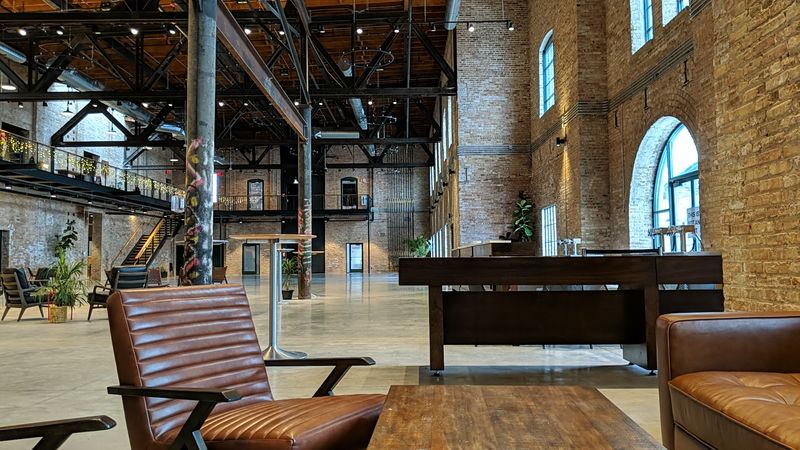
By the time preservationists stepped in, the roof had failed and trees were growing inside. Many people expected demolition. Instead, a careful restoration saved the original brick shell and the dramatic arched window openings that give Garver Feed Mill its unmistakable face.
You can read a historical plaque mounted outside that explains the timeline, and it is worth a minute of your time before you head in. Knowing what almost happened makes the interior hit differently.
What I appreciate most is how little was scrubbed away. Steel beams stay exposed.
Brick shows its age. Concrete floors carry old marks from machinery that once filled these rooms. You get the feeling of an abandoned factory without any of the danger, because the structure was fully stabilized and brought up to code. Bring a camera.
The light through those tall windows changes constantly, and the building rewards anyone who slows down and actually looks up.
Wander The Main Corridor Without Watching The Clock
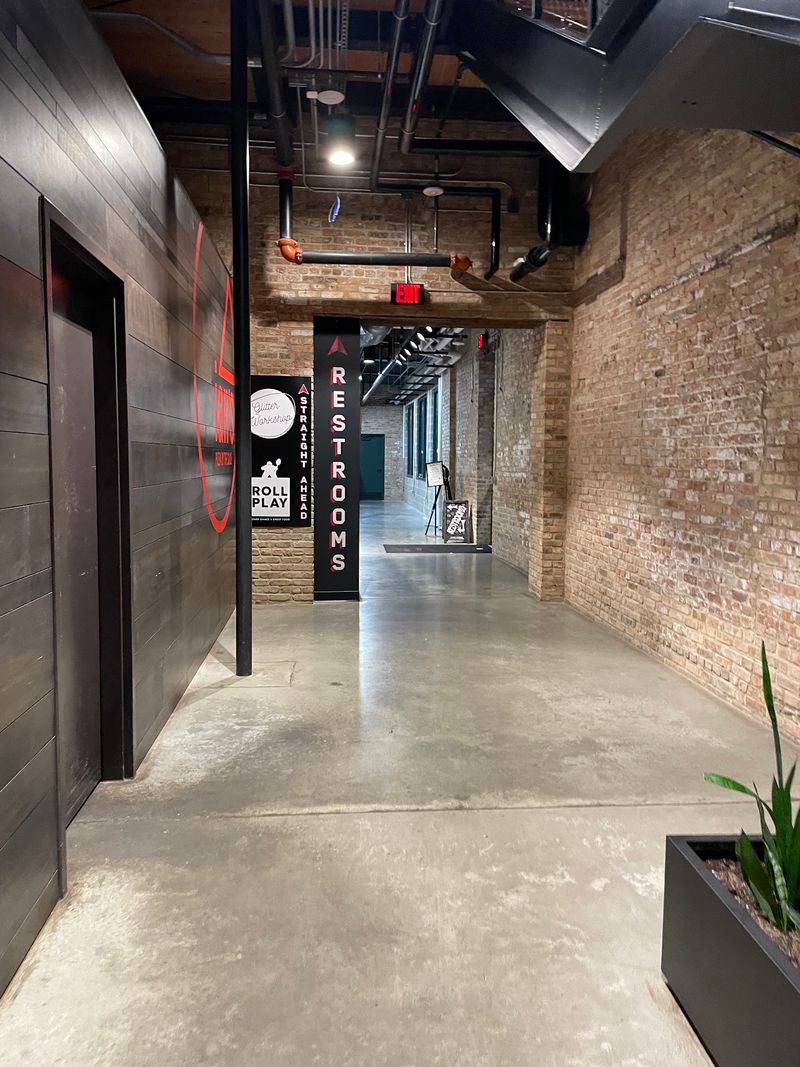
Long central hallways run the length of the building, and they are the easiest place to start. No tickets, no tour guide, no set route. You just walk.
The corridor at Garver Feed Mill connects small shops, studios, food counters, and event rooms, so every few steps something new opens up on either side. Some doors lead to working artist spaces. Others open into retail nooks you would never guess from outside.
Seating is scattered along the way, which matters more than you might think. You can pause, rest, and then keep going without feeling rushed.
Restrooms sit inside, and the whole main level is flat and easy to navigate with strollers or mobility aids. That accessibility is a big reason families keep coming back.
I suggest making one slow lap without stopping to buy anything. Get a sense of the layout, note what caught your eye, then circle back.
Two or three hours pass quickly here, especially on days when the building hums with activity. Some businesses open as early as 7:30 AM on weekdays, though individual tenant hours vary.
Pizza, Coffee, And Ice Cream Under Old Steel Beams
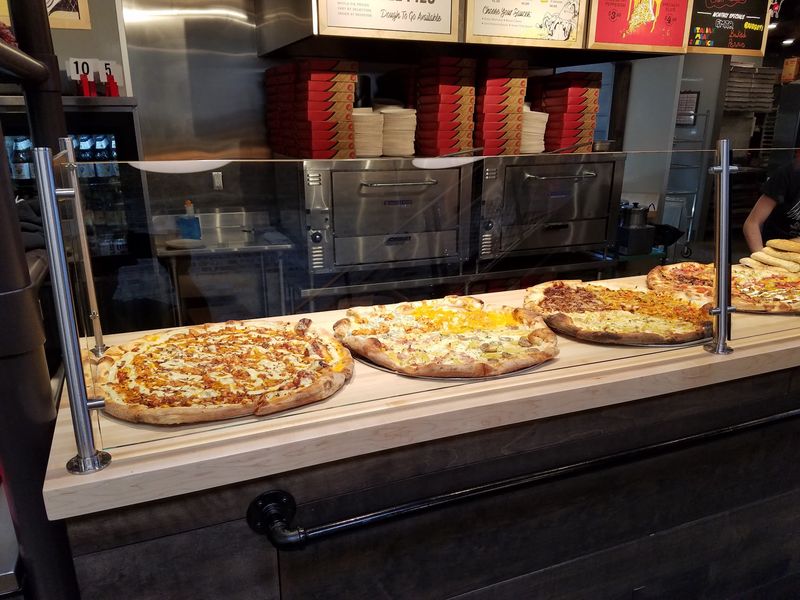
Hungry wanderers do well here. Ian’s Pizza serves big slices with a puffy, blistered crust that holds up to serious toppings, and it has become the anchor food stop for most visitors.
Ledger Coffee handles espresso duties, and it is the right move if you arrived early and want to sit near a window for a while. There is also ice cream, tacos, and a lounge with a rotating lineup of food and events.
Seating spreads across indoor tables and an outdoor patio, so weather rarely ruins the plan. Sunny afternoons fill the outdoor spots fast, though shade tables usually free up as the day moves along.
Peak dinner hours can get busy, and several businesses stay open until 10 PM on Friday and Saturday. Arrive a little before or after the rush and you will find a table without circling.
Food carts show up on Fridays with live music, which turns the grounds into a relaxed neighborhood gathering. Grab a slice, find a spot outside, and let the evening stretch out. Extra slices travel home well, and plenty of people order a few for later.
The Greenhouse That Runs On Trust
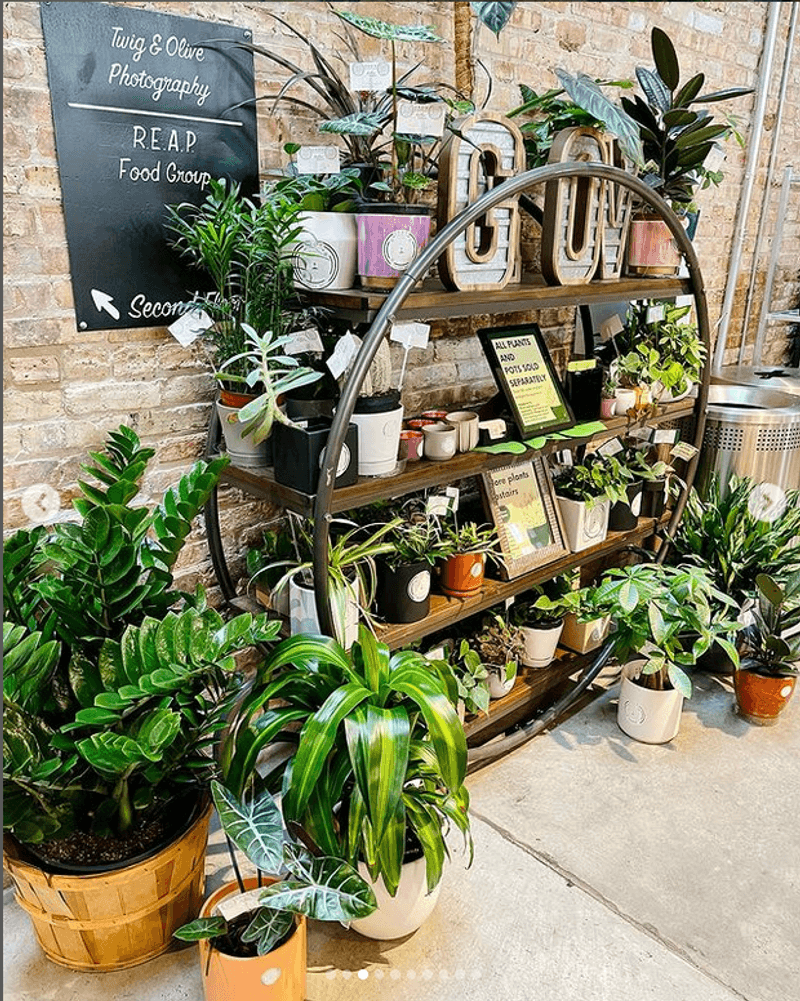
Green things everywhere. The greenhouse space brings a soft, living layer to a building made of brick and steel, and the contrast works better than it sounds on paper.
Rows of houseplants, succulents, and larger leafy varieties fill the shelves. You browse at your own pace, and nobody hovers.
Here is the part people love: you scan a code, pay on your phone, and carry your plant out. No hunting for a cashier, no waiting in line. It feels refreshingly simple.
The greenhouse at Garver Feed Mill has become a favorite quiet corner for visitors who want a break from the busier food areas. Even if you have no intention of buying anything, walking through the humid, green air resets your mood.
Wedding guests have been known to leave with a plant in hand at the end of the night, which says something about how easy the system is.
Practical tip: bring a tote or a box in your car if you plan on taking home anything larger than a small pot. Wisconsin winters also mean wrapping delicate plants before the walk to your vehicle.
Saturday Mornings Belong To The Farmers Market
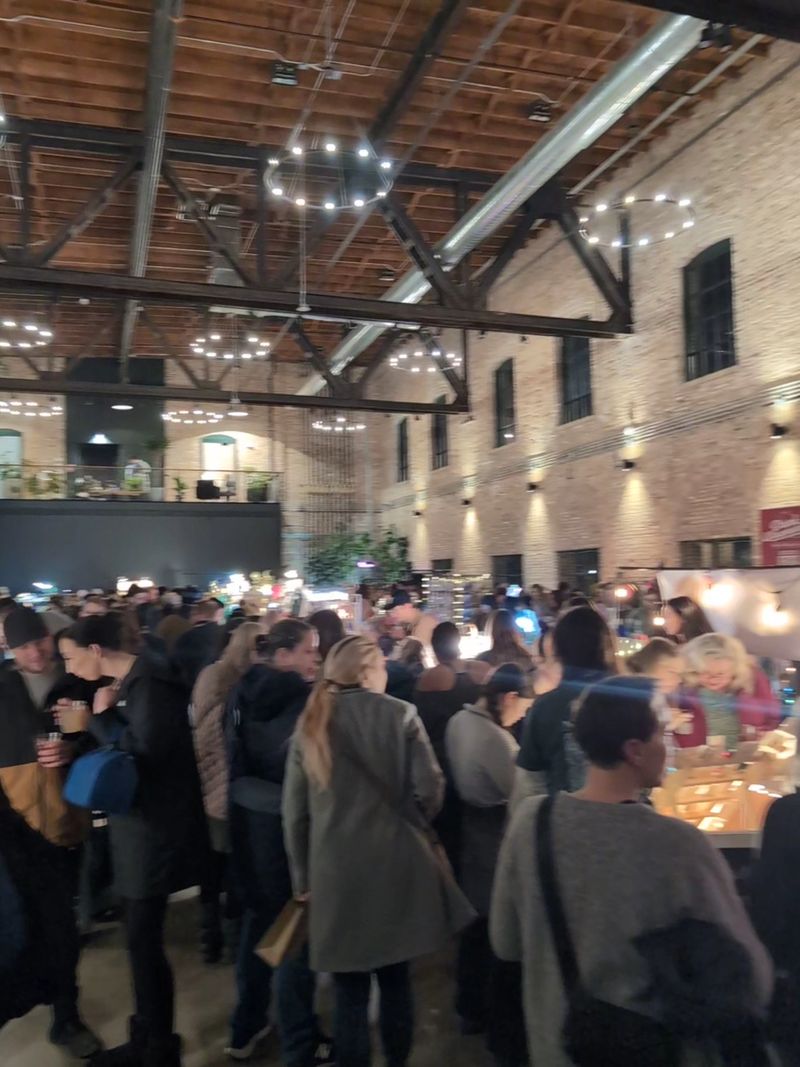
Cold weather does not stop the Dane County Farmers’ Market. Its Late Winter Market is held indoors at Garver Feed Mill during part of the winter season.
Cheese samplers, produce, cinnamon rolls, baked goods, and handmade items line the tables. Wisconsin takes its cheese seriously, and you will taste why.
Crowds build through the morning, so early arrival makes browsing far more comfortable. Parking also gets tight once the market hits full swing.
Beyond the food stalls, the permanent shops stay open, including craft spaces selling handmade paper flowers and an upstairs photography studio. Market day at Garver Feed Mill turns the whole building into one long, busy loop.
You will want cash for some vendors, though most accept cards. A reusable bag saves you from juggling armloads of purchases.
Holiday markets bring an extra wave of vendors in late fall and December, and the building gets decorated for the season. That version is worth planning around if you enjoy shopping for gifts somewhere that does not feel like a mall.
Come hungry. Between the market samples and the food counters, breakfast handles itself.
Art, Studios, And Rooms You Would Not Expect
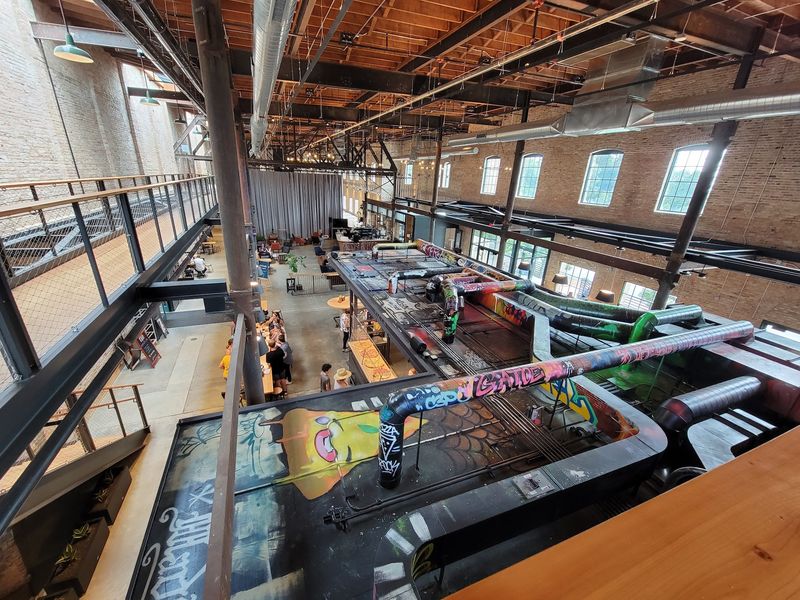
Creative work happens all over this building. Garver Canvas hosts rotating contemporary art exhibitions in a gallery and event space.
Small businesses and studios occupy other rooms, including photographers who work in the building daily. Some spaces are open to browse, others operate by appointment, so a little poking around pays off.
Upstairs areas offer different views of the structure, and you can spot painted murals and graffiti art visible from certain angles. Those upper vantage points give you a sense of the true size of the place.
Rooms inside Garver Feed Mill get reconfigured constantly for markets, ceremonies, community meetings, and gatherings, which means your second visit rarely matches your first. Check the website before heading over if you want to catch a specific event. Schedules shift week to week.
Photographers should note how the arched windows throw light across the floors during late afternoon. It is the kind of natural lighting people travel for.
Even on a slow weekday you will find something happening in at least one corner, which keeps the wandering interesting rather than aimless.
Bike Paths, Parking, And Getting There Without Stress
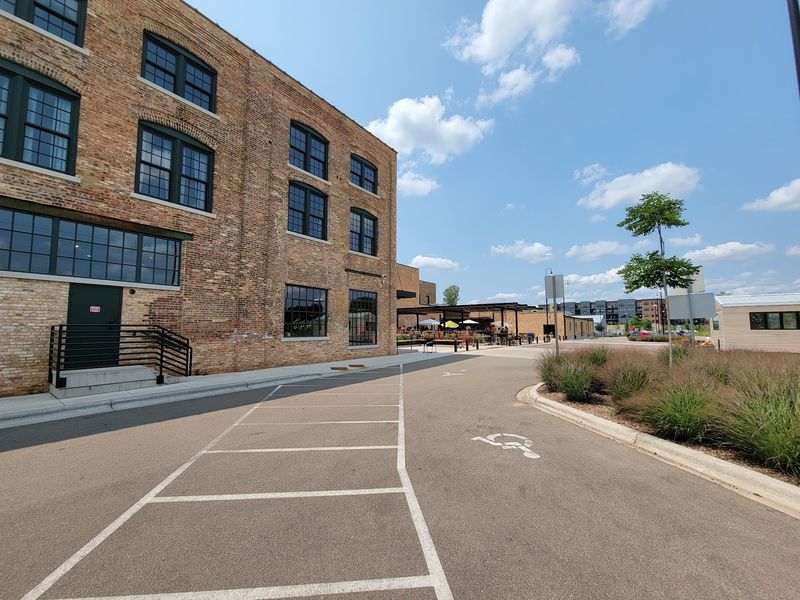
Bikes make sense here. Paved trails connect directly to the property, and plenty of riders build a loop around Lake Monona with a stop at this building as the starting and finishing point.
Racks sit near the entrances, and the flat approach makes it friendly for casual riders and families. Wisconsin does trails well, and this one links into a much larger network.
Driving works too. You will find the address at 3241 Garver Green, Madison, WI 53704, just east of the city center near Olbrich Gardens.
Parking around Garver Feed Mill can thin out when a large event fills the building, particularly on Saturday mornings and wedding evenings. Arriving with extra time can help when events or markets make parking busier.
Overflow spaces and nearby street parking help when the main lot fills. Give yourself a few extra minutes rather than circling in frustration. Public transit and rideshare both serve the area, which is handy if you plan a longer visit.
Pairing the mill with the neighboring gardens makes an easy half-day outing, and both sit close enough to walk between comfortably in warm weather.
Why This Old Mill Deserves A Full Afternoon
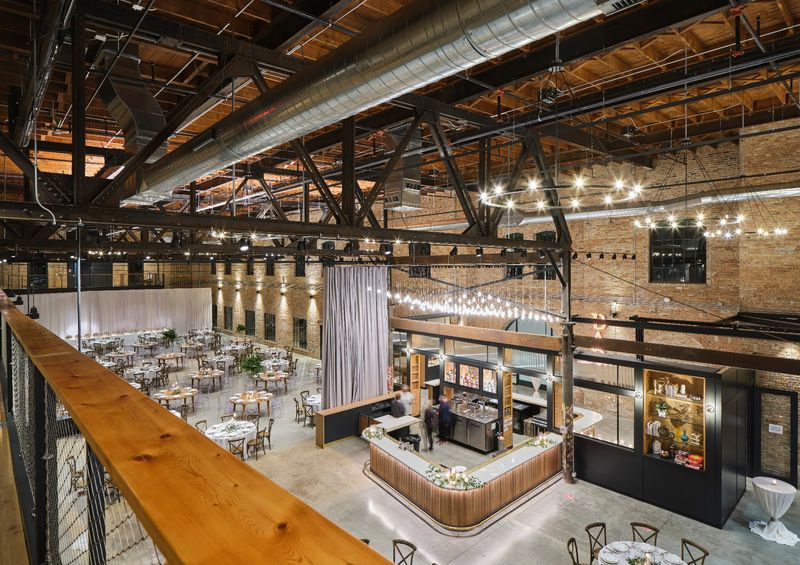
Few places let you experience the scale of a century-old factory while eating a slice of pizza and buying a fern. That mix is exactly what makes this stop stick in your memory.
You get history without a velvet rope, industry without decay, and a community space that actually gets used every single day. The building holds weddings, markets, art shows, yoga, dueling piano nights, and quiet Tuesday coffee runs with equal ease.
Plan on more time than you think you need. Garver Feed Mill rewards slow visitors, and rushing through means missing the small details in the brickwork, the studio doors, and the corners where old machinery marks still show.
Seasons change the experience too. Summer brings outdoor tables and food carts, while winter fills the halls with market vendors and holiday decorations.
Anyone traveling through southern Wisconsin should put it on the list, and locals who have not been in a few years will find plenty that is new.
Bring comfortable shoes, an open schedule, and a willingness to wander. The building takes care of the rest.