
This Map Reveals The Worst Mosquito Hot Spots In Mississippi This Summer
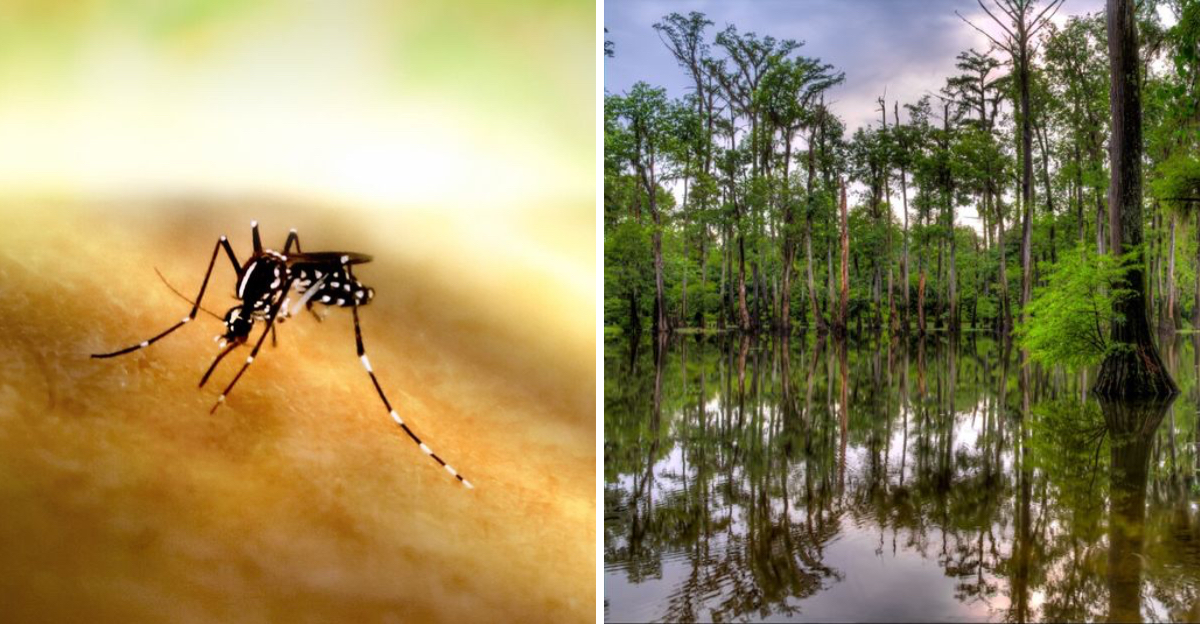
Grab the bug spray, because summer in Mississippi turns wild, wonderful spots into mosquito battlegrounds.
Steamy bayous, quiet marshes, and slow water all become breeding grounds once the heat climbs. These wild corners look peaceful, but plenty of buzzing trouble waits just beneath the surface.
One hot spot on this map stands out as the worst mosquito magnet of the whole season. Another feels calm and quiet, yet locals already know the truth.
Certain counties see far more mosquito action than others, and the difference might surprise you.
We tracked down the hottest zones buzzing across Mississippi right now, and a few might catch you off guard. Curious which corner of the state tops the chart?
Scroll through the map before your next outdoor plan meets a buzzing surprise.
Why Mississippi Turns Into Mosquito Country Every Summer
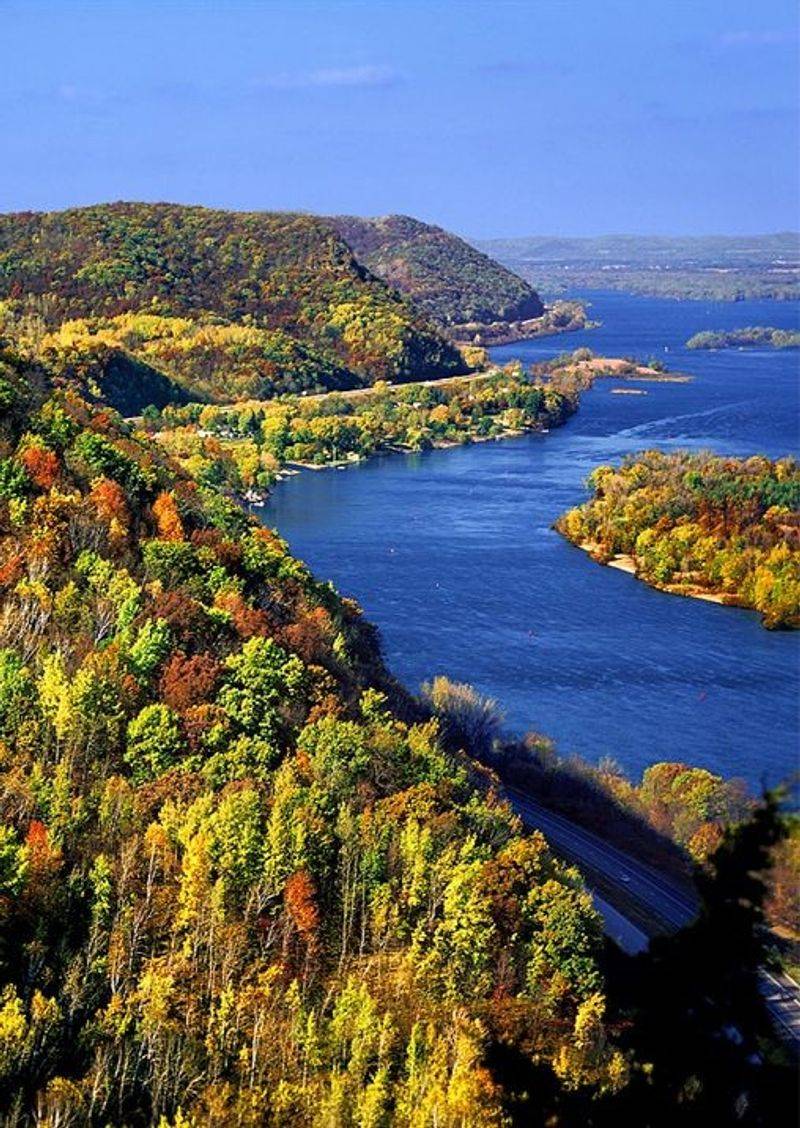
Warm, wet, and low-lying. That combination describes much of Mississippi, and mosquitoes love all three.
The state sits between the Mississippi River and the Gulf of Mexico. Rain arrives often, and flat ground holds it in place.
Bottomland forests, bayous, marshes, and roadside ditches all trap water. Every puddle can become a nursery.
Biting season here generally stretches from March into November. Peak misery usually lands in the hottest, wettest stretch of late summer.
Mild winters complicate things further. In some coastal areas, activity can continue on and off through the cooler months.
Humidity plays a big role too. Damp air keeps adult mosquitoes alive longer, so populations build instead of fading.
Flooding along river systems can trigger huge hatches within days. One heavy storm changes a quiet trail into a buzzing corridor.
None of this should scare you off. Mississippi rewards visitors with blues history, Gulf shorelines, and wildlife areas that feel wonderfully empty.
Timing and preparation make the difference. Morning and midday outings often beat dusk excursions near standing water.
Think of the following spots as beautiful places that simply demand respect. Pack accordingly, plan around water, and you will enjoy the trip far more than the bugs enjoy you.
Meet The Mosquito, The Tiniest Trip Crasher
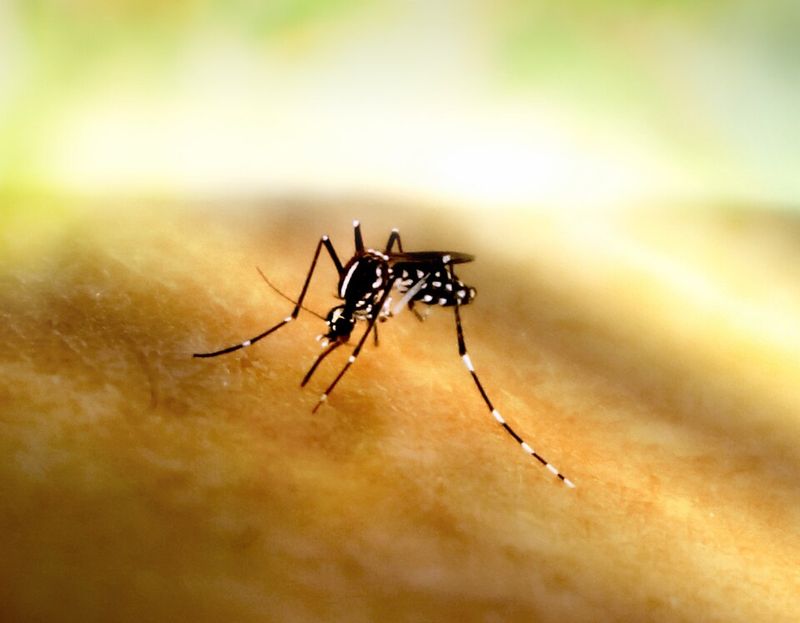
Only the females bite. That surprises a lot of travelers.
Females need a blood meal to develop their eggs. Males stick to plant nectar and mind their own business.
Scientists have described thousands of mosquito species worldwide, roughly 3,500 by common counts.
The name comes from Spanish, meaning little fly. Fitting, since the sound arrives before the sighting.
Their life cycle runs through four stages: egg, larva, pupa, and adult. The first three happen in water.
That water can be shockingly small. A bottle cap, a tire, a saucer under a flowerpot.
Females may lay hundreds of eggs at a time. Warm weather speeds everything up.
Mosquitoes are cold-blooded, so they generally get active once temperatures climb past roughly 50 degrees Fahrenheit. Mississippi clears that bar for months.
They locate you by sensing carbon dioxide, body heat, and compounds in sweat like lactic acid. Breathing hard on a hike makes you easier to find.
Some species can spread illnesses such as West Nile virus. Health officials monitor cases each season, and precautions matter.
Knowing their habits helps you outsmart them. Now let us look at where they gather thickest.
Back Bay Of Biloxi

Shrimp boats, brackish water, and air thick enough to wear. Biloxi’s Back Bay delivers all of it.
The bay curls behind the city, away from the open Gulf. Anglers chase speckled trout and redfish along its shoreline.
Boating and paddling stay popular through summer. Marsh edges glow orange at sunset, and herons stalk the shallows.
That same marsh feeds a serious mosquito population. Salt marsh and freshwater pockets sit side by side.
Biting activity commonly runs March through November here. Hot, rainy weeks push numbers highest.
Daytime biters like Aedes albopictus can be aggressive around shaded yards and parks. Culex species tend to pick up at dusk and dawn.
West Nile virus turns up in Gulf Coast counties in some years. Local health departments post updates during the season.
My advice for Biloxi is simple. Fish early, cover your ankles, and skip lingering near still ditches after sundown.
Long sleeves feel rough in the humidity, but bites feel worse. Lightweight, loose fabric works best.
Seafood joints and the beach all sit minutes away. Plan indoor breaks during the buggiest hours.
Back Bay of Biloxi, Biloxi, Mississippi.
Bay St. Louis
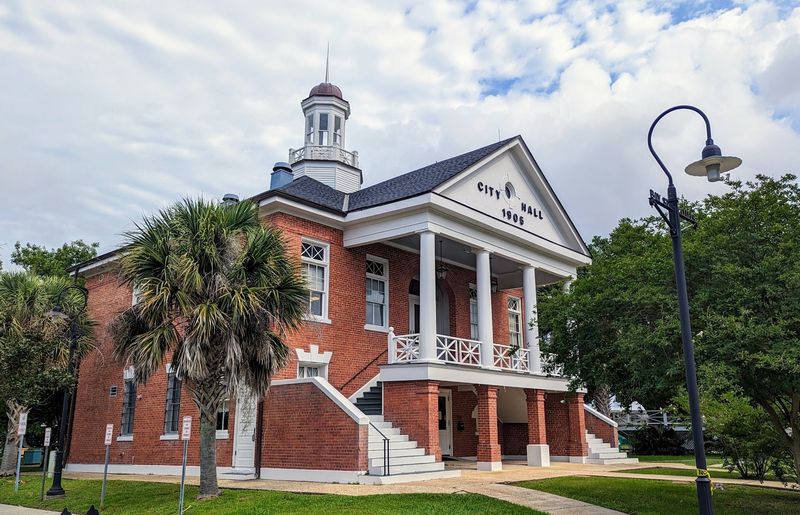
Art galleries, a walkable Old Town, and dogs on the beach. Bay St. Louis charms visitors fast.
The waterfront invites easy days. Kayaks and paddleboards glide across calm bay water most mornings.
Washington Street Pier draws anglers with rods and folding chairs. Pelicans patrol overhead, and dolphins sometimes cruise past.
The Bay St. Louis beach trail suits walkers and cyclists. Herons wade nearby, unbothered by passing traffic.
Now the itchy part. Mosquito activity mirrors the rest of the Gulf Coast, roughly March into November.
Marsh grass, drainage ditches, and shaded yards hold breeding water. Rainy stretches produce noticeable spikes.
Evenings on a porch can get lively with buzzing. I keep a fan going and light citronella nearby.
Daytime beach breezes help considerably. Wind makes flying difficult for mosquitoes, so open shoreline often feels calmer.
Save the shaded parks for midday. Save the pier for morning light.
Hurricane Katrina reshaped this town in 2005, and the rebuilt waterfront tells a story of stubborn community pride. Locals talk about it openly.
Bring repellent, then enjoy a slow afternoon browsing shops. The bugs will not win if you plan around them.
Bay St. Louis, Bay St. Louis, Mississippi.
Pascagoula River State Wildlife Management Area
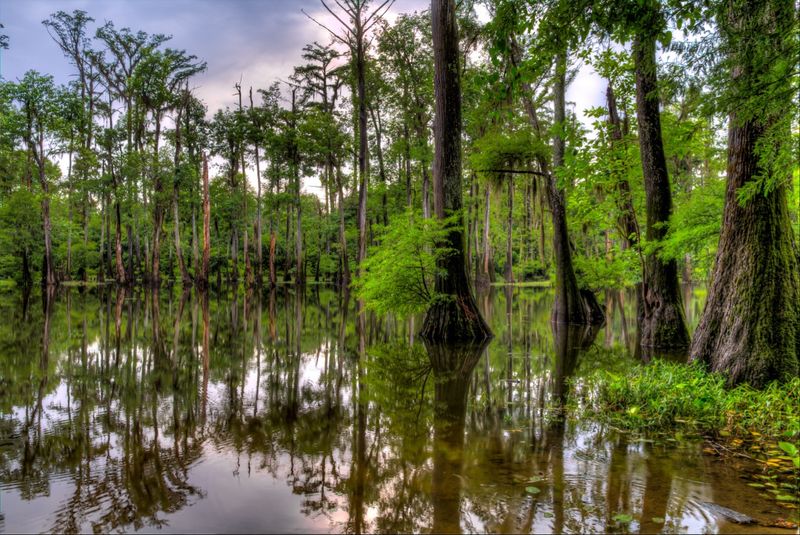
Water in every direction. That is the Pascagoula River bottom in one short sentence.
The Pascagoula runs largely undammed, which makes it unusual among American rivers. Its floodplain spreads wide and stays soggy.
Kayakers weave through sloughs lined with cypress and tupelo. Anglers work quiet bends for bass and catfish.
Hunters visit for deer, turkey, and small game in season. Birders come for warblers, wading birds, and owls.
All that wetland habitat means constant mosquito breeding. Standing pools linger long after rain.
Jackson County has recorded West Nile virus activity in past seasons. State health reports track county-level cases each summer.
Pack repellent before you leave the truck. A head net costs little and saves your sanity in thick brush.
Early morning paddles feel best. Air moves, temperatures dip, and wildlife stays active.
Watch the weather too. Rising river levels flood new ground and trigger fresh hatches.
Wear boots, tuck pant legs, and treat clothing before the trip. Ticks share this habitat as well.
The reward is real solitude. Few places in Mississippi feel this wild while sitting so close to the coast.
Pascagoula River State Wildlife Management Area, Pascagoula, Mississippi.
Delta National Forest
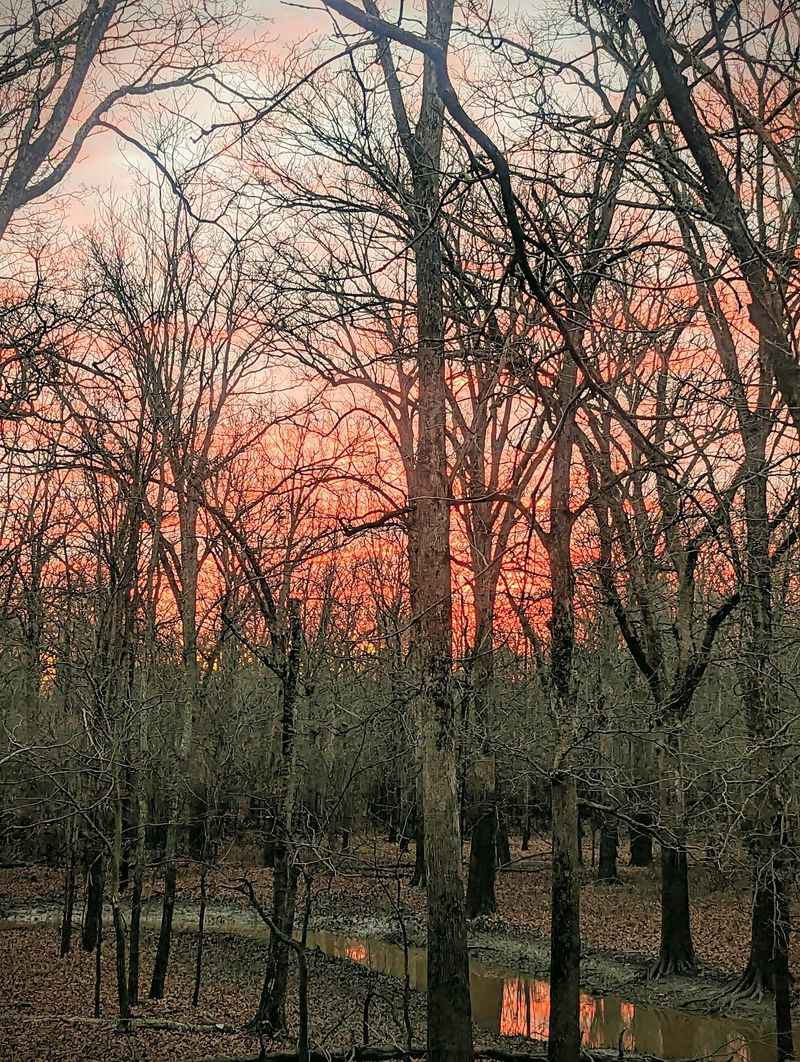
Ever walked a forest floor that squishes underfoot? Delta National Forest does that after rain.
This is the only bottomland hardwood national forest in the country. Oaks and sweetgum tower over sloughs and brakes.
The Mississippi Alluvial Valley surrounds it. Bayous, oxbow lakes, and rivers sit on all sides.
Wildlife viewing here rewards quiet feet. Wood ducks flush from flooded timber, and deer slip between trunks.
Primitive camping keeps things simple. Designated trails serve ATV riders and horseback riders.
Blue Lake Recreation Area adds an easy stop for picnics and paddling. Cypress edges make good photographs.
Mosquitoes thrive in the flooded pockets. Big hatches often follow high water in the Delta.
Late July through September usually brings the heaviest pressure. Still, warm spring evenings can surprise you.
I carry two repellents on trips like this. One for skin, one for clothing and gear.
Camp on higher, breezier ground when possible. Avoid pitching a tent beside a stagnant slough.
Bring a screen shelter for meals. Eating without swatting counts as luxury out here.
Rolling Fork sits nearby for supplies and a quick meal. Stock up before heading into the timber.
Delta National Forest, Rolling Fork, Mississippi.
Pearl River Wildlife Management Area
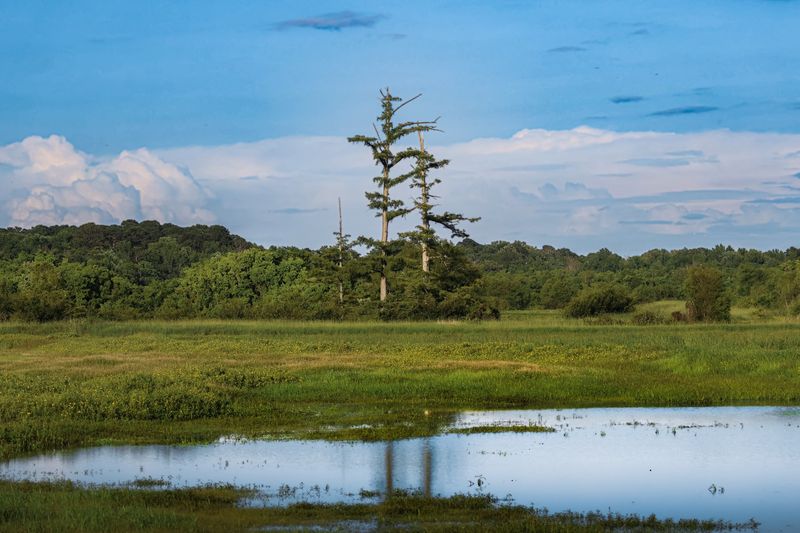
Flat ground, slow drainage, and a river that spreads out often. Welcome to the Pearl River bottoms.
The management area near Canton follows the Pearl River corridor. Cypress and tupelo stand in dark, still water.
Streams and bayous cut through the timber. Boaters, paddlers, and bank anglers all find spots.
Fishing draws crowds for bass, bream, and catfish. Seasonal hunting covers deer, squirrel, and waterfowl.
Ross Barnett Reservoir sits upstream, shaping water levels in the area. Locals watch releases closely.
Nature photographers love the misty mornings. Wading birds pose along the shallows without much fuss.
Mosquitoes here take full advantage of the flooding. Backwater pools breed generation after generation.
Mississippi health officials have documented mosquito-borne illness risk in central counties. Checking current advisories before a visit is smart practice.
Cover up in the swamp, even when it feels too hot. Loose long sleeves beat bare arms every time.
Choose breezy boat rides over stationary bank fishing at dusk. Motion helps more than people expect.
Keep a small fan in camp. Mosquitoes struggle in moving air.
The reward is a swamp that feels ancient and green. Go early, go prepared, and enjoy it.
Pearl River Wildlife Management Area, Canton, Mississippi.
Smart, Natural Ways To Enjoy Mississippi Bite-Free
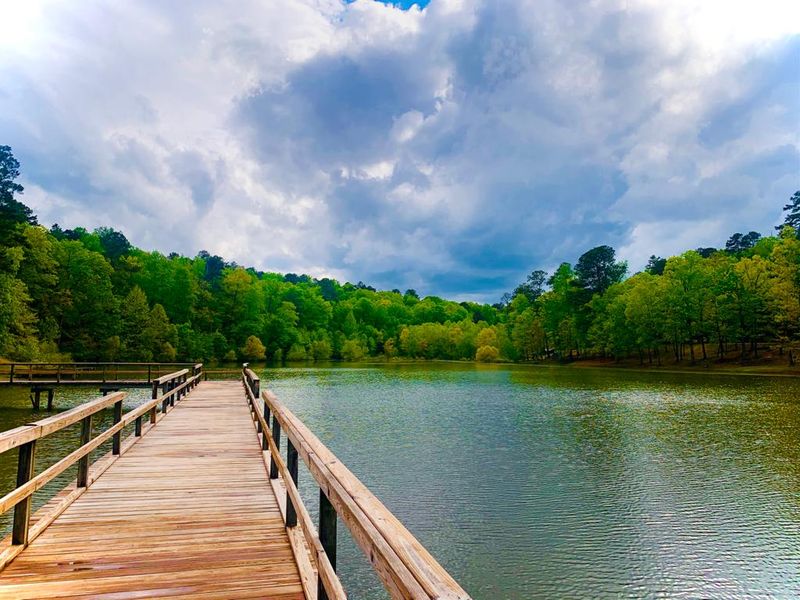
Bugs beaten, trip saved. That is the goal, and it is very achievable.
Start with water. Empty birdbaths, pet bowls, buckets, and flowerpot saucers weekly.
Clean clogged gutters, since they hold water for days. Turn over kayaks and wheelbarrows after rain.
Trim thick vegetation around patios and campsites. Adult mosquitoes rest in shady, humid greenery during the day.
Plants can help around a porch. Lemongrass, lavender, basil, rosemary, catnip, thyme, and marigold are common choices.
Oil of lemon eucalyptus is a plant-based repellent option recognized by health agencies. Follow label directions carefully, especially with children.
Ponds do better with mosquito-eating fish such as gambusia. Frogs, bats, dragonflies, and birds pitch in too.
Fans work surprisingly well on decks and in tents. Screens work even better.
Dress in light colors and loose layers. Skip heavy scents that attract attention.
Plan Gulf Coast outings around breezy shorelines and morning hours. Save swamp walks for cooler, drier stretches.
Mississippi season runs roughly March into November, with late July through September usually the peak. Knowing that shapes better itineraries.
Pack the repellent, then go chase blues history, river bends, and salt air. Itch-free travel makes the memories much sweeter.