
The Oldest Boardwalk In America Runs 5.5 Miles Along The New Jersey Shore Since 1870
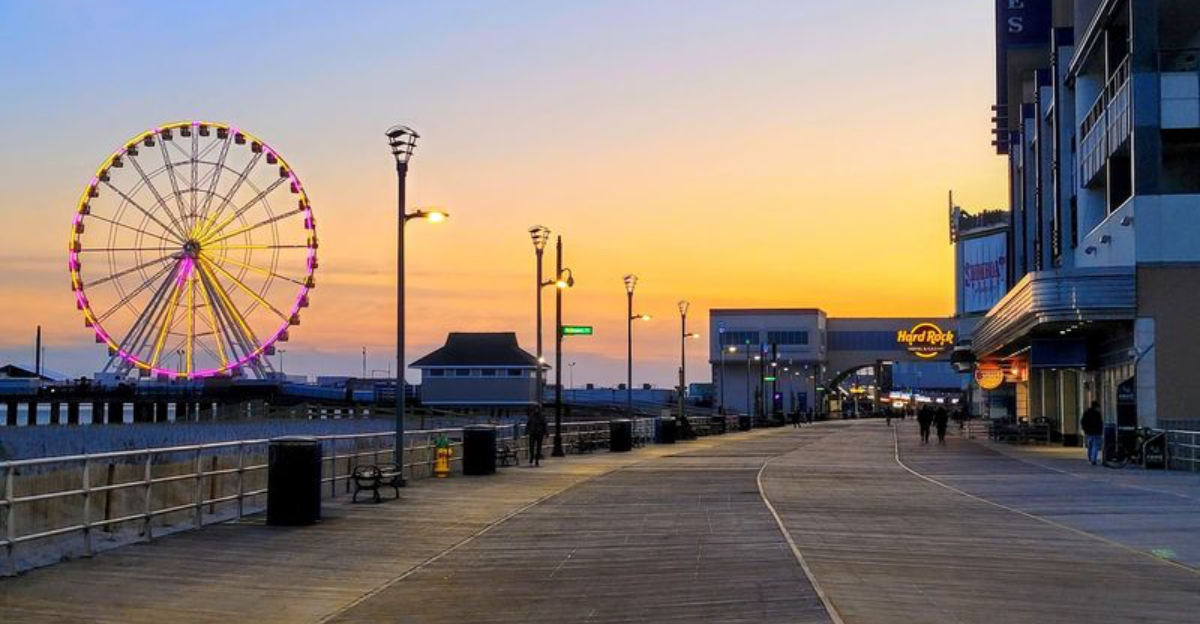
Sand in a hotel lobby once sparked an idea that changed the New Jersey coast. Wooden planks stretched over the beach, and a new kind of walk was born.
That stretch now runs five miles along the shore, wider and taller than early crowds imagined. Waves roll on one side while towering lights crowd the other.
Salt air mixes with fresh taffy pulled right in the window. A giant wheel spins above the water, and wicker chairs roll past at an easy pace.
New Jersey holds onto pieces of history most places paved over. Every plank carries a story from over a century of summers.
Curious what waits along the oldest stretch of its kind in the country? The details below might turn a weekend trip into something special.
A Sandy Problem Sparked A National First
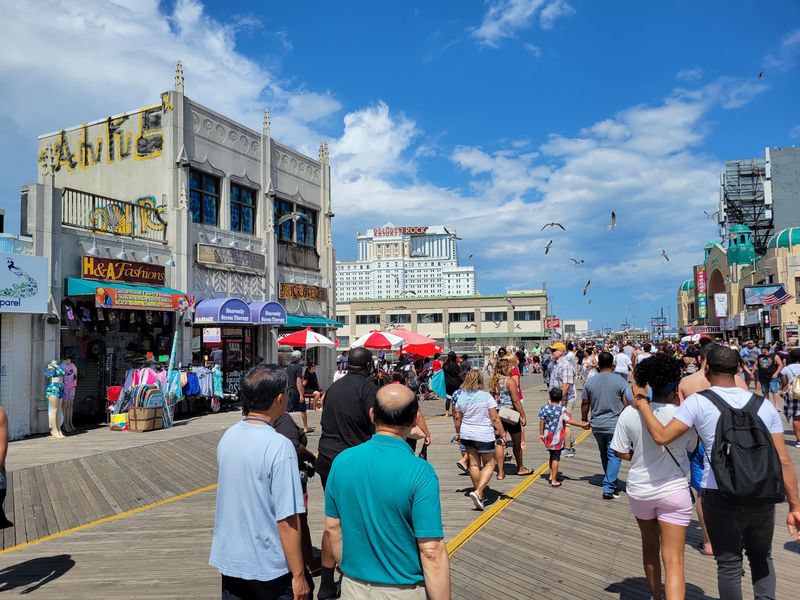
Sand in the lobby started it all. Hotel owners and railroad staff in Atlantic City grew frustrated with beach grit spreading through carpets and train cars.
A railroad conductor is credited with suggesting a wooden walkway as the fix. The idea opened on June 26, 1870, and history quietly turned a corner.
The first version measured about one mile long and eight feet wide. Crews took it apart each winter and stored the boards until warmer months returned.
Nobody expected a storage-friendly walkway to become a landmark. Yet crowds loved strolling above the sand without sinking into it.
Expansions followed through the late 1800s and early 1900s, and the structure became permanent. By 1895, it earned status as an official street in the city.
Visitors today can find the promenade running along the beach at Atlantic City, NJ 08401, hugging the oceanfront for miles.
What began as a housekeeping solution turned into the country’s most copied seaside idea.
Herringbone Planks And Ocean Views All The Way
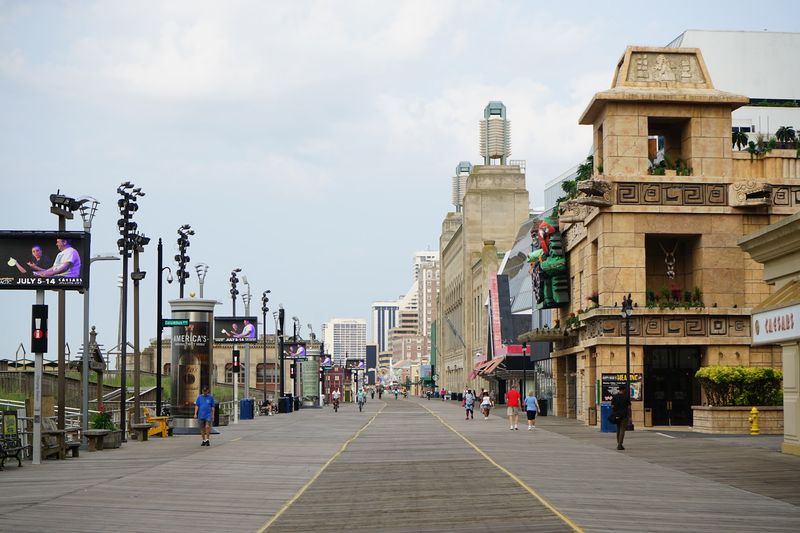
Look down before looking out. The planks sit in a herringbone pattern, angled in neat zigzags that run beneath thousands of footsteps daily.
At its widest, the promenade reaches around 60 feet across. It also stands roughly 12 feet above sea level, giving walkers a raised view of the surf.
The ocean stays on one side for the entire route. Beach umbrellas, gulls, and rolling waves fill that view during warm months.
Views from the top sweep across the shoreline and the skyline. On clear days, the horizon seems to stretch forever.
Sea breezes arrive constantly, which helps on humid summer afternoons. A light jacket helps in spring and fall, when wind off the water bites a bit.
Total length runs about 5.5 miles, ranking it among the longest boardwalks anywhere.
Comfortable shoes matter more than any other packing decision here.
Steel Pier Keeps The Rides Rolling
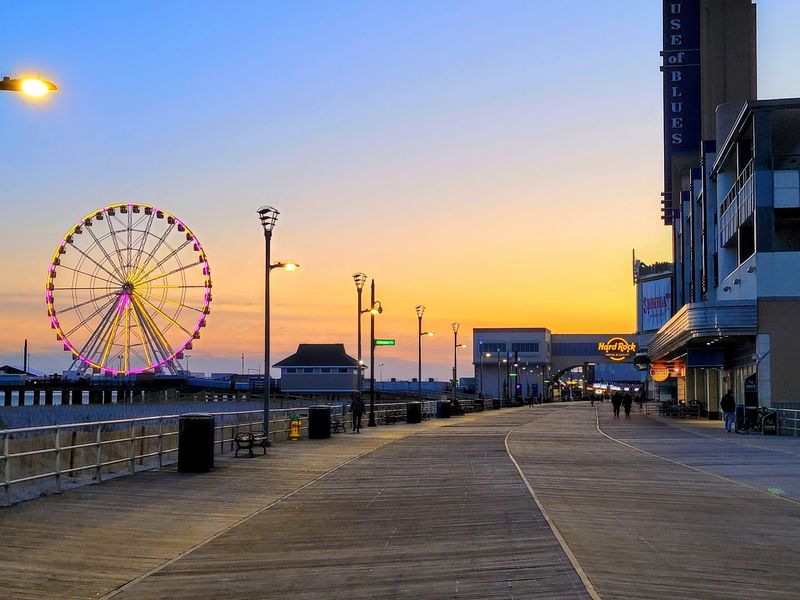
Rides over open water still thrill people the same way they did generations ago. Steel Pier opened in 1898 and continues drawing crowds off the main promenade.
Amusement rides, carnival games, and spinning attractions fill the deck. Families move between ticket booths while the ocean churns underneath.
The headline attraction is an observation wheel called The Wheel. Reported as the third largest in the United States, it lifts riders high above the beachfront.
Evening visits offer a different mood, with lights reflecting off the water below. Daytime rides give better photos of the beach and the long wooden promenade.
Operating seasons and ride availability can shift, so checking ahead saves disappointment.
Few piers this old still spin, splash, and glow with such energy.
Saltwater Taffy Was Invented Right Here
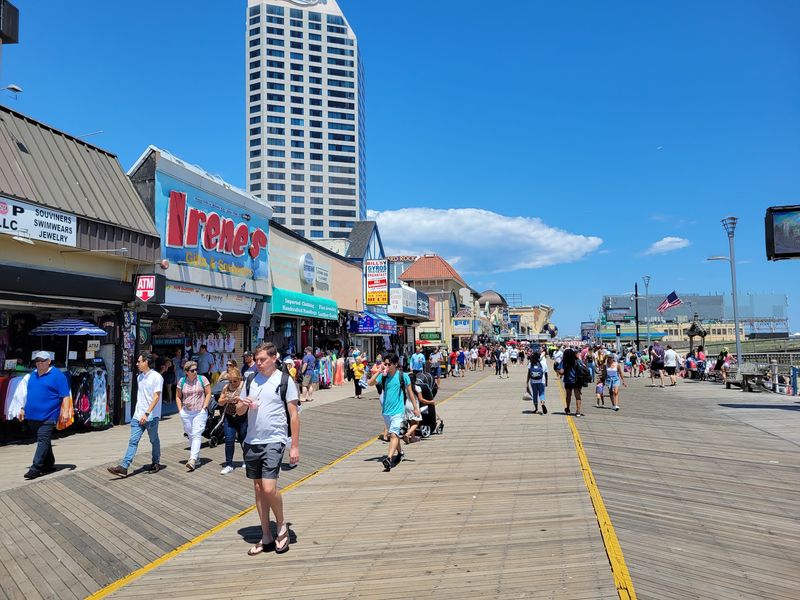
Chewy, pastel, and sticky in the best way. Saltwater taffy traces its origins to this very boardwalk back in the 1880s.
The candy became shorthand for a shore vacation. Boxes of it traveled home in suitcases across the country.
Shops along the planks still sell it by the pound, in stacks of bright colors. Vanilla, chocolate, molasses, and fruit flavors sit side by side.
Watching taffy get pulled by machine remains a small free show. Kids press against windows while ribbons of candy stretch and fold.
Buying a mixed box works well for sharing later. Warm weather softens the pieces, so a shady bag helps on hot days.
Fudge, popcorn, and hand-dipped treats often share the same counters.
Skipping taffy here feels like skipping the entire point of the trip, so grab a box early.
Rolling Chairs Offer An Old Fashioned Ride
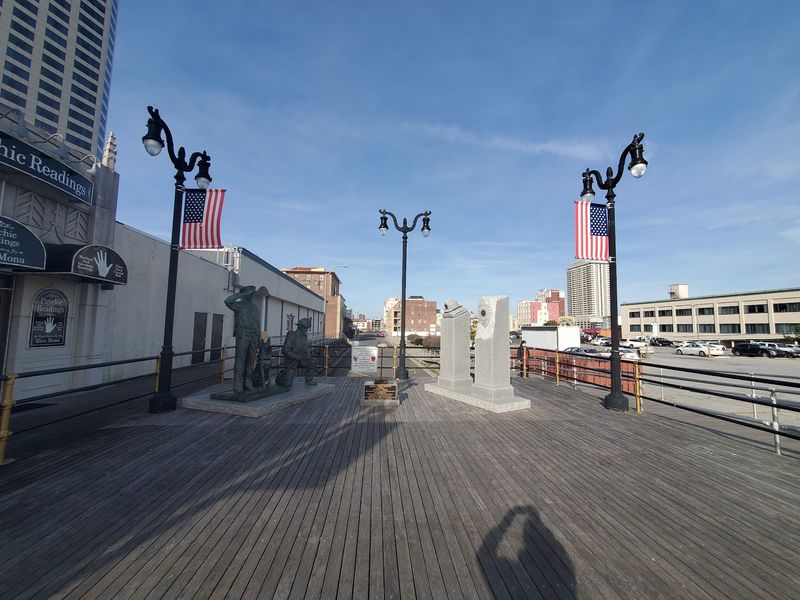
Tired feet have had a solution since the late 1800s. Rolling chairs became a boardwalk staple and never fully disappeared.
Attendants push wicker-style seats along the planks while passengers watch the scenery pass. The pace stays slow enough to notice details.
Riders glide past hotel entrances, souvenir windows, and beach access ramps. Conversations with the person pushing often turn into informal local commentary.
The chairs suit anyone covering long distances or resting between attractions. Couples use them for a leisurely stretch at sunset.
Rates and routes vary by operator, so agreeing on the trip before starting keeps things simple. Cash often smooths the process.
Photos from a rolling chair capture the promenade at a lower, wider angle.
More than a century later, being wheeled past the surf still feels charmingly out of step with modern life, and that is exactly the appeal.
Arcades, Mini Golf, And Rainy Day Backups
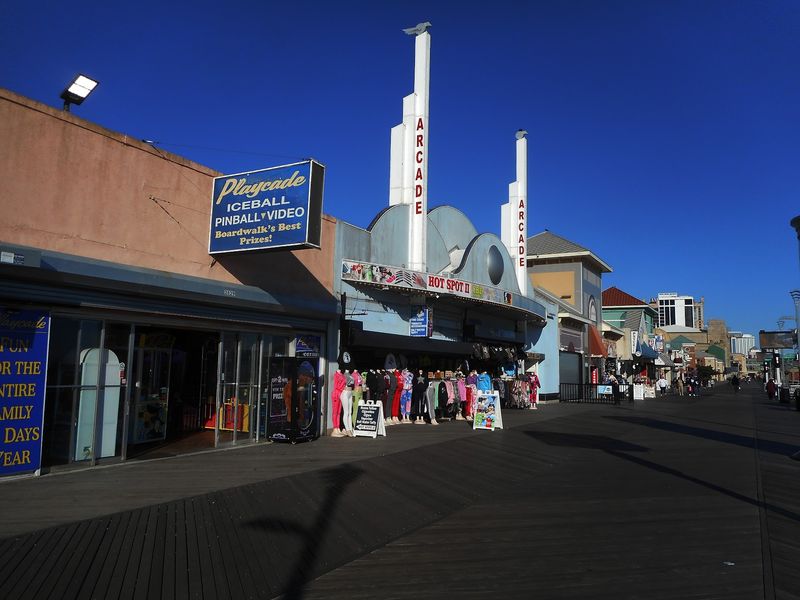
Bells, buzzers, and skee-ball ramps fill the air with noise. Central Pier Arcade and Speedway keeps classic game-room energy alive along the planks.
Prize counters stacked with plush toys give kids a clear mission. Older visitors gravitate toward familiar machines from decades past.
Ripley’s Believe It or Not sits nearby with oddities and optical tricks. Atlantic City Miniature Golf adds putting greens within steps of the ocean.
The Island Waterpark at Showboat adds an indoor water option to the mix any time of year. Slides and pools give families a break from sand and salt.
Bike and surrey rentals cover the other end of the activity range. Morning hours often suit wheels best, before the crowds thicken.
Cloudy skies barely dent the plan when indoor options sit this close together.
Hours and seasonal openings can change, so a quick check before arriving keeps the day running smoothly for everyone involved.
Boardwalk Hall Carries Serious Stage History
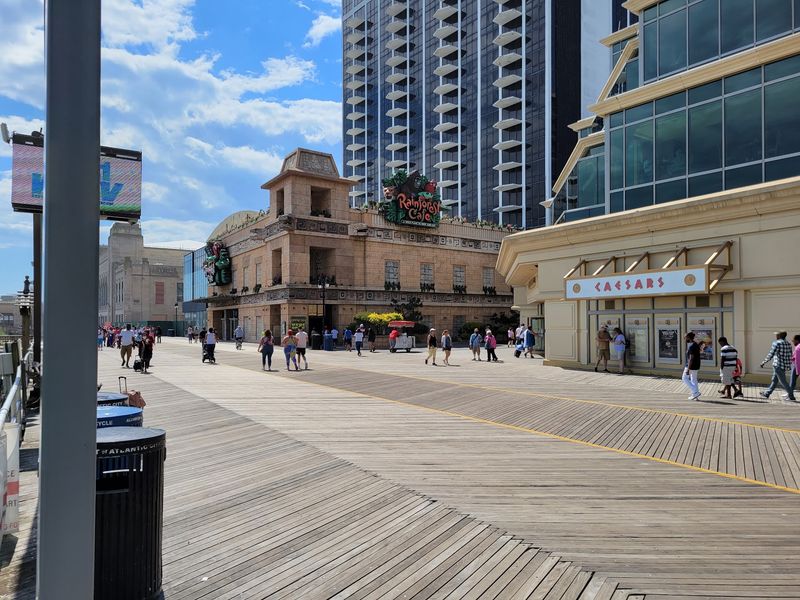
One building along the planks changed pageant history. Boardwalk Hall hosted the first Miss America competition in 1921.
The venue remains a landmark presence on the oceanfront. Its scale stands out even beside tall hotel towers.
Concerts, sporting events, and large gatherings fill the calendar throughout the year. Crowds spill onto the promenade before and after shows.
The architecture rewards a slow look from across the planks. Arched details and heavy stonework mark it as a product of a grander era.
Event nights change the whole rhythm of that stretch. Food stands stay busier and foot traffic picks up noticeably.
Anyone planning a visit around a show should expect fuller sidewalks and tighter parking.
Standing outside, it becomes easy to picture the decades of applause that echoed through those walls while the tide kept rolling just yards away.
America’s Playground And The Monopoly Connection
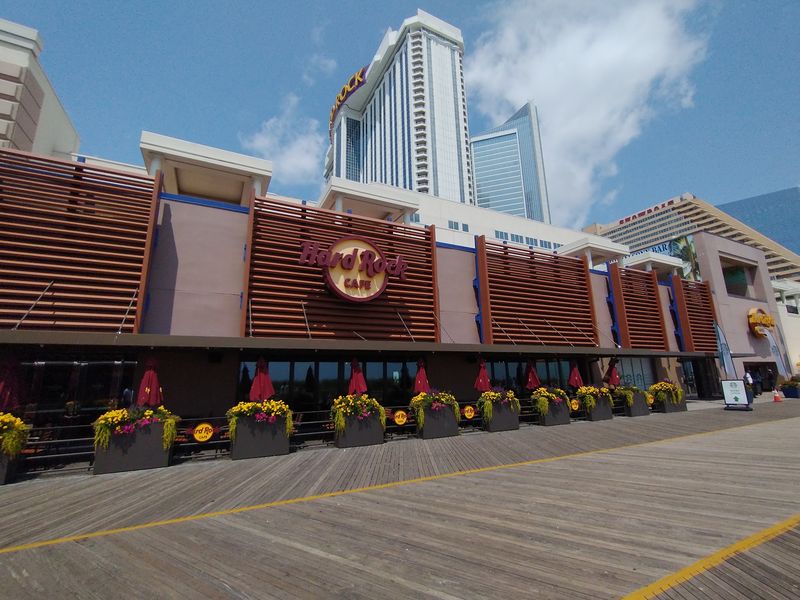
Ever wonder why Boardwalk sits at the top of a Monopoly board? Atlantic City inspired the street names used in the American version of the game.
Players have been buying and trading those properties for generations. The real versions still exist along this shoreline in New Jersey.
During its peak years, the destination earned the nickname America’s Playground. Trains delivered crowds looking for ocean air and entertainment.
Early 1900s custom called for dressing in fine clothing to stroll the planks. Photographs from that era show hats, suits, and long dresses everywhere.
Large scale resort development arrived in the late 1970s and brought a fresh wave of construction. The waterfront skyline changed dramatically as a result.
The waterfront skyline changed dramatically as a result.
Layers of history sit under every step, from Victorian promenades to neon-lit decades.
Recognizing a game board square in real life gives the walk an odd sense of familiarity that surprises first-time visitors.
Absecon Lighthouse Stands As The Elder Statesman
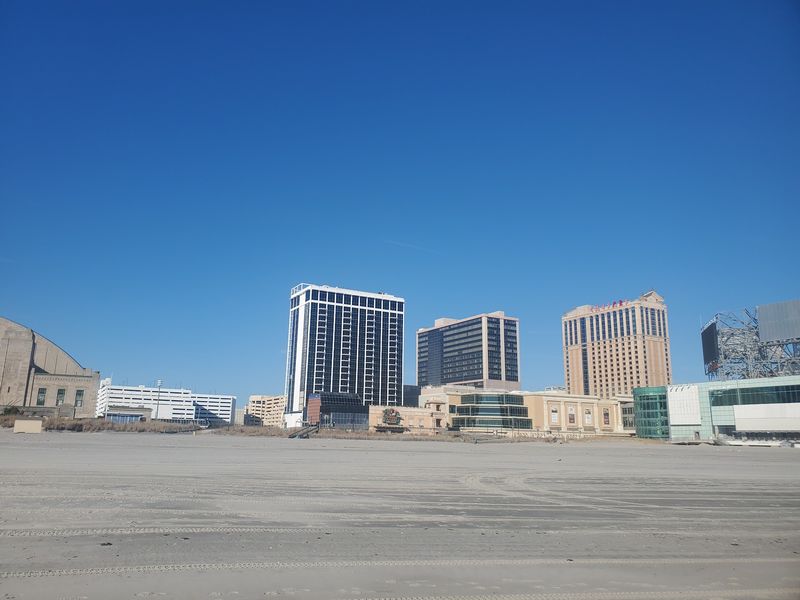
The oldest structure in town does not sit on the planks at all. Absecon Lighthouse was first lit in 1857, predating the boardwalk by more than a decade.
Sand accretion over the years pushed the shoreline away from its base. What once guided ships now sits inland from the beach.
The tall striped tower remains a striking sight against the sky. Its height still dominates the surrounding streets.
Reaching it takes a short detour off the promenade. The walk gives a glimpse of neighborhoods beyond the corridor.
Climbing options and access can vary, so confirming details ahead of time helps. The view from up high covers the island and the ocean beyond.
History fans usually find the trip worthwhile for the age alone.
Pairing the lighthouse with a boardwalk stroll builds a fuller picture of how much this shoreline has shifted since the 1800s.
Smart Timing Makes The Walk Even Better
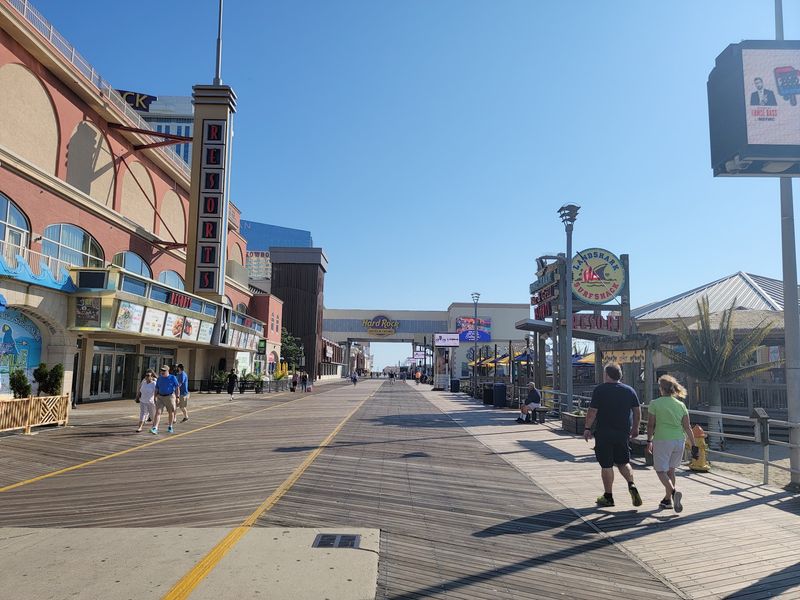
Sunrise belongs to the joggers. Early mornings on the planks stay quiet, cool, and wide open for anyone wanting photos without crowds.
Summer afternoons bring the biggest crowds and the liveliest energy. Street performers, music, and food stands hit full stride then.
Spring and fall trade heat for calmer walking conditions. Wind off the Atlantic can turn brisk, so layers help.
Winter visits reveal a stripped-down version of the promenade. Some seasonal attractions pause, though the ocean view never closes.
Covering all 5.5 miles takes real time, so splitting the route across two visits works well. Rolling chairs or rented wheels shorten the effort.
Beach access ramps sit at regular intervals for anyone wanting sand between planks and surf.
Whatever the season, the oldest boardwalk in America keeps doing what it started doing in 1870, which is carrying people comfortably above the sand beside the New Jersey shore.