
This Minnesota Town Is Quietly Becoming A Favorite For Adult Weekend Getaways
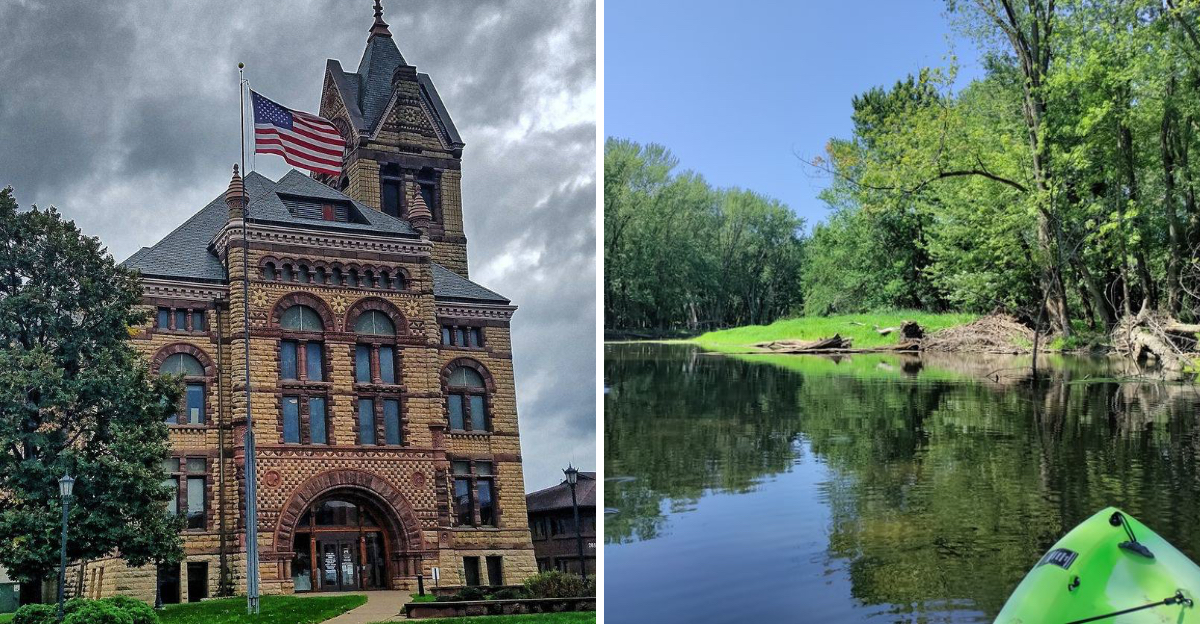
Picture bluffs so steep they wrap a whole city in stone arms, and you already know why weekenders can’t stop talking about this Minnesota escape.
Limestone cliffs frame the streets below, rising hundreds of feet into open sky. A river bends quietly at their feet, carrying more history than you’d expect from a town this size.
Wander downtown and Victorian storefronts glow with stained glass on every corner. Bakeries pull fresh trays before sunrise, and locals line up like it’s a ritual worth keeping.
Trails climb toward river views, paddlers slip into calm backwaters, and summer stages fill with Shakespeare under Minnesota skies.
Quietly, this bluff country pocket still feels like a secret. Isn’t that exactly the kind of place worth planning a whole weekend around?
Bluffs That Frame The Whole City
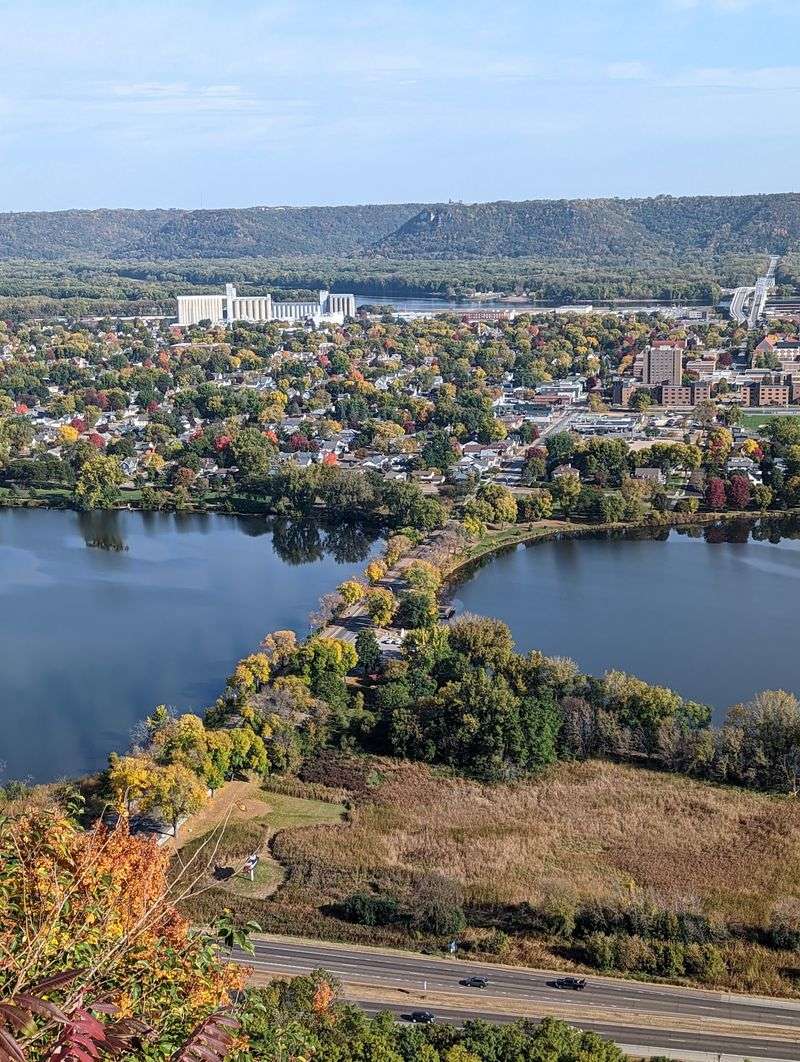
Few small cities get an entrance this dramatic. Limestone walls rise on nearly every side, forming a natural bowl around the streets below.
The most famous of them is Sugar Loaf, a blunt rock pinnacle standing roughly 500 feet above Lake Winona. Its odd shape came from 19th-century quarrying, when crews pulled limestone out for local sidewalks and buildings.
Garvin Heights City Park offers the classic overlook, sitting close to 600 feet up. From the railing, the river bends away in both directions and the rooftops shrink to model size.
Driving up takes only a few minutes from the city center, which makes it an easy sunrise or sunset stop.
All of this landscape belongs to the Driftless Area, a region the last glaciers skipped entirely. No ice sheet meant no flattening, so the ridges and coulees kept their sharp edges.
Bring a jacket. Wind moves fast along those exposed lookouts, even in summer.
A River Port With A Serious Past
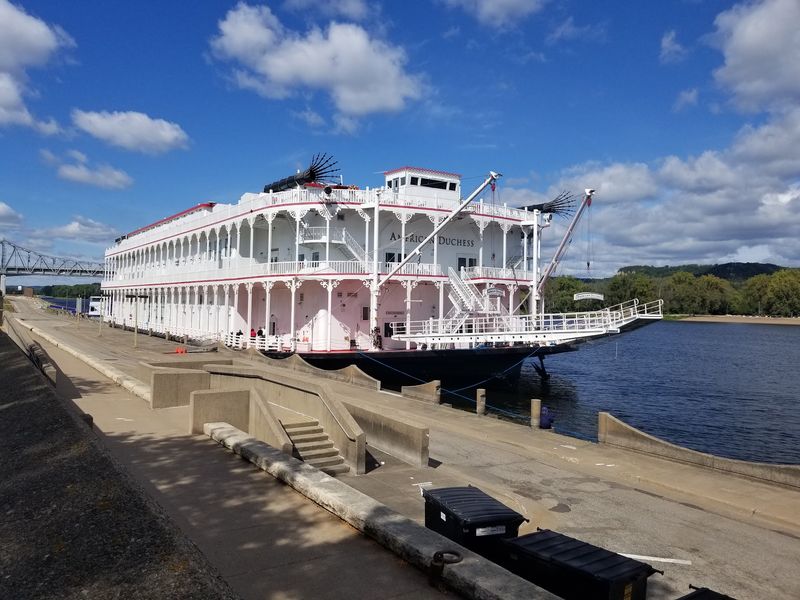
Wheat made this place rich. By the 1870s, the city ranked as the fourth largest port in the United States for wheat shipping, which is a stunning fact for a town this size.
Settlement began in 1851 on the west bank of the Mississippi, on land long known to the Dakota as Keoxa. The name honors a Dakota figure and carries the meaning of first-born daughter.
New England settlers arrived first, followed by Polish families in 1855 and German families in 1856. Growth came fast, jumping from about 815 residents in late 1855 to roughly 3,000 the next year.
Lumber replaced wheat as the money engine. Sawmills lined the waterfront, and for a stretch the city reportedly counted more millionaires per capita than any other American city its size.
That wealth explains the grand buildings still standing today. History here is not tucked in a museum case; it is holding up the roofs downtown.
Victorian Storefronts And Stained Glass Everywhere
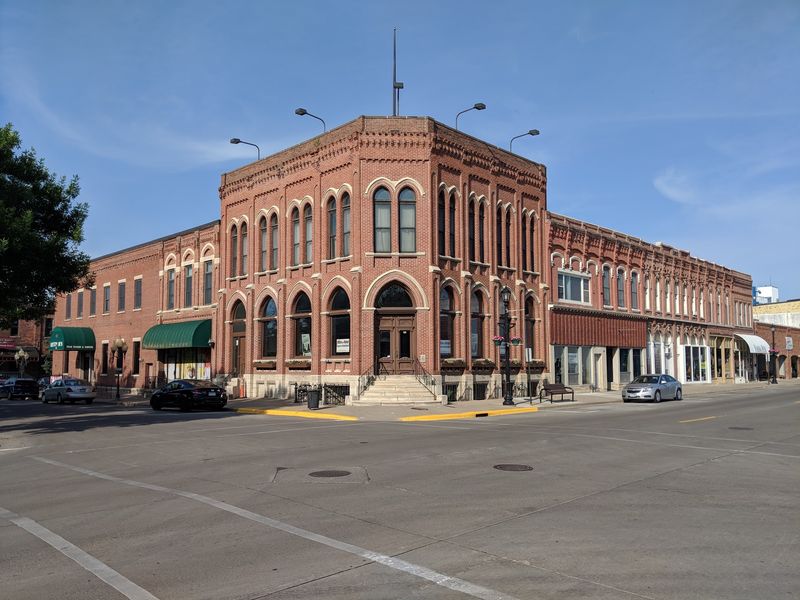
Architecture buffs, prepare to slow way down. Downtown holds what is considered the largest collection of Victorian commercial architecture along the Mississippi in Minnesota.
Italianate and Queen Anne facades dominate, most built between the late 1850s and the 1890s. Ornate cornices, arched windows, and brickwork details reward anyone willing to look up.
The Winona Commercial Historic District covers six downtown blocks along 3rd Street and includes 65 contributing properties. A slow loop on foot takes under an hour and costs nothing.
Stained glass is the other signature. Churches, homes, and businesses hold an unusually high concentration of colored glass, earning the city a reputation as a stained-glass center.
Prairie School fans should find the Merchants National Bank building, completed in 1912. Its jewel-toned glass and geometric ornament make it one of the most photographed corners in town.
Morning light works best for photos on the east-facing blocks. Afternoon suits the opposite side.
Marine Art On The Riverbank
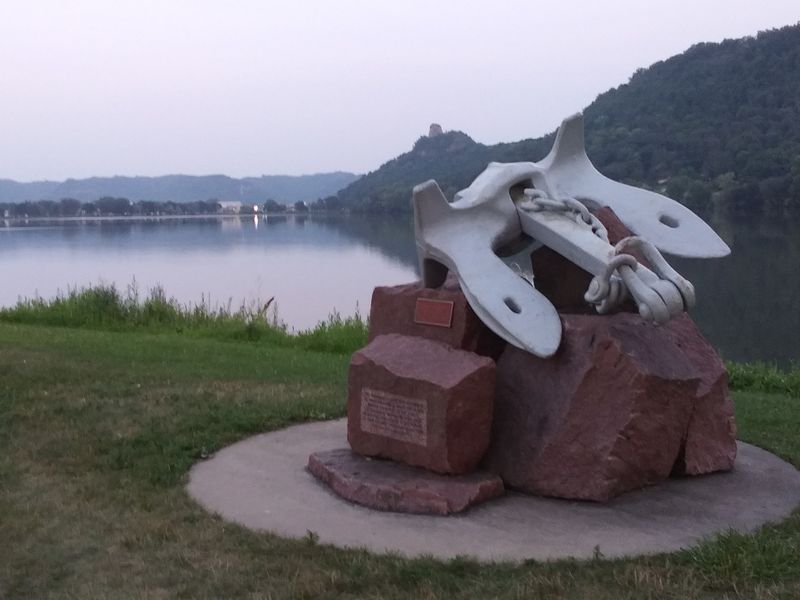
An art museum devoted to water, sitting right beside the biggest river in the country. The pairing makes perfect sense once you are inside.
The Minnesota Marine Art Museum opened in 2006 and quickly became a cornerstone of the local arts identity. Six galleries fill a purpose-built space on a seven-acre riverside campus.
The collection stretches the definition of marine art far beyond ships and storms. Expect paintings, prints, and rotating exhibits that examine how people live alongside water.
Outside, landscaped grounds and river views make the visit feel like two attractions in one. Benches face the channel, and barge traffic drifts past on cue.
Programs and traveling shows change through the year, so repeat visitors rarely see the same lineup twice.
Find it at 800 Riverview Drive, Winona, MN 55987, a short drive from the downtown core. Give yourself a couple of unhurried hours; rushing the galleries defeats the point entirely.
Kashubian Heritage Kept Alive
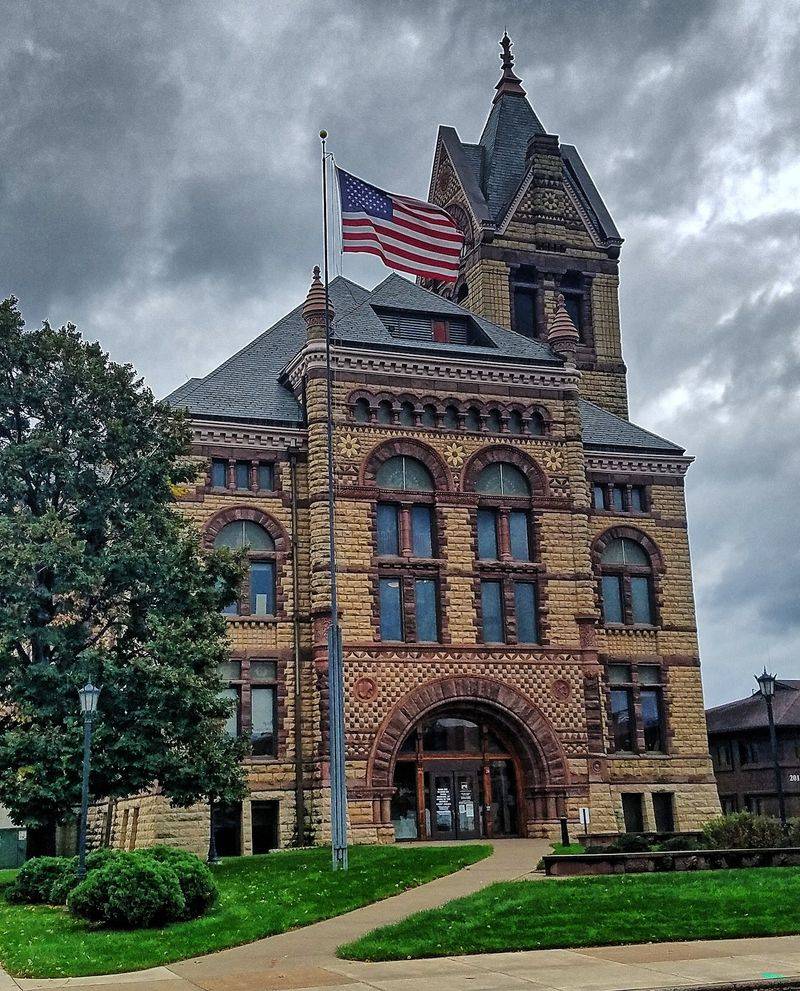
Polish roots run deeper here than most travelers expect. Specifically Kashubian roots, tied to a region in northern Poland.
The Polish Cultural Institute and Museum preserves that story inside a three-story building raised in 1890 by the Laird-Norton Lumber Company. The property was acquired in 1970 and reopened as a museum.
Exhibits trace more than 150 years of Polish immigrant life in this corner of Minnesota. Household tools, photographs, and church records fill the floors.
Community traditions keep the place lively rather than static. Smaczne Jablka, or Apple Day, is one of the annual gatherings locals look forward to.
Student exchanges with the sister city of Bytow, Poland, strengthen those ties across generations.
The museum sits at 102 Liberty Street, and it makes an excellent rainy-afternoon stop when the bluff trails turn slick.
Visitors who ask questions tend to get long, warm answers. Curiosity is welcome currency in this building.
Trails, Paddles, And Wide Open Backwaters
Over a hundred miles of multi-use trails thread through these bluffs. That is a lot of ground for a city this compact.
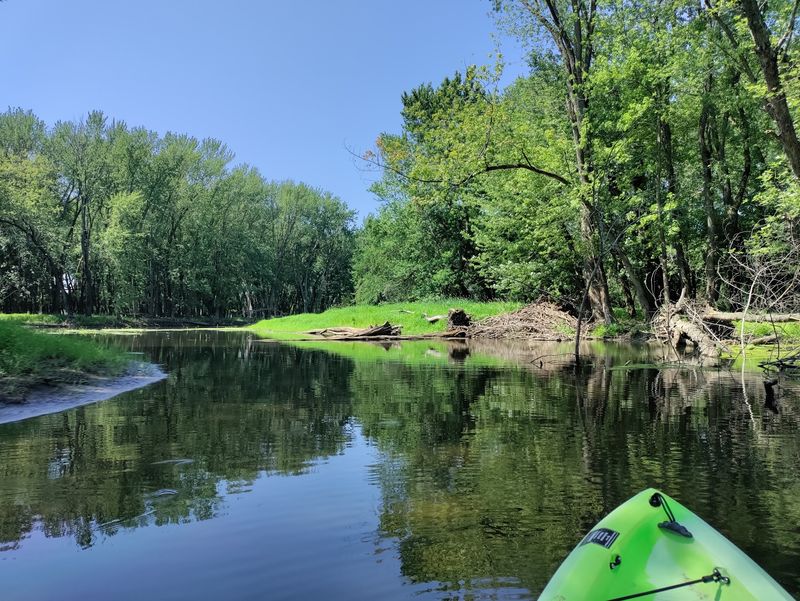
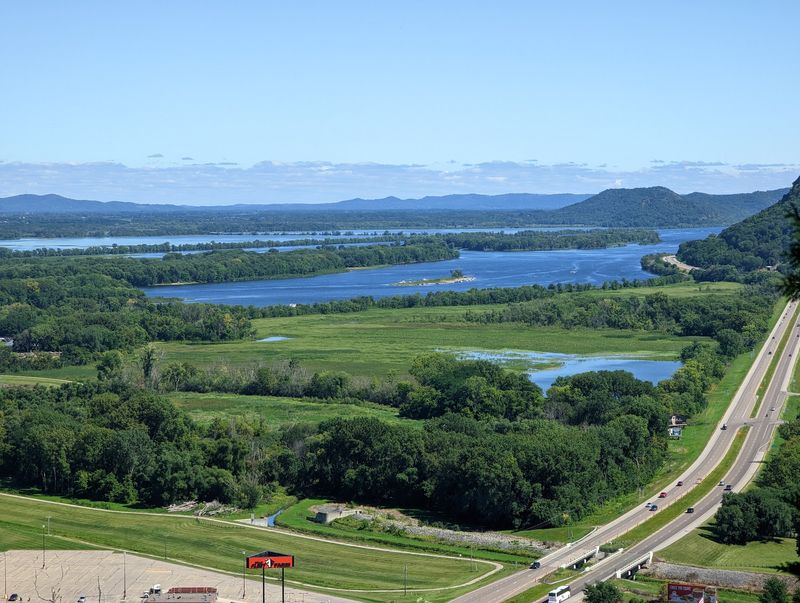
Paddlers get the better deal, arguably. The Upper Mississippi National Wildlife and Fish Refuge fills the valley with backwater channels and oxbow lakes made for quiet canoe routes.
Eagles, herons, and otters show up regularly along those sloughs. Early morning brings the best odds and the calmest water.
Hikers head to John Latsch State Park, where steep trails climb to three summits with sweeping river views. The stairs are no joke, so pace yourself.
Great River Bluffs State Park offers a gentler payoff, with prairie overlooks and shaded oak savanna paths.
Prefer flat ground? Lake Winona suits walking, cycling, and a round of disc golf without any elevation drama.
Levee Park along the waterfront hosts community events and even features manmade bouldering walls for anyone itching to climb something small.
Summer Stages And Classical Nights
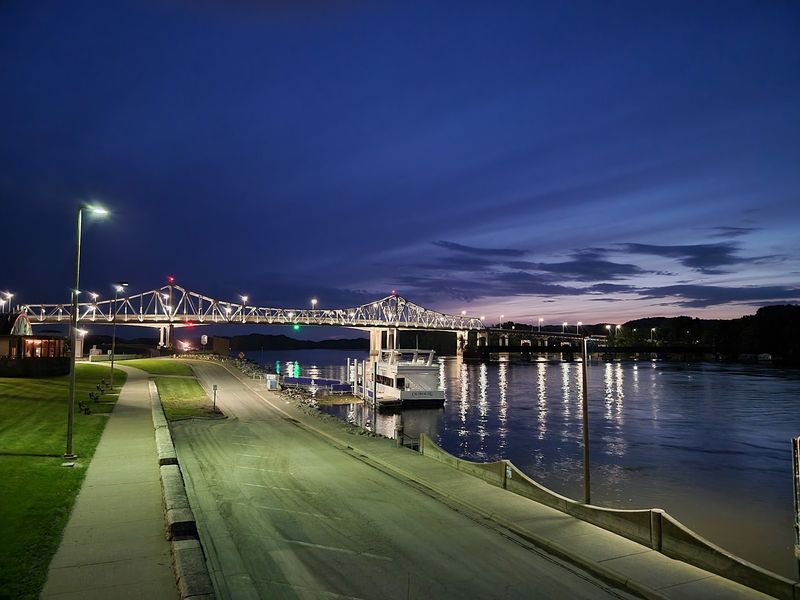
Shakespeare in a river town of 26,000. It sounds unlikely until you see the crowds.
The Great River Shakespeare Festival runs from late June through July, drawing performers and audiences from well beyond the region. Productions rotate, so a single weekend can cover two very different plays.
Classical music holds equal weight. The Minnesota Beethoven Festival spreads three weeks of concerts across summer, featuring guest artists of real standing.
Jazz fans get monthly performances plus an expanded Winona Jazz Festival, which keeps the calendar humming outside peak season.
Year-round, the Winona Arts Center programs live music, film screenings, exhibits, and hands-on workshops. Local participation is high, and it shows.
Murals and public art projects brighten alleys and blank walls throughout the city, turning ordinary walks into small treasure hunts.
Booking lodging early during festival weeks is smart. Rooms fill when the stages light up, and last-minute planners often end up commuting from out of town.
A Walkable Center Built For Wandering
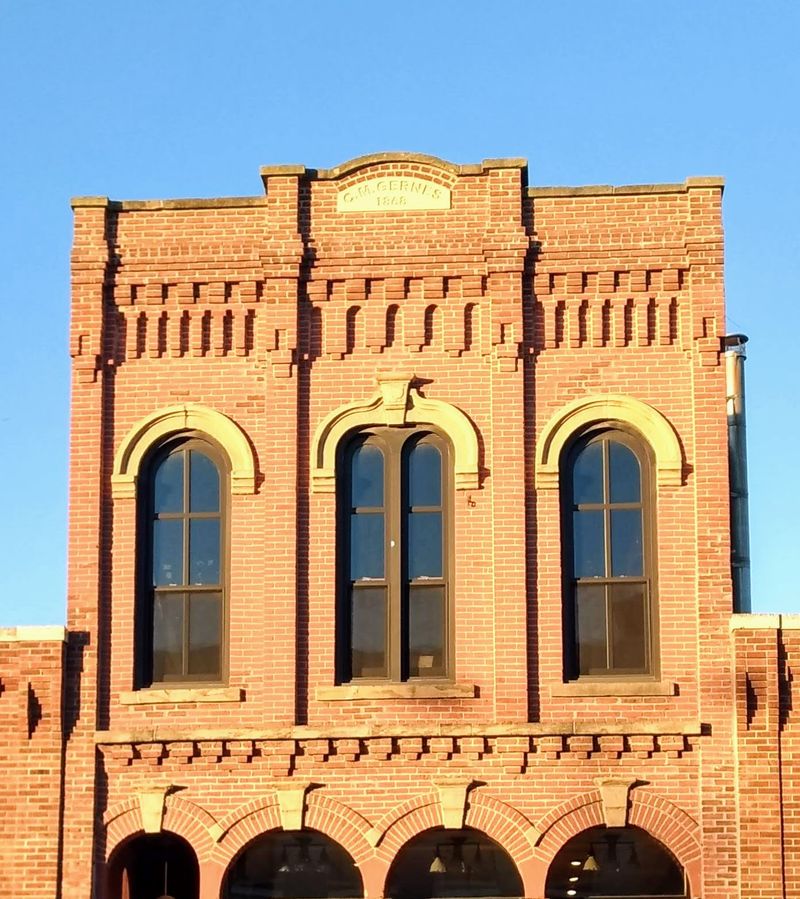
Park once. That is the whole strategy downtown.
Streets are flat, short, and lined with independent shops, cafes, and small venues tucked into century-old storefronts. Browsing feels unhurried because nobody is jostling for space.
Boutiques hide on corners you would not think to check, selling handmade goods, books, and gifts with actual local character.
Coffee shops double as informal community hubs, where conversations drift between tables and staff remember faces fast.
Regular events fill the sidewalks through warmer months, from markets to sidewalk performances, giving the district a rhythm that changes week to week.
Old brickwork and modern storefront glass sit side by side without clashing, which says a lot about how the city handles its history.
Weekend afternoons hit the sweet spot for atmosphere. Enough people to feel alive, never enough to feel crowded.
Comfortable shoes help, though distances stay short. Most visitors cover the core in a single relaxed loop and circle back for seconds.
Donuts With A Devoted Following
Some towns have a monument. This one has a bakery line.
Bloedow’s Bakery has operated since 1924 and was voted the best donut shop in Minnesota back in 2012. Locals treat that ranking as simple confirmation of what they already knew.
Arrive early on weekends. Popular varieties disappear, and the counter empties faster than newcomers expect.
Beyond the donut case, the city supports a solid mix of cafes, diners, and restaurants that lean toward comfort and quality over trend-chasing.
Menus reflect both Midwestern staples and international influences, a nod to the immigrant families who shaped the community.
Portions tend to be generous, service tends to be friendly, and nobody rushes you out the door.
Breakfast is arguably the strongest meal of the day here, which pairs perfectly with early bluff hikes.
Cash-friendly habits and small-shop hours are worth checking ahead of time. Planning around them turns a good food day into a great one.
Lakeside Calm And Views From The Water
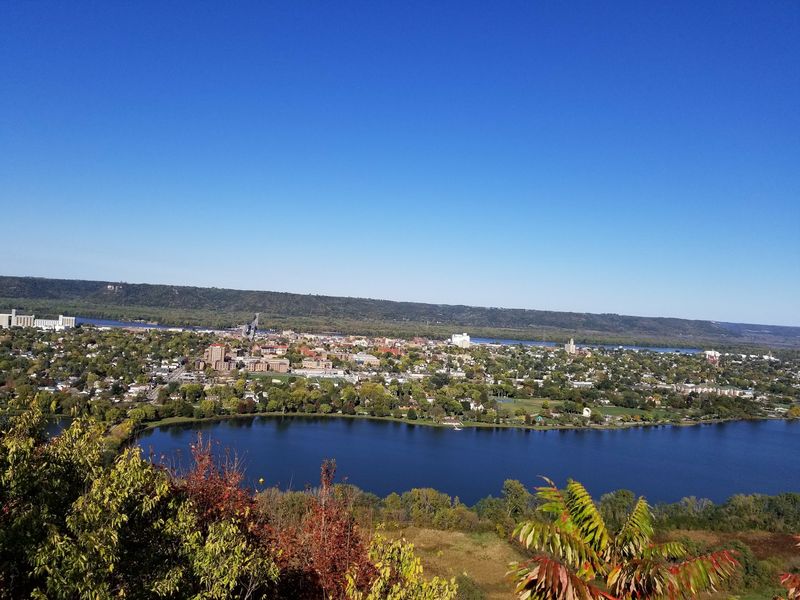
Once a channel of the Mississippi, now the calmest spot in town. Lake Winona anchors the city’s quieter side.
A walking and biking path circles the whole shoreline, popular with morning joggers and evening strollers alike. The loop stays flat, which suits recovery days after bluff climbing.
Lake Park adds picnic tables, rose gardens, and a historic bandshell where summer concerts draw folding chairs and blankets.
Rentals put boats and kayaks within reach for anyone wanting time on the water without owning gear.
Guided riverboat tours shift the perspective entirely, showing the bluffs as river travelers saw them generations ago. Barges, wing dams, and wooded islands slide past at an easy pace.
Sunset over the water ranks among the best free experiences available on a weekend visit.
Bug spray belongs in the bag during late summer evenings. Small detail, big difference when the lakeside air goes still.