
This Mississippi Town Still Has Homes Under $80,000 And Buyers Are Starting To Notice
Eighty thousand dollars for a house sounds like a typo in 2026. In one river town in Mississippi, it is just a listing.
Buyers from well outside the Delta have started noticing, which is usually the beginning of the end for prices like these. What they find when they show up is more than a number, though.
This is a town with real blues history baked into it, cypress trees older than the state itself, and tamales that people genuinely drive hours to eat.
Cheap houses get attention. Cheap houses in a town with actual character get bought. Below are reasons this place deserves a serious look before the rest of the country catches up to what is happening here.
A River City Where The Price Tags Still Make Sense
Most house hunters have learned to brace themselves before opening a listing. In this corner of the Mississippi Delta, the numbers actually relax your shoulders.
Median home values hover around $95,800, and plenty of properties sit well below that mark. Listings under $80,000 appear regularly, with a few older homes priced as low as $15,000.
Two, three, and four bedroom houses show up in that lower range, which surprises buyers used to paying triple for half the square footage.
Roughly 74 percent of the housing stock consists of single family detached homes.
Nearly 44 percent went up between the 1940s and 1960s, and another 43 percent arrived between 1970 and 1999. That means solid bones, real yards, and floor plans built before builders started shaving inches off every hallway.
Renters get a break too. A two bedroom apartment averages about $400 a month, while a three bedroom runs closer to $500.
The market has begun to stir, though. The median sale price reached $149,000 over the three months ending June 2026, a jump of 53.3 percent from the year before.
Median listing prices sit near $162,000, and homes stay available for a median of 101 days, with some data pointing to sales closing in about 41.
Translation for anyone doing math at the kitchen table: the bargain window is open, but it is not going to stay propped forever. First time buyers and small investors have noticed, and they are moving.
Meet Greenville, The Queen Of The Delta
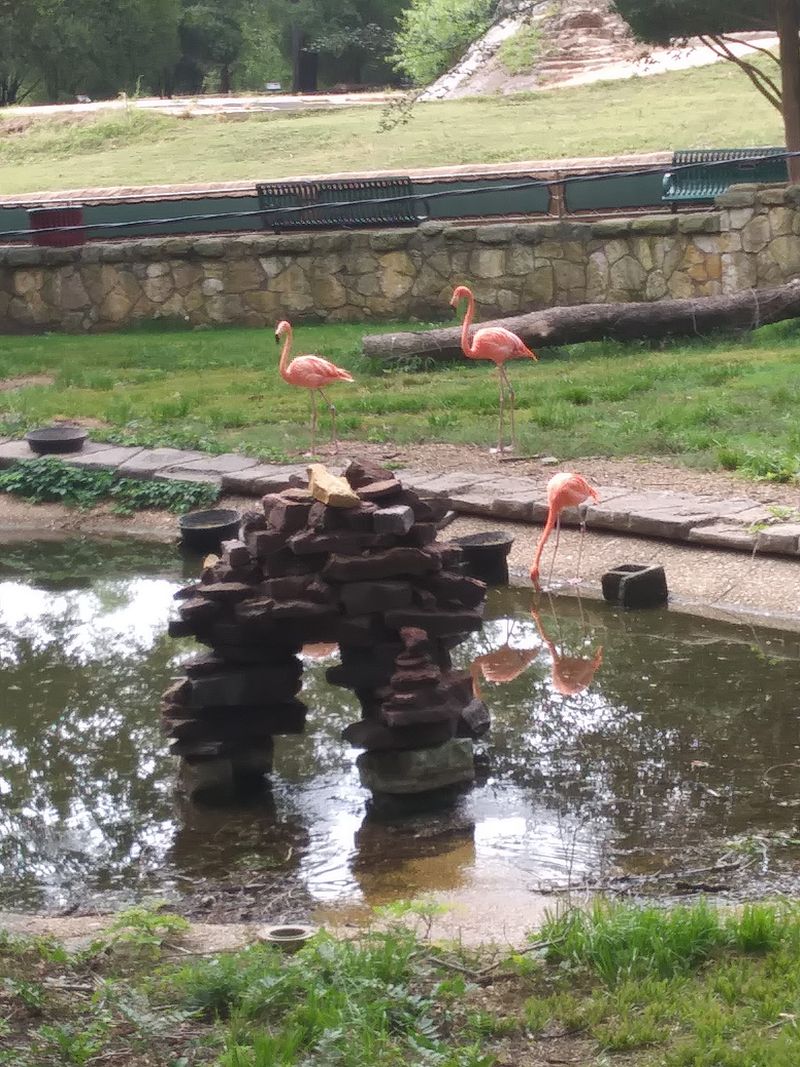
Locals call it the Queen of the Delta, and the title fits without effort. Greenville, Mississippi, spreads along the Mississippi River as the largest city in the Delta region, with about 29,670 residents counted in the 2020 Census.
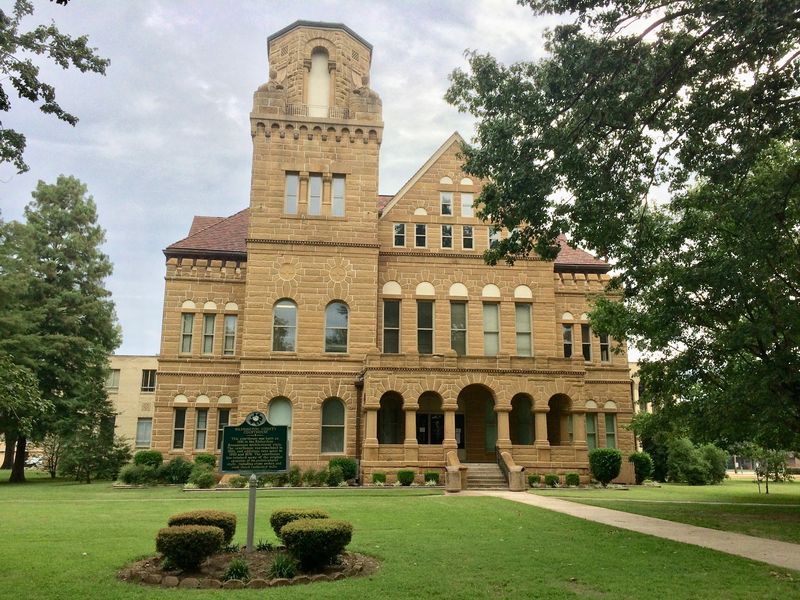
It has served as the seat of Washington County since 1846 and operates as the state’s largest river port. Barges, cotton, and grain still move through, which gives the place a working heartbeat rather than a museum hush.
Anyone curious about how all of it came together should start at the Greenville History Museum, 409 Washington Ave, Greenville, MS 38701.
The collection traces the city and county from the mid nineteenth century forward, and it does so with the kind of local detail that guidebooks skip.
Downtown has kept its bones. Brick facades, wide streets, and a historic district that ends at the levee give the core a shape you can walk in an afternoon.
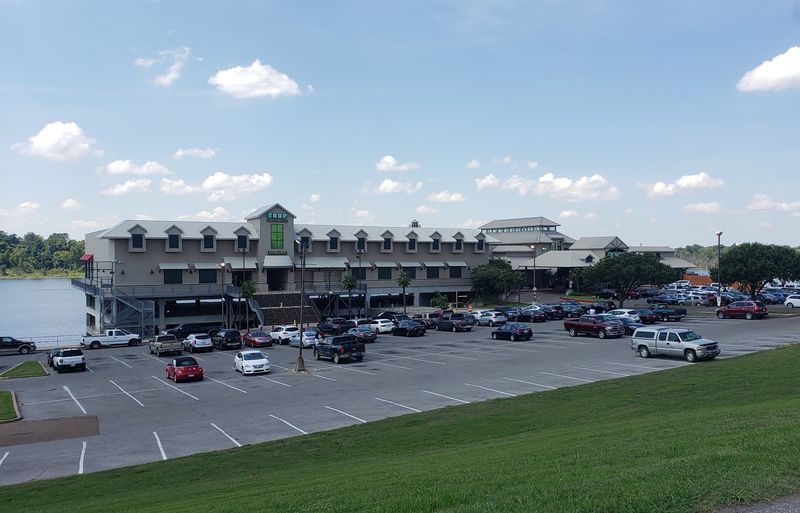
The Walnut Street District holds much of the dining and nightlife energy. Two casino resorts, Harlow’s Casino Resort and Trop Casino Greenville, sit nearby for anyone wanting live entertainment.
What surprises visitors most is the pace. Conversations stretch. Strangers wave.
Errands take longer because someone always has a question about your people.
For buyers weighing affordability against quality of life, that combination matters. Cheap houses exist in plenty of places. Cheap houses inside a city with this much personality are rarer than a quiet Saturday in the Delta.
Where The Blues Learned To Talk
Music historians keep circling back to the Delta for a reason. The blues took shape in fields and juke joints across this flat, fertile stretch, and Greenville sits near the center of that story.
The Highway 61 Blues Museum walks visitors through the lives of players who changed American sound, including B.B. King and Little Milton. Instruments, photographs, and stage clothes fill the rooms, and the effect lands closer to a family album than an exhibit.
Nelson Street once carried the noise. Through the 1940s and 1950s the strip filled with clubs and crowds, drawing comparisons to Beale Street up in Memphis.
Southern Whispers Restaurant on Nelson Street earned recognition as the second site marked on the Mississippi Blues Trail.
Festivals keep the tradition loud. The Mississippi Delta Blues and Heritage Festival brings performers and fans together each year, and the Sam Chatmon Blues Festival honors another Delta great.
Newcomers often assume the music scene is a relic. It is not. Guitars still get pulled out, and audiences still know when to holler back.
For anyone buying a home nearby, that cultural depth becomes part of daily life rather than a weekend excursion. You do not drive four hours to hear something authentic. You walk a few blocks.
Fun bit of trivia: the highway that gave the museum its name runs the length of the Delta and has appeared in more song lyrics than most streets in the country. Living along it comes with a soundtrack.
Kermit The Frog Got His Start Around Here

Few towns can claim a world famous frog, but this one has receipts. Jim Henson, the man who created the Muppets, was born in Greenville and spent his early years nearby in Stoneville.
Deer Creek runs through the area, and Henson later credited those slow green waters as the seed of Kermit. Anyone who has watched a frog sun itself on a Delta log understands the connection instantly.
The Birthplace of Kermit the Frog Museum in Leland honors the legacy with puppets, photographs, and displays about his career. Kids tear through it. Adults linger longer than they expect, usually somewhere between nostalgia and disbelief.
Leland also throws the Jim Henson Frog Fest, a community celebration of the puppeteer and the characters he built. Green shows up in wardrobes across town that weekend.
Families considering a move often ask what there is for children to do. Here is one honest answer: a museum about a beloved amphibian, twenty minutes down the road, free of the crowds you would fight in a bigger market.
Cultural touchstones like this shape how a place feels to raise kids in. Local schools reference it. Local pride leans on it.
Henson went on to build Sesame Street and reshape television for generations. That he came from a small Mississippi Delta town says something about what quiet places produce.
Buyers looking for character alongside affordability get both, plus bragging rights at parties.
Cypress Groves, Alligators, And Open Water
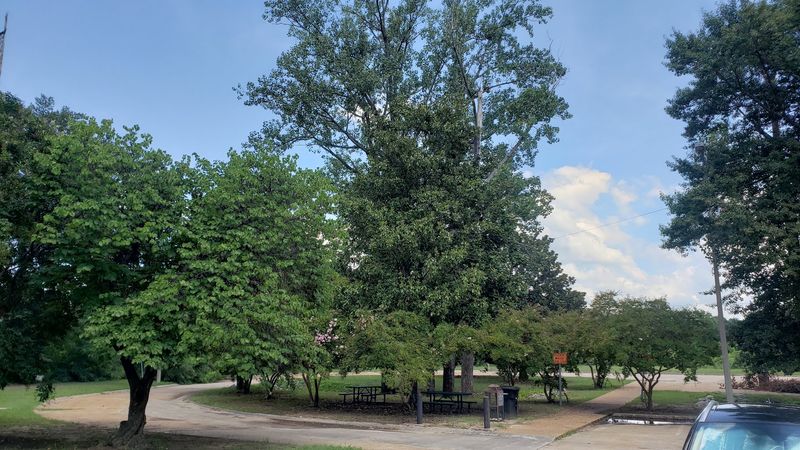
Outdoor lovers tend to underestimate the Delta until they see the cypress. The Greenville Cypress Preserve protects one of the last virgin cypress groves in the United States, and paved trails plus an observation deck make it easy to reach.
Trunks flare wide at the base. Knees poke up through the water like something prehistoric forgot to leave. Herons work the shallows without hurrying.
Lake Ferguson sits on the city’s western edge, an oxbow lake formed from an old channel of the Mississippi River. Boaters and anglers use it constantly, and fishing tournaments draw competitors from across the region.
Leroy Percy State Park offers a broader menu. Hunting, fishing, alligator viewing, and a wildlife preserve all fall inside its boundaries, and yes, the alligators are real and best appreciated from the boardwalk.
The Mississippi Delta Nature and Learning Center adds an interactive children’s garden along with trails cutting through native habitat. Teachers bring classes. Grandparents bring grandkids.
Then there is the levee. The Mississippi River Levee system runs longer and stands taller than the Great Wall of China, and it marks the end of the downtown historic district.
Walking the top gives you a view of the river doing what it has always done, which is whatever it wants.
For homeowners, all of this sits minutes away. No entrance lines, no reservation systems, no three hour drive. Nature here is a neighbor, not a destination.
Tamales, Pies, And Serious Delta Cooking
Somebody should warn visitors about the tamales. Delta hot tamales are a regional institution, simmered rather than steamed, spiced with a heat that builds slowly and politely.
The Delta Hot Tamale Festival runs three days and gathers musicians, authors, and cooks in one loud, happy sprawl. Vendors line up, judges taste, and the whole town smells like cornmeal and pepper.
Sherman’s at South Main has built a reputation on homemade pies and Delta specialties. Portions arrive generous, which is standard practice at restaurants around here, and the meringue deserves the attention it gets.
Downtown’s Walnut Street District holds a cluster of places to eat, drink coffee, and settle in for an evening. Menus lean American with Southern roots, and the cooking respects tradition without treating it like a costume.
Food costs less here, which stretches an already low cost of living. A full meal out does not require budget negotiation.
What makes the scene worth writing about is consistency. Kitchens cook for regulars, and regulars have opinions. That accountability produces better plates than any trend cycle ever has.
New residents figure out their rotation fast. One spot for pie, one for tamales, one for Sunday.
Culinary historians trace the Delta tamale to shared kitchens among Mississippi field workers generations back, a genuine cultural crossing served in a corn husk. Eating one connects you to that history whether you think about it or not, and most people are too busy chewing.
More Published Writers Than You Would Guess
Here is a statistic that stops people mid sentence. During the twentieth century, more than 100 published writers called Greenville home.
Shelby Foote wrote his sweeping Civil War narratives from this area. Hodding Carter earned a Pulitzer Prize for editorial writing. Walker Percy spent formative years here before becoming one of the South’s essential novelists.
Small towns rarely produce that density of literary output. Something about the Delta, the isolation, the storytelling habit, the long afternoons, seems to push people toward paper.
Bookish visitors will find markers, collections, and local pride surrounding this legacy. The Delta Hot Tamale Festival even folds authors into its programming alongside musicians, which tells you how the community ranks writing.
For anyone relocating, that history creates a certain expectation. Conversations here reward a good story well told, and people remember details about your family for years.
Libraries and reading groups carry the tradition forward. So do local museums that treat manuscripts with the same care as artifacts.
Writers considering a move might note the practical angle too. A house under $80,000 buys a lot of quiet working hours, and the overhead here would let a freelancer breathe.
Foote once described the Delta’s flatness as a landscape that forces you inward. Whatever the mechanism, it worked repeatedly, across generations, in a city most people cannot find on a map.
That kind of intellectual heritage does not show up in listing photos. It shows up in the neighbors.