
Mississippi Has A European Deli So Authentic It Feels Like A Hidden Market
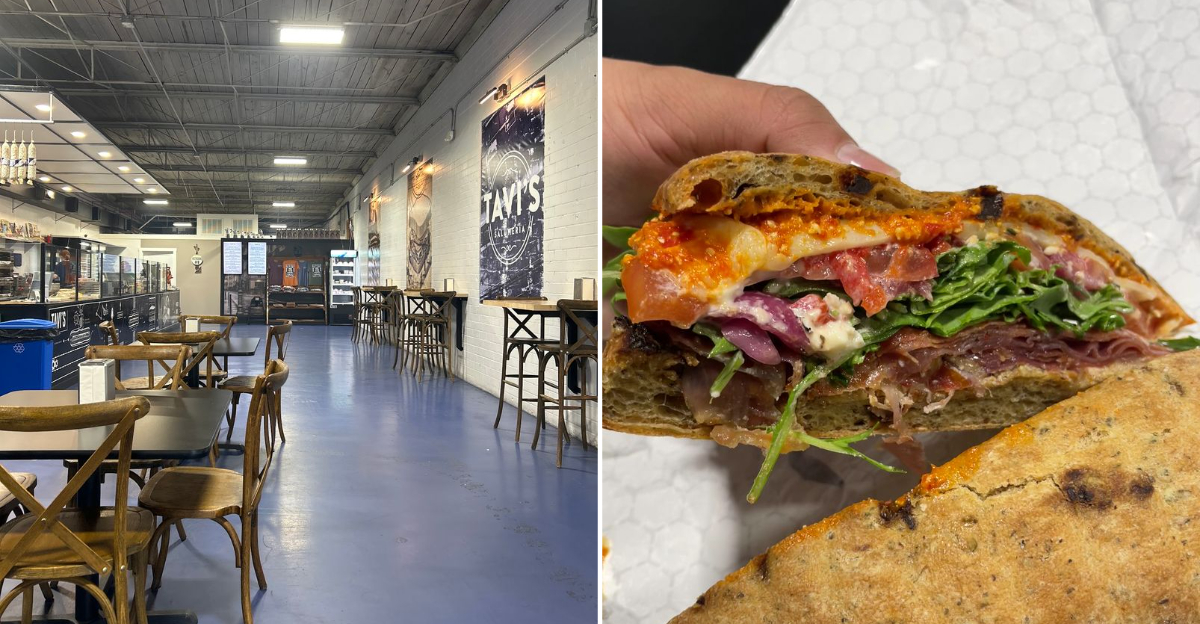
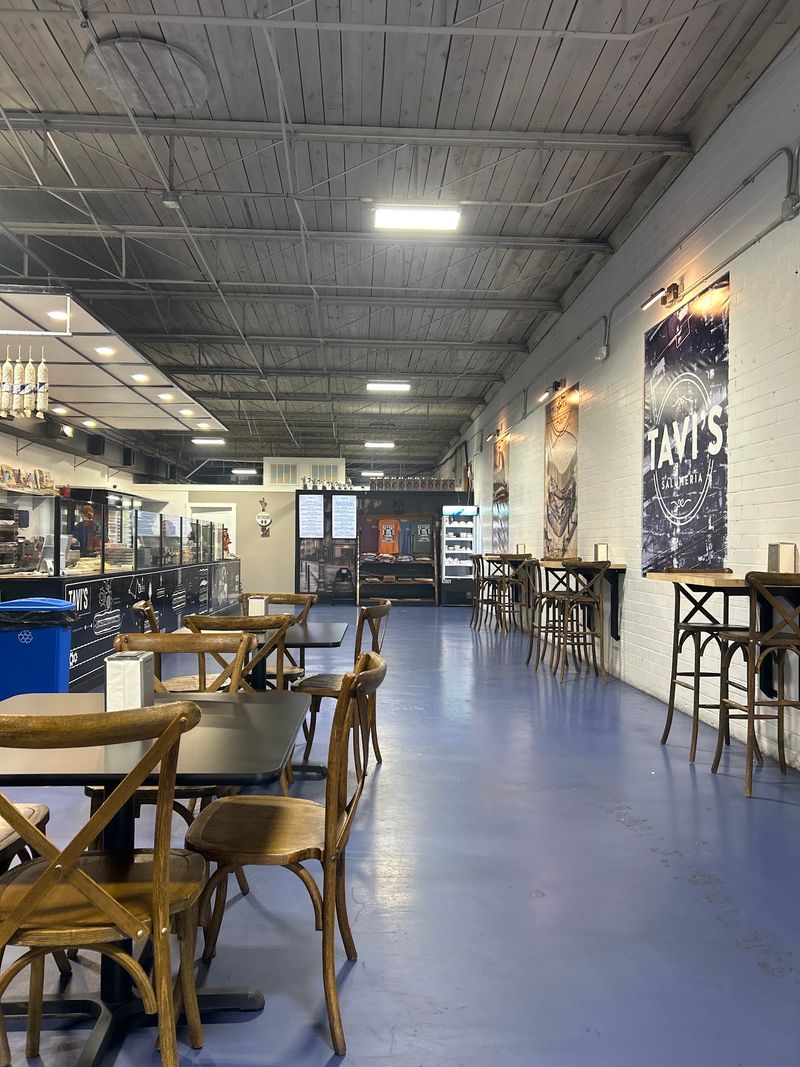
If you’ve ever wondered what a European deli actually looks like, this Mississippi spot will show you firsthand. Shelves stretch floor to ceiling with imported goods most stores nearby simply don’t carry.
Meats and cheeses arrive sourced directly from regions known for producing them the traditional way. Regulars know exactly which imports to ask for by name, some available only in limited batches throughout the year.
Staff take time explaining origins and pairings instead of rushing customers through the counter. Nothing about the selection feels curated for convenience over authenticity.
Visitors often compare the atmosphere to markets they’ve only seen while traveling abroad. This deli proved that sometimes authenticity travels further than expected to land somewhere unexpected.
History Of European Deli Traditions
A salumeria is an Italian shop specializing in cured meat, and the tradition dates back to the Middle Ages. Before refrigeration, salting and air-drying pork was how people kept food through winter.
Tavi’s Salumeria carries that tradition to the Mississippi Gulf Coast without watering it down. Octavio “Tavi” Arzola and his wife Shannon opened the shop with one goal: give the coast a real Italian deli, not an imitation.
Tavi brings more than 30 years of culinary work to the counter. Some of the recipes he uses have been around for centuries, and he follows them closely rather than adjusting them for American habits.
Look up when you walk in. Cold cuts hang from the ceiling, exactly the way they would in a shop in Parma or Modena.
It is a working display, not decoration for tourists.
The pace inside matches the food. Curing salami takes months, and the room seems to move at a similar speed, which is a nice change from drive-thru lunch culture.
Hours are short and worth planning around. The shop opens at 11 AM and closes at 3 PM, Monday through Saturday, with Sunday off completely.
You can find it at 1618 25th Ave, Gulfport, MS 39501. The building is modest from the street, which makes the interior even more surprising.
Selection Of Cured Meats And Cheeses
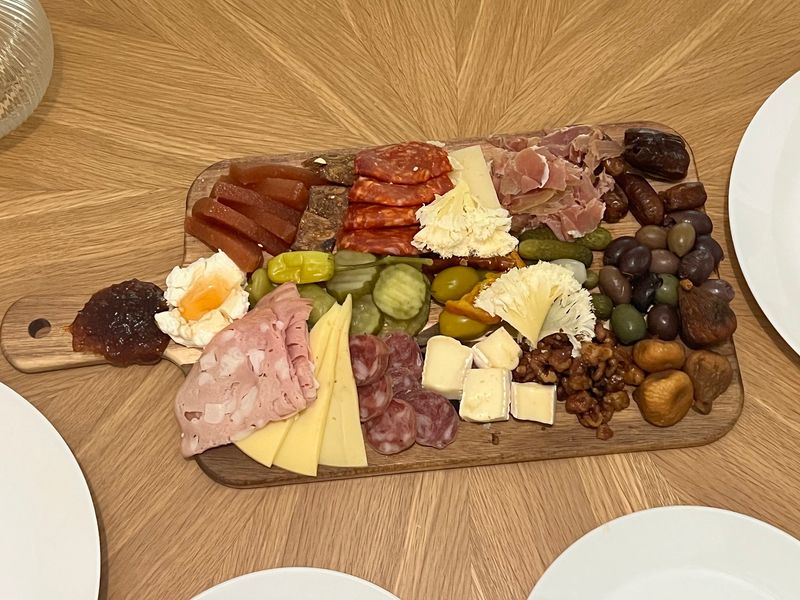
Every meat and cheese behind the glass comes from Italy or Spain. Not “Italian style,” not domestic versions with foreign names.
The lineup includes Serrano ham, Salchichón Ibérico, and Manchego aged for a full twelve years. Twelve years is longer than most cheeses get to exist, and the flavor turns sharp, nutty, and almost crumbly.
You will also find both Spanish Jamón Serrano and Italian prosciutto side by side, which is a rare thing to see in one small shop. Tasting them back to back is a quick lesson in how geography changes pork.
Aging times vary across the meats, so the flavors range from mild and buttery to deep and salty. Ask what has been curing longest if you like intensity.
Charcuterie boards are a popular order for good reason. They let you sample several selections at once instead of committing to one sandwich.
A tip for first-timers: order a board to share, then a sandwich, and split everything. That way nobody leaves wondering what the other stuff tasted like.
Spicy salami, capicola, smoked Gouda, and feta all show up across the menu too. The variety is wide enough that repeat visits actually feel different each time, which explains why so many customers keep working their way down the list.
Baking Fresh European Style Breads
Bread is where a lot of sandwich shops quietly give up. Not here.
Loaves are homemade and baked fresh every single day, and the texture stays soft instead of shredding the roof of your mouth.
Different sandwiches get different breads on purpose. The Dante is built on Spanish Pistollet bread, a roll sturdy enough to hold spicy fillings without falling apart.
The Sicily sits on Piacacia bread, flatter and more absorbent, which suits the spreads and marinated vegetables layered inside it. Matching bread to filling sounds fussy, but it changes how each bite holds together.
Specials get their own treatment as well. The porchetta arrives on palleta bread, pressed panini style, so the outside crisps while the pork stays juicy.
Artisan bread runs through the whole menu, and the daily bake schedule means timing matters. Arriving early in the lunch window usually gets you bread at its freshest.
Here is a small thing worth noticing: good bread does not need much help. A plain slice with cheese from the case makes a fine snack while you decide on your order.
If you take a sandwich home, eat it soon. Fresh-baked bread does not sit around well, and reheating never quite brings back that first-day softness.
Crafting Authentic Sandwiches With Classic Ingredients
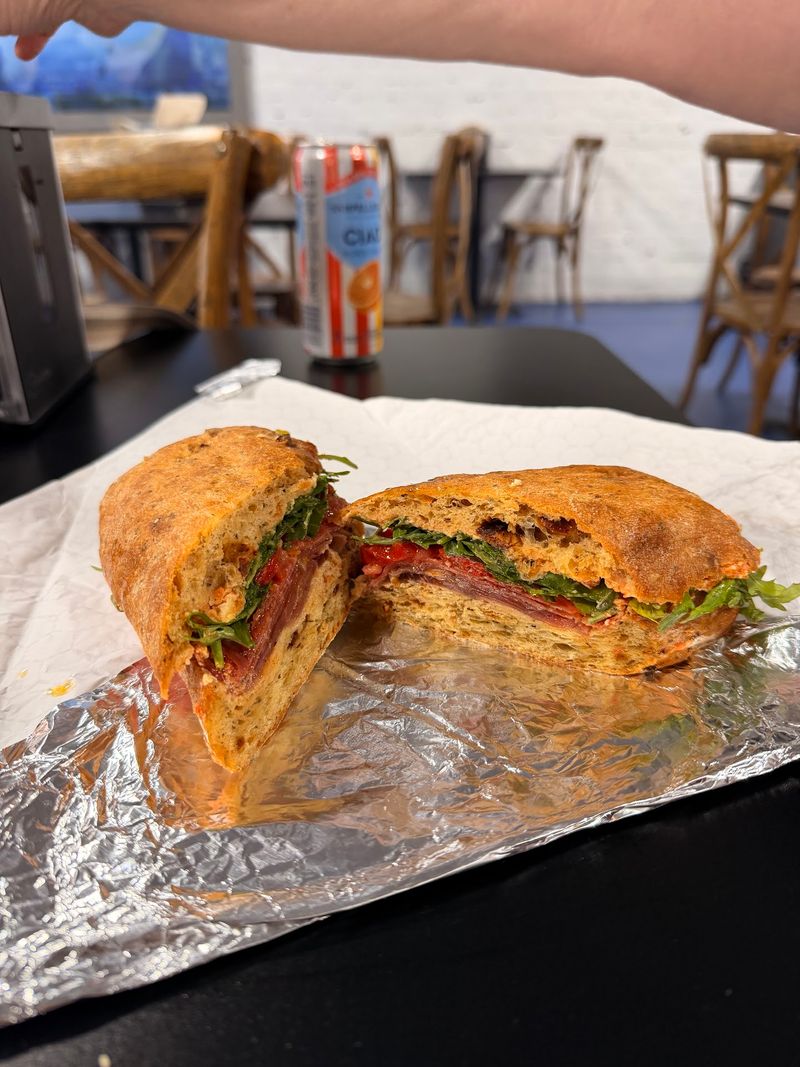
Ask about the Dante and you get a list, not a description. Hot capicola, spicy salami, spicy N’Duja, smoked Gouda, Calabrese pesto, hot honey, and hot Italian olive salad, all on Spanish Pistollet bread.
Nothing gets left out to make it milder.
The Bear takes a different route. Thinly sliced Italian beef, imported cheeses, and fresh toppings stacked on artisan bread, inspired by Chicago beef sandwiches.
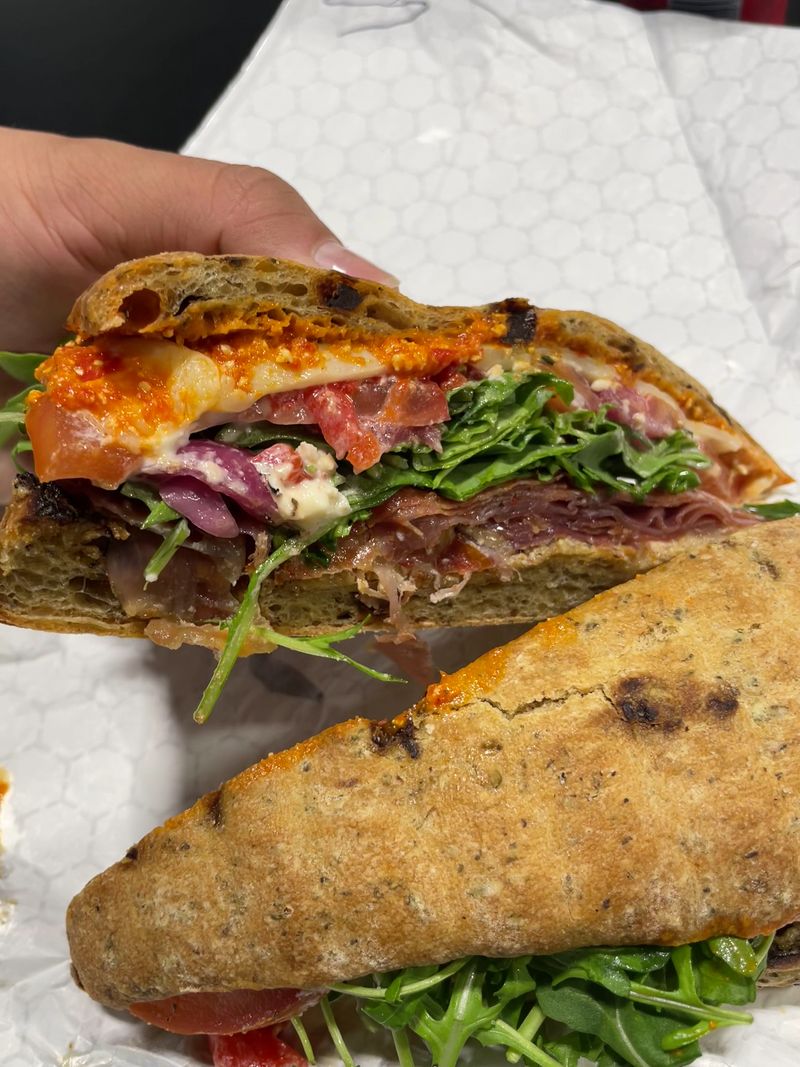
The Sicily might be the busiest build on the board. Piacacia bread, spicy salami, prosca cheese, arugula, pickled red onions, roasted peppers, marinated tomatoes, roasted pepper and feta spread, plus calabrizzi pepper pesto.
There is also a Cuban, a Verona, a meatball sandwich, a Reuben, a caprese, and chicken parmigiano. Vegetarian options exist too, so nobody in your group gets stuck with a side of chips.
The Porchetta special features slow-roasted pork with Italian salsa. The Guava Get Out goes a different direction entirely: house mojo pork, roast beef, onions, potato sticks, pepper jack, and guava with key lime mayo.
Recipes follow Italian and Spanish standards rather than American shortcuts. Every original ingredient stays in the sandwich, which is the whole point.
My advice? Pick something with a name you cannot pronounce.
Those are usually the most interesting ones on the menu.
Importance Of Quality Sourcing For Delicatessen Products
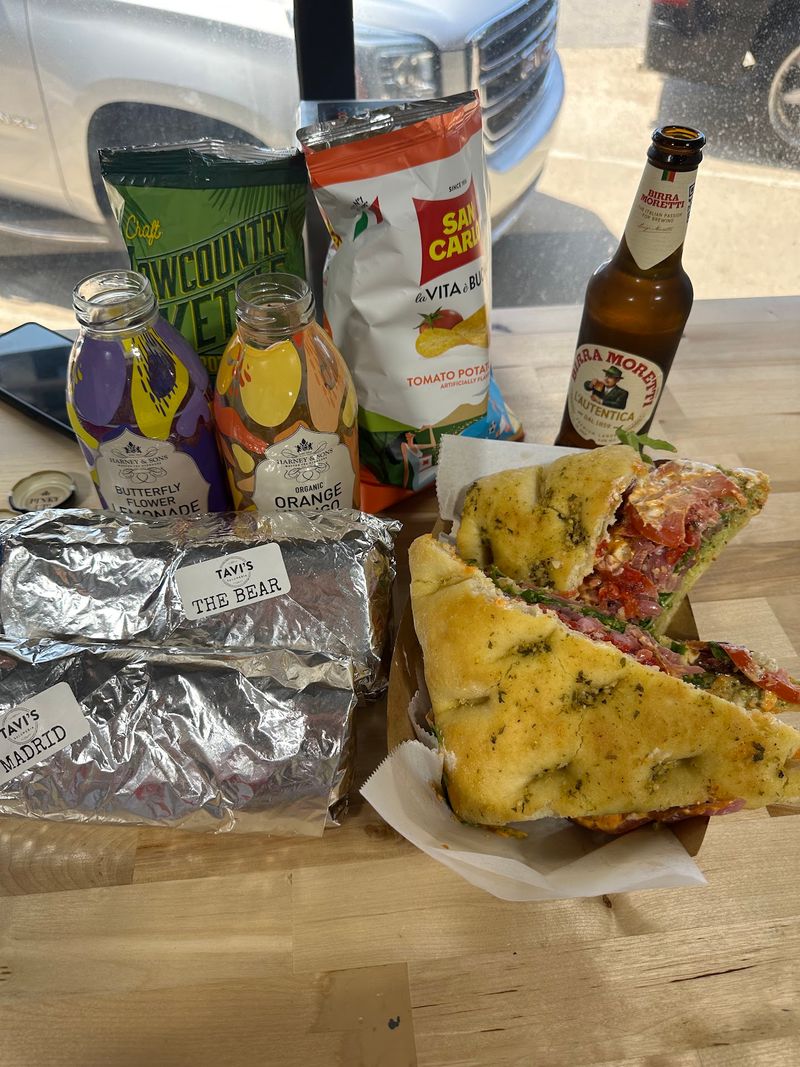
Here is the detail that stops most people mid-sentence: even the chips are imported. Food, drinks, snacks, all of it comes from Italy or Spain.
That decision costs more, and the menu prices reflect it. But sourcing everything from the original country is the only way to keep flavors matching what the recipes were built around.
The stated goal is simple. Bring Italy to you, so you do not need a plane ticket to taste it.
Small imported items make the biggest impression sometimes. Rosemary chips and specialty sodas are the kind of thing you cannot grab at a grocery store on the coast.
Tavi often explains where ingredients come from and why they matter. Those explanations turn an ordinary lunch into something closer to a short cooking class.
Twelve-year-aged Manchego is a good example of the standard. Cheese that old requires patience from a producer overseas, and there is no domestic shortcut for it.
Practical tip: grab a bag of imported chips and a bottled soda to take home. They travel better than a sandwich and stretch the experience a few more days.
Sourcing this carefully also means selections can shift. Availability depends on what arrives, so the case rewards curious repeat visitors more than habit.
Exploring Signature Spreads And Condiments
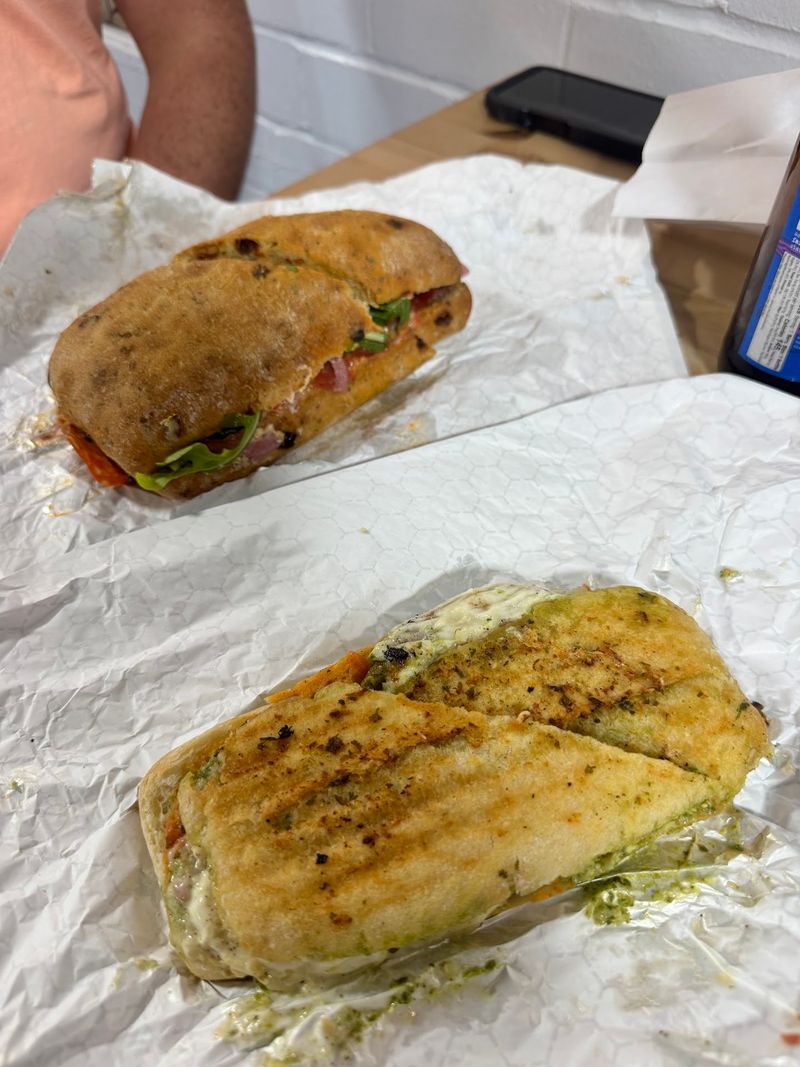
Spreads do the heavy lifting on this menu, and most of them are made from scratch. Calabrese pesto, hot honey, and hot Italian olive salad show up across several sandwiches.
The Sicily carries two at once. A roasted pepper and feta spread brings creaminess, while calabrizzi pepper pesto adds heat and a little bitterness from the peppers.
Porchetta specials come with Italian salsa varieties and garlic aioli. Aioli on slow-roasted pork is a combination that makes plain mayonnaise feel unambitious.
Then there is the guava and key lime mayonnaise. It sounds like it wandered in from a completely different cuisine, and honestly it works with the mojo pork.
Infused hot honey gets made in-house too, which matters because store-bought versions are usually just sugar with a hint of pepper. House-made means the heat actually builds.
Pistachio cream is another in-house creation, and it leans toward the dessert side of the counter. Pistachio cheesecake and tiramisu are worth asking about.
If you are heat-sensitive, say so when ordering. Several spreads run genuinely spicy, and swapping one out is easier than regretting it halfway through lunch.
The lesson buried in all this: condiments are not afterthoughts. They are the reason two sandwiches with similar meat taste nothing alike.
Role Of Family Recipes In Maintaining Authenticity
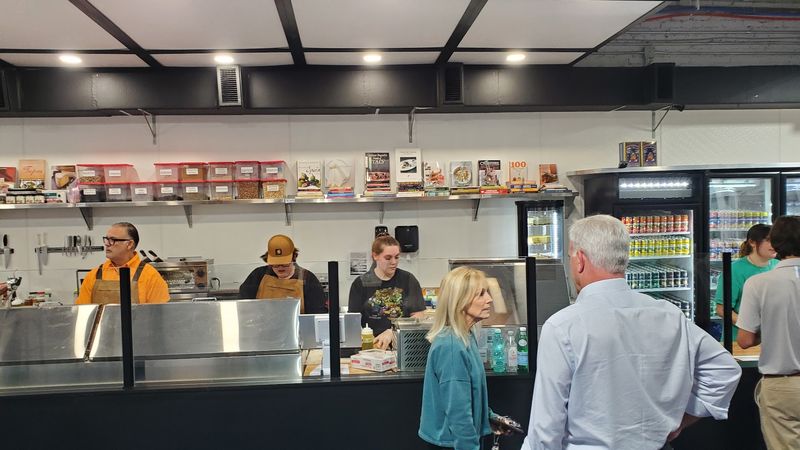
Authenticity here is not a marketing word. It is a rule the owners refuse to bend.
Tavi and Shannon Arzola built the shop around recipes that are considered everyday staples in Italy and Spain. Not special-occasion dishes, just the food people actually eat there.
Some of those recipes have existed for hundreds of years. When a formula has survived that long, changing it usually makes it worse, and the kitchen treats it that way.
Every original ingredient stays put. No swapping in cheaper cheese, no dropping the spicy component to please a wider crowd.
Tavi frequently comes out to talk through the menu, especially with first-time visitors. He shares the inspiration and history behind each sandwich, which explains why so many people leave knowing what N’Duja is.
Those conversations are part of why the shop works. Understanding why an ingredient belongs in a sandwich changes how you taste it.
Practical note: give yourself extra time on a first visit. The menu walk-through takes a few minutes, and it is genuinely the best way to order well.
The result is a deli that feels transplanted rather than invented. Nothing about it was designed to fit Mississippi expectations, and that is exactly why it stands out on the coast.
Tips For Pairing Deli Items With Non-alcoholic Beverages
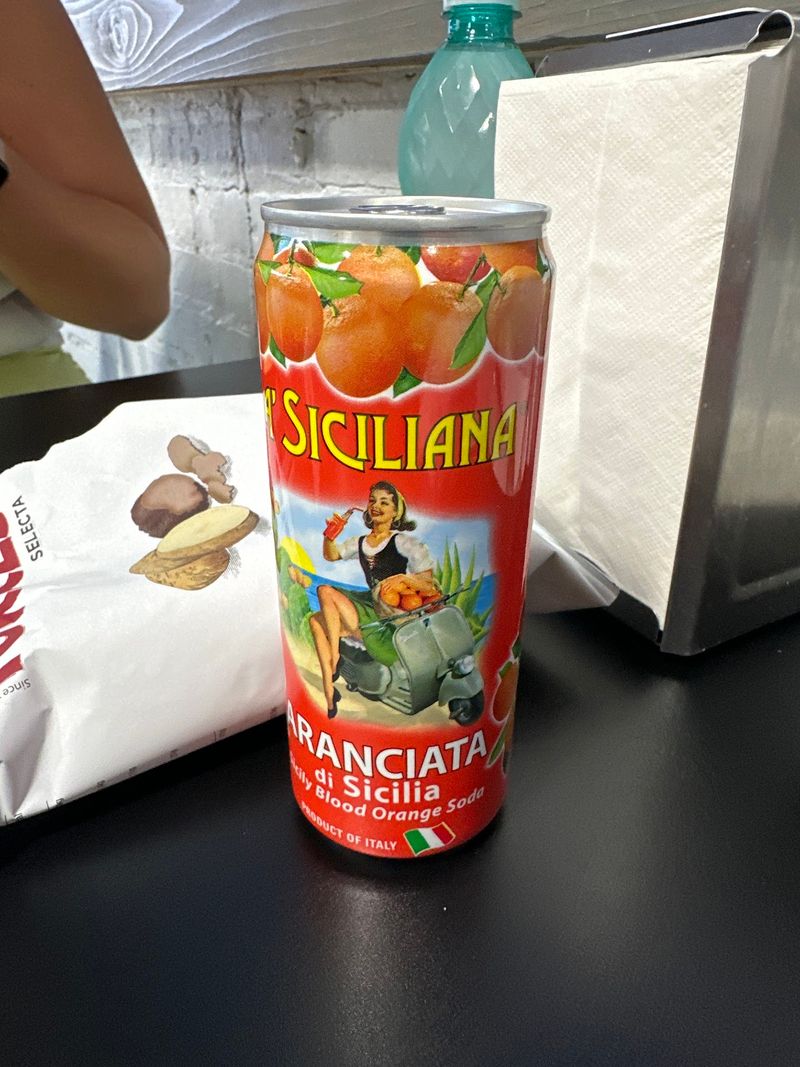
The drink cooler here is a small attraction on its own. Italian beverages fill the shelves, including bottles you will not spot anywhere else in the state.
Fresh juice is available too, and it holds up better than you would expect against salty cured meat. Acidity resets your palate between bites.
For tomato-heavy plates like chicken parmigiano or a meatball sandwich, non-alcoholic dry red styles work nicely. They echo the sauce instead of fighting it.
Lighter sandwiches, think caprese or anything with arugula and marinated tomatoes, do better with sparkling botanical tonics or citrus-forward sodas. Bright and fizzy beats heavy and sweet in that situation.
A non-alcoholic drink is another route. Lagers pair with simpler fillings, while pale ales stand up to richer builds like the Dante or porchetta.
Aged cheeses ask for something different entirely. Twelve-year Manchego pairs surprisingly well with black coffee or a smoky tea, since both bring bitterness that balances the salt.
Save room for dessert drinks. Pistachio cheesecake and tiramisu go well with sparkling options or a simple mocktail, and gelato is on the menu too.
One last tip: buy the drink you have never heard of. Half the fun of a shop stocked with imports is trying something with a label you cannot read.