
The Historic Mississippi Coastline Where 100-Year-Old Sea Glass Still Washes Ashore
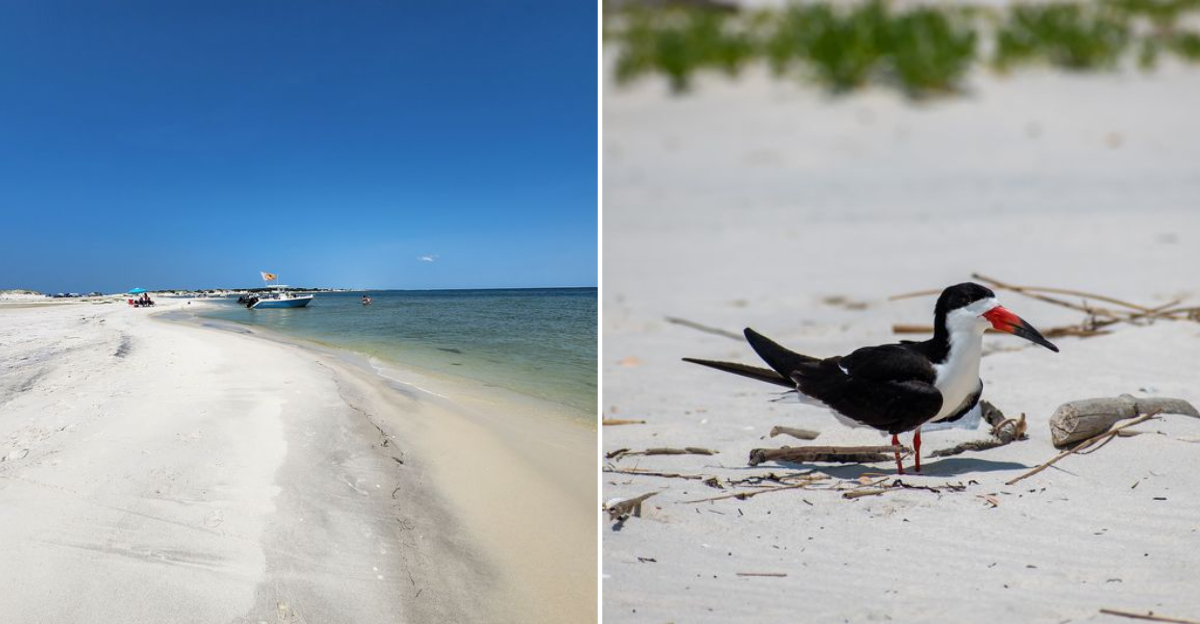
At this Mississippi coastline, you’ll likely notice glass catching the light in ways that make it impossible to miss. Sea glass here dates back over a century, shaped slowly by decades of waves and sand.
Storms tend to bring the best finds, shifting sand enough to reveal pieces buried for years. Colors range from common greens and browns to rarer blues that collectors specifically search for.
Locals know certain stretches produce more finds than others, often timing walks around tides and weather. Nothing about the search requires special equipment beyond patience and a willingness to look closely.
This coastline proved that history sometimes washes ashore in the smallest, most unexpected pieces.
Origins Of Sea Glass And How It Forms
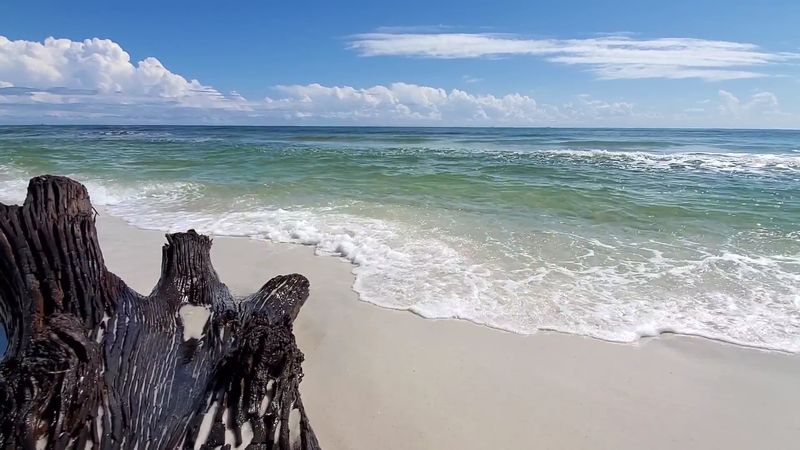
Sea glass begins its life as ordinary garbage. Bottles, canning jars, tableware, and shards from shipwrecks all end up in the water, and the Gulf takes it from there.
Think of the ocean as a rock tumbler that never shuts off. Waves push the broken pieces against gravel, shells, and other debris, and every collision knocks a little edge off.
Sand does the polishing work. It scrubs the surface until the shine is gone and what is left feels soft and matte, almost like a peppermint that has been in your pocket too long.
Saltwater handles the chemistry side. Slow oxidation pulls minerals out of the glass surface and leaves behind that cloudy, frosted look collectors are after.
None of it happens fast. Real sea glass takes somewhere between 20 and 200 years to finish forming, which means the piece in your hand may be older than your great-grandmother.
Where did all that glass come from? Coastal towns used to dump trash straight into the water, no questions asked.
Fishing crews tossed bottles overboard. Ships sank and spilled their cargo across the seafloor.
Every one of those careless moments turned into raw material. A hundred years later, the tide hands it back looking like a gemstone.
Historical Events Shaping The Mississippi Coast
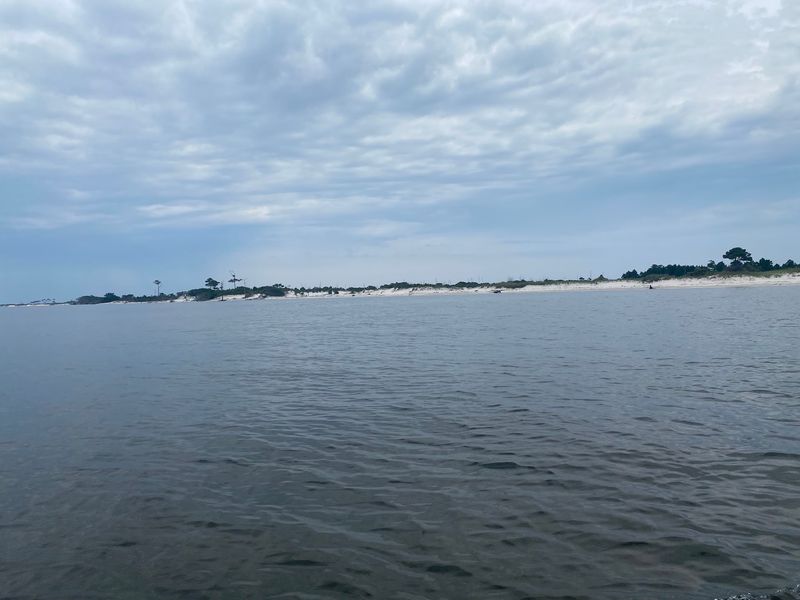
Wind, water, and hurricanes built Horn Island long before anyone wrote it down. Some geologists think it was once attached to the mainland.
Others believe sediment piled up here 5,000 to 6,000 years ago and simply stayed.
French explorer Jean-Baptiste Le Moyne de Bienville put it on paper in 1699. The name may have come from a powder horn he lost on the beach, which is a very human way to name a landmark.
After the Civil War, the Mississippi Sound got busy. Trading ships and fishing boats crowded the channel, and captains needed help seeing at night.
Congress authorized a lighthouse for the island in 1873. That single decision tells you how much cargo was moving through these waters, and cargo meant bottles.
World War II brought the military. The island served as an outpost, and soldiers left their own layer of history behind in the sand.
There is a heavier chapter too. Horn Island is recognized as a site connected to the Underground Railroad, where enslaved people sought freedom in 1863.
Artist Walter Anderson made the place famous in a quieter way. He rowed out here alone for weeks at a time and painted the pines, the lagoons, and the birds.
All that traffic and all those years explain why century-old glass still turns up.
Techniques For Identifying Century Old Sea Glass
Color is your first clue. Most sea glass started as bottles made between the 1840s and the 1960s, and each era favored different tints.
Find a lavender piece, and you have probably found something special. Clear bottles made from 1870 to 1920 contained manganese, and decades of sunlight turned them purple.
Then there is the dark stuff. Thick shards that look black until you hold them toward the light, where they glow olive-green.
Those came from ale and liquor bottles made before 1880. Collectors nickname them pirate glass, and some are 200 to 300 years old.
Feel matters as much as looks. Genuine old sea glass has a heavily frosted surface with a texture like a sugar cube, never slick or glossy.
The rarest find is called a sea glass pearl. At minimum a century old, it wears a deeply weathered finish that feels satiny, almost velvety.
Weight helps too. Glass from the 1600s and 1700s was blown thicker and heavier than anything made today, so an unusually chunky shard is worth a second look.
Check for leftover details. Mold seams, embossed letters, and sharp curvature can point you toward a bottle shape and a rough date.
Curved thick pieces usually mean a bottle base. Flat ones often came from windows or tableware.
Ecological Impact On Coastal Preservation
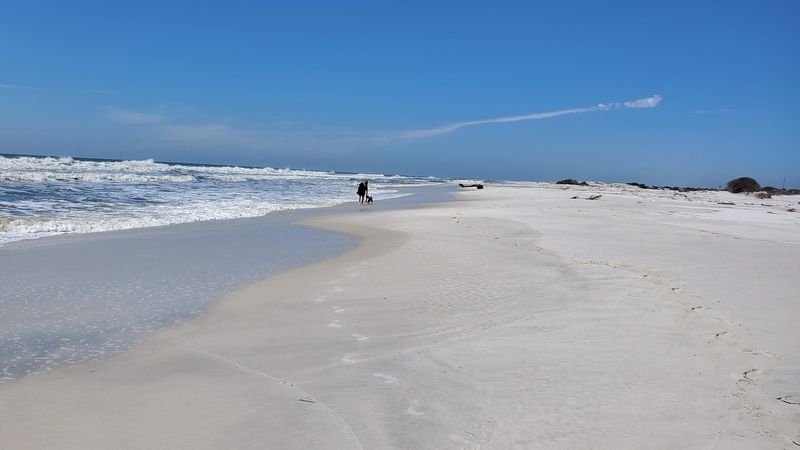
Protected wilderness is the official label here, and the National Park Service manages the island as part of Gulf Islands National Seashore. That status shapes everything you see.
Walk inland, and the beach turns into forest. Slash pines rise above sprawling live oaks, with wax myrtle and yaupon holly filling in the shady understory.
Sea oats do the heavy lifting on the dunes. Their roots lock sand in place, slow erosion, and give the island a fighting chance against storm surge.
Rain collects in low spots and creates freshwater and brackish ponds. Frogs, turtles, birds, and clouds of insects live around them, and American alligators show up more often than visitors expect.
Wildlife lists here run long. Sea turtles, dolphins, raccoons, snakes, and shorebirds all use the island, and Atlantic loggerhead turtles nest on its beaches.
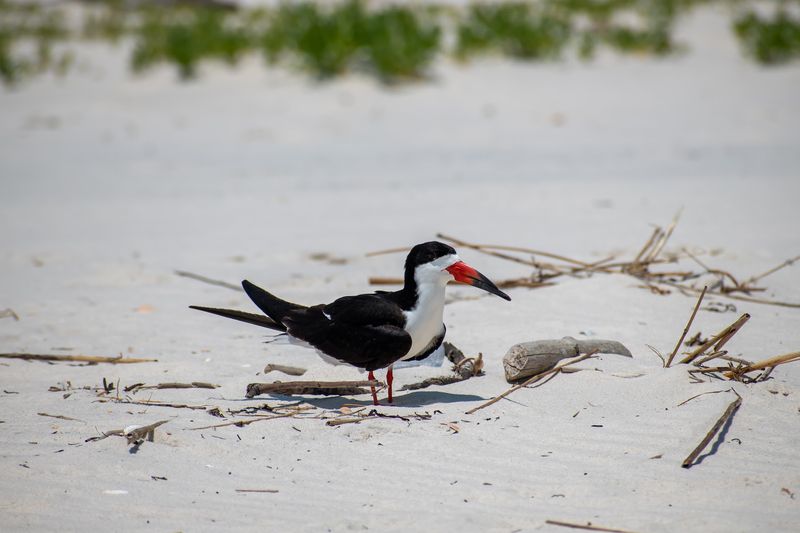
Birds treat it like a nursery. Least terns and bald eagles both raise young here, which is why certain stretches get roped off during nesting season.
The island also works for the mainland. It shields the Mississippi Sound, steadies estuary salt levels, and knocks down storm surge before it reaches town.
Trouble is coming, though. The highest point sits only 20 feet above sea level, and drifting ocean plastic keeps threatening the animals living here.
Challenges Of Collecting Sea Glass Without Damage
Take only what you actually want, not every piece you spot. Leaving glass behind keeps the beach worth visiting for the next person and keeps the shoreline balanced.
Digging is where people go wrong. Never tear into a dune, break apart rocks, or poke around tide pools hunting for a shinier shard.
Some pieces are still under construction. If glass is wedged in driftwood or jammed between stones, leave it.
The water is not finished smoothing it yet.
Pack out whatever you carried in. Better yet, grab some litter on the way back to the boat and leave the sand cleaner than you found it.
Rules vary by location. A few beaches legally prohibit collecting, so knowing local regulations saves you a very awkward conversation.
Seaweed piles and rocky patches are habitat, not obstacles. Small creatures shelter under them, and flipping everything over to reach a purple fragment does real harm.
Nesting birds deserve serious space. Terns lay eggs right on open sand, and the nests blend in so well you can crush one without noticing.
Stick to the wet sand near the waterline. That is where fresh glass lands anyway, and it keeps you far from the fragile stuff.
Bring a mesh bag. Sand drains out, and glass stays put.
Notable Coastal Features Unique To Mississippi
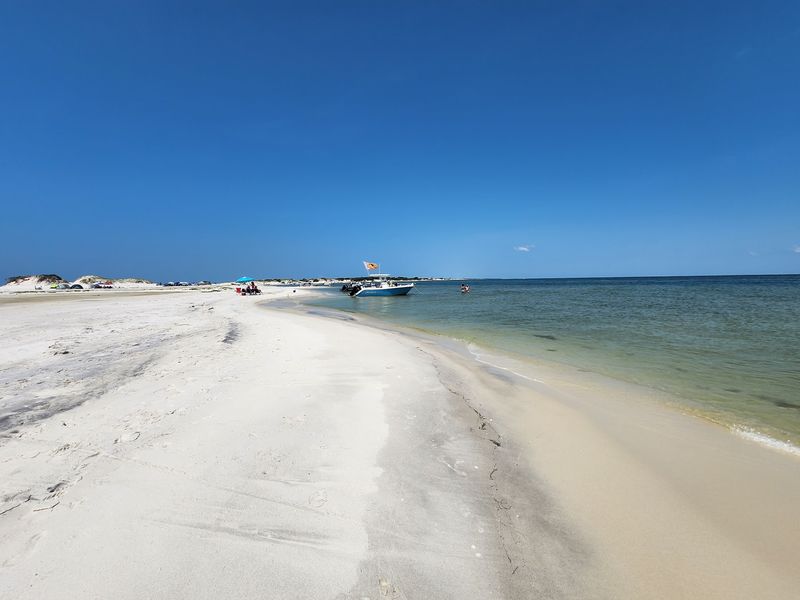
Twelve miles long and barely three-quarters of a mile wide at its fattest point. Horn Island is the biggest barrier island Mississippi has, and it is shaped like a sandy eyebrow.
The sand is the headline. Sugar-white, squeaky underfoot, and bright enough that sunglasses stop being optional around noon.
Dunes run the length of it, stitched together by sea oats. Behind them sit small groves of tall pines and clusters of saw palmetto.
Inland you find lagoons and freshwater ponds sitting perfectly still. Alligators use them, so admire from a respectful distance.
Two shores, two moods. The north side faces the Mississippi Sound, where water stays calm and shallow enough for anchoring boats.
Cross to the south side, and you meet the open Gulf. Wider beach, rolling surf, and on flat days, water clear enough to see your feet.
Development is basically nonexistent. Aside from a small ranger station near the middle, there are no buildings, no restrooms, and no snack stands.
It anchors the larger Mississippi and Alabama barrier island chain. The mainland coast nearby carries a deep multi-ethnic heritage and wildly varied landscapes.
One more bragging right for the region. The nearby Pascagoula River is the last free-flowing river system in the contiguous United States.
Seasonal Patterns Affecting Sea Glass Appearance
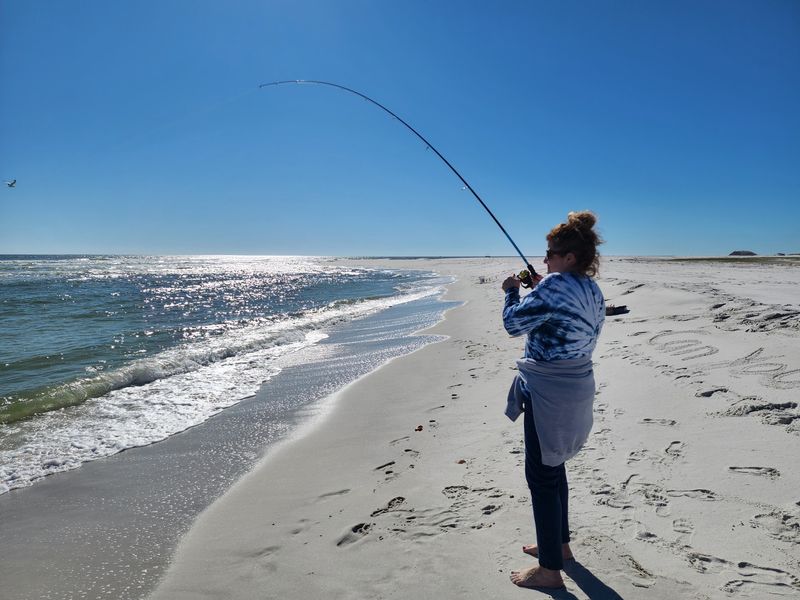
Timing beats luck every single time. The window a few hours before and after low tide is when the beach gives up the most glass.
Low water exposes more ground. Pebbled patches and sandbars that were underwater an hour earlier suddenly become searchable.
Storms are your friend, oddly enough. The first low tide right after rough weather can uncover glass that spent decades buried offshore.
Big waves move heavy material. When the surf has been pounding, more shards get pushed high onto the beach and left behind.
Because wave energy shifts through the year, some seasons simply deliver more than others. Windier stretches tend to be more productive than glassy calm ones.
Wet sand makes hunting easier. Damp glass looks clear and bright, then fades to frosted the moment it dries out in your palm.
Sun position is a real trick. Keep it behind you and the glass lights up instead of drowning in glare.
Winter works fine if the tide and weather cooperate. Fewer people, cooler walking, and the same old bottles rolling in.
Bright sunny days help with the rare colors. Deep olive, amber, and near-black pieces reveal themselves under strong light.
Check the tide chart before you book a boat ride out.
Conservation Efforts Protecting Coastal Artifacts
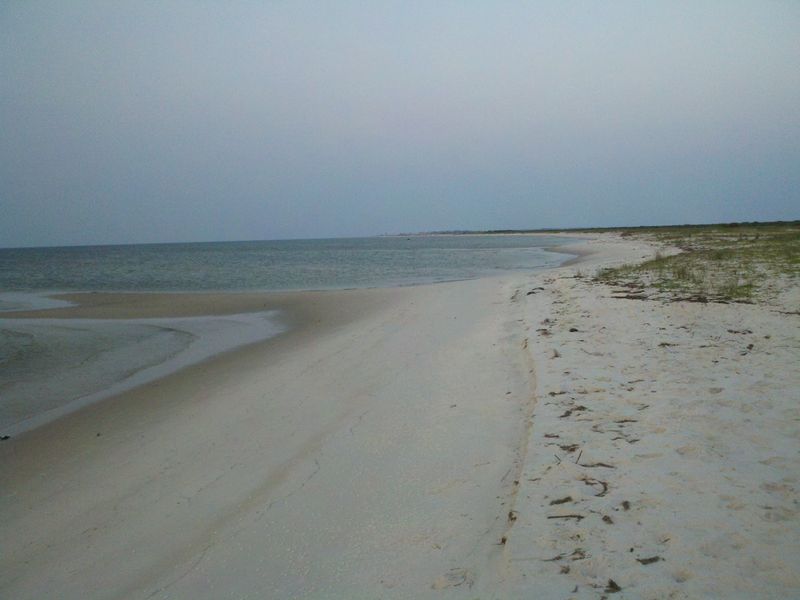
Wilderness designation covers Horn Island and neighboring Petit Bois Island, which is the strongest protection American public land can get. The National Park Service handles day-to-day management under Gulf Islands National Seashore.
Mississippi built its own safety net in 1992. The state Coastal Preserves Program works to preserve, restore, and manage coastal ecosystems along the whole shoreline.
Wetland habitat gets special attention. Crews protect native plants and animals while fighting back invaders like Chinese tallow.
Replanting is a big piece of the work. Native vegetation goes back in the ground to rebuild functions storms and development stripped away.
Money matters here, and there has been plenty. The Gulf Environmental Benefit Fund has committed over $240 million to 38 projects across Mississippi.
Add other investments and the total climbs past $459 million. Barrier island restoration, water quality, and habitat repair all fall under that umbrella.
Planners are thinking decades ahead. Some projects create transition zones so coastal marshes can migrate inland as sea levels climb.
Visitors have a role too, and it is not complicated. Cutting back single-use plastic keeps the worst debris out of the water entirely.
Leave No Trace principles do the rest. Carry out your trash, skip the campfires where prohibited, and let the island stay the way you found it.