
This Pennsylvania Market Is A Longtime Favorite Stop For Anyone Who Takes Food Seriously
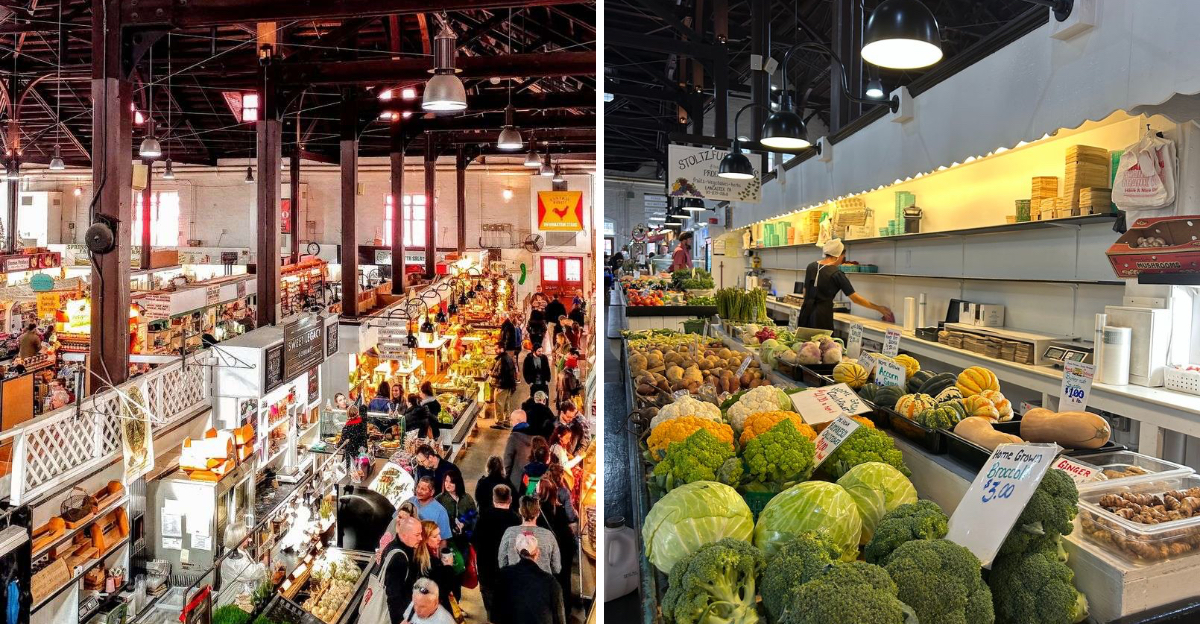
Empanadas and pierogies sit two stalls apart, and that alone tells you this Pennsylvania building runs on more than one cuisine.
Step through the doors and the smells hit before the sights do. Warm bread, cinnamon, and roasted coffee mix right near the entrance.
Vendors here have held their spots for generations, passing down recipes, scales, and regulars along the way. Shoofly pie sits proudly beside scrapple and soft pretzels.
Global stands share the same aisles, turning a quick stop into a full afternoon of tasting. Pennsylvania rarely crams this much history and flavor under one roof.
Bring a bag, because a single lap through never seems to be enough. Sounds worth building a whole weekend afternoon around, doesn’t it?
America’s Oldest Continuously Running Public Market
Nearly 300 years of shopping lists happened here. A public marketplace was deeded as part of the Lancaster settlement back in 1730.
King George II chartered it officially on May 1, 1742. That charter made Lancaster a market town, a title the city still quietly holds.
The first permanent market building rose on this site in 1757. Generations of farmers hauled goods in by wagon long before paved streets existed.
Through the Industrial Revolution, hard economic stretches, and waves of modernization, the doors kept opening. That unbroken run earned it recognition as the oldest continuously operated public market in the country.
Visitors can find it at 23 N Market St, Lancaster, PA 17603, right in Penn Square downtown.
The City of Lancaster has long owned the property, while the non-profit Central Market Trust has handled operations since 2005.
Standing in the aisles, the history feels less like a museum plaque and more like a habit nobody wanted to break.
Around Sixty Stands Under One Roof
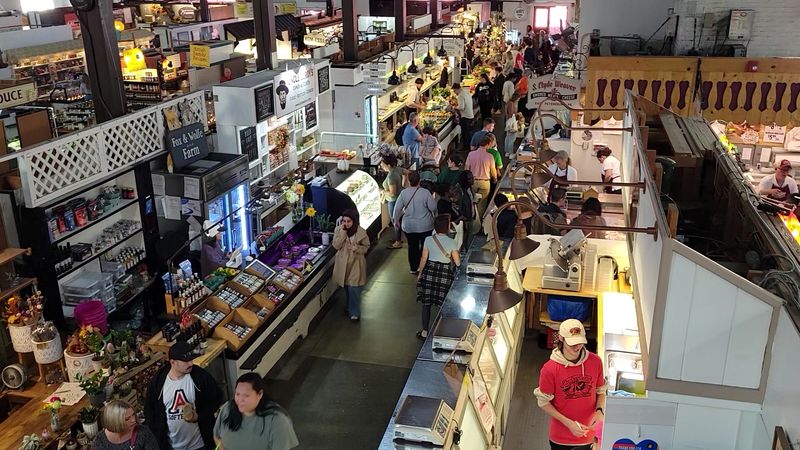
Roughly 60 to 70 vendors set up shop here. That number alone explains why one lap is never enough.
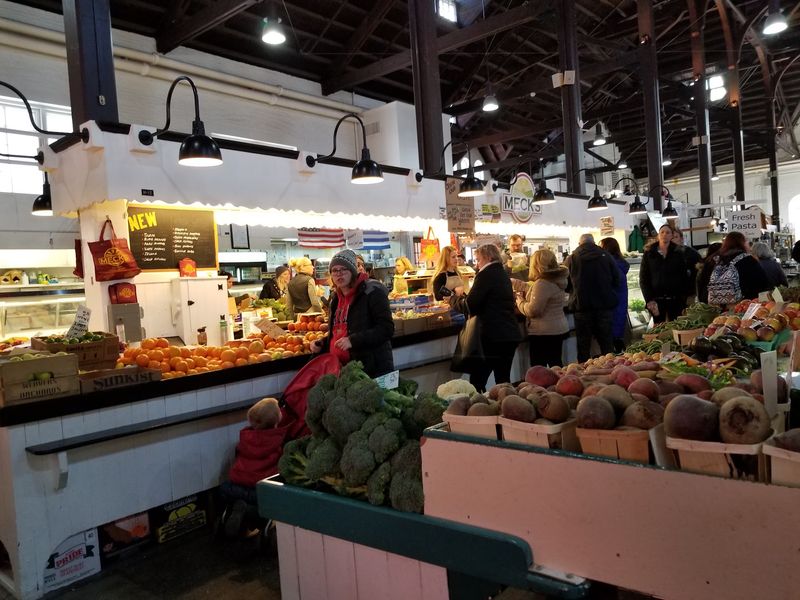
Produce stands stack tomatoes, sweet corn, root vegetables, and berries by the crate. Butcher cases hold sausages, poultry, and locally raised beef.
Cheese counters offer artisanal wheels and wedges. Nearby, fishmongers keep seafood on ice while bakers pull trays of bread and doughnuts.
Flower stalls add color to the middle of it all. Buckets of blooms sit right beside jars of raw wildflower honey.
Shoppers also find pickles, jams, chow chow, and specialty groceries that rarely reach supermarket shelves.
Non-food stands round out the mix. Handmade glasswork, scented candles, rare teas, pet treats, Lancaster-themed apparel, and small souvenirs all have a corner.
Serious cooks treat the place as a full shopping trip. Casual browsers usually leave with a bag they did not plan on carrying.
Twin Towers And Terra Cotta Details Worth Studying
Look up before looking for lunch. The current building dates to 1889 and wears its Romanesque Revival style proudly.
English architect James H. Warner drew the plans.
Red brick, a hipped and gabled terra cotta roof, and Spanish tiling give the exterior real personality.
Twin towers rise about 72 feet above the sidewalk. Terra cotta finials finish the edges with a flourish that modern grocery stores never bother with.
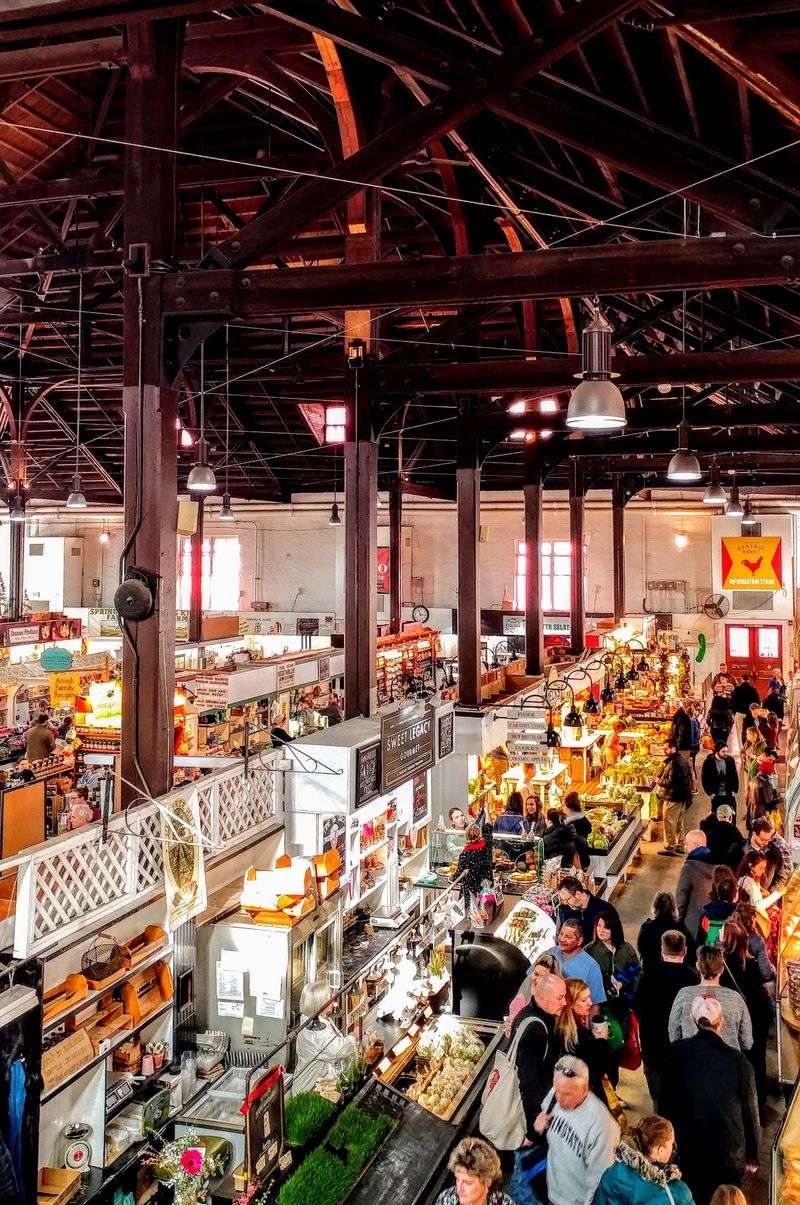
Step inside and the bones show. Wooden pillars hold the roof, braced by a grid of steel rod Howe trusses overhead.
Tall windows pour daylight across the wide aisles. The effect is airy rather than cramped, even when shoppers fill the place.
In 1972 the market landed on the National Register of Historic Places. That listing recognized what locals already understood about the structure’s value.
Photographers tend to linger near the entrances, where brick, light, and busy stalls line up nicely in one frame.
Pennsylvania Dutch Classics Done Properly
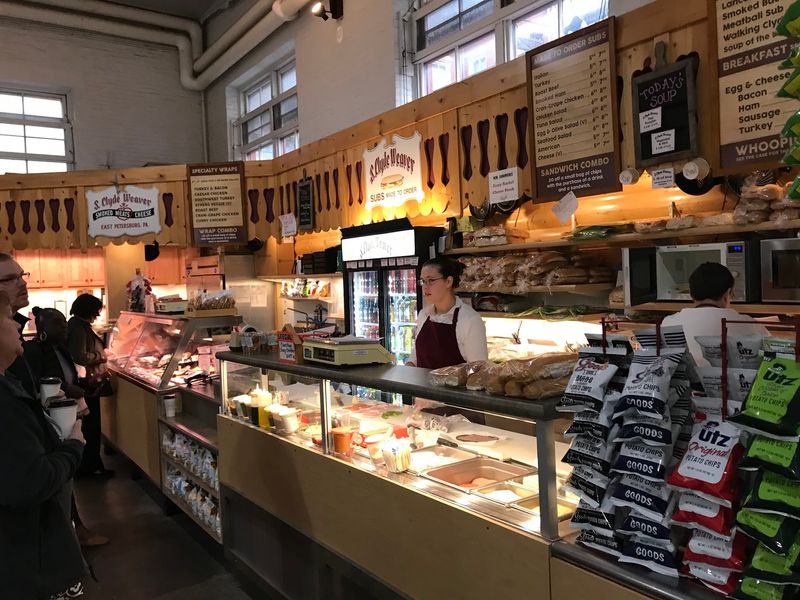
Shoofly pie sits in the display case like a local celebrity. Molasses, crumb topping, and a lot of regional pride go into every slice.
Scrapple shows up at the meat counters for anyone curious about breakfast the old way. Sausages and smoked meats sit alongside it.
Soft pretzels come out warm and hand-twisted. They are filling in a way that surprises first-timers.
Chow chow, that colorful pickled vegetable mix, fills glass jars in bright rows. Farm stands keep it stocked because families still ask for it.
These recipes trace back to German-speaking immigrants who settled Lancaster County. Their farming and cooking habits shaped the food traditions across this part of Pennsylvania.
Amish and Mennonite growers still bring goods in from surrounding farmland. Their stands are among the most photographed in the building.
Trying one classic usually leads to buying three. That is simply how the aisles work here.
Global Flavors Sharing The Same Aisles
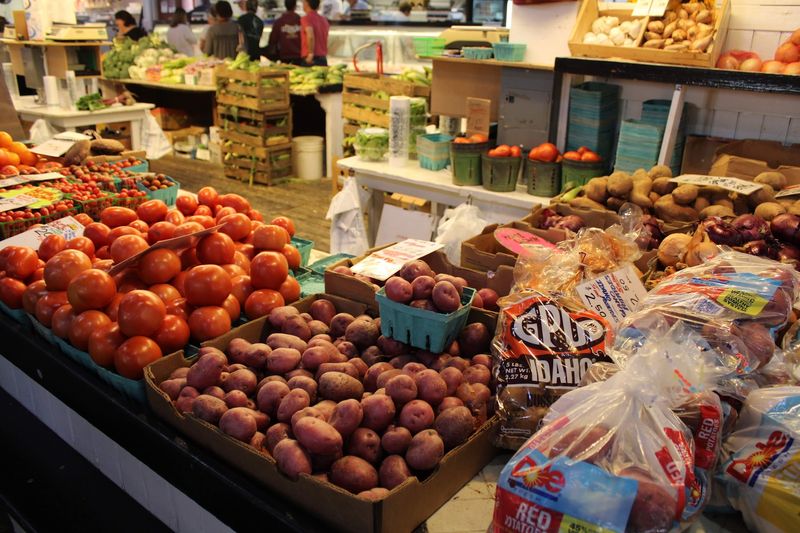
Empanadas and pierogies within a few steps of each other. That is the everyday reality inside this market.
Vendors bring recipes rooted in Greek, Caribbean, Middle Eastern, German, and Slavic traditions. Puerto Rican and Southeast Asian dishes add more range.
Reviewers frequently point to the empanadas, and the soup stands earn steady attention too. Black bean soup gets named often.
Prepared food counters make lunch easy. Deli sandwiches on fresh bread, hot plates, and grab-and-go snacks keep the crowd fed.
Coffee roasters and specialty tea sellers cover the drinks side. Seasonal lattes appear when autumn arrives.
What makes the mix work is proximity. A shopper can pick up shoofly pie, then order something spicy two stalls down.
Seating space is limited, so many people carry their food outside to nearby benches or squares.
Pennsylvania rarely packs this many culinary backgrounds into one historic room.
Family Stands Passed Down For Generations
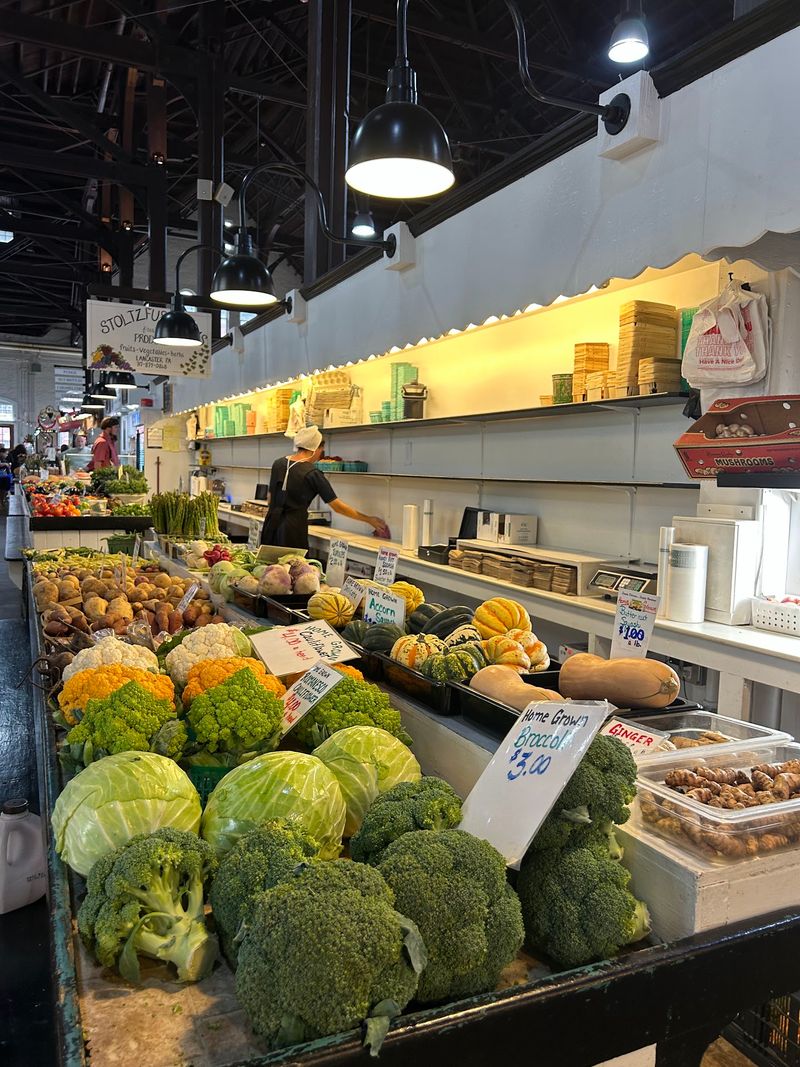
Some stands here have outlasted entire industries. The Stoner Family Vegetable stand has held its spot for over 100 years.
Thomas Produce has served shoppers for roughly 80 years. Long’s Horseradish has been part of the market family for more than 60.
That continuity shows in small ways. Vendors recognize regulars, remember standing orders, and know which apples arrive when.
Recipes and techniques move from parents to children. So do the scales, signs, and habits that make a stand feel familiar.
Newer vendors join the lineup too, keeping the mix current rather than frozen in place.
Regular customers often build routines around specific stands. Bread from one, honey from another, cheese from a third.
Conversations tend to stretch past the transaction. Growers explain how a crop did this season, and shoppers listen.
Few places in Pennsylvania offer that kind of direct link between a field and a dinner table.
How The Place Smells Before You See Anything
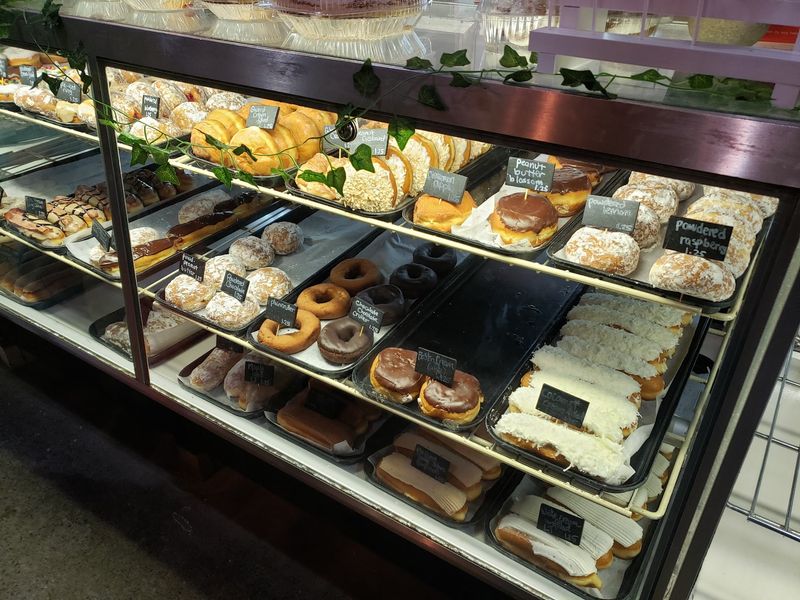
The nose gets there first. Warm bread, cinnamon, roasted coffee, and caramel meet at the doorway.
Fresh produce adds an earthy layer underneath. Cut flowers throw in something sweeter near the middle aisles.
Doughnut cases pull steady traffic. Custard-filled varieties from Amish bakeries disappear quickly on busy mornings.
Sound matters just as much. Vendors call out orders, coins clink, and shoppers debate what to buy.
Live musicians sometimes play near the entrances on weekends. Their notes drift through the open doors.
Visually, the stalls form a patchwork of color. Red beets, orange squash, green herbs, and bright bouquets fill every sightline.
Longtime visitors say the smell has stayed consistent across decades. Childhood memories of the market often start with that detail.
Nothing about the experience feels engineered. It is what happens when real food, real people, and an old building share space three days a week.
Timing Your Visit For Fewer Elbows
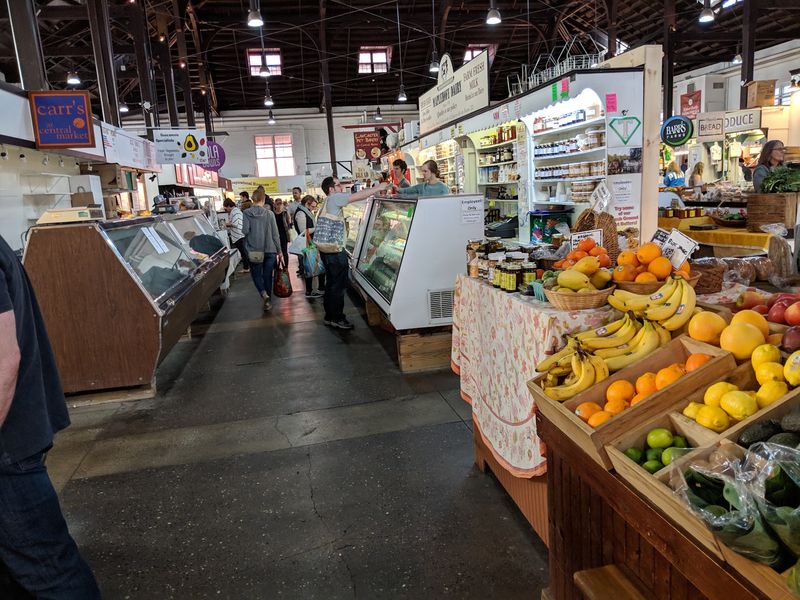
Saturday brings the crowd. Aisles get tight, lines stretch, and popular items sell out before midday.
Arriving early solves most of that. Morning shoppers get the widest selection and the calmest walkways.
Tuesday and Friday mornings tend to feel more relaxed. Outside peak summer weeks and holiday stretches, browsing gets easier.
The market operates only a few days each week, so checking the current schedule before driving in is smart.
Not every vendor appears every open day. Winter and early spring visits may show a slightly thinner lineup.
Seating for eating is minimal. Many people buy food, then find a bench or nearby green space downtown.
Bags matter. Cloth totes handle produce, bread, and jars far better than thin plastic.
Visitors traveling long distances often stick to shelf-stable buys like honey, pretzels, or preserves rather than fresh items.
A little planning turns a hectic stop into an easy one.
Parking, Payment, And Practical Details
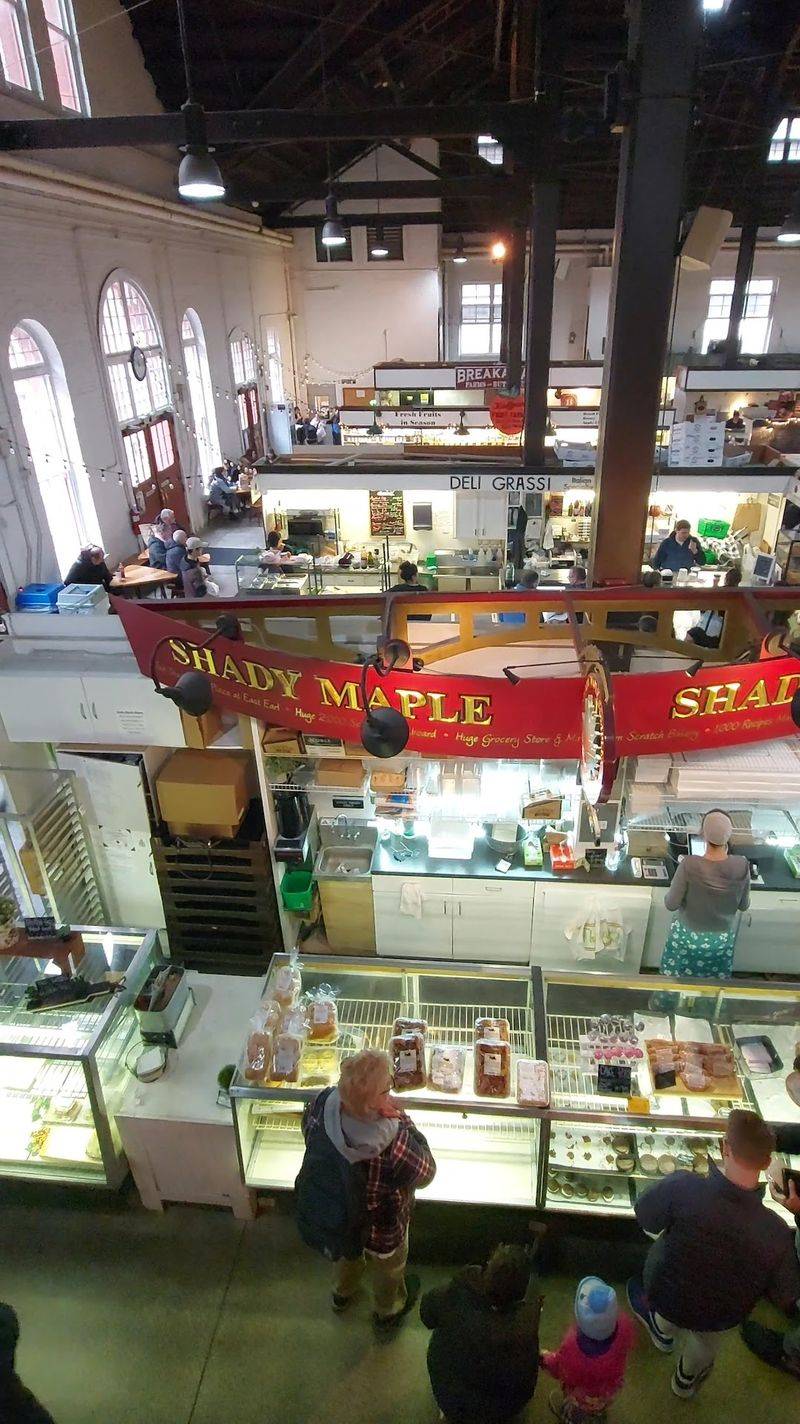
Entry costs nothing. That alone makes the market an easy addition to any downtown itinerary.
Parking takes more thought. Street spots are metered and limited, and several visitors mention using a phone app to pay.
Nearby garages and lots offer more reliable options. Weekend mornings fill them faster than weekdays.
Most vendors accept cards, and many take mobile payment. Still, carrying some cash speeds up smaller purchases.
Accessibility is handled well. Aisles are wide, and all standholders sit on the main floor.
An elevator in the southeast corner reaches the mezzanine for anyone wanting a view from above. Accessible restrooms are on the main floor.
Downtown Lancaster surrounds the building with shops, cafes, and walkable blocks. Many visitors pair the market with a stroll through the historic district.
Comfortable shoes help. The floor plan invites more laps than expected, especially in this corner of Pennsylvania.
Festivals That Fill The Calendar
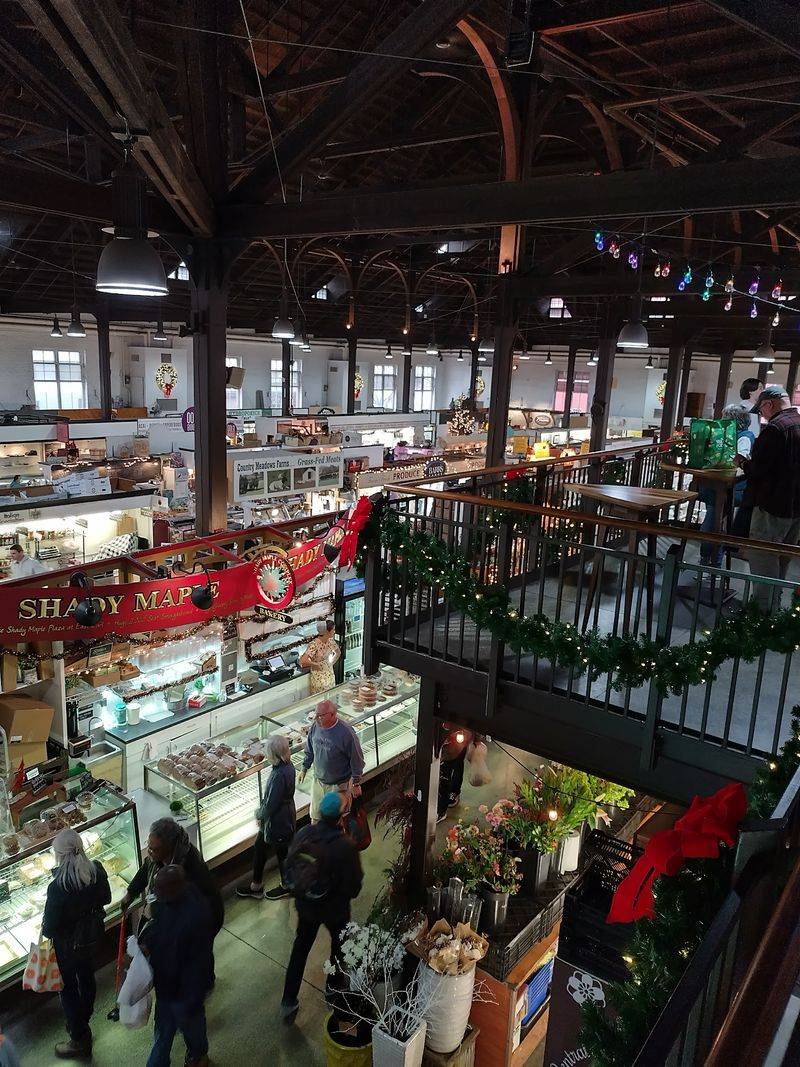
June belongs to strawberries. The Strawberry Festival brings live performances, free activities, and berry-heavy treats to the market.
Autumn shifts the mood. The Harvest Breakfast adds pumpkin painting, seasonal bites, and music for families.
As colder weather settles in, the Mayor’s Tree Lighting helps launch the holiday season downtown.
These gatherings turn a shopping trip into an outing. Kids get activities, adults get food, and everyone gets a reason to linger.
Crowds swell during festival days, so early arrival pays off again.
The events also spotlight what the market has always been. A gathering place first, a store second.
Local farmers, bakers, and artisans use these days to show off seasonal work. Strawberries in June, squash and apples in fall.
Anyone building a trip around one of these celebrations should confirm dates in advance, since schedules can shift year to year.
Festive or ordinary, the aisles rarely feel dull.
Where Farmland Meets City Sidewalks
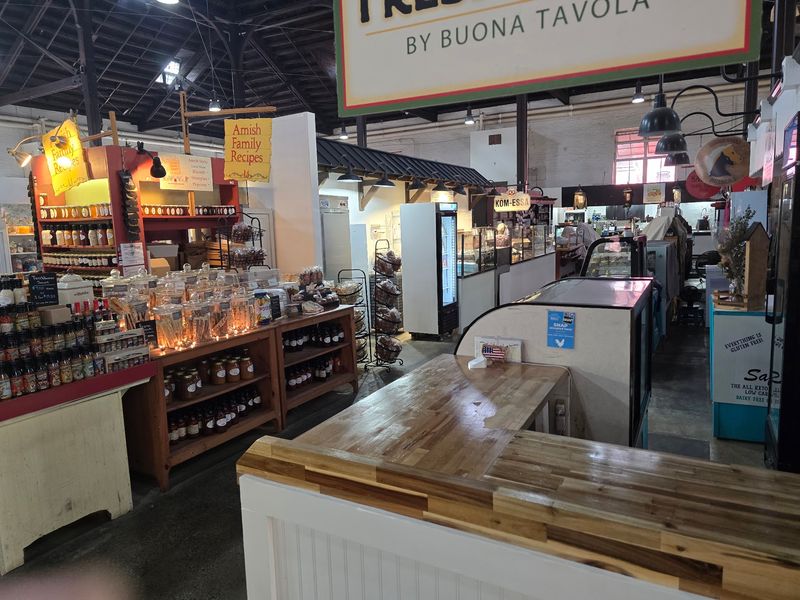
Lancaster County grows serious amounts of food. This market is where that farmland meets the sidewalk.
Growers haul produce, eggs, and dairy in from surrounding countryside. City residents get fresh goods without leaving downtown.
That exchange has run for centuries. It built trust between rural producers and urban shoppers that still holds.
Pennsylvania Dutch communities remain a visible part of the mix. Their stands anchor several corners of the building.
Raw milk cheeses, grass-fed meats, and just-picked vegetables draw cooks who care about sourcing.
Buying here supports small operations directly. Money moves from a shopper’s hand to the person who grew or made the item.
Local pride runs deep. Residents who grew up walking these aisles bring their own children now.
For travelers, the market offers a clear window into how this region eats and farms.
Few American cities keep that connection so intact and so easy to visit.
Smart Buys To Carry Home
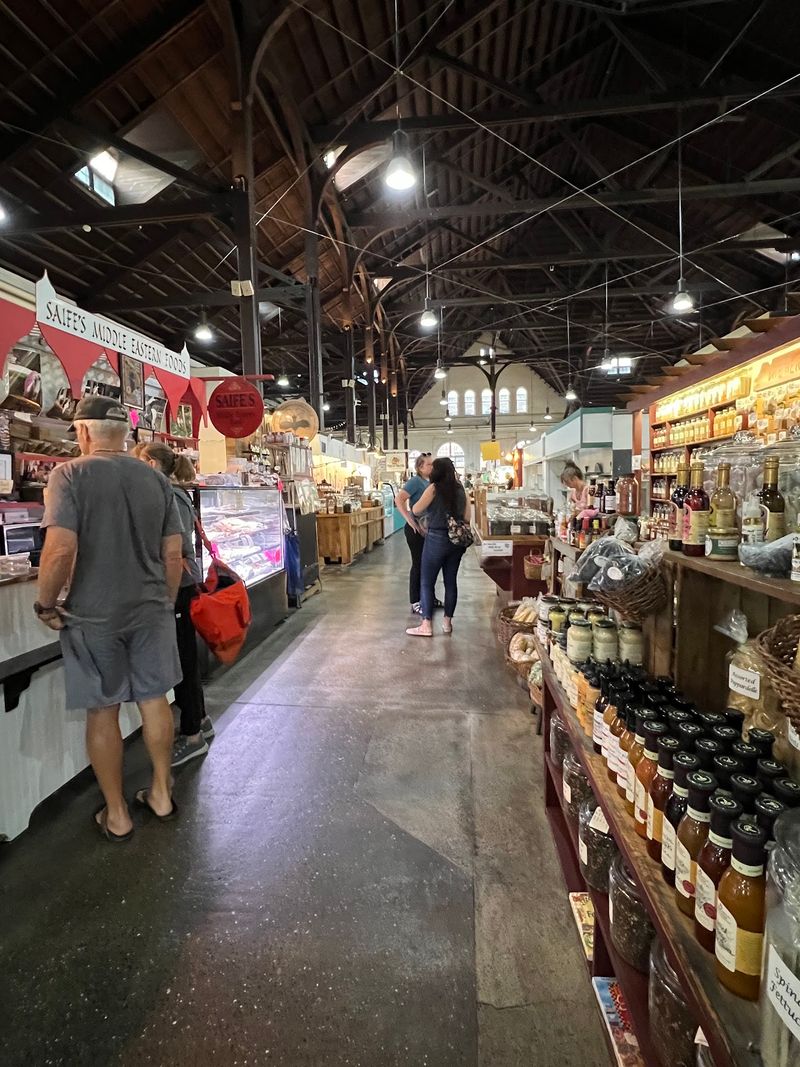
Some purchases travel better than others. Raw wildflower honey tops that list, and buckwheat or basswood varieties turn up too.
Jams, preserves, pickles, and chow chow handle a car ride without complaint. Glass jars just need padding.
Soft pretzels and hard pretzels make excellent road snacks. Fudge and candies survive the trip as well.
Bread deserves a spot in the bag. Bakery loaves here earn loud praise from repeat visitors.
Soup mixes, pancake mixes, and specialty teas pack flat and last for months.
Handmade glasswork, candles, and small crafts work as gifts. Lancaster-themed apparel covers the souvenir category.
Fresh cheese and meats need a cooler if the drive runs long. Plenty of shoppers bring one on purpose.
Anyone heading home hours away should plan around that limitation rather than fight it.
Pack thoughtfully, and a single visit stretches across weeks of good eating back home.