
This Remote New Jersey Ghost Village Feels Completely Cut Off From The Outside World
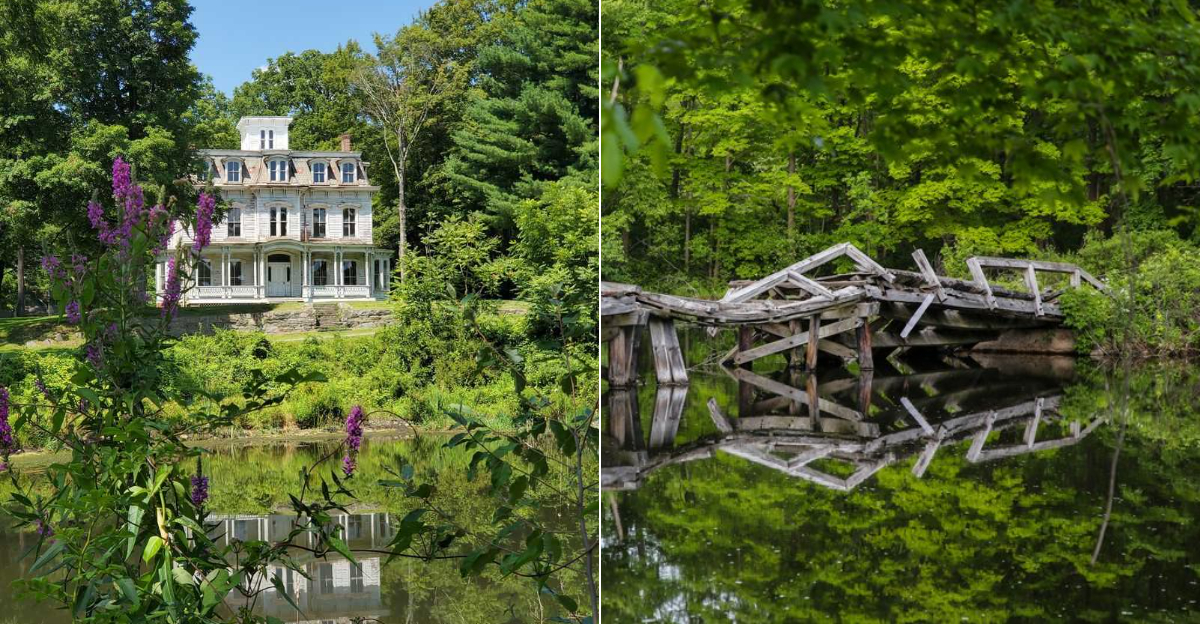
Ever driven down a quiet road and wondered what might be waiting at the end? In New Jersey, one wooded route leads to a forgotten village where old buildings, a quiet canal, and empty porches create an atmosphere you will not find on a typical day trip.
Have you ever visited a place where you can wander without crowds, noise, or a packed schedule? Here, deer move through the grass, water still runs through the canal, and weathered buildings hint at the lives once lived there.
The story behind the village adds another layer to the visit, but the real pleasure comes from taking your time. Walk slowly, look through the old windows, and imagine what this spot looked like when it was full of people.
Give yourself an afternoon to explore somewhere different. This forgotten corner of New Jersey is the kind of place that makes a simple drive feel like a real adventure.
Twenty-Two Buildings Frozen Solid
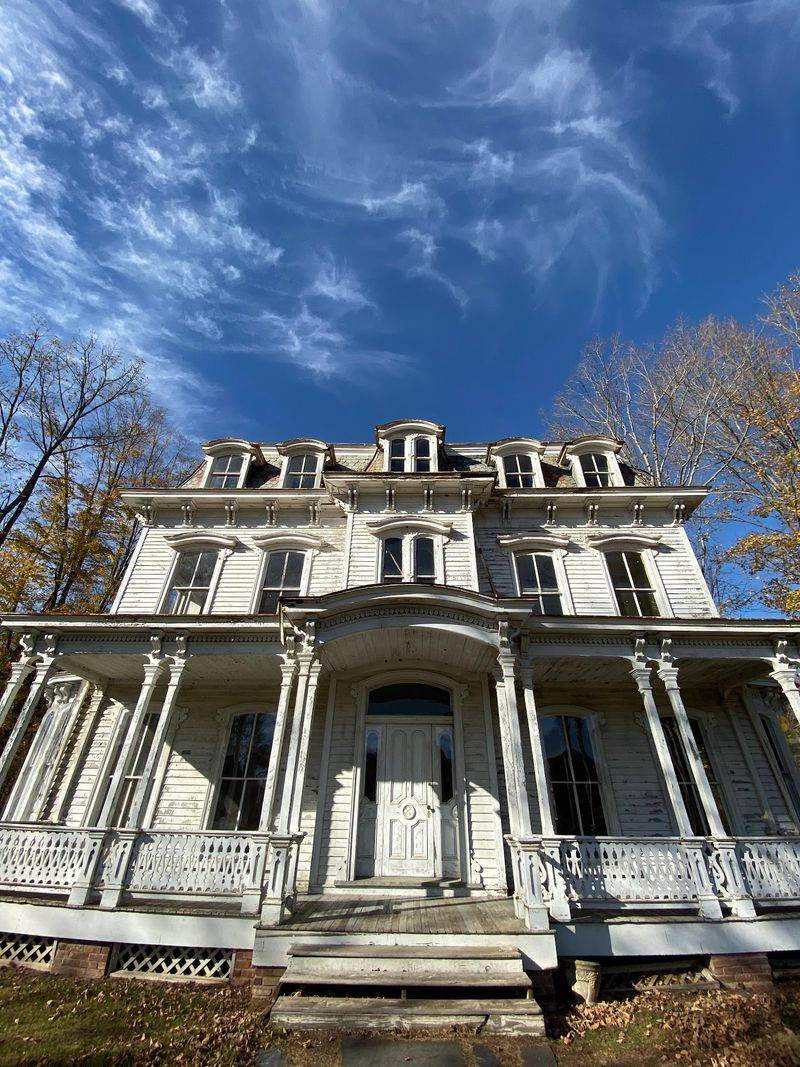
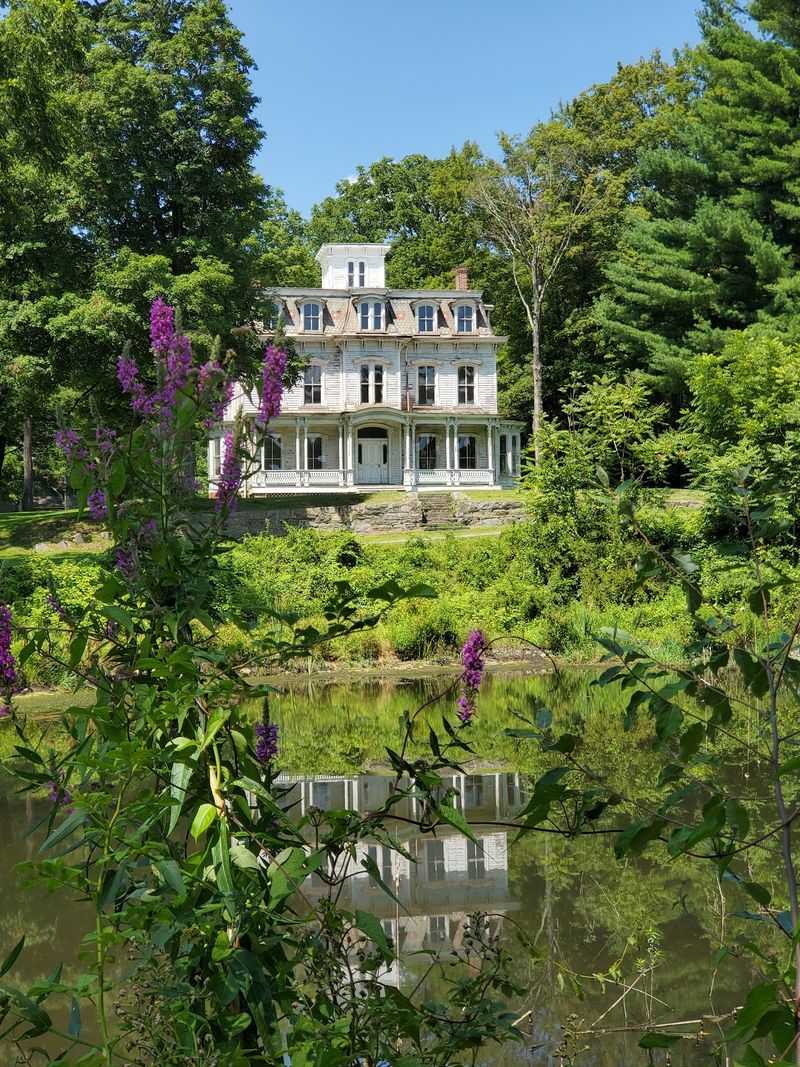
Count them as you walk: twenty-two restored structures line the lane, each one telling a piece of canal-era life. Victorian homes with wraparound porches sit near a general store, a blacksmith shop, stables, and a gristmill.
Some buildings in Waterloo Village Historic Site open for tours on weekends. Others stay locked, but you can press your nose to the glass and peek at furniture, tools, and shelves stocked the way they were in the 1800s.
The Smith family built much of what you see here after the Morris Canal turned this spot into a busy trading stop. Wealth flowed in, then vanished when trains took over.
Photos are not permitted inside the structures, so soak up those interiors with your eyes instead. Outside, snap away to your heart’s content.
Benches sit in shady spots along the route, which makes the walk easy for grandparents and little kids alike. Paths are unpaved and hilly in places, so strollers and wheelchairs need a bit of patience.
Reviewers mention the hotel, the general store, and the blacksmith shop as favorites. Each one holds a different slice of daily routine from a working New Jersey village.
The Morris Canal Still Flows
Here is a fact worth repeating: the Morris Canal stretched 102 miles across New Jersey, linking the Delaware River to the Hudson. Boats did not just float.
They climbed mountains.
Engineers built inclined planes, essentially underwater railways, that dragged loaded canal boats up steep hillsides on cradles. It was one of the boldest transportation ideas of the 1800s anywhere in America.
Waterloo sat right at the halfway point, which is why the village grew so fast. Boat crews stopped here to rest mules, buy supplies, and repair gear.
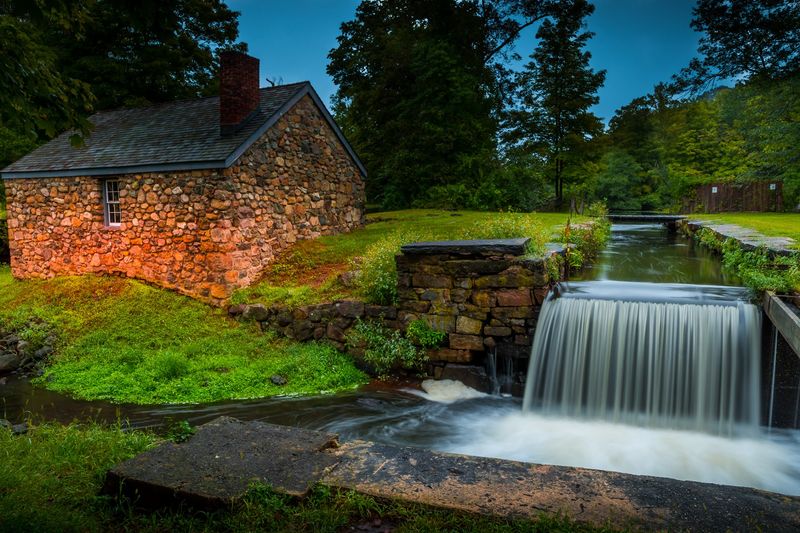
Today a water-filled stretch of canal runs alongside the village. You can stand beside a real canal lock and study the mule bridge that once carried animals across the channel.
The Canal Society of New Jersey Museum sits on site, packed with photographs, maps, and a scale model of Inclined Plane 9 West. One original canal boat survives here too, the last of its kind.
The canal opened in the 1820s and shut down in 1924, exactly a century of service. Visitors often say this history surprised them most.
Can you picture a boat being hauled up a mountain by cables and water power alone? Sounds impossible until you see the model.
Walking the towpath beside still water ranks among the calmest strolls in New Jersey.
Wilderness Wraps Around Everything
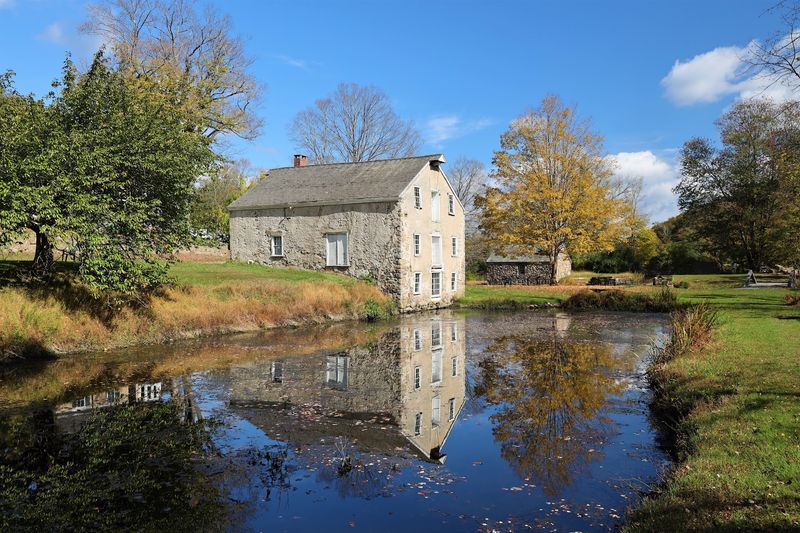
Thousands of protected acres surround this village, which explains the total silence. Allamuchy Mountain State Park hugs the site on every side, with Schooley’s Mountain and Allamuchy Mountain rising nearby.
The Musconetcong River curls past the buildings, small waterfalls included. Native wildflowers pop up along the trails from spring through late summer.
Wildlife shows up constantly. Deer graze in the open fields during warm months, and small animals dart across the paths.
Bring binoculars if birds are your thing.
One special spot is the Waterloo Vernal Pool, a seasonal pond where frogs and salamanders breed each spring. Scientists watch pools like this closely because they signal a healthy forest.
Trails branch off in several directions, some short and easy, others longer for people who want a real hike. Dogs on leashes are welcome and you will see plenty.
Fall visitors rave about the color. Reviews describe maples glowing orange behind white clapboard buildings, which sounds like a painting and mostly looks like one.
Picnic tables sit in a shaded area, so packing lunch is a smart move. Restrooms are clean and free coffee or water waits at the visitor center.
Lenape Life At Winakung
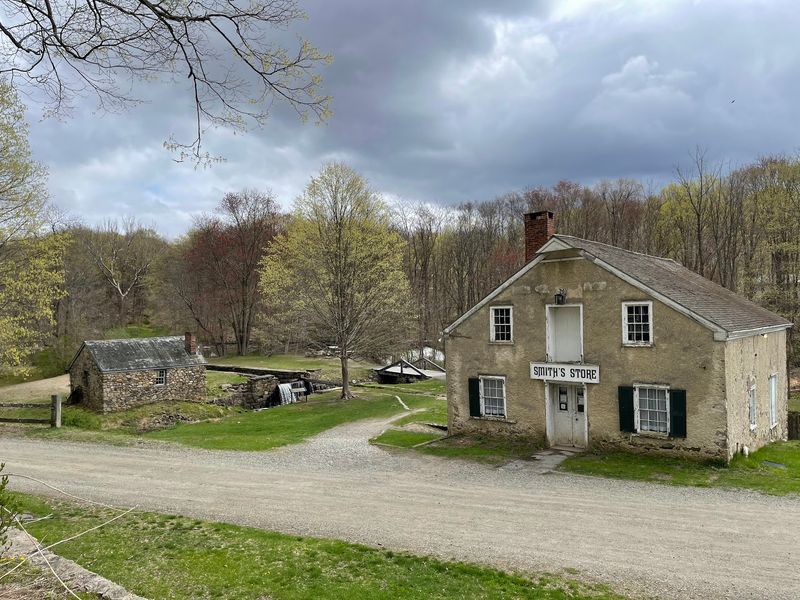
Long before canals, iron, or English names, the Lenape people called this valley home. Their story here stretches back more than 10,000 years, far older than anything else on the property.
The Winakung Native Lenape Forest sits within the site, offering exhibits and hands-on activities that explain how families lived along the Musconetcong River.
Learn how the Lenape fished, hunted, farmed corn and beans, and used forest materials for shelter, rope, tools, and clothing. Nothing went to waste.
Kids especially connect with this area because they get to touch things and try skills rather than read plaques. Grandparents in reviews mention their grandchildren loving it.
Interpreters explain woodland resources with real examples: bark for coverings, saplings for frames, stone and bone for tools. Suddenly the woods around you look like a supply store.
The name Lenape means something close to original people, and their homeland covered much of what is now New Jersey, plus parts of neighboring states.
Understanding this layer changes how the rest of the village feels. The canal era lasted decades.
Lenape presence lasted millennia.
Could you build a warm, waterproof shelter using only what grows in these woods? The exhibits make you seriously wonder.
Rutan Cabin Pioneer Grit
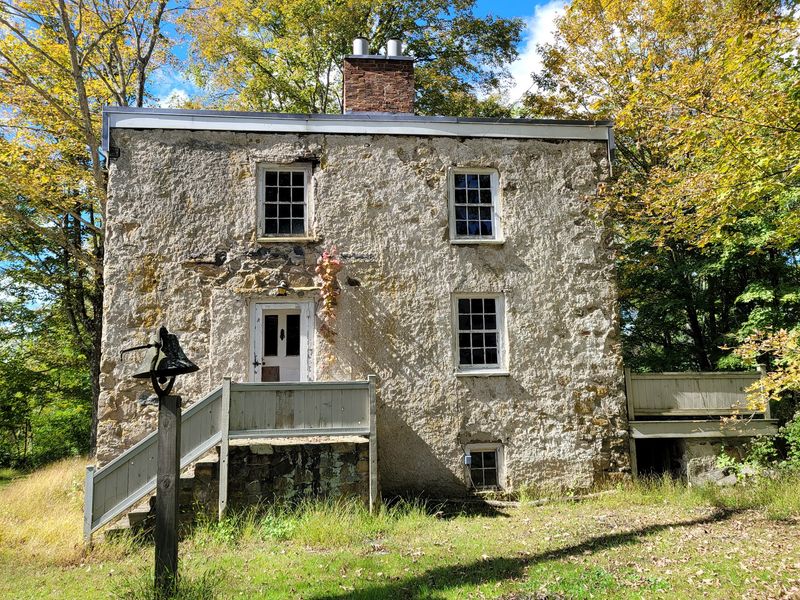
Built in the 1800s and relocated here from Frankford Township in the late 1980s, the Rutan Cabin shows what farm life looked like for early settler families in northern New Jersey.
The surrounding farm site includes gardens and outbuildings, giving a clear sense of how a family fed itself before grocery stores existed.
Everything happened by hand. Water came from a well, heat came from a fireplace, and dinner depended entirely on whatever the soil and animals produced that year.
Visitors often say the cabin reminds them of relatives’ old homes in other countries, that same sturdy simplicity.
Farm animals live on the property too. Alpacas are the crowd favorite, and reviewers mention getting photos with them.
Birds are also kept on site.
Children tend to slow down here, partly because of the animals and partly because the cabin feels like something out of a storybook rather than a museum.
Compare this cabin to the fancy Victorian homes down the lane. Same village, wildly different lifestyles, only a few decades apart.
How long do you think you would last living in one room with no electricity and no running water?
Take a moment on the path outside. The quiet here helps the whole scene sink in properly.
Festivals Wake The Village
Once or twice a season, the silence breaks. Music drifts across the fields, hammers ring in the blacksmith shop, and the ghost village suddenly fills with people.
Waterloo Canal Day stands out as the big one. Interpretive tours, trade demonstrations, and sometimes canal boat rides bring the 1800s roaring back.
Watch blacksmiths shape hot iron and spinners turn raw wool into yarn. Both crafts look simple until you try them yourself.
Music festivals, ethnic celebrations, craft shows, and historic programs fill the calendar throughout the year. Each one draws a different crowd.
Morris Canal History Day is another favorite, with exhibits about the canal’s 1824 origins and its closing in 1924. Reviewers call the Canal Museum a must-see during these events.
Weddings happen here regularly too, and guests move between buildings for different parts of the celebration. Shuttle service runs on site.
If crowds are not your style, come on an ordinary weekday instead. Reviewers repeatedly note how empty the place feels, even in peak season.
Parking is plentiful and free either way, which removes a common headache at popular New Jersey attractions.
Camera Heaven In Every Direction
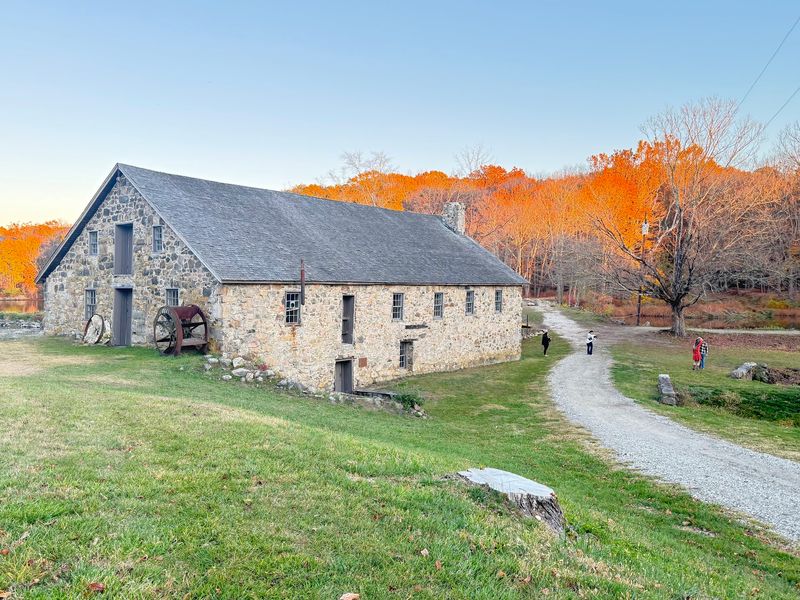
Photographers keep this place bookmarked for good reason. Old buildings, still water, a working watermill, and small waterfalls all sit within a short walk of each other.
Morning light hits the main street beautifully. Late afternoon turns the canal into a mirror.
Both are worth setting an alarm for.
The gristmill is a standout subject, with water rushing past weathered wood. Add the general store facade and the rustic stables and you have a full portfolio.
Autumn is peak season for images. Red and gold leaves frame white buildings, and reflections double the effect in the canal water.
Remember the rule: no photography inside the structures. Exteriors, landscapes, animals, and trails are all fair game.
Wildlife adds surprise shots. Deer appear in summer fields, and the alpacas near the farm area pose more willingly than most models.
Portrait and engagement photographers use these grounds often, since the backdrops need zero styling. The place does the work for you.
Bring a wide lens for the building rows and something longer for animals across the fields. A tripod helps in the shaded woods.
Plan Your Visit Right
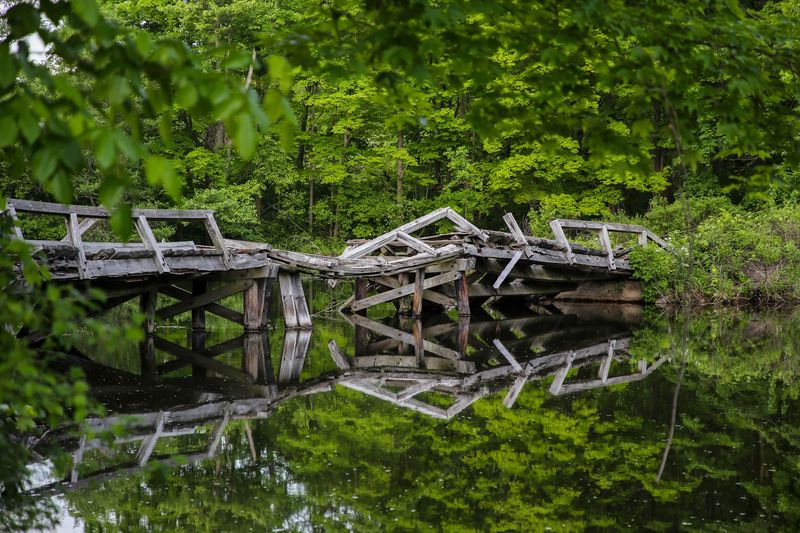
Good news first: entry costs nothing. The grounds open daily from dawn to dusk, and parking is free and easy at 526 Waterloo Road in Stanhope.
Guided tours generally run Saturdays and Sundays from June through September, led by friendly staff who clearly enjoy the subject.
The Visitor Interpretive Center operates May through October, usually 10:00 a.m. to 3:30 p.m. on weekends. Stop in first and grab a map.
Free coffee and water are available there, plus clean restrooms. Small comforts matter on a long walking day.
Wear sturdy shoes. Paths are unpaved, uneven, and hilly in spots, which surprises visitors expecting smooth sidewalks.
A ramp assists entry at one building.
Anyone needing special arrangements should call ahead at 973-347-1835. Staff work with visitors when given notice.
Bring a picnic, since there are tables and shaded benches but no restaurant on site. Water bottles are smart in summer.
Driving is the practical choice. Public transit exists in the region, but a car makes this northwestern New Jersey trip far simpler.
Leashed dogs are welcome and families with young kids do great here, especially near the animals.
How early will you arrive to have the entire village practically to yourself?