
This Mississippi Gulf Coast Town Is Becoming Too Popular For Its Own Good
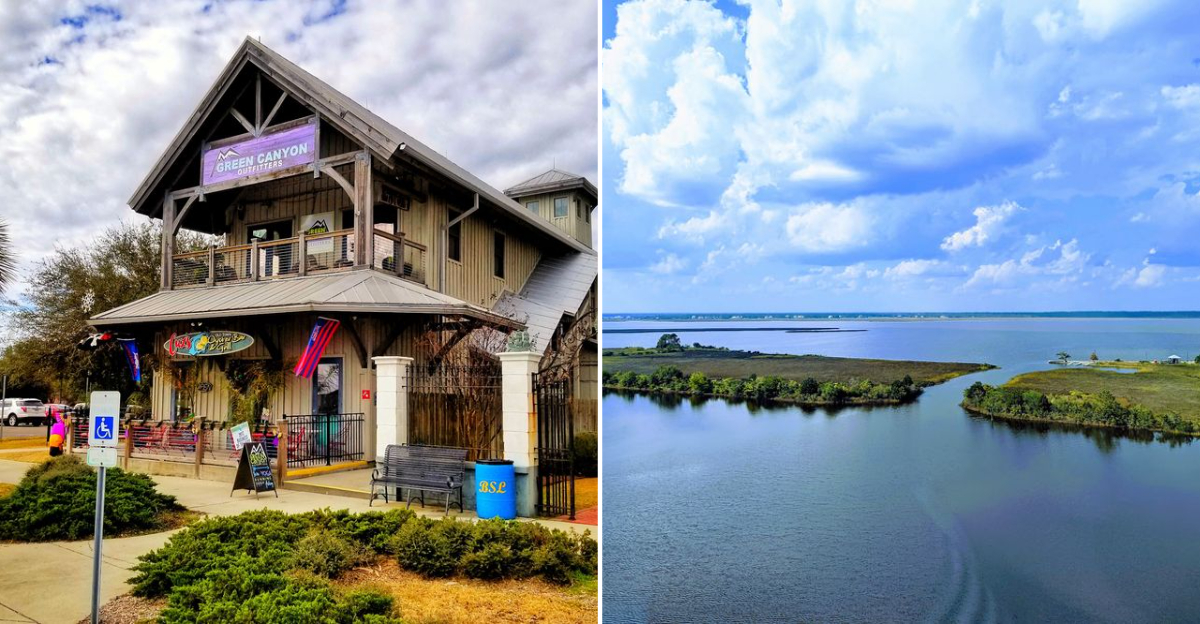
Popularity usually comes down to a mix of appeal, reputation, good offerings, and a bit of luck. This Mississippi town has all of that, maybe a little too much for its own good lately.
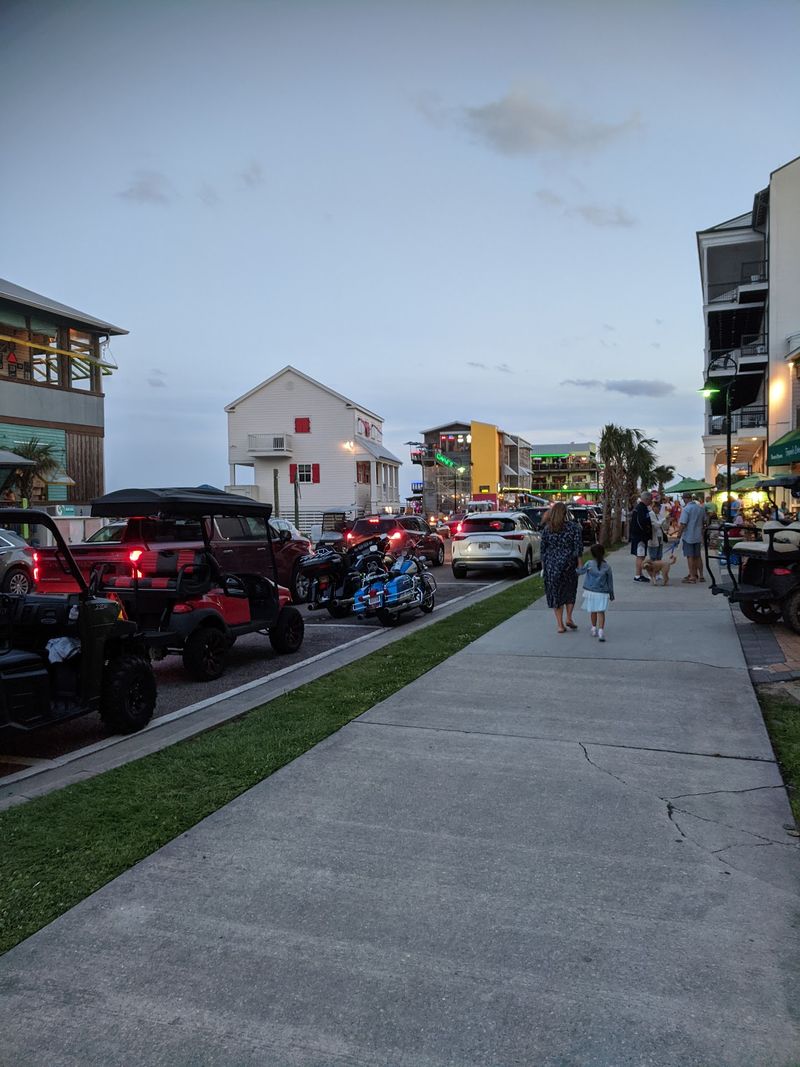
Visitors flock here for the beaches, but the crowds themselves have started becoming part of the story too. Traffic backs up earlier in the day than locals remember from just a few years ago.
Rental properties fill months in advance, leaving little availability for anyone planning a last minute trip. Restaurants and shops adjust their hours to handle the increased demand throughout the busiest weeks.
Longtime residents notice the shift most, comparing today’s crowds to quieter summers not that long ago. This town proved that popularity, once it arrives, tends to grow faster than anyone expects.
Historical Roots And Cultural Heritage
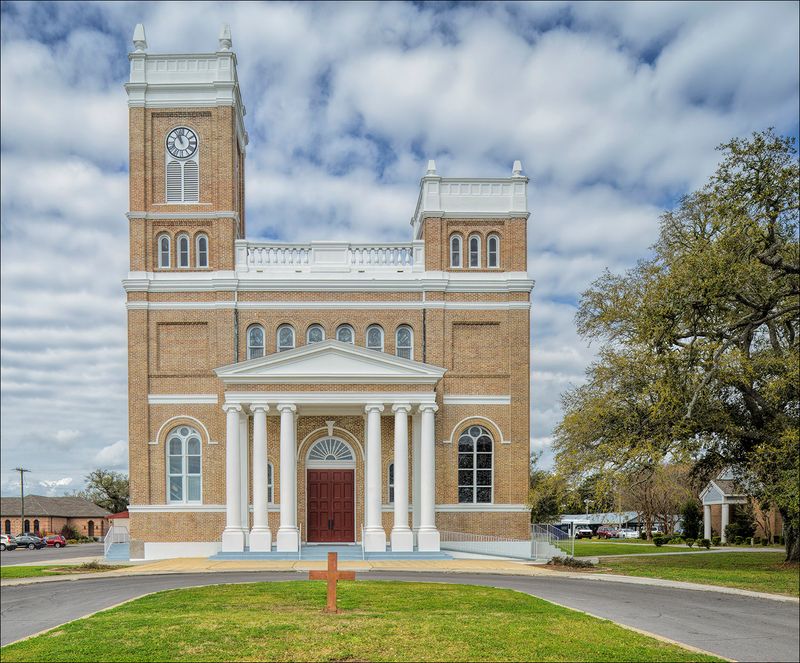
French explorers showed up here in 1699, and the town has been collecting stories ever since. Pierre Le Moyne d’Iberville and his brother Jean-Baptiste Le Moyne de Bienville named the area after King Louis IX of France.
Ownership kept changing hands like a game of hot potato. The British took control in 1763, the Spanish followed in 1783, and Americans arrived after the Louisiana Purchase in 1803.
Once wealthy planters from New Orleans started building summer homes along the water, the French and Creole influence dug in deep. You can still see it in the architecture, the family names, and the way people talk about food.
The town was incorporated in 1818 under the name Shieldsboro. That lasted until 1875, when residents went back to calling it Bay St. Louis.
Today it serves as the county seat of Hancock County. Walking the Historic District, you pass raised cottages and shaded porches that survived storms most buildings would not have.
Here is the part that surprises visitors. Much of what stands now was rebuilt or restored after Hurricane Katrina in 2005, and the community insisted on keeping the old look intact.
That stubbornness is exactly why tourists keep arriving. Preserved history sells, and word travels fast.
Natural Landscapes And Outdoor Activities
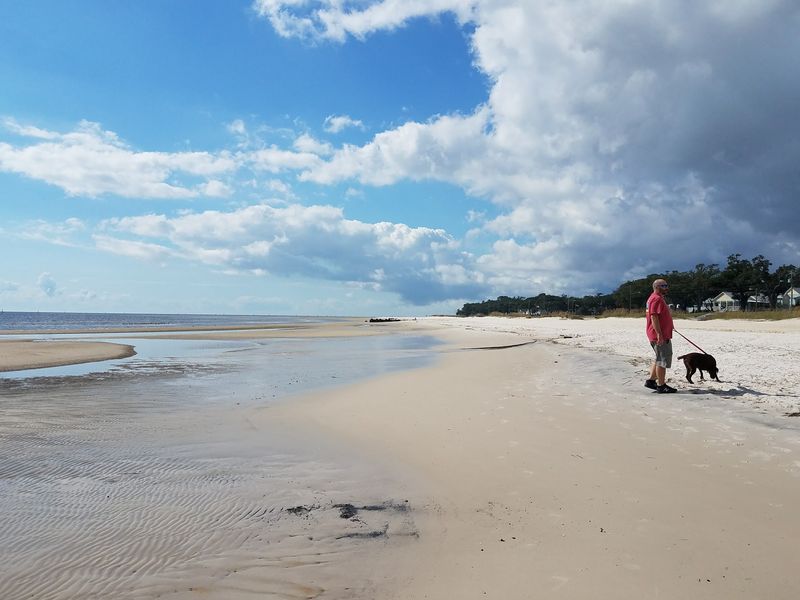
Shallow, calm water defines everything about the outdoors here. The Bay of St. Louis gets fresh water from the Jourdan and Wolf Rivers, and barrier islands out in the Gulf take the edge off rough waves.
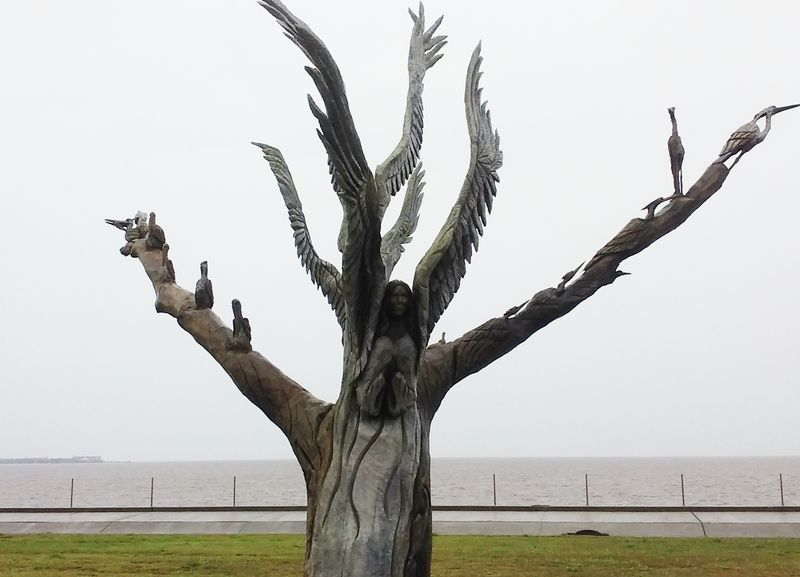
That mix creates a brackish playground for wildlife. Herons stalk the shallows, pelicans crash-dive near the harbor, and dolphins occasionally cruise past close enough to make people drop their phones.
Anglers come for redfish, speckled trout, and flounder. The fishing reputation is strong enough that boats fill the harbor on weekends without much warning.
Paddlers get the Jourdan River Blueway, a marked trail winding through cypress swamps and estuaries. Kayaks and paddleboards work equally well, and the current stays forgiving for beginners.
Buccaneer State Park sits a few miles from downtown. Wetlands, coastal forest, and Gulf views share space there, and the nature trail cuts through new-growth pines, magnolias, and oaks.
Those trees tell a story. Most of the older forest was destroyed by Katrina, so what grows now is roughly two decades young.
Miles of beach access mean you can usually find a quiet stretch of sand. Usually.
Summer holiday weekends have changed that math considerably. More visitors means more coolers, more boats, and more pressure on trails that were built for a quieter crowd.
Local Artisans And Craftsmanship
Artists started drifting into Bay St. Louis back in the 1980s and 1990s, drawn by cheap studio space and good light. They never really left.
Roughly a dozen galleries and creative spaces now operate inside the Historic District. For a town of about 9,300 people, that ratio is unusual.
Gallery 220 on Main Street runs as a co-operative, showing work from twenty-five local artists under one roof. Prices range widely, so browsing does not require a big budget.
B.E.E. by the Bay Art Gallery at 131 A Main Street also puts local makers front and center. Paintings, pottery, and handmade goods rotate through regularly.
The Second Saturday Art Walk is the monthly event everyone circles on the calendar. Galleries and boutiques stay open late, restaurants get busy, and Main Street turns into one long conversation.
Arts Hancock County organizes workshops and classes for people who would rather make something than just buy it. Beginners are welcome, which is not always true in art towns.
Bay Fest launched in 2025 as a downtown gathering of visual artists, craftsmen, and musicians. Artisanal soaps, pottery, and original artwork fill the booths.
Growing crowds have a downside worth mentioning. Rising rents on Main Street can squeeze out the exact artists who made the district worth visiting.
Festivals And Community Events
Somebody in Bay St. Louis is always planning a festival. The event calendar barely takes a breath between one celebration and the next.
The Our Lady of the Gulf Crab Festival anchors the summer, landing near the waterfront around Fourth of July weekend. Crab is the star, obviously, and the crowds reflect that.
BridgeFest honors the Bay St. Louis Bridge with live music, food vendors, and local booths. Celebrating a bridge sounds odd until you remember what it took to rebuild it.
Arts Alive! Arrives in spring at the Historic Depot Arts District.
Gulf Coast artists set up alongside live performances, creative demonstrations, and food from area kitchens.
The Second Saturday Art Walk keeps things going monthly in Old Town. Music spills out of doorways, and the historic streets fill with people who are in no hurry.
December brings the Christmas Parade and holiday events that pull in families from all over Hancock County. Small-town parades hit different when the ocean breeze is involved.
All of it runs on community energy and volunteers. That is the charm and the vulnerability at the same time.
As attendance climbs year after year, organizers face real questions about capacity, parking, and safety. Festivals designed for neighbors now serve visitors arriving from three states away.
Culinary Delights Unique To The Region
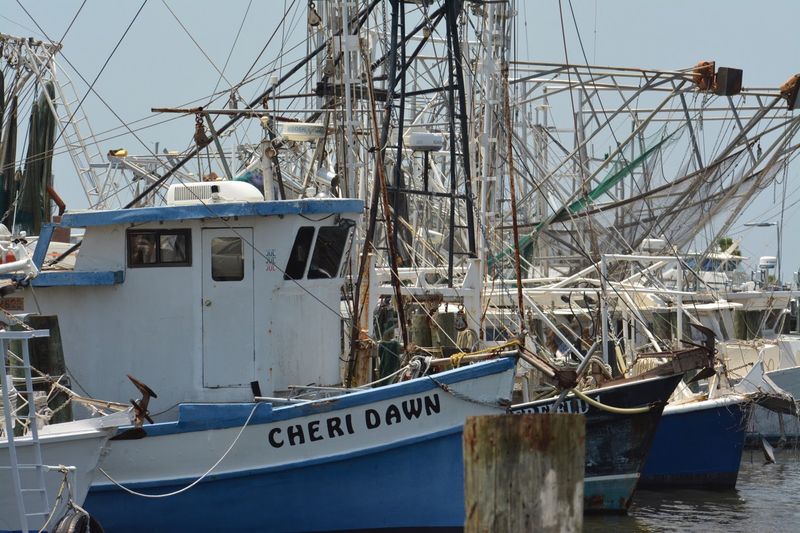
Gulf seafood runs this town’s kitchens, full stop. Oysters, shrimp, crabs, and crawfish show up on menus so consistently that ordering anything else feels like a missed opportunity.
Boiled shrimp gets treated as a casual snack around here, not a special occasion. Peel, eat, repeat, and do not worry about the mess on your fingers.
Fried seafood platters remain a cherished staple. Crab stuffed mushrooms and grilled options give the fryer a rest for anyone who needs it.
The Hancock County Farmers Market supplies homegrown produce, seasonal vegetables, and fresh fruit to local cooks. Tomatoes in July are a genuinely serious matter.
Food history here goes deep. Local canneries once processed oysters, shrimp, and even turtle meat, which shaped how generations of families ate.
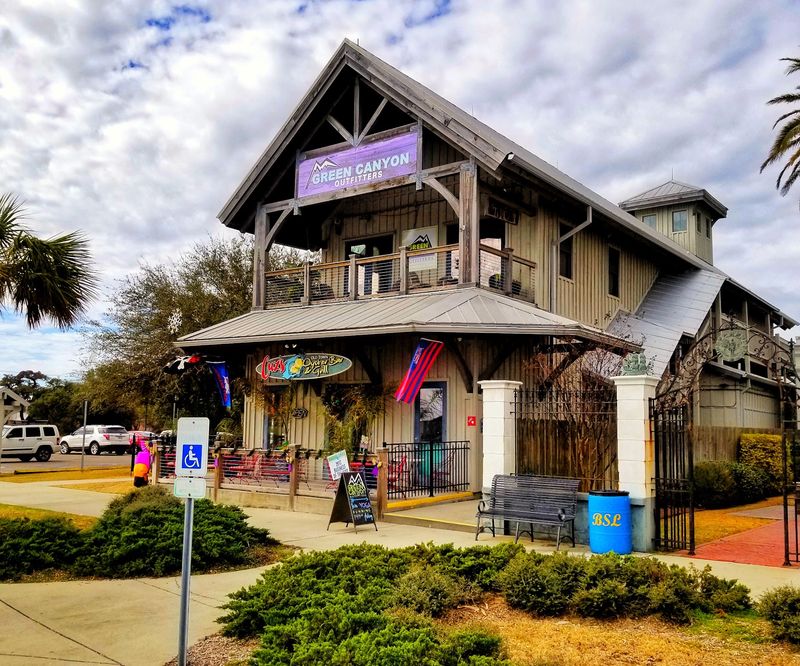
Trapani’s Eatery, The Blind Tiger, and Mockingbird Cafe all lean on fresh local ingredients and coastal cooking. Cuz’s Old Town Oyster Bar and Grill is family-owned and known for boiled seafood and raw oysters.
Reservations were once a formality. Now weekend waits stretch long enough that regulars have started eating dinner at odd hours to avoid the rush.
Pinchers Seafood received $3.6 million in restoration funding toward a working waterfront project. Keeping the seafood local matters when the demand keeps climbing.
Economic Developments And Small Business Trends
Bay St. Louis ranks among Mississippi’s fastest-growing cities, which is not a phrase anyone used here twenty years ago. Recovery turned into expansion.
The city belongs to the larger Gulfport-Biloxi-Pascagoula Metropolitan Statistical Area. That connection gives residents access to bigger job markets without living in a bigger city.
Serious employers sit nearby. NASA Stennis Space Center, the Naval Meteorology and Oceanography Command, and the Naval Research Laboratory all operate in the region.
Rocket engine testing and coastal boutiques in the same county is a combination you do not see often. Locals treat it as completely normal.
City leaders have pushed to diversify the economy and improve quality of life rather than depending on one industry. Restoration dollars have gone toward waterfront and infrastructure projects.
New condominium developments keep appearing along the water. Developers say they want to preserve the old town character, and residents watch closely to see if that holds.
Small shops on Main Street have benefited from the attention. More foot traffic means more sales for galleries, boutiques, and cafes.
The flip side is property values. Rising prices squeeze longtime residents and make it harder for young families and new business owners to get a foothold in the neighborhoods they grew up in.
Environmental Concerns And Conservation Efforts
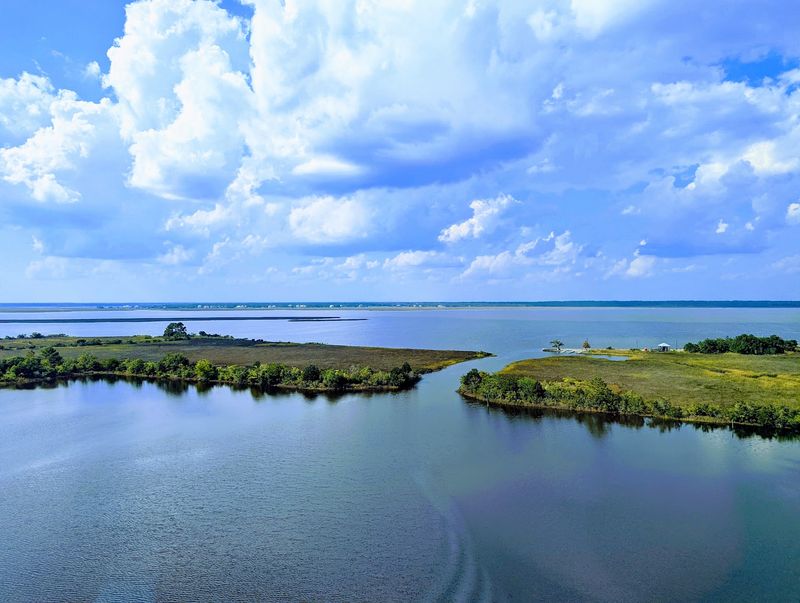
The Bay of St. Louis is a shallow-water estuary, and estuaries are picky about balance. Freshwater from the Jourdan and Wolf Rivers mixes with saltwater from the Mississippi Sound.
Brackish conditions support an impressive range of marine life. Crabs, shrimp, and fish all use these waters as nursery grounds before heading out to the Gulf.
There is a problem, though. The Environmental Protection Agency classifies the Bay of St. Louis as an impaired waterway because of high fecal coliform levels linked to urban development.
More rooftops and pavement mean more runoff heading straight into the bay. Growth and water quality are directly connected here, and locals know it.
Conservation work is happening. New-growth forests planted after Katrina now include pines, magnolias, and oaks that hold soil and shelter wildlife.
Bayou La Croix Preserve protects 1,478 acres of estuary marshes, cypress and gum swamps, and mixed vegetation. That is a meaningful chunk of land kept off the development map.
Preserves like that act as natural filters and storm buffers. They also give birds somewhere to go when the shoreline gets busy.
Visitors can help by staying on marked trails and packing out trash. Small habits matter more in a shallow estuary than most people realize.
Tourism Impact And Infrastructure Challenges
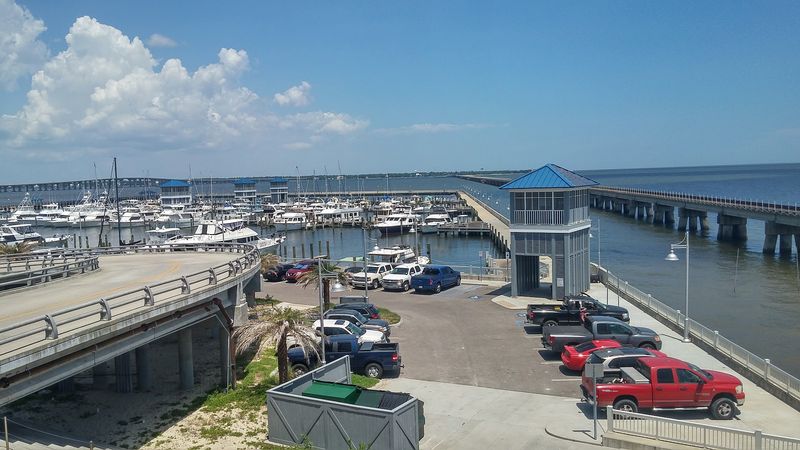
Tourism now carries a significant share of the local economy. Shopping, dining, galleries, and entertainment all sit within walking distance of the beach, which is a rare setup on the Gulf Coast.
The Bay St. Louis Municipal Harbor has earned international recognition. Boaters can dock and walk straight into downtown without arranging a ride.
Convenience like that spreads by word of mouth fast. Then Southern Living named the town one of the Best Small Towns in the South for 2023, and the phone basically started ringing.
Local businesses have gained real revenue from the attention. Cultural events draw bigger audiences and artists reach buyers they would never meet otherwise.
Growth brings friction. Parking downtown fills quickly, restaurant waits stretch, and quiet residential streets absorb traffic they were never designed for.
Harbor improvements and new condominium projects reflect efforts to handle the increase. Managing growth while protecting the historic feel is a tricky balancing act.
The rebuilding after Katrina proved this community can handle hard things. Popularity is a gentler challenge, but it changes a place slowly.
Best advice for visitors is simple. Come on a weekday, spend money at locally owned shops, and treat the place like a neighborhood rather than a theme park.