
10 Mississippi Lakes And Swimming Spots Where The Water Is Surprisingly Clear In Late Summer
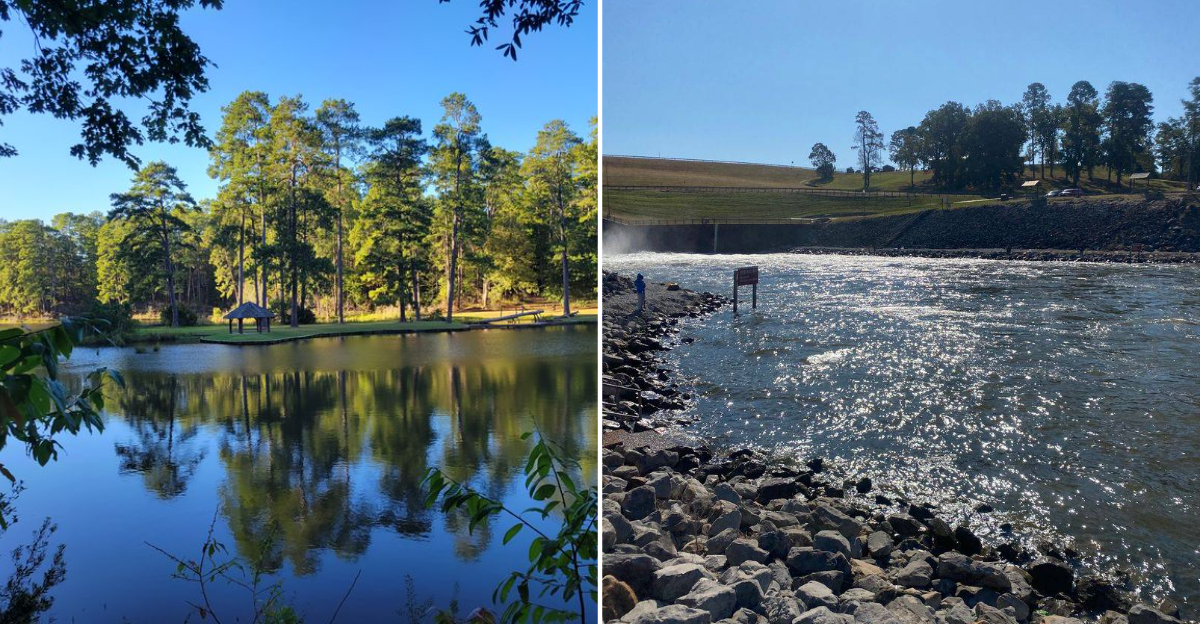
Summer’s winding down, but there’s still time to squeeze in a swim at these Mississippi spots, where the water stays surprisingly clear even this late in the season. Visibility stretches further than most visitors expect at this point in the year.
Some lakes stay clear naturally, while others benefit from lower rainfall keeping sediment down. Locals know exactly which spots hold onto that clarity longest as summer winds down.
Swimming here feels different from murkier lakes nearby, refreshing without the cloudiness that builds up elsewhere. Families often plan one last trip specifically around these clearer waters before fall arrives.
Nothing about these spots requires special timing beyond checking recent weather and rainfall. These lakes proved that late summer can still deliver some of the season’s best swimming.
1. Bay Springs Lake
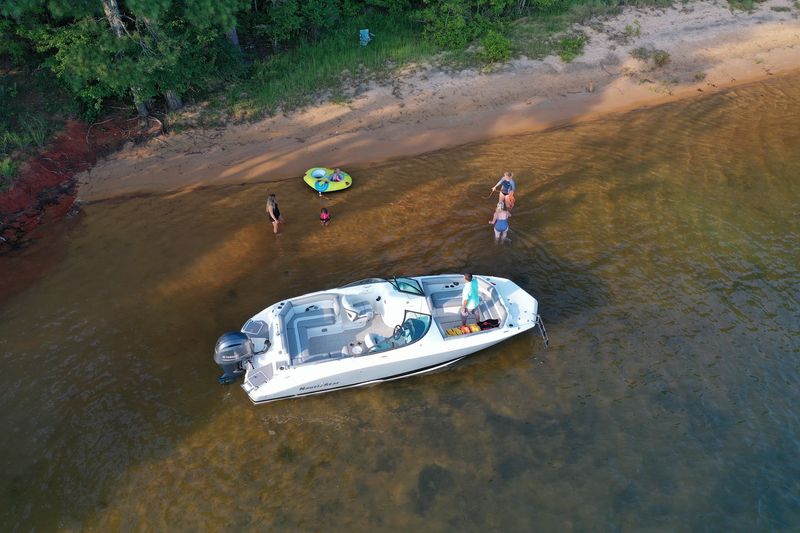
Nearly 7,000 acres of water and hardly a crowd in sight. Bay Springs Lake sits up in Tishomingo County as part of the Tennessee-Tombigbee Waterway, and it holds a clarity most Mississippi reservoirs can only dream about.
The sandy shorelines are the giveaway. Instead of the silty edges you find farther south, this lake has beaches that squeak underfoot and water that lets you count your toes in waist-deep shallows.
Piney Grove Recreation Area is the go-to for swimmers, with a marked swim area and a real beach rather than a muddy slope. Old Bridge Beach gives another entry point if Piney Grove fills up on a weekend.
Because the lake stretches so far, boaters, paddlers, and floaters rarely bump elbows. There is room for a pontoon party in one cove and a kid learning to swim in the next.
Late summer works in your favor here. Runoff slows, the water settles, and the blue-green tint deepens against the white sand.
Anglers love the place too, though the swimmers tend to arrive earlier and stay later. Bring shade, since the beach areas can get bright fast.
Northeast Mississippi does not always make the tourism brochures, and this lake stays quietly wonderful because of it. Locals know.
Everyone else drives past on the way to Tennessee.
2. Black Creek Hiking Trailhead + Parking Area
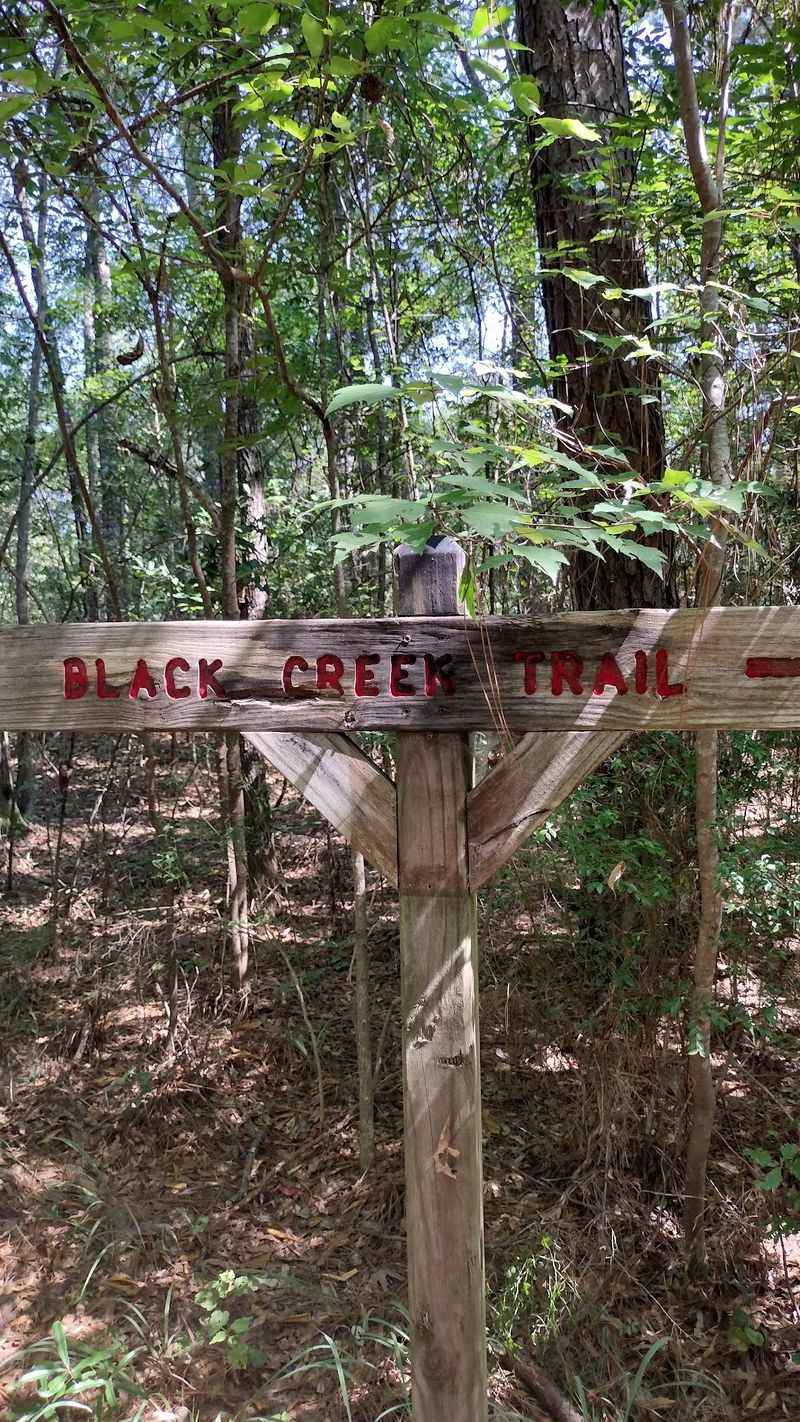
Here is a fun contradiction: the water looks like sweet tea, yet you can see straight through it to white sand. Black Creek carries tannins from the pine and hardwood forests it drains, which stains the water amber without clouding it.
It also happens to be the only National Wild and Scenic River in Mississippi. That title comes with real protection, which is part of why the creek stays so clean.
By late summer the water level drops, the current mellows, and the clarity peaks. Shallow runs turn into natural wading pools, and deeper bends become swimming holes with sand floors.
The sandbars are the real prize. Broad, bright, and soft, they work as picnic spots, nap spots, and overnight camping platforms for paddlers working their way downstream.
Longleaf pines tower over the banks and throw long shadows across the water. The whole scene feels more like coastal Florida than south Mississippi.
Swimming holes along the creek are unofficial, meaning no lifeguards, no ropes, and no signs pointing the way. Half the fun is walking the trail until you find one nobody else claimed.
Water shoes help, since submerged roots and branches hide in the darker stretches. Go slow, wade first, then swim.
3. J.P. Coleman State Park
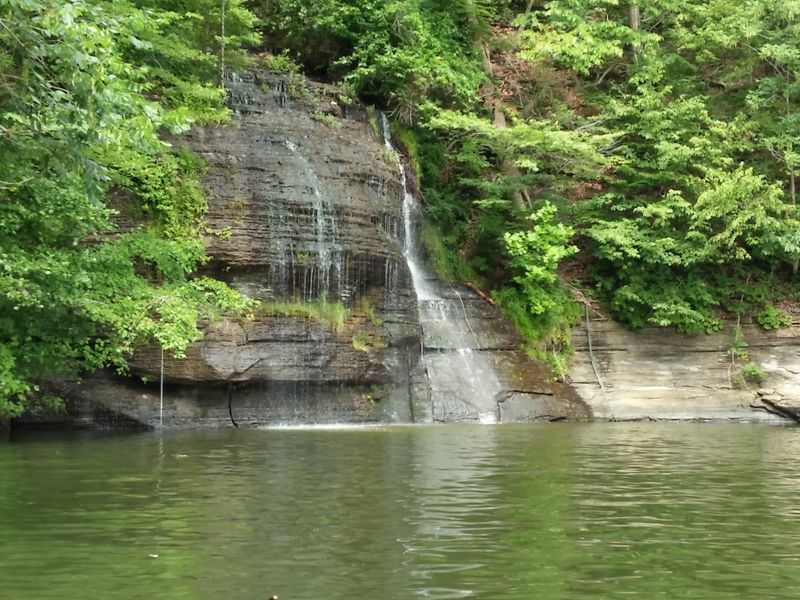
Pickwick Lake looks like somebody airlifted a chunk of Tennessee mountain water into the corner of Mississippi. The blue is genuinely startling, and the clarity makes people stop at the shoreline just to stare for a second.
J.P. Coleman State Park is the doorway to it.
The park sits at the far northeast tip of the state, where Mississippi, Alabama, and Tennessee nearly shake hands.
Sailing works here, which tells you something about the wind and the size of the water. Water skiers carve the open stretches while swimmers stick to the calmer edges.
The park itself covers plenty of ground with a marina, picnic areas, and playgrounds. Families can set up for a full day without hauling in every single thing they need.
Smallmouth bass fishing built the lake’s reputation long before swimmers caught on. Anglers still arrive at dawn, which conveniently leaves the afternoons to everyone else.
Rocky bluffs frame parts of the shoreline, giving the whole place a texture most Mississippi lakes lack. It photographs beautifully in late-day light.
Late summer keeps the water warm and settled, and the crowds thin out once school starts. That stretch between mid-August and September might be the sweet spot.
J.P. Coleman State Park is located at 613 Co Rd 321, Iuka, MS 38852.
4. Grenada Lake
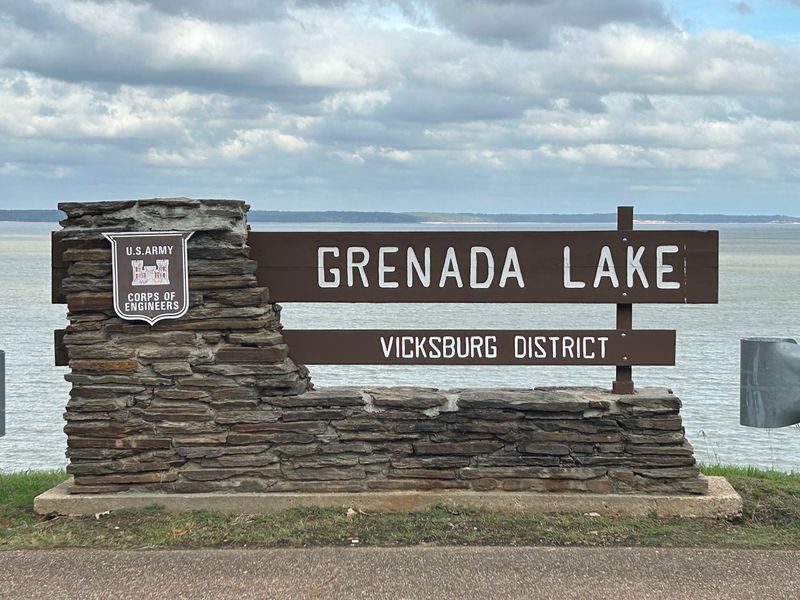
Thirty-five thousand acres. That is the number that makes Grenada Lake the biggest freshwater lake in Mississippi, and it explains why the place never feels crowded even on a holiday weekend.
Rolling hills covered in pine and hardwood surround the water, and the lake marks the spot where those hills give way to the flat Delta. The transition is visible from the shoreline.
Mornings here are the payoff. Sunrise turns the surface into glass, and the reflection of the treeline is so sharp it feels like a trick.
Forty-eight miles of shoreline means there is a beach, a cove, or a quiet bank for whatever mood you showed up with. Sandy swim areas handle the floaters and the splashers.
Fishing fame follows this lake around. It carries the nickname Home of the Three-Pound Crappie, and anglers drive in from several states to test that claim.
Clarity improves as summer winds down and the spring runoff becomes a distant memory. The water settles, and the sandy swim zones look noticeably cleaner in September.
Picnic tables, camping areas, and trails fill out the day for anyone who does not want to swim from breakfast to sunset. Bring bug spray for the evening hours.
5. Lower Lake Beach
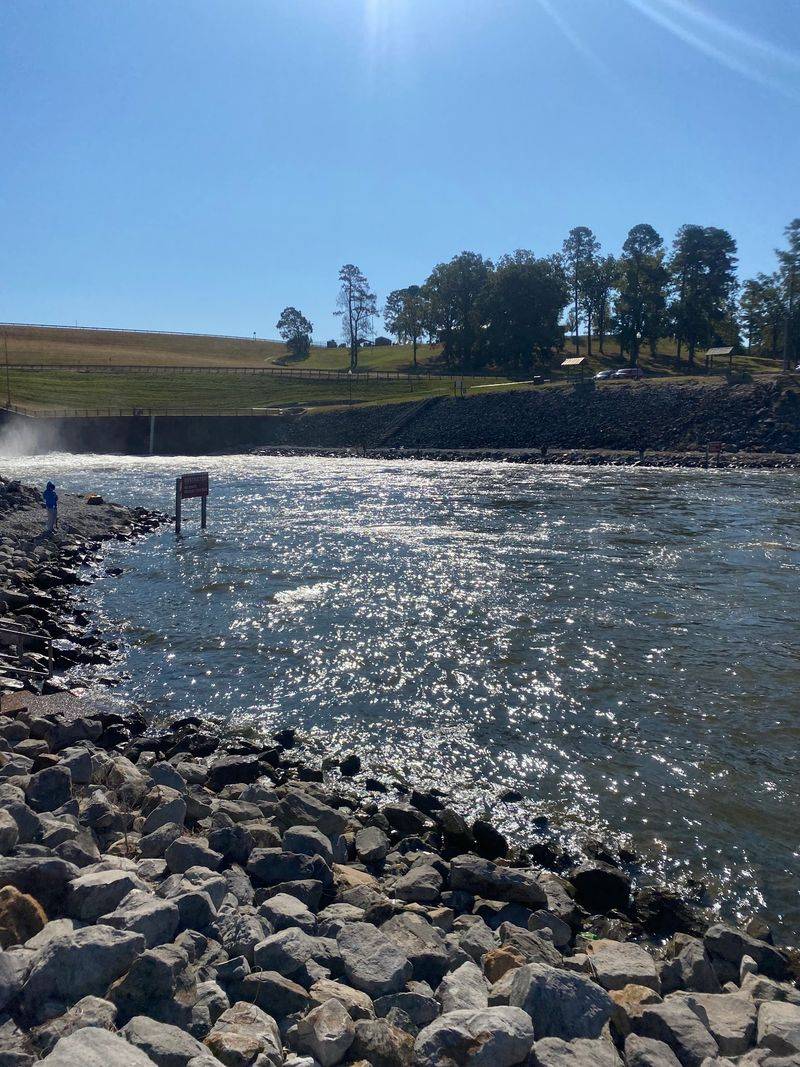
Sardis Lake is split into an Upper and a Lower Lake, and the Lower Lake is where the fun lives. Mississippi’s largest artificial reservoir sprawls across north Mississippi hill country and dedicates real estate to plain old leisure.
Paradise Point earns its name. A large swim beach anchors the area, backed by picnic shelters and courts for basketball and volleyball.
Main Beach Recreation Area offers a second swimming zone with its own amenities. Between the two, there is almost always somewhere to spread a blanket.
The water runs warm and clear through late summer, which is a combination swimmers do not always get. Waist-deep sections stay visible down to the sandy bottom.
Green hills wrap the shoreline and keep the horizon interesting. Nothing about the setting screams Delta flatland.
Weekends draw families, cookout crews, and volleyball games that get competitive fast. Weekday afternoons in August feel almost private by comparison.
Because the reservoir is so large, water levels shift through the season. Late summer usually means lower, calmer, clearer conditions along the beaches.
Shade is worth planning for, since the swim areas sit wide open to the sun. A pop-up canopy earns its keep here.
6. Clear Springs Campground
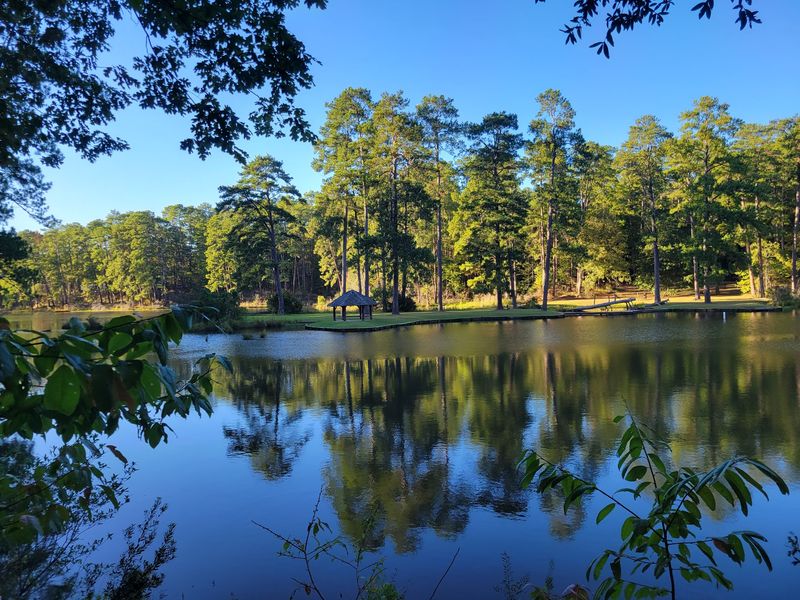
Sometimes a name does all the work. Clear Springs Lake sits inside Homochitto National Forest, and the 12-acre pool is fed by natural springs that keep it cool and remarkably clean.
Spring-fed water behaves differently than runoff-fed water. Sediment stays low, temperatures hold steady, and visibility gets deep enough to feel a little surreal for Mississippi.
The blue here leans toward crystal, especially where sunlight hits the shallows. People compare it to tropical water, which sounds like an exaggeration until they see it.
Pine-covered hills rise around the lake, and tall trees shade a good stretch of shoreline. That shade keeps the water from cooking in August.
The scale is part of the charm. Twelve acres means no roaring boat wakes, just floating, paddling, and the occasional splash contest.
Campsites sit close enough that a morning swim before coffee is entirely reasonable. Tents and small rigs both fit here.
Trails wind through the surrounding forest for anyone who needs to dry off with a walk. The ecosystem feels healthy and loud with birds.
Cell signal gets spotty out in the national forest, which most visitors count as a feature. Download your map before you turn off the highway.
7. Percy Quin State Park
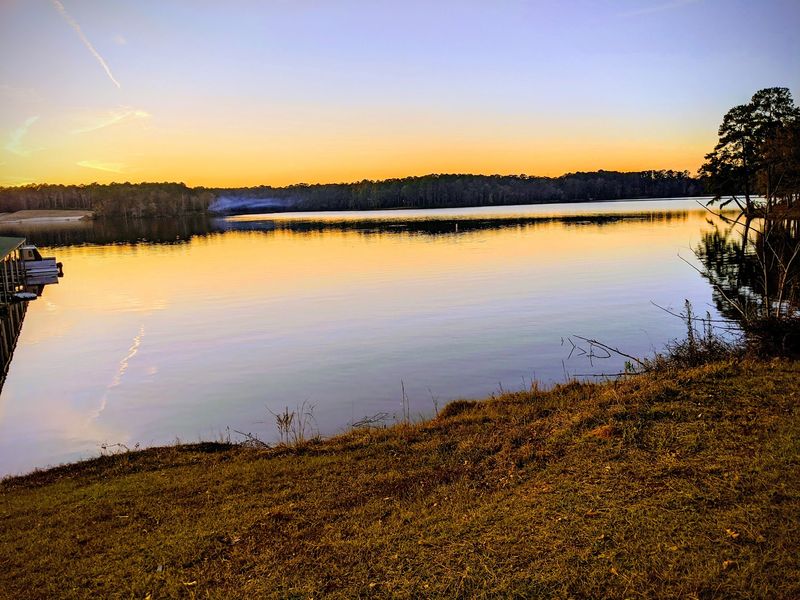
Seventeen hundred acres of loblolly pine, magnolia, and rolling green make Percy Quin one of the most scenic state parks in South Mississippi. At the center of it sits 490-acre Lake Tangipahoa, wide enough to feel like a real destination.
Fishing boats, waterskiers, and paddlers all share the lake. The panoramic view from the shoreline is the kind people photograph before they even unpack.
Honesty time on clarity. The water here can run tea-dark, and it has been known to tint light-colored swimsuits, so pack accordingly.
Aquatic vegetation has also caused problems after heavy flooding in past years, which affected conditions on the lake. Checking ahead before a swim trip is a smart move.
Even with those quirks, the park stays popular for good reason. An 18-hole championship golf course, eight miles of nature trails, and cabins keep visitors busy well beyond the waterline.
Shaded picnic areas and playgrounds make it easy to turn a swim stop into a full day. Families often book cabins and never leave the grounds.
Late summer brings lower water and calmer conditions, which usually improves visibility along the edges. Mornings tend to look their best.
Find it at 2036 Percy Quin Dr, McComb, MS 39648.
8. Chewalla Lake
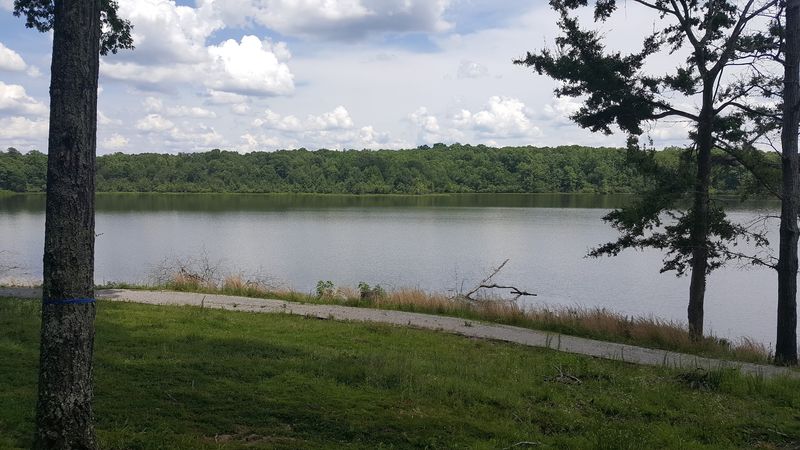
There is history under your feet at this one. Chewalla Lake takes its name from the Choctaw word Chiho-la, meaning Supreme Being, and a reconstructed mound near an overlook marks its past as a ceremonial site.
The lake covers 260 acres inside the Holly Springs Ranger District in north Mississippi. Springs feed it, which keeps the upper sections noticeably cooler than you would expect in August.
A no-wake rule governs the whole lake. That single policy is why the surface stays calm, and the atmosphere stays quiet.
Dense pine and hardwood forest presses right up to the water. The shoreline feels closed in and private rather than wide open.
A sandy beach handles the swimming crowd, and it is a comfortable place to park a chair for the afternoon. Cooler spring water makes late-summer swims genuinely refreshing.
Campsites, picnic spots, and hiking trails round out the recreation area. It suits people who like a lake without a soundtrack of outboard motors.
Conditions can vary here, so checking current advisories before swimming is worth the two minutes. Water quality at any natural lake shifts with weather.
Sunset from the overlook, with the mound behind you and the lake below, is quietly unforgettable.
9. Twiltley Branch Campground
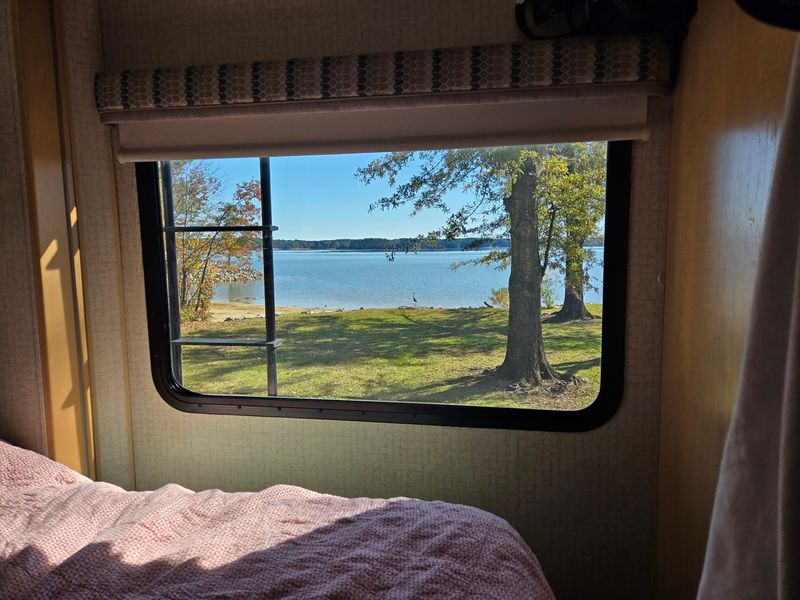
Eleven thousand acres of reservoir in the Pascagoula River Basin, and the normal water clarity runs around three feet. For a lake that size in Mississippi, that is genuinely impressive.
Okatibbee Lake was built for flood control and drinking water, not recreation. The swimming and boating came later, almost as a bonus.
Three designated swimming areas spread the crowds out, and multiple boat ramps handle the fishing and skiing traffic. Nobody has to compete for a single beach.
Rich forest vegetation lines the shore and feeds the wildlife management areas nearby. Deer, herons, and wild turkey turn up regularly for anyone paying attention.
The U.S. Army Corps of Engineers manages the lake, which means the facilities stay maintained and the swim areas stay marked.
Restrooms and shelters are part of the deal.
Twiltley Branch Campground serves as the main base of operations. Full-service camping makes it easy to stretch a day trip into a long weekend.
Late summer usually brings the clearest water of the season once heavy spring rains are long gone. Mornings are calm; afternoons get breezy.
Fishing here is serious business, so expect boats out early. Swimmers get the lake to themselves by midday.
Twiltley Branch Campground is located at 9200 Hamrick Rd N, Collinsville, MS 39325.
10. D’Lo Water Park
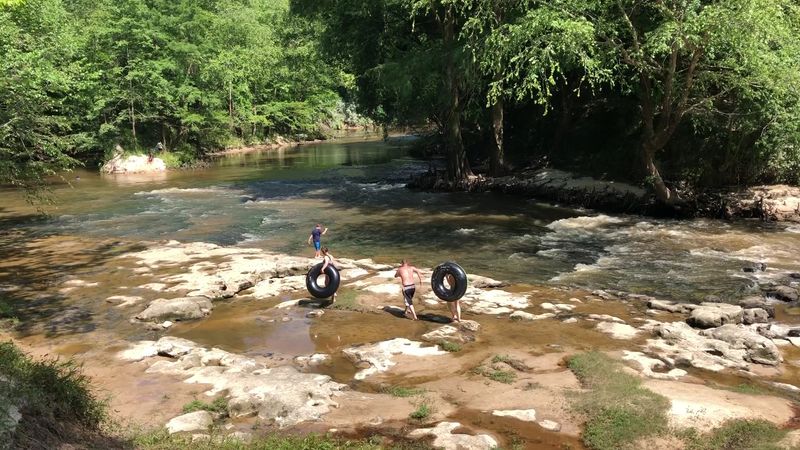
Old-fashioned swimming hole energy, no water slides required. D’Lo Water Park sits along the Strong River in central Mississippi, and the river is the whole point.
Sandy stretches along the bank create natural entry points into shallow, clear water. The bottom is visible in most of the swimming areas, which keeps parents relaxed.
Floating and kayaking draw the biggest crowds. Canoes and kayaks are available to rent on site, so nobody needs a roof rack to join in.
Forested terrain surrounds the park and keeps the noise down. Tall pines and hardwoods do most of the shading work.
Late summer drops the river level, which slows the current and sharpens the clarity. That combination makes August and September ideal for a lazy float.
Beyond the water, a scenic walking track loops through the grounds. RV sites, tent camping, and rental cabins mean an overnight stay is easy to arrange.
The park leans into local history and hosts community events through the year. It functions as a gathering place, not just a swim stop.
Water shoes are a good call, since river bottoms hide rocks and roots. And bring a rope for tying off the tubes.
The address is 135 D’Lo Park Rd, Mendenhall, MS 39114.