
8 Charming California Towns Bursting With Rich Heritage And Old-World Vibes
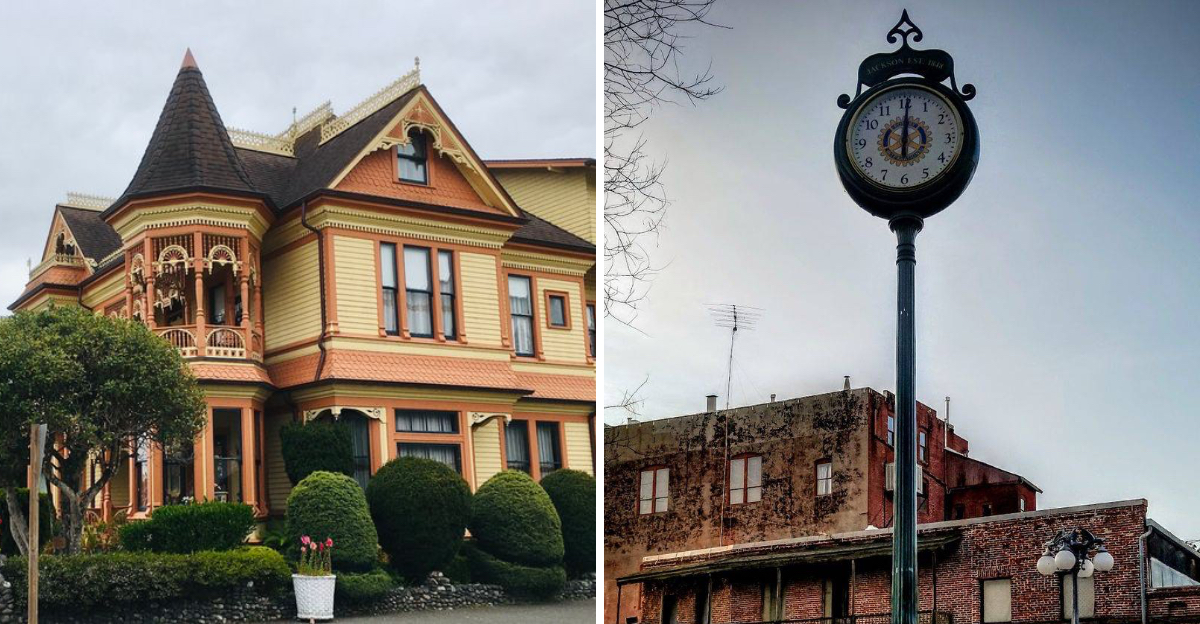
Eight towns across California still look frozen in an older century, and that is the whole charm. Brick storefronts lean against wooden balconies built during the Gold Rush.
Main streets wind past buildings that skipped modern renovation entirely. A handful survived by accident, while others fought hard to save every beam and shutter.
Miners once filled these streets chasing fortune, and their fingerprints remain everywhere. Victorian mansions stand along quiet lanes shaded by century-old trees.
Cobblestones and iron balconies catch golden light at sunset. California keeps a whole cluster of these places scattered across its foothills.
Each one guards its own slice of the past. The best details wait above eye level, in carved trim and painted signs.
Maybe it is time to slow down and go find one.
Sutter Creek
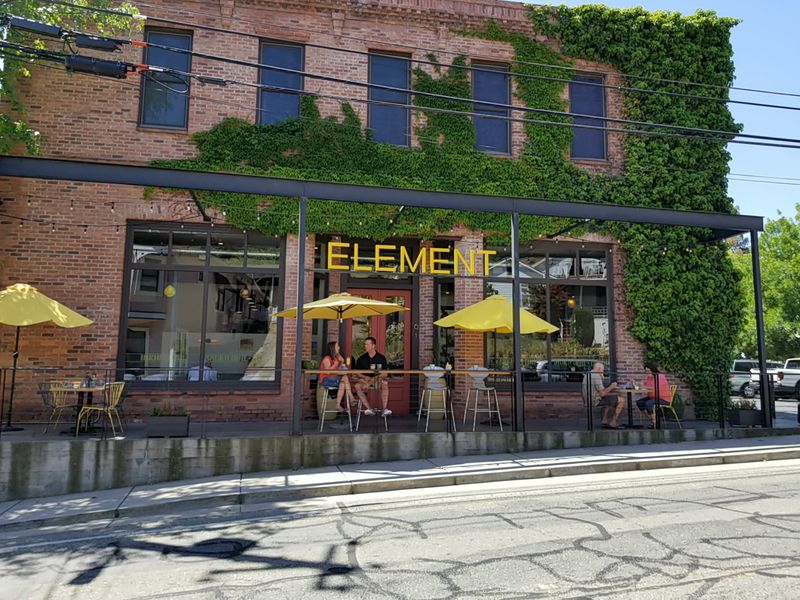
Some towns chase trends. Sutter Creek never bothered, and that is exactly why it earned the nickname Jewel of the Mother Lode.
Amador County holds this small foothill town. Its Main Street lines up 19th-century buildings with wooden balconies hanging over the sidewalk.
The name traces back to John Sutter, whose sawmill sparked the California Gold Rush. Fortune seekers poured into the region starting in 1848.
Walk the historic core and you will notice how little has been erased. Storefronts still show original brickwork and old signage shapes.
The Knight Foundry sits nearby, known as a rare water-powered foundry and machine shop in America. Tours may be offered on limited days, so check availability before you plan around it.
Gold history looms just outside town too. The Kennedy Mine ranks among North America’s deepest gold mines, and its tall headframes remain visible from parts of Sutter Creek.
Antique hunters do well here. Galleries, curiosity shops, and small bookstores fill much of the downtown stretch.
Park once and explore on foot. The main strip runs short enough to cover in an easy afternoon.
Spring brings green hillsides and mild temperatures. Summer afternoons can turn hot, so start early and rest in the shade of those balconies.
Photographers should visit late in the day. Low light hits the brick facades beautifully.
I walked away convinced this is the most photogenic Gold Country main street I have found so far.
Sutter Creek, Amador County, California, United States.
Nevada City
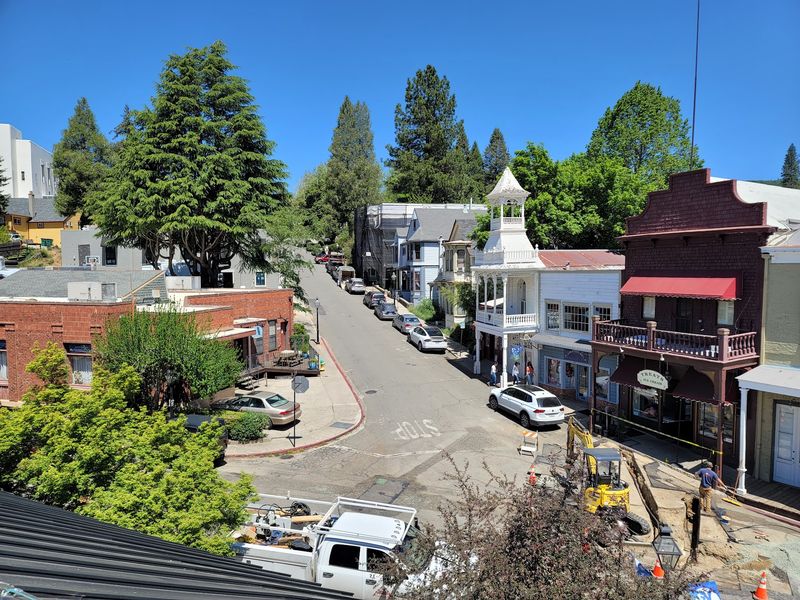
Gold, fire, and stubborn rebuilding shaped this hillside town. Nevada City sits in the Sierra Nevada foothills and carries recognition as a National Historic Landmark district.
The story starts in 1849. Miners found rich placer gold deposits and named the camp Deer Creek Dry Diggins.
Civic leaders later chose Nevada, Spanish for snow-covered. The name stuck long before the neighboring state took a similar one.
Fires wrecked early mining towns again and again. Local builders answered with brick, and those sturdy structures are the reason so much history survives downtown.
Narrow streets climb and curve here. Look for iron shutters, tall windows, and old balconies as you wander.
Herbert Hoover, later a United States president, got his start as a young mining engineer in this district, just down the road in neighboring Grass Valley.
Today artists, writers, and musicians keep the streets lively. Small theaters, galleries, and cafes fill century-old rooms.
Autumn is my favorite season for a visit. Maples and other trees turn gold and red against the brick, and the air cools off nicely.
Winter brings occasional snow at this elevation. Streets can get slick, so drive carefully on the hills.
Wear shoes with grip. Sidewalks rise and fall with the terrain, and some blocks are steeper than they look.
Come with no schedule and let curiosity lead. Nevada County rewards aimless wandering better than any itinerary I could write.
Nevada City, Nevada County, California, United States.
Sonora
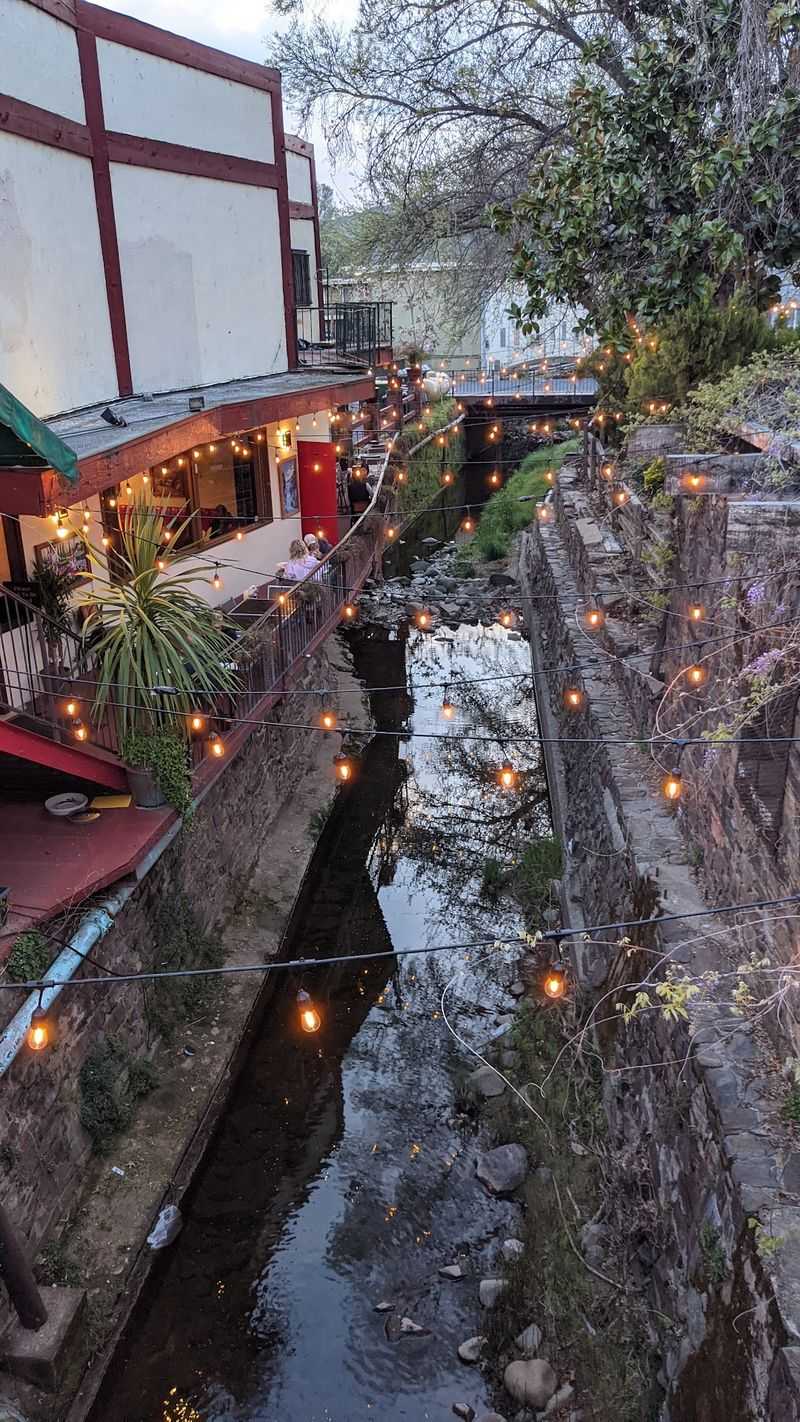
Miners once called it the Queen of the Southern Mines. Sonora, in Tuolumne County, earned that title back when gold ruled the region.
The settlement began in 1848. Miners from Sonora, Mexico, founded the camp and gave the town its lasting name.
Growth came fast. Population climbed toward roughly 5,000 by 1849, and Sonora incorporated in 1851 as one of California’s oldest cities.
Washington Street holds the best of the old architecture. Victorian storefronts and Gold Rush era facades line both sides.
Step inside the Tuolumne County Museum, housed in an 1866 brick building that once served as the county jail. Original cell doors still stand in place.
The 1885 Sonora Opera Hall also survives downtown. Its exterior alone is worth a photo stop.
Here is a strange detail I love. Many downtown buildings rest on pylons driven into old mining tailings, a reminder of how thoroughly this ground was worked over.
Sonora doubles as a gateway town. Highways lead east toward the high Sierra Nevada and Yosemite’s less crowded approaches.
Use it as a base for a longer trip. Lodging, groceries, and restaurants are easy to find compared with smaller foothill villages.
Fall and spring bring the friendliest temperatures. Summer heat in the foothills can be intense by midafternoon.
Stroll the street after sunset when lamps glow against old brick. That is when the town’s mining-camp roots feel closest.
Sonora, Tuolumne County, California, United States.
Ferndale, California
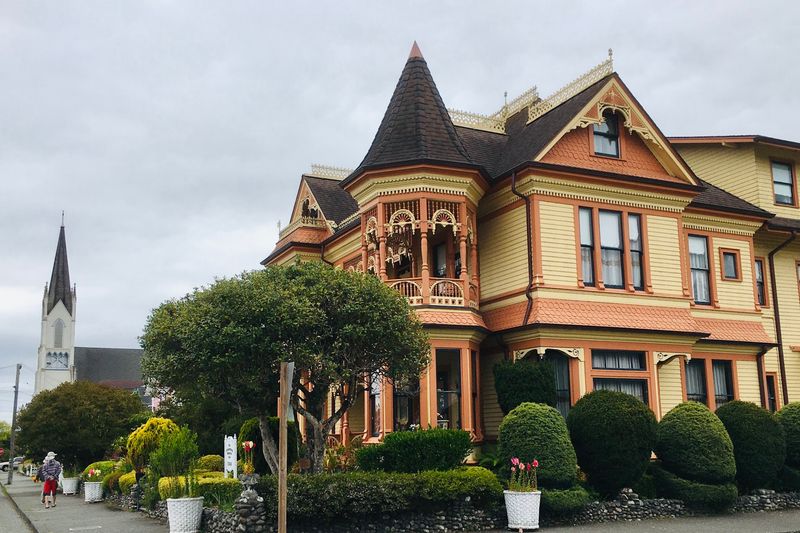
Ever seen a whole town that looks like a movie set? Ferndale sits along the Redwood Coast in Northern California, and the entire village holds a place on the National Register of Historic Places.
Dairy money built this place. Prosperous farming families constructed elaborate homes that locals still call Butterfat Palaces.
Main Street shows off the results. You will spot Queen Anne, Eastlake-Stick, and Italianate styles standing shoulder to shoulder.
Painted Ladies line the block in soft pinks, greens, and creams. Photographers love the light here, especially when coastal fog rolls in during the morning.
Shops still operate inside those historic buildings. Expect bookstores, gift shops, and old-fashioned soda fountain vibes rather than chain logos.
Take a short drive into the surrounding farmland. Grand Victorian farmhouses sit among green pastures and grazing cattle.
Ferndale has appeared as a filming location for several movies over the years, which surprises almost nobody who visits. The streetscape simply looks cinematic without any help.
Plan your stroll slowly. The historic district is compact, and most of the best details sit above eye level in carved trim and turret windows.
Bring layers. Humboldt County weather shifts fast, and coastal mornings often start cool and damp.
The town cemetery on the hillside offers wide views over the valley and rooftops. It is a quiet, respectful spot for a short walk.
I left feeling like I had wandered into a storybook chapter that nobody bothered to close.
Ferndale, Humboldt County, California, United States.
Grass Valley, California
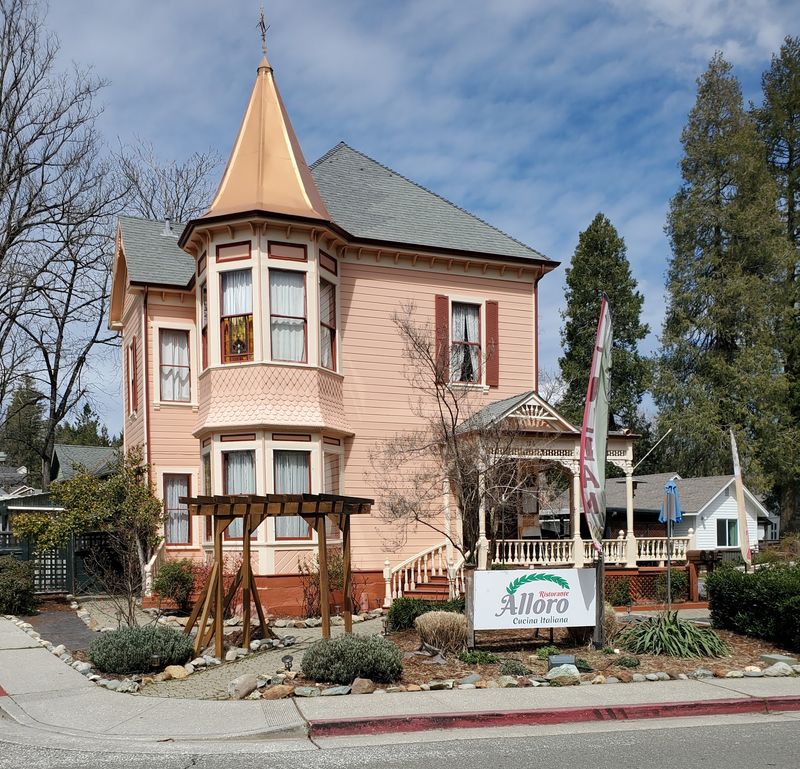
Cornish pasties in the Sierra foothills? That happened here, and the reason is pure mining history.
Grass Valley sits in Nevada County and ranks among California’s most productive gold mining towns. Gold-filled quartz turned up on Gold Hill in 1850.
That find changed everything. Hard rock mining took hold, replacing simple panning with deep tunnels and heavy machinery.
The Empire, North Star, and Idaho-Maryland mines grew famous worldwide. You can explore the Empire Mine site today and see stone buildings, gardens, and mining equipment up close.
Skilled miners arrived from Cornwall, England, bringing hard-won underground knowledge. Their influence never left.
Listen closely downtown and you may still hear the old nickname Cousin Jack. Bakeries continue selling traditional Cornish pasties, those hearty folded pastries miners carried underground.
Fire swept the town in 1855. Residents rebuilt quickly, and much of that determined spirit shows in the brick commercial blocks standing today.
Downtown makes for an easy walking loop. Expect bookshops, cafes, and a working theater scene in historic quarters.
Pair your visit with nearby Nevada City. The two towns sit only a short drive apart, which makes a single weekend feel generous.
Winter can bring snow at this elevation. Check road conditions if you are driving up in the colder months.
Order a pasty, find a bench, and let the mining past sink in. That simple lunch taught me more about this town than any plaque did.
Grass Valley, Nevada County, California, United States.
Murphys, California
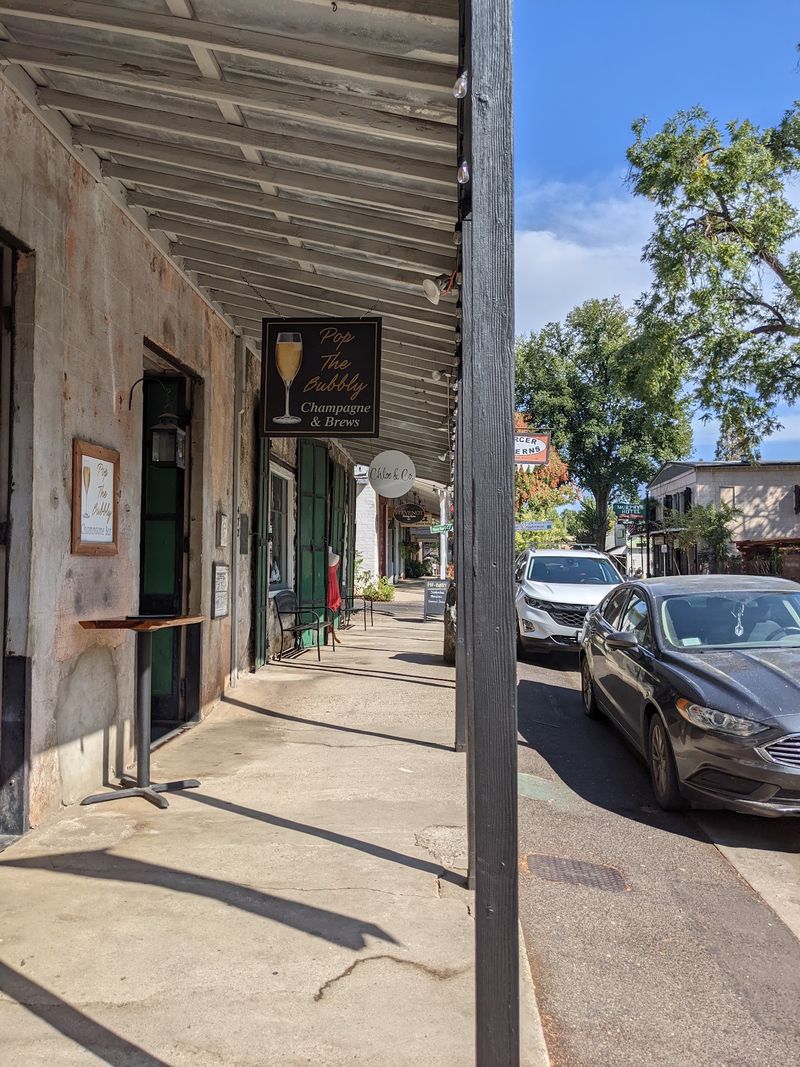
Eight feet by eight feet. That was the size limit on gold claims in Murphys, and prospectors still walked away thrilled.
Calaveras County holds this leafy foothill town. Its placer gold ground counted among the richest in California.
Reports from the era describe finding an ounce of gold in a single pan. Over twenty million dollars in gold eventually came out of the local diggings.
That wealth built something lasting. Main Street still lines up historic stone and brick buildings under mature shade trees.
Walking here feels unhurried. Sidewalks stay narrow, storefronts stay small, and traffic moves at a crawl.
Shops lean toward art, crafts, and specialty foods. Tasting rooms occupy several old buildings, since the surrounding countryside has grown into a recognized grape-growing region.
Nature sits close by too. Calaveras Big Trees State Park lies within a reasonable drive and protects towering giant sequoias.
Mercer Caverns, a limestone cave system in the area, offers guided underground tours. Availability can vary by season, so confirm before making the trip.
Spring wildflowers make the drive in especially pretty. Autumn brings color to the vines and roadside trees.
Park at one end of Main Street and simply walk. The core stretch is short, and doubling back costs you nothing.
Murphys blends its golden past with a relaxed present better than I expected from a town this small. I would return just for another slow afternoon on that shaded street.
Murphys, Calaveras County, California, United States.
Columbia
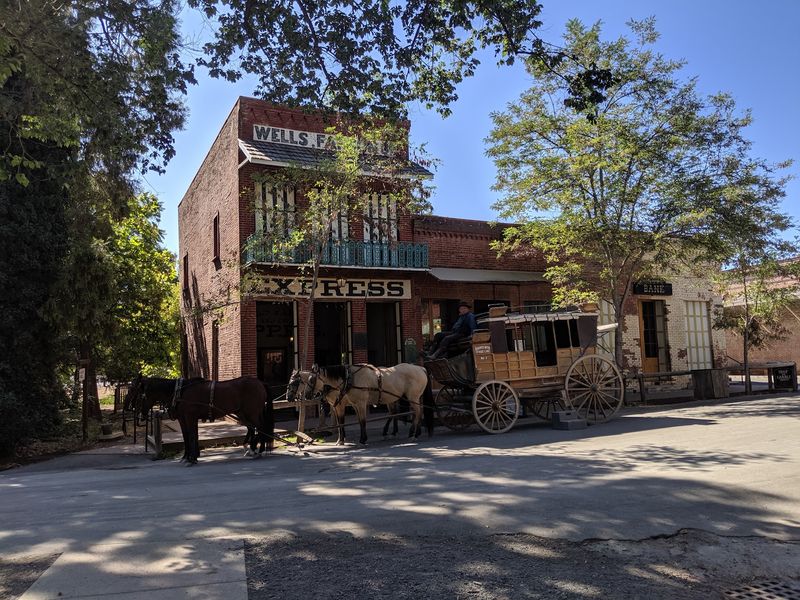
Wooden sidewalks, a stagecoach, and not a single car in sight. Columbia State Historic Park in Tuolumne County lets you walk straight into the 1850s.
This is a preserved Gold Rush town, not a replica. Original brick buildings still line the main street.
Cars stay out of the historic core. That single rule does more for the atmosphere than any decoration could.
Costumed docents often work the shops and streets, portraying miners, merchants, and townsfolk. Programs and staffing vary by day and season.
Kids love the gold panning. Water troughs and pans let visitors try the same technique that drew thousands here.
A working blacksmith shop rings with hammer strikes. Historic inns and restaurants operate inside period buildings.
Stop by the Fallon Theatre, which hosts live performances at various times of year. The old Wells Fargo express office also stands ready for a look.
Bring cash for small shops and treats. Old-fashioned candy stores here are dangerously convincing.
Combine Columbia with nearby Sonora for a full day. The two sit close together in the same county.
Weekdays tend to feel quieter. Weekends bring more programming but also more visitors.
Dress for foothill weather and wear sturdy shoes for dirt streets and boardwalks. Shade can be limited in summer.
Of everywhere on this list, Columbia comes closest to actual time travel. I dare you to leave without gold dust in your pocket.
Columbia, Tuolumne County, California, United States.
Jackson
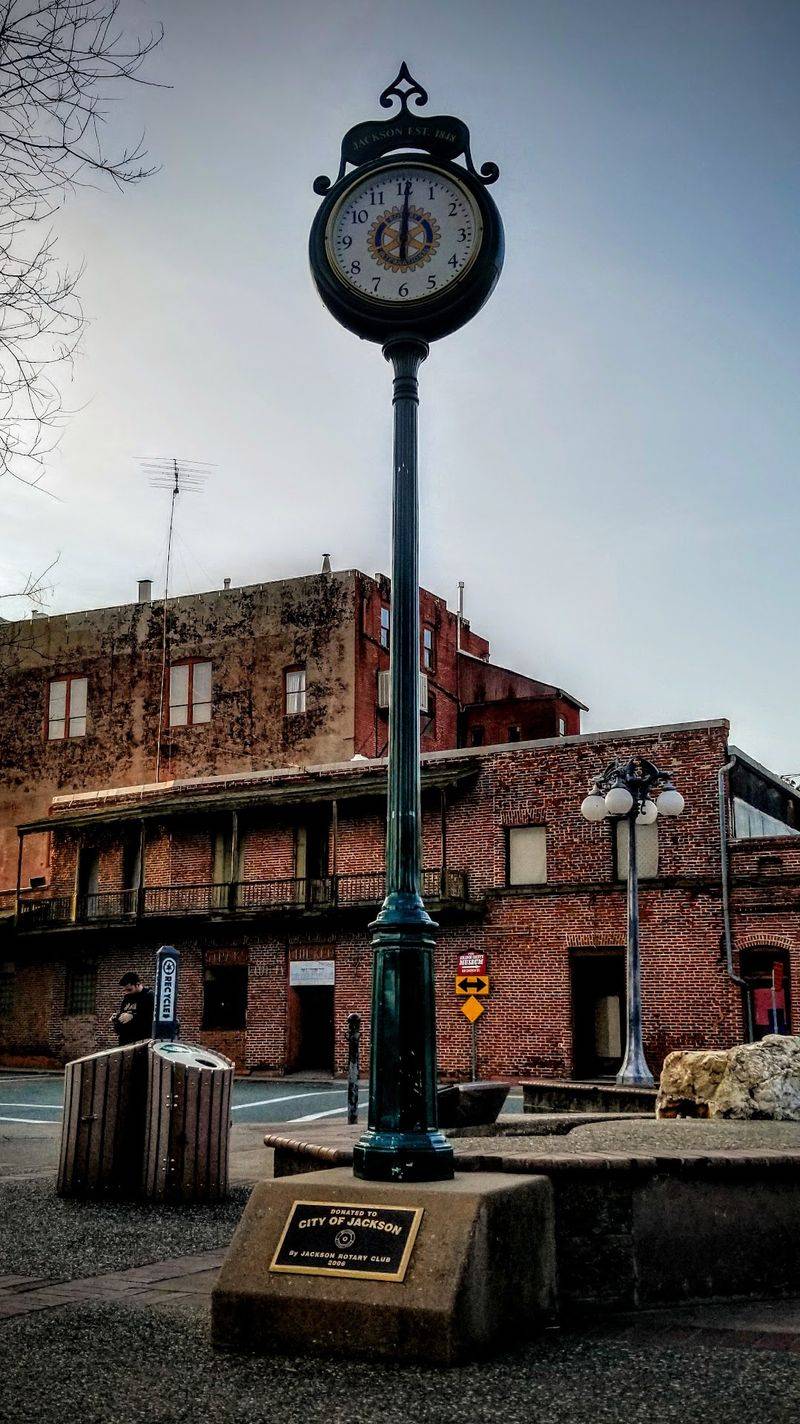
Fancy a street built during the Civil War era? Jackson, the largest city in Amador County, keeps a historic Main Street full of that vintage brickwork.
Founding dates back to 1848. By 1854 the town had become the county seat.
An earlier name floats through local lore. People once called the spot Bottileas, a reference to bottles left behind at a roadside watering stop for travelers and miners.
Fire tore through the town in 1862. Residents rebuilt with brick, and those solid buildings still frame the downtown today.
Look up as you walk. Wrought iron balconies and old shutters survive on several facades.
Mining shaped everything here. The Kennedy and Argonaut mines counted among the deepest in the region and produced a huge share of Mother Lode gold.
Head to the Kennedy Mine area to see headframes and tailing wheel remnants. Access and tour schedules can change, so confirm ahead.
History plaques dot the sidewalks downtown. Murals at the local civic center add more context about the mining years.
The street runs on a hill, so expect a bit of a climb. Comfortable shoes help.
Small cafes and shops make good pause points. Weekday visits usually feel calm and easy for parking.
Jackson works well as a base for exploring Amador County, with Sutter Creek only minutes up the road.
I finished my walk here with fresh respect for how much history one hillside can hold.
Jackson, Amador County, California, United States.