
This Extraordinary Open-Air Museum In Wisconsin Will Transport You Straight To The 1800s
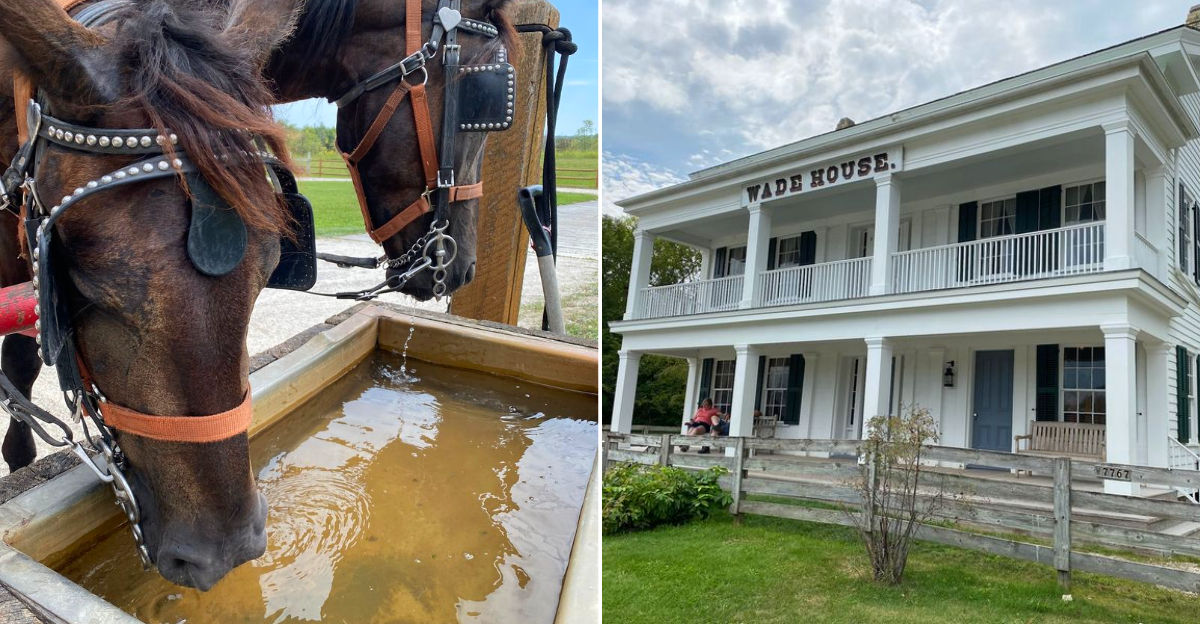
History gets a lot more exciting when it starts moving around you. In Wisconsin, the past comes alive with creaking wagons, working machinery, ringing hammers, and old-fashioned skills unfolding right in front of visitors.
This is not a place where everything sits behind glass. You can watch craftsmen at work, explore historic buildings, and see how families handled everyday life generations ago. Farm animals add even more personality to the experience.
Kids can get close to history instead of staring at a textbook. Adults may be surprised by how much effort once went into tasks that seem simple today.
There is plenty to explore, so rushing would miss the point. Give yourself time to wander, watch demonstrations, and soak up the atmosphere. What starts as a history stop can easily turn into one of the most entertaining parts of the day.
A Horse-Drawn Wagon Ride Sets The Mood
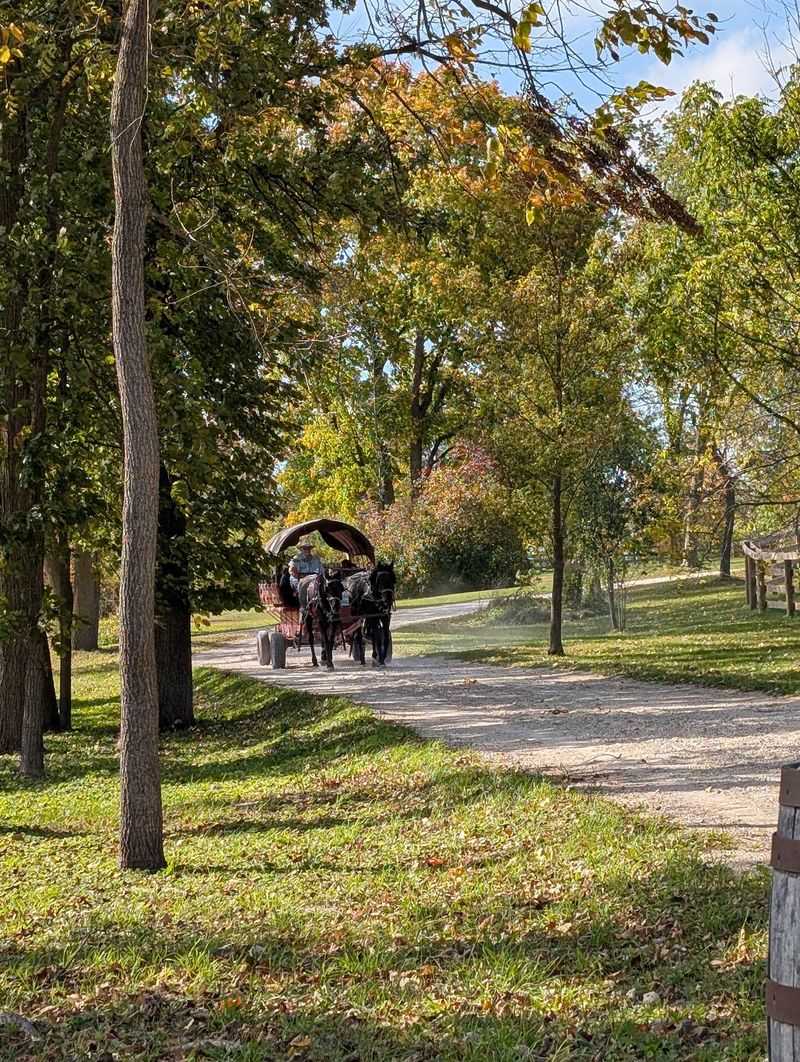
Horse-drawn wagon rides are offered during visits and add to the historic experience. Instead of parking beside the historic buildings, you leave the visitor center and travel the same way travelers did in the mid-1800s.
The wagon rolls slowly, the driver shares stories along the way, and by the time you arrive at the Wade House grounds, your brain has already slipped into a slower gear. Kids usually spend the whole ride watching the horses.
On weekends, the first rides tend to leave about an hour after opening, so check the schedule when you arrive. You can also walk the lane, which takes roughly fifteen minutes and passes pleasant open fields.
Stagecoach rides are offered as well, and reserving one ahead of time is smart because seats fill up. The coach is surprisingly comfortable inside, though the ride still gives you a real sense of how bumpy long-distance travel once felt.
My advice is simple: take the wagon out and consider walking back. That way you get both the experience and a quiet stroll through the Wisconsin countryside.
Inside The Restored Stagecoach Inn
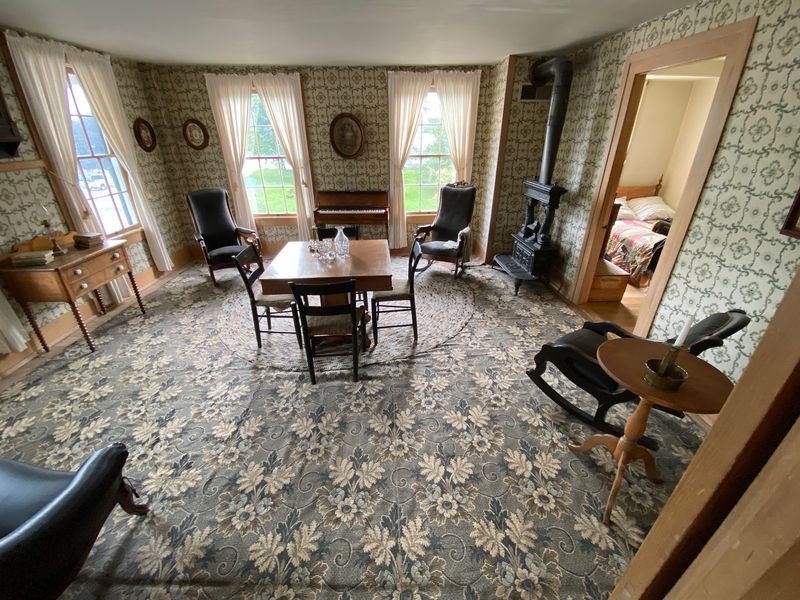
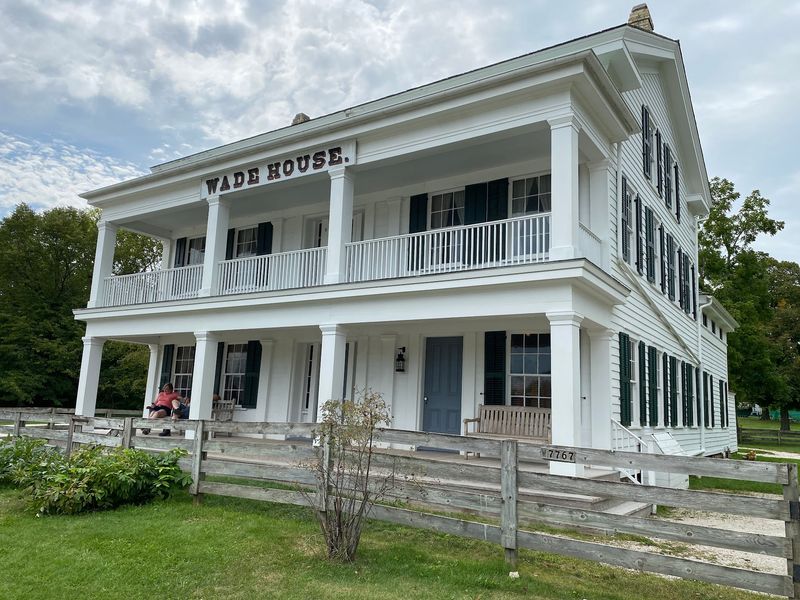
The centerpiece of the whole site is the large Greek Revival inn that Sylvanus and Betsey Wade built to serve travelers moving between Sheboygan and Fond du Lac. The restored inn contains historic furnishings and spaces that reflect its 1850s heyday.
Guided tours run in small groups, and the docents dress in period clothing. They walk you through the dining room, the sleeping quarters, and the family spaces while explaining how an inn kept dozens of strangers fed and warm.
You will hear about the Wade family’s ambitions, their setbacks, and the sheer amount of labor a household like this demanded. Guides are good at adjusting the pace, so tours can be shortened for restless toddlers or stretched out for curious adults.
Ask questions. The staff at Wade House Historic Site clearly enjoy the subject, and the best details usually come out when someone gets curious about a bed rope, a cooking pot, or a stain on the floorboards.
Photography inside is generally allowed, but keep your hands off the furnishings since these are genuine artifacts.
The Working Sawmill Still Cuts Logs
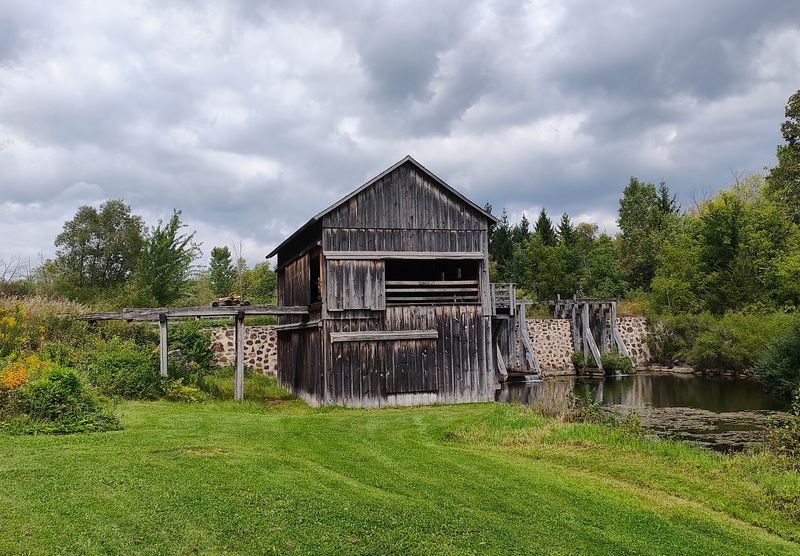
Few things hold a crowd’s attention like a water-powered sawmill in motion. The blade rises and falls, water rushes beneath the structure, and a pine log slowly becomes lumber right in front of you.
Wisconsin’s early economy leaned heavily on timber, and this reconstructed mill shows exactly how a small community turned forest into floorboards.
The operator explains the mechanics in plain language, including why a vertical blade cuts so much slower than the circular saws that came later.
Bring your kids close enough to feel the vibration through the ground. Sawdust smells wonderful, and the whole demonstration lasts long enough that nobody gets bored.
Demonstration times vary by day and staffing, so glance at the daily schedule posted at the visitor center before you head out. Missing the mill in operation would be a shame.
What I appreciate most is how the sawmill connects to everything else on the property. The lumber it produced built homes, barns, and plank roads across the region, and standing there makes that history feel practical rather than distant.
Blacksmiths Hammering Iron Into Shape
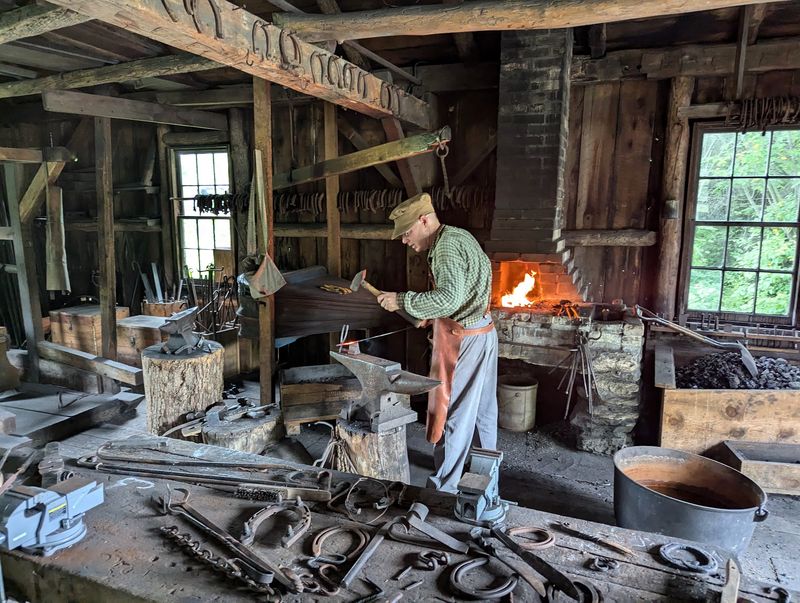
Heat, sparks, and the ring of a hammer on an anvil greet you at the blacksmith shop, and it is often the highlight for families. The smiths work a real coal forge, shaping hooks, nails, and hardware while explaining each step.
Some stay fully in character, answering your questions as though the year really is 1860. Others break down the science of heating iron until it glows the right color, which fascinates older kids.
You are close enough to feel the warmth of the fire, so keep small children beside you and pay attention to where the smith is working. The staff manage the space carefully and will let you know where to stand.
A blacksmith was essential to any 19th century village. Without one, wagons broke down permanently, tools stayed dull, and horses went unshod, and the demonstrations here make that dependence obvious.
Watching skilled hands at Wade House Historic Site turn a plain rod into something useful in a few minutes tends to stick with people long after the visit ends. Souvenir pieces are sometimes available in the gift shop.
A Carriage Collection Worth Slowing Down For
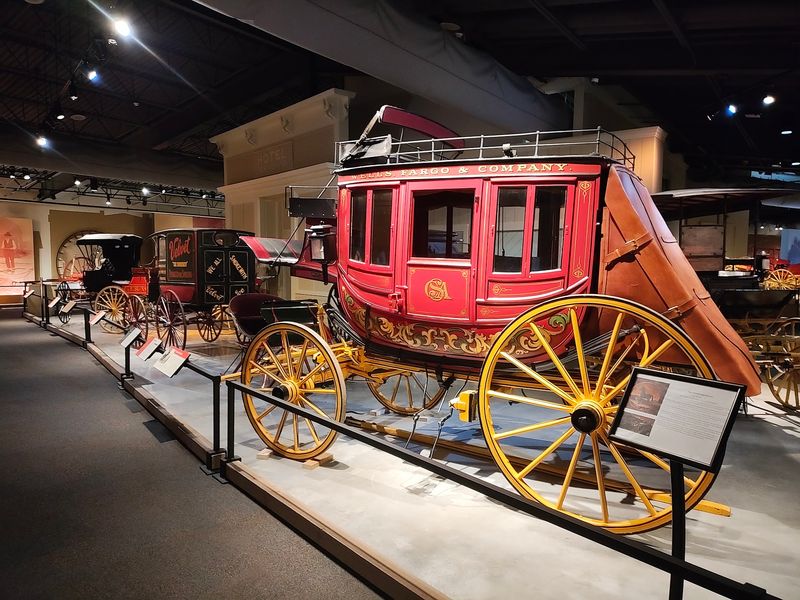
Rainy day? The Wesley W. Jung Carriage Museum makes bad weather almost irrelevant. Inside, you will find one of the country’s most impressive collections of horse-drawn vehicles, all restored to a shine.
Sleighs, delivery wagons, elegant family carriages, and working hauling rigs sit side by side. The signage is detailed and easy to read, so you can move at your own pace without needing a guide.
Plan on at least forty-five minutes here, longer if you like reading every panel. The building also houses the visitor center, gift shop, and a downstairs room where a short introductory film plays.
You will find the site at W7965 State Hwy 23 in Greenbush, Wisconsin, with the museum serving as your first stop and ticket counter. Restrooms and water are available inside, which matters on hot afternoons.
What surprised me is how much the carriages reveal about social life. The difference between a plain farm wagon and a polished town carriage says a lot about who rode where, and why transportation mattered so much to a growing state.
Farm Animals The Kids Will Not Want To Leave
Stand quietly by the pasture fence and the sheep will usually come to you. That small moment ends up being one of the most talked-about parts of the day for younger visitors.
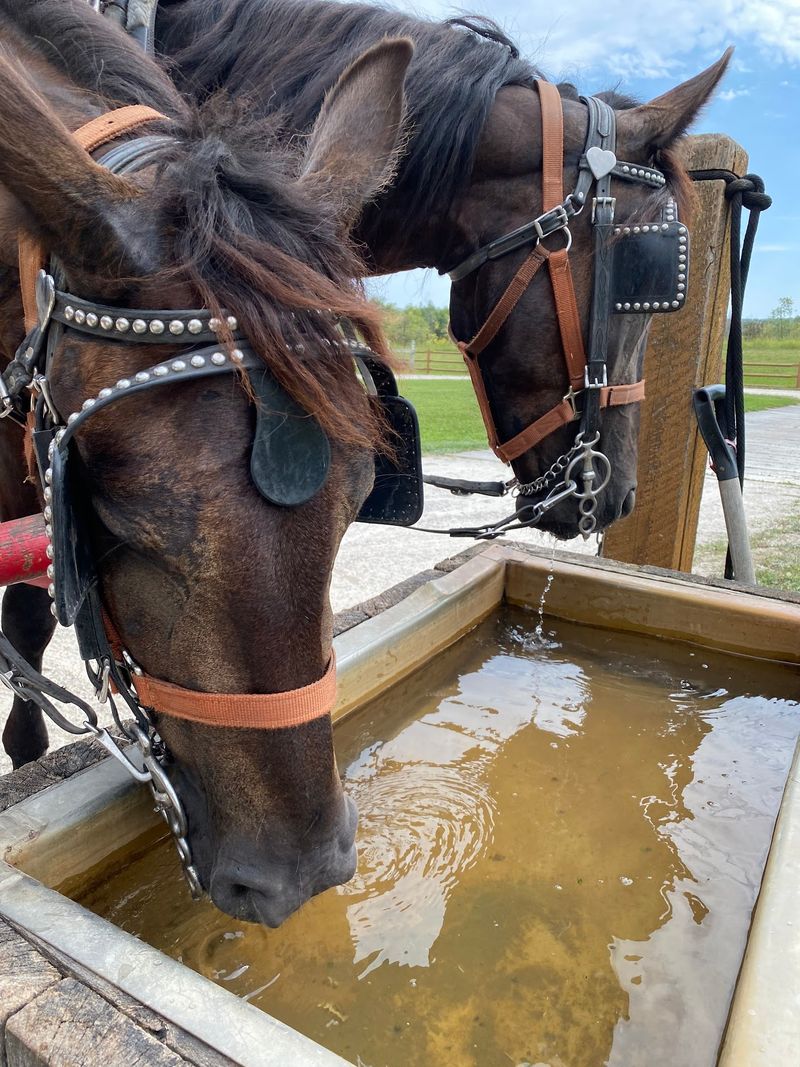
Chickens wander near the outbuildings, horses rest between wagon trips, and sheep graze in the fields that surround the historic buildings. The animals are part of the story, not a petting zoo add-on.
In the 1800s, a household needed wool for clothing, eggs for meals, and horsepower for everything else. Seeing the animals up close helps kids understand why farm chores filled so much of a child’s day back then.
Ask staff before reaching over any fence, and follow whatever guidance they give about feeding or touching. Rules exist for the animals’ health as much as your safety.
The pastures also give you some of the prettiest views on the grounds, with rolling Wisconsin farmland stretching beyond the fence lines. Bring a camera, because the combination of grazing sheep and old barns photographs beautifully in late afternoon light.
Grounds, Creek Walks, And The Plank Road Trail
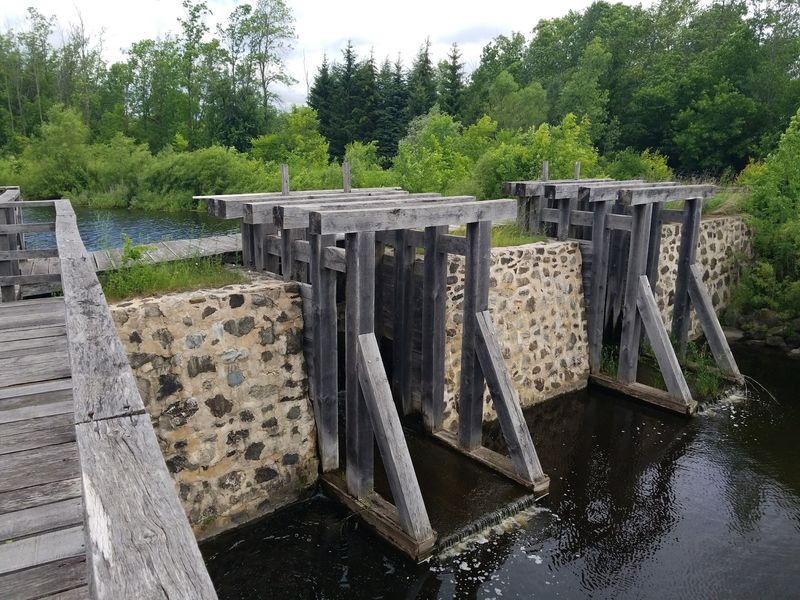
Beyond the buildings, the property spreads out with mowed paths, shade trees, and a creek that bubbles along quietly. Plenty of visitors are surprised by how large the grounds actually are.
You can stroll between the historic structures without rushing, sit on a bench, and let the noise of daily life fade for a while. The Old Wade House State Park setting keeps everything green and open.
Cyclists sometimes arrive by way of the Old Plank Road Trail, which runs nearby and connects communities across Sheboygan County. Rolling up on two wheels makes for an easy day trip if you enjoy riding.
Wear comfortable shoes. The walk from the carriage museum to the inn is roughly fifteen minutes, and you will cover more ground than you expect once you start exploring outbuildings.
Autumn turns the surrounding fields and woods gold, while summer brings wildflowers and long daylight hours. Either season works, though I would pick a clear day so you can enjoy the outdoor demonstrations at Wade House without hurrying between shelters.
Planning Your Visit So You See It All
Give yourself three to four hours, minimum. Visitors who rush through in ninety minutes almost always mention wishing they had stayed longer.
Hours run Wednesday through Saturday from 9:30 in the morning until 4:30 in the afternoon, with Sunday opening at 11. Mondays and Tuesdays are closed, so build your trip around that schedule.
Arrive early, watch the short film, then catch a wagon out to the historic area. Save the carriage museum for the end when feet get tired and indoor air feels welcome.
Check ahead if you want stagecoach rides or details on special events. Hearthside dinners, seasonal programs, and school group days all change what is happening on any given date.
The site sits between Plymouth and Greenbush in eastern Wisconsin, an easy detour if you are heading toward Elkhart Lake or Kohler. Pack water and snacks, since food service on site is limited.
Few places let you hear a sawmill run, watch iron glow, and sit inside a genuine stagecoach inn all in one afternoon. Wade House Historic Site earns a spot on any Wisconsin travel list, and you will likely start planning a return trip before you reach the parking lot.