
This Beautiful California State Park Could Be One Of The State’s Most Concerning Tick Hotspots

Spending time in nature comes with certain risks, and a growing tick population is one of them, but there’s no need to worry too much. This beautiful California state park has become one of the state’s more concerning hotspots recently.
Wildlife officials tracked higher-than-usual tick numbers across specific trails compared to previous years. Warmer winters likely played a role, allowing more ticks to survive into the current season.
Wooded trails and tall grass areas tend to see the highest concentrations, especially during peak summer months. Hikers report more frequent encounters than in past years, prompting closer attention from park officials.
Basic precautions like checking thoroughly after hikes and using proper repellent go a long way here. This park remains worth visiting, provided guests take the right steps to stay protected.
Identifying Tick Species Found In The Region
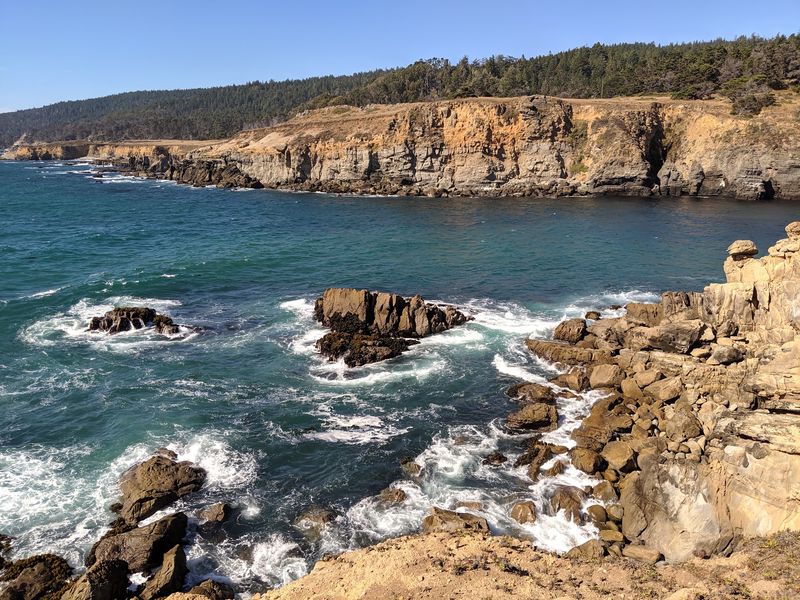
Three names matter most on this stretch of the Sonoma coast, and the headliner is the western black-legged tick, or Ixodes pacificus. It’s the species responsible for spreading Lyme disease in California.
Sharing the neighborhood are the American dog tick and the Pacific Coast tick, both common in Sonoma and Marin counties. Neither is a fun houseguest either.
The American dog tick can transmit Rocky Mountain spotted fever and tularemia. The Pacific Coast tick adds Pacific Coast tick fever and Colorado tick fever to that unpleasant menu.
Here’s a number that surprises people. California is home to roughly 50 tick species, yet only a small handful are known to pass diseases to humans.
Another detail worth filing away: ticks aren’t insects at all. They’re arachnids, which makes them eight-legged relatives of spiders, just far less charming and much better at hiding.
Size matters too. Adult black-legged ticks are dark and about the size of a sesame seed, while nymphs can be as small as a poppy seed, which is exactly why they slip past a glance.
Knowing which species live where you’re walking isn’t nerdy trivia. It shapes what symptoms to watch for later and how seriously to treat a bite.
The park sits along the ocean at 25050 CA-1, Jenner, CA 95450.
Common Habitats Where Ticks Thrive Outdoors

Shade, dampness, and undisturbed leaf litter. That’s the tick real estate wish list, and it describes big portions of this park almost perfectly.
Oak woodlands, chaparral, coastal scrub, and grassy meadows all qualify. Forest edges are especially busy zones, since that’s where sunlight, shade, and passing animals all overlap.
Good news first: ticks can’t fly, and they can’t jump. Their trick is something called questing, where they perch on a grass tip or shrub with front legs stretched out like tiny hitchhikers.
Brush against that plant, and they simply climb aboard. No leaping required, which is why staying centered on the trail helps more than people expect.
Researchers have actually documented Lyme-carrying black-legged ticks in the brush and grasses along the California coastline, including this park. So it’s not strictly a deep-woods issue.
Cool ravines, shaded gullies, and moist wetland edges tend to hold the highest numbers. Those spots stay humid even when the bluffs feel dry and windy.
Trails here link forest, meadow, and coastline in one loop, and hikers routinely pass through several microclimates in a single mile.
Practical takeaway: sitting directly on logs, mossy rocks, or leaf piles for a snack break is critical. Bring a small sit pad instead, and your ankles will thank you.
Seasonal Patterns Affecting Tick Activity Levels

Anyone hoping for a tick-free season along the Sonoma coast is out of luck. Mild winters and pocket microclimates keep these arachnids active year-round in Sonoma and Marin counties.
Adult western black-legged ticks are most active from October through March. Their numbers actually surge during winter along the north coast, which flips the usual bug expectations upside down.
Nymphs take over from April through July, peaking in mid to late spring. Those are the ones that concern health officials most.
Why the nymphs? They’re roughly poppy-seed sized, so they attach and feed without being noticed, which raises the odds of disease transmission considerably.
Larvae generally appear in late summer, from July into September. Smaller still, and thankfully less likely to carry disease at that stage.
Summer heat doesn’t shut things down here either. Coastal fog keeps humidity high, and that famous gray June weather creates ideal conditions for a tick waiting on a host.
Campers who stay overnight often wake up to genuinely damp mornings from fog rolling through the campgrounds. Lovely for photos, helpful for ticks.
The honest summary is that every month deserves a body check. Spring hikes through wildflower-lined bluff trails call for extra attention, since nymph season and peak trail season land at exactly the same time.
Symptoms And Risks Associated With Tick Bites
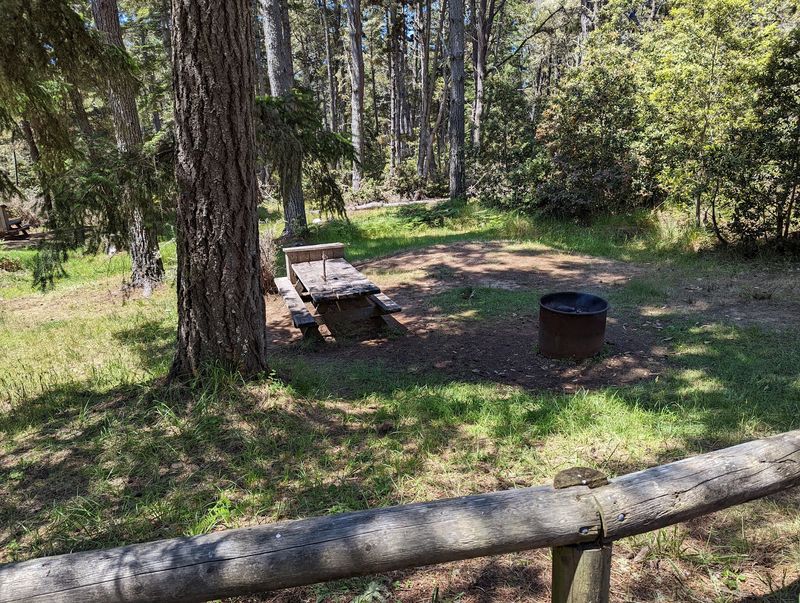
Flu symptoms in the middle of summer are worth a second thought after a hike. Fever, headache, fatigue, muscle aches, and sore joints are how many tick-borne illnesses announce themselves.
Timing varies widely. Signs can show up anywhere from one day to three weeks after a bite, which makes remembering your hike dates genuinely useful.
Rashes are the other classic clue. Lyme disease is known for a spreading, painless red bullseye pattern, while other illnesses cause spotted rashes instead.
Lyme comes from bacteria called Borrelia burgdorferi, carried by the western black-legged tick. Left untreated, it can affect joints, the heart, and the nervous system, sometimes leading to long-term problems.
One reassuring detail: a tick usually needs to stay attached for 24 to 48 hours to pass Lyme bacteria along. Fast removal is genuinely protective.
Sonoma County records some of California’s highest rates of confirmed Lyme infections, which is exactly why this coastline earns extra caution.
Lyme isn’t the whole list either. Anaplasmosis, ehrlichiosis, Rocky Mountain spotted fever, Pacific Coast tick fever, Colorado tick fever, and tularemia all circulate through tick populations.
There’s even tick paralysis, where a toxin in tick saliva causes weakness. Rare, but real.
Anytime symptoms follow a hike, mention the outdoor trip to a doctor. That single sentence speeds up the right diagnosis.
Protective Clothing Options For Outdoor Adventures
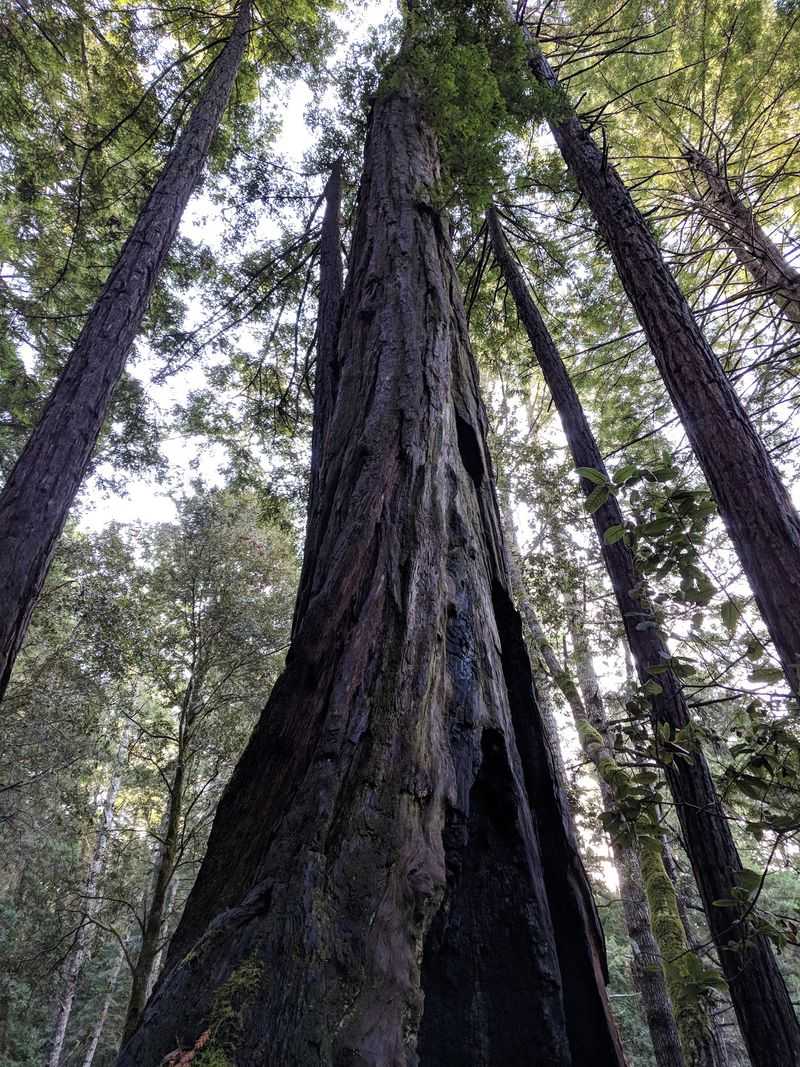
Fashion advice from a tick-prevention angle sounds ridiculous until it works. Long pants and long sleeves form a simple physical barrier, and that barrier does most of the heavy lifting.
Shorts, sleeveless shirts, and sandals belong to other destinations. Brushy trails reward covered skin.
Tucking is where things get gloriously unglamorous. Pant legs go into socks or boots, and the shirt goes into the pants, creating fewer entry points.
Light-colored fabric is another quiet advantage. Dark ticks stand out against pale clothing, so they get spotted long before they find skin.
Repellents help too. EPA-registered products with DEET, picaridin, or IR3535 can go on exposed skin, following label directions.
Permethrin is the clothing-only option, treating fabric rather than skin. Treated apparel and pre-treated socks are sold ready to wear for anyone who’d rather skip the DIY step.
Gaiters cover the vulnerable gap around ankles, socks, and pant openings. There are even ultra-fine mesh, chemical-free garments and full-body barrier suits for serious brush travel.
Trail behavior matters as much as gear. Sticking to marked paths and avoiding tall grass cuts contact dramatically, and trekking poles can nudge vegetation aside.
Hikers here often loop through forest, meadow, and bluff in one outing, so dressing for the brushiest section of the day is the smart move.
Tick Removal Techniques To Ensure Safety
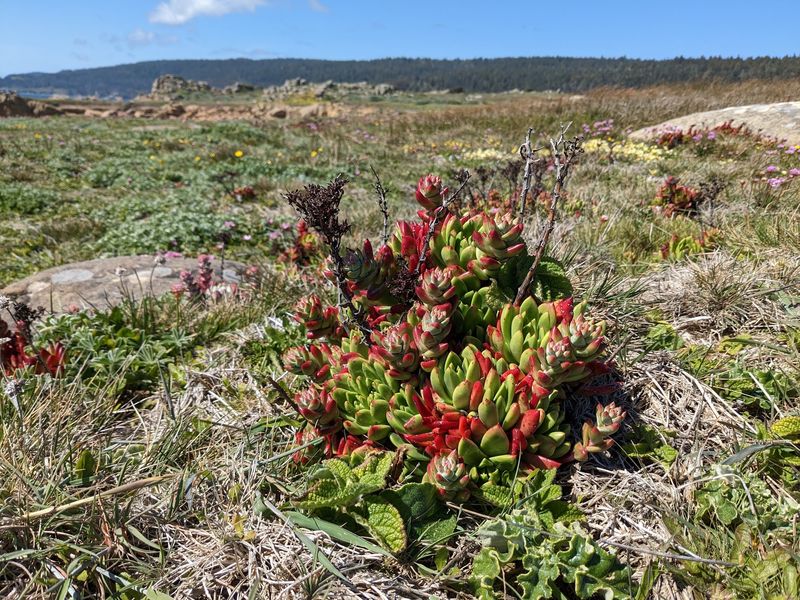
Speed beats everything else. The longer a tick stays attached, the higher the risk of illness, so removal happens now rather than after dinner.
Fine-tipped tweezers are the CDC’s recommended tool, clean and sharp. Grab the tick as close to the skin surface as possible.
Then pull straight up with steady, even pressure. No twisting, no jerking, no dramatic yanking.
Twisting can snap the mouthparts off and leave them embedded. If that happens, try tweezers once, and if it isn’t easy, leave them alone and let the skin heal naturally.
One study found that a liquid soap and cotton swab method removed ticks fully without leaving parts behind, which is an interesting alternative to the standard tweezer approach.
Cleanup comes next. Wash the bite area and your hands with soap and water, rubbing antiseptic, or hand sanitizer.
Disposal is simple. Seal the tick in a container, wrap it tightly in tape, drop it in antiseptic, or flush it.
Saving it in a sealed bag has one benefit: identification later if symptoms appear.
Now the myths. Petroleum jelly, matches, nail polish, and essential oils all stress the tick, which can make it regurgitate infected fluids into the bite.
Tossing a small tick kit into a daypack takes seconds, and remote coastal trails are a poor place to improvise with a pocketknife.
Environmental Factors Enhancing Tick Populations
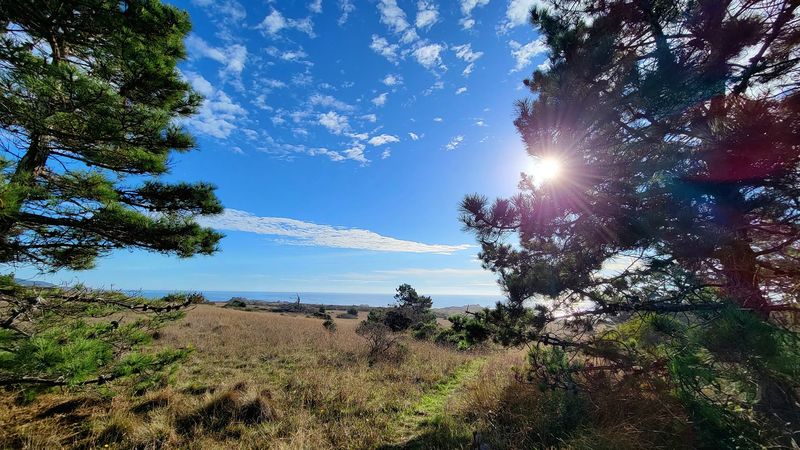
Picture a luxury hotel for arachnids. Shade, dense vegetation, deep leaf litter, undisturbed soil, and steady moisture check every box, and the California coast supplies all five.
Those conditions do more than shelter ticks. They let them survive longer and stay active through stretches that would dry them out elsewhere.
Temperature pulls levers too. Warming trends can speed up nymph development, shorten life cycles, increase numbers, and stretch the active season.
More warm hours mean more time spent questing on grass tips. Simple math, unfortunate results.
Bigger patterns matter as well. Shifting animal migration routes and fragmented landscapes both contribute to growing tick populations across the state.
Forecasts suggest warmer, drier winters in northern California could actually give adult ticks more chances to find hosts, not fewer.
Human land use plays a part nobody planned. Breaking up forests and pushing development into oak woodlands creates fresh edge habitat where ticks and their hosts overlap with people.
Wet winters feed the cycle from a different direction. More rain means more grass, more rodent shelter, and eventually more ticks.
This park stacks the conditions naturally. Ocean fog drifts through the forest most mornings, campgrounds stay damp overnight, and shaded gullies hold humidity even during a warm spell.
Beautiful place, ideal tick weather. Both things are true at once.
Local Wildlife Roles In Tick Life Cycles
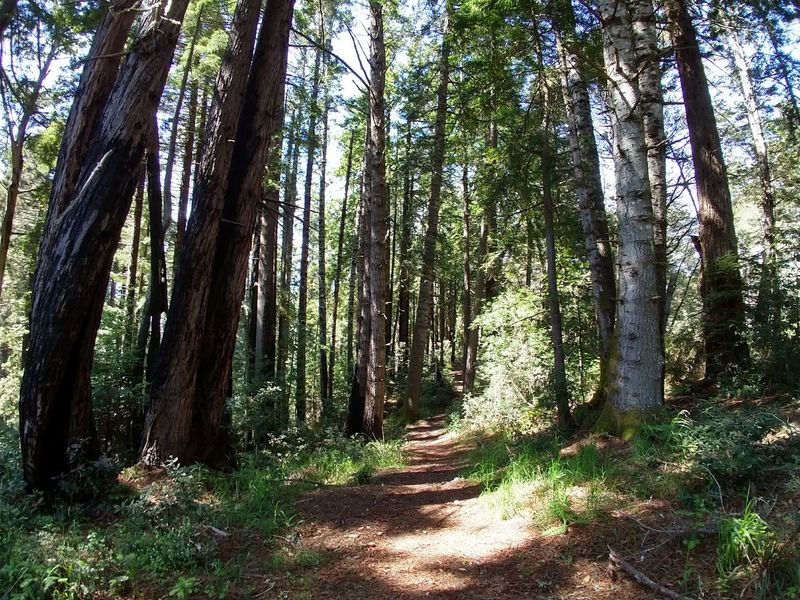
Ticks need hosts, and the animals here supply them without ever signing up for the job. Each life stage prefers a different size of visitor.
Larvae and nymphs go small. Mice, birds, and lizards make up most of their menu.
The western gray squirrel deserves special mention. In California, it plays a notable role in spreading Lyme-causing bacteria, often hosting nymphs.
Adults aim bigger. Deer, cattle, horses, dogs, and occasionally hikers all end up on the list.
Deer don’t transmit Lyme themselves, though large deer populations support larger tick populations overall. Indirect influence, big effect.
Now for the strangest wildlife fact on this whole coastline. Many California nymphs feed on western fence lizards, the small gray-brown ones doing push-ups on sunny rocks.
A protein in lizard blood can ruin Lyme bacteria inside the tick. In effect, the lizard cleans that tick before it reaches adulthood.
Wonderful trick, but not a free pass. Plenty of infected ticks still exist, so the risk stays real.
Birds are everywhere in this park, from hawks riding updrafts to herons along the shore, and they move ticks across the landscape as they travel.
Dogs deserve their own reminder. Check them thoroughly after any trail walk, since fur hides ticks far better than skin does.