
This Peaceful Oregon Lake Is At The Center Of A Strange Natural Phenomenon
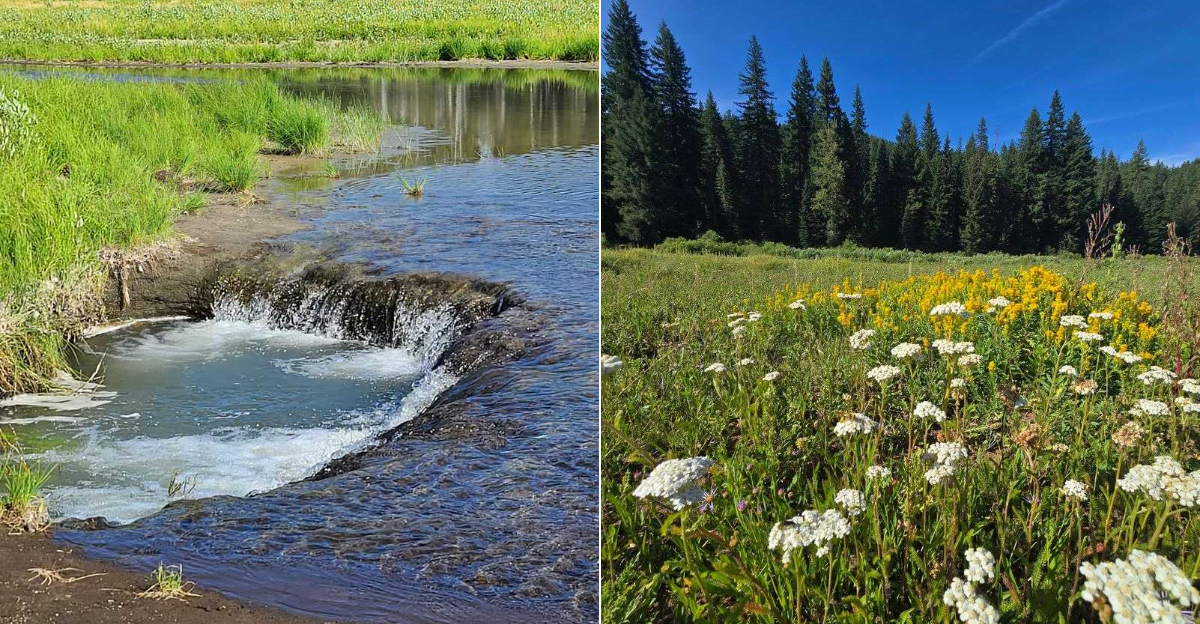
August is almost over, and that is exactly when one Oregon lake gets especially strange. Come at the right time of year and you may find blue water reflecting the surrounding forest.
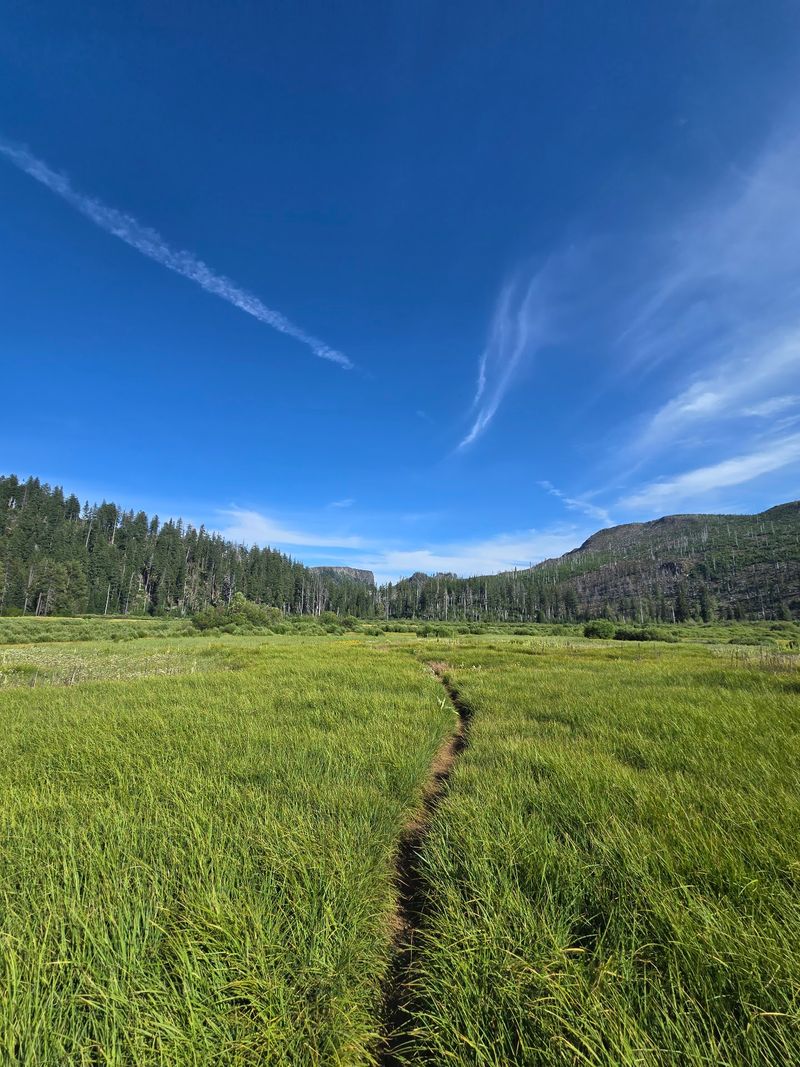
Wait until late summer, and the lakebed can turn into a green meadow instead. Nothing was drained. Nobody built a dam or carried the water away.
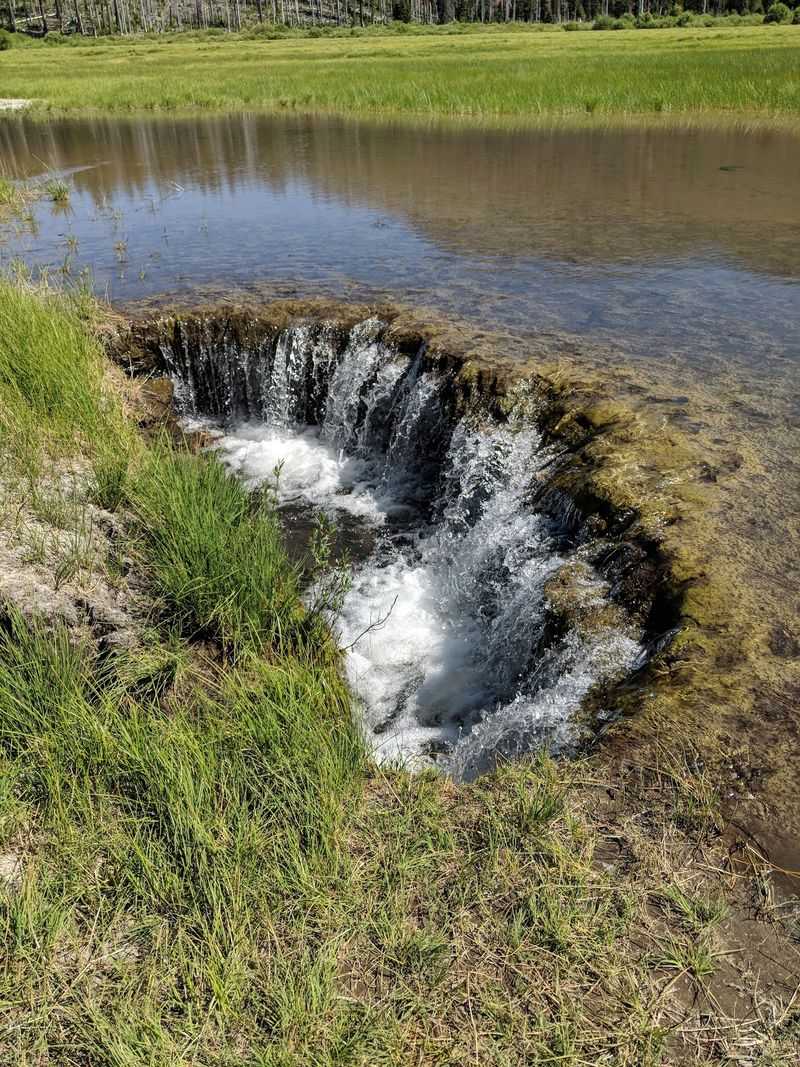
The lake simply disappears underground through a natural lava tube, leaving behind grass, wildflowers, and plenty of confused first-time visitors.
It is the kind of road trip stop that makes you check your map twice. You arrive expecting a peaceful lake and instead find yourself standing where the water used to be.
If you are planning one more summer drive through Oregon, this unusual little detour is worth adding. Look closely and see if you can catch the lake before it vanishes.
The Lake That Disappears
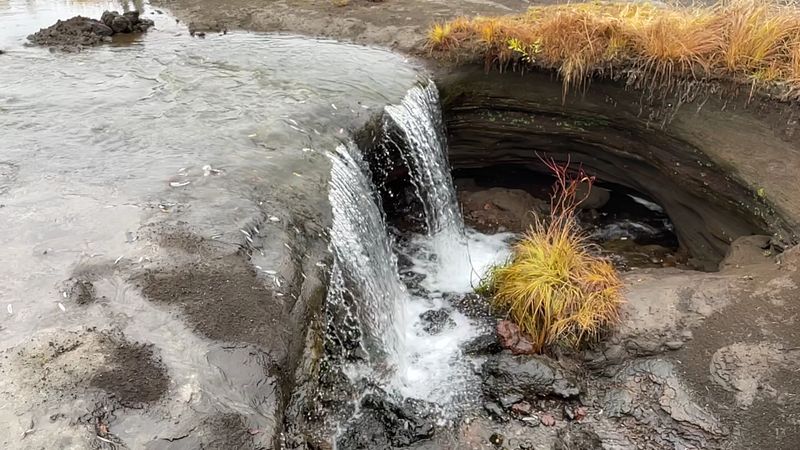
Picture a lake with a secret drain at the bottom. That is exactly what happens here every single year.
Water pours into a collapsed volcanic tube in the lakebed. The hole never closes, so the draining never stops.
During winter and spring, snowmelt and rain refill the basin faster than it empties. The lake looks full, calm, and completely normal.
Then the rain slows down. The tube keeps swallowing water.
Slowly the shoreline pulls back, mud turns to grass, and the lake becomes a meadow.
Scientists believe the water sinks through porous volcanic rock into underground aquifers. Some of it may resurface far away, feeding rivers and other lakes in the region.
The Forest Service leaves the whole thing alone. No plugs, no repairs, no fixing something that is not broken.
Visitors have joked for years about a lake that lives up to its name. One traveler wrote that they could not find the thing at all.
Would you rather see the full lake or the empty meadow? Honestly, both are worth the drive.
Timing changes everything here. Two visits, two completely different landscapes, same patch of Oregon dirt.
Give yourself a reason to come back twice. Few places reward a repeat trip this dramatically.
Lava Tubes Explained Simply
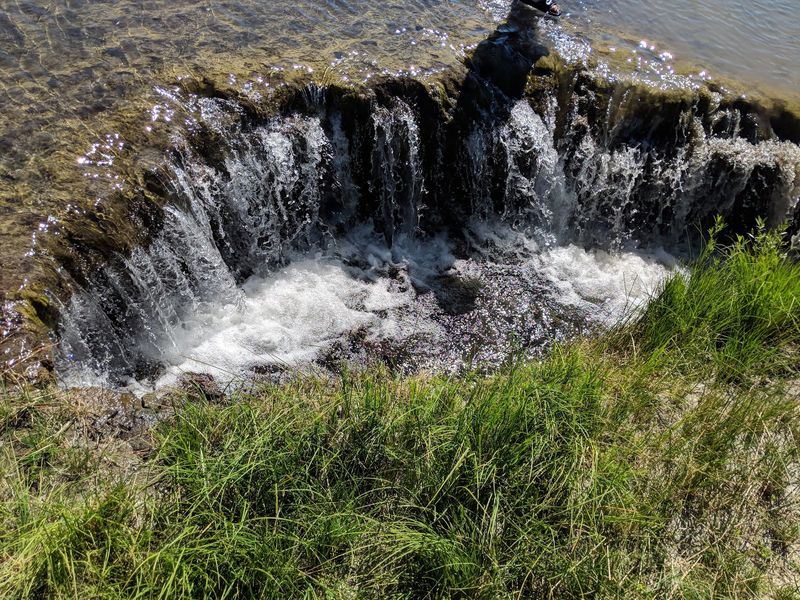
Long ago, lava flowed through this part of Oregon like syrup down a plate. The outside cooled and hardened.
The hot middle kept moving and left behind a hollow tunnel.
Those tunnels are lava tubes. Some collapse.
Some stay open for thousands of years.
One of them sits right under this lakebed. Water finds it, slips in, and heads underground.
Think of a straw poked through the bottom of a paper cup. Fill the cup fast enough and it looks full.
Stop pouring and the cup empties itself.
The lake itself is young by geology standards. Lava flows blocked a river channel roughly three thousand years ago and created the basin.
So the same volcanic activity built the lake and gave it a leak. Nature does have a sense of humor.
Reviewers often mention the lava tube as the highlight of their stop. Standing near it makes the whole thing feel real instead of theoretical.
Ever seen proof of a volcano hiding under a picnic spot? Here it sits in plain view.
Kids love this part. Explaining it takes thirty seconds and the light bulb moment is instant.
Meadow Season Has Charm
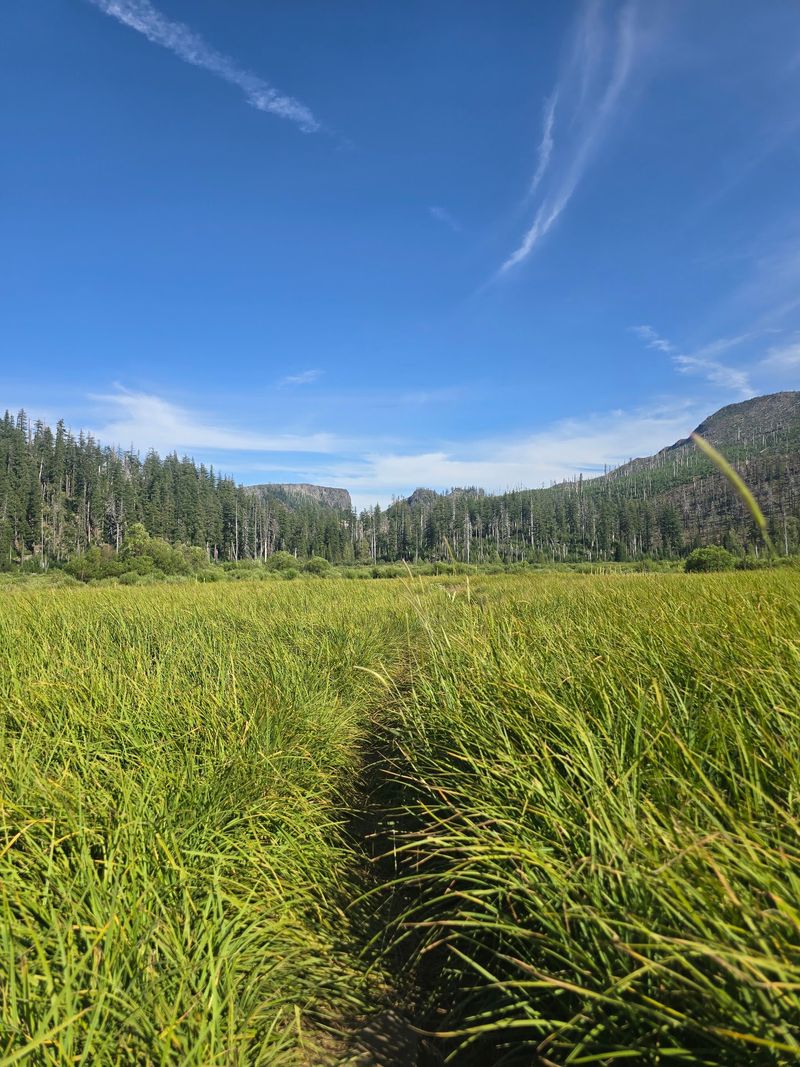
Late summer visitors sometimes feel cheated. Then they look closer and change their minds fast.
The empty basin fills with thick green grass. Wildflowers pop up in patches.
Marshy spots hold shallow puddles that reflect the sky.
One traveler visited in July and described the scene as lush rather than disappointing. That reaction is common.
Walking across a lakebed feels a little rebellious. You are standing where kayaks floated a few weeks earlier.
Photographers get soft light on open grass with dark forest framing the edges. Very few crowds compete for the shot.
Insects and birds move into the meadow while it lasts. Watch the grass long enough and something will hop, buzz past, or fly out.
Bring boots if you plan to wander. Damp ground hides under those pretty green blades.
Which version would surprise your friends more in a photo, the lake or the field?
The meadow phase does not last forever. Fall rains arrive and the water starts creeping back in.
Catching the change midway is the real prize. Half water, half grass, all strange.
Quiet Camping Under Pines
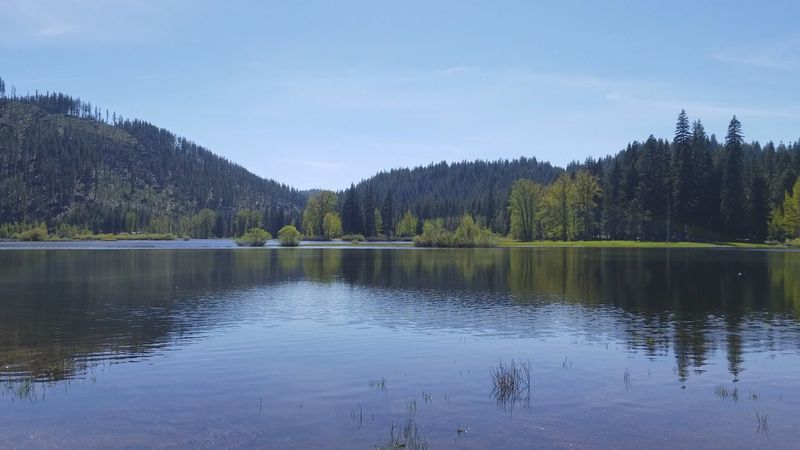
Campers keep using the same word for this place: peaceful. Not exciting, not flashy, just genuinely quiet.
Sites sit spread out among tall firs and pines. Flat ground, plenty of elbow room, no neighbor breathing down your neck.
One family stayed over a week and came home happy. Another visitor called it secluded in the best way.
Facilities are simple. Expect basic outhouses rather than fancy restrooms, and pack your own supplies.
Cell service is thin. Consider that a feature instead of a problem.
Mornings here start slow. Cool air, mist over the grass, coffee steam, birds arguing overhead.
Evenings bring campfire smells and the kind of silence city ears forget exists.
Some campers report road noise from nearby traffic on certain nights. Choosing a site farther from the road helps.
When was the last time you slept somewhere with zero notifications?
Bring layers. Central Oregon nights turn chilly even after warm afternoons.
Pack out everything you carry in. Keeping this spot clean is how it stays lovely.
Treat yourself to one unplugged night. Your brain will thank you by morning.
Short Trails, Big Views
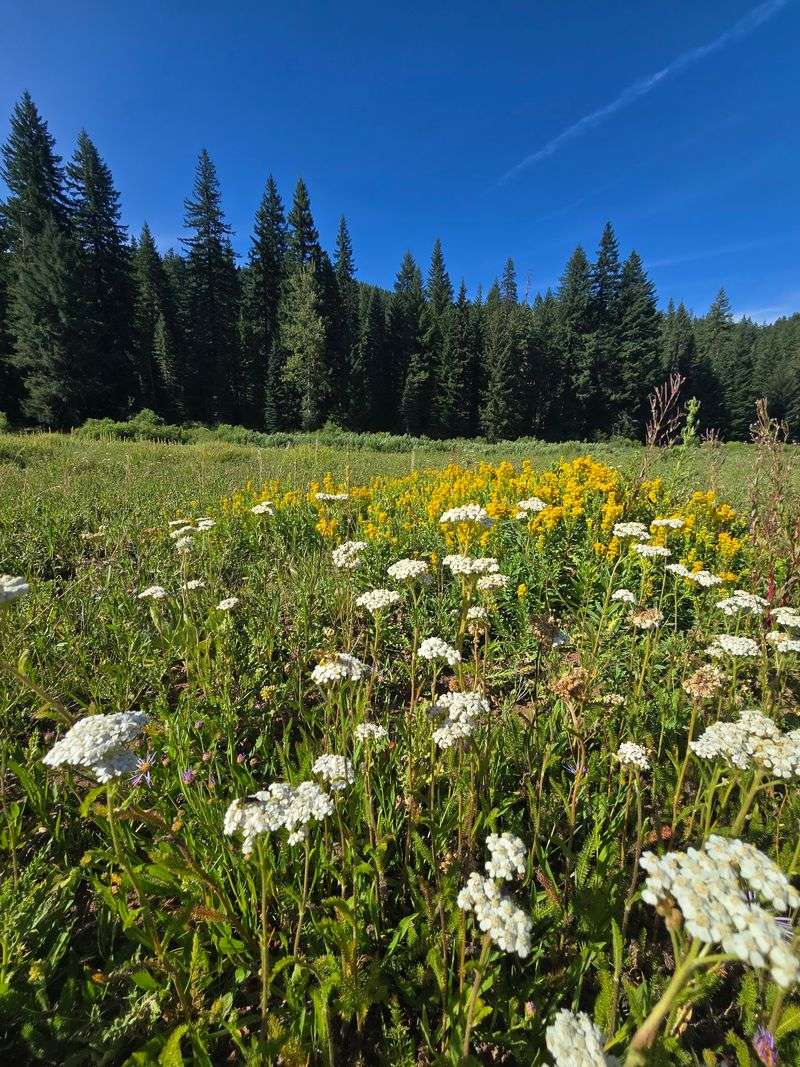
Not every hike needs to hurt. Some of the best paths here take minutes, not hours.
Short trails lead from the picnic area to viewpoints over the basin. Easy footing, gentle grades, quick payoff.
Families with small kids handle these without complaints. Grandparents manage them too.
Visitors describe the picnic area as restful and scenic, with those little paths branching off toward the water line.
Longer wandering is possible if the mood strikes. Forest roads and side trails stretch out into the surrounding woods.
Watch your footing near the lakebed edges. Soft mud can grab a shoe when the water level drops.
Bring binoculars. Open sightlines across the basin make spotting birds surprisingly easy.
Fancy a hike where the reward comes before you get tired?
Trail conditions shift with the seasons. Snow closes access for much of the colder months.
Check road conditions before heading up, especially in spring and late fall.
Pack water and a snack anyway.
Paddling While Water Lasts
Timing is everything for boaters here. Early season means water.
Late season means grass.
Spring and early summer bring enough depth for a kayak or canoe. The surface stays calm and mirror-flat on still mornings.
One visitor spent a weekend paddling, grilling, and hiking, then called it a great trip. That combination is easy to copy.
Shallow water warms up faster than deep alpine lakes. Nice for wading, less nice for long soaks.
Speaking of soaking, a few paddlers have mentioned leeches after lingering in the shallows. Quick dips beat long floats.
Bring your own boat. This spot is simple and does not run rentals.
Paddling across a lake that will vanish in weeks feels oddly special. Not many places offer that.
Would you paddle over the exact spot where the water disappears?
Check depth before hauling gear a long distance. Some years drain earlier than others.
Life jackets always, even in shallow water. Rules matter more than depth.
Early Oregon mornings on flat water are hard to beat.
Wildlife And Night Skies
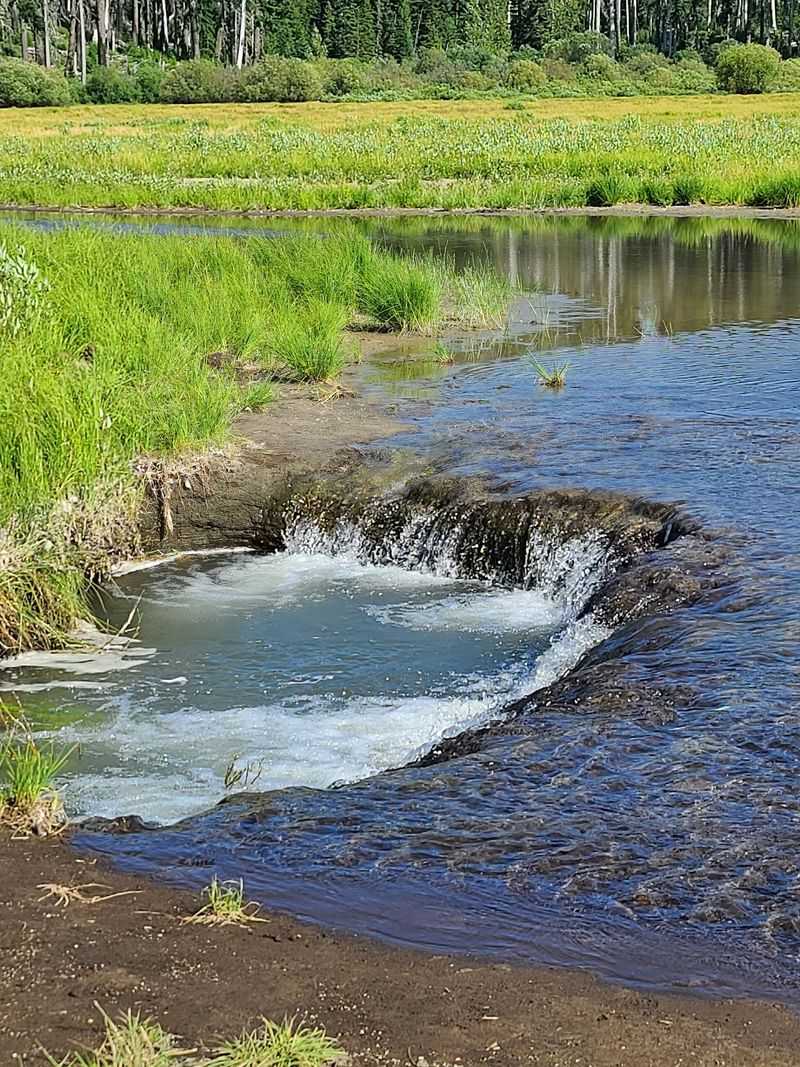
Sit still for ten minutes and the forest starts showing off. Something always moves.
Birds work the treetops. Squirrels rattle branches.
Frogs and insects take over the marshy edges once the water shrinks.
Deer wander through at dawn and dusk. Keep your distance and let them pass.
Then night falls and the real show starts. Distance from city lights means stars stack up thick overhead.
The Milky Way shows clearly on moonless nights. Even a phone camera on a tripod can capture something impressive.
Bring a red-light headlamp. It protects your night vision and keeps neighbors happy.
Bug spray helps in early summer near damp ground. Learn from those who forgot it.
Ever laid on a picnic table and counted satellites crossing the sky? Sound carries strangely in the quiet.
Every twig snap feels dramatic.
Store food properly and never leave scraps behind. Wildlife stays wild when we behave.
Oregon night skies away from town remind people how small a city view really is. Stay up late once.
Sleep in tomorrow.
Plan Your Visit Right
Half the fun here comes from picking your season. The other half is showing up prepared.
Spring and early summer deliver water. Late summer and early fall deliver the meadow.
Winter buries everything under snow.
Access roads can be rough in spots. A little extra care behind the wheel goes a long way.
Arrive early on warm weekends. Parking areas are small and fill up when the weather turns nice.
Facilities are basic and seasonal. Check current conditions and open days before you drive out.
Pack water, snacks, sunscreen, and a trash bag. Services are not close by.
Photographers should aim for sunrise or sunset. Low light across the basin looks unreal.
You will find this shifting lake along Oregon Route 20 in the Santiam Pass area of the Cascades.
Ready to see a lake that might not be there? Combine the stop with a longer Oregon road trip.
It fits perfectly between mountain passes and small towns. Give yourself an hour minimum.
Most people end up staying much longer.