
Mississippi Has 12 Beaches Where Beautiful Shells, Sea Glass, And Fossils Are Still Waiting To Be Found
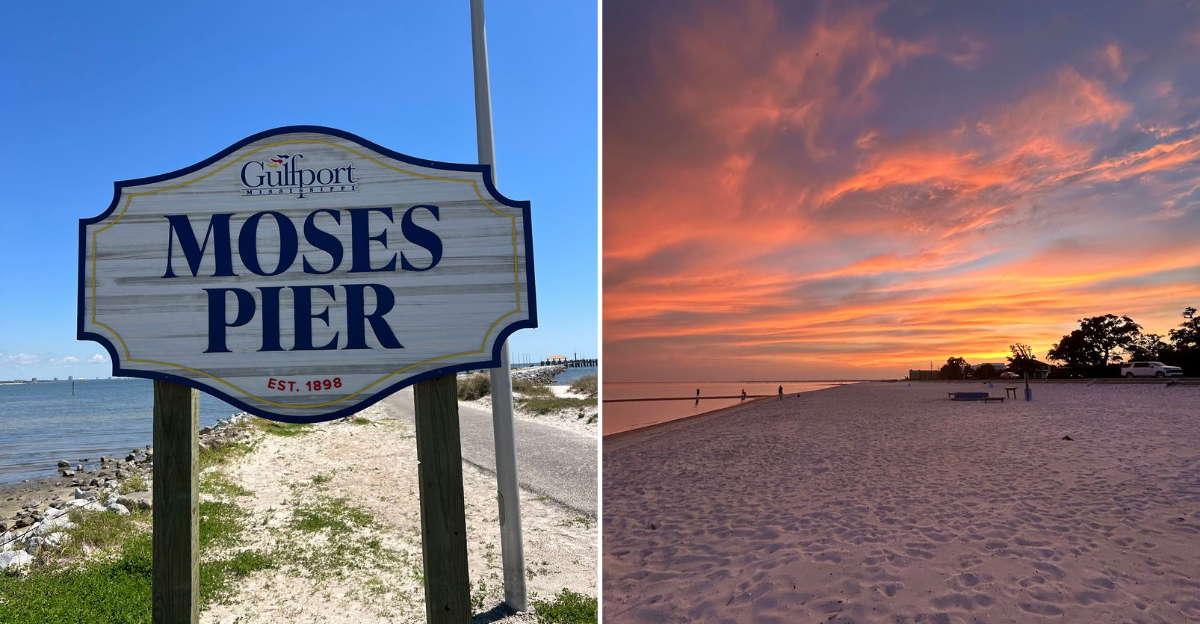
Some would say finding sea glass is like searching for a needle in a haystack, but these Mississippi beaches make it a little easier. Shells and fossils turn up alongside sea glass more often than most visitors expect.
Storms tend to bring the best finds, shifting sand enough to reveal pieces buried for years. Locals know certain stretches produce more finds than others, often timing walks around tides and weather.
Early mornings tend to produce the most, before other beachcombers disturb the sand too much. Families often turn the search into a slow, relaxed activity rather than a rushed treasure hunt.
Nothing about the hobby requires special equipment beyond patience and a willingness to look closely. These beaches proved that Mississippi’s coastline holds more than just sand and water for anyone willing to search.
1. Horn Island
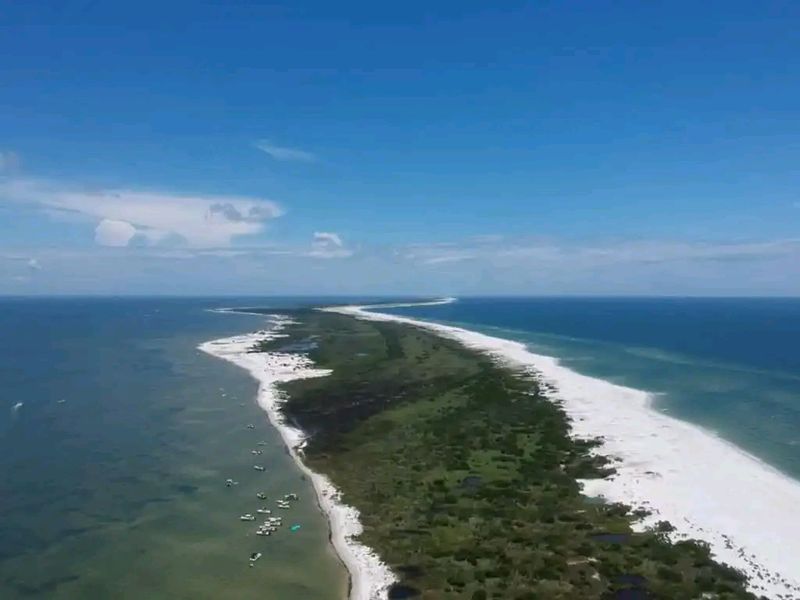
Getting here requires a boat and about 12 miles of open water, which weeds out the crowds nicely. Horn Island sits inside the Gulf Islands National Seashore, and the isolation is the whole point.
The sand runs white, and the water stays clear enough to see shells sitting on the bottom. Sand dollars, scallops, and conch shells wash up regularly, along with sea glass and driftwood shaped by years of wave action.
Walk inland, and the scenery flips completely. The beach turns to slash pine forest, with sprawling live oaks and a wilder, quieter feel than anything on the mainland shoreline.
Collecting shells is allowed as long as nothing is living inside them. Flip each one over before it goes in the bag, because hermit crabs have strong opinions about eviction.
Storms are the great sorters out here. After rough weather, the beach gets rearranged and buried material surfaces near the waterline, so timing a trip after a system passes through often pays off.
Pack water, sun protection, and everything else needed for the day. No shops, no vending machines, no rescue trips for forgotten snacks.
2. Ship Island Excursions
Dolphins sometimes race the ferry on the way out, which sets a pretty high bar for the rest of the day. The ride covers roughly 12 miles from the mainland to one of the prettiest stretches of sand in the state.
White sand, clear water, and a steady supply of washed-up treasure make this a shelling favorite. Sand dollars, scallops, and conch shells show up along the tide line.
Shark teeth are the real prize here, and the area near the fort has a reputation for producing them. Fossilized teeth look dark gray or black against the pale sand, so scanning for color helps more than scanning for shape.
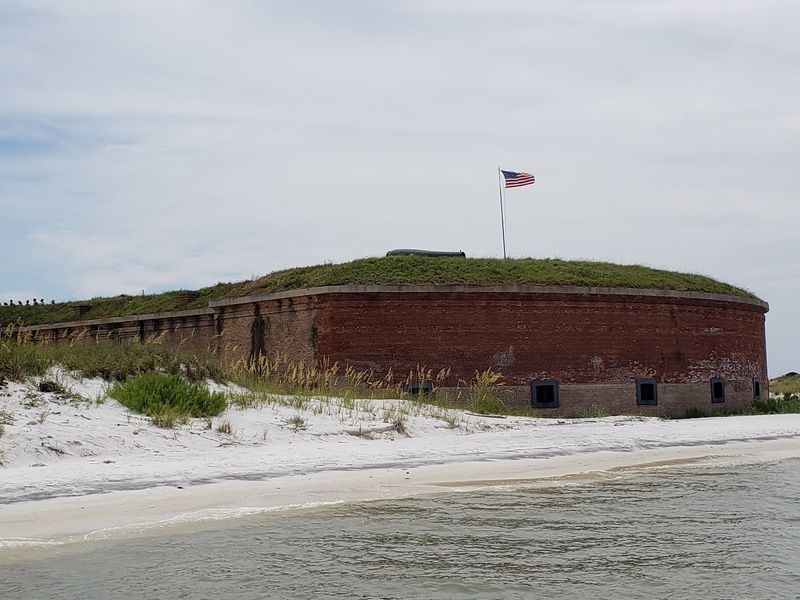
Fort Massachusetts still guards the shoreline, a brick leftover from the Civil War era. Rangers lead tours, and the cool interior makes a welcome break from the sun.
Rules matter on federal land. Only unoccupied shells and fossilized shark teeth can go home with you, and living creatures stay put.
Ferries run seasonally and fill up, so check the schedule before driving down. Find it at 1040 23rd Ave, Gulfport, MS 39501.
3. Front Beach
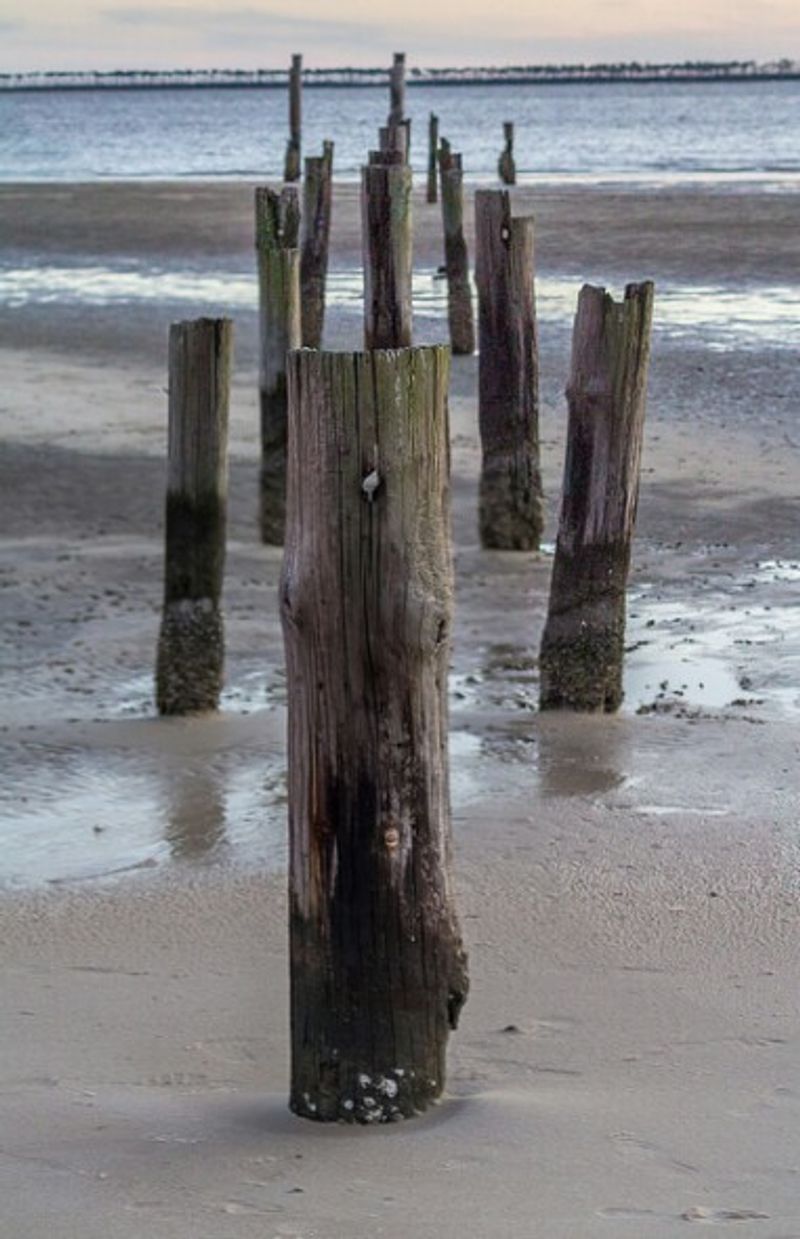
Live oaks lean out over the sand here, which means beachcombing without frying in direct sun for three hours straight. The shade alone makes this stretch different from the wide-open Gulf beaches down the road.
Sea glass turns up regularly along the waterline, along with shells and the occasional pottery shard. Old bay-facing towns have a long history of tossing things in the water, and the Gulf has been polishing that debris for decades.
Calm bay water keeps visibility good. At low tide, the search zone widens considerably, exposing shell beds that spend most of the day underwater.
Sunsets over Biloxi Bay from this spot are genuinely worth planning around. Color spreads across the water and the oak branches turn into black silhouettes.
Downtown Ocean Springs sits a short walk away, packed with galleries and an artsy streak that has defined the town for generations. Fort Maurepas Park adds more green space if the beach gets crowded.
Bring a mesh bag so wet sand drains out instead of turning your tote into a brick. You can find Front Beach Dr in Ocean Springs, MS 39564.
4. East Beach
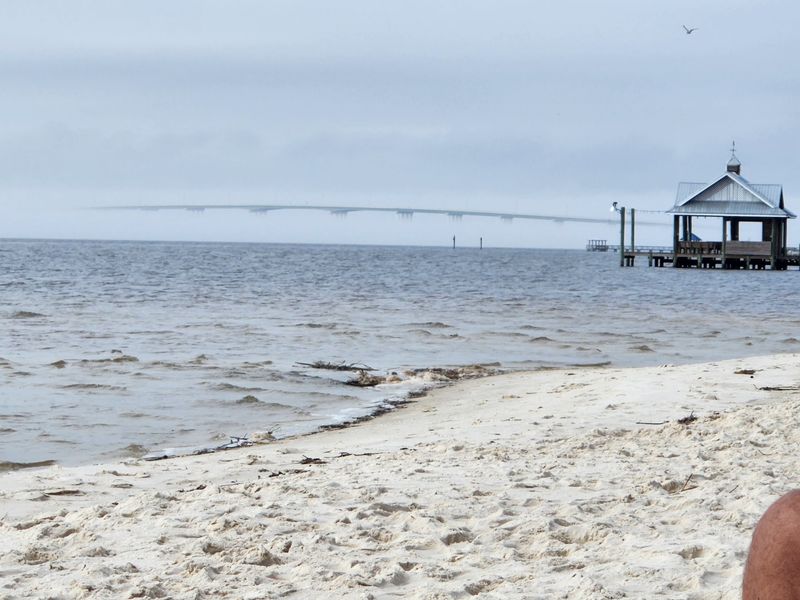
Three miles of white sand and hardly anybody using all of it. East Beach faces the Mississippi Sound, and the water sits shallow and flat almost all the way out.
Neighborhood houses and waterfront parks line the road behind the sand, giving the whole area a lived-in, unhurried feel. It runs quieter than Front Beach, which is exactly why some people prefer it.
Long walks work well here because the shoreline just keeps going. Cyclists use the road alongside it, and finding an empty patch of sand takes about thirty seconds.
Dolphins surface offshore fairly often, and sea turtles occasionally cruise through the shallows. Scanning the water between shell finds is part of the routine.
Shell hunting works best where the wet sand meets dry, that thin ribbon where the last high tide dropped its cargo. Walking it slowly beats covering ground fast.
Early morning is the sweet spot. Overnight tides deposit fresh material, the light is soft, and nobody has picked the beach over yet.
Parking is street-side and limited in places, so arriving early solves two problems at once.
5. Biloxi Beach
Here is a fact that surprises people: this shoreline is part of the world’s largest man-made beach, running 26 miles along the coast. That is a lot of sand to search.
Sea glass hunters do well on calm mornings. Green, brown, white, and clear pieces are the usual haul, and every so often a blue or red fragment shows up and ruins everybody else’s finds by comparison.
Pottery shards mix in too, worn smooth at the edges. Collecting sea glass from public beaches is generally fine, since it started as litter anyway.
Gentle waves and calm water make the whole process relaxing rather than a battle with surf. In the shallows, the water often runs greenish-blue and clear enough to see your feet.
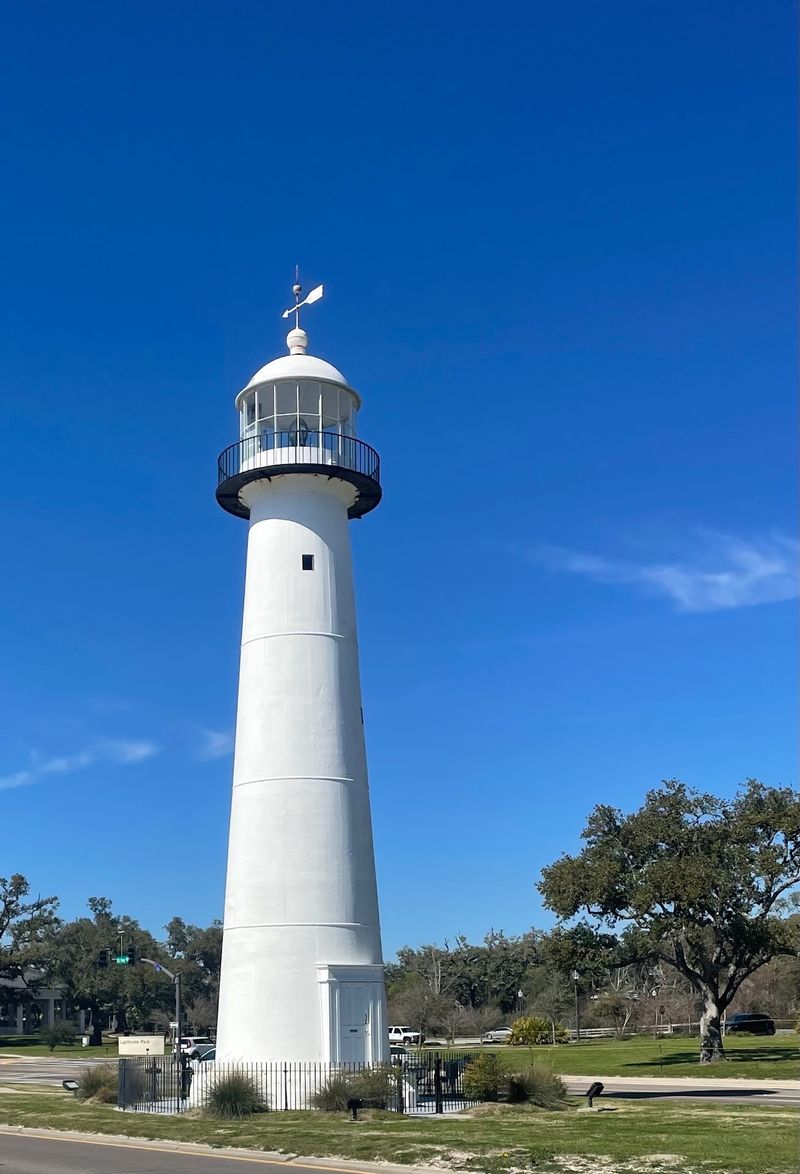
The Biloxi Lighthouse has stood watch since 1848 and makes a solid landmark for orienting yourself along a beach this long. Beach Boulevard behind it is lined with old homes and enormous live oaks.
Sunglasses with polarized lenses help enormously, cutting glare so glass and shells pop against wet sand. The address is 1027 Beach Blvd, Biloxi, MS 39530.
6. Gulfport Beach
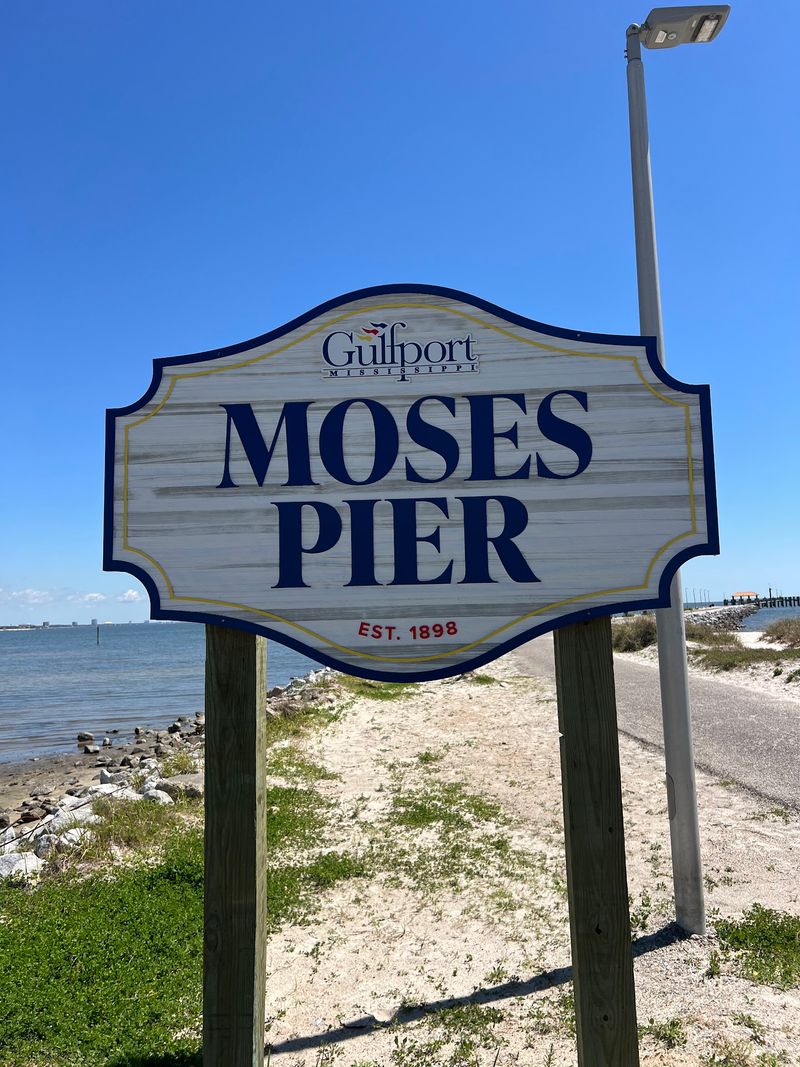
Ask around about shelling on this coast, and Gulfport comes up fast. The city’s public waterfront has built a solid reputation among collectors, and it does not require a boat or a ferry ticket to reach.
Wide sand and clear water set the stage. The beach stretches far enough that even on busy weekends there is room to wander away from the umbrellas and get down to business.
Low tide is when this place earns its reputation. Water pulls back, shell beds appear, and the strandline fills with material that was underwater an hour earlier.
Strolling is half the appeal. Plenty of people come purely to walk the waterfront, and shell collecting happens naturally along the way.
Storms shake things loose. After a system moves through, the beach gets restocked with shells and glass that had been buried offshore for who knows how long.
Ferries to Ship Island leave from nearby, so a shelling morning here pairs easily with an island afternoon. Bring a small bucket and comfortable shoes.
Find it at 1301 20th Ave, Gulfport, MS 39501.
7. Bay St. Louis Beach
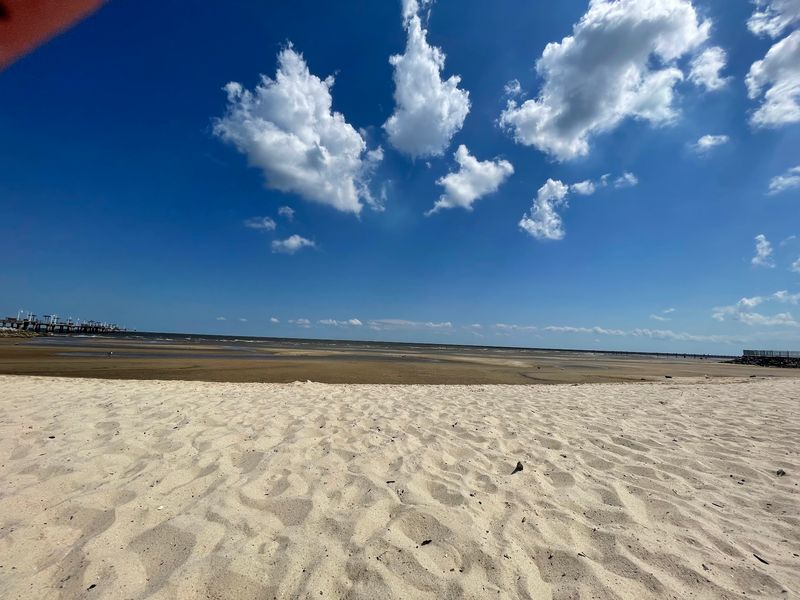
Moon snails, cockle shells, and scallops are the regulars along this shoreline. Collectors show up after storms and high tides, when the water dumps a fresh batch onto the sand.
Light-colored sand meets the bay’s characteristic brown water here, a contrast that photographs better than it sounds. The historic railroad bridge frames the horizon and gives every picture an anchor.
Shallow water extends a long way out, which turns the whole area into a giant wading pool. Kids can walk out surprisingly far before it gets past their knees.
The pace is small-town slow. Gentle waves, soft sand, and a shoreline that never feels rushed even on a warm weekend.
Nearby, a walkable arts district keeps the creative energy going once sandy feet need a break. Shops and galleries sit close enough to reach on foot.
A trick worth knowing: walk the beach in one direction with the sun behind you. Shells and glass catch light differently, and the reflections do half the searching for you.
Find it along Beach Boulevard, Bay St. Louis, MS 39520.
8. Long Beach
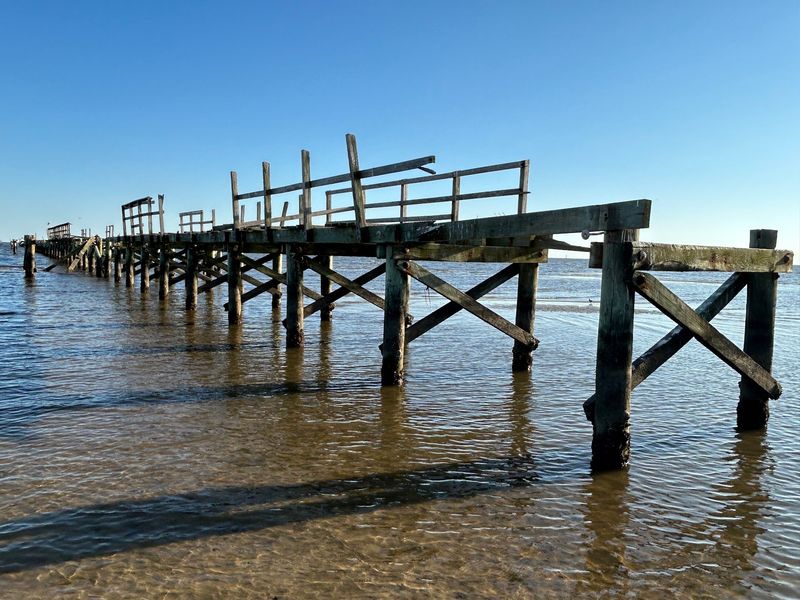
Locals call it The Friendly City, and the beach matches that description. Wide sand, calm water, and considerably fewer people than Biloxi or Gulfport pull in on a Saturday.
Shell collecting works well precisely because the crowds are thinner. Fewer feet on the sand means fewer hands grabbing the good stuff before you get there.
The public waterfront invites slow walking, and the downtown area is easy to cover by bike. Renting wheels and riding between beach access points covers more shoreline than walking ever will.
Here is the local landmark worth a detour: the Friendship Oak at the University of Southern Mississippi Gulf Park Campus. The tree has been standing for more than 500 years, meaning it was already old when European ships first passed this coast.
Standing under those branches puts the whole shoreline in perspective. Storms have come and gone, and the oak just keeps growing.
Morning searches beat afternoon ones. Cooler air, better light angles, and tides that have had all night to deliver something new to the waterline.
9. Henderson Point Beach
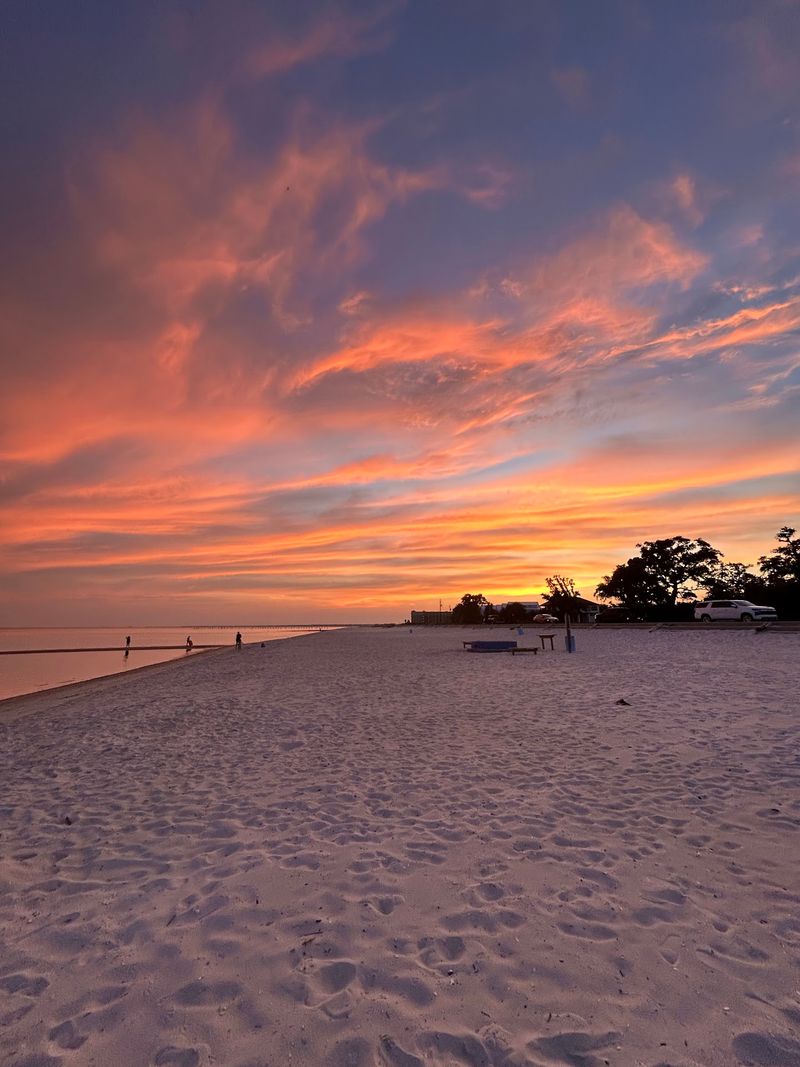
Two water systems collide near here, and shell collectors are the beneficiaries. Sitting close to the mouth of St. Louis Bay, Henderson Point catches a mix of Gulf and bay water that builds unusually varied shell deposits.
Oyster shells, small clams, and sometimes scallops turn up along the sand. After storms or strong tides, the pickings improve noticeably.
Sand here is fine enough to feel like powdered sugar underfoot. Facing the Mississippi Sound means waves barely register, so the surface stays undisturbed and easy to read.
Sunsets are the local claim to fame. Coral and rose spread across the sky and bounce off flat water, and live oaks along the beach edge stretch their branches out over the sand to frame it all.
Crowds are thin, which is unusual for a spot this pretty. Word travels slowly about places without a big parking lot and a sign.
Late afternoon offers the best combination: low sun angle for spotting glass, plus a front-row seat for the color show afterward. Visit it at 4th Ave, Pass Christian, MS 39571.
10. Waveland Beach
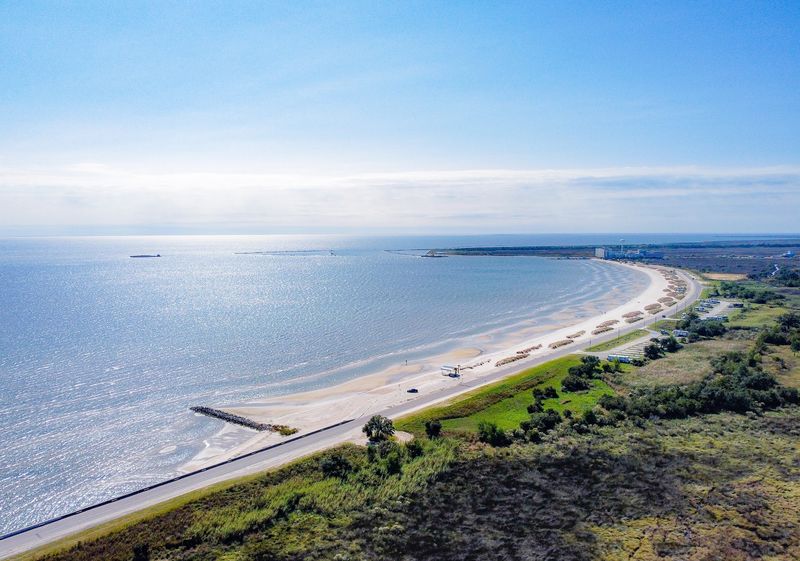
No commercial buildings are allowed on this beachfront, and Waveland is the only Mississippi Gulf Coast community with that rule. The result is over five miles of white sand with an uninterrupted view.
Days here stay simple. Calm shallow water, room to spread out, and dolphins and fish showing up close enough to shore that people stop and point.
Coleman Avenue is the main gathering spot. The Veterans Memorial Monument stands there, along with the Garfield Ladner Memorial Pier for fishing or a long walk over the water.
Amenities cluster around that access point: picnic tables, volleyball courts, plenty of parking, a comfort station, and wheelchair access down to the water’s edge. The Waveland Lighthouse rounds out the scene.
Walking away from Coleman Avenue in either direction thins the crowd fast. That is where the shelling improves, since fewer people have combed those stretches.
Low tide exposes ridges of packed shell along the waterline. Squatting down and sorting through a single patch usually beats walking a mile in a hurry.
Find it in the Gulf of America, Bay St Louis, MS 39520.
11. Buccaneer State Park
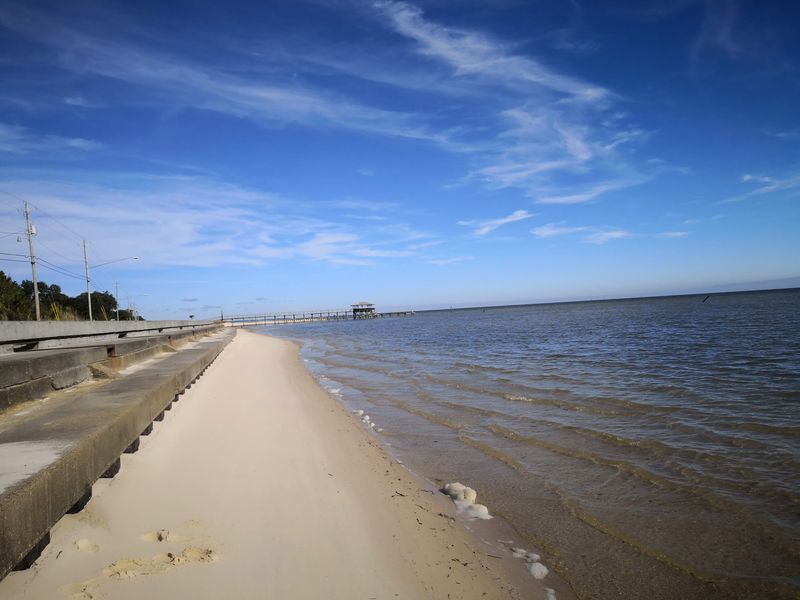
Rocky and rugged is not what most people expect from a Mississippi beach, but that is exactly what this shoreline delivers. The rough character sets it apart from the smooth sand stretches nearby.
Moss-draped oaks and marshland surround the park, so the walk to the water passes through real coastal habitat instead of a parking lot. Bird watching here is legitimately good.
Rocks and rubble trap things that open sand lets wash away. Fossils, worn glass, and oyster shell fragments settle into the gaps, rewarding anyone willing to look down and move slowly.
Late afternoon in winter is the sleeper season. Sea grass catches the low sun and turns tall, golden, and glowing, and the whole shoreline looks completely different from its summer self.
Buccaneer Bay operates as a 4.5-acre waterpark with Mississippi’s largest wave pool, which handles the kids who lose patience with beachcombing. A nature trail and an 18-hole disc golf course fill any remaining gaps.
Overnight options include RV sites, tent camping, and cabins, with some sites facing the Gulf. Find it at 1150 S Beach Blvd, Waveland, MS 39576.
12. Deer Island
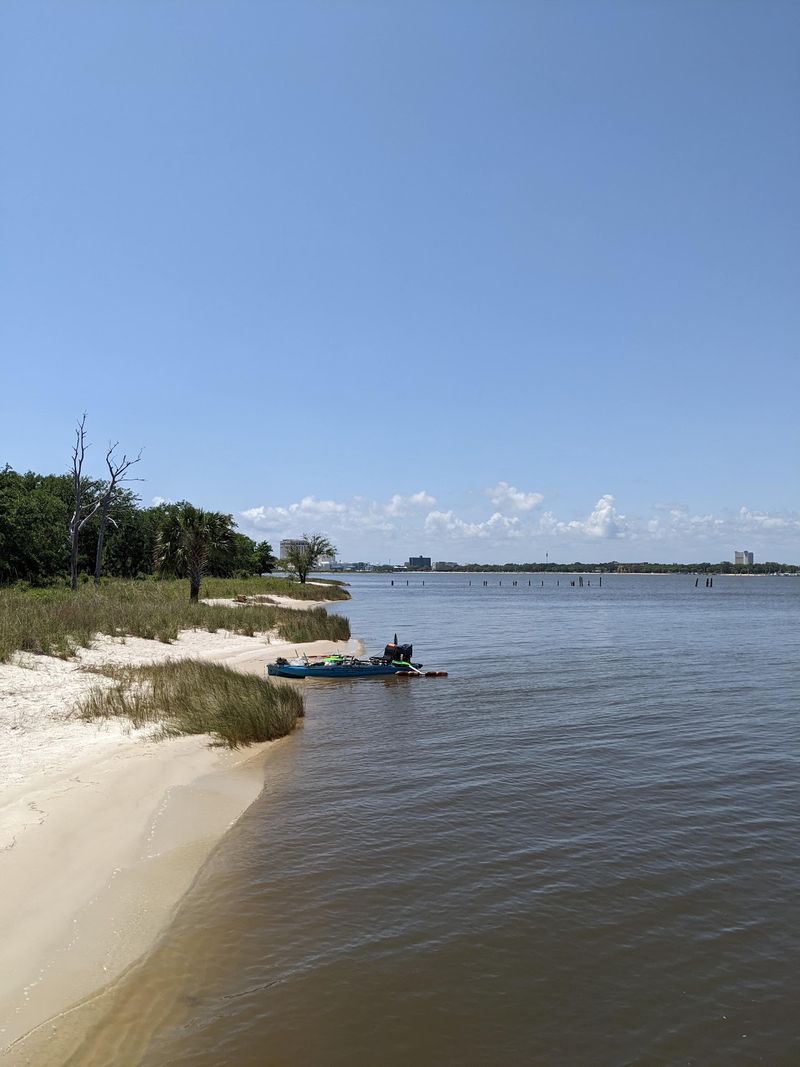
Sea glass on this island can date back more than a century, smoothed by decades of waves grinding it against sand. That is old enough to have started life as a bottle nobody alive remembers.
Protected wilderness status keeps it undeveloped. The National Park Service manages it as part of the Gulf Islands National Seashore, and there is no pier, no snack stand, and no crowd.
Storms deliver the best material. Shifting sand uncovers pieces that spent years buried, so the days after rough weather are the ones serious collectors watch for.
Walking inland, the beach gives way to slash pines, live oaks, and wax myrtle. The transition happens quickly and the temperature drops noticeably under the canopy.
Access requires a boat, though the island sits close to Gulfport and Biloxi rather than far offshore. Kayakers make the crossing on calm days.
Timing matters more than luck here. Check the weather, aim for a low tide following a windy stretch, and bring everything needed, because the island offers nothing but scenery.