
This Nevada Sanctuary Proves Rescued Animals Flourish When They’re Not Behind Bars
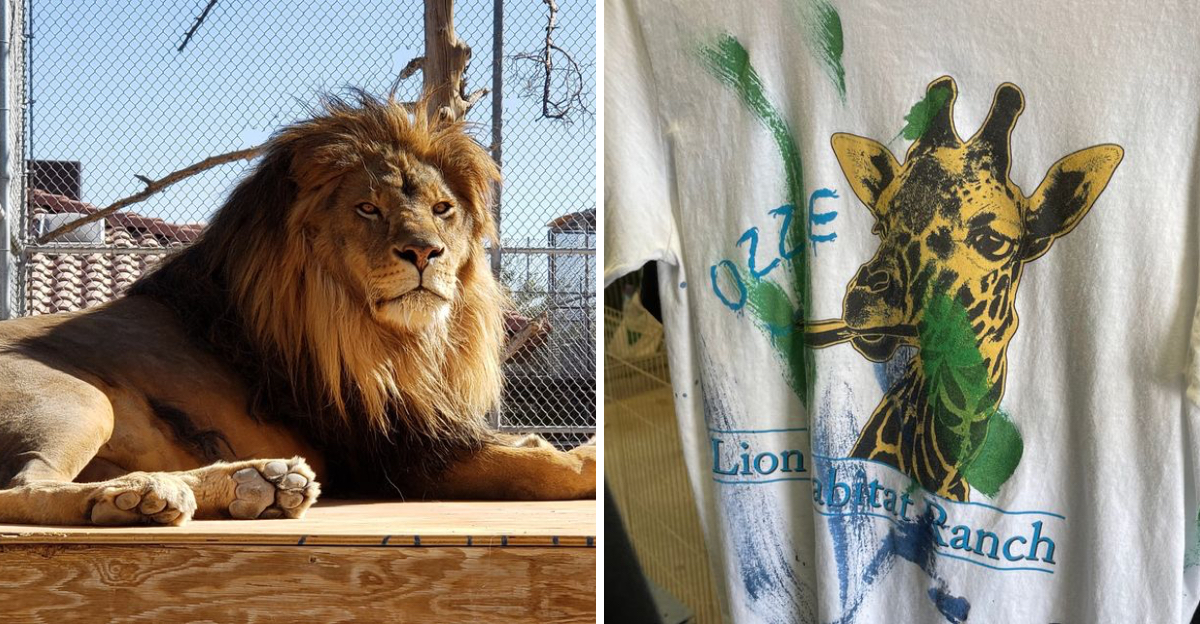
Lions who once dazzled Las Vegas crowds now stretch out on wide open ground instead of a tiny glass box. This Nevada sanctuary rewrites what rescue and recovery actually look like for animals nobody expected to see roaming free again.
Giant cats bask in shaded dens, splash through cool pools, and let loose roars that rattle your ribcage. Even a beloved giraffe left behind artwork that visitors can still take home from the gift shop.
Ostriches strut past, taller than most grown adults, while parrots squawk their opinions from every corner. One dining spot even puts you behind glass while lions pace just inches from your table.
Nevada holds plenty of surprises, but few match what happens once those gates open. Consider this your sign to finally plan the trip.
Retired Cats With A Second Act
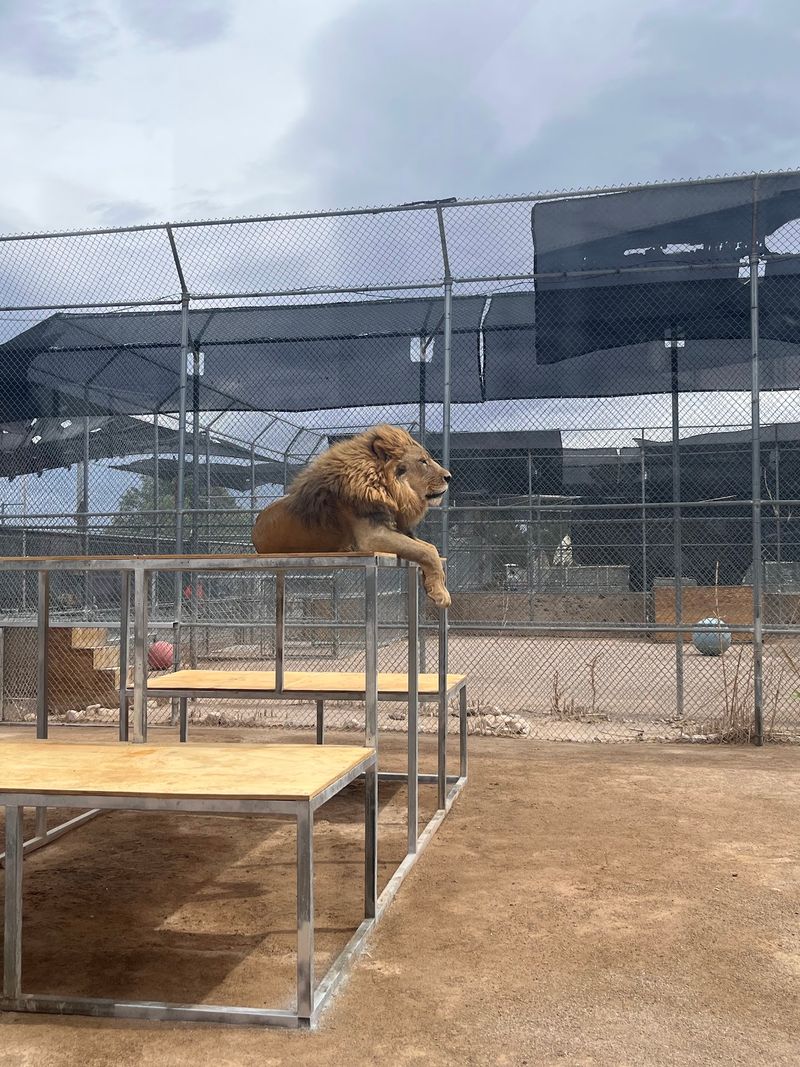
These lions once had a Las Vegas address most performers would envy. Many trace their story back to a glass-walled exhibit at a famous Las Vegas resort that drew crowds for years.
When that exhibit closed in 2012, the cats needed somewhere permanent. Lion Habitat Ranch inc, founded in 1989, had already been quietly serving as their off-Strip home.
For a long stretch, the property stayed closed to the public. Its location was kept confidential under agreements tied to the resort’s exhibit contract.
Public visits began around 2011 and 2012, and the sanctuary stepped into the open as an independent nonprofit. Today it welcomes guests at 382 Bruner Ave, Henderson, NV 89044, in southern Nevada.
The shift changed everything. Instead of short shifts under bright stage lights, the lions live out their natural lives on open ground.
Staff describe the population as rescues, surrenders, and animals who simply needed a secure place to land. That mix shapes the mood of the whole property.
Retirement, it turns out, suits them. The roaring is louder here, and nobody asks them to pose.
Barbary Lions And Why They Matter
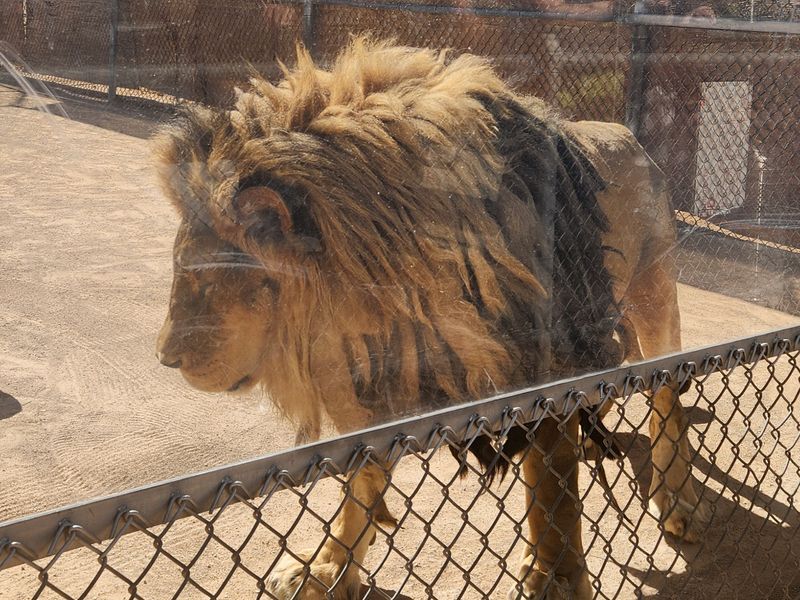
Some residents carry heritage found nowhere in the wild anymore. The Lion Habitat Ranch inc is home to Barbary lions, a subspecies that vanished from wild habitats back in the 1940s.
Their manes tend to run darker and fuller, sweeping down past the shoulders. Photos rarely do the effect justice.
Seeing them in person shifts the conversation from cute animals to something heavier. Keepers use these cats to explain what disappearance actually means.
Educational talks touch on habitat loss, hunting pressure, and the shrinking range of lions across Africa. The tone stays accessible rather than preachy.
Children absorb it surprisingly well. Watching a living animal makes the lesson stick in a way a textbook never manages.
The sanctuary supports outside conservation groups too, including work in Kenya and campaigns opposing canned hunting. Ticket money and donations feed directly into animal care and those efforts.
Dozens of lions call the property home, so the pride sounds are constant.
Rarity gives these particular cats an extra weight that visitors feel immediately.
Space To Stretch Instead Of Steel Cages
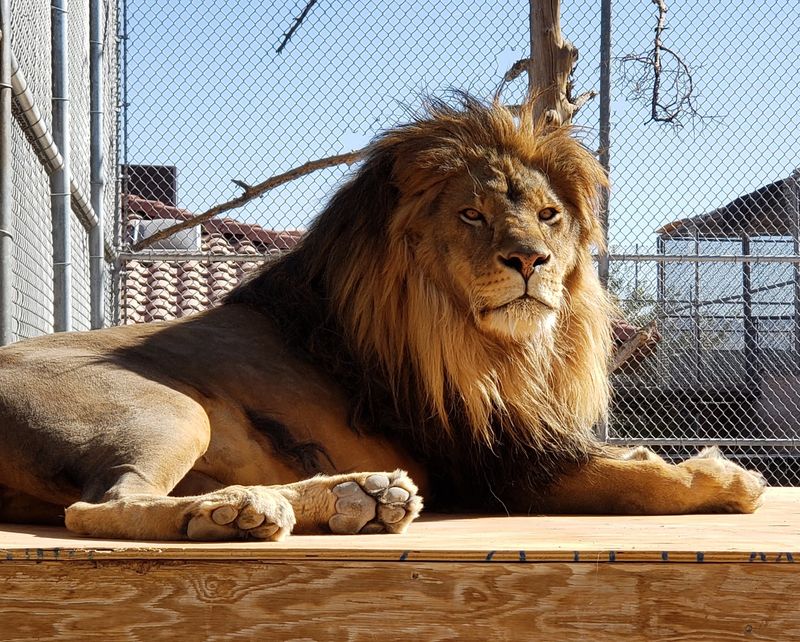
Room matters more than almost anything for a big cat. The enclosures here run wide, with open ground, shade trees, and sheltered dens tucked at the back.
Visitors often notice how relaxed the animals look. Water is plentiful, toys get rotated, and the cats choose sun or shade as they please.
Wooden shelters house heated pads for cold desert mornings. Cooling systems help during the brutal stretch of summer, which any Nevada local will confirm is no small thing.
Keepers run feedings and enrichment activities at regular intervals through the day. That rhythm keeps the lions moving rather than sleeping flat out for six hours.
Guests frequently comment that these are the most active big cats they have watched anywhere. Enrichment gets the credit.
Thick glass panels let people stand remarkably close. The barrier protects everyone while removing the bars-and-fence feeling that flattens so many animal encounters.
Cleanliness stands out across the property. Paths stay tidy, enclosures look maintained, and the care shows in the animals themselves.
Comfort, not spectacle, drives the design here.
Feeding A Lion Without Losing A Finger
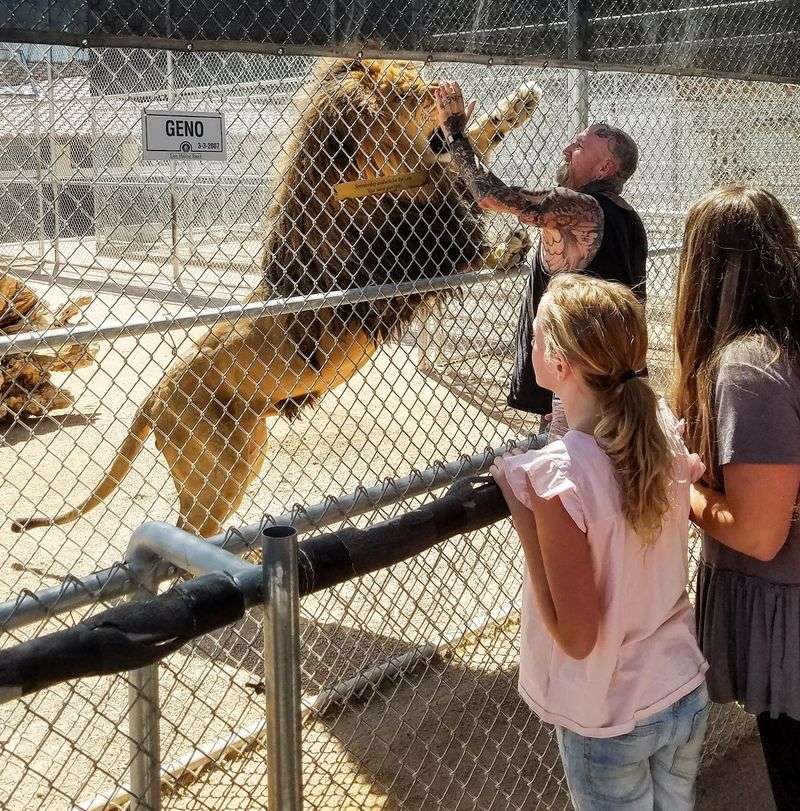
Handing raw meat to a lion ranks high on most bucket lists. The ranch offers exactly that as an add-on animal experience, supervised closely by trained staff.
Guests choose which cat to feed. Every lion has a name, a backstory, and a personality that keepers happily explain.
Safety protocols come first. Barriers, tools, and clear instructions keep the interaction controlled from start to finish.
The sound is what surprises people. A lion taking food up close produces a rumble you feel through your chest.
Behind-the-scenes tour guests sometimes get a peek at the walk-in refrigerators. The daily volume of food required for forty big cats reliably drops jaws.
Kids tend to talk about the feeding for weeks afterward. Adults do too, though they pretend otherwise.
Extra fees apply for these encounters, and spots can fill quickly on busy weekends. Booking ahead removes the guesswork.
Money collected funnels back into food, veterinary care, and habitat upkeep. Nothing gets siphoned into shareholder pockets at a nonprofit.
Few moments in southern Nevada deliver that combination of thrill and purpose.
The Painting Giraffe Who Became A Legend
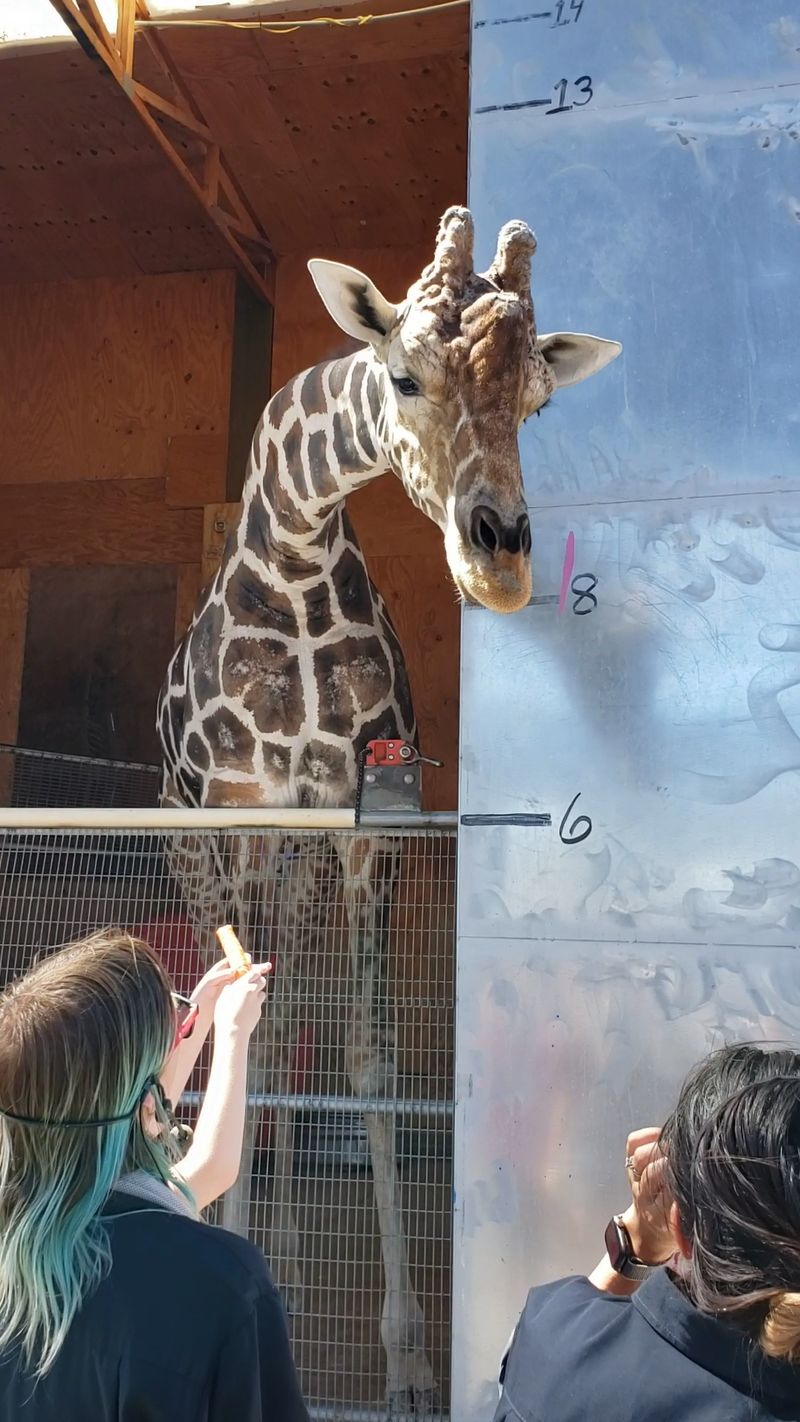
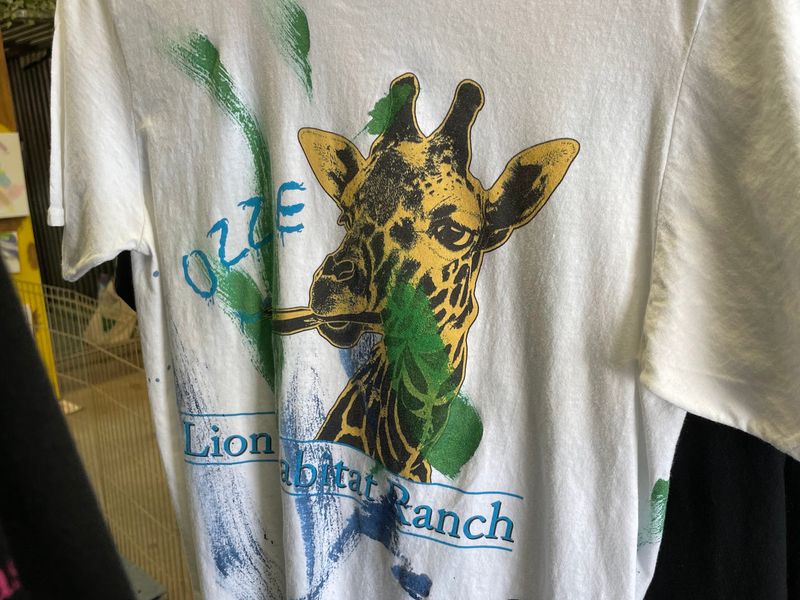
A giraffe with a paintbrush sounds like fiction. Ozzie made it real, holding brushes in his mouth and producing colorful abstract canvases that sold in the gift shop.
For years he held the title of the only giraffe in the entire state. Visitors lined up to hand him snacks and watch him work.
Ozzie’s story ended sooner than anyone hoped, and regulars still mention him with obvious affection. His artwork remains available in the shop, which keeps his memory circulating.
Proceeds from those paintings continue supporting the sanctuary. Buying one feels less like shopping and more like joining a story already in progress.
Lions have gotten in on the art trade too. Paw-print canvases created by the big cats hang alongside the giraffe pieces.
Enrichment drives these projects. Painting gives animals mental stimulation while raising funds at the same time.
Staff will happily explain how the sessions worked and why nobody ever forced a brush on anyone.
Souvenirs here carry actual history. Not many gift shops can claim a giraffe on the payroll.
Emus, Ostriches And Other Feathered Troublemakers
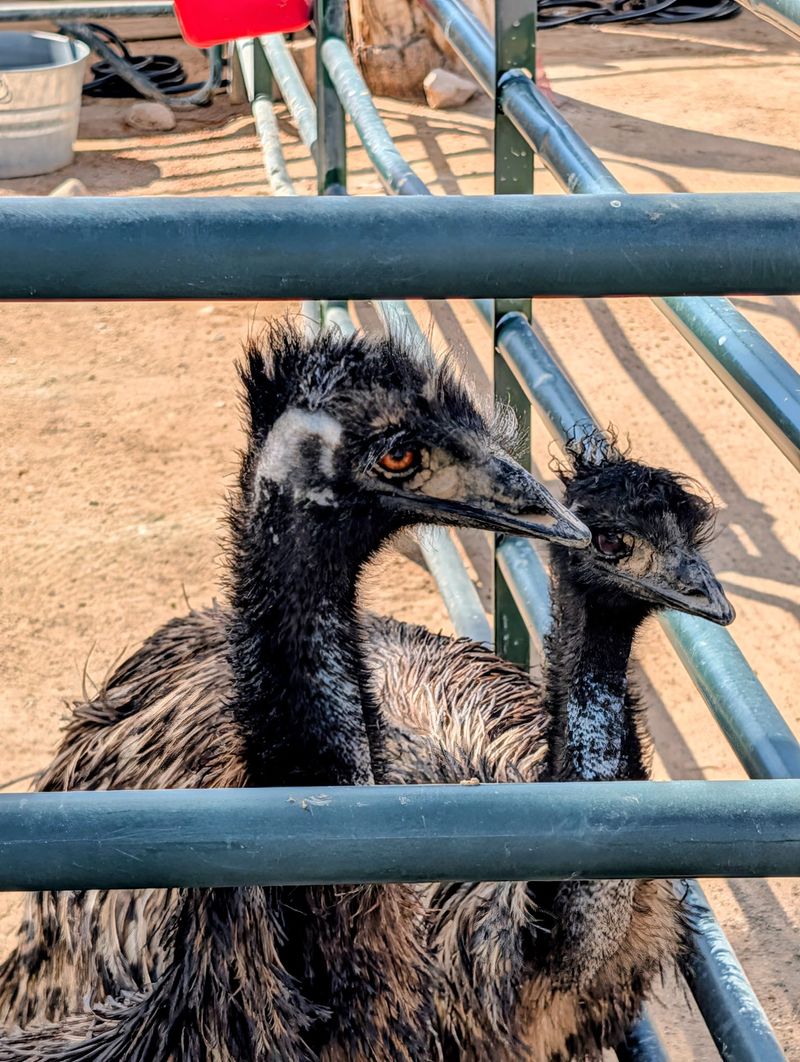
Kids arrive for lions and leave obsessed with the emus. Those long-legged birds patrol their pen with the confidence of security guards who missed their calling.
Ostriches share the bird lineup and tower over most visitors. Their eyelashes alone are worth the walk over.
Parrots add noise and color across the property. Macaws and cockatoos live here after being surrendered by owners who underestimated the commitment.
Keeper-led bird chats tackle that subject directly. Parrots can live for decades and demand constant attention, a reality many people learn too late.
One resident parrot has become a fan favorite, greeting guests with obvious enthusiasm. Names get remembered long after the visit ends.
Tortoises round out the cast, plodding along at their own unbothered pace. Toddlers frequently find them more thrilling than any big cat.
A tortoise encounter is available for guests who want closer contact. Shell facts included at no extra charge.
The variety keeps the property from feeling like a one-species show. Every corner holds something unexpected clacking, squawking, or slowly crossing the path.
Behind The Scenes Before The Gates Open
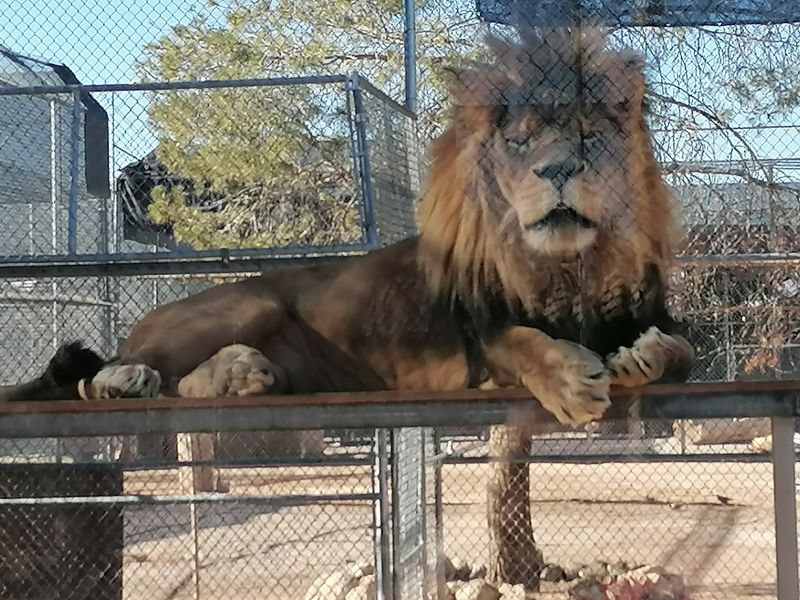
Early birds get the quiet ranch. The Behind the Scenes Tour typically runs before public opening, when the property still belongs to the animals and the staff.
Group sizes stay small. That intimacy lets guests ask endless questions without competing for attention.
Guides walk visitors through areas general admission never reaches. Food prep zones, night houses, and keeper routines all come into view.
Stories flow freely on these tours. Each lion arrives with a history, and guides remember every detail.
The behavior lessons stick hardest. Learning how keepers read body language changes how you watch the cats for the rest of the day.
Add-ons like lion feeding often pair with the tour. Booking both back to back makes for a full, satisfying morning.
Tour fees cost more than standard admission, but the money supports a nonprofit operation with real bills to pay.
Guests routinely call it the highlight of their trip to Nevada. Coming from a region built on spectacle, that says something.
Sunrise light on a lion’s mane closes the deal.
Dining Surrounded By Big Cats
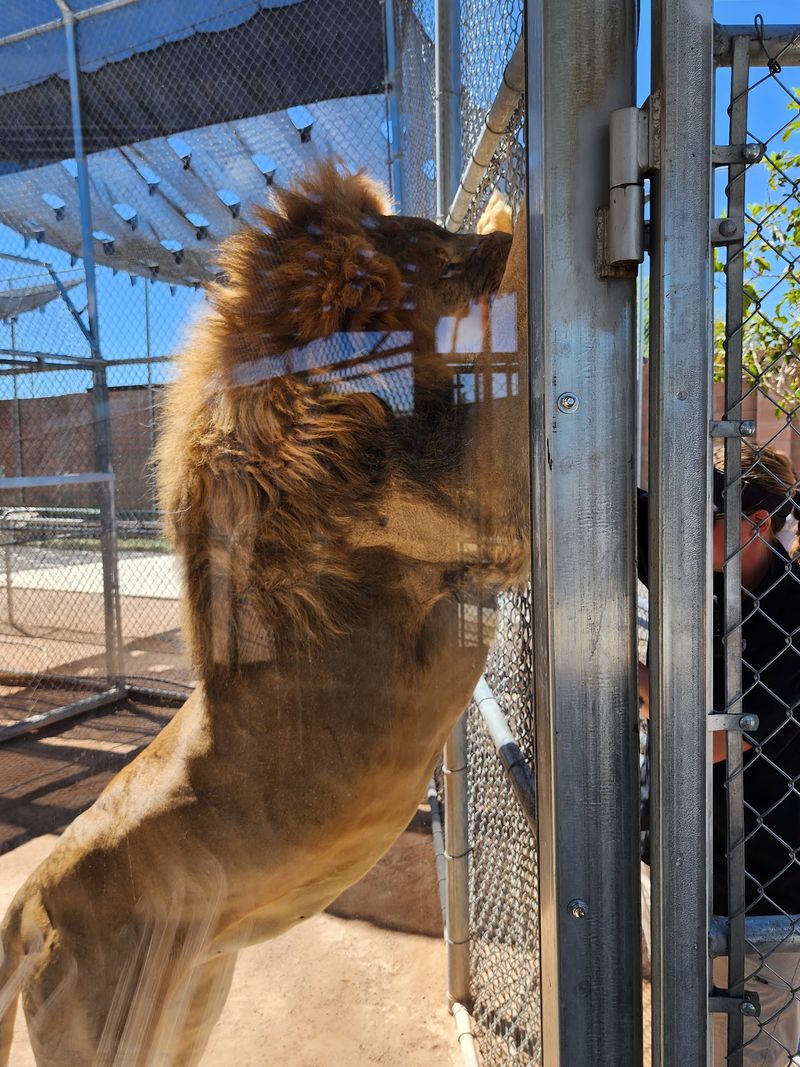
Lunch with an audience of lions? The Feast with the Beasts experience seats guests inside a glass-enclosed space while big cats roam the habitat around them.
The glass flips the usual arrangement. Suddenly the humans occupy the enclosure and the lions do the observing.
Cats often wander right up to the panels. Curiosity works both ways, and some lions clearly enjoy the show.
Reservations are required, and availability shifts with the season. Checking ahead saves disappointment.
Conversation tends to stall the first few minutes. Watching a lion settle down inches away has that effect on people.
Special occasions suit the experience well. Birthdays, anniversaries, and proposals have all played out inside that glass box.
Photos from the meal look staged even though nothing about them is. The composition sells itself.
Like every paid extra at the ranch, revenue circles back into animal welfare and conservation programs.
It remains one of the more unusual dining setups anywhere in the American Southwest. Plenty of unusual dining rooms exist nearby, but none come with a live pride outside the window.
Keepers And Volunteers Who Know Every Name
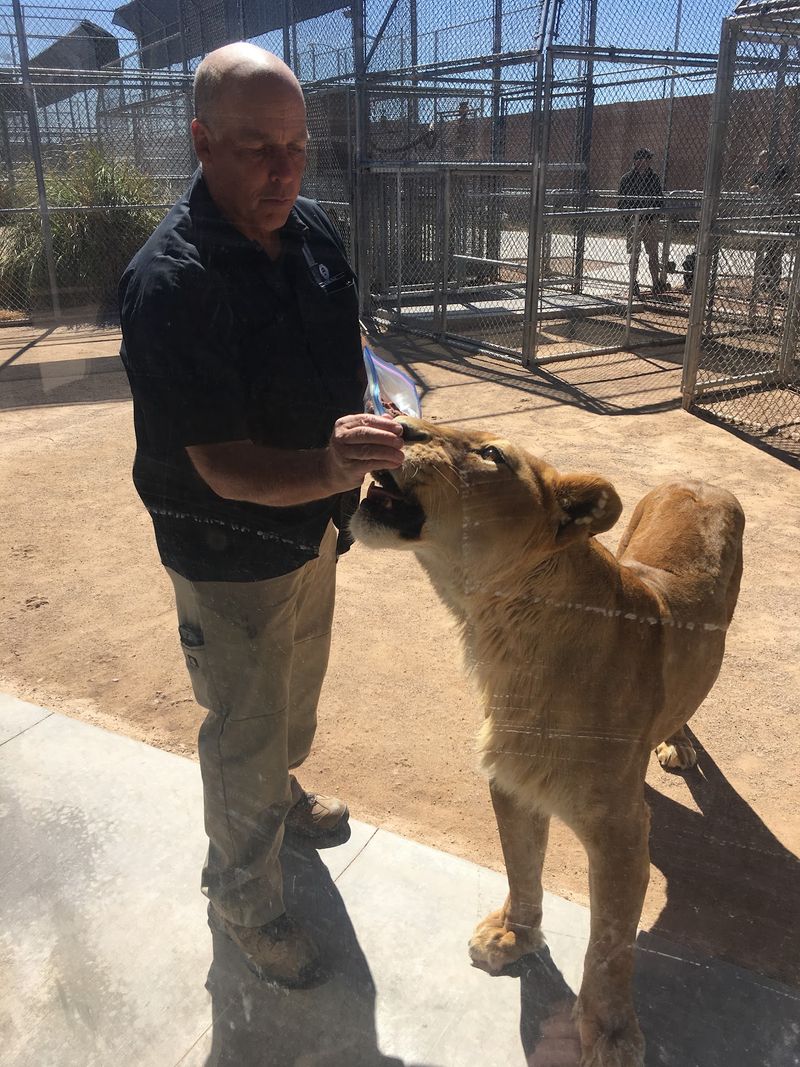
Ask a keeper one question and settle in. The staff and volunteers here treat curiosity as an invitation, not an interruption.
Every animal gets introduced by name, quirk, and preference. Which lion hates rain, which parrot loves attention, which tortoise moves fastest at snack time.
Volunteers roam the grounds throughout the day. Many carry collections of feathers, bones, and shed claws to pass around.
Photography help comes standard. Guests regularly mention staff members offering to snap family shots with a lion framed in the background.
The feline expertise runs deep. The ranch has long been associated with a caretaker holding decades of hands-on experience with big cats.
Enthusiasm spreads fast. Watching someone light up while describing a lion’s personality makes visitors care more than any sign ever could.
Education sits at the center of the mission. Field trips bring school groups through regularly for the same reason.
Nobody rushes guests along. That relaxed pace lets conversations happen naturally.
Human warmth turns a good animal stop into a memorable morning.
Where Your Ticket Money Actually Goes
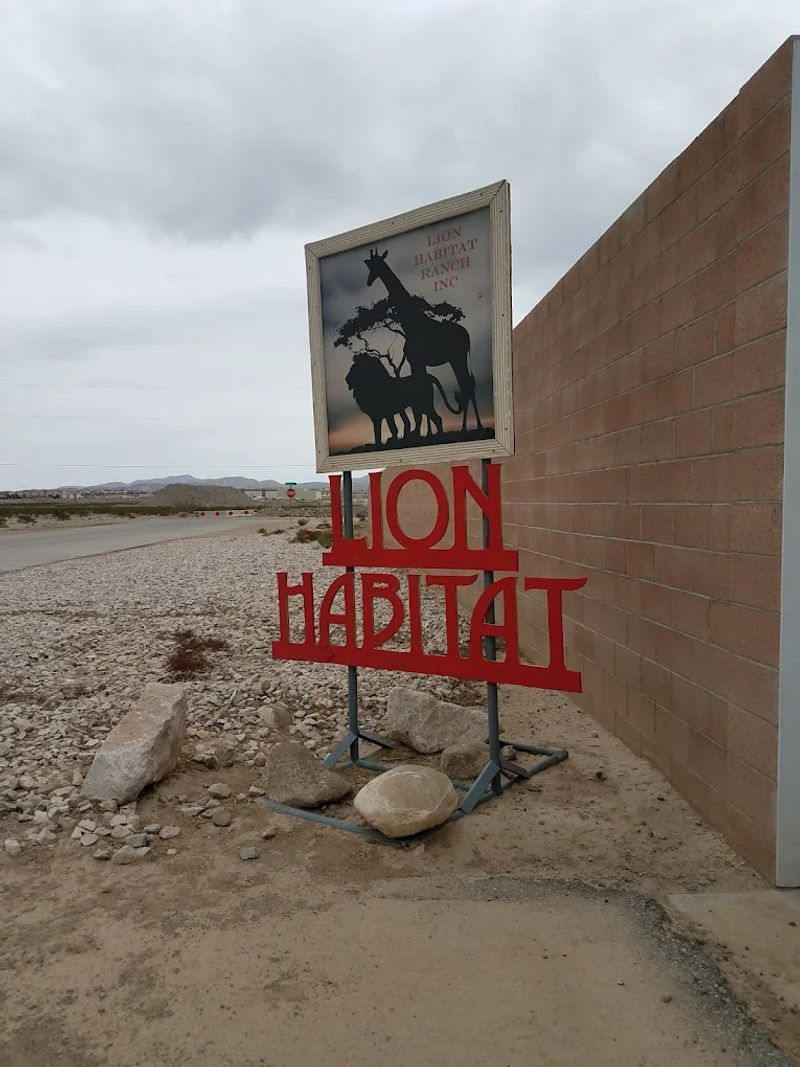
Nonprofit status changes the math. Registered as a federal 501(c)(3), the ranch directs admission revenue and donations into animal care and conservation work.
Feeding forty lions is expensive. Add veterinary bills, habitat maintenance, and cooling systems for desert summers, and the budget climbs quickly.
The organization also backs outside conservation efforts. Groups working in Kenya, campaigns against canned hunting, and wildlife rehabilitation projects have all received support.
Gift shop purchases count too. Stickers, plush toys, puzzles, and animal-made paintings all funnel money back into operations.
Prices in the shop lean reasonable rather than tourist-trap steep. Families can grab souvenirs without wincing.
Donations get accepted gladly and used transparently. Staff explain exactly what the funds cover if you ask.
Repeat visitors form the backbone of support. Locals often return several times a year simply to keep contributing.
Understanding the financial side reframes the visit. You are not just buying entertainment, you are helping cover somebody’s dinner.
That knowledge sits well on the drive back into the city.
Timing Your Visit Around Desert Heat
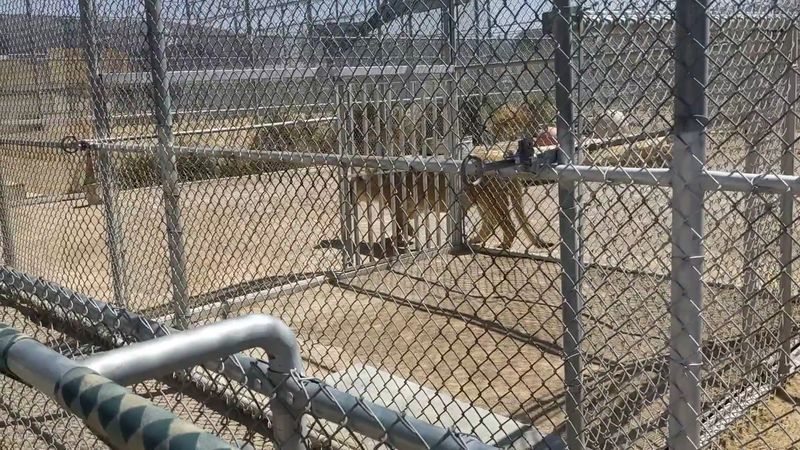
Summer in southern Nevada does not negotiate. The ranch operates outdoors, so weather shapes the entire experience.
Morning visits work best during hot months. Animals move more, shade is easier to find, and the parking lot stays open.
Cold water belongs in every bag. Hats and sunscreen too, since shade along the paths comes in patches.
Heavy rain can disrupt operations. Checking conditions before driving out saves a wasted trip.
Cooler months bring pleasant walking weather and lively cats. Lions handle mild temperatures far better than blazing afternoons.
The lot fills up later in the day. Arriving early solves the parking squeeze that some guests mention.
Parking itself is free, which is a small mercy in a region where everything else charges.
Most visitors spend around two hours on site. Add-on experiences stretch that comfortably longer.
Closed-toe shoes make sense on dusty ground. Nobody enjoys sandals full of desert grit.
A little planning turns a hot outing into an easy, enjoyable morning with lions.
A Family Outing That Beats The Strip
Grandparents, toddlers, and teenagers all find something here. That range is rare for any single attraction.
The youngest guests frequently gravitate toward tortoises rather than lions. Slow-moving reptiles hold enormous appeal for anyone under three.
Older kids chase the roaring. When several lions call at once, the sound stops everybody mid-step.
Admission stays modest compared with most Las Vegas area entertainment. Discounts exist for students and military guests.
Children sometimes enter free with an accompanying adult ticket, though policies can change. Confirming ahead is smart.
The property is compact enough to walk without exhausting little legs. No shuttle buses, no endless loops.
Photo opportunities with a lion in the background come courtesy of staff. Those pictures become instant refrigerator material.
Educational value sneaks in quietly. Kids leave repeating facts about habitat loss without realizing they attended a lesson.
Ranked highly by thousands of visitors, the sanctuary has built a loyal local following across Nevada.
Trading city noise for lion roars makes for a refreshing detour.