
This Nevada Pumpkin Patch Is The Perfect Way To Kick Off Autumn Every Year
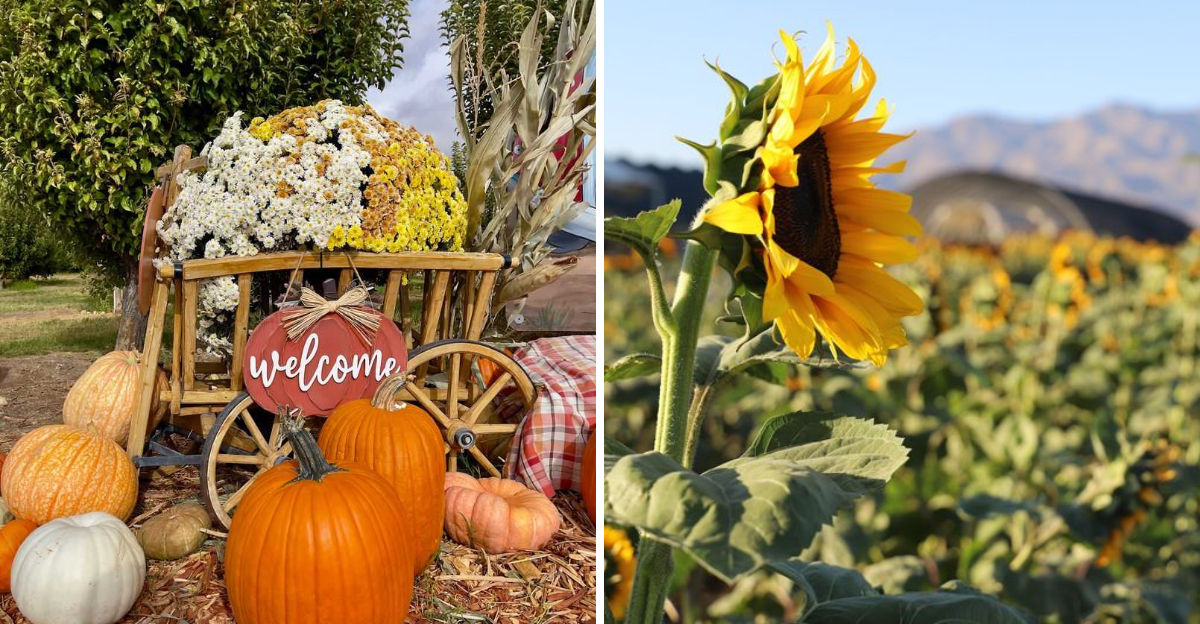
Pumpkins glow orange under wide desert skies, ready and waiting to be picked. Autumn crashes in here, not creeps, turning open fields into a playground for the whole family.
Wheelbarrows rattle down gravel rows while kids search for the one pumpkin with character. Wagon rides roll past century old orchard trees while chickens cluck nearby.
Nevada rarely gets pictured this green, yet acres of sunflowers and apple trees prove otherwise. Warm cider donuts scent the air before you even spot the concession stand.
Mazes twist through corn and straw, perfect for giggly wrong turns and quick escapes. Generations of one Nevada family built this tradition from nothing but dirt and determination.
Curious how deep the pumpkin patch goes? Grab your calendar, because autumn here is worth planning around.
A Farming Dream That Took Root In 1920
Long before the suburbs crept north, a family staked their future on desert soil. Leonard and Elda Gilcrease reached the Las Vegas Valley in 1920 with plans to farm.
Their early years brought hard work and setbacks. Elda kept going alongside her sons, Ted and Bill, and the land stayed in the family.
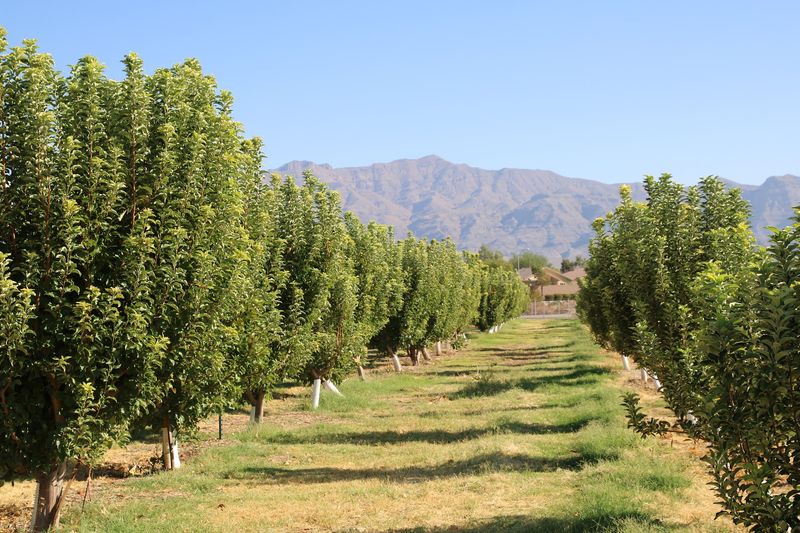
Ted eventually took charge of the property. He swapped alfalfa fields for fruit trees, laying the groundwork for the orchard visitors wander today.
That decision changed everything. Rows of apples, peaches, and pears replaced feed crops, and neighbors started showing up to pick.
In 1997, the Gilcrease Orchard Foundation was created to protect the land. The brothers wanted the acreage to stay farmland rather than become another housing tract.
Their wish shaped the place into a working farm open to the public. You can find it at 7800 N Tenaya Wy, Las Vegas, NV 89131, in the northwest corner of the valley.
Standing among century-old ambitions makes the pumpkin patch feel bigger than a seasonal outing. A visit here quietly honors a century of stubborn, hopeful farming in Nevada.
Sixty Acres Of Green In The Middle Of The Mojave
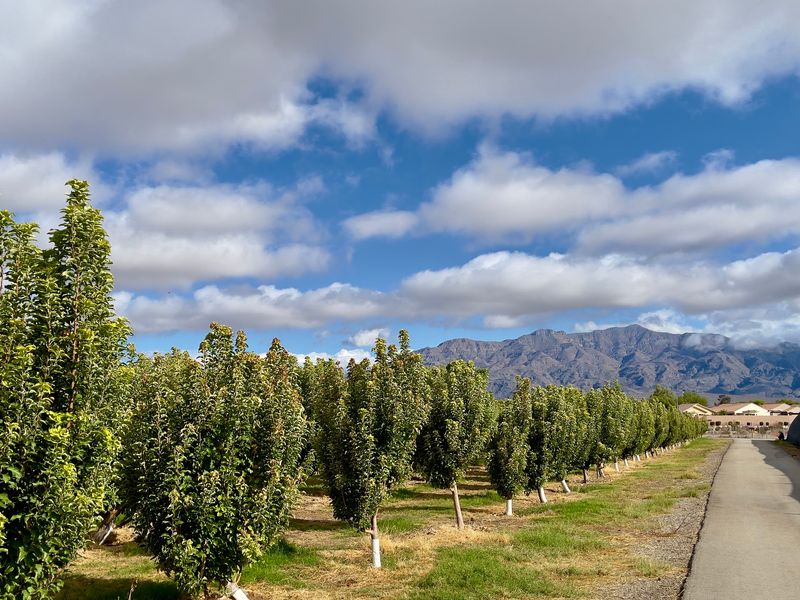
Green does not usually headline a Mojave itinerary. Yet roughly 60 acres of leafy rows stretch out here, edged by mountain ridges and open sky.
The contrast lands hard. Subdivisions and dry brush sit just beyond the fence line, then suddenly there are apple trees in tidy formation.
Gravel paths thread between the plantings. Dirt crunches underfoot, sprinklers tick somewhere in the distance, and traffic noise fades fast.
Morning is when the property looks its best. Long shadows stripe the rows, and the mountains catch soft light before the sun climbs high.
Shade is limited, which surprises first-timers. The canopies are low and scattered, so open sky follows you through most of the fields.
Walking the full property adds up quickly. Visitors regularly log a couple of miles without meaning to, especially while hunting for the ripest fruit.
The terrain stays mostly flat, though it is uneven in spots. Sturdy shoes handle it far better than sandals.
For anyone convinced Nevada is all pavement and sagebrush, this stretch of farmland politely proves otherwise.
Pumpkin Season Turns The Fields Into A Treasure Hunt
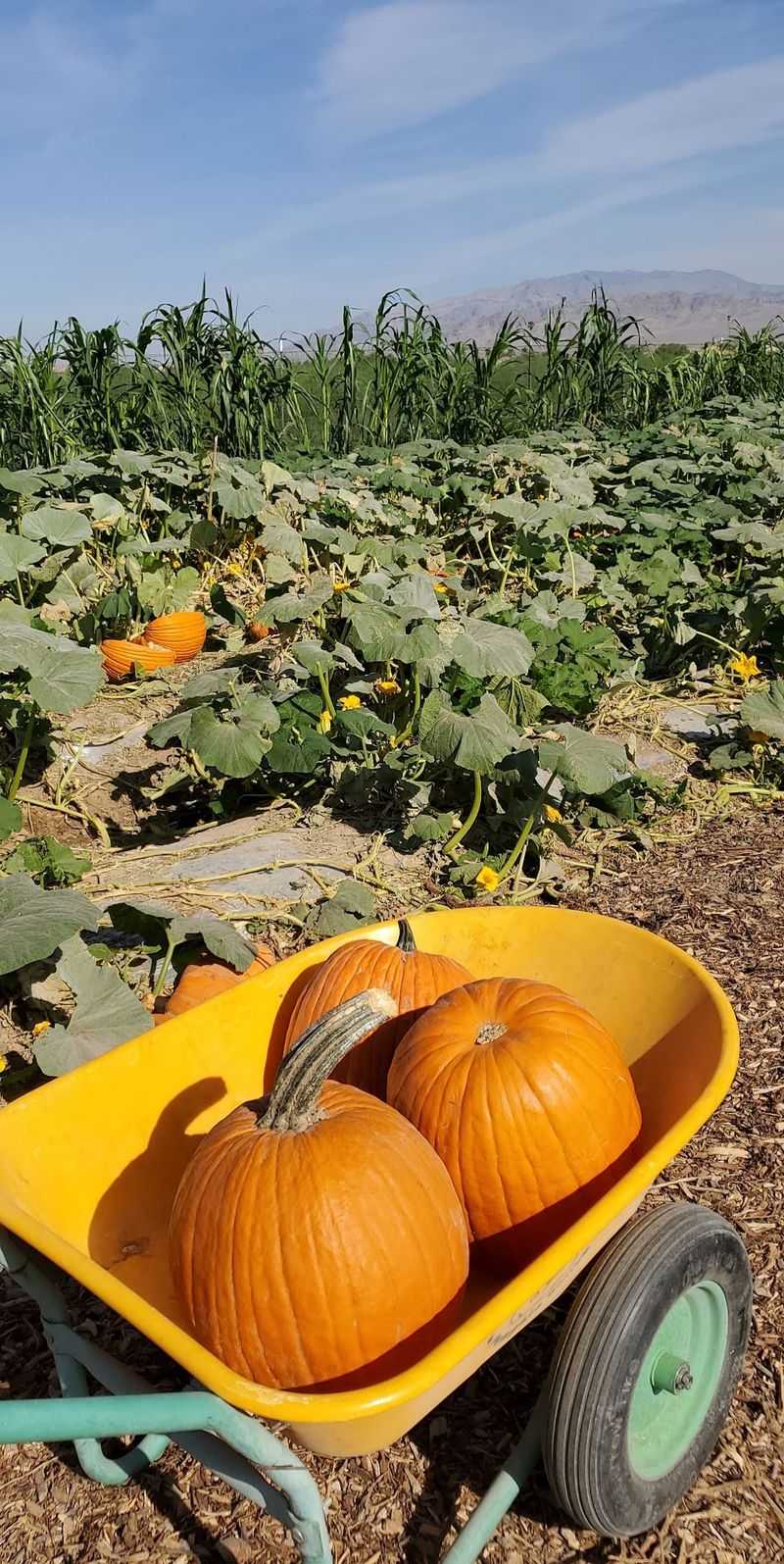
Orange takes over the place in late September. The pumpkin patch usually opens around then and runs through October, drawing crowds from across the valley.
Pumpkins sit right in the field. You walk the rows, inspect your options, and decide which one deserves a face.
Sizes vary wildly. Tiny ones fit in a child’s hands, while others require a wagon and a serious commitment.
Bringing shears helps. Cutting a thick stem by hand rarely ends well, and staff recommend arriving prepared.
A wagon or wheelbarrow makes hauling easier. The orchard keeps some on site, but they disappear quickly on busy fall mornings.
Kids treat the search like a mission. Debates over roundness, ribbing, and stem quality can stretch on for twenty happy minutes.
Weekends fill up fast during peak weeks. Tickets are often required and timed for entry, so checking availability ahead of time matters.
Weekday mornings feel calmer and cooler. Fewer people means more pumpkins to choose from and shorter lines at the scale.
Few autumn traditions in Nevada feel this hands-on, dusty, and satisfying all at once.
Pick Your Own Apples Straight Off The Branch
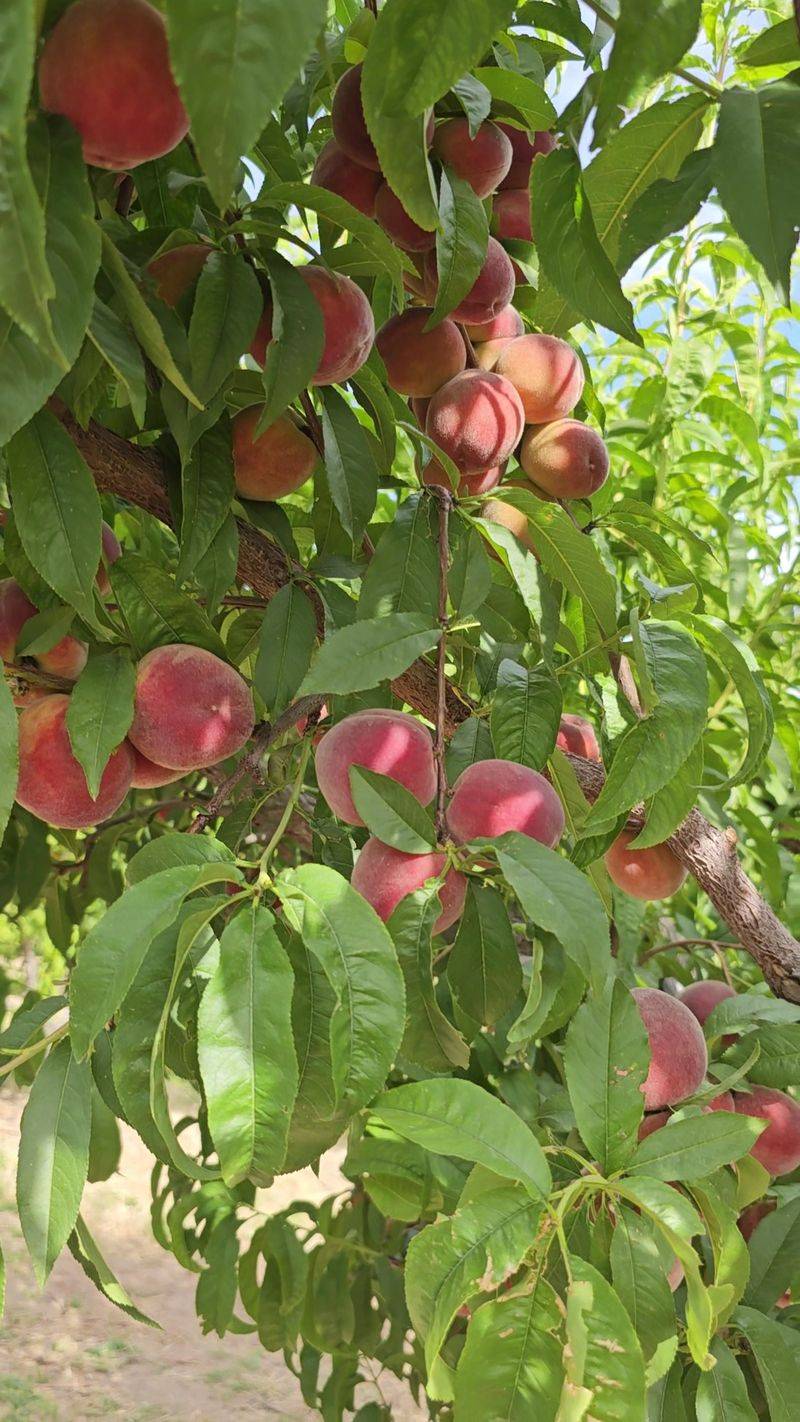
Reaching up and twisting an apple free never gets old. Autumn brings apple picking front and center, and it draws steady crowds all season.
The system is refreshingly simple. Grab a wheelbarrow, walk the rows, fill it up, and pay by weight on the way out.
Fruit quality shifts through the season. Early weeks bring heavy branches, while later visits may require more searching among picked-over trees.
Ripeness varies tree to tree. Staff often point guests toward whichever section is producing best that morning.
Checking what is in season before driving out saves disappointment. Crop charts help, though nature does not always follow the schedule.
Children take to the task instantly. Learning that food comes from soil and sunlight sticks better when their own hands do the work.
Apples are only part of the lineup. Depending on timing, guests also gather pears, pomegranates, tomatoes, zucchini, and cucumbers.
Washing everything thoroughly at home is smart practice for any farm-picked produce.
By the time the wheelbarrow gets heavy, most visitors have already started planning the pies.
Wagon Rides, Mazes, And Other Field Adventures
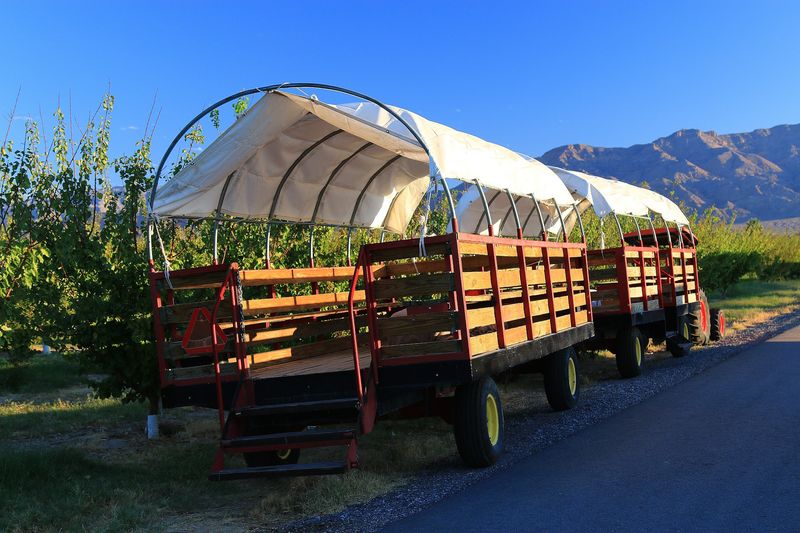
Ever ridden a tractor-pulled wagon past rows of apple trees? Fall visitors do exactly that, bumping along the gravel lanes at a lazy pace.
The ride doubles as a tour. Kids wave at walkers, and everyone gets a wider view of the property.
Mazes add another layer of fun. A corn maze and a straw maze both invite wrong turns and giggling dead ends.
Younger children usually prefer the straw version. It is shorter, lower, and easier to escape when patience runs thin.
Animals bring their own crowd. The chicken coop attracts curious toddlers, and the desert tortoise habitat teaches a quick lesson in local wildlife.
A bee exhibit explains pollination in plain terms. Bees are active around the fields, so visitors with allergies should stay alert.
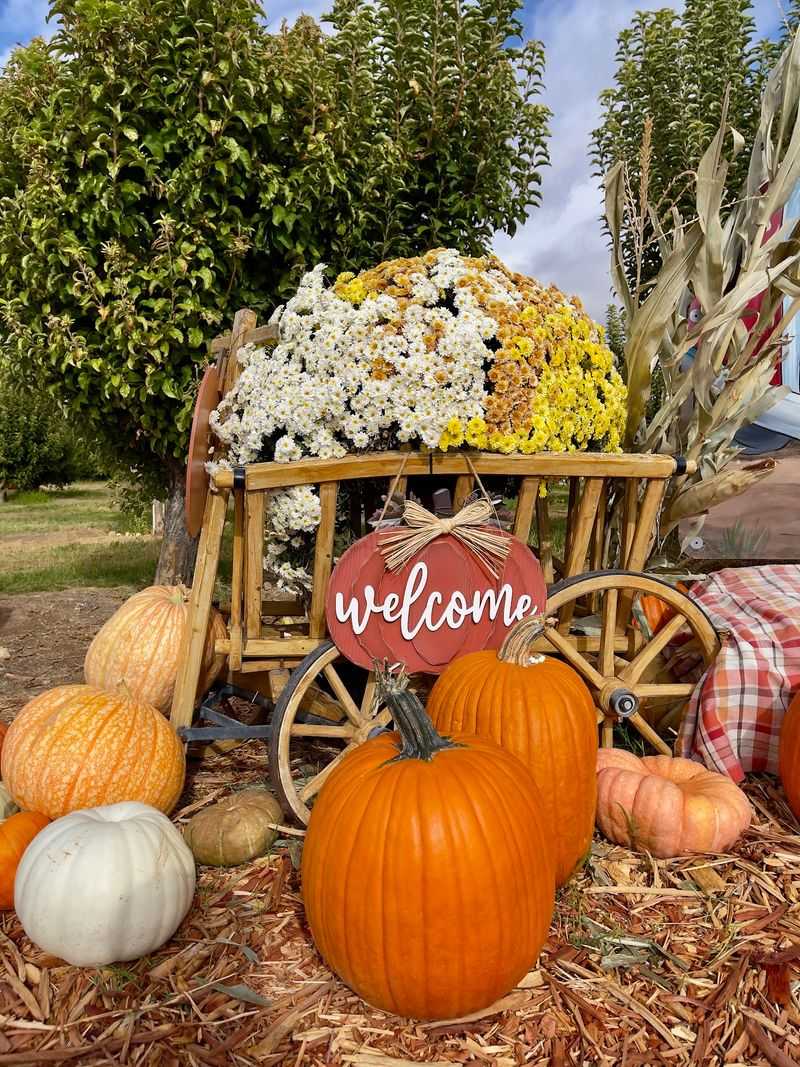
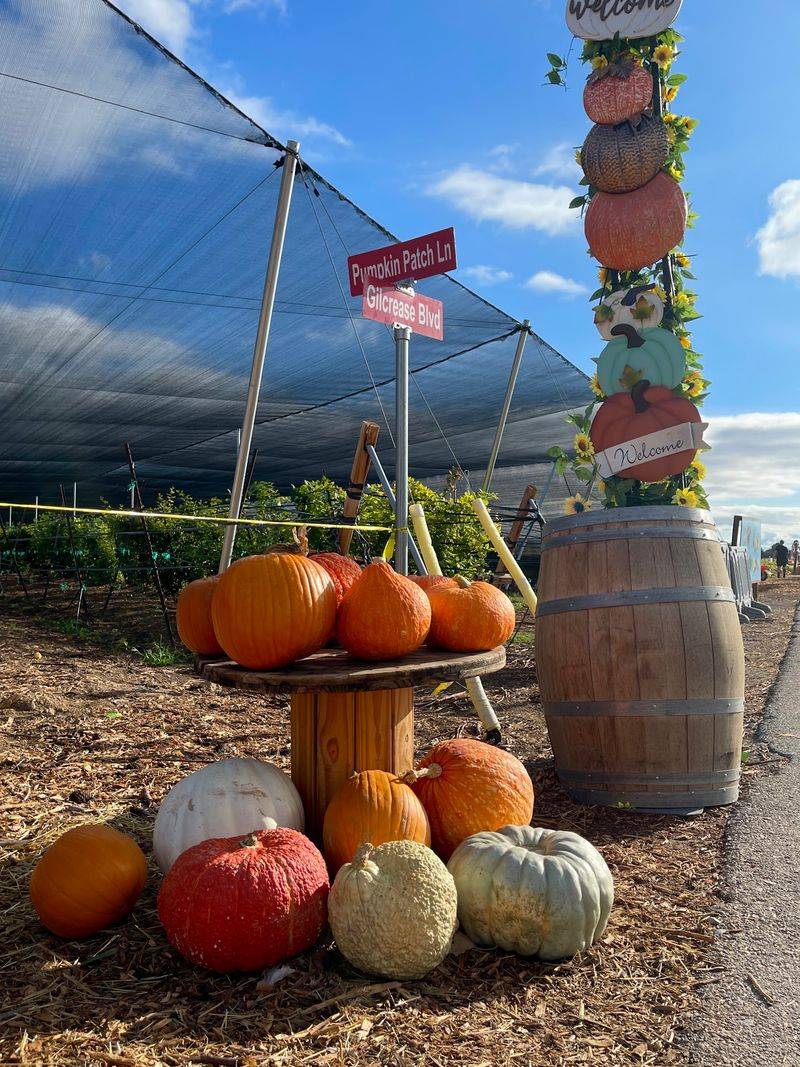
Photo spots appear throughout the grounds. Rustic trucks, sunflower rows, and pumpkin piles keep cameras busy.
Restrooms are available in several locations, which parents appreciate more than any maze.
Between the ride, the mazes, and the animals, a quick errand for pumpkins turns into a genuine half-day outing.
Apple Cider Donuts Deserve Their Own Fan Club
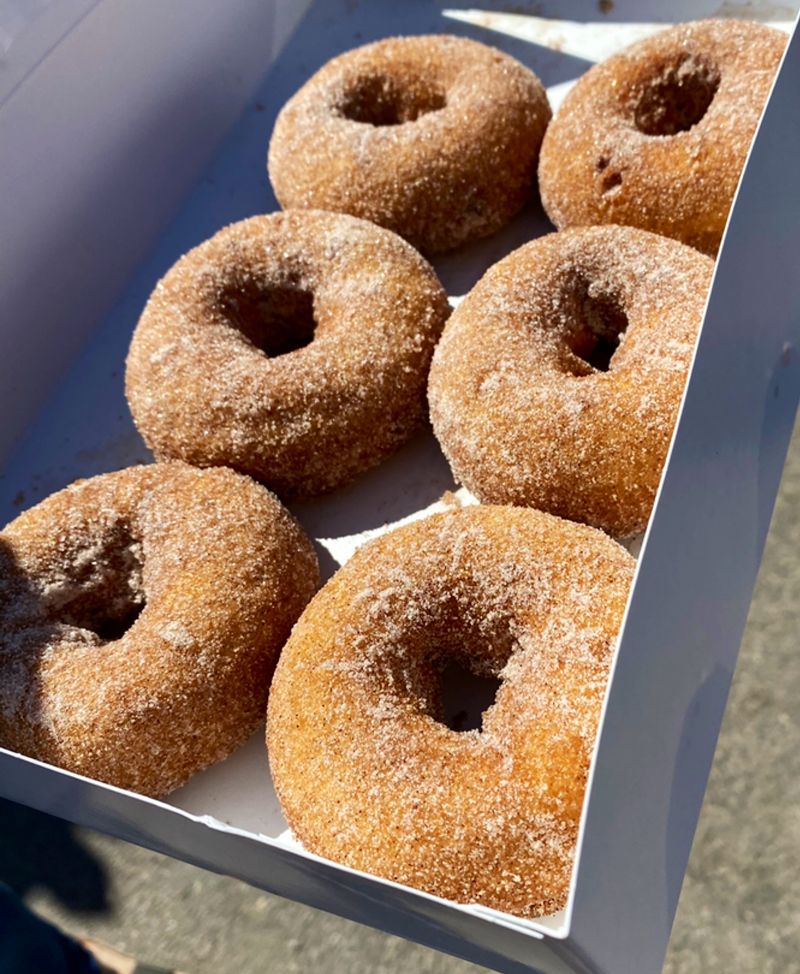
Some people come for pumpkins. Plenty of others come strictly for the donuts.
Apple cider donuts are the runaway favorite here. They come out warm, sugary, and slightly crisp on the outside.
Fresh apple cider pairs with them naturally. The combination has turned countless one-time visits into annual traditions.
Carrot cake donuts have their own loyal following. Regulars argue about which flavor deserves the crown.
Caramel apples and kettle corn round out the snack lineup. The smell alone slows people down as they pass the concession area.
Picnic tables sit under shaded canopies nearby. Families park there with coffee, donuts, and dusty shoes.
Live music sometimes plays during fall weekends. The area starts feeling like a small harvest festival rather than a farm stand.
A farm stand also sells produce for anyone who skipped the picking. It is a shortcut worth knowing about on hot mornings.
Lines grow longer as the morning goes on. Grabbing treats early, then eating them after picking, tends to work best.
Sticky fingers are simply part of the experience.
Sunflower Fields Steal The Late Summer Spotlight
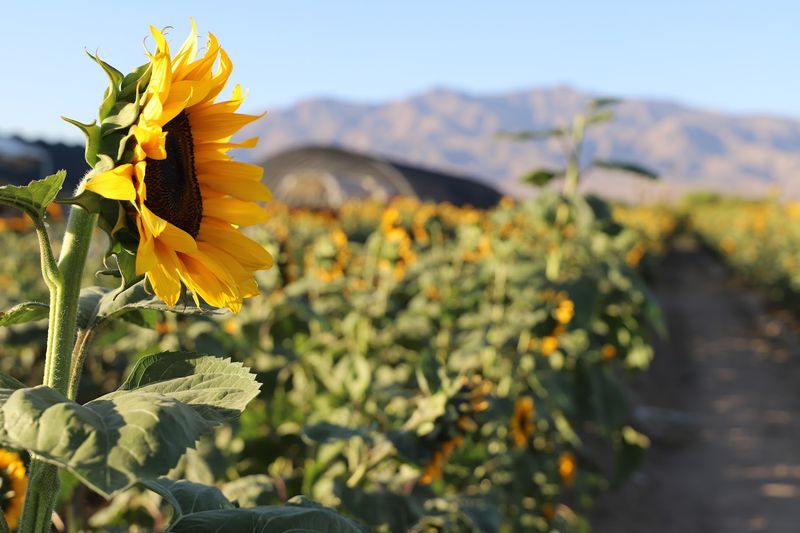
Yellow arrives before orange does. Late summer and early fall bring sunflower blooms that stretch across the fields in bright rows.
The blooms draw photographers by the dozen. Phones come out immediately, and nobody blames them.
Stems are sometimes available for purchase. Visitors carry them out like trophies, petals bobbing above the wheelbarrows.
Timing is everything with sunflowers. Bloom windows shift year to year depending on weather and planting schedules.
Reservations may be required during peak bloom. Checking ahead prevents a wasted drive across the valley.
Bees love these fields as much as people do. Staying calm and giving them room keeps everyone comfortable.
Sunlight bounces off the petals hard. Sunglasses and sunscreen are honestly essential, even during early hours.
Photos here look nothing like typical Las Vegas postcards. Instead of neon, you get gold petals against desert mountains.
The blooms fade as pumpkin season ramps up. Catching both in one visit takes a bit of luck and good timing.
For flower lovers in Nevada, this stretch of the calendar is quietly the main event.
Smart Planning Beats Standing In The Heat
Early birds win here, no contest. Gates open in the morning, and the smartest visitors show up right at the start.
Heat builds fast in the valley. By mid-morning, open fields feel considerably warmer than the parking lot did.
Tickets are often required during fall events. They usually sell online with timed entry slots, and popular weekends go quickly.
Checking the official site or social media before heading out is essential. Availability and crop info change week to week.
Parking sits in a gravel lot and fills up during peak weekends. Arriving early usually solves that problem too.
Bring water, sunscreen, and a hat. Shade is scarce once you walk into the rows.
Closed-toe shoes handle the dirt paths best. Uneven ground and irrigation lines make sandals a poor choice.
Personal shears and a wagon are recommended for pumpkin runs. Borrowed equipment sometimes runs out on busy days.
Pets stay home, with service dogs being the exception.
A little preparation transforms a hot, crowded errand into a smooth and genuinely pleasant morning.
Crops Keep Changing All Year Long
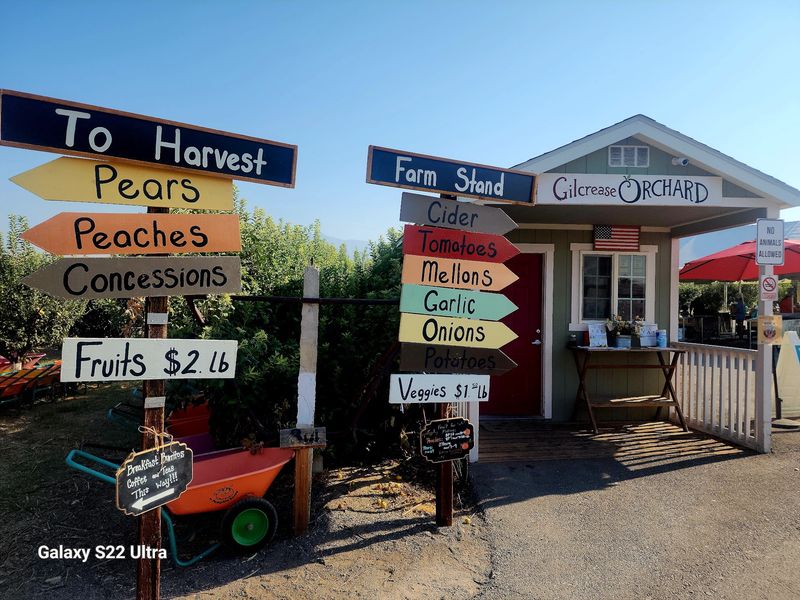
Autumn hogs the attention, but the fields work year-round. Different crops rotate through the seasons, giving repeat visitors something new each time.
Summer brings peaches, apricots, and berries. Strawberries and blackberries earn especially enthusiastic reviews from families.
Vegetable rows deliver tomatoes, zucchini, squash, cucumbers, and carrots. Filling a wheelbarrow with dinner ingredients feels oddly satisfying.
Pears and pomegranates arrive later in the calendar. Their timing shifts with weather, so nothing is ever guaranteed.
Flavor can vary between harvests. Natural growing conditions mean some batches shine brighter than others.
The orchard is not certified organic. Staff have described a mindful approach that includes composting and limiting commercial fertilizers.
Winter has its own tradition. Christmas trees typically go on sale after Thanksgiving, and holiday events have included wagon rides with lights.
Operating days are limited and seasonal. Confirming what is open and picking before driving out avoids frustration.
Prices tend to be modest, with produce sold by weight at the entrance.
Locals treat the changing crop list like a calendar, planning visits around whatever ripens next.
A Neighborhood Tradition Passed Down Through Generations
Ask around the north valley and you will hear the same thing. Families have been coming here for years, sometimes decades.
Parents who picked apples as kids now bring their own children. The routine repeats every October without much discussion.
Transplants find comfort here too. People who moved from farm states say the orchard reminds them of home.
The foundation’s mission centers on connecting people with food, farming, and the land. School-age visitors get a practical lesson without realizing it.
Staff generally get credit for being helpful and patient. That matters when hundreds of people arrive within a single morning.
Entry and parking have traditionally been free outside of ticketed events. You mainly pay for what you pick and eat.
Teenagers sometimes land their first jobs on the property. The farm functions as a small community hub, not just an attraction.
Development keeps pushing outward around the fields. Preserved farmland like this feels increasingly rare in Nevada.
Come for the pumpkins, stay for the donuts, and leave understanding why so many households mark autumn on the calendar right here.