
Most Mississippi Locals Haven’t Discovered This Hidden Thrift And Antique Village
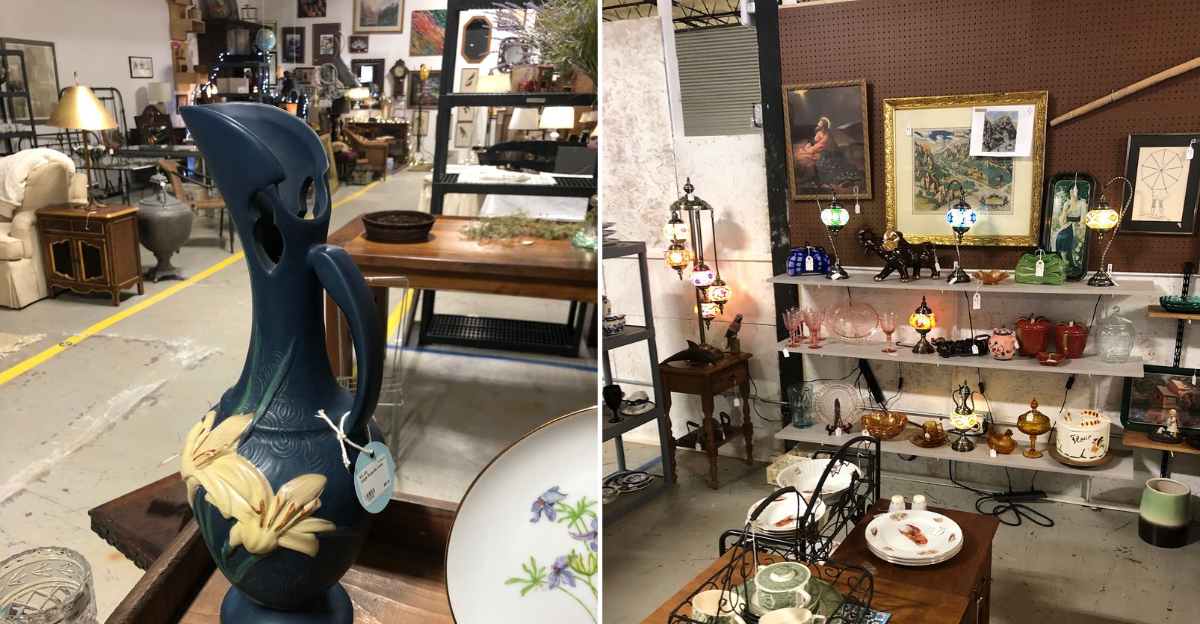
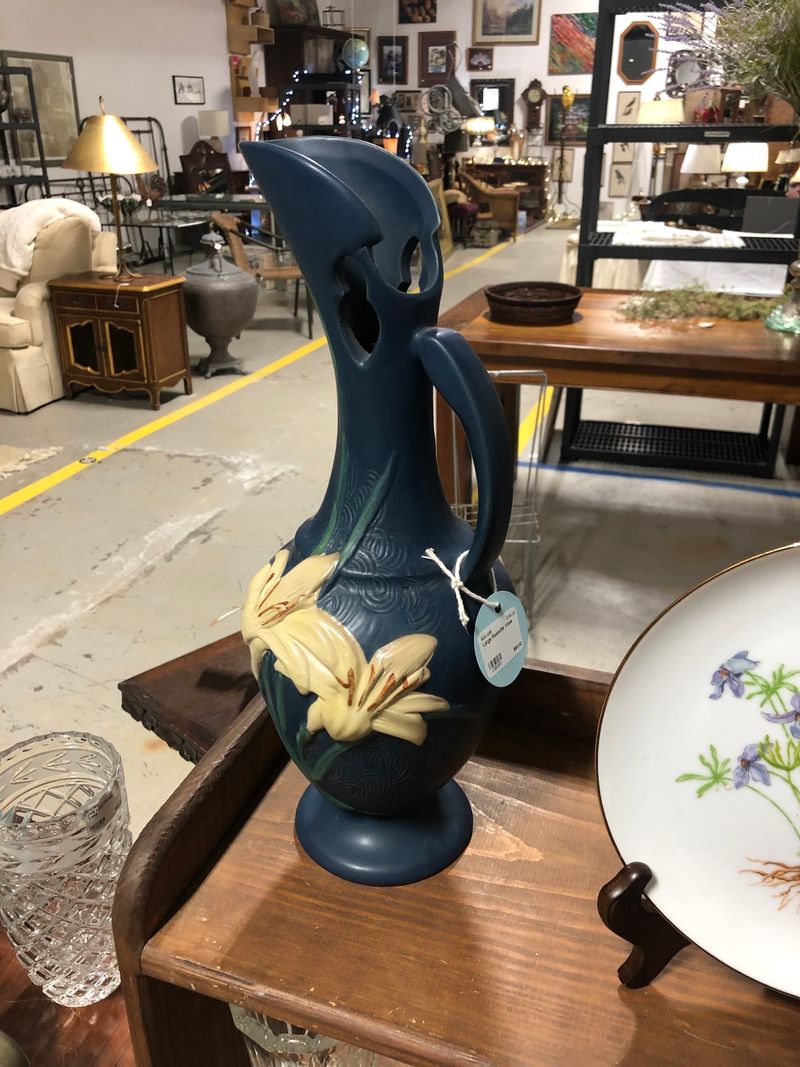
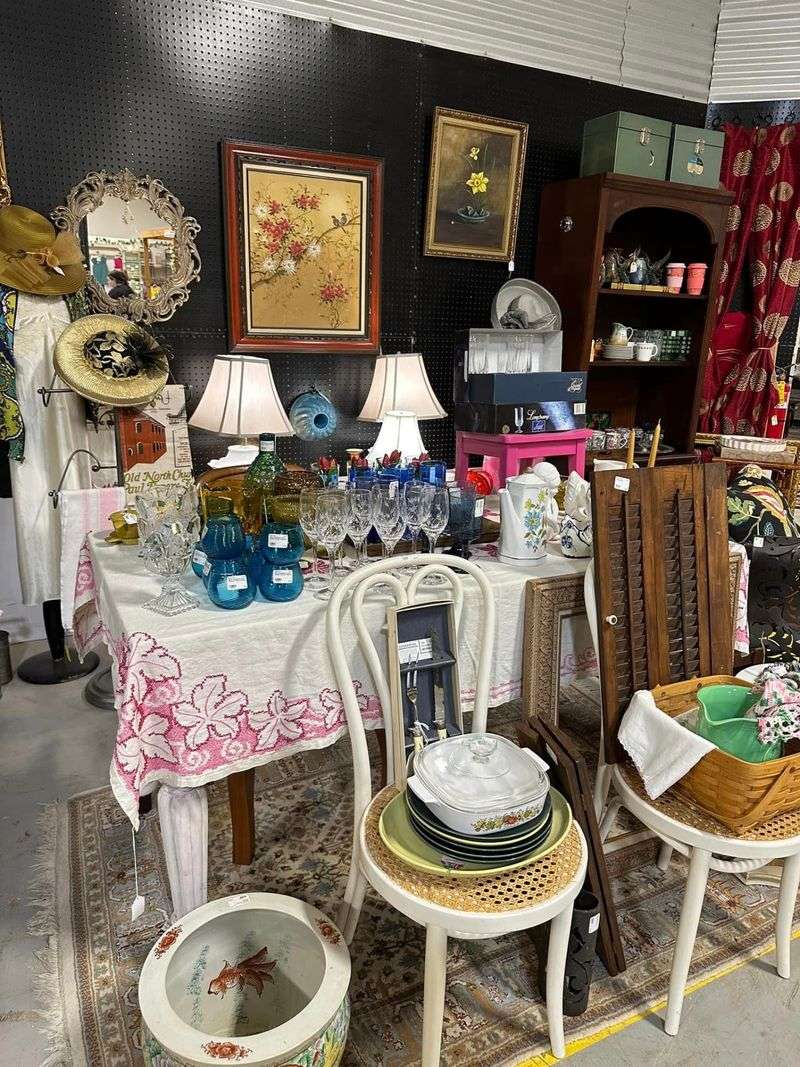
An old vase, a wooden cabinet, or a set of plates are just a small piece of what you’ll find in this vintage Mississippi spot. Vintage furniture, glassware, and collectibles fill the space, some pieces dating back further than visitors expect.
Regulars return often, knowing inventory changes constantly as new estate finds come through the door. Prices stay reasonable compared to more commercialized antique destinations elsewhere in the region.
Browsing takes real time, since pieces sit in corners easy to miss on a quick pass through. Nothing about the experience feels rushed or packaged for quick tourist visits.
Most locals haven’t even discovered this village despite it sitting right in their own area. This village proved that some of the best finds still come from places most people overlook entirely.
History And Heritage Of Collectibles
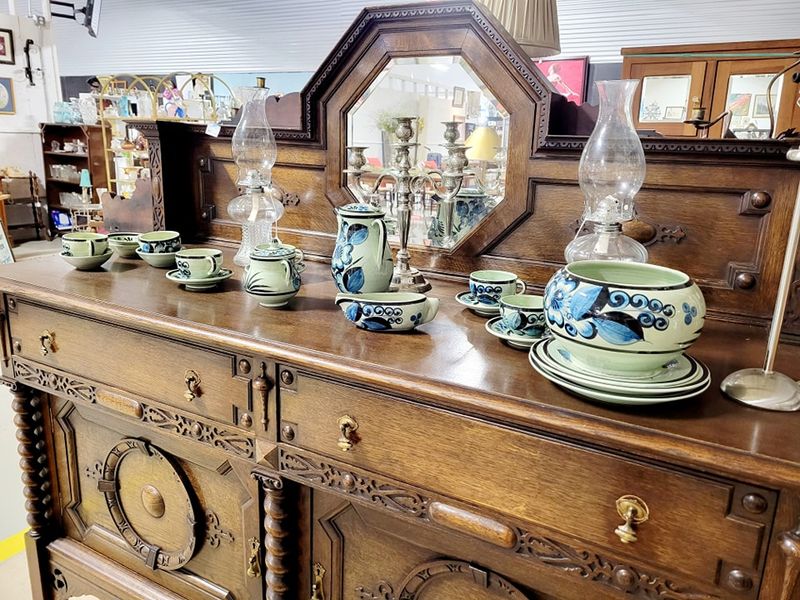
Opening day almost did not happen. The Mississippi Antique Galleria, known around the coast simply as The MAG, finally opened in November 2022 after a hurricane and a global health crisis delayed the plans for years.
The building itself has quite the resume. Before the antiques moved in, the space had been a camera shop, a dancewear store, a media company, a boutique, a copy service, and a fabric store.
That is more career changes than most people have.
Now it holds antiques sourced from around the world, and plenty of them hit that odd emotional nerve. A cookie jar shaped like a rooster suddenly turns into a memory of a grandparent’s kitchen counter.
Textiles, linens, and threads make up a quiet but fascinating corner of the collection. Civil War-era textiles have reportedly turned up here, which is a strange and wonderful thing to find while browsing on a Saturday.
European furniture sits toward the back, and the craftsmanship stands a level above ordinary vintage stock. Heavy wood, hand-finished details, and joints built to outlast their owners.
History here is not behind glass in a museum case. It is priced, tagged, and waiting for somebody to take it home and use it again.
The address is 1909 E Pass Rd, Gulfport, MS 39507.
Variety And Quality Of Vintage Clothing
Fabric hunters have a real reason to make the drive. Certain vendor booths focus entirely on vintage fabrics, stocking materials and yardage that are genuinely hard to track down anywhere else.
Old buttons show up in jars and tins, along with notions that quilters and sewists get weirdly excited about. Anyone who has hunted for a matching set of vintage buttons knows that excitement is completely earned.
Vintage clothing shares floor space with retro decor and local art, so browsing tends to wander. A person walks in looking for a jacket and leaves holding a painting instead.
The historical side of the textile inventory is what sets the place apart. Civil War-era textiles have been part of the stock, which turns a shopping trip into something closer to a history lesson.
Quality varies by booth, and that is part of the fun. Each vendor curates their own corner, so one aisle leans retro and playful while the next leans formal and delicate.
Costume designers, theater groups, and people who just like clothes with a story all find something worth carrying to the front counter.
Staff members will hold finds up front while shopping continues, which matters in a building this size. Arms only stretch so far.
Unique Home Decor Items You Can Find
Over 50,000 square feet and more than 400 vendors make this the largest antique and gift destination on the Mississippi Gulf Coast. Numbers like that sound abstract until the third room appears out of nowhere.
A section called Shoppe the Square gathers gifts, home decor, and art made by local artisans. It reads more like a small-town market than a corner of a bigger store.
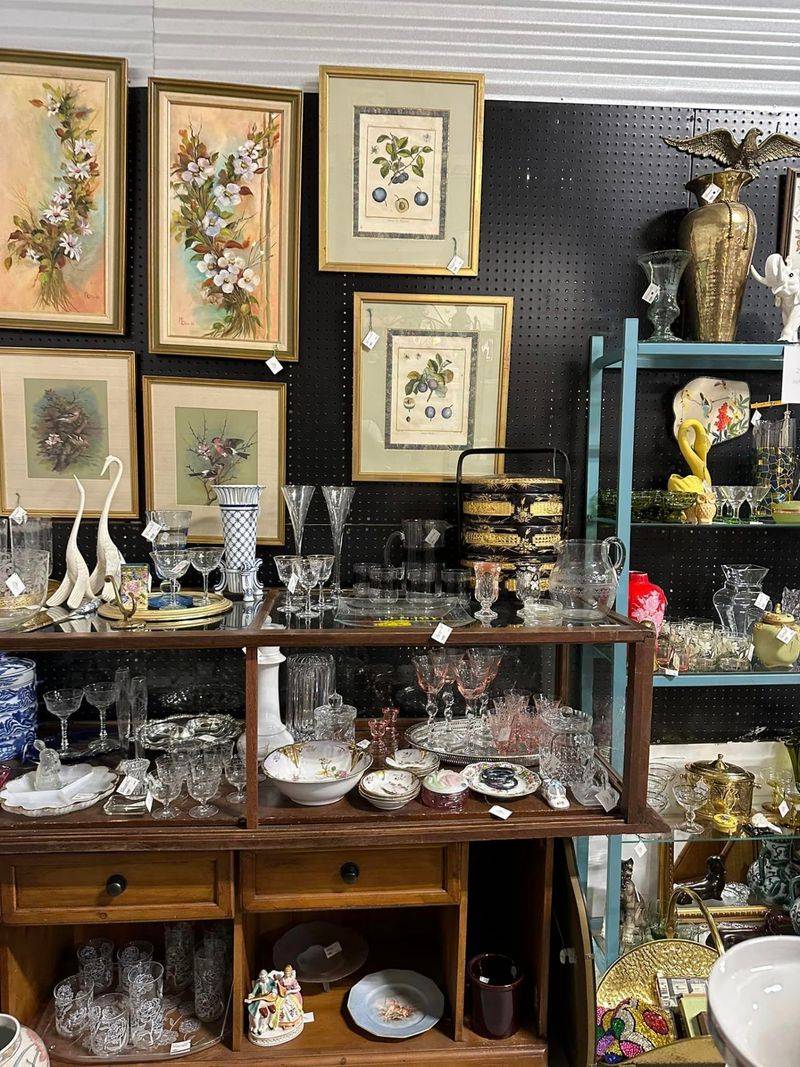
Antique furniture, glassware, vintage signs, and collectibles fill the aisles in every direction. Coastal-inspired decor and artwork show up often, which makes sense given the location.
Booths specialize, and that keeps browsing interesting. Farmhouse decor in one spot, vintage kitchenware in another, nostalgic memorabilia a few steps later.
Some furniture carries honest wear that no factory can fake. A scuffed table leg or a worn drawer pull tells you the piece actually lived somewhere.
European furniture holds down the back of the building, and Mid-century modern pieces rotate through regularly. Fans of clean lines and tapered legs should check often.
Because inventory turns over constantly, the store looks different from month to month. Something that was there in March is likely long gone by June, replaced by something equally odd and appealing.
An art gallery near the entrance rounds out the experience nicely.
Affordable Prices And Bargain Hunting Tips
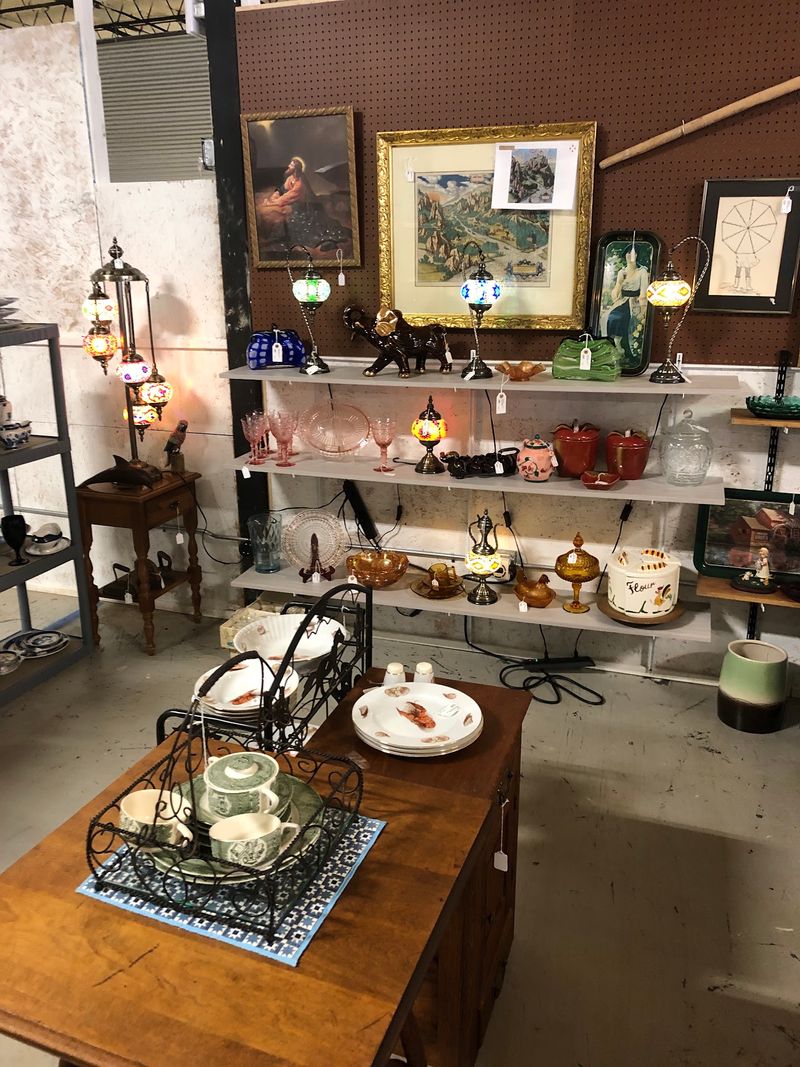
Bargain hunting works best when the merchandise keeps moving. With hundreds of independent vendors setting their own tags, the range of what is available shifts constantly.
Frequent visits beat one long visit. Since new items arrive all the time, the person who swings by twice a month sees far more than the person who comes once a year.
Training your eye matters more than luck. Learning what real age looks like helps separate the genuine finds from things that just look old.
Carts sit near the entrance for a reason. Hauling armloads of glassware through a building this large ends exactly one way, and it is not a happy ending.
Walk the whole floor once before committing. Mapping out the booths first prevents the sinking feeling of buying something in aisle two and spotting a better version in aisle twelve.
Booth numbers are worth writing down. Trying to remember which corner held that lamp becomes surprisingly difficult after ninety minutes of wandering.
Complimentary coffee keeps the energy up, which is a small detail that shoppers appreciate more than they expect.
Staff will carry finds to the front desk so browsing continues uninterrupted. That single service turns a tiring trip into a comfortable afternoon.
Seasonal Events And Special Market Days
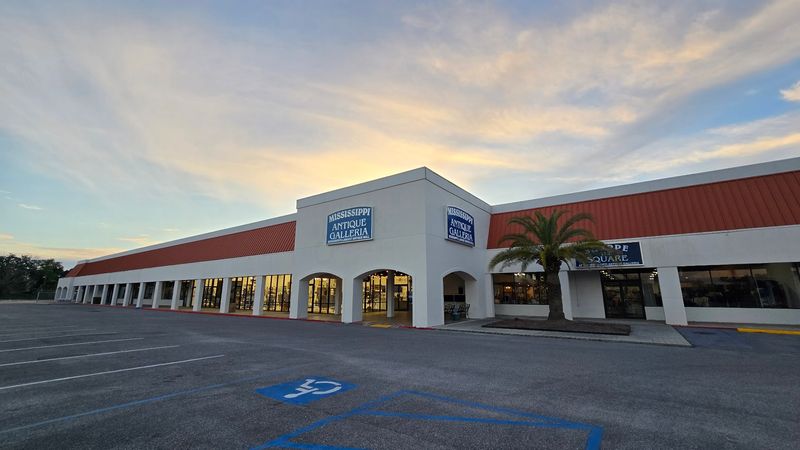
Not every visit here is a plain shopping trip. The Galleria has hosted social gatherings such as Chamber After 5, plus pop-up experiences including a Permanent Jewelry Pop-Up and The Velvet Hanger Pop-Up.
A free monthly outdoor market gives people who do not rent booths a chance to sell. That opens the door for hobbyists, crafters, and first-time sellers testing the waters.
Regular shopping days get their own personality too. Saturday Stroll and Friday Finds are highlighted often, which keeps the calendar feeling active rather than static.
Pop-ups tend to bring in different crowds. Jewelry events draw people who might never have wandered into an antique mall otherwise, and many of them end up browsing the booths afterward.
Outdoor market days turn the parking area into something closer to a neighborhood festival. Families walk through tables of goods, kids get restless, somebody buys a chair they did not plan on buying.
Checking the store’s social pages before heading out is smart. Event schedules shift, and knowing what is happening prevents showing up on a quiet Tuesday expecting a party.
Holiday months bring extra energy, since one-of-a-kind gifts are exactly what this building specializes in.
How To Identify Authentic Pieces
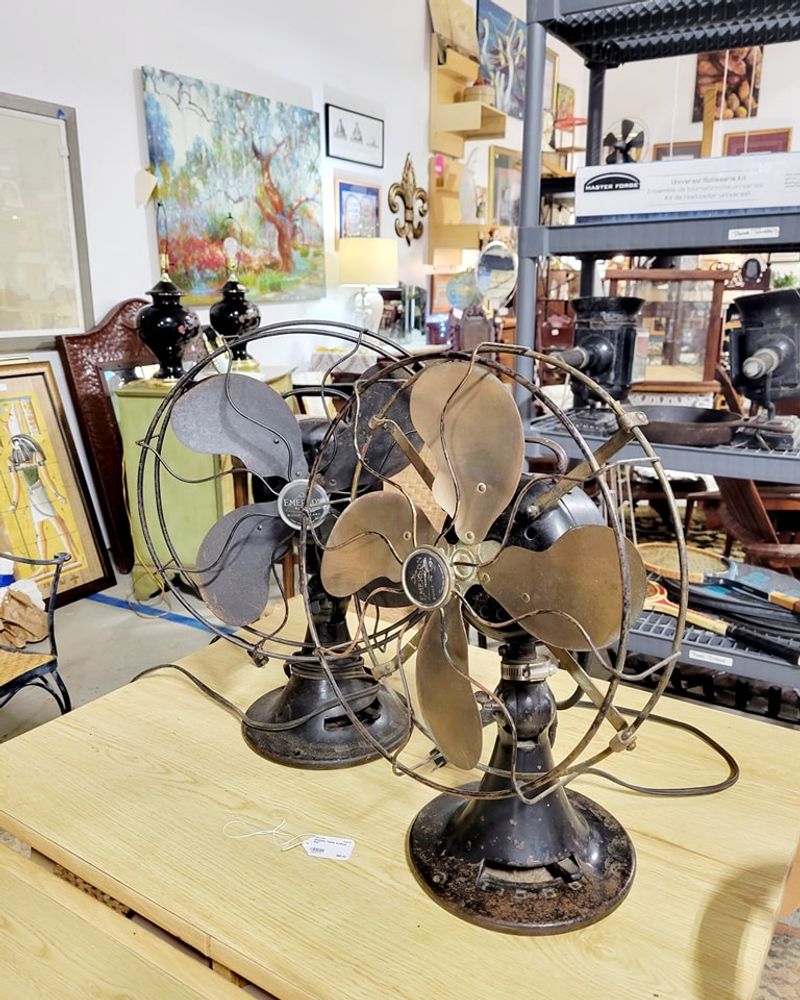
Wear patterns tell the truth. Genuine antique furniture shows age in the spots hands actually touch, like armrests, drawer edges, and the bottoms of legs.
Suspiciously perfect condition is a warning sign. A piece claiming to be 120 years old with no marks anywhere is probably a reproduction wearing a costume.
Construction details give away the era. Hand-carved elements, dovetail joints, and old hardware usually point to furniture built before factories took over the process.
Patina counts for a lot. Tiny cracks, softened corners, and a finish that has darkened unevenly are difficult to fake convincingly.
Flip things over and look for maker’s marks, labels, or signatures. Pieces from the late 19th and early 20th centuries often carry them somewhere out of sight.
Knowing rough time periods helps enormously. Familiarity with the materials, designs, and manufacturing methods of each era turns guesswork into reasonable confidence.
The standard rule sets 100 years as the antique threshold. Anything younger is vintage, which is still great, just labeled differently.
Real antiques usually feature quality materials such as prized hardwoods, precious metals, and good glass. Cheap materials rarely survive a century.
Be skeptical of items that look deliberately distressed. Sanded edges and fake scratches are a common trick to imitate age.
The Role Of Community In Villages
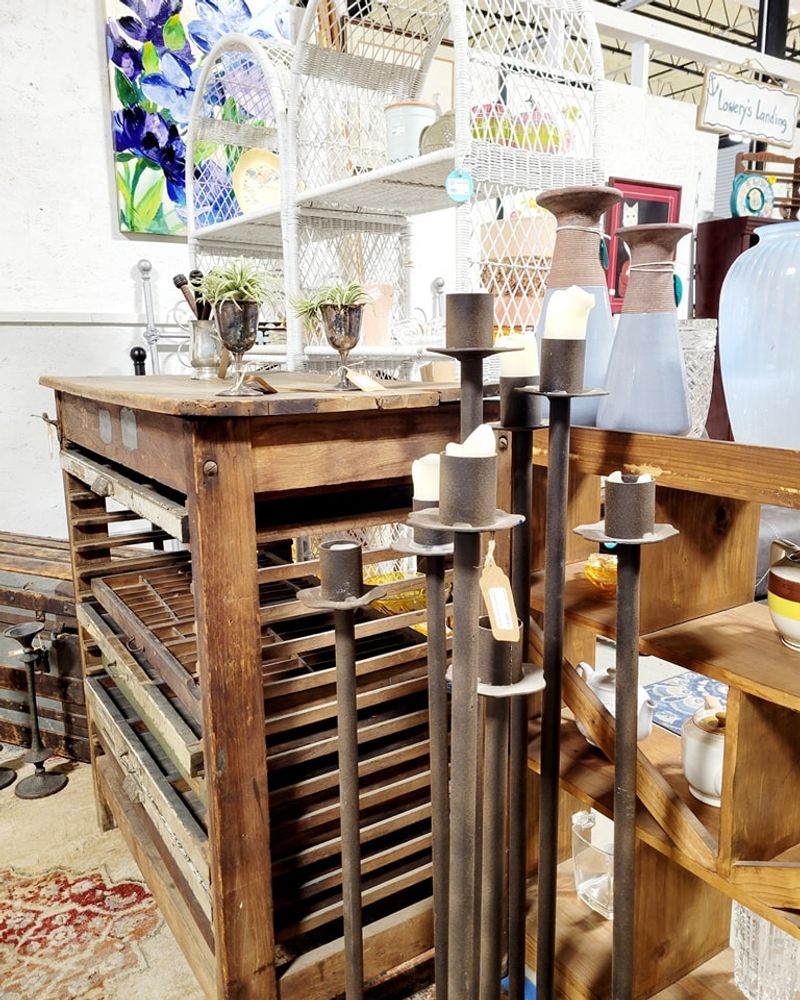
Antique malls have a habit of turning into hangouts. People linger, chat, compare what they found, and then plan the next trip before leaving the parking lot.
Sharing one roof changes everything for small sellers. Hundreds of independent vendors get retail space they likely could not afford in standalone storefronts.
That setup feeds the local economy in quiet ways. Jobs get created, steady foot traffic rolls in, and nearby businesses catch some of the overflow.
Shoppe the Square puts local creators front and center. Art and handmade goods from area artisans sit alongside the antiques instead of getting buried in a back corner.
Outdoor markets bring families out for an afternoon of looking around together. Kids find weird old toys, adults find furniture, everybody leaves with a story.
Booth owners are often on site and happy to talk about their inventory. Conversations about where a piece came from add something no online listing can match.
Friendly staff shows up in conversation about this place constantly, and the helpfulness makes a large building feel manageable.
Wide aisles and a tidy layout mean shoppers using mobility scooters can navigate without trouble, which matters more than most stores realize.
Sustainability Benefits Of Buying Secondhand
Here is a number that sticks. Producing one new pair of jeans can use roughly 1,800 gallons of water, which makes buying a secondhand pair look pretty reasonable.
Every purchase here extends the working life of something already made. That keeps usable goods out of landfills and cuts down on waste nobody needed to create.
Lower demand for new production saves resources on the front end too. Less water, less energy, fewer raw materials pulled out of the ground.
Carbon emissions drop as well. Manufacturing and shipping new goods burns fuel, and a table that has already been in Mississippi for eighty years skips that step entirely.
Textile production comes with pesticides and harsh dyes that pollute water systems. Choosing existing fabric and clothing sidesteps a chunk of that damage.
Landfills release greenhouse gases as items break down, so keeping goods in circulation helps there too.
Packaging waste barely exists in a place like this. Nothing arrives wrapped in plastic and cardboard just to be unwrapped and tossed.
All of it fits the circular economy idea, where things get used, passed along, and used again. Shopping the booths ends up being an environmental choice disguised as a fun afternoon.