
This Small Nevada Town In The Mountains Is A Stunning Hidden Gem
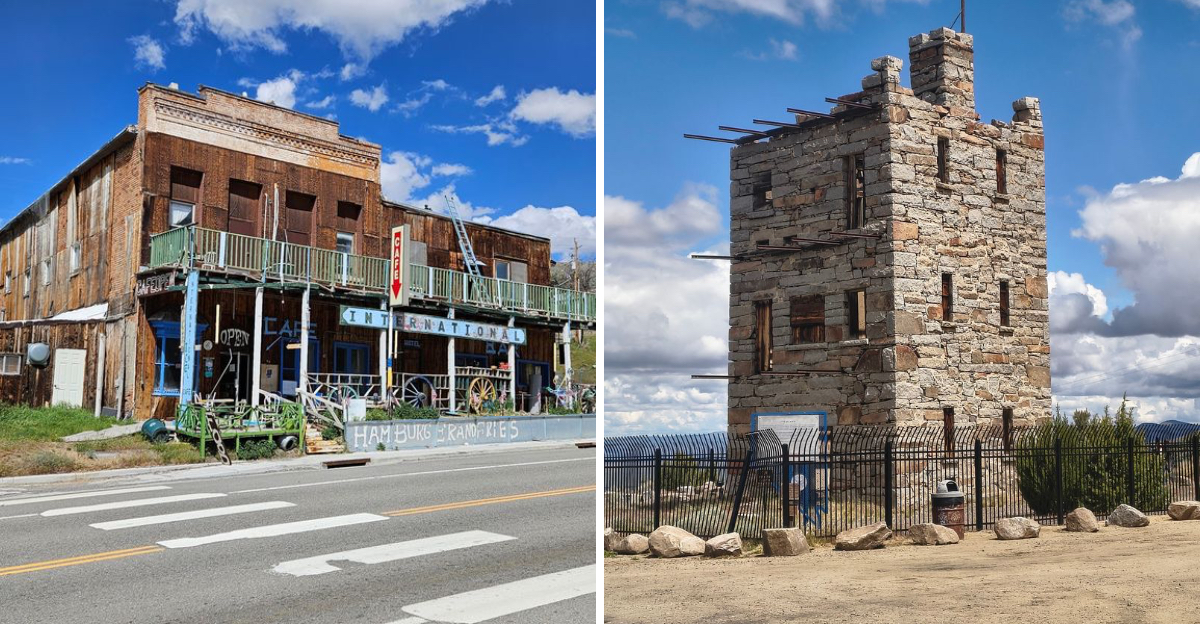
A Pony Express horse once kicked over a rock and accidentally built a boomtown. Legend says the story only gets wilder from there.
Picture a mountain outpost so small it could vanish in a blink, yet loaded with silver-rush drama and castle ruins. Nevada rarely does subtle when backroads hold surprises like this.
Old brick churches lean against more than a century of wind. A granite tower waits on a hillside, built for a fortune that barely lasted a month.
Turquoise gems still glint from shop windows, and steaming hot springs bubble up from nowhere nearby.
Nevada keeps its most stunning stories scattered off the main highway, and this one rewards anybody willing to slow down. Curious yet?
Keep this mountain stretch bookmarked for your next long drive west.
The Silver Strike That Built A Boomtown Overnight
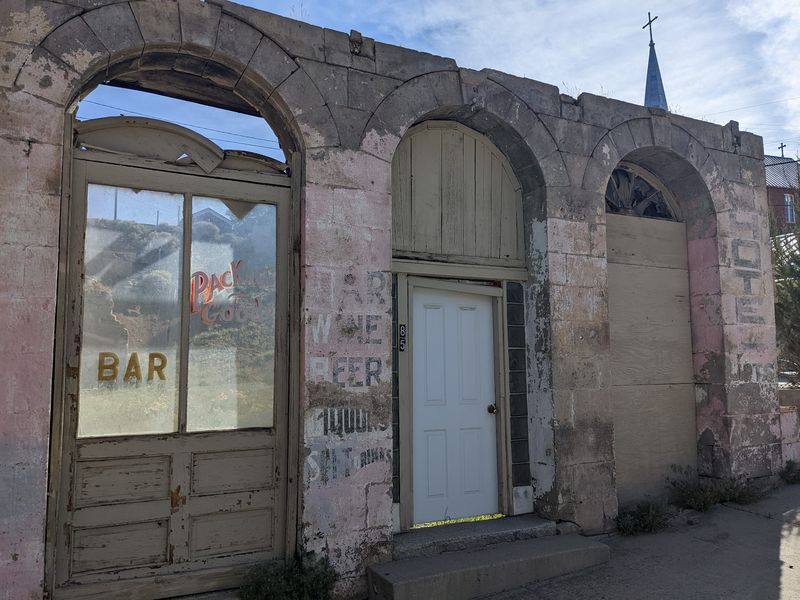
One lucky kick changed everything. In 1862, the story goes, a Pony Express horse dislodged a rock that turned out to be loaded with silver.
Another version credits a wood gatherer named in local records as the first to spot the vein. Either way, word traveled fast across the territory.
Prospectors poured into Pony Canyon within months. By 1863 the population had reportedly swelled toward 10,000, making it one of the largest settlements in the young state.
Lander County named it the county seat, a title it held until 1979. Silver led the rush, but gold, turquoise, and later uranium kept people digging.
As of the 2020 Census, Austin counted roughly 167 residents, though more recent estimates suggest the number has fallen further. The contrast is startling and, honestly, part of the appeal.
Empty lots sit where general stores and assay offices once crowded together. Stone foundations poke through sagebrush on the hillsides above town.
You can reach Austin along the Nevada State Route 89310 corridor by following U.S. Route 50 through Lander County, Nevada 89310.
Most visitors arrive from Fallon or Eureka.
History here is not behind glass. It is underfoot.
Perched High On The Toiyabe Slopes
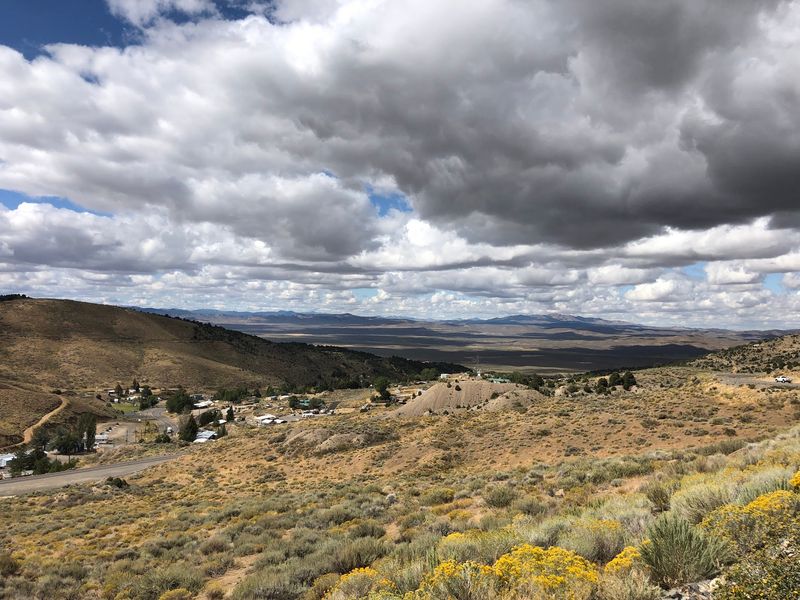
Elevation changes everything. At roughly 6,575 feet, the air here stays thinner, cooler, and noticeably drier than the valleys below.
Austin clings to the western slope of the Toiyabe Range. Streets tilt uphill, and the grade catches first-time walkers by surprise.
Below stretches the Reese River Valley, wide and pale green with sagebrush. Peaks frame the view on nearly every side.
U.S. Route 50 threads directly through the settlement.
Life magazine once called this highway the Loneliest Road in America, and the nickname stuck hard enough to become a marketing slogan.
Drivers often go long stretches without passing another vehicle. That emptiness is exactly why people come.
Weather shifts fast at this height. Mornings can start near freezing and warm up thirty degrees by afternoon.
Pack layers even in July. A windbreaker earns its space in the bag.
Cell service gets patchy outside town limits. Download maps before you leave pavement.
Sunsets over the valley turn the whole range copper and rose. Plenty of travelers pull over just to watch.
Three Frontier Churches Still Standing Tall
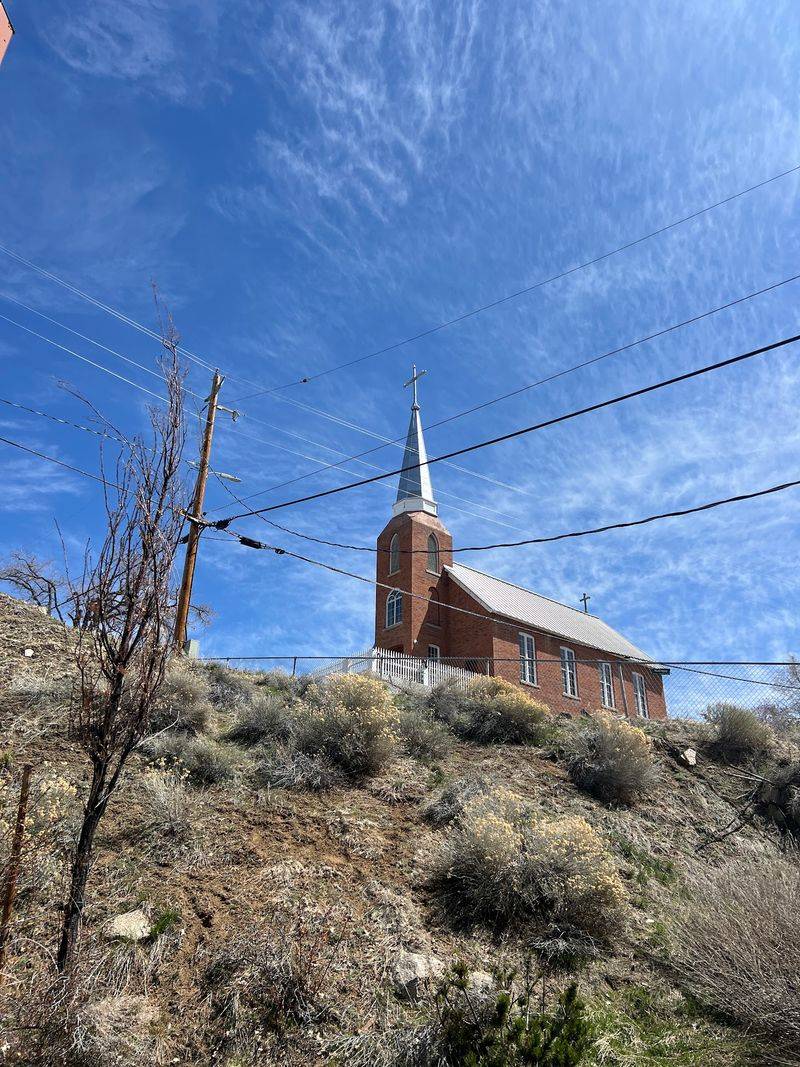
Four churches once served a rough-and-tumble mining crowd. Three of them still stand, and they are among the finest surviving frontier chapels in the state.
The Methodist church in Austin went up in 1866 and now serves as a community center. Its brick walls have watched the town shrink and steady itself for over 150 years.
St. Augustine’s Catholic Church also dates to 1866. Restoration work has aimed at turning it into a cultural center for central Nevada.
St. George’s Episcopal Church followed in 1878 and remains in regular use. Many visitors call it the prettiest of the trio.
Together the three are recognized under Nevada Historical Marker 67. A roadside plaque explains their shared story.
Photographers love the morning light on their facades. Shadows sharpen the stonework beautifully.
Interiors are not always open, so check locally before planning a look inside. Respect any posted signage.
What strikes most people is how much effort a temporary boomtown put into permanence. Miners built for a future they hoped would last.
Some of it did.
A Granite Tower With A One-Month Tenant
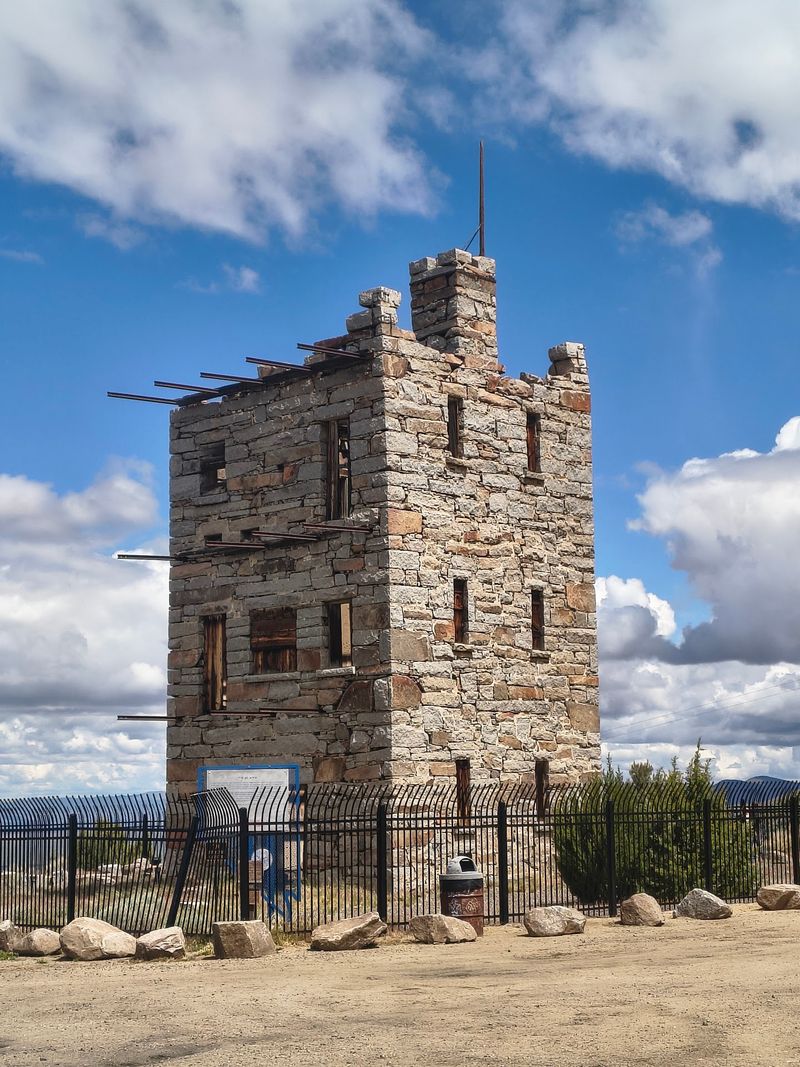
Three stories of stacked granite sit on a hill west of town, and almost nobody expects it. Stokes Castle looks like it wandered off from another continent entirely.
A wealthy mine owner had it built in 1897 as a summer home. He modeled the design after stone towers he had admired in Italy.
Local granite formed the walls, hauled and set by hand. The result is squat, square, and strangely commanding.
Here is the odd part. The family reportedly stayed only about a month before abandoning it.
It has stood empty ever since. Wind moves through the open window frames where glass used to be.
A short dirt road leads up to the site from town. Passenger cars usually manage it in dry conditions, though rain makes things messy.
The overlook is the real prize. The Reese River Valley opens up below in one enormous sweep.
Fencing protects the structure, so viewing happens from outside. That is plenty.
Sunset visits reward patience. The stone glows warm while the valley slides into shadow.
Main Street Where The Boom Days Linger
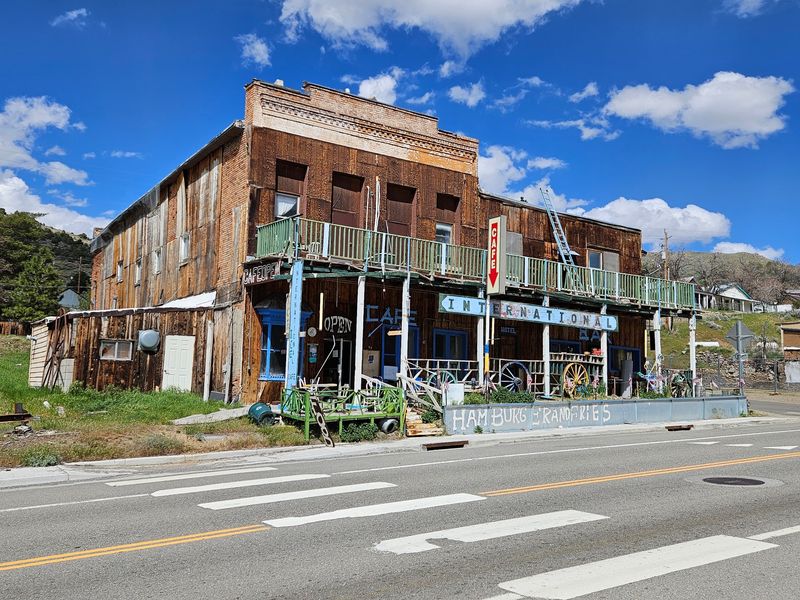
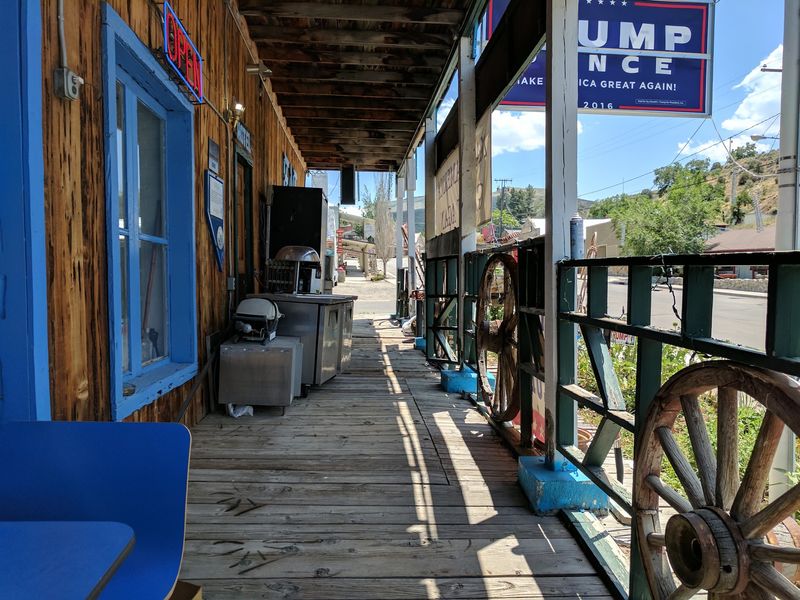
Old storefronts line the highway, and most of them are the real thing. Nineteenth-century brick and stone still hold up roofs along the main drag.
Motels and bed-and-breakfast rooms handle overnight guests. A handful of restaurants feed hungry road-trippers passing through.
Gift shops display trays of local gems and minerals. Turquoise dominates the cases.
The International Hotel has an unusual origin story. It was physically moved here from Virginia City back in 1863, piece by piece.
The old Gridley Store now houses the public library. Books sit where mining supplies once did.
A small museum opens during the warmer months. Inside are vintage furnishings, period clothing, and rusted mining equipment pulled from the surrounding hills.
Hours vary and staffing depends on volunteers. Call ahead or simply be flexible.
Foot traffic stays light, which makes browsing relaxed. Nobody rushes anyone here.
Shopkeepers often share directions, trail conditions, and a story or two. Those conversations tend to be the part people remember.
Bring cash. Card readers are not guaranteed everywhere.
Trails Through Nevada’s Longest Mountain Range
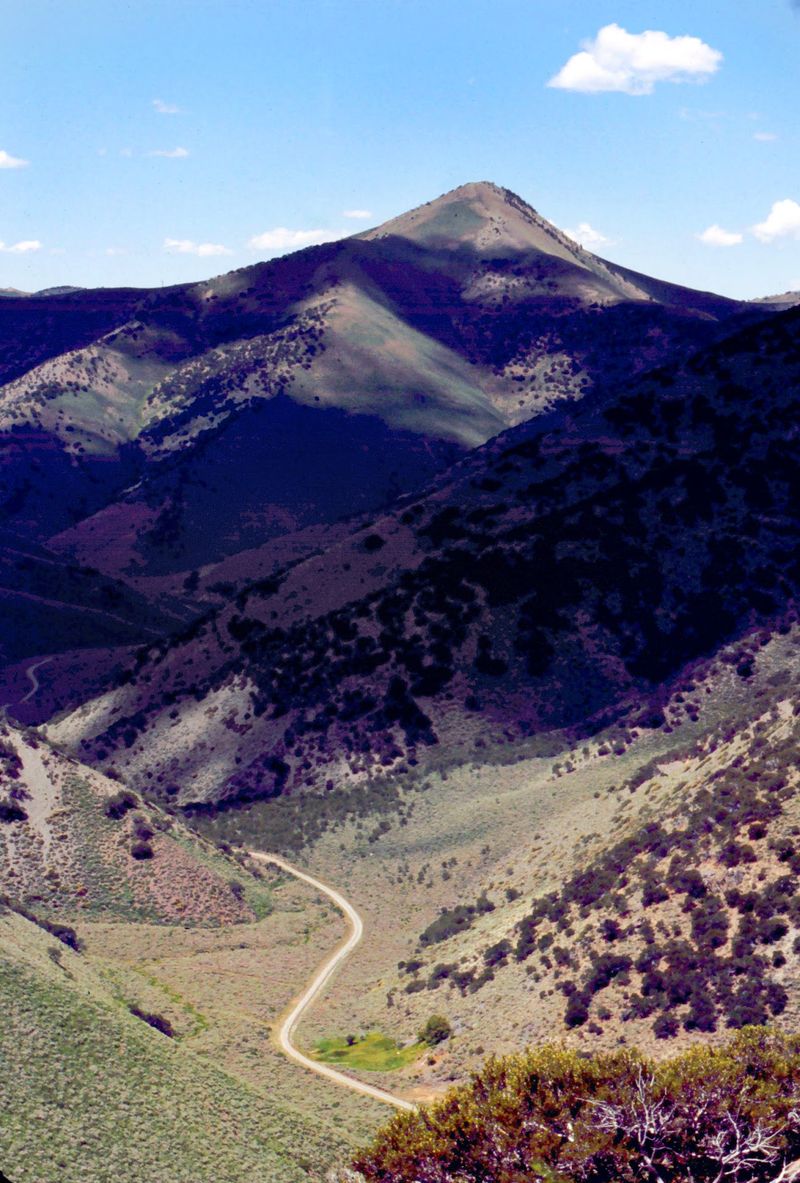
Ready for trails with almost no competition? The Toiyabe Range stretches farther than any other range in the state, and much of it stays gloriously empty.
Mountain bikers find rugged singletrack climbing out of the canyons. Grades get steep, and the payoff is silence.
Hikers can pick short canyon walks or commit to something serious. The Toiyabe Crest National Recreation Trail runs high along the spine of the range.
Sections of it feel genuinely remote. Water sources are limited, so plan carefully and carry more than you think you need.
Off-road vehicles have designated routes to follow. Staying on them protects fragile desert soil.
Horseback riders use these mountains too. The tradition goes back to the earliest days of the district.
Much of the range sits inside the Humboldt-Toiyabe National Forest. That designation keeps huge stretches undeveloped.
Afternoon thunderstorms build quickly in summer. Start early and watch the sky.
Wildlife sightings include mule deer and plenty of raptors overhead. Keep binoculars handy.
Few places let you walk this long without meeting another soul.
Steaming Springs And Ancient Rock Art Nearby
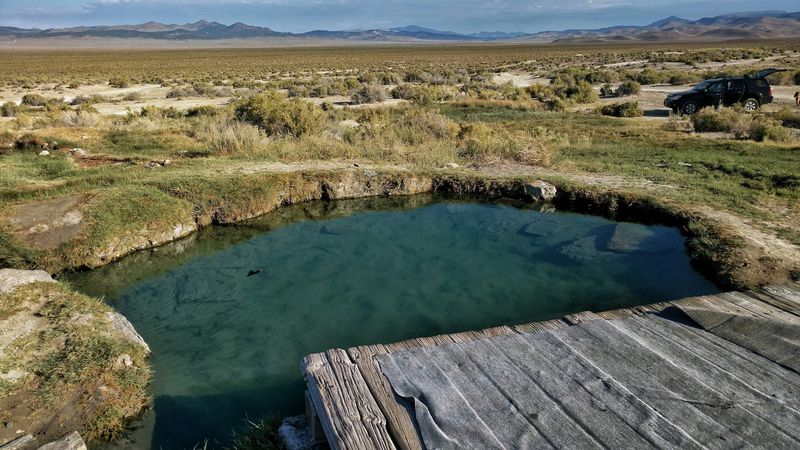
Warm water in the middle of nowhere sounds like a rumor. Spencer Hot Springs proves otherwise, a short drive southeast of town on dirt access roads.
The pools are undeveloped and free to use. No buildings, no attendants, just steam rising into cold desert air.
Etiquette matters at a spot like this. Pack out everything and give other soakers room.
Nearby, the Hickison Petroglyph Recreation Area preserves rock carvings made long before any silver strike. Interpretive signs explain what researchers understand about them.
Toquima Cave holds pictographs tied to Indigenous heritage. Both sites deserve careful, hands-off respect.
Anglers cast for trout in the Reese River. North and South Twin Creeks offer more water and fewer people.
Hundreds of miles of primitive trails run through the surrounding national forest land. Many are unsigned.
A high-clearance vehicle helps on the rougher approaches. Rain turns some roads to slick clay fast.
Night skies out here rank among the darkest anywhere in the country. Bring a blanket and let your eyes adjust.
Turquoise, Tradition, And A Tight-Knit Community
Blue stone still comes out of these hills. The district remains a notable source of turquoise, and the quality has a long-standing reputation among collectors.
Local shops sell rough specimens alongside finished jewelry. Artisans set the stone in silver using techniques passed down through generations.
Buying a piece here connects directly to the mining story that started it all. That continuity is unusual.
The town also serves as headquarters for the federally recognized Yomba Shoshone Tribe. Their presence adds depth that predates any 1862 rock.
With so few full-time residents, community life leans heavily on cooperation. Neighbors handle things together because there is no other option.
Small events and fundraisers draw people from across the county. Visitors are generally welcomed rather than eyed with suspicion.
Conversations start easily at the cafe counter. Ask a question and you may get a twenty-minute answer.
Independence runs deep in this part of Nevada. So does hospitality toward anyone who shows genuine interest.
That combination is harder to find than turquoise.
Timing Your Trip To This Living Ghost Town
Season shapes the whole experience. Warm-weather visitors generally aim for July and August, when daytime temperatures stay comfortable and skies run clear.
Late May through June brings milder air and long daylight in Austin. Wildflowers show up in the canyons.
September holds pleasant conditions with thinner crowds. Aspens in higher drainages start turning gold.
Winter looks completely different. Snow blankets the range, and backcountry skiers occasionally make the trip.
Spring tends to be the wettest stretch. Dirt roads soften and some become impassable.
Whatever month you choose, mountain weather changes without warning. Layers, water, and a full fuel tank solve most problems.
Services are limited, so fill up before long stretches of U.S. Route 50.
The next station can be far off.
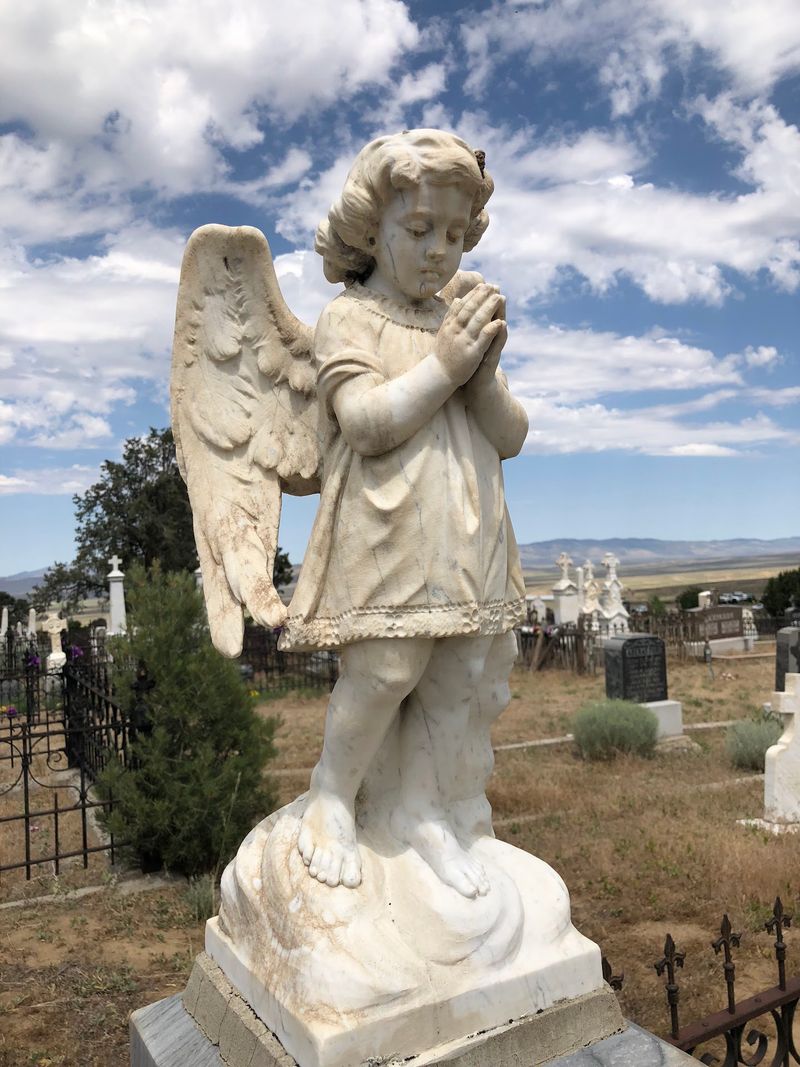
Many describe the town as a living ghost town, and the label fits. People still live and work here amid the ruins of a much bigger past.
Nothing feels staged for tourists. That authenticity is the whole draw.
Slow down, walk the hill, and let this corner of Nevada set the pace.