
This Historic Mississippi Candy Factory Still Makes Sweets By Hand And You Can Watch
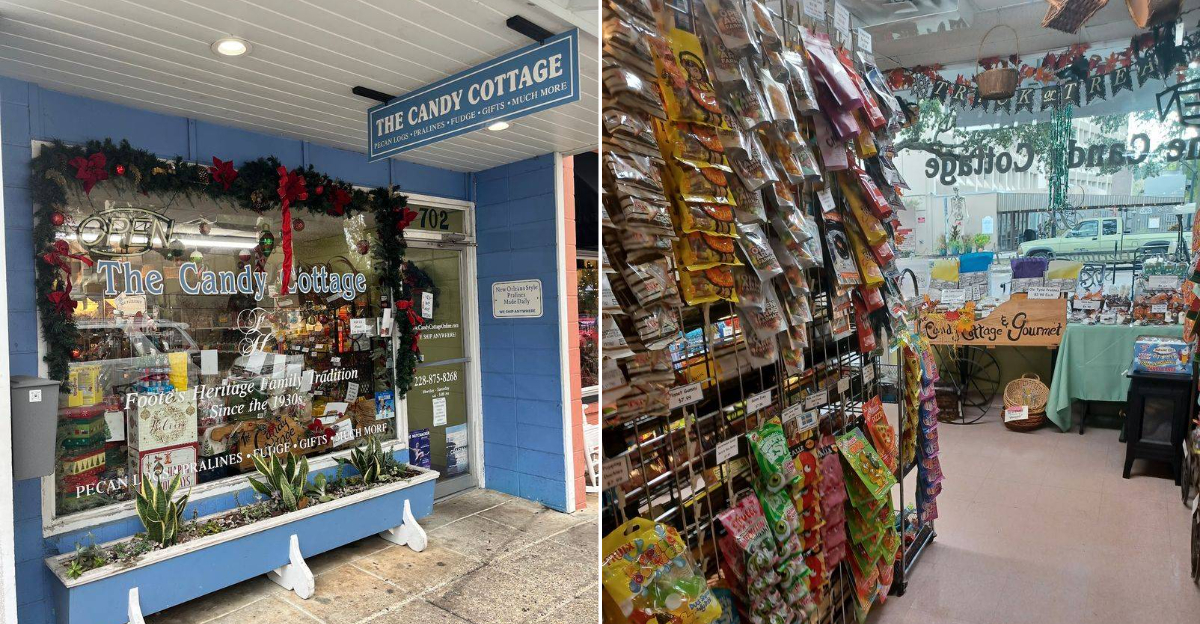
At this Mississippi factory, you get to watch something that was once a regular sight back in the last century. Sweets here still get made entirely by hand, without shortcuts or modern automation taking over the process.
Large windows let visitors watch the entire process unfold in real time without any barrier blocking the view. Nothing about the recipes has changed since the factory first opened its doors generations ago.
Staff work at their normal pace, unbothered by the crowd watching just a few feet away. Regulars time their visits around specific candies, hoping to catch a favorite batch in progress.
Samples often follow right after watching, giving visitors a taste of what they just saw made. This factory proved that some traditions are worth preserving exactly as they’ve always been.
History Of Handmade Production
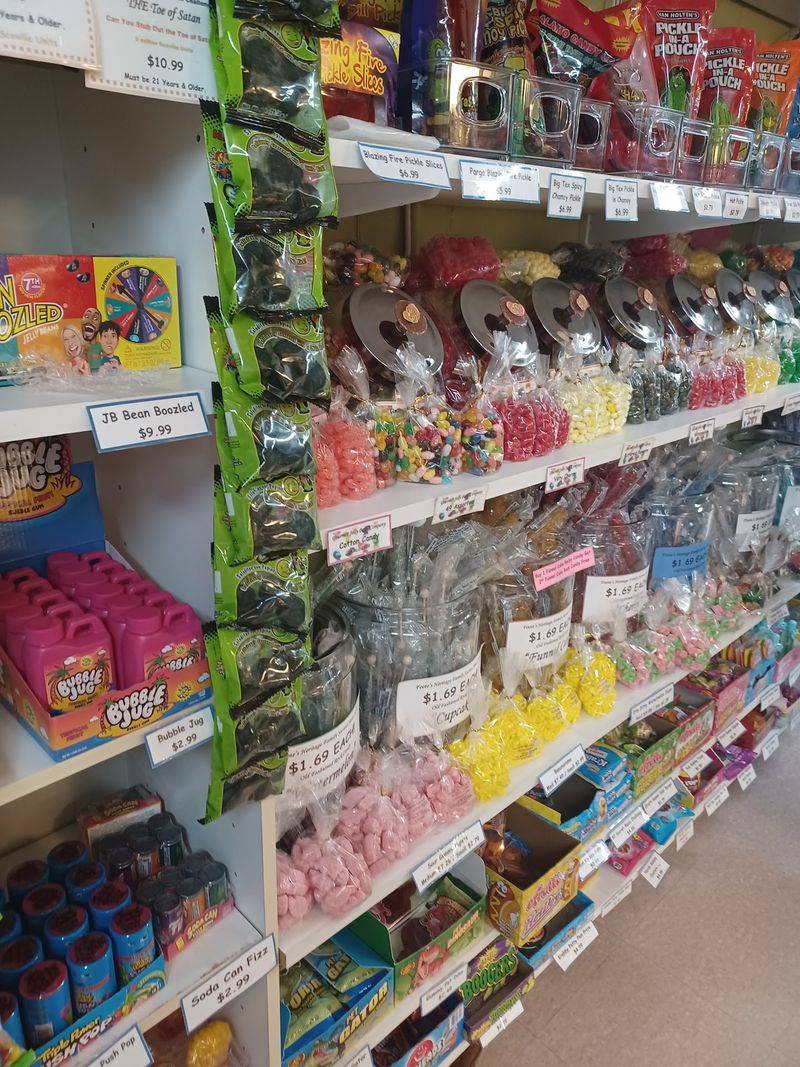
Back in the 1930s, along Louisiana’s Atchafalaya River, a couple named Mr. and Mrs. Andrew N. Foote ran a restaurant and made a solid pecan log that people remembered long after the plates were cleared.
That recipe did not fade away with the restaurant.
It traveled through the family instead, landing eventually with Rose Carbonell by way of her great-aunt. In 1992, Rose opened a candy shop of her own on the Mississippi coast and brought the pecan log with her.
Four generations have now handled that same formula, which is a rare thing in the candy world. Most old recipes get sold, simplified, or handed to a machine somewhere.
Foote’s Heritage Solid Pecan Log has stayed in the family instead.
Pralines followed the same path, made from recipes refined over decades rather than reinvented every few years. The result is a shop where the oldest items on the shelf are also the most requested.
Longevity like that says something. A candy business does not survive thirty-plus years on nostalgia alone, especially in a small coastal town where visitors come and go with the seasons.
The shop keeps regular hours through the week and stays open a little later on Friday and Saturday. You will find it at 702 Washington Ave, Ocean Springs, MS 39564.
Unique Ingredients Used In Traditional Recipes
Pecans do a lot of heavy lifting here, and nobody is pretending otherwise. They show up in the logs, in the pralines, coated in chocolate, and folded into other treats that lean hard on that buttery Southern flavor.
The Foote’s Heritage Solid Pecan Log calls for high-quality ingredients specifically, which is part of why the recipe survived four generations without being watered down.
Fudge here is made rich and creamy with real ingredients rather than shortcuts. Caramels come out soft and buttery with an honest chew, the kind that actually requires a moment of commitment from your jaw.
Pralines land where good pralines should, with the pecan flavor leading and the sweetness staying in its lane. Overly sugary pralines are common.
These are not that.
Beyond the classics, the lineup stretches into truffles, chocolate-covered coffee beans, and chocolate-dipped potato chips. That last one sounds like a dare, but the salty-sweet combination has won over plenty of skeptics.
Sugar-free truffles are stocked too, which matters when one person in the group has to sit out most candy shops entirely.
What ties everything together is restraint. The ingredient list stays short and recognizable, and the flavors do the talking instead of a wall of additives nobody can pronounce.
Tools And Techniques In Vintage Making
Handmade is a word that gets thrown around loosely these days, usually by companies with a factory in another state. Here it describes the actual process.
The candy gets made using methods passed down through the family rather than techniques borrowed from a manufacturing manual. That means the knowledge lives in people, not equipment.
Old-fashioned treats and vintage candies fill the shelves, and the way they are produced matches the way they taste.
There is a rhythm to traditional confectionery work: cooking sugar to the right stage, judging texture by feel, knowing when a batch is done before any timer says so.
Skills like that cannot be downloaded. They get taught over years, usually by standing next to somebody who already knows.
Pralines have historically been made fresh in the mornings, which is exactly how small candy kitchens have always operated. Batch by batch, day by day.
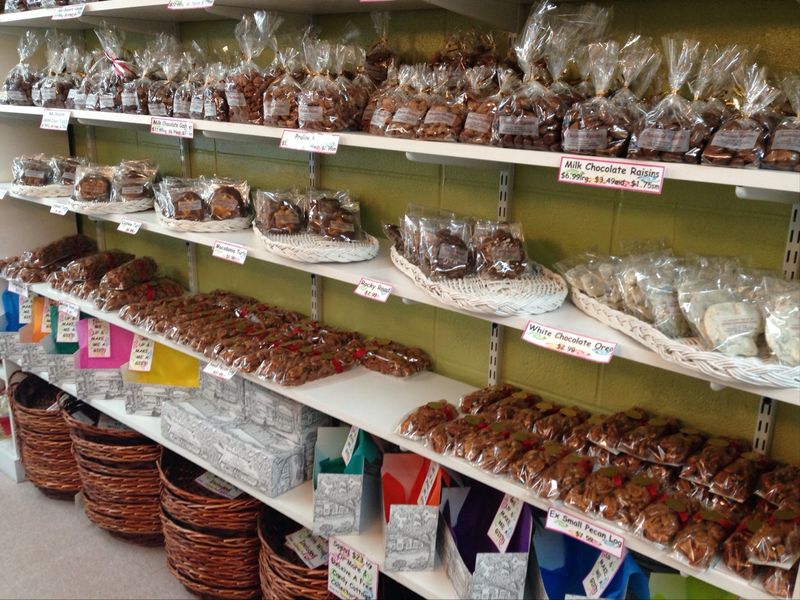
The pecan logs are rolled solid, not hollowed out or stretched with filler the way mass-produced versions often are. That density comes from doing it by hand.
Modern candy plants can produce thousands of identical pieces an hour. A shop like this trades that speed for something machines still struggle with, which is character in every batch.
Role Of Craftsmanship In Creating Sweet Flavors
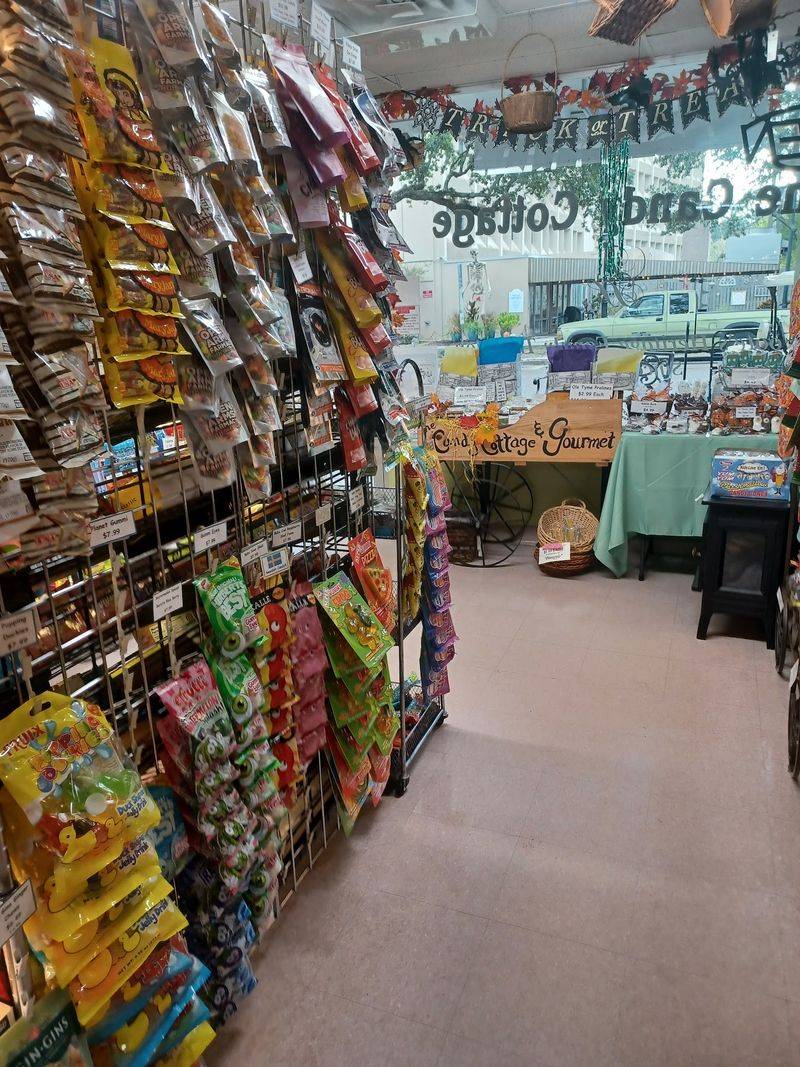
Thirty years of making caramels the same way and having them come out right every single time is not luck. That kind of consistency is the whole job.
Attention to detail runs through everything at the shop, from how the chocolates are dipped to how the finished pieces get arranged in the cases.
Rose Carbonell has built a reputation for knowing chocolate deeply, the sort of expertise that becomes obvious within a few minutes of conversation. Ask about the difference between two truffles and you get a real answer, not a shrug.
The shop follows a simple philosophy: do a select number of things extremely well instead of doing everything adequately. That focus shows up in the flavor.
Only top-quality ingredients go into the pecan logs, and there is no version where a cheaper substitute quietly slips in during a busy season.
Every piece in the display looks chosen rather than dumped. Somebody decided where it goes and how it faces.
Craftsmanship in candy comes down to hundreds of small decisions nobody sees. Cooking temperature, cooling time, how thick the chocolate coating sits.
Get those wrong, and you get grainy fudge or caramel that pulls out fillings. Get them right and people drive across state lines for it.
Visitor Experiences Watching Being Made
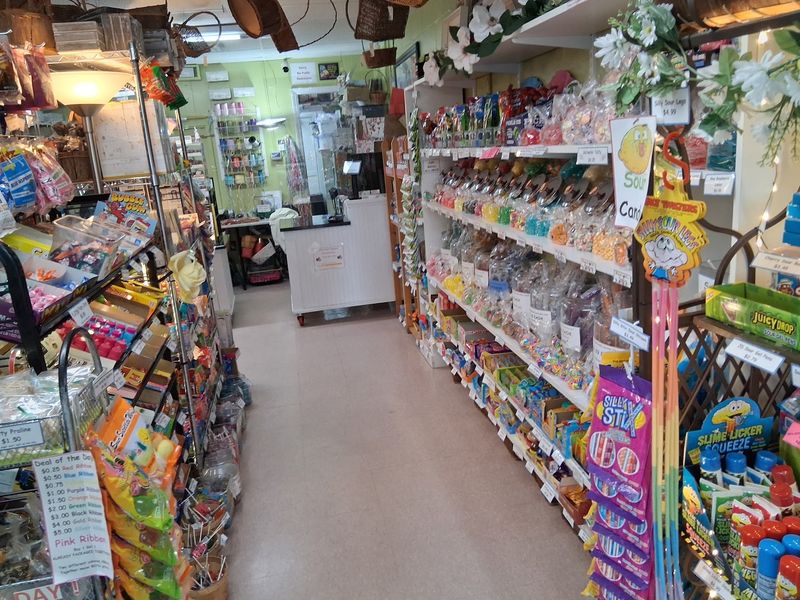
The smell arrives before you do. Vanilla and chocolate drift out toward the sidewalk, and plenty of people have changed their walking route because of it.
Once through the door, the sensory hit is immediate and a little overwhelming in the best way. It smells like a childhood kitchen that never existed but somehow you remember anyway.
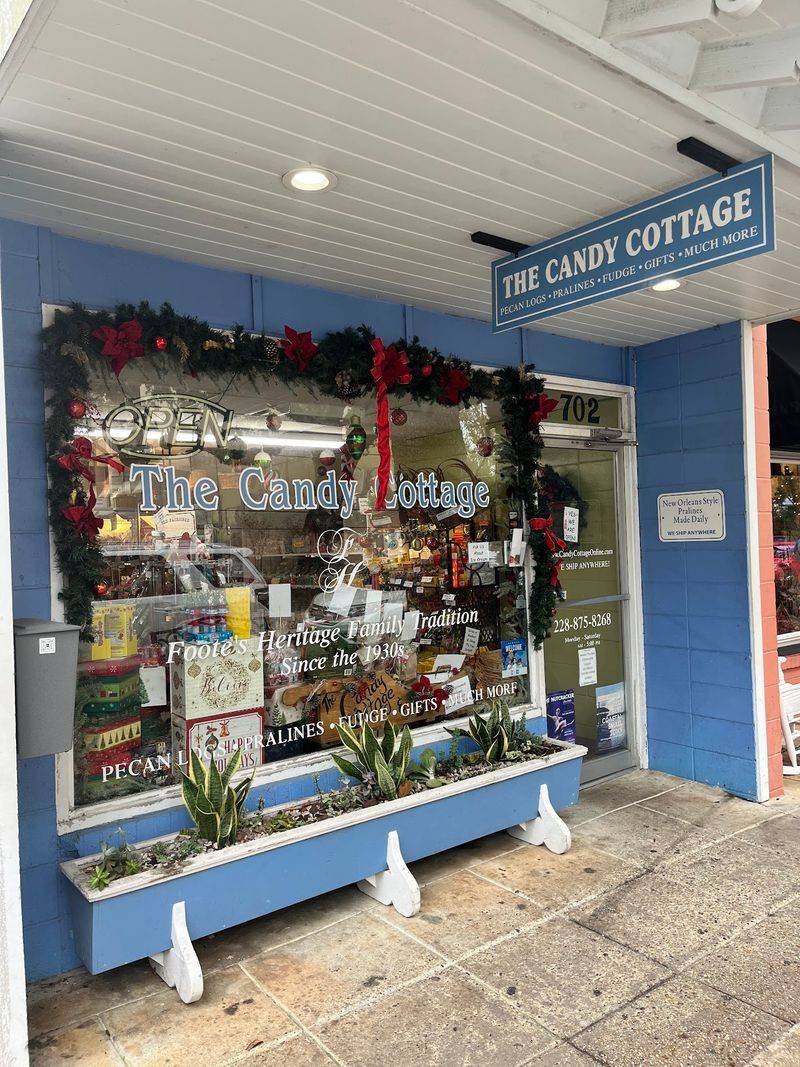
Wooden shelves line the space, stacked with glass jars and displays in every color. Handwoven baskets hang from the ceiling, which makes looking up part of the experience.
Kids tend to lose their minds a bit here, and adults do too, just more quietly. The layout invites slow wandering rather than a quick grab-and-go.
Watching candy being made turns a shopping trip into something closer to a demonstration. There is a reason people bring visiting relatives here instead of to a chain store.
Nostalgia is the real product on some level. Finding a candy you have not seen since third grade hits differently than buying a chocolate bar at a gas station.
The whole environment leans playful without feeling staged. Nothing about it reads as a theme park version of a candy shop, because it simply is one.
Preservation Of Classic Recipes
Here is a detail worth sitting with. Rose Carbonell inherited the only existing copy of the original pecan log recipe from her great-aunt.
Not a photocopy floating around the family. The only one.
That single piece of paper carries a recipe first made in the 1930s.
Keeping something like that intact across four generations takes deliberate effort. Recipes drift when people substitute ingredients or rush steps, and after a few decades the original is gone without anyone noticing.
That has not happened here. Foote’s Heritage Solid Pecan Log tastes the way it was meant to taste, which is the entire point of preserving it.
The shop leans into classic Southern confections generally, not just the one heirloom item. Pralines, fudge, turtles, and hand-dipped chocolates all follow long-established methods.
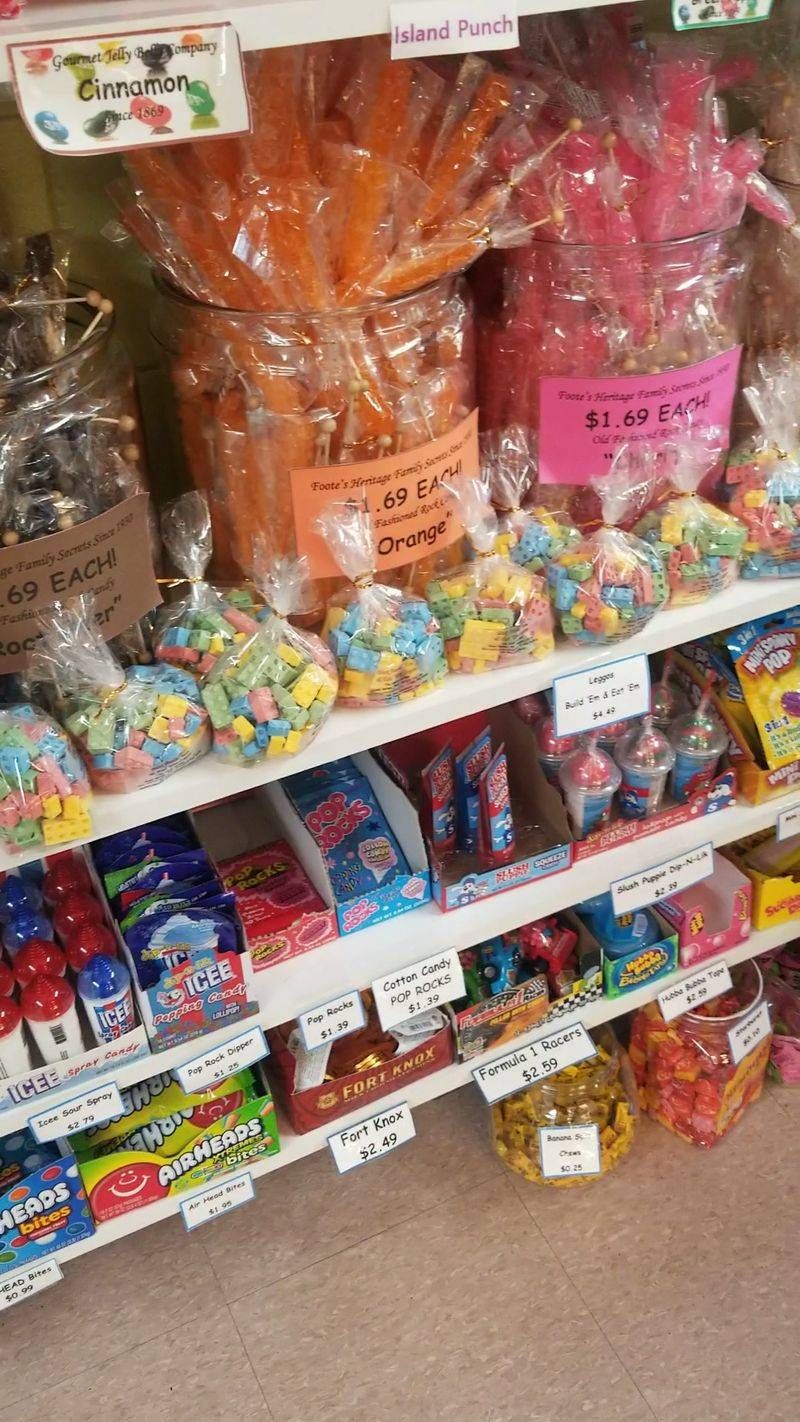
Shelves also function as a sort of archive of American candy history, holding nostalgic items that big-box stores stopped carrying years ago. Some of those candies have been discontinued nearly everywhere else.
There is real value in a business that treats old recipes as worth protecting rather than updating. Food history disappears quietly, one closed shop at a time.
This one has managed to hold the line for over three decades and counting.
Community Impact Of Local Sweet Producers
Since 1992, this shop has been part of the daily texture of downtown Ocean Springs. Kids who came in for jawbreakers now bring their own kids.
Being a fixture for over thirty years in a small coastal town means something different than surviving thirty years in a city. Everybody knows the place.
Rose Carbonell talks openly about the relationships built with customers and the wider community being the heart of the business. That is not a marketing line when the same families return every holiday season.
The shop is woven into what makes the town feel like itself, right alongside the galleries and restaurants along the main strip.
Custom wedding favors have become part of the offering too, which means local celebrations often carry a piece of the shop with them. Guests take home something made a few blocks away rather than something ordered in bulk online.
Independent candy makers are getting rarer everywhere. Each one that closes takes a set of recipes and skills with it.
Supporting a place like this keeps a specific kind of retail alive, the sort built around experience rather than efficiency. Ocean Springs is better off for having it, and the town seems to know that.
Evolution Of Packaging And Presentation
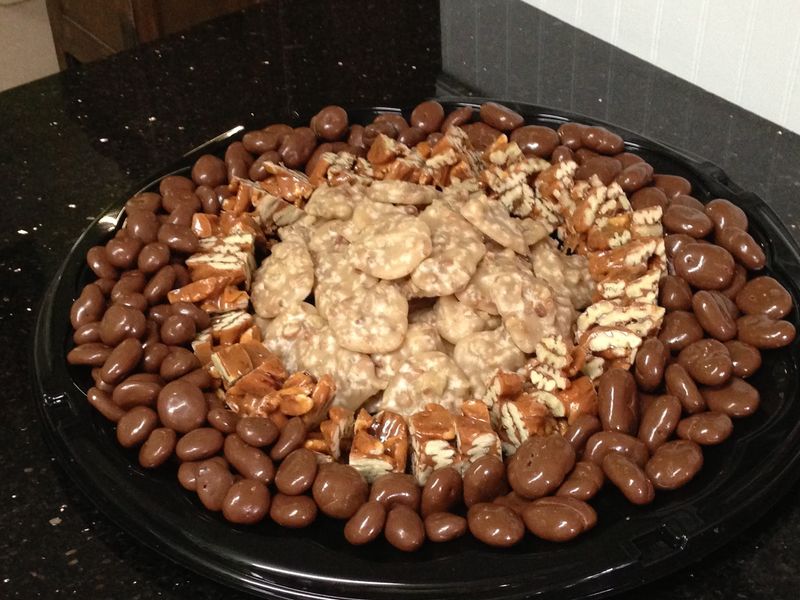
Gift baskets here are assembled piece by piece rather than pulled off a shelf pre-wrapped. The difference shows immediately in how they look.
Holidays, birthdays, and thank-you gestures all get their own arrangements, and customers can request custom assortments built around whatever somebody actually likes.
Shipping opened the door well beyond Mississippi. A pecan log can land on a doorstep in another state, which turns a small coastal shop into a long-distance gift solution for scattered families.
Plenty of people have discovered the place through a box that arrived unexpectedly in December.
Inside the store, presentation follows a different logic. Glass jars on wooden shelves, colorful displays at eye level, and enough visual variety that browsing takes a while.
Nothing sits in dull cardboard. The look is deliberately inviting, closer to a general store than a modern retail floor.
Christmas brings the biggest transformation. Peppermint bark appears, chocolate Santas fill the displays, and the whole shop shifts into holiday mode with decorations and music.
Presentation has clearly evolved over three decades without abandoning the handmade feel. The packaging got more polished, but the candy inside still comes out of the same kitchen using the same methods.