
The Peaceful Kentucky Town Where $850 A Month Covers The Rent
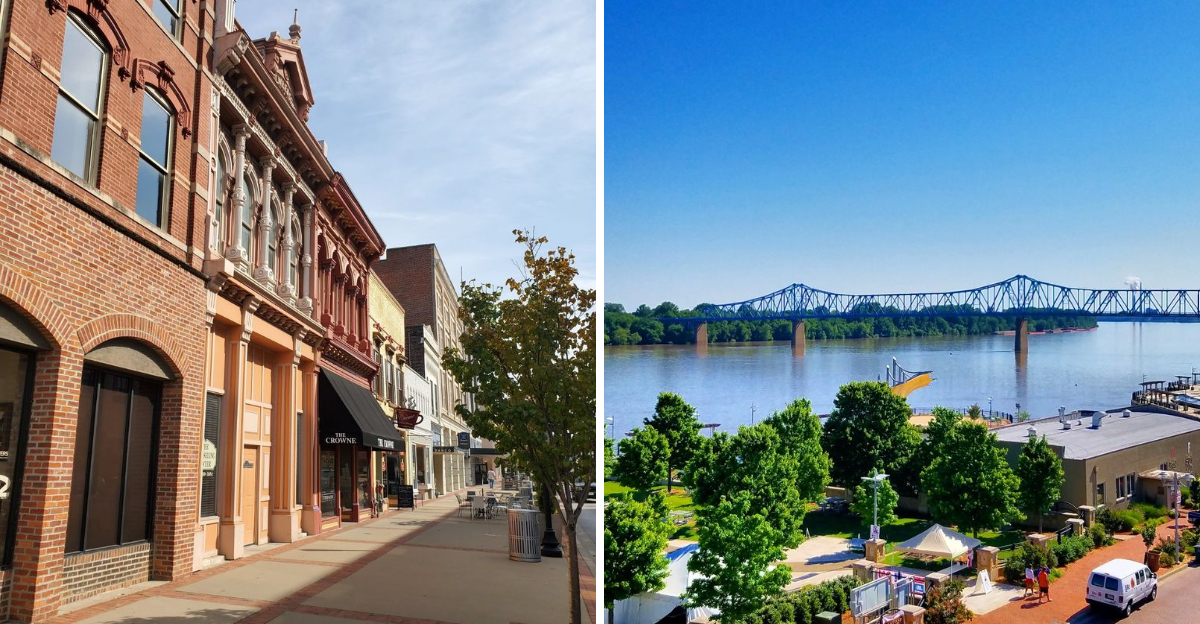
A paycheck that actually stretches sounds like fiction until you land in this Kentucky river town. Rent here costs less than a night out in most big cities, and nobody acts like that is unusual.
The river curls past downtown while a museum built entirely around one music genre pulls fans from across the map. Smoke has been rising from barbecue pits here since before highways existed, and the flavor tastes like nowhere else.
Fountains light up after dark. Neighbors wave from porches without an appointment.
A playground nearby once won a global title, and a festival every summer turns downtown into one big backyard party. Kentucky keeps this town quiet on purpose, and that might be reason enough to start planning a visit.
A River Town With A Yellow-Banked Past
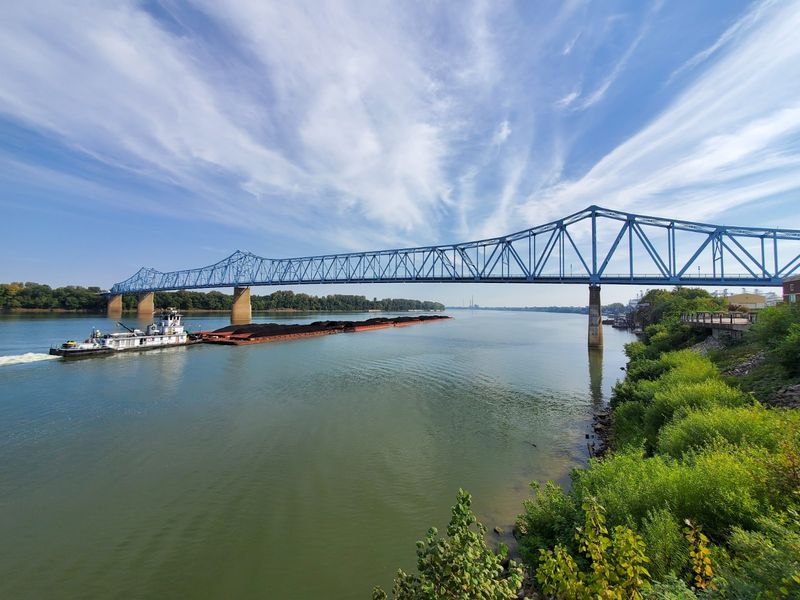
Yellow Banks. That was the original name locals used for this bend in the river, inspired by the pale clay along the tall banks.
The town took formal shape in 1817, honoring Colonel Abraham Owen, a figure from Kentucky’s early conflicts. The spelling shortened to Owensboro in 1893, and it stuck.
Today the city serves as the county seat of Daviess County and the fourth-most populous city in the state. General information and city resources are available through the local government office in Owensboro, Kentucky, United States.
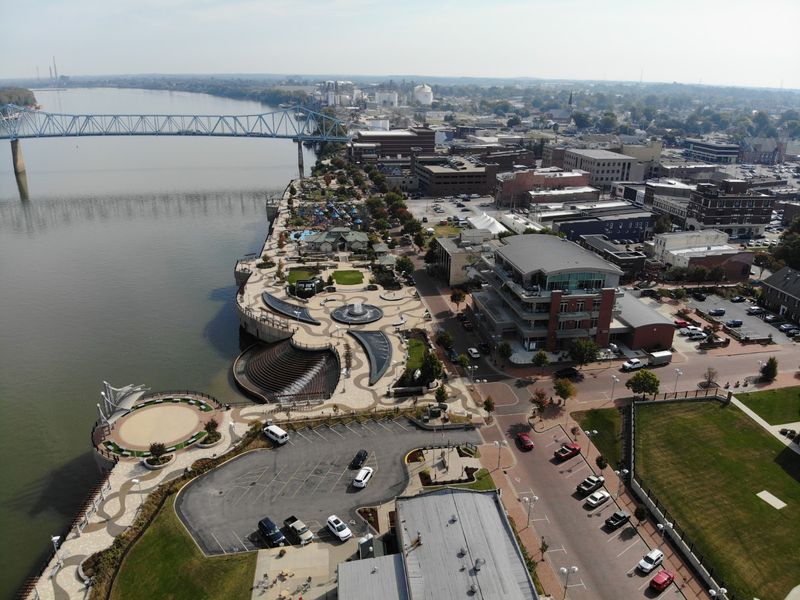
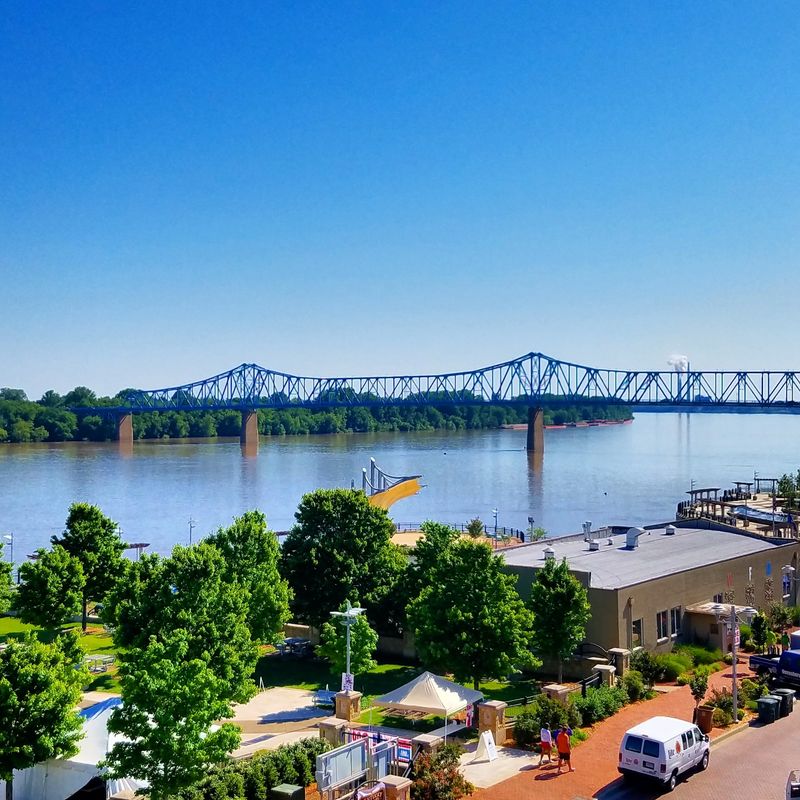
The riverfront still anchors daily life here. Families walk it after supper, and the water reflects the lights once evening settles in.
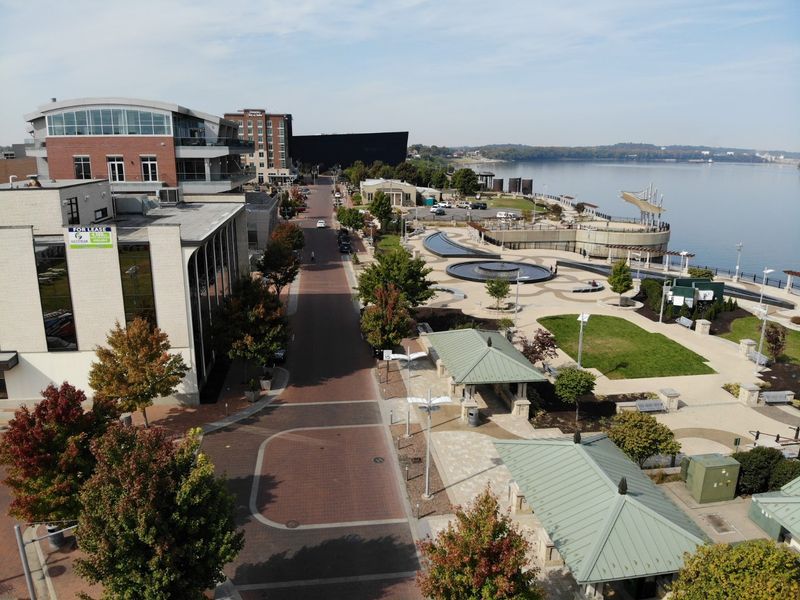
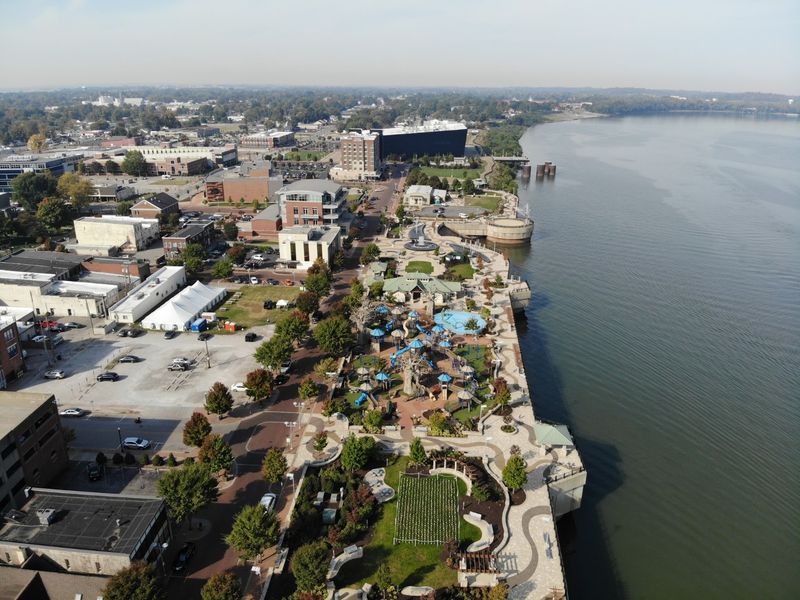
Downtown revitalization reshaped the waterfront over the past couple of decades. Wide walkways, fountains, and open lawns replaced older industrial edges.
Boats pass. Herons fish the shallows.
Nobody rushes.
The river also explains the town’s original purpose as a trading point for goods moving downstream. Commerce arrived by water long before highways existed.
Understanding that history makes the modern riverwalk feel less like decoration and more like a continuation of something old.
What $850 Actually Buys Around Here
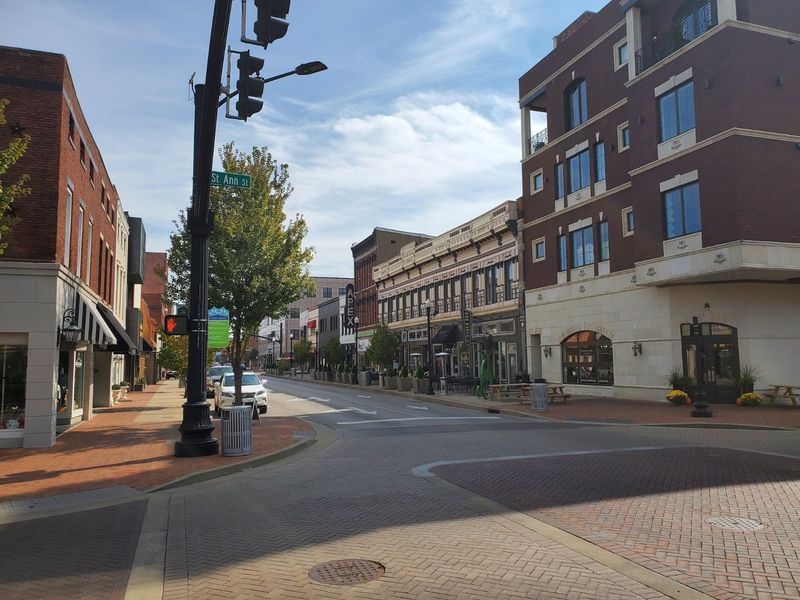
Rent math usually ruins a good daydream. Not in this corner of Kentucky.
Listings across town frequently fall between roughly $700 and $1,000 for apartments, with one-bedroom units often averaging in the high $700s. Prices shift by season and neighborhood, so treat those figures as a general guide rather than a promise.
Two-bedroom apartments commonly hover near the $1,000 mark. Small houses can start lower, sometimes in the $500 to $600 range for a single bedroom.
Two-bedroom houses often list somewhere around $950 to $1,100. Compared with national averages, the gap is substantial.
The practical effect matters more than the numbers. Lower housing costs free up money for groceries, travel, or simply breathing room in a budget.
Renters exploring the area should compare listings across several sources, since individual landlords and management companies price differently. Older properties near downtown tend to run cheaper than newer builds on the outskirts.
Visitors staying a month or a season sometimes find short-term options too. Affordability here is not a marketing slogan, just an ordinary fact of local life that surprises newcomers regularly.
Where The Commute Ends Before The Podcast Does
Fifteen minutes. That is roughly how long the average trip to work takes around here, and some residents report even less.
Traffic jams barely register as a concept. Rush hour means a few extra cars at a stoplight.
The layout leans suburban and spread out, with plenty of homeowners and quiet residential streets. Neighbors wave.
Porch conversations happen without an appointment.
Families often cite the calm as the main draw. Schools, grocery stores, and parks sit close together, which cuts down on daily driving.
A car remains necessary for most errands, since public transit options are limited. Still, short distances soften that requirement considerably.
The population sits around 60,000, large enough for real amenities and small enough to recognize faces at the hardware store. That balance is difficult to find.
Newcomers frequently mention how quickly they meet people. Community groups, church events, and youth sports leagues make introductions easy.
For anyone leaving a crowded metro area, the adjustment involves relearning patience with a slower rhythm rather than fighting congestion. Evenings feel longer when the drive home takes almost no time at all.
Banjos, Fiddles, And A Museum Built For Them
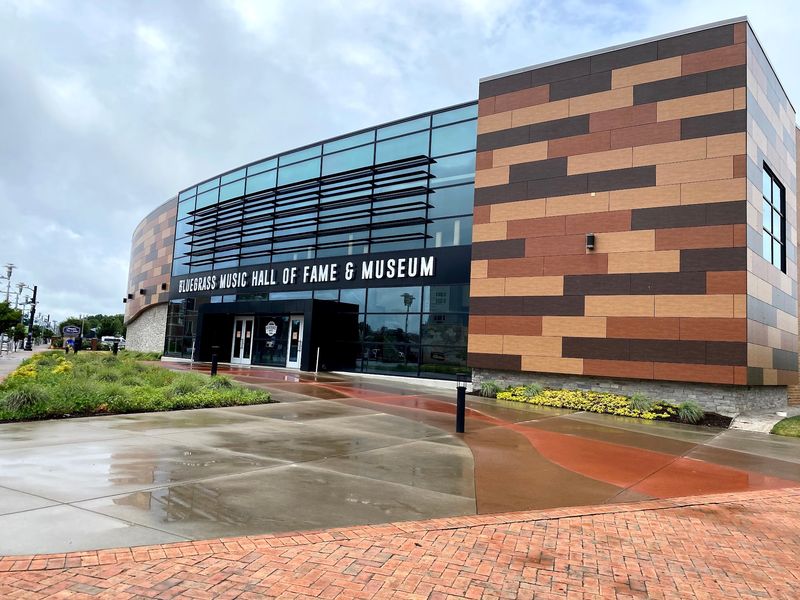
The Bluegrass Capital of the World is not a nickname somebody invented for a brochure. Owensboro earned it through decades of picking, plucking, and preserving.
The Bluegrass Music Hall of Fame and Museum sits downtown near the river. It stands as the only cultural center on the planet devoted entirely to the genre.
Inside, exhibits trace the music from Appalachian roots to modern stages. Vintage instruments, archival recordings, and interactive displays fill the galleries.
A section called Pick and Play invites guests to handle instruments themselves. Beginners squeak.
Nobody minds.
Concerts, workshops, and informal jam sessions happen throughout the year. The building functions as a working music venue, not a silent archive.
Every June the ROMP Bluegrass Music Festival brings performers and fans from around the world. Multiple days of outdoor music turn the city into a gathering point for the genre.
Kentucky’s fingerprints are all over this art form, and the museum makes that connection clear through storytelling rather than lecture.
Even visitors indifferent to bluegrass tend to leave humming something. The enthusiasm inside those walls proves contagious in the friendliest possible way.
Mutton Barbecue And The Smoke That Made A Reputation
Mutton. Not pork, not brisket, but slow-smoked sheep, and it defines this city’s plate.
Barbecue traditions here reach back to at least 1844, when large community cookouts marked celebrations and political rallies. The custom never faded.
Hickory wood does the heavy lifting. Pits burn low and long, sometimes overnight, until the meat pulls apart under a fork.
Longtime establishments including Moonlite Bar-B-Q, Old Hickory, and Ole South Bar-B-Q have built reputations on that method. Family recipes guide the seasoning, and most owners guard the details.
Newcomers often expect something gamey. What arrives instead is deeply smoky, tangy, and richer than pulled pork.
Burgoo usually appears alongside it, a thick stew tied to the same tradition. Ordering both is the local move.
Every May the International Bar-B-Q Festival takes over downtown streets. Teams cook in the open, crowds line up, and the whole area smells like a working pit.
The dish exists in only a handful of places nationwide, which makes trying it here worthwhile. Skip it, and the trip feels incomplete.
A Playground That Won A Global Title
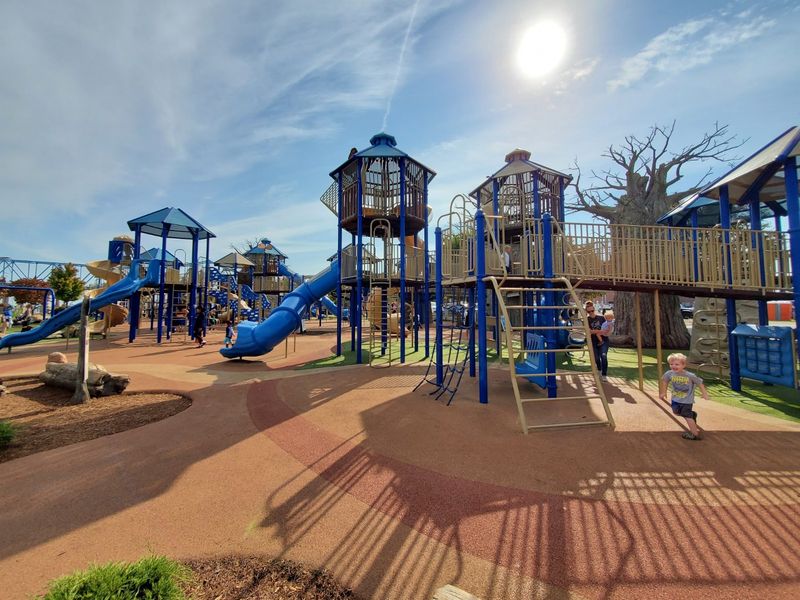
Best playground on Earth. That title went to Lazy Dayz Playground inside Smothers Park, awarded by the Landscape Architect’s Network.
The multi-tiered design climbs and loops beside the Ohio River. Kids disappear into it for hours while adults watch barge traffic drift past.
Smothers Park itself stretches along the waterfront with fountains, seating areas, and open lawn. It anchors downtown recreation.
The city and Daviess County together maintain more than 25 parks. Green space is not in short supply.
Panther Creek Park offers trails and wide picnic grounds. Yellow Creek Park and Legion Park serve similar roles on other sides of town.
The Western Kentucky Botanical Garden takes a quieter approach. Thirteen themed gardens surround the historic Weatherberry home, and daylilies draw particular attention in season.
Benches sit under shade. Butterflies work the flower beds.
Fishing, walking loops, and ball fields round out the options for anyone who prefers activity over sitting still.
Access is generally free or inexpensive, which fits the affordable theme running through everything else here. Outdoor time costs almost nothing in this town.
Galleries, Hands-On Exhibits, And A Busy Stage
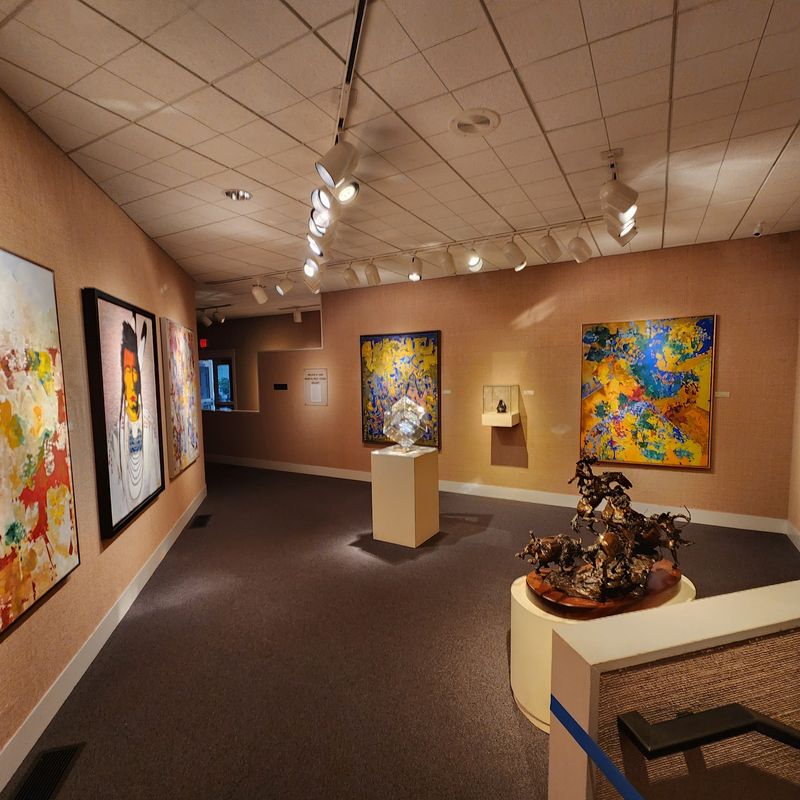
Culture punches above its weight in a city this size. Three institutions handle most of the load.
The Owensboro Museum of Science and History opened in 1966 and fills a historic downtown building from the 19th and early 20th centuries. Hands-on exhibits keep younger visitors busy while adults read the panels.
Across town, the Owensboro Museum of Fine Art ranks as the second-largest art museum in Kentucky. Collections span multiple periods and regions.
The museum also organizes a public art tour featuring 21 pieces scattered around the city. Sculpture hunting becomes a decent walking route.
RiverPark Center handles performance. The regional arts and civic venue hosts well over a thousand events annually.
Touring Broadway productions, concerts, dance, and community programs all cycle through. Its riverfront position makes an evening show easy to pair with dinner nearby.
Ticket prices tend to stay reasonable compared with big-city venues. Families can attend without careful budgeting.
Checking the current calendar before arriving helps, since programming shifts by season and popular shows fill quickly. Culture here rewards a little planning.
Brick, Stained Glass, And Stories Still Standing
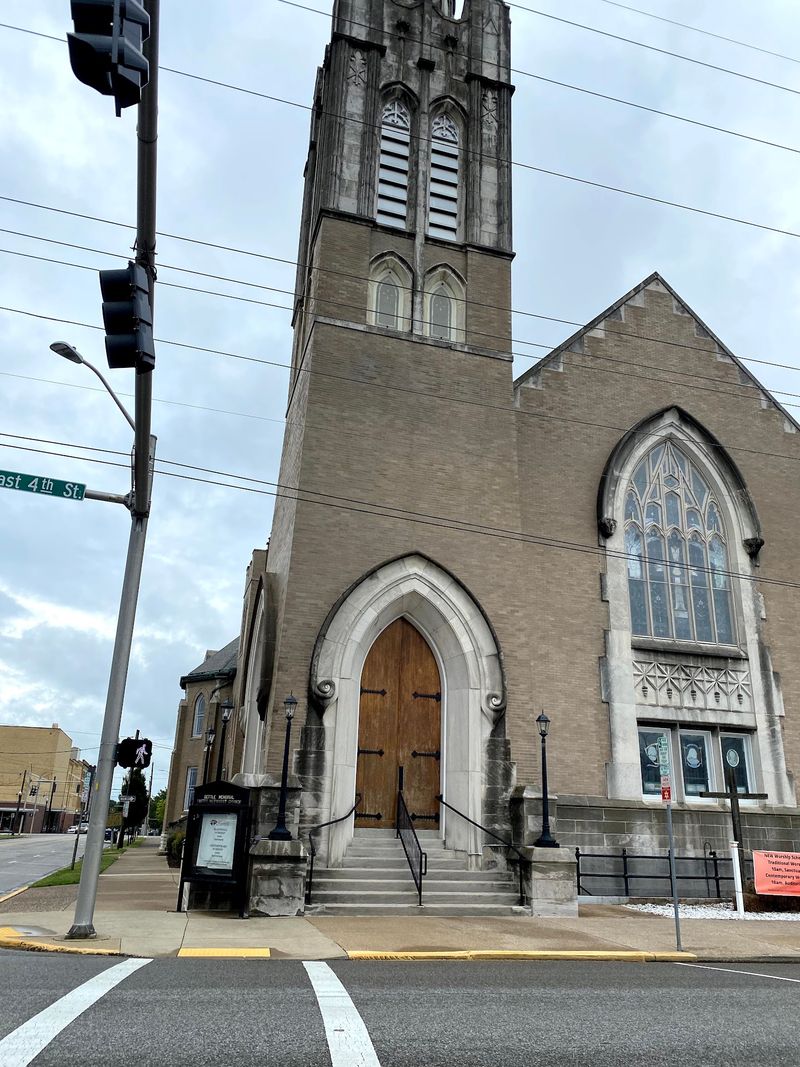
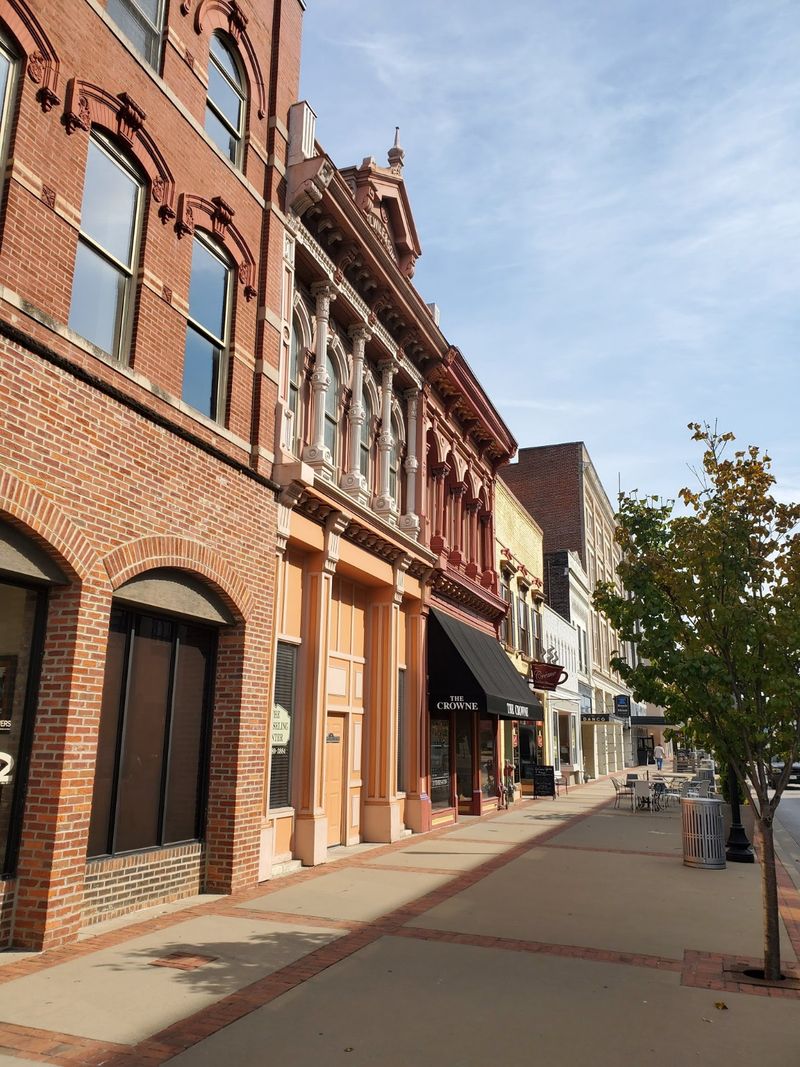
Old buildings talk, if anyone bothers to look up. Downtown holds plenty worth studying.
The 1875 Old Trinity building still stands downtown, its Gothic stonework and windows preserved, though it now serves as a community theater rather than a place of worship.
The Daviess County Courthouse commands its own block with civic authority.
The Stinnett House and the WeatherBerry Historic House preserve glimpses of 19th-century domestic life. Furnishings and floor plans reveal how households actually functioned.
Other notable structures include the Odd Fellows Building, Temple Adath Israel, and Union Station. Each reflects a different chapter of community growth.
Architectural styles vary widely across a few walkable blocks. Victorian details sit near early 20th-century commercial facades.
Preservation efforts have kept many of these buildings in active use rather than frozen behind ropes. That approach keeps the historic district feeling alive.
A slow self-guided walk downtown reveals more than any single museum visit could deliver.
Day Trips Waiting Just Down The Road
Pack a day bag. The surrounding countryside rewards short drives more than most people expect.
Music history also waits close by. The Bill Monroe Homeplace and its museum sit a short drive away, marking the birthplace of bluegrass as a distinct genre.
Standing on that property adds context to everything the downtown museum displays. The connection between rural Kentucky and a worldwide music tradition becomes tangible.
Farmland, small towns, and river views fill the routes between destinations. Two-lane roads make for pleasant driving.
Larger cities remain reachable too. Louisville and Nashville each sit roughly two hours out, and St. Louis about three.
That geography lets residents keep small-town costs while accessing airports, stadiums, and specialty shopping when needed.
Anyone basing a trip here can build several distinct itineraries without changing hotels. Convenience like that is undervalued.
Free Friday Concerts By The Water
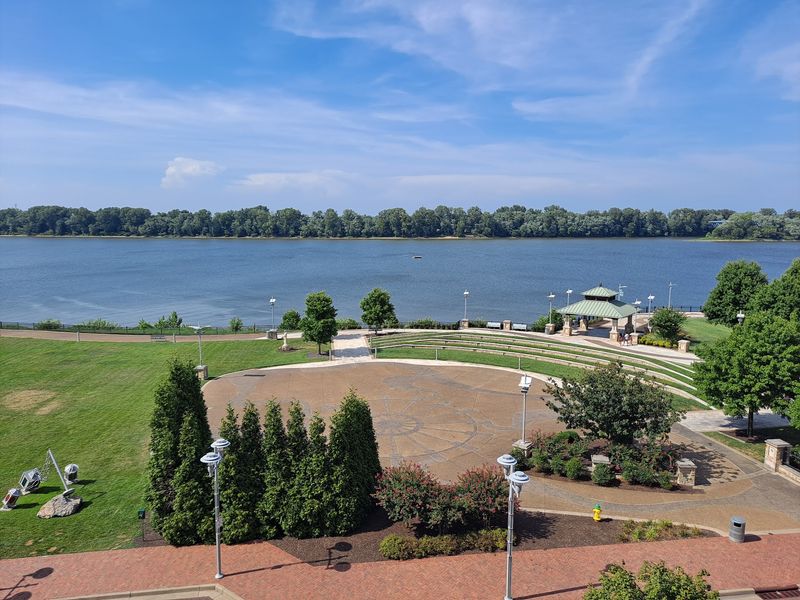
Friday After 5 turns the riverfront into an open-air venue every week through the warm months. Admission costs nothing.
The free concert series runs Friday evenings from May into September. Bands rotate across genres, so one week might bring bluegrass and the next something entirely different.
Lawn chairs appear early. Food vendors set up nearby, and families claim spots well before the first note.
The atmosphere leans casual rather than polished. Kids run around while parents catch up with neighbors.
Other festivals fill the calendar too, including the barbecue festival in May and ROMP in June. Community events happen often enough that visitors rarely miss everything.
Then there is the oddity worth photographing. The world’s largest Sassafras Tree grows within the city, standing over 100 feet tall and measuring more than 21 feet around.
It occupies a residential corner, towering over rooftops. Roadside curiosities do not get much better.
Between organized celebrations and quirky landmarks, boredom takes real effort here. Planning a visit around a summer Friday nearly guarantees live music and a crowd worth joining.
Getting Here Without A Headache
Two hours from Nashville. Two hours from Louisville.
Around three from St. Louis.
Those distances explain why this western Kentucky city works well as a base or a stopover. U.S.
Route 60 and Interstate 165 both serve the area.
Louisville sits roughly 107 miles to the northeast, making it the closest major metro. Regional air service exists locally, though most travelers arrive by car.
Once in town, navigation stays simple. Streets follow a manageable grid near the river, and parking downtown rarely becomes a battle.
Driving remains the practical way to get around, since the community is largely car-dependent. Distances are short enough that fuel costs stay modest.
Spring and fall bring the most comfortable weather for walking the riverfront and parks. Summer runs humid, and festival season peaks then anyway.
Winter stays relatively mild by Midwestern standards, though indoor attractions become the better bet.
Booking accommodations early pays off during major festival weekends, when rooms fill across the metro area.
For a city of about 60,000, the access and ease of movement feel almost unfair to larger places.
Reasons People Stay Longer Than Planned
Short visits stretch. That happens often here, and the reasons stack up quickly.
Affordable rent removes financial pressure that dominates life in bigger markets. Money saved on housing goes toward experiences instead.
Safety ratings run favorably, and the city consistently registers as a quiet, family-oriented river community. Parents notice that first.
Cultural offerings stay surprisingly deep for the population size, with two museums, a major performing arts center, and a nationally known music institution. Entertainment does not require a road trip.
Food traditions give the place a distinct identity that chain restaurants cannot replicate. Mutton barbecue exists in few other spots anywhere.
Parks, gardens, and riverfront paths handle the outdoor side. Access is easy and usually free.
Then there is the pace itself. Errands take minutes, not hours, and evenings actually feel like evenings.
Anyone weighing a relocation should visit during different seasons before deciding, since summer humidity and winter quiet feel very different.
The combination of low costs, real culture, and genuine calm keeps drawing people back to this stretch of the Ohio River. Some of them never leave.