
This California Factory Tour Fills Up Fast, So Reserve Your Spot Early
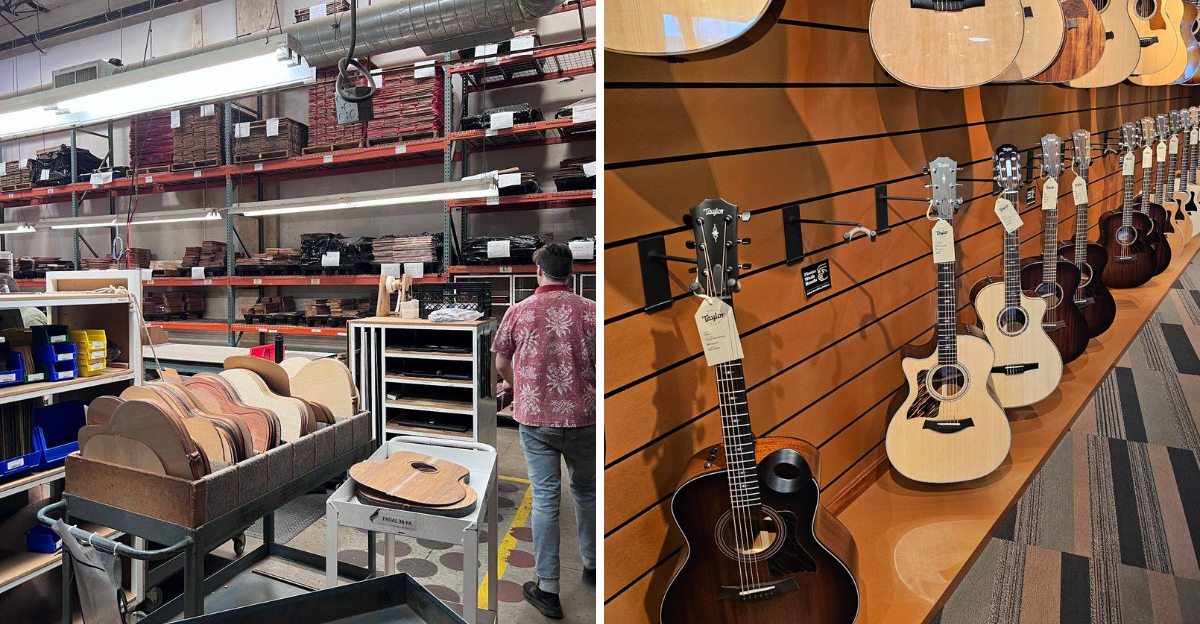
There is a certain thrill in getting a peek at something most people only ever see after it is finished and sitting on a store shelf. That is exactly what makes this California tour so much fun.
You get to watch the process unfold right in front of you, and suddenly an everyday product feels a lot more interesting.
The catch is that plenty of other people have the same idea. Tour times can fill quickly, especially when the state gets busy with travelers looking for something different to do.
I love attractions like this because they break up the usual sightseeing routine and give you a story to take home with you. If this one is on your list, booking early is a smart move because waiting until the last minute could mean missing out.
This Free-Guided Tour Is Popular For A Reason
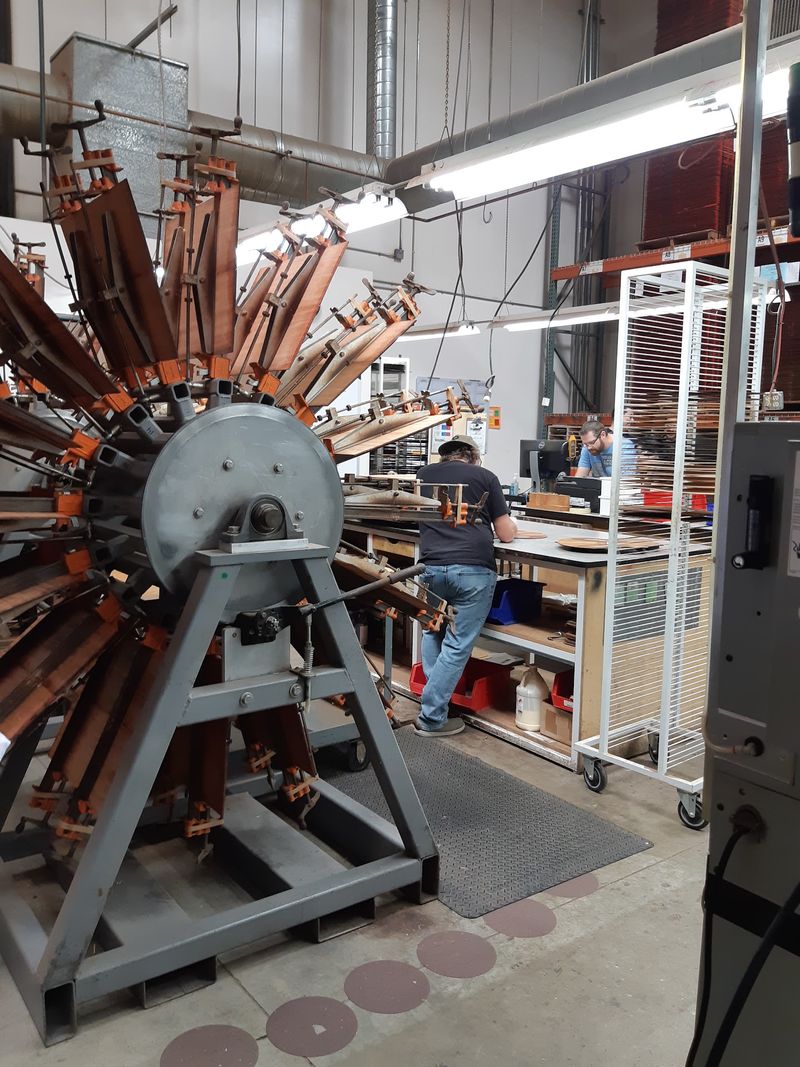
Free things rarely feel this valuable. The guided factory tour at Taylor Guitars costs nothing, yet it delivers some genuine craft.
Groups move through real production areas, not a staged display. You see raw wood, shaping stations, sanding, finishing, and final assembly in order.
Because seats are limited and demand is steady, booking ahead matters more than showing up hopeful. Reservations run through the company website, and popular dates disappear well before the week arrives.
Guides handle the pacing well. They explain each step in plain language, then leave room for questions from curious guests.
Guitar players get technical answers about bracing and neck angles. Everyone else still follows along, because the story of turning timber into music needs no background knowledge.
Wear closed shoes and skip heavy bags. Factory floors have machinery, so comfort and awareness help.
Arrive early rather than exactly on time. The lobby gives you a chance to settle in before the group heads out.
A Few Details To Know Before Visiting
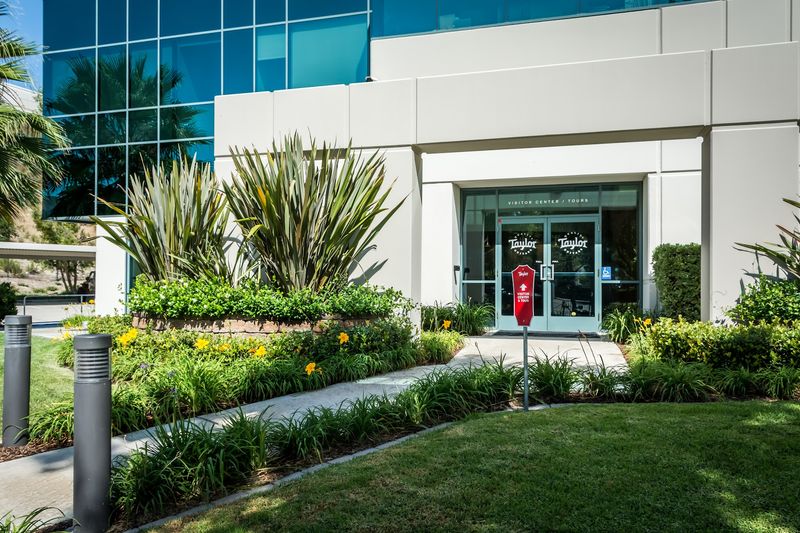
Navigation apps make this easy, and the drive is shorter than most people expect. The address is 1980 Gillespie Way, El Cajon, California, roughly half an hour east of downtown San Diego.
The setting is an industrial park, not a tourist strip. Clean streets, low buildings, and plenty of parking greet you on arrival.
Traffic on Interstate 8 can slow during morning commute hours. Leaving a cushion of twenty extra minutes keeps the day relaxed.
Parking sits close to the entrance and does not require payment. That alone removes a common headache for day trips in this part of the state.
Once inside, staff at the front desk point you toward the check-in area. Restrooms and seating are available before the group forms.
Weekends are closed entirely. Plan a weekday, and the trip works smoothly.
Weekday Only Hours And Why Timing Matters
Saturday travelers get a surprise here. The doors stay shut on weekends, which trips up plenty of road trip plans.
Operating hours run Monday through Friday, 9:30 AM until 4 PM. Tours happen during those weekday windows, and holidays can change the schedule.
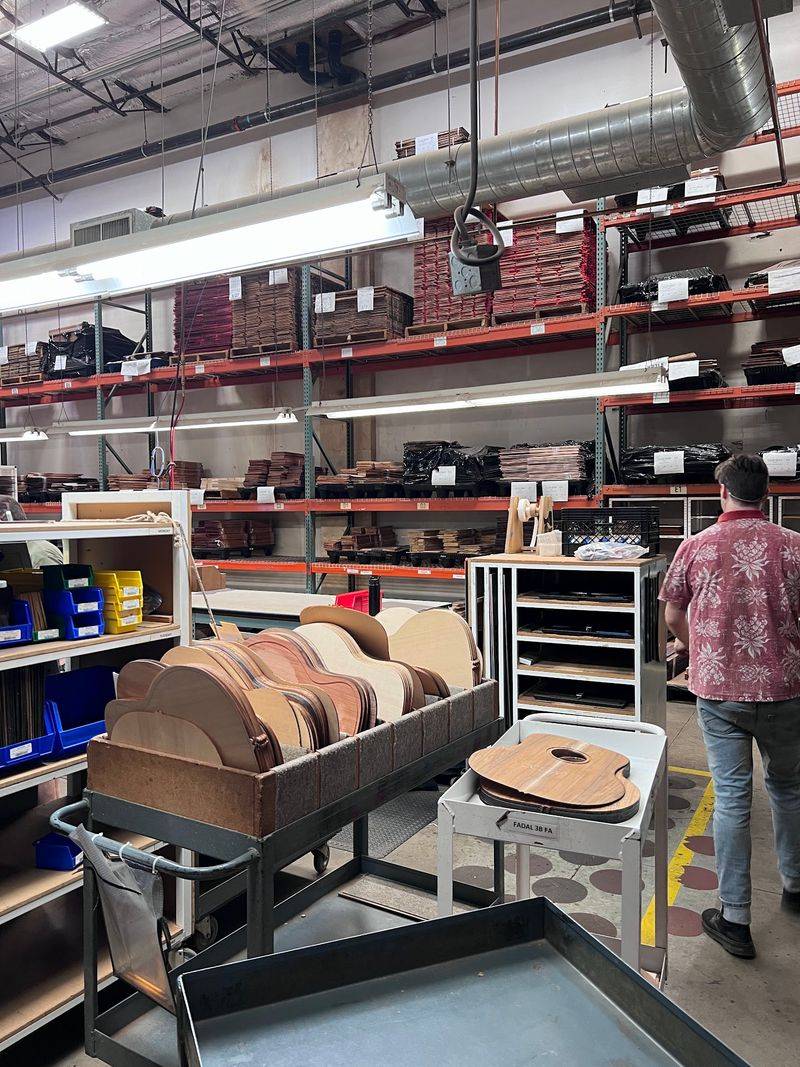
That limitation is actually a good sign. Production runs on a normal workweek, so guests see a live factory instead of an empty building.
Machines hum, workers move between stations, and finished bodies wait on racks. The energy would vanish on a quiet Sunday.
Check the official website before locking in travel dates. Posted tour times and availability update there, and details occasionally shift with production needs.
Families traveling with students often pick a school break weekday. Midweek slots sometimes have slightly better availability than Fridays.
Build the rest of your day around the tour time. Everything else in the area stays flexible, but this window does not.
Wood Selection And The Story Behind Every Board
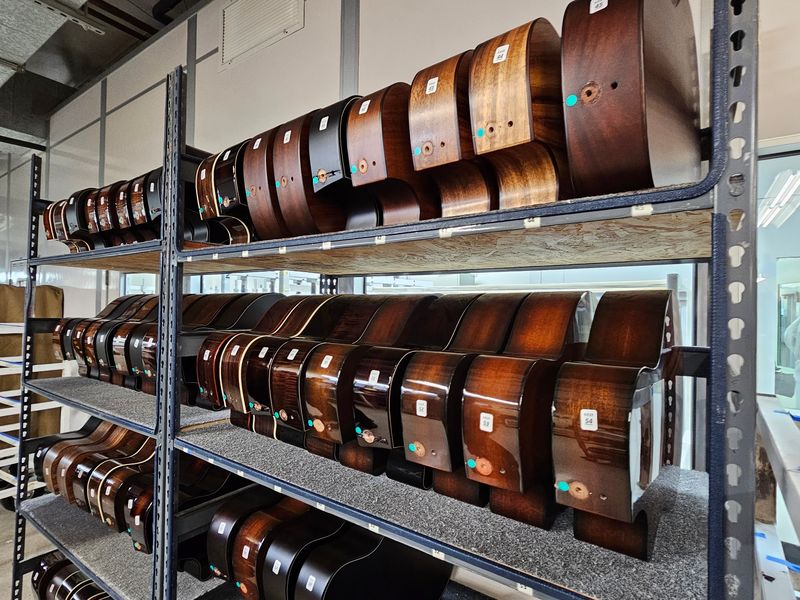
Every guitar starts as a tree, and that fact shapes the whole operation. Tonewood selection begins long before anyone picks up a tool.
Guides explain how species affect sound. Mahogany leans warm, spruce projects brightly, and rosewood adds depth to lower notes.
Grain direction, density, and moisture all get checked. A board that looks perfect can still fail the standards applied here.
Sustainability comes up throughout the discussion. The company has invested in responsible sourcing, including work with ebony supplies in Cameroon through its well-documented ebony project.
That effort changed an old industry habit. Streaked ebony, once discarded for not being solid black, now appears proudly on fingerboards.
Hearing that story shifts how you look at an instrument. Color variation becomes a feature instead of a flaw.
Ask your guide about wood storage and humidity control. The answers reveal how much science sits behind something that looks purely artistic.
Robots And Hand Tools Working Side By Side
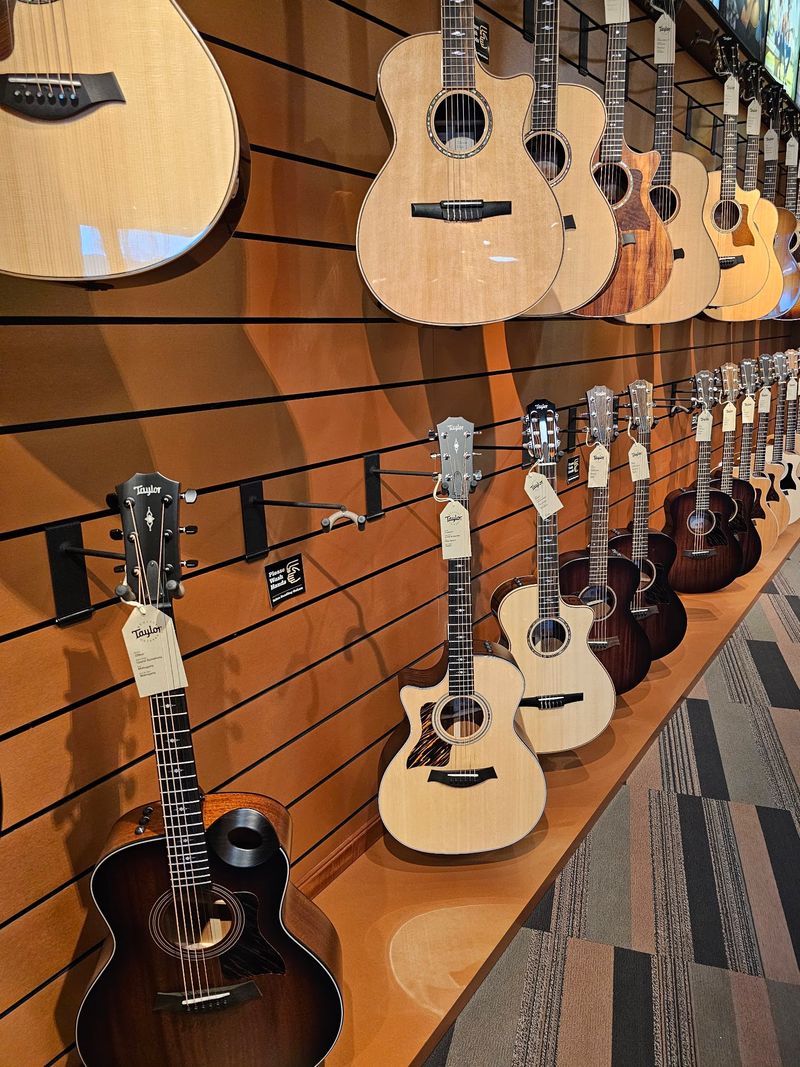
Purists expect pure handwork, then meet the robots. Automated arms handle buffing and precision cuts with steady, repeatable accuracy.
Right beside them, people sand, glue, and inspect by feel. Neither approach replaces the other, and the balance is the point.
Machines excel at consistency. Human hands catch subtleties that no sensor notices, like a slight roughness along a binding seam.
Laser cutters shape inlays with tight tolerances. Craftspeople then fit and finish those pieces so the surface feels seamless under your fingertips.
Watching a neck get carved is oddly satisfying. The transition from blocky to sculpted happens faster than most guests predict.
Guides usually pause at key stations so everyone can see clearly. Photos are generally allowed, though it helps to confirm at the start.
The takeaway sticks with you. Modern instrument building is teamwork between technology and trained hands.
The Showroom Where Guitars Hang Waiting To Be Played
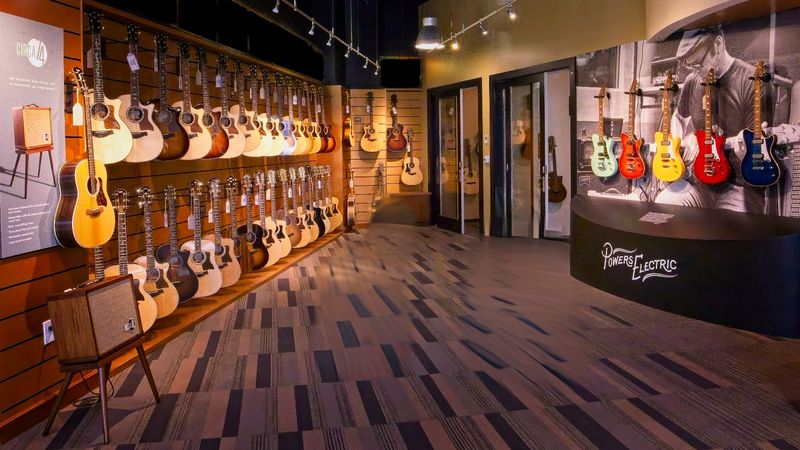
Most shops guard their expensive stock behind glass. Not here, where instruments hang openly and guests are welcome to take one down.
The showroom sits near the entrance, so arriving early pays off. You can play while waiting for your tour group to gather.
Amplifiers and plug-in stations let you test electronics. Staff nearby answer questions without hovering or pushing a sale.
Models range from the compact GS Mini to high-end builds with striking figured wood. Trying several back to back teaches your ears fast.
Beginners should not feel shy. Nobody expects a concert, and the atmosphere stays relaxed and encouraging.
Bring your own pick if you have a favorite. Small preferences matter when you are comparing tone between instruments.
Gift items and accessories are also available. Strings, straps, and branded goods make simple souvenirs from the trip.
What Happens Inside The Repair And Service Department
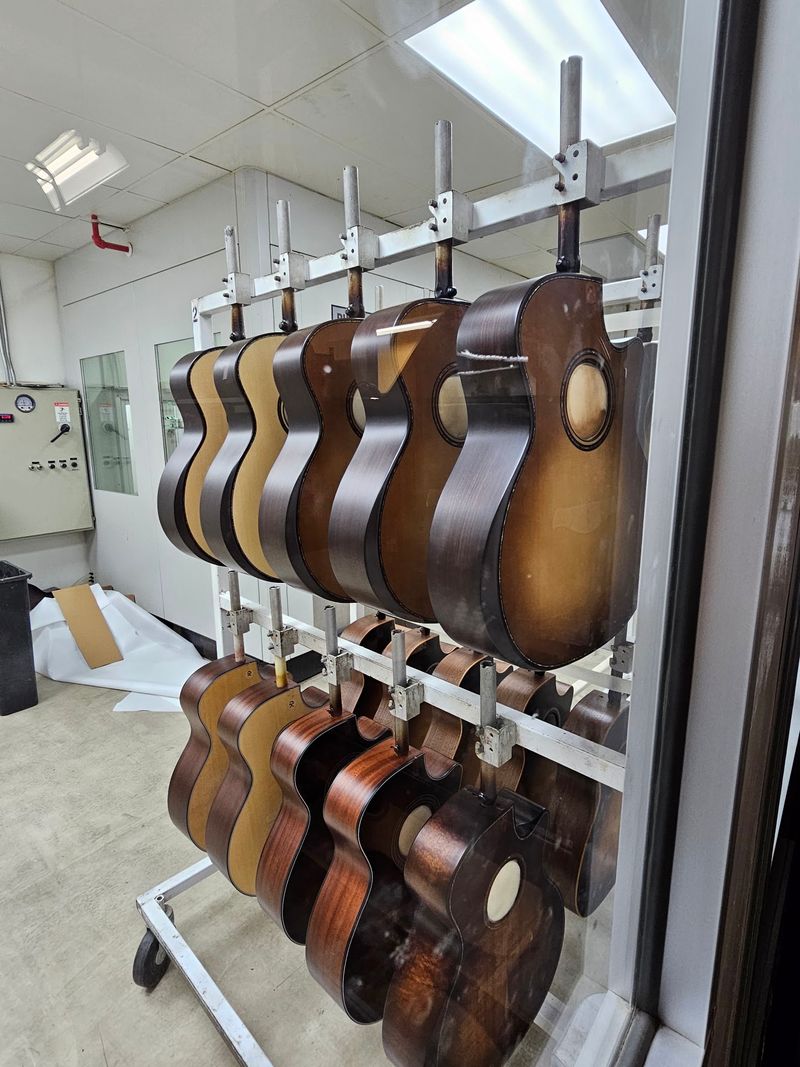
Instruments come home to be fixed, and that says something. The service department here handles repairs sent from all over the country.
Cracked tops, neck resets, fret leveling, and electronics refreshes all pass through the benches. Technicians treat older guitars with the same care as new builds.
Turnaround can take weeks during busy stretches. Owners generally accept the wait because the work returns the instrument to playing condition.
Details matter in this department. A finished repair often includes fresh strings and a full cleaning before shipping.
Guides explain the process during the tour route. Seeing scarred, well-loved guitars lined up gives the factory a human dimension.
Owners can contact the service team through the company website. Authorized repair centers also exist across the country for smaller jobs.
The lesson applies broadly. A quality instrument is meant to last decades, not seasons.
Bringing Kids And First-Time Guitar Fans Along
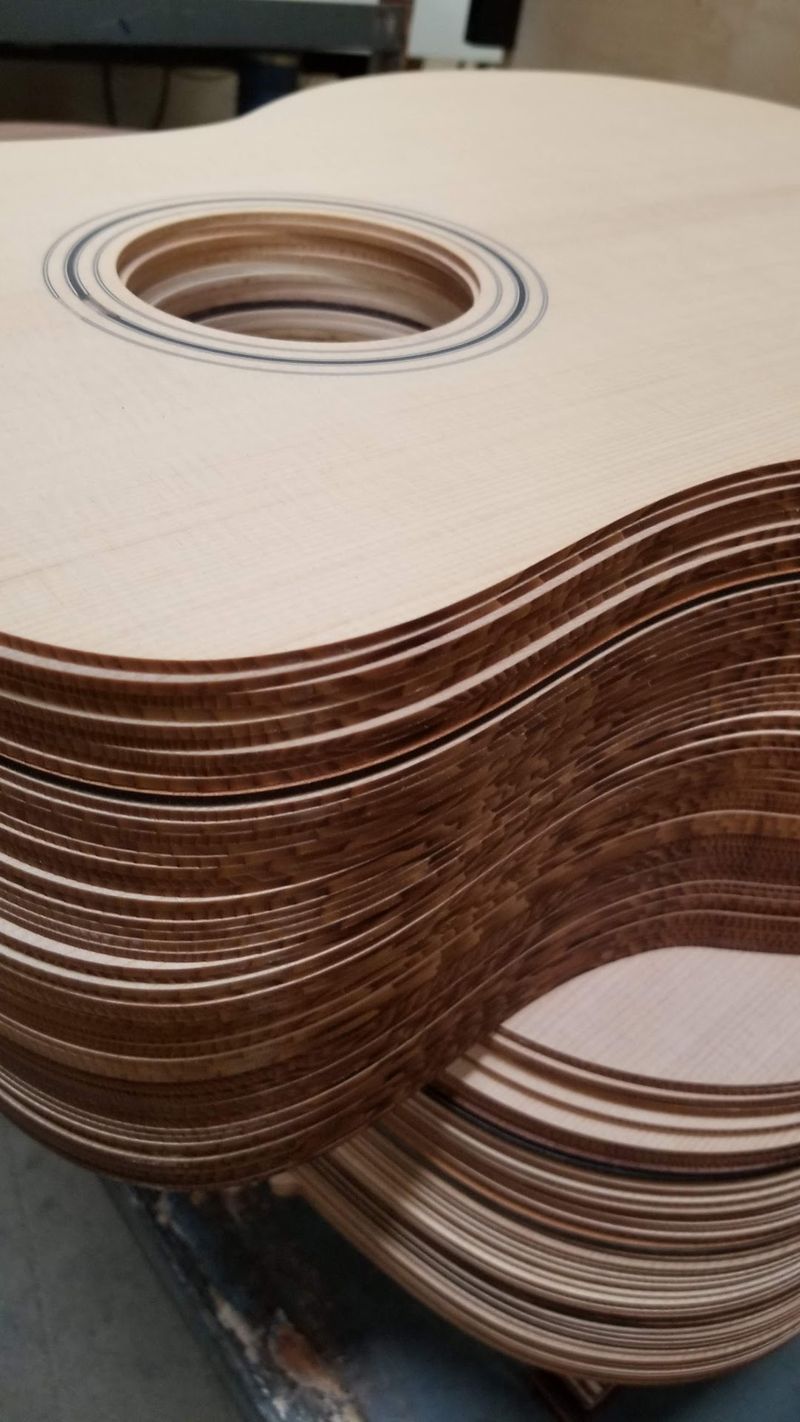
Teenagers can be tough audiences, and this tour holds up reasonably well. Movement between stations keeps the pace lively enough for younger guests.
Kids who already play get the most from it. Watching a neck take shape connects directly to the instrument in their bedroom.
Non-players still enjoy the machinery. Robotic arms and laser cutters have universal appeal.
Attention spans matter, though. Ninety minutes on foot is a real commitment for very young children.
Comfortable shoes, a light jacket, and a water bottle solve most complaints. The factory floor can feel cool in places.
Snacks are better handled before or after. Eating is not appropriate in production areas.
Encourage questions ahead of time. Guides respond warmly, and a curious kid usually walks out more engaged than expected.
Pairing The Tour With A Day Around El Cajon
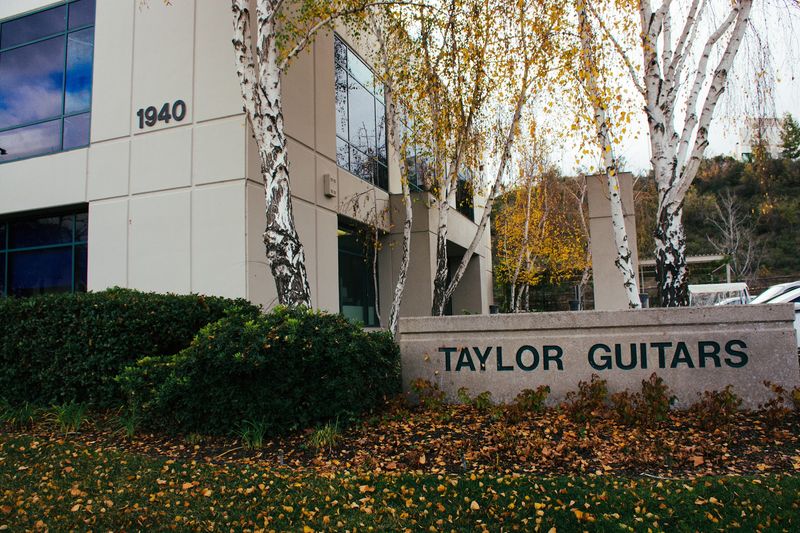
A morning tour leaves the rest of the day wide open. El Cajon sits in a valley ringed by dry hills, and the surrounding area rewards a little exploring.
Downtown San Diego is roughly thirty minutes west. Balboa Park, the waterfront, and Old Town all fit comfortably into an afternoon.
Closer options exist too. Mission Trails Regional Park offers hiking trails and wide views without a long drive.
The Cuyamaca and Julian areas lie further east. Mountain scenery and apple orchards make a pleasant contrast to the coast.
Weather in the valley runs warm, especially in summer. Sun protection and water belong in the car.
Combining the factory with a park stop makes a full, balanced day. Music in the morning, fresh air afterward.
Few trips mix craftsmanship and scenery this easily. That is what keeps guitar lovers driving out to Gillespie Way year after year.