
8 New York Day Trips Under Two Hours From NYC Where You Can Spend Most Of The Day On Foot
The best part of leaving the city may be not needing a car once you arrive. Train doors open, you step off, and suddenly the whole day is right there. A bakery might pull you in first. Ten minutes later, you are browsing a bookstore you never planned to visit.
New York makes wandering easy. No keys, no parking apps, and no slow crawl around crowded streets looking for a space.
Lunch can wait if the river path looks better. That is the beauty of these compact escapes. You can change plans on a whim because everything sits close enough to reach on foot.
Maybe you stop for coffee, poke around a few shops, then drift toward the water before dinner. The day feels loose instead of scheduled. You are still close enough to NYC to be home that night, but far enough away to forget about subway delays for a few hours.
1. Cold Spring – Putnam County Riverfront Village
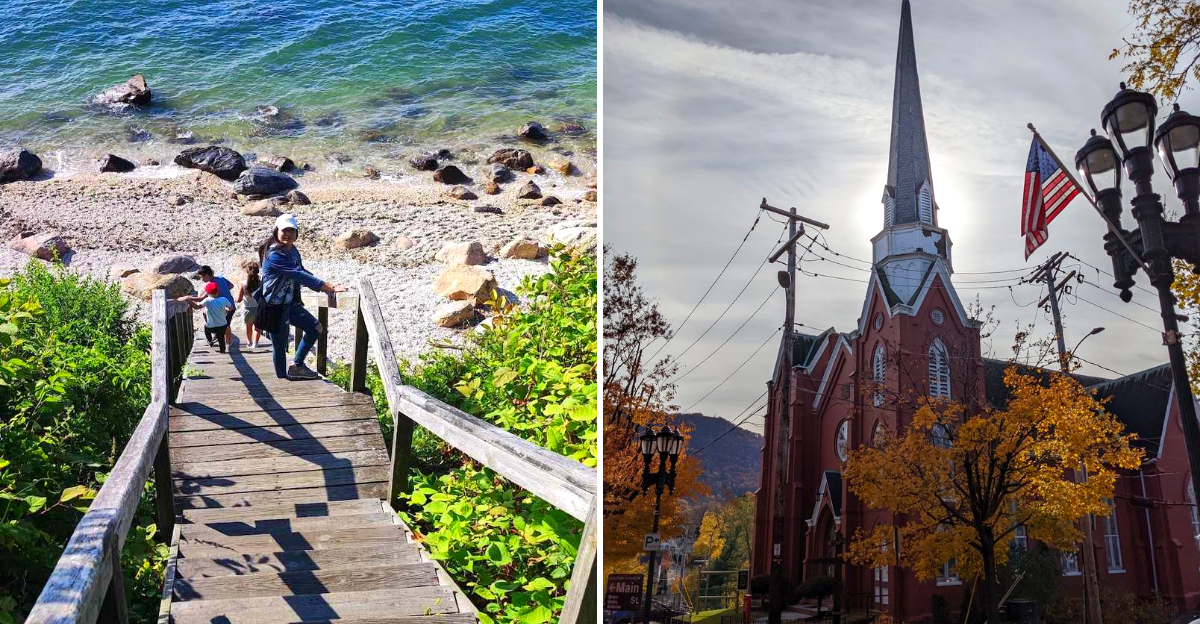
An hour north of Grand Central sits a village so compact you could sketch it on a napkin. Cold Spring runs on one glorious sloped Main Street that spills straight down to the Hudson River.
Antique dealers, bookshops, and bakeries line both sides, and the whole walk takes maybe ten minutes if you refuse to stop. You will stop. Everybody stops.
The Metro-North station at 1 Depot Square puts you five minutes from the gazebo at the water’s edge, where the Hudson Highlands loom like a painted backdrop. Sunset from that dock is a serious flex.
Hikers get spoiled here too. The Cornish Estate Trail runs about 1.8 miles round trip and ends at the mossy stone ruins of a 1910 mansion, fireplaces and greenhouse frame still standing.
Little Stony Point offers a mellower option with a small river beach at the finish. Bring water and decent sneakers.
Grab lunch on Main, browse a few shops, then wander back down toward the river before your train. New York does not get much easier than this one.
Weekends draw serious crowds from the city, so an early train buys you quieter streets and shorter waits. Trains run frequently enough that missing one costs you half an hour rather than your afternoon.
The village sits close enough to Beacon that ambitious travelers sometimes pair them, though one town done slowly beats two done in a rush.
Winter strips the leaves and opens up river views the summer canopy hides completely. Bring cash for the smaller shops, since a few of the antique dealers still prefer it.
2. Hudson – Columbia County Warren Street
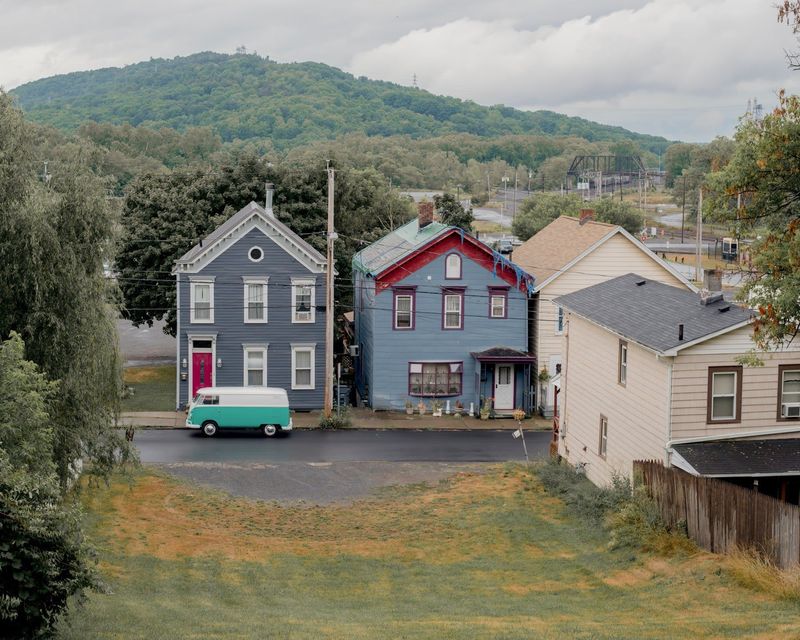
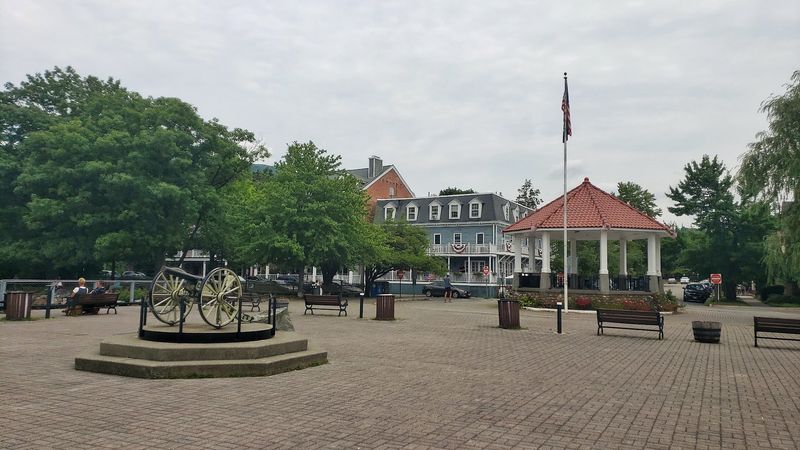
A mile of antiques, art, and excellent food climbs uphill from the river, and that mile is basically the entire itinerary. Warren Street in Hudson holds more design shops per block than seems legally reasonable.
Vintage furniture, weird taxidermy, mid century lamps, hand thrown pottery. Window shopping here counts as cardio because the street has a real incline.
Amtrak from Penn Station takes roughly two hours and stops at 69 South Front Street, a short stroll from the bottom of Warren. That means zero driving and zero parking drama.
Down by the water you can spot the Hudson-Athens Lighthouse sitting out in the channel like a stubborn little brick sentry. The waterfront park makes a fine place to rest your feet.
Restaurants along Warren punch far above the town’s size, and the bakery game is legitimately impressive. Reserve ahead on weekends if you have your heart set on a specific table.
Hudson feels like a proper small city rather than a village, which gives the day a different rhythm. New York has few walks this rewarding.
Amtrak runs fewer trains than Metro North, so checking the return schedule before you settle into a long lunch is genuinely important.
Missing the last one turns a day trip into an overnight. Monday and Tuesday find many Warren Street shops closed, making a weekend or Thursday visit the smarter play. Summer brings festivals and a fuller street, while winter empties it out considerably.
The hill is steeper than photographs suggest, so start at the top and let gravity handle the return leg toward the river.
3. Port Jefferson – Long Island North Shore Harbor
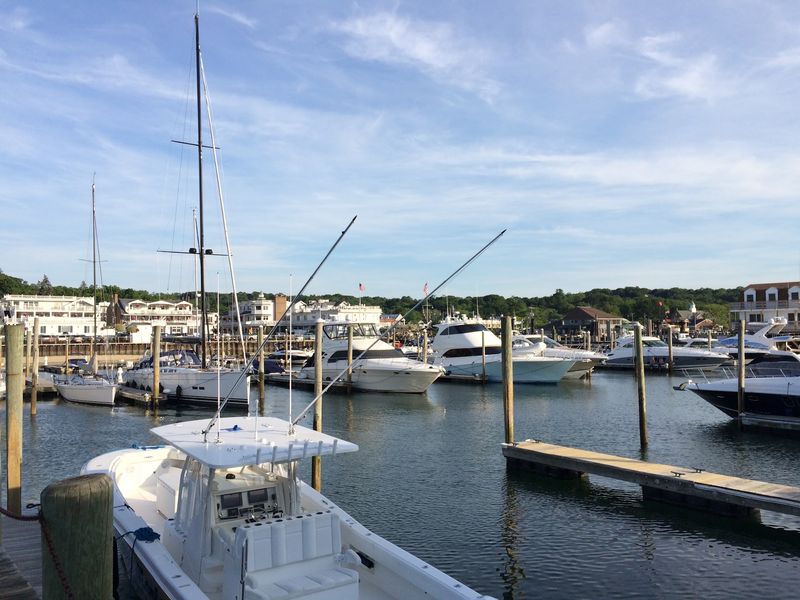
Salt air, ferry horns, and a Main Street that ends at a working harbor. Port Jefferson sits on Long Island’s North Shore and wears its shipbuilding history proudly.
The downtown is small, tidy, and made for aimless wandering between boutiques, ice cream counters, and seafood spots. You can loop the whole village center twice and still find a store you missed.
Harborfront Park and the Village Center promenade give you benches, big water views, and the constant show of ferries sliding toward Connecticut. Kids love watching the boats dock.
The LIRR station at 143 Main Street sits about a mile from the village center, so plan a pleasant walk downhill or grab a quick ride. Driving from the city runs roughly an hour and fifteen minutes to an hour and a half depending on traffic.
Autumn is the sweet spot here, when the harbor turns steel blue and the crowds thin out.
Bring a light jacket. That breeze off the water has opinions, even in summer. Ferries cross to Bridgeport several times daily, and a round trip ride makes a fun addition even without a car aboard.
Watching the harbor from the water changes the whole perspective. Summer weekends pack the village solid, particularly during festival weekends when parking becomes genuinely difficult.
The walk from the LIRR station runs downhill on the way in and uphill on the return, which surprises people at the end of a long day.
Restaurants along the water fill fast, so an early dinner beats waiting.
4. Beacon – Dutchess County Arts Town
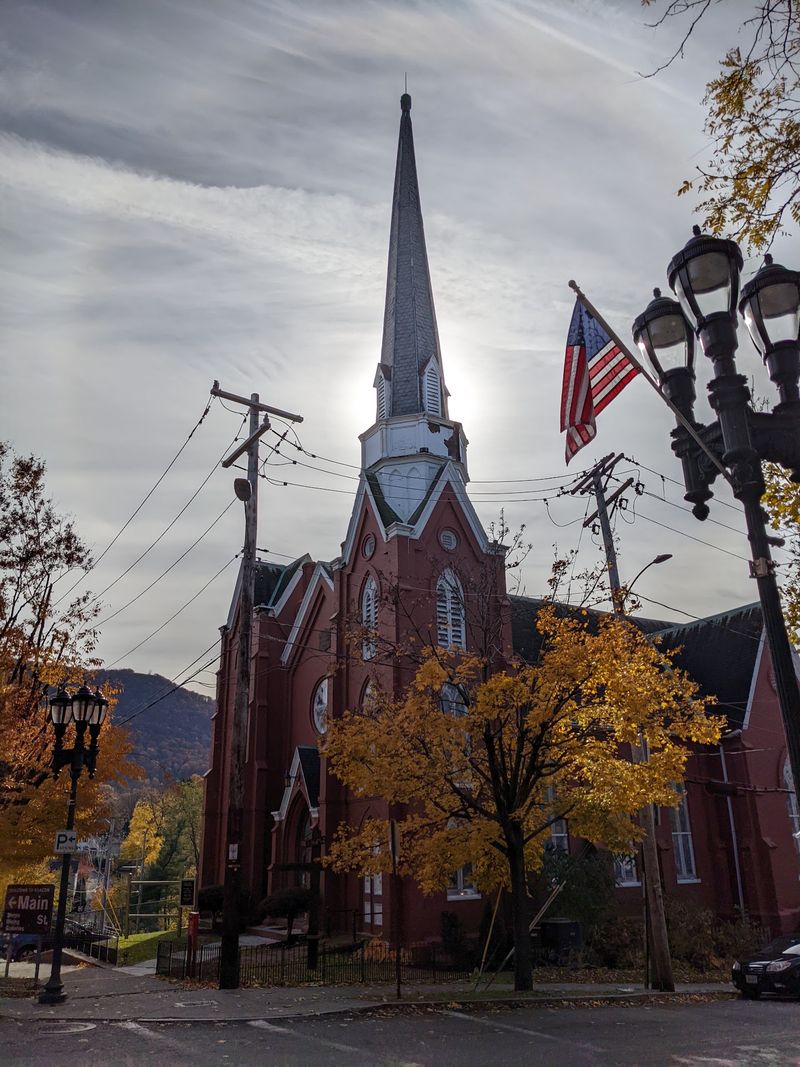
Ninety minutes on the Hudson Line drops you into a former factory town that reinvented itself as an art magnet. Beacon stretches along one long Main Street packed with galleries, coffee shops, and stores selling things you did not know you needed.
Anchoring the whole scene is Dia Beacon at 3 Beekman Street, a modern art museum inside an old Nabisco box printing plant. Skylights flood the galleries, and the sculptures are enormous enough to make you feel tiny.
Walking Main Street end to end takes a while, so pace yourself and treat the cafes as pit stops. The pastry situation is strong.
Scenic Hudson’s Long Dock Park sits near the train station with wide river views and grassy spots for sitting still. Madam Brett Park adds a quieter trail if you want fewer people around.
Ambitious legs can climb Mount Beacon for a panorama that stretches far up the valley. Everyone else can admire it from the bottom without shame.
The station at 1 Ferry Plaza makes the whole day car free.
Dia keeps limited days, generally closing early in the week, so checking before you board saves a wasted trip.
Tickets cost less when bought ahead online. Second Saturdays bring gallery openings and extra energy along Main Street, which turns an ordinary day trip into something livelier.
The walk from the station to the far end of Main runs longer than it looks on a map, closer to two miles, so budget accordingly or catch the free shuttle loop. Comfortable shoes matter more here than in most of these towns.
5. Tarrytown – Westchester Hudson RiverWalk
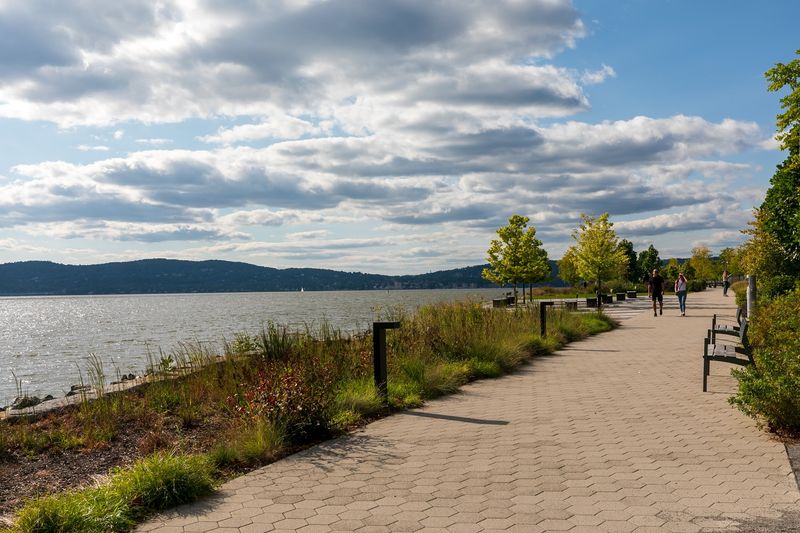
Thirty to sixty minutes from Grand Central and you are standing in headless horseman country. Tarrytown pairs a compact downtown with river views that make the short trip feel much longer, in the best way.
Broadway and the surrounding blocks hold bookstores, bakeries, and restaurants representing a genuinely wide range of cuisines. It is one of the more delicious small downtowns in New York.
Hudson RiverWalk Park runs along the shoreline with wide paths, benches, and a clear look at the bridge spanning the water. The walk down from town is easy, and the walk back up builds character.
Legend lovers can visit Sleepy Hollow Cemetery and the Old Dutch Church just north of the village, both reachable on foot for anyone with decent stamina.
Trains arrive at Depot Plaza, which sits close enough to the waterfront that you can start your stroll the moment you step off.
October brings serious crowds thanks to Washington Irving’s famous tale, so a spring or early summer visit gives you more elbow room.
Kykuit and Lyndhurst sit nearby for anyone wanting historic estates, though both require advance tickets during peak season. The Old Croton Aqueduct trail passes right through town and offers a flat, shaded walk for miles in either direction.
Restaurants cluster tightly enough that indecision becomes the main obstacle. Trains run often on the Hudson Line, so returning whenever you feel finished is easy.
Sleepy Hollow sits close enough to reach on foot, adding a second village to the day without any transportation puzzle to solve.
6. Rhinebeck – Dutchess County Village Center
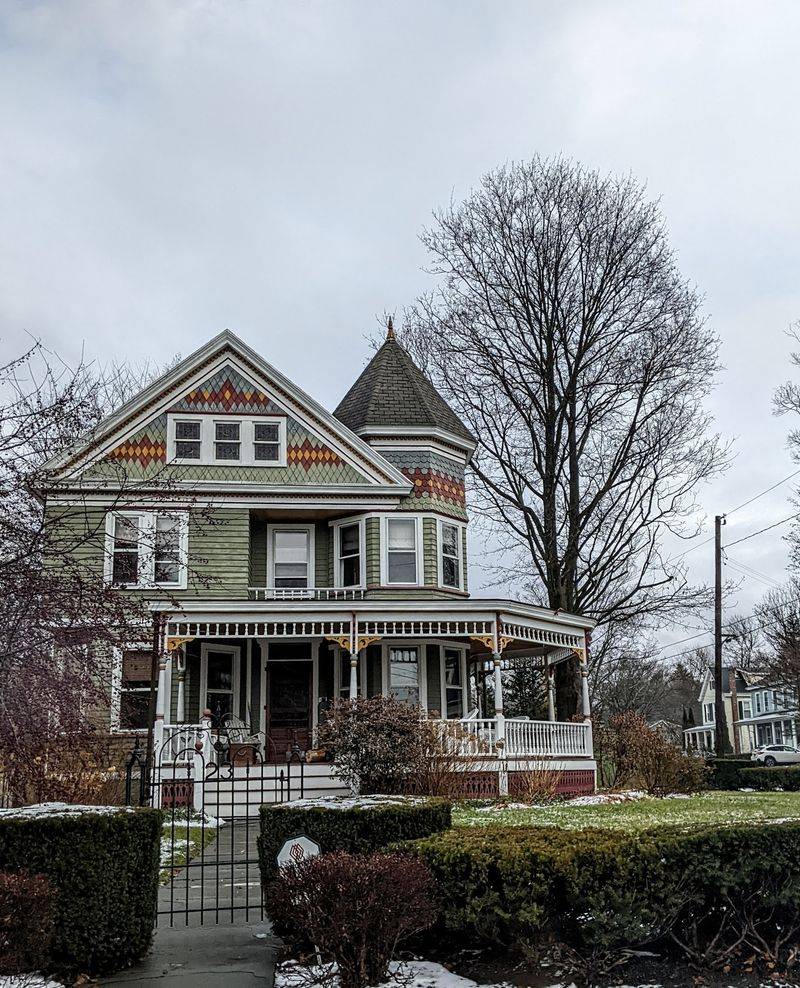
Few villages get the small town formula as right as this one. Rhinebeck packs bookshops, boutiques, galleries, and serious farm to table kitchens into a handful of walkable blocks.
Montgomery Street plus East and West Market Streets form the core, and you can cover all of it comfortably in an afternoon. The buildings are old, well kept, and photogenic without trying too hard.
Food is the headline act. Local farms supply the menus, so a plate here tastes like the surrounding countryside rather than a warehouse.
Ferncliff Forest sits nearby with hiking trails and a fire tower that rewards the climb with a sweeping Hudson Valley view. Bring bug spray in summer.
Getting here takes a bit of strategy. Driving from the city runs about two hours, while Amtrak stops at Rhinecliff station, 110 Amtrak Station Road, roughly three miles from the village center.
A short cab from Rhinecliff bridges that gap and lets you park the car keys for the day.
Once you are in the village, your feet handle everything else. Farmers markets run seasonally and draw a cheerful local crowd worth timing your visit around. The Dutchess County Fairgrounds host events throughout the year, including craft fairs that fill the village with visitors.
Booking a table ahead matters here more than in most of these towns, since the dining rooms run small and the reputations run large.
Rhinecliff station sits far enough out that arranging your return ride in advance prevents an awkward wait. Autumn brings peak crowds along with peak color, so weekdays serve you better.
7. New Paltz – Ulster County Main Street
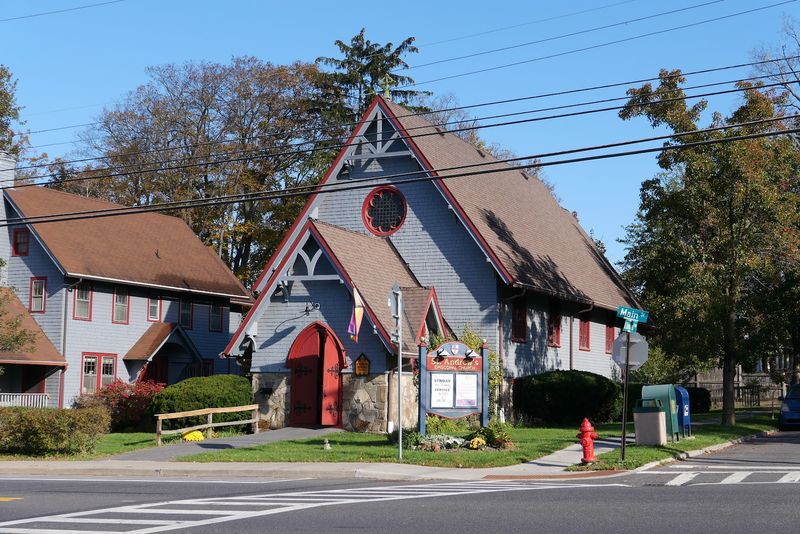
College energy meets colonial stonework in a village that somehow makes both feel natural. New Paltz keeps its Main Street lively with cafes, casual restaurants, and shops that skew creative rather than corporate.
Water Street Market adds a cluster of artsy storefronts a short walk from the center, good for browsing when you need a change of scenery.
History fans should carve out time for Historic Huguenot Street at 88 Huguenot Street, a National Historic Landmark District with seven preserved stone houses built by French settlers in the 1700s. Standing in front of walls that old resets your sense of time.
The Wallkill Valley Rail Trail runs right through town, flat and friendly for a long walk or a rented bike.
Adirondack Trailways buses leave Port Authority and reach New Paltz in roughly an hour and a half to just under two hours, which keeps the trip car free.
Drivers can add Minnewaska State Park Preserve, about fifteen minutes away, for waterfalls and cliff top lakes.
The Shawangunk Ridge looming over town makes every street view better. Bus schedules run less frequently than trains, so confirming your return time before leaving Port Authority prevents a long evening at the stop.
The village stays busiest when SUNY is in session, quieter during summer and winter breaks.
Mohonk Preserve offers another hiking option, though it charges an entry fee and sits outside walking range.
Rail trail bike rentals are available in town for anyone wanting to cover more ground. The Shawangunk cliffs draw climbers from across the Northeast, and watching them work is entertainment enough.
8. Greenport – North Fork Harbor Village
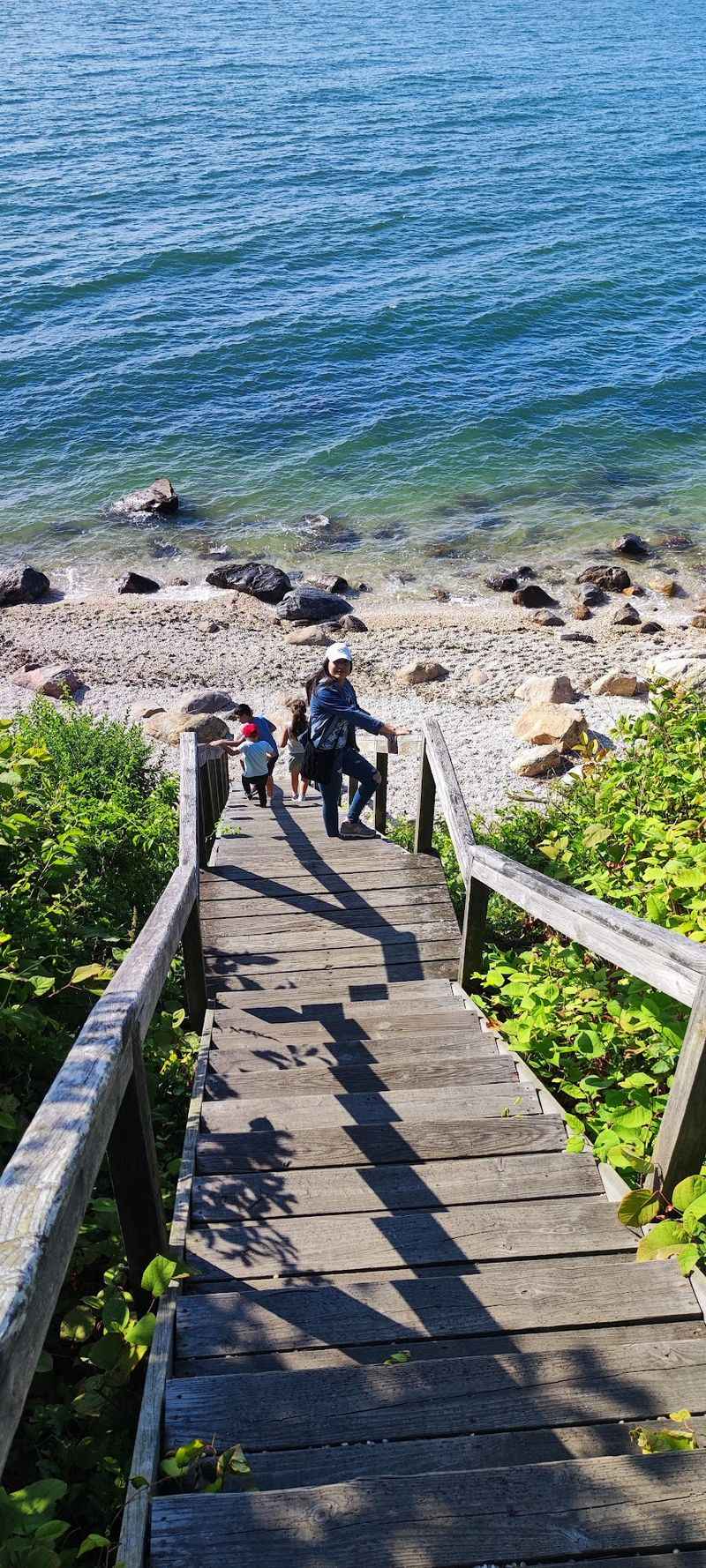
Sailboats, chowder, and a carousel with a brass ring. Greenport anchors the North Fork of Long Island and delivers harbor town charm without the fuss of its South Fork neighbors.
Front Street and Main Street carry the shopping load, mixing boutiques, artisan studios, galleries, and restaurants that lean hard on local seafood and produce. The walk between them takes minutes.
Mitchell Park at 115 Front Street sits directly on the water with a promenade, a marina, and that beloved antique carousel spinning under glass. Riders still reach for the brass ring, which is a delightfully old fashioned thrill.
Main Street runs straight down to the harbor, so you are never confused about which way the water is. Follow the masts.
The LIRR reaches Greenport station at Wiggins and 4th Street as the final stop on the Ronkonkoma branch, though that ride stretches long with transfers. Driving from the city usually takes two to two and a half hours.
Once parked, you will not touch the car again until you leave. Summer weekends bring heavy North Fork traffic, so leaving the city early or visiting midweek makes a real difference. The carousel keeps seasonal hours, running most reliably during warmer months.
Shelter Island sits a short ferry hop away for anyone wanting to extend the trip, and the crossing takes only minutes.
Autumn brings harvest season across the North Fork with farm stands lining the roads. Many shops reduce hours after Labor Day, so a call ahead protects you from finding a favorite storefront dark.