
This Connecticut Mustang Sanctuary Lets You Meet Wild Horses And Camp Beneath The Stars
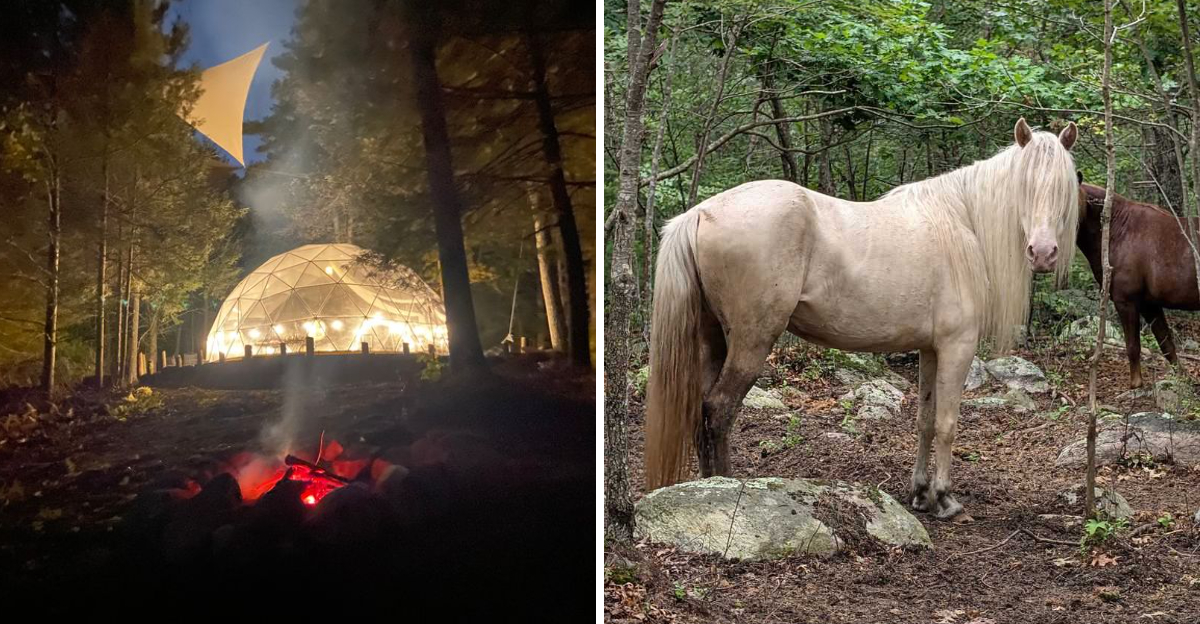
Most weekend trips do not begin with wild mustangs watching you arrive. This one does, and that alone makes it hard to forget.
There is something almost unreal about spending time near horses that once lived wild, then staying long enough to watch the sky go dark over the same quiet land.
Connecticut is not the first place most people associate with mustang country, which makes the experience even more surprising. I think that contrast is part of the appeal.
You are still in the state, yet the evening can feel far removed from the usual roads, restaurants, and crowded attractions. By the time night settles in, the horses have already changed the pace of the day.
Connecticut offers plenty of memorable escapes, but few let you get this close to such remarkable animals and then fall asleep beneath the stars.
Meeting Twenty-Six Mustangs In Their Own Backyard
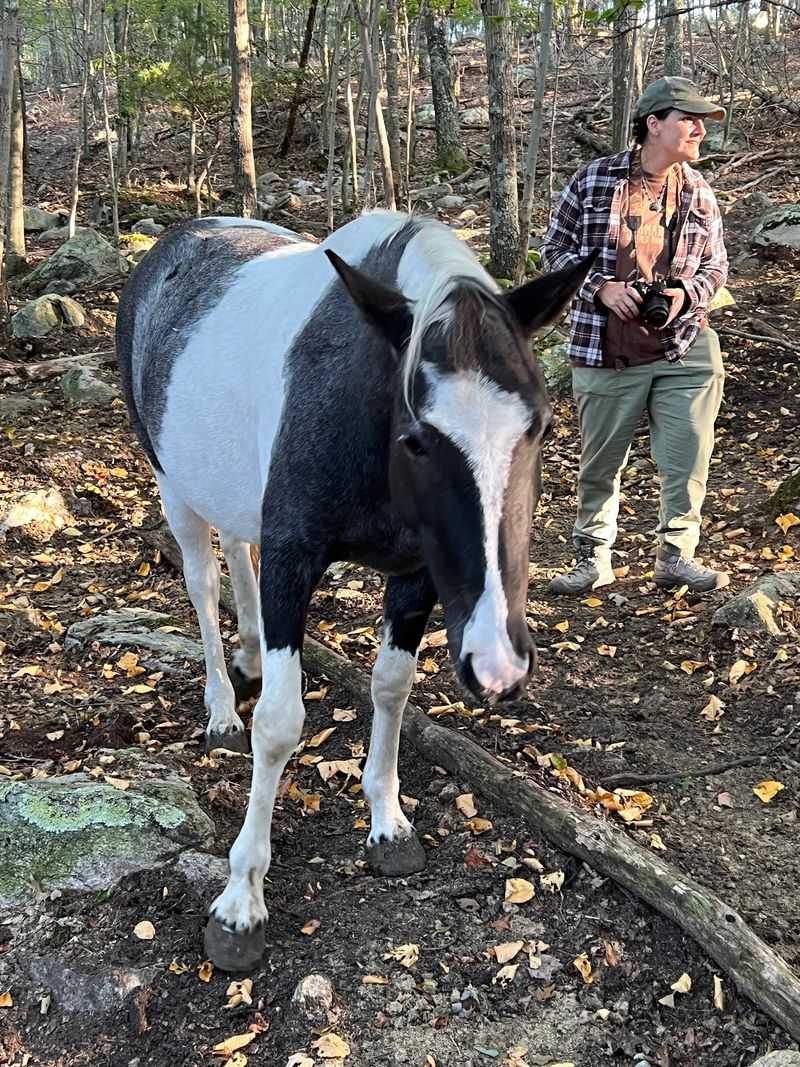
Most horse experiences put a fence between you and the animals. Not here.
The mustangs roam a large wooded property, and guests walk right into their living space.
Roughly twenty-six mustangs call the sanctuary home. Each one arrived from the American West, where wild herds are managed by federal roundups.
Some are curious and forward, others hang back and study you from a distance.
Walking among them feels different from any barn tour. The horses choose whether to approach, which makes every meeting feel earned rather than staged.
A mustang may drift close enough to sniff your sleeve, then wander off mid-thought.
Guides explain herd behavior as you move, pointing out who leads and who follows. You learn to read ears, tails, and body angles.
That knowledge sticks with you long after the walk ends.
Bring sturdy boots, because the ground is uneven and often muddy. Wild Ride asks that you skip snacks during the tour, since the horses will absolutely investigate your pockets.
Water in a bottle is fine and encouraged.
Finding The Sanctuary Down Old Cranston Road
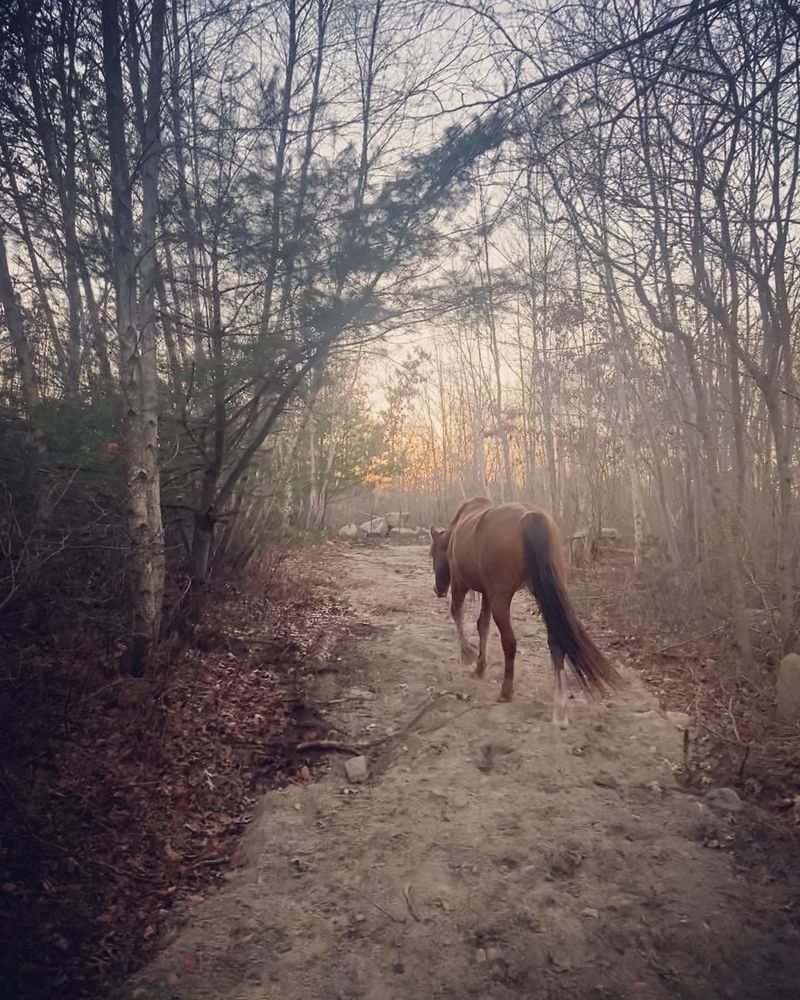
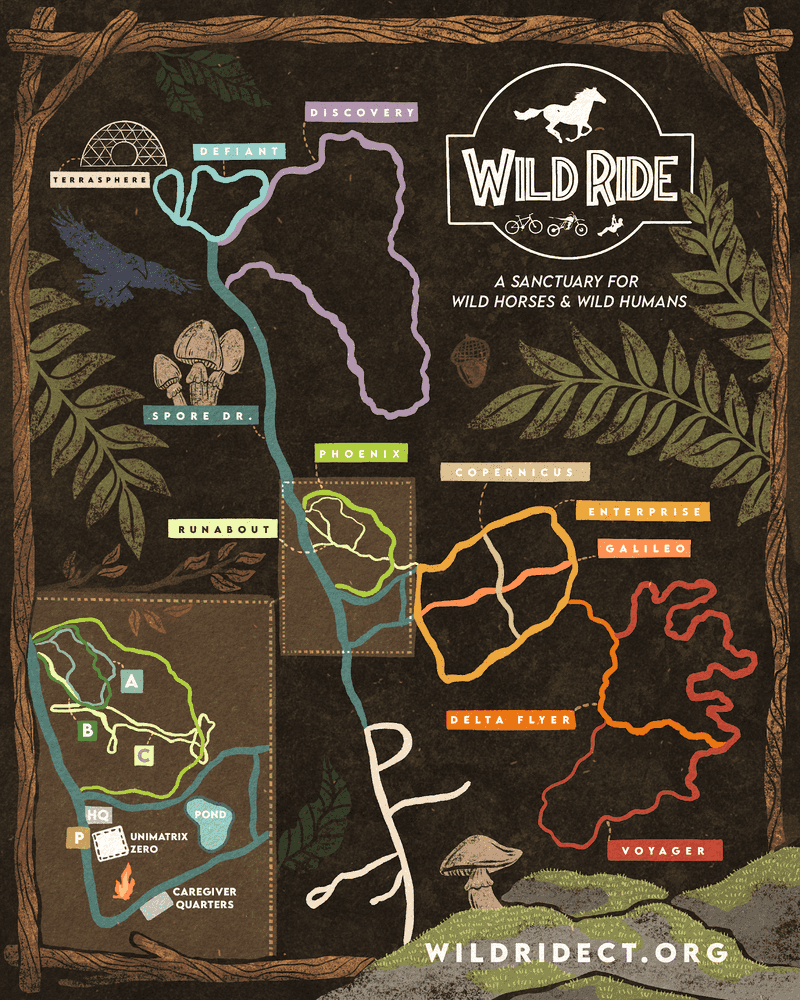
Eastern edge of the state, close to the Rhode Island line, is where the pavement starts feeling rural. The sanctuary sits at 130 Old Cranston Road in Sterling, Connecticut a small town of woods, stone walls, and few traffic lights.
Sterling covers a quiet pocket of Windham County. Getting there means winding roads and cell service that dips in and out.
Download your directions before you leave the highway.
The drive itself sets the mood. Farm fields open up, then close back into forest, and suddenly you are somewhere that feels far from anywhere busy.
Providence sits about forty minutes east, so the trip works as a day outing from several directions.
Parking is on the property, and the ground can be soft after rain. A vehicle with decent clearance helps in early spring.
Guided Woodland Walks Alongside The Herd
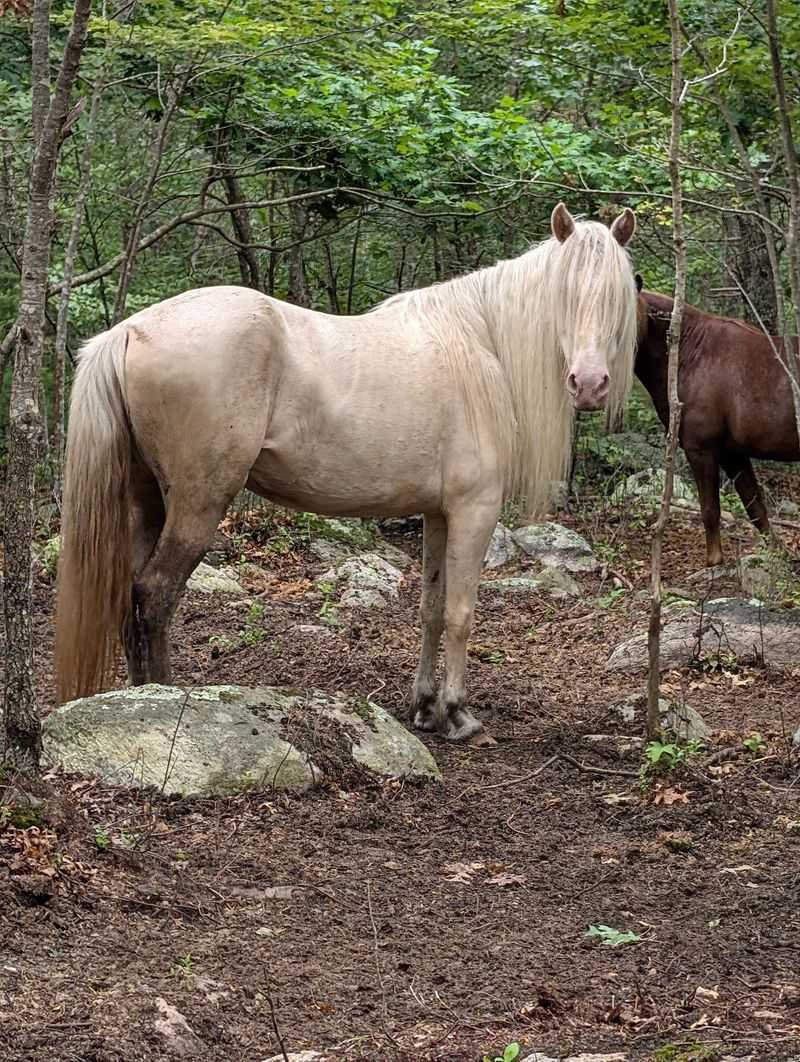
Forget the single-file trail ride where a horse follows the tail in front of it. At Wild Ride, you walk on your own two feet and the mustangs come along by choice.
Tours begin punctually, with a briefing that covers safety and what to expect. Guides set clear ground rules before anyone steps toward the herd.
That structure is exactly what makes the freedom afterward feel safe.
The route crosses wooded terrain with roots, slopes, and the occasional stream crossing. Closed boots are required, not suggested.
Sneakers will leave you regretting your choices within ten minutes.
Along the way, you hear each horse’s backstory. Where they were captured, how long they have been in the area, and what their personality is like.
Names start sticking in your memory quickly.
Pace stays relaxed, so photographers get plenty of time. Keep your camera strap short, because curious noses find dangling objects irresistible.
Groups tend to stay small, which keeps the experience personal and calm for the animals.
Camping Under An Open Eastern Sky
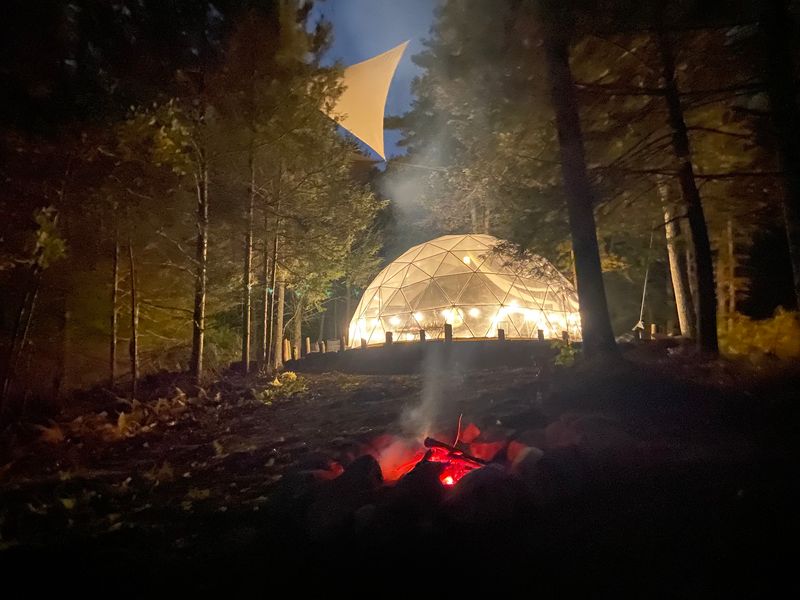
Nightfall in this corner of the state brings a hush that city dwellers rarely hear. Overnight stays let guests sleep on the property, with the herd settled nearby.
Light pollution stays low out here compared to the shoreline or Hartford. On clear evenings, the sky opens up with far more stars than most people expect from the northeast.
Pack like you would for any rustic campsite. Warm layers matter, since temperatures drop fast once the sun clears the treeline.
A headlamp beats a phone flashlight every single time.
Mornings are the reward. Mist sits low over the pasture, and the horses begin moving before most humans are upright.
Coffee tastes noticeably better in that setting.
Overnight options vary by season and availability, so arrange details in advance through the sanctuary directly. Their website, wildridect.org, lists current offerings.
Respecting quiet hours is part of the deal. The herd rests at night, and keeping noise down helps everyone, two-legged and four-legged alike.
Mustang Training Classes With Real Hands-On Learning
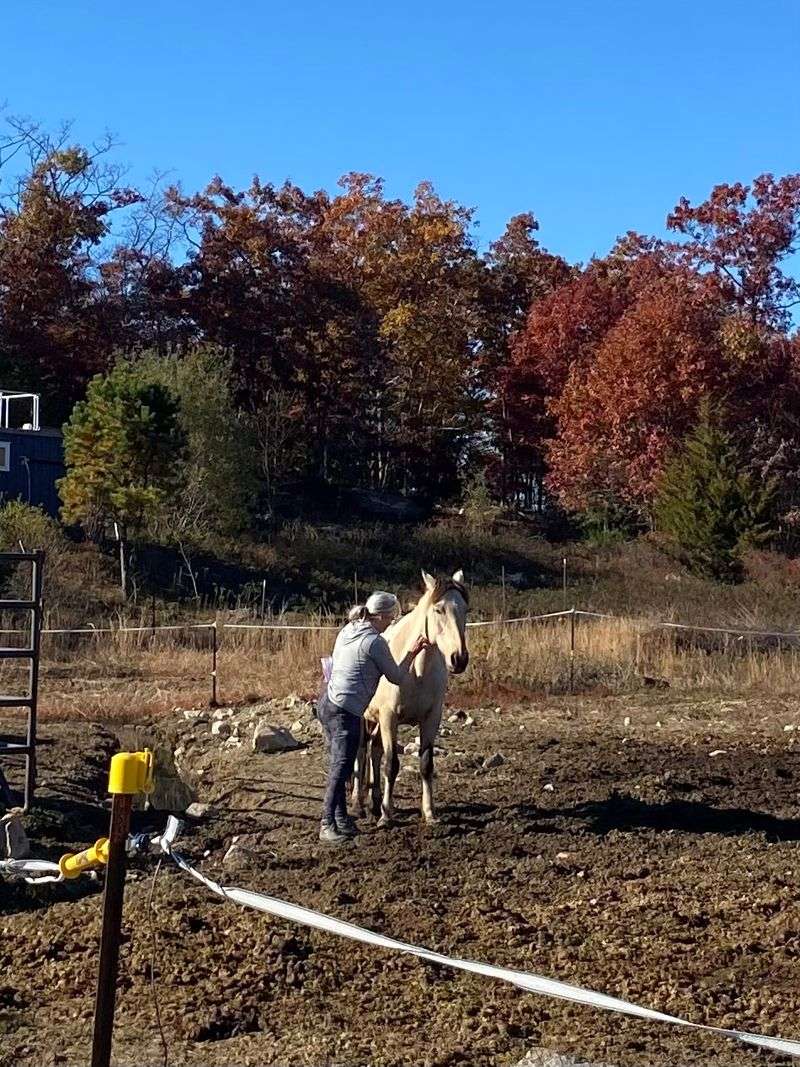
Anyone who has ever wondered how a wild horse learns to trust a human can find out here. Training classes run on the property, taught by people who work with these animals daily.
MacKenzie leads much of the instruction. Her approach centers on reading the horse rather than overpowering it, which is the whole philosophy behind gentling mustangs.
Sessions cover groundwork basics: pressure and release, body positioning, and timing. You learn why a half-step backward can mean more than a firm pull.
Small adjustments produce surprisingly big results.
Previous riding experience is not required for every class, though comfort around large animals helps. Wear boots and clothes you do not mind getting dusty.
What surprises most participants is how much of the work is mental. Patience becomes the actual skill being taught, and horses are honest judges of it.
Class formats and schedules shift through the year. Reaching out ahead of time is the smart move, since spots fill and weather influences the calendar.
The Feeding Session Nobody Should Skip
Stay to the end. That advice comes up again and again, and there is a good reason for it.
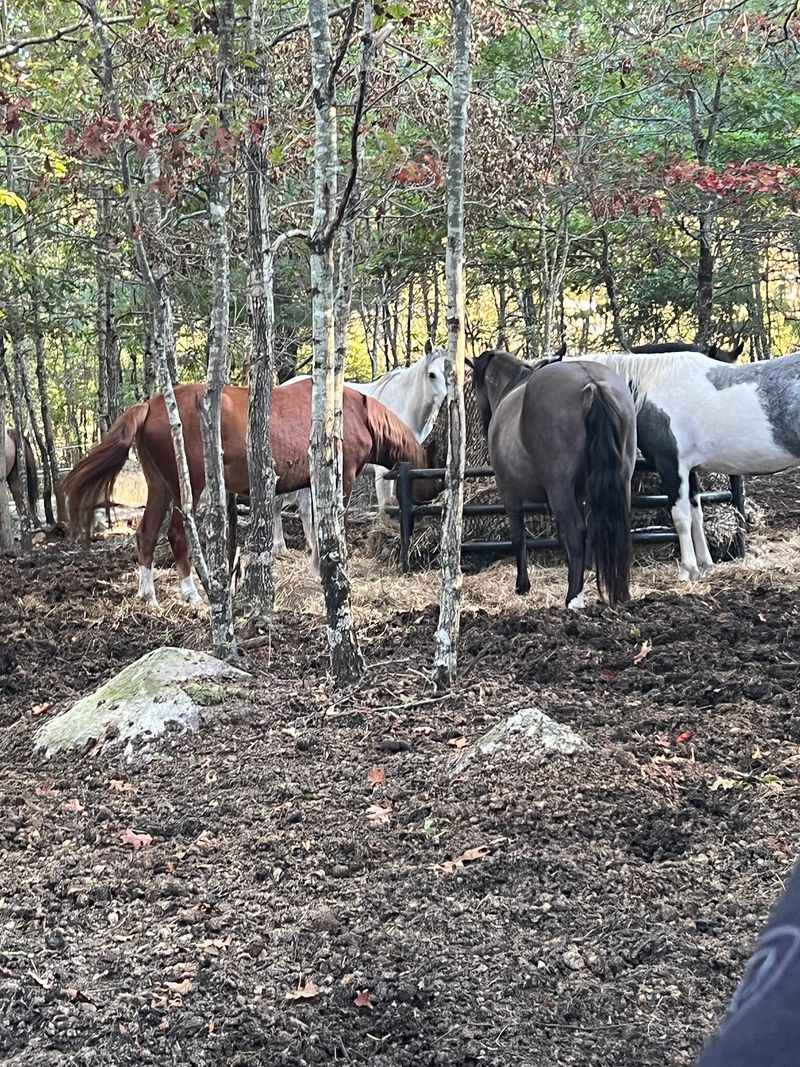
The feeding session closes out the tour, and it is genuinely the highlight. Twenty-plus mustangs converge with purpose, and the herd’s social order becomes obvious in seconds.
Watch closely and you see the whole hierarchy play out. Certain horses claim their pile first, others wait politely, and a few try their luck and get politely corrected.
Hay gets spread widely so everyone eats. That deliberate setup prevents squabbles and keeps quieter horses fed.
It is a small detail that reveals how much thought goes into daily care.
Sound carries too. Hooves on packed earth, soft nickers, the steady rhythm of chewing.
It is oddly calming to stand and listen.
Keep your distance during this part, as instructed. Excited horses move fast, and the guides will position the group where the view is best and the footing is safest.
Where These Horses Actually Come From
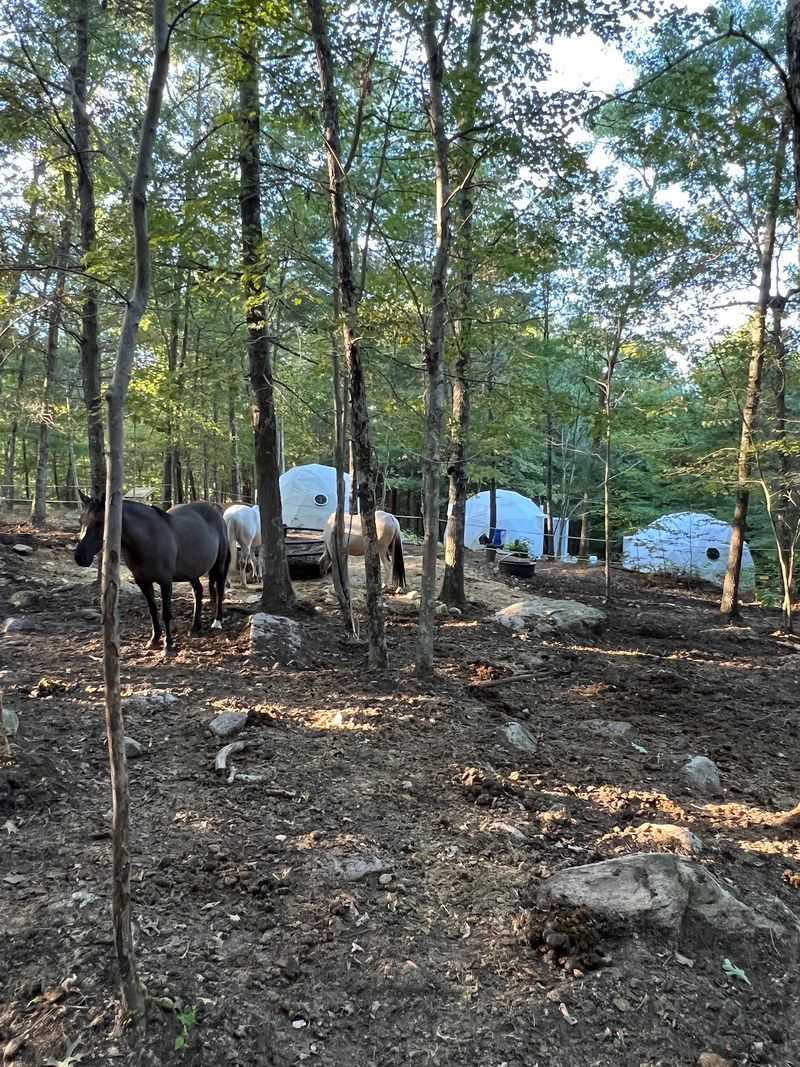
Every mustang at the sanctuary has a western origin story. Wild herds roam public rangelands across states like Nevada, Wyoming, and Oregon.
Federal agencies periodically gather horses from those lands to manage population numbers. Gathered animals then need homes, and adoption programs place them across the country.
That is how untamed western horses end up grazing New England woodlands. The distance traveled is enormous, both in miles and in life experience.
Understanding this history changes how you see them. A mustang standing calmly beside you once navigated open desert and made its own decisions about water and shelter.
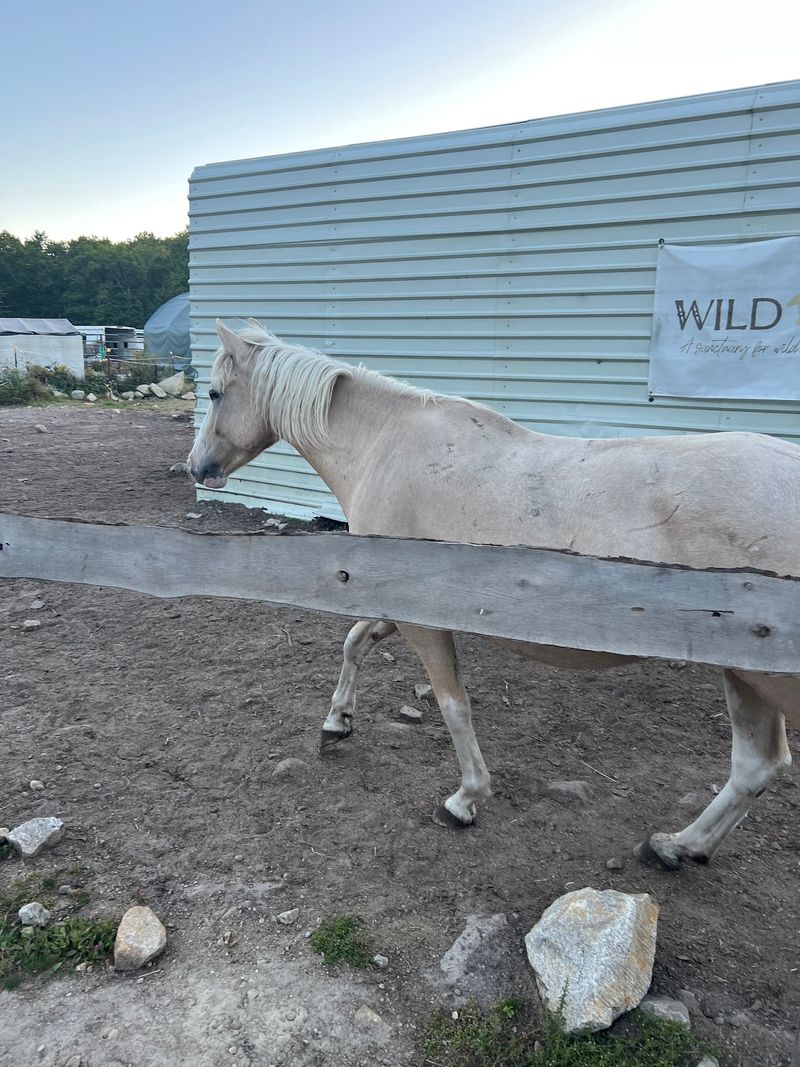
Their build reflects that background. Mustangs tend to be compact, hardy, and sure-footed, shaped by generations of surviving rough country without help.
Wild Ride operates as a non-profit organization, which means the work runs on support rather than profit. Learning the backstory during the tour makes the whole outing feel meaningful.
You leave knowing something concrete about American wildlife management, not just cute horse photos.
Planning Around The Sanctuary’s Hours
Timing matters more here than at a typical attraction. The gates are not open every day, and showing up unannounced is a wasted trip.
Weekends run longest, with Saturday and Sunday hours from 9 AM to 5 PM. Monday through Wednesday, the window narrows to 2 PM until 6 PM.
Thursdays and Fridays are closed entirely. Mark that on your calendar before booking a hotel or lining up a road trip.
Weekend mornings give you the most flexibility for a longer walk. Weekday afternoons work well if you want cooler light and a smaller crowd.
Seasons shift the experience too. Autumn brings crisp air and color through the woods, while spring means mud and busy, energetic horses.
Summer afternoons can be warm and buggy, so pack insect repellent and apply it before you arrive. Winter tours depend heavily on conditions.
Confirming your plan by phone remains the reliable approach. A quick call prevents a long drive ending at a closed gate.
What To Wear And Bring Along
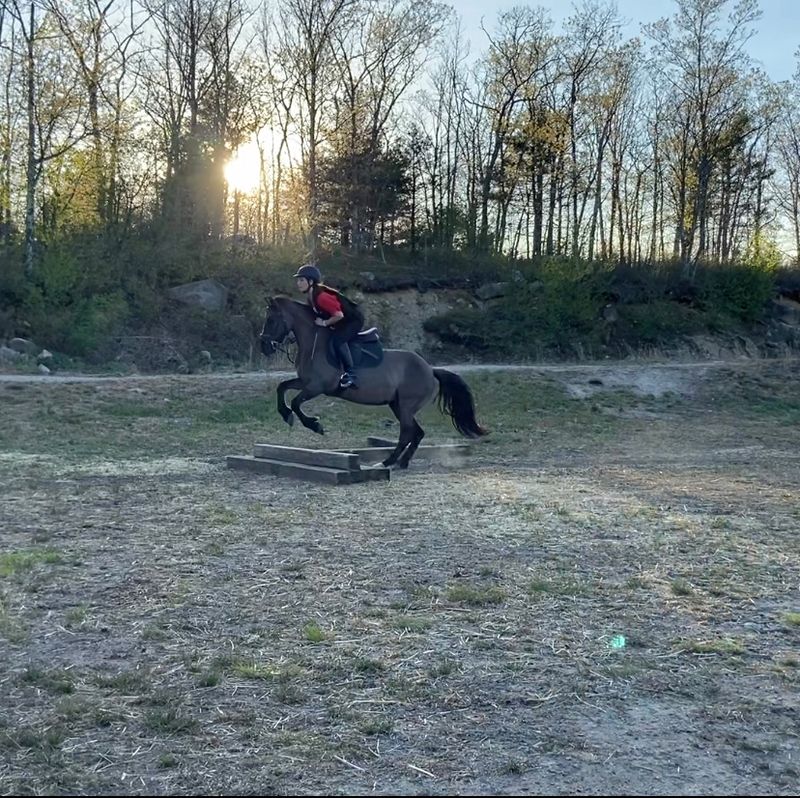
Footwear is non-negotiable. Boots that cover your whole foot are required, and waterproof ones are smarter still.
Trails run through woods with mud, roots, and uneven ground. Ankle support saves you from an awkward stumble in front of a very unimpressed horse.
Skip food entirely. The mustangs approach closely, and snacks turn you into an instant target for twelve hundred pounds of curiosity.
Water in a sealed bottle is welcome. Tours involve steady walking, and hydration helps, especially in warmer months.
Dress in layers you can shed or add. Wooded shade runs cool even when the parking area feels warm.
Leave loose scarves, dangling bags, and flapping hats behind. Horses investigate anything that moves in the breeze.
A camera is worth carrying, though keep straps short and secured. Phone photos work fine, but hold on tight.
Cash or a card for supporting the non-profit is thoughtful. Every bit helps feed a herd this size through a New England winter.
Why The Caretakers Make The Whole Trip
Great animals need great people, and that combination is what elevates this place. The team running Wild Ride is young, deeply knowledgeable, and clearly obsessed with mustangs.
Watching them work is half the education. A quiet shift in posture moves a horse, and a soft word settles a nervous one instantly.
Questions get real answers, not rehearsed scripts. Ask about a specific horse and you will hear its history, quirks, and current progress.
MacKenzie handles much of the guiding and instruction. Her explanations are clear enough for beginners without being dumbed down.
The care extends past the tour. Feeding, hoof care, and daily handling for two dozen horses is relentless work that happens whether anyone is watching or not.
Supporting a non-profit like this one directly funds hay, veterinary visits, and land upkeep. Your time on the property helps sustain that.
Head home from 130 Old Cranston Road and you carry more than photos. You understand these animals a little better, and that is the real souvenir.