
This New York Bookstore Is Hidden Inside An Old Train Station Most Travelers Never Notice
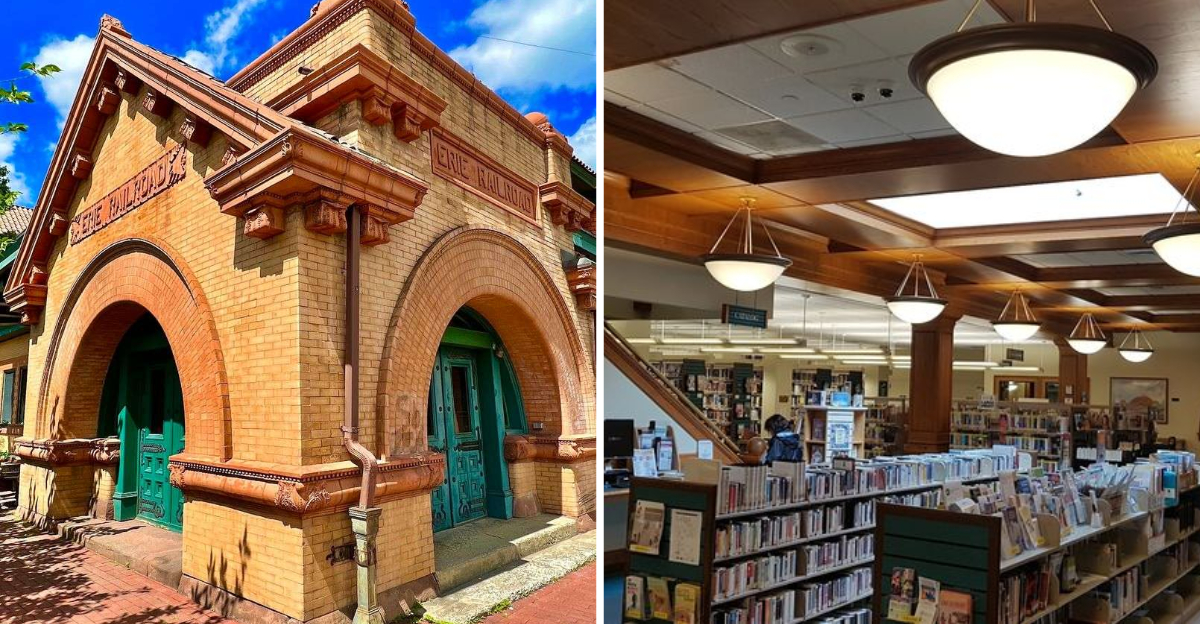
Most people pass the old brick depot without giving it a second thought. That is exactly why finding books inside feels so satisfying. The trains are long gone, but the building still has a purpose, and it is a surprisingly cozy one.
New York keeps a few good surprises quiet. Shelves now fill rooms that once handled passengers, tickets, and hurried departures.
There is another reason the place sticks with people. Volunteers keep the bookstore running, and every purchase helps support what comes next. Kids gather for story time, regular readers browse slowly, and the old station feels useful again instead of frozen in the past.
Nothing about it feels polished for tourists. That may be the charm. You come for the building, then realize the books are what make you stay.
A Waiting Room That Traded Timetables For Bookshelves
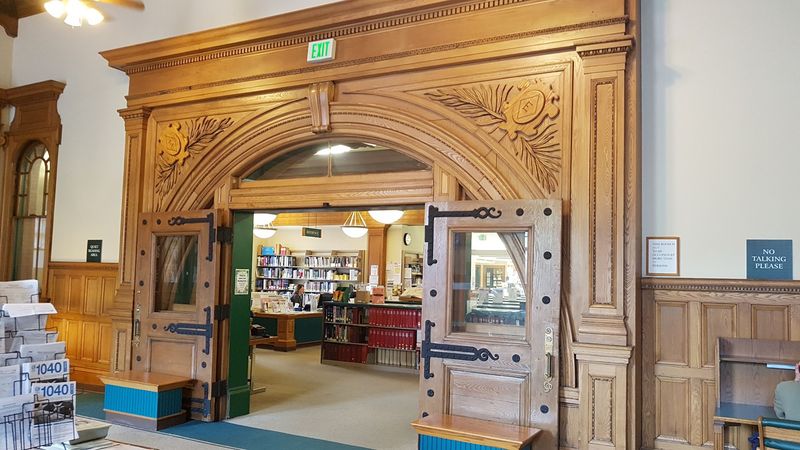
Few buildings get a second act this good. The main reading room here was once the passenger waiting area of a busy Erie Railroad station, and the bones of that past are still standing tall.
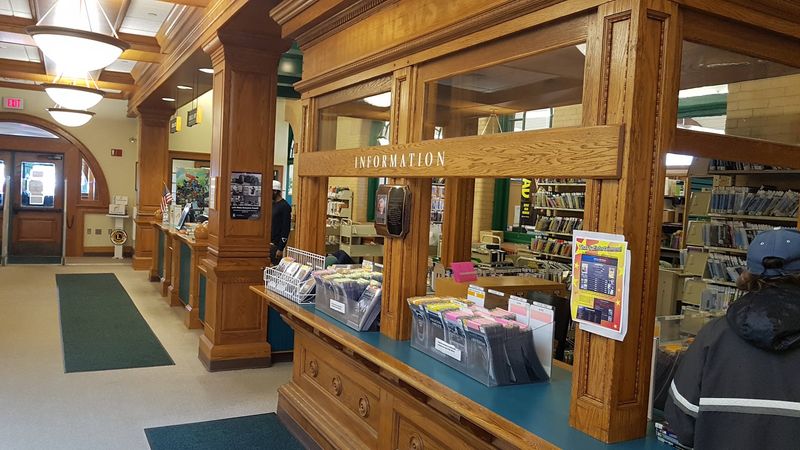
Look up and you will find woodwork that modern budgets rarely allow, plus arched windows that pour daylight across the tables. The director’s office occupies what used to be the ticket booth, which might be the most charming desk assignment in the county.
What makes the place special is the quiet contrast. Travelers once paced this floor watching the clock, anxious about departures. Now people settle in for hours with a novel and nobody rushes them out the door.
The 1896 structure was designed by George E. Archer, chief architect for the railroad, and Romanesque Revival details show up in the arches and heavy masonry. It reads as a civic monument rather than a simple stop along the tracks.
Newer wings were added during the conversion, and the architects matched the original style closely. The result feels unified instead of patched together, so you spend your visit admiring craft rather than spotting seams.
Middletown Thrall Library, Standing Proud On Depot Street
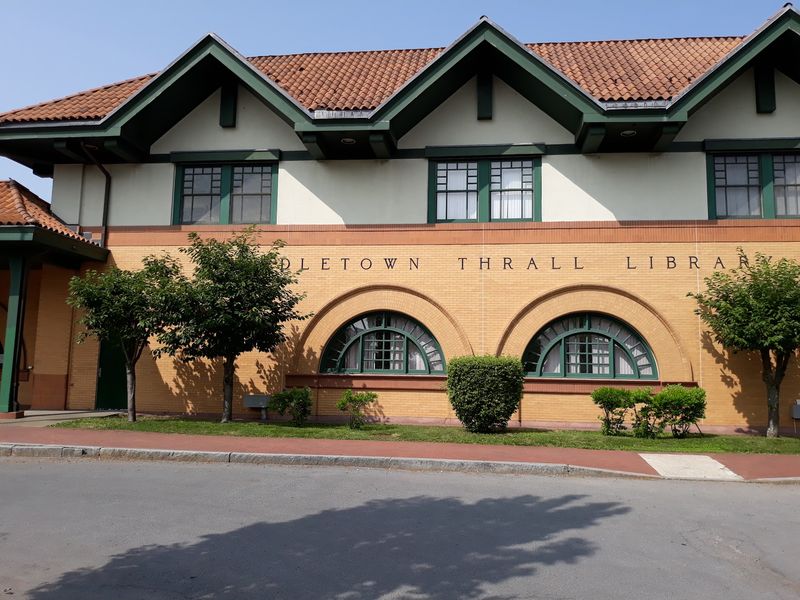
Address matters when a building hides in plain sight. You will find Middletown Thrall Library at 11-19 Depot Street in Middletown, New York, sitting exactly where the trains used to pull in.
Street names in old rail towns tend to tell the truth, and this one does. The pavement out front covers ground that once held platforms and luggage carts, and the depot still anchors the block with real presence.
The library dates back to 1901, when it opened on Orchard Street after a bequest from philanthropist S. Maretta Thrall. By the 1980s the collection had simply outgrown those walls.
Officials looked at the empty depot and saw possibility instead of problem. Construction started in October 1993, and the reborn library welcomed readers on February 12, 1995, at a cost of roughly 5.3 million dollars.
The payoff was enormous. The finished facility spans about 30,000 square feet, five times the size of the previous building, and it became the Thrall Public Library District in 2002.
Call ahead at 845 341 5454 if you want to confirm program times before you make the drive.
The Friends Bookstore Where Every Sale Funds A Shelf
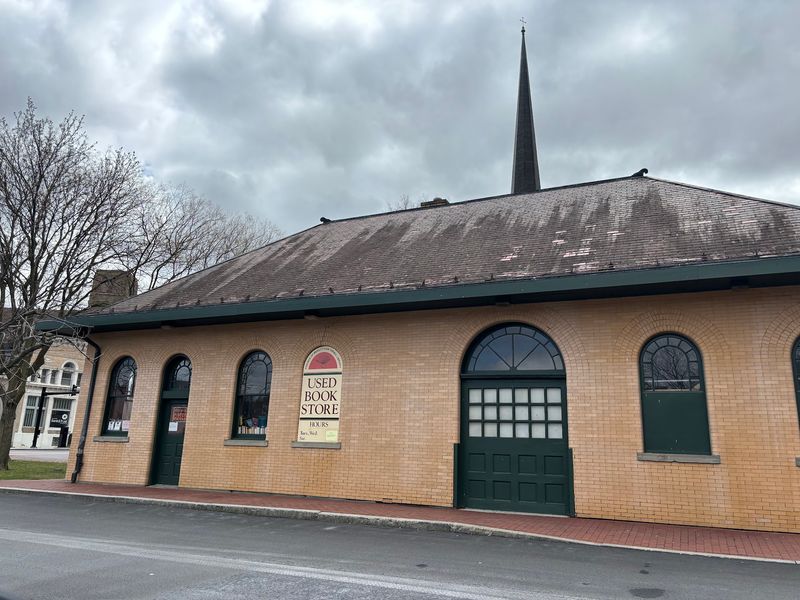
Bargain hunters, this is your stop. The Friends of Middletown Thrall Library Used Book Store sits right beside the main library building on the same Depot Street property, and it runs entirely on volunteer muscle.
Shelves hold donated books, magazines, CDs, DVDs, and assorted media at prices that feel almost like a clerical error. Every cent collected flows back into library programs and new purchases.
Shopping here does double duty. You walk out with a stack of reading material and you have quietly paid for someone else’s next great find.
Because the stock arrives through donations, the inventory shifts constantly. One week brings a wall of mysteries, the next turns up cookbooks, field guides, and paperbacks with wonderfully dated cover art.
Regulars treat it like a treasure hunt, and that is honestly the correct approach. Come with an open mind rather than a strict list, then let the tables surprise you.
Donation drop offs happen on set days, so give the library a quick call before hauling in boxes. Volunteers appreciate the heads up, and your old novels get a genuine second life.
Why The Trains Vanished And The Building Stayed
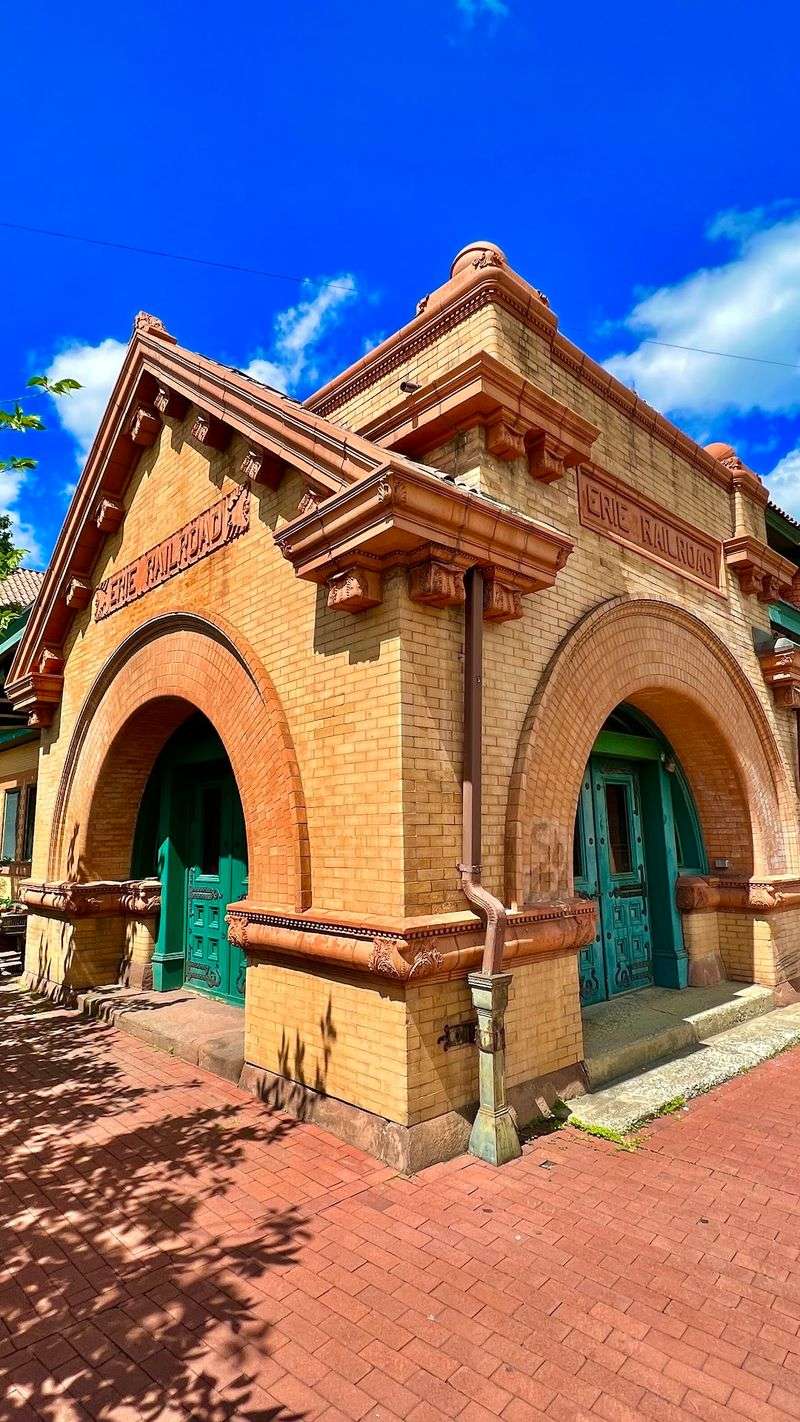
Railroad history explains the whole puzzle. Middletown’s first Erie station opened in 1843 as part of the New York, Lake Erie and Western Railroad, back when rail lines were reshaping the entire Northeast.
Traffic grew heavy enough that the original structure could not keep pace. The replacement went up in the mid 1890s, built to impress travelers moving between Chicago and Jersey City, and later Hoboken.
For decades the depot buzzed. Mail, freight, families, and commuters all flowed through those doors on a daily schedule.
Everything changed in 1983. Metro North Railroad took over service and rerouted the line, which bypassed the old main line tracks running through downtown.
The depot suddenly had no purpose. Asphalt and parked cars replaced the platform crowds, and the grand building sat idle while the town figured out its next move.
That rerouting is exactly why travelers miss it today. Modern trains no longer pass this spot, so nobody glances out a window and wonders about the handsome brick building with the arched doors.
Lucky for readers, the town chose preservation over demolition. History got a library instead of a vacant lot.
Kids Claim The Second Floor, And They Claim It Loudly
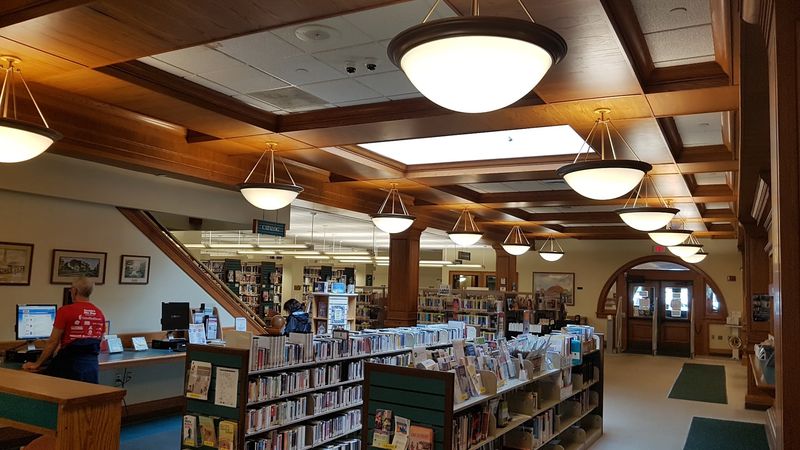
Parents get a real win upstairs. The children’s department occupies the second floor, which keeps the giggles gathered in one happy zone away from the study tables below.
Collections here stretch across ages, covering board books for babies through titles aimed at older teens. There is room to spread out on the floor with a picture book, which is how the best reading happens anyway.
Story time and craft programs appear on the calendar throughout the year. Registration fills up for popular sessions, so checking the schedule early pays off.
Young adults have their own dedicated space on the first floor. Middle schoolers and high schoolers get somewhere to browse without a toddler grabbing at their sleeve.
Computers in the children’s area include learning games, which softens the argument about screen time considerably. Flyers near the entrance list upcoming events for every age group.
Bring a tote bag bigger than you think you need. Kids have a way of building towers of books when the selection runs this deep, and the checkout desk sees it happen constantly.
Rainy Saturday plans solved, no admission fee required.
Free Computers, Printing, And A Job Wall That Helps
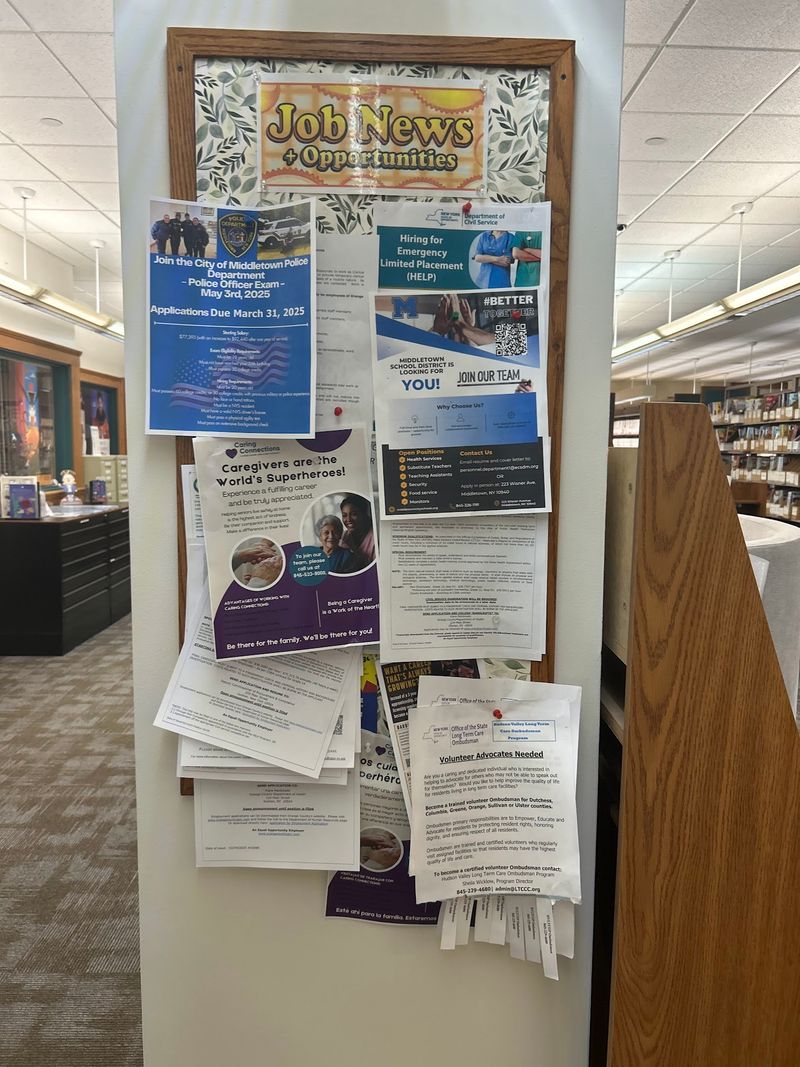
Practical services carry real weight here. Public computers line the floor with internet access available at no charge, and staff members genuinely know how to help when something goes sideways.
Printing is available, and patrons can email documents ahead of time rather than fighting with a strange machine. Small conveniences like that turn a stressful errand into a five minute stop.
A job wall near the main area posts local employment leads. It costs nothing to browse and it has pointed plenty of neighbors toward their next paycheck.
Online resources go well beyond the basics. Cardholders get full access to The New York Times, digital comics, streaming video, and a stack of research databases.
Local history materials are available too, which makes the place valuable for anyone tracing family roots in Orange County. Librarians here can steer you toward the right file instead of leaving you guessing.
Hours run generously. Monday through Thursday the doors stay open from 9 AM to 8 PM, Friday until 6 PM, and Saturday from 10 AM to 2 PM, with Sunday closed.
Plan around those windows and you will never arrive to a locked door.
Architecture Buffs Will Want To Slow Down Here
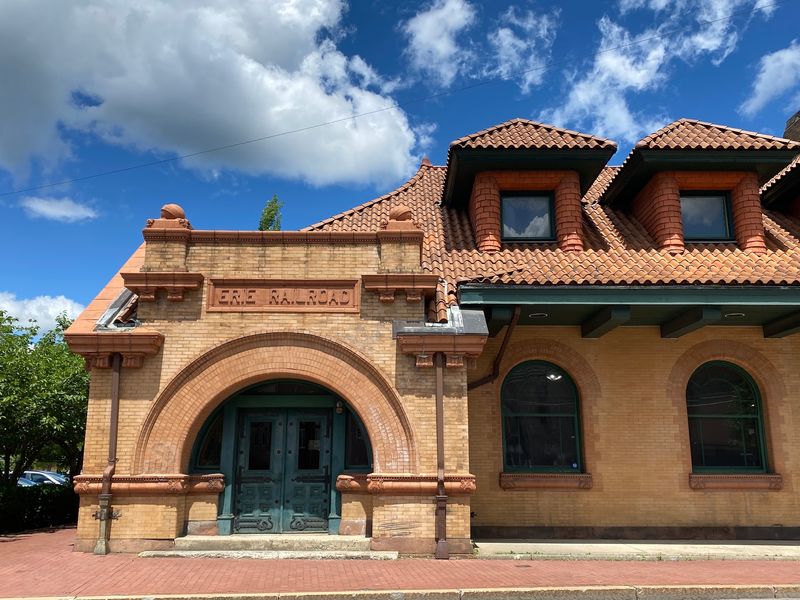
Detail hunters, budget extra time. Romanesque Revival architecture leans on rounded arches, heavy masonry, and a sense of solidity, and this depot shows off all three without shouting.
George E. Archer designed dozens of stations during his tenure with the railroad, and his work here has held up remarkably well. The wooden interior finishes are the kind that repair crews today would struggle to reproduce.
Preservation was clearly the priority during the 1990s renovation. Rather than gutting the character, the project kept the original station area functioning as the primary reading room.
Additions built during the expansion echo the older forms in brickwork and window shape. Standing outside, most visitors cannot immediately tell where the 1890s ends and the 1990s begins.
Compare that to other depots across the region that fell into ruin, and the achievement here feels sharper. Adaptive reuse worked exactly as intended.
Bring a camera and shoot the exterior in late afternoon when the brick warms up. Interior photos are best done politely and quietly, since people are reading.
Architecture fans in New York often overlook Orange County. Consider this a solid reason to correct that.
A Community Hub With Room For Fifty Friends
Meeting space turns a library into a town square. Groups gather here regularly for programs, sessions, and community events, and the rooms handle sizable crowds without feeling cramped.
Staff assistance makes a difference when you are organizing something. Setup questions get answered, equipment gets sorted, and the event runs smoothly instead of chaotically.
Programming spans generations. Adults find lectures and workshops, teens get their own activities, and younger kids have crafts and reading sessions on the calendar.
The building also functions as a genuine gathering point for the neighborhood. People come in for warmth, quiet, information, and company, and the staff treats everyone with the same courtesy.
Security officers stationed in the vestibule keep things orderly, which many regular visitors appreciate. The atmosphere inside stays calm and welcoming as a result.
Parking sits directly out front on the old rail apron. Spaces can fill during busy afternoons, so arriving mid morning gives you the easiest shot at a spot near the door.
If you want to book a room, reach out well ahead of your date. Popular slots go quickly, especially during school breaks and evenings when local clubs meet.