
This Nevada Farm Stand Sells Produce So Good It Shapes Locals’ Weekly Routine
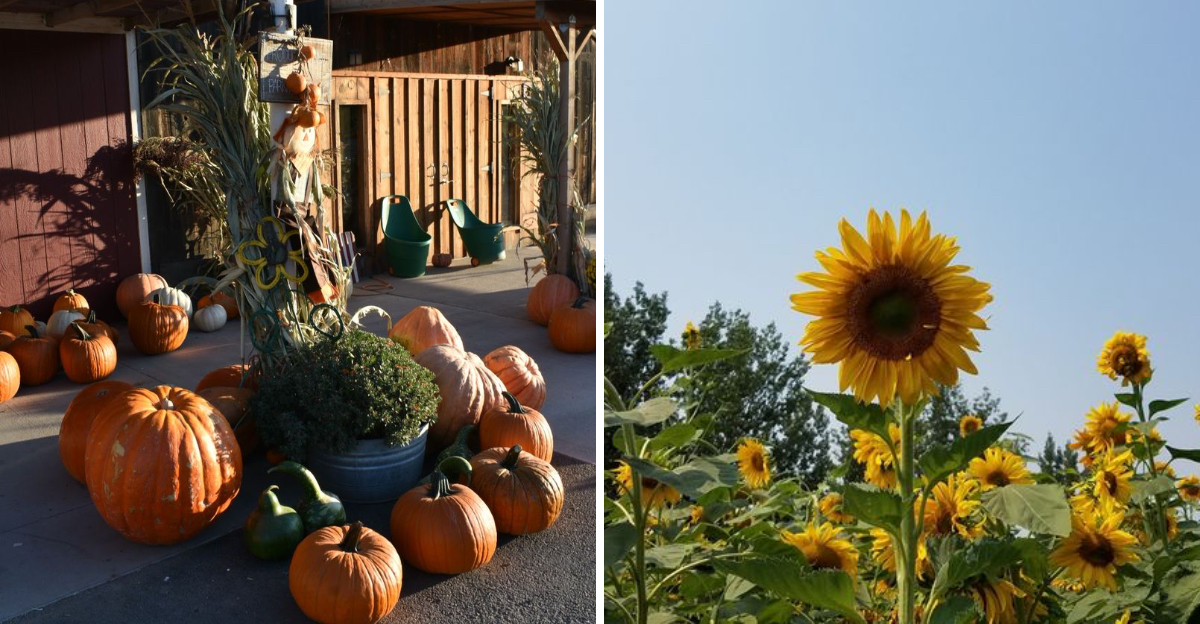
Saturday mornings look different once you taste what grows here. A single cantaloupe variety has turned into a full-blown obsession across Nevada.
Baskets fill fast with sweet corn, raspberries, and heirloom watermelons pulled straight from the field that morning. Warm bread from the onsite bakery pulls people off course before they even reach the vegetables.
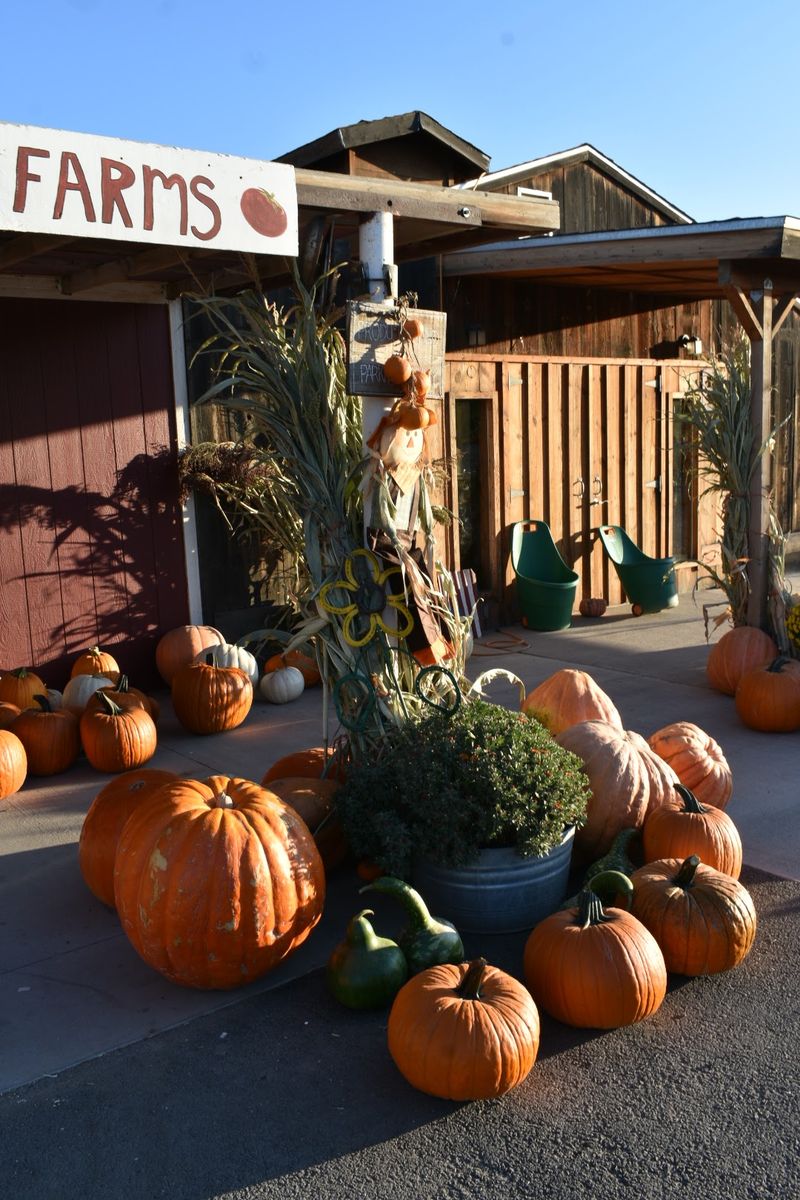
Autumn flips the whole place into a corn maze and pumpkin patch wonderland. Kids chase hayrides while parents hunt for the perfect gourd.
Five generations have worked this soil, and the routine shows no signs of slowing down. Nevada families built entire weekends around this one stop.
Fresh eggs, local honey, and homemade jam round out the haul every single visit.
Curious what keeps everyone coming back week after week?
A Century Of Farming In The Lahontan Valley
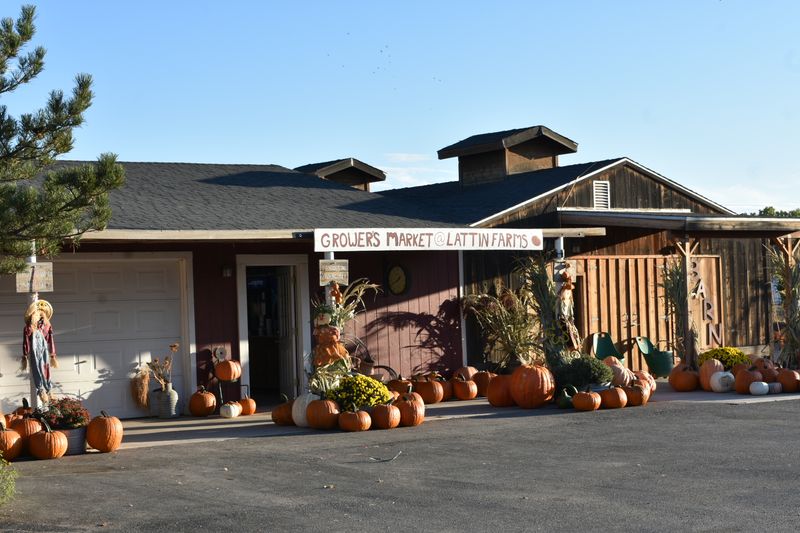
Roots here run deeper than most Nevada businesses. The Lattin family has worked this valley ground since the 1970s, back when alfalfa and small grains paid the bills.
Five generations later, Lattin Farms still farms the same soil. That kind of continuity is rare anywhere, let alone in high desert country where water rights shape everything.
Irrigation from the Newlands Project turned this stretch of sagebrush into farmland. Green fields sit against dry hills, and the contrast surprises first-time visitors driving in.
The shift from field crops to a public farm happened gradually. Selling produce directly from a roadside stand started in the late 1980s and slowly grew into a community habit.
Today the property sits at 1955 McLean Rd, Fallon, NV 89406, just a short hop off the US-50 corridor. Access is easy, and the gravel lot handles plenty of vehicles.
History is not displayed behind glass here. It shows up in the crop rotations, the old equipment, and the family names still attached to daily work.
Farms like this one carry a valley’s memory in every planted row.
Hearts Of Gold Cantaloupe Steals The Show
One melon built this reputation. The Hearts of Gold cantaloupe grown around Fallon has a following that borders on devotion.
Warm days, cool nights, and mineral-rich valley soil combine to concentrate sugars. Locals swear the flavor cannot be matched by grocery store melons trucked in from far away.
Harvest timing matters. These melons ripen in late summer, and word travels fast when the first crates reach the Lattin Farms stand.
Some shoppers buy several at once, then hand them out to neighbors. Others drive an hour each way, treating the trip as a seasonal ritual rather than an errand.
The melon’s fame stretches beyond the farm gate. Fallon celebrates it with an annual cantaloupe festival, which says plenty about how a fruit can anchor a town’s identity.
Availability shifts with weather and growing conditions, so calling ahead saves disappointment. Nothing about farming runs on a fixed schedule.
Cut one open on a picnic table and the perfume arrives before the first bite does. That aroma explains the whole obsession better than any description could.
The Produce Stand That Sets The Weekly Rhythm
Saturday mornings look different in Fallon. Shoppers arrive with empty baskets and a mental list built around whatever ripened that week.
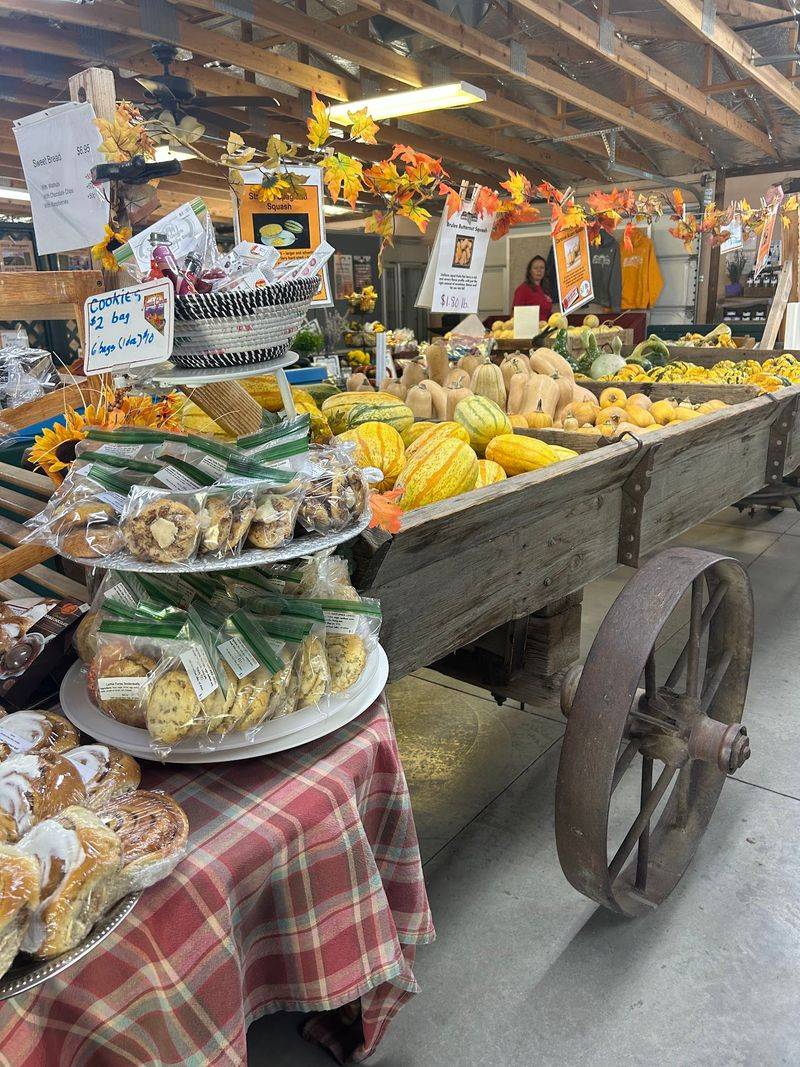
The stand at Lattin Farms fills with tomatoes, sweet corn, peppers, squash, raspberries, and heirloom watermelons as seasons turn. Certified organic practices guide the growing.
Selection changes constantly, and that is part of the appeal. Some days the shelves overflow, other days a single crop dominates the display.
Regulars have learned to shop flexibly. Rhubarb might show up unannounced, and someone goes home planning a strawberry rhubarb pie instead of the dinner they intended.
Fresh eggs and local honey often join the produce. Nothing sits long enough to lose its shine.
Prices vary year to year like any farm operation. Supporting local growing means accepting the honest cost of small-scale agriculture in Nevada.
Staff know their inventory well and will happily explain what came out of the field that morning. Ask about picking dates if freshness matters most.
Habit forms quickly here, and plenty of households now treat the stand as a standing appointment.
Bakery Smells That Slow Everyone Down
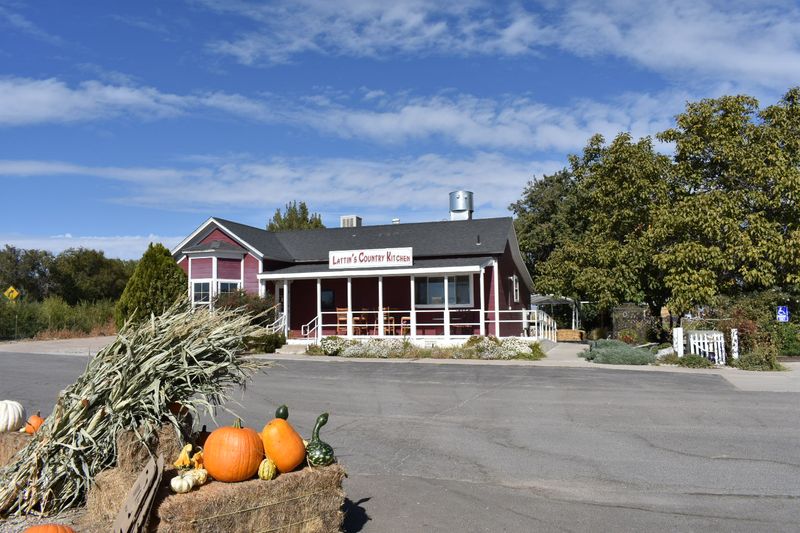
Warm bread beats a shopping list every time. The onsite bakery pulls visitors off course before they reach the vegetables.
Cinnamon rolls, cookies, and sweet breads rotate through the counter. Lemon raspberry loaves have earned particular praise from travelers who stumbled in unexpectedly.
Shelves nearby hold jams, jellies, and salsas made from farm ingredients. Those jars let summer flavors survive well into January.
Buying a jar of jam feels practical rather than touristy. It travels well and makes an easy gift for someone who missed the trip.
The bakery selection shifts with seasons and available fruit. Pumpkin and spice items appear in autumn, berry-heavy treats show up in warmer months.
Small-batch production means popular items sell out. Arriving earlier in the day improves the odds considerably.
Beyond food, the farm store stocks honey, sweatshirts, and handmade goods. Browsing takes longer than expected once the smell of the ovens takes hold.
Lattin Farms proves that a bakery attached to a working farm changes the entire visit from a quick stop into a lingering one.
Autumn Turns The Place Into A Festival
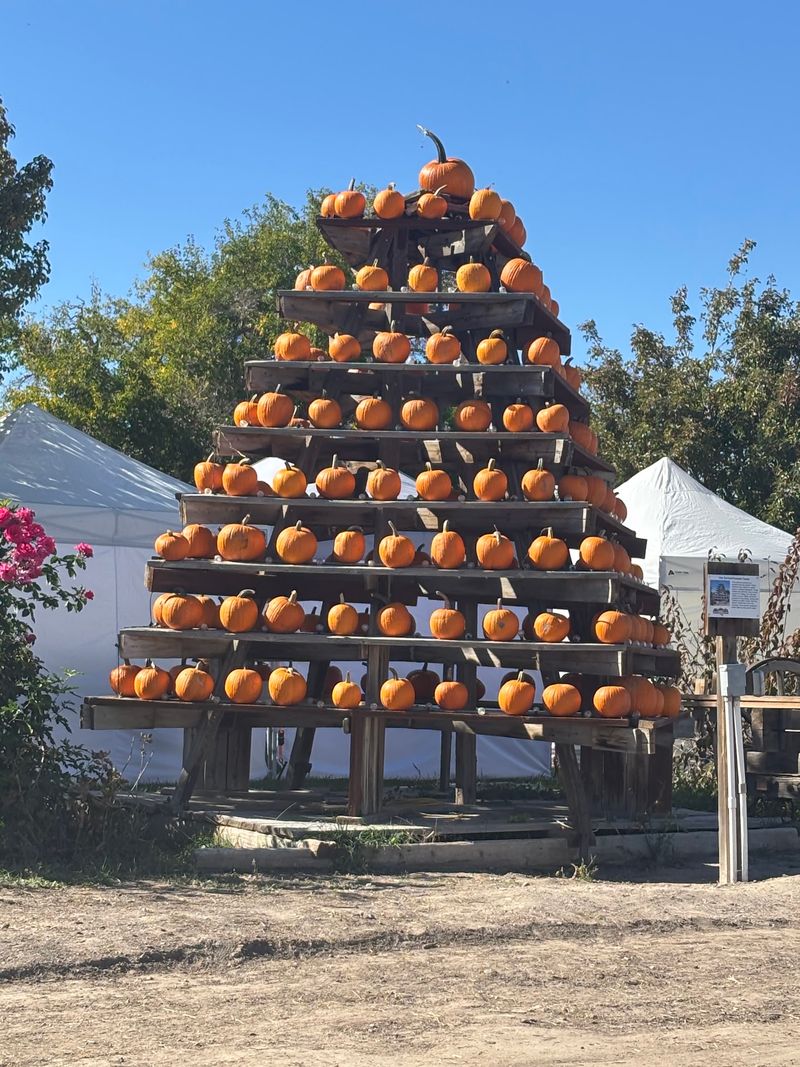
October changes the mood entirely. What runs as a quiet produce operation most of the year transforms into a full-blown celebration.
The Fall Festival typically runs from late September through October. Families arrive from Fallon, Fernley, Reno, and beyond.
Hay wagon rides roll through the property, giving passengers a look at fields most visitors never see. Kids hang off the sides pointing at everything.
Decorations go up in serious quantity. Straw bales, gourds, and painted signs turn ordinary corners of the farm into photo backdrops.
Craft vendors often set up during festival weekends. Handmade goods sit alongside farm products, and browsing becomes half the fun.
Weekends draw the biggest crowds, so weekday visits feel calmer for families with small children. Parking fills quickly during peak afternoons.
Dates and activity lineups shift year to year depending on harvest and weather. Checking before driving out is simply smart planning.
Autumn at Lattin Farms carries a specific energy that regulars count on. Missing it feels, to many local families, like skipping a holiday altogether.
Getting Lost In The West’s First Corn Maze
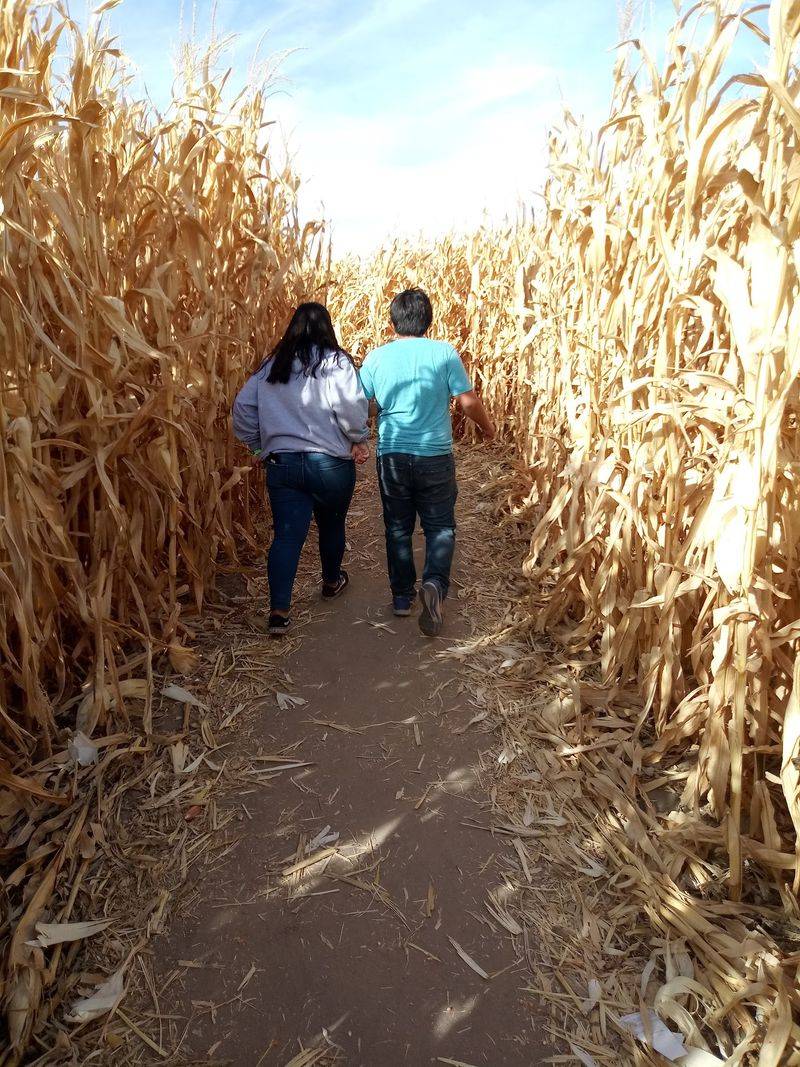
Corn taller than most adults hides a serious puzzle. The maze here holds the distinction of being the first of its kind in the West.
Roughly three acres of pathways twist across the field. A new design appears each season, so returning visitors never repeat the same route.
Themed quizzes often accompany the maze. Answers hide at checkpoints, which turns aimless wandering into a scavenger hunt.
Laughter carries over the stalks. Groups shout directions at each other, then discover they were all wrong together.
Moonlight sessions add another layer of challenge during select autumn nights. Flashlights become essential equipment.
Difficulty balances well for mixed ages. Younger kids manage shorter loops while teenagers chase the harder routes.
Sturdy shoes make a real difference since the ground stays uneven and dusty. Nevada evenings cool off fast, so a jacket helps too.
Plan on spending a decent chunk of time inside. Rushing defeats the purpose entirely.
The maze at Lattin Farms has become the activity most people mention first when describing their visit, and the design work behind it earns that attention.
Pumpkin Patch Picking And Kid-Sized Fun
Small hands and big orange gourds make a fine combination. The pumpkin patch draws families who take the selection process seriously.
Kids wander the rows comparing shapes, stems, and sizes. Parents end up carrying whatever wins.
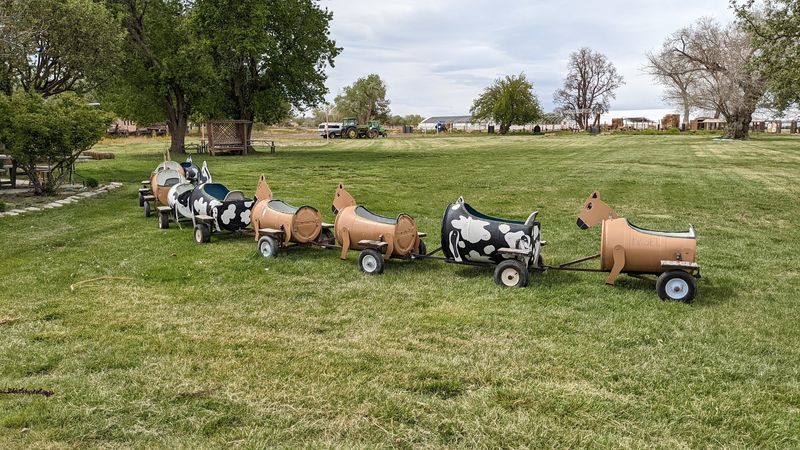
Around the patch, activities keep younger visitors busy. A cow train ride circles the grounds, delighting children too small for the maze.
A corn play area works like a giant kernel-filled sandbox. Shoes come off, and getting anyone to leave becomes a negotiation.
The scarecrow-building station lets families make something to take home. Creativity varies wildly, which is exactly the charm.
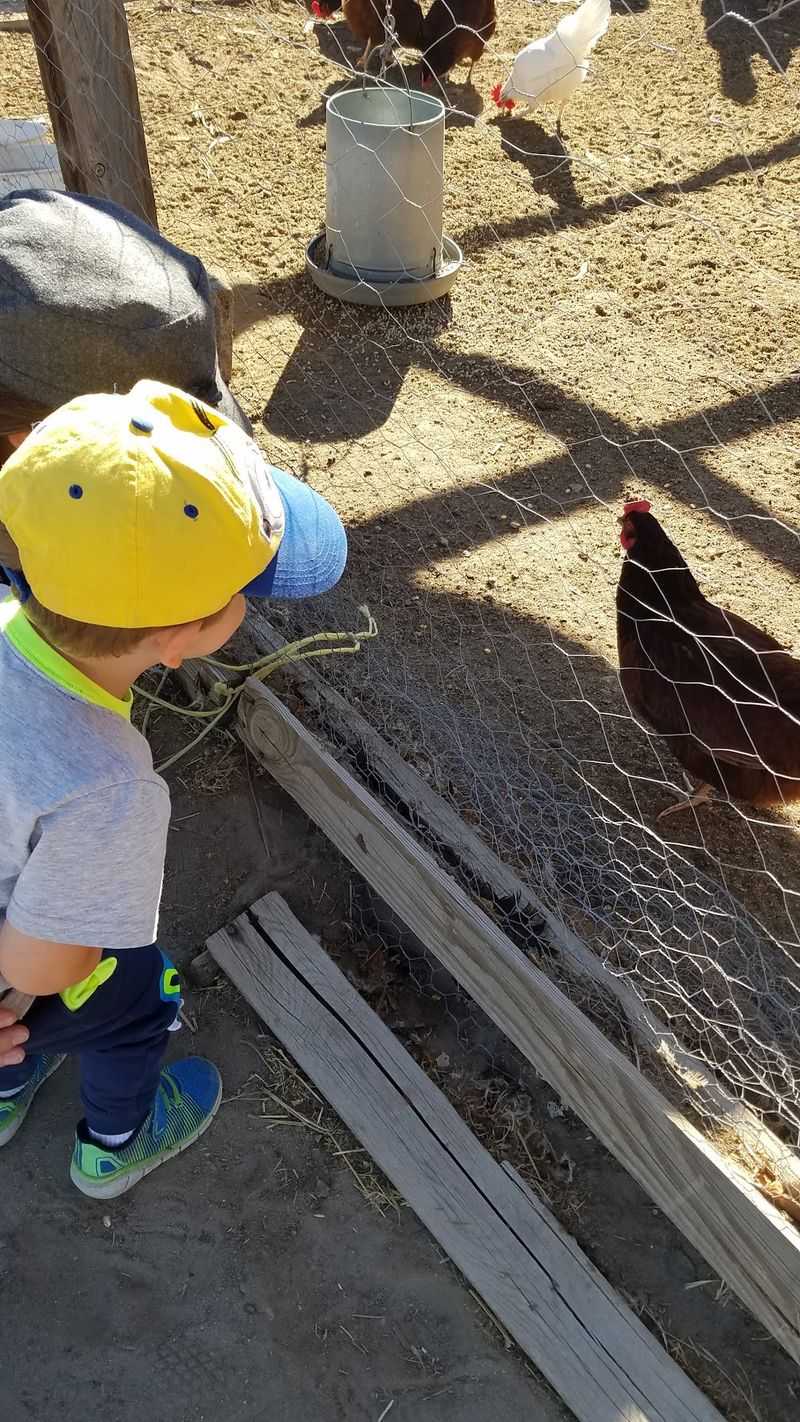
Critterville, the petting area, introduces farm animals up close. Goats are the crowd favorite, especially with the small coin-operated feed dispensers.
Bring quarters for feeding and wet wipes for afterward. Both prove useful.
Activity availability depends on the season and event schedule, so autumn offers the fullest lineup.
Families driving to Lattin Farms for pumpkins usually stay far longer than planned, and the kids rarely complain about that particular delay.
Sunflowers, Berries And Summer Surprises
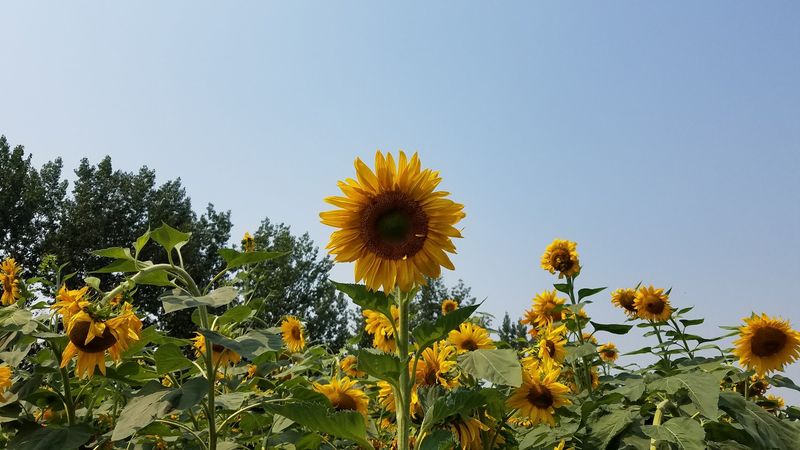
Yellow takes over before orange does. Sunflower blooms have drawn crowds to the farm during warmer months, with visitors cutting their own stems.
Vendors sometimes join those summer gatherings. The field turns into a photo destination as much as a growing space.
Berries arrive earlier in the season. Raspberries especially disappear fast once picking begins.
Sweet corn hits its stride in mid to late summer, and the stand moves serious volume. Melons follow close behind.
Community Supported Agriculture baskets extend the reach of the harvest. Subscribers receive a rotating mix of whatever the fields produce that week.
Seasonal events do change from year to year based on planting and conditions. Confirming details ahead of time avoids a wasted drive.
Summer heat in this part of Nevada climbs quickly, so mornings feel far more comfortable. Water and hats are not optional.
Fewer visitors show up outside October, meaning summer trips feel relaxed and unhurried.
Anyone who thinks Lattin Farms only matters in autumn has clearly never tasted a July raspberry picked hours earlier.
Where Food And Farming Actually Connect
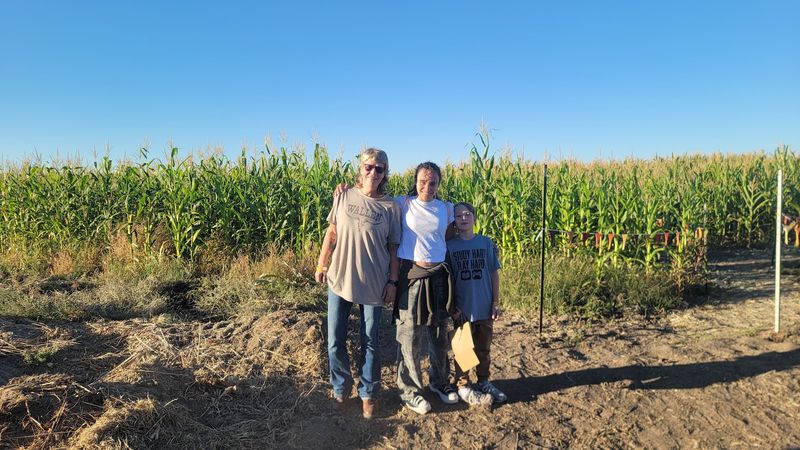
Most people never see where dinner starts. That gap is exactly what this operation tries to close.
Visitors walk past growing crops on their way to the stand. Watching corn stand ten feet tall reframes how a person thinks about a grocery aisle.
The family talks openly about their growing methods. Certified organic practices guide the fields, and questions get honest answers.
Children benefit most from that exposure. Feeding a goat and pulling a carrot teach lessons no worksheet manages.
Water conversations come up naturally in a desert valley. Irrigation shapes what can grow, and locals understand that reality well.
Farm-to-fork thinking guides much of what happens here. Partnerships with regional food efforts help move produce into more kitchens.
Nothing about the approach feels preachy. Education arrives wrapped in hayrides and cantaloupe slices.
Curious visitors should ask staff about current crops. The conversation usually turns interesting fast.
Time spent at Lattin Farms leaves people paying closer attention to labels, seasons, and where their food actually begins its journey.
Five Generations And A Careful Handoff
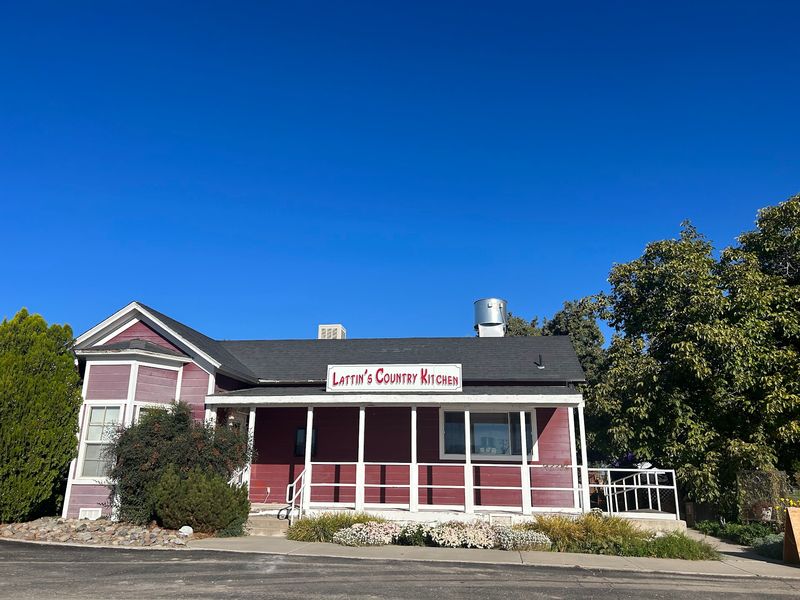
Passing down a farm takes more than paperwork. Management here has been shifting toward the next generation after decades of work by the founders.
Traditions stay intact through that transition. The melons, the maze, the bakery, all continue.
New ideas arrive alongside them. Younger operators bring fresh approaches to events, marketing, and how visitors experience the property.
Continuity matters to regular customers. Seeing familiar faces behind the counter reassures people who have shopped here for years.
Long-term thinking shows in how the land gets treated. Farms planning for the next generation manage soil differently than short-term operations.
Staff and family members work side by side during busy seasons. Visitors frequently mention how approachable everyone stays even on packed weekends.
Responses to feedback tend to be personal rather than corporate. That tone reflects a business still run by people who live nearby.
Change happens slowly and deliberately, which suits agriculture.
A hundred-plus years of continuous farming at Lattin Farms suggests the handoff has been handled with the same care as the harvest itself.
A Community Anchor In Churchill County
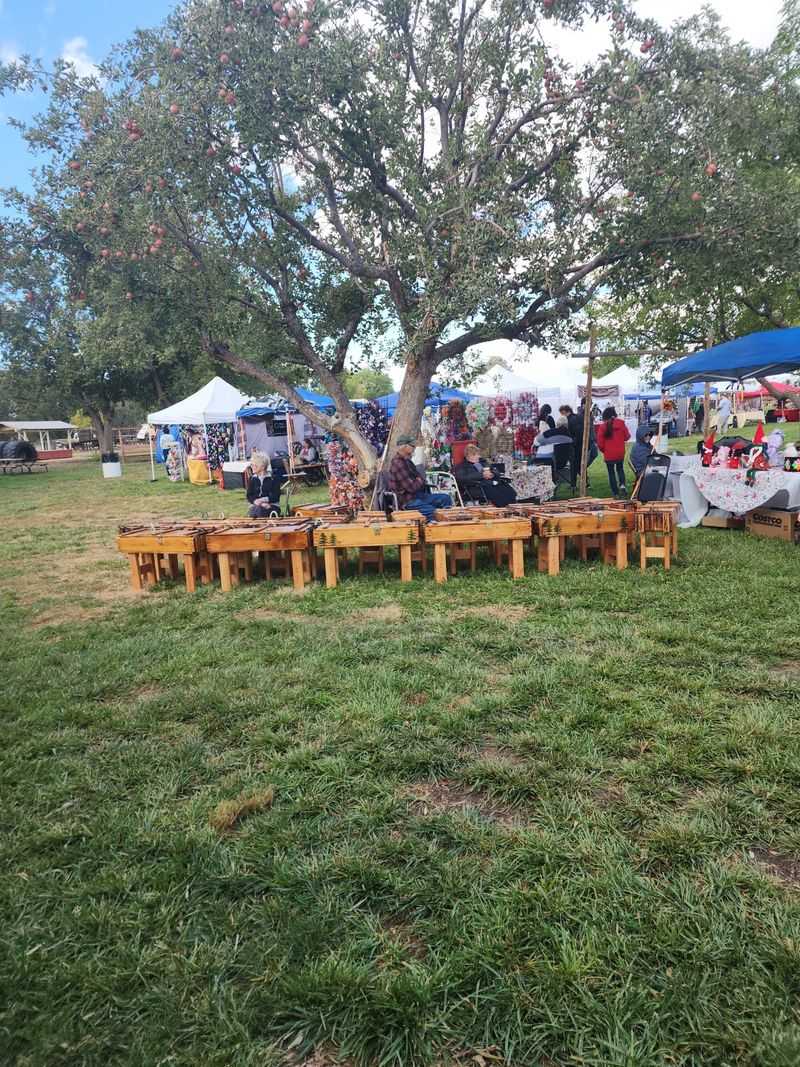
Small towns need gathering places. This farm has quietly become one for Fallon and the surrounding valley.
Neighbors run into each other at the stand. Conversations stretch longer than the shopping does.
Collaboration with the local food hub helps farm-grown produce reach more households. Those partnerships strengthen the whole regional food network.
Craft fairs during festival season give area makers a place to sell. Handmade jewelry, baked goods, and seasonal crafts fill the tables.
Travelers passing through on US-50 stop too. Some overnight through farm-stay hosting programs, waking up beside melon fields.
Out-of-state visitors often mention how welcoming the staff feel. Grandparents bring grandchildren specifically to create memories.
Local pride runs through it all. Fallon claims its cantaloupe reputation loudly, and this farm helped build that claim.
Supporting the operation keeps agricultural land working in a state better known for other things.
Nevada has plenty of wide-open spaces, but places where a whole community gathers around a produce counter are worth protecting, and Lattin Farms holds that role comfortably.
Smart Tips Before Making The Drive
Preparation improves the trip. The farm sits close to the US-50 corridor, making it an easy detour rather than a difficult expedition.
Parking is gravel and open. Larger vehicles and motorhomes have managed the access without trouble.
Bringing cash for small items like animal feed dispensers helps. Reusable bags handle the produce haul better than thin sacks.
Shade is limited across much of the property. Sunscreen and hats earn their spot in the bag during summer.
Autumn evenings cool sharply once the sun drops behind the hills. Layers solve that quickly.
Crop availability fluctuates constantly, and even the best-planned visit depends on what the fields produced that week. Flexibility pays off.
Weekends during festival season draw the heaviest traffic. Arriving early keeps the experience relaxed.
Photos come out beautifully in late afternoon light, especially with the desert hills framing the fields.
Anyone planning a stop at Lattin Farms should simply allow more time than expected, because a quick melon run has a way of turning into an entire afternoon in the Nevada countryside.