
This Jackson, Mississippi Restaurant Serves Soul Food Plate Lunches That Keep Locals Coming Back
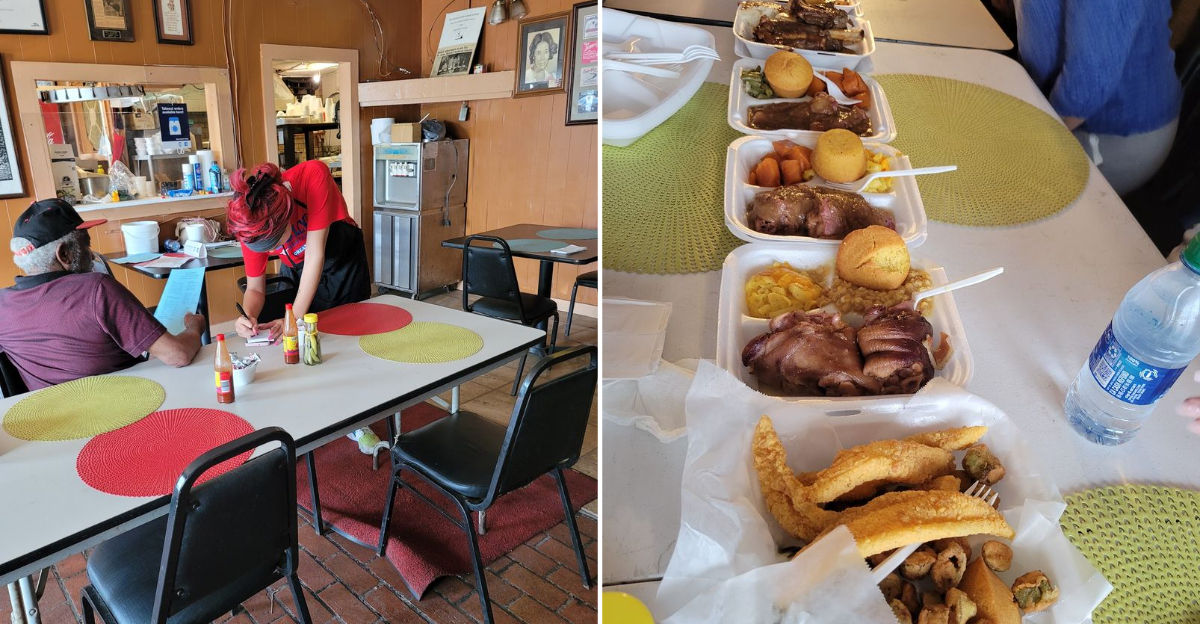
There’s a saying that good food heals the soul, and this Mississippi restaurant proves it with every single plate. Soul food here gets prepared the traditional way, with recipes passed down rather than adapted for outside trends.
Regulars order the same plate lunch consistently, trusting the recipe to taste exactly like it did the last time. Nothing about the food feels rushed or simplified to speed up the lunch rush.
Portions stay generous, matching the comfort food reputation this restaurant built over the years. Every dish gets prepared with the same care regardless of how busy lunch hours get.
Word about the food spread the old-fashioned way, through actual conversation rather than any advertising push. This restaurant proved that sometimes the best comfort food comes from the simplest kitchens.
Traditional Ingredients Used In Plates
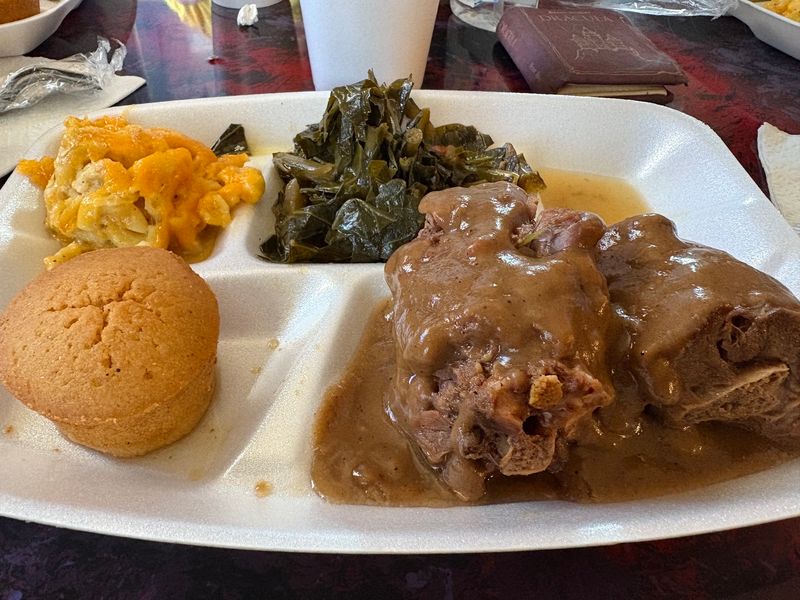
Oxtails get mentioned more than almost anything else here, and for good reason. They come smothered in dark gravy, cooked until the meat gives up and slides off the bone.
The meat lineup reads like a Sunday dinner list that never ended. Beef tips over rice, neck bones, pig feet, ham hocks, smothered and fried pork chops, meatloaf, baked chicken, and fried catfish all rotate through the steam line.
Greens hold equal weight on the plate. Collards, turnips, mustards, and cabbage each get their turn, often cooked down with smoked meat until the pot liquor turns rich and savory.
Vegetables lean rural and Southern. Fried green tomatoes, fried okra, lima beans, string beans, and candied yams show up as sides that could honestly work as a full meal on their own.
Starches round everything out. Rice, cornbread, macaroni and cheese, mashed potatoes, and dressing give the gravies somewhere to land.
Fun bit of history worth chewing on. Ingredients like rice, okra, greens, and sweet potatoes trace back through African cooking traditions carried into the American South, which means every plate holds a few centuries of story.
Desserts stay classic too, with peach cobbler, banana pudding, and sweet potato pie doing steady work. You can find all of it at 3118 Livingston Rd, Jackson, MS 39213.
Cooking Techniques That Define Authentic Flavor

Slow cooking does the heavy lifting in a kitchen like this one. Turkey necks and ham hocks simmer long enough that the meat surrenders completely, which is exactly why people keep ordering them.
Seasoning is treated as a craft rather than an afterthought. Paprika, cayenne, garlic powder, onion powder, black pepper, thyme, and sage build layers instead of just adding heat.
Smothering is another signature move. Pork chops and oxtails get braised in gravy until the sauce and the meat basically become the same thing.
Frying handles the crispy side of the menu. Catfish goes into a cornmeal coat, chicken gets its golden crust, and okra comes out with that addictive crunch.
Greens follow a slower path entirely. They cook for hours with smoked meat until the bitterness fades and the pot liquor tastes like a soup you would drink on purpose.
Cornbread arrives crisp outside and soft in the middle, which is not an accident. Getting that texture takes a hot pan and a cook who knows when to stop.
The through line in all of it is patience. Historically, these methods came from making humble cuts taste extraordinary, and that mindset never left the kitchen.
Nothing here relies on shortcuts. The flavor comes from time, smoke, and a whole lot of repetition over four decades.
Popular Side Dishes To Complement Plate Lunches
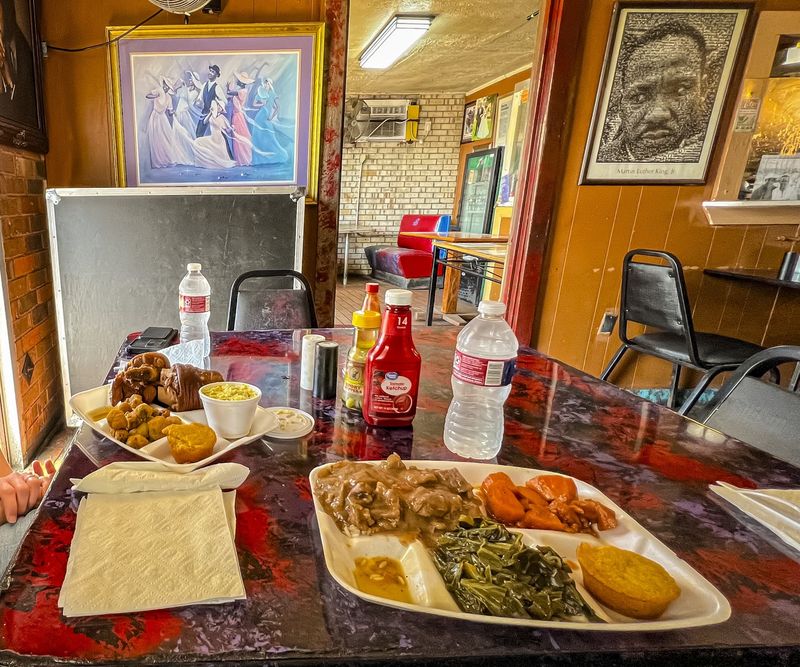
Picking two sides here is the hardest decision of anyone’s day. Macaroni and cheese wins a lot of votes, arriving baked and unapologetically rich.
Candied yams play the sweet role on the plate. They balance out the salt and smoke from the greens and the gravy-heavy meats.
Fried okra shows up crisp and poppable, the kind of side that disappears before the main course gets touched. Fried green tomatoes work the same way, tangy under a cornmeal shell.
Greens are non-negotiable for most people. Collards come spiced, cabbage comes soft and buttery, and both leave behind pot liquor worth saving.
Cornbread exists specifically for that liquor. Break off a piece, drag it through the bottom of the greens, and you understand why Southern cooks never skip it.
Lima beans and string beans handle the quieter corner of the menu. Both get cooked with smoked meat, which turns simple beans into something with real depth.
Rice and gravy, dressing, mashed potatoes, and potato salad fill out the rest of the rotation. Fried catfish usually travels with hush puppies and coleslaw.
Sides here are not filler. They are half the reason people plan their lunch break around this address.
Regional Variations In Recipes
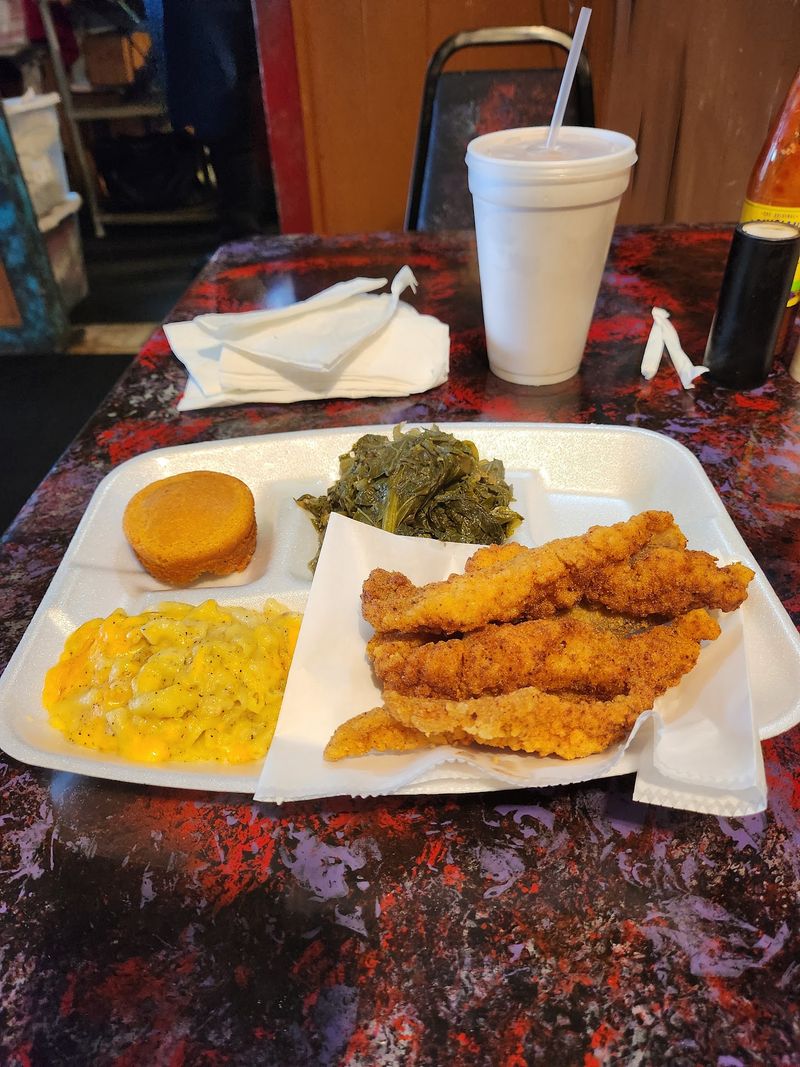
Jackson carries a serious reputation as a soul food capital, and Livingston Road is part of the proof. Mississippi cooking leans toward heavy gravies, greens cooked into submission, and meats seasoned hard.
Compare that to the Carolinas, where rice dishes like Hoppin’ John rule the table. Black-eyed peas and rice there show clear West African roots.
Along the South Carolina coast, Gullah cooking keeps its own path with local rice and seafood. Different ingredients, same ancestral thread.
New Orleans went spicier thanks to Caribbean and Creole influence. Roux-based dishes and layered heat define that corner of the map.
The Mississippi Delta even claims its own tamale tradition, which surprises visitors every single time. Hot tamales in the Delta are as Southern as cornbread.
Speaking of cornbread, that alone splits the region. Some Southern cooks sweeten it, others keep it plain and savory, and people will argue about it for hours.
What makes a place like this one distinct is how local the recipes stay. Techniques passed from a father to a son in 1982 are still shaping what lands on the plate now.
Traveling eaters notice the difference immediately. Greens taste different here than in Georgia or Tennessee, and that regional fingerprint is the whole point.
Nutritional Aspects Of Classic Soul Food
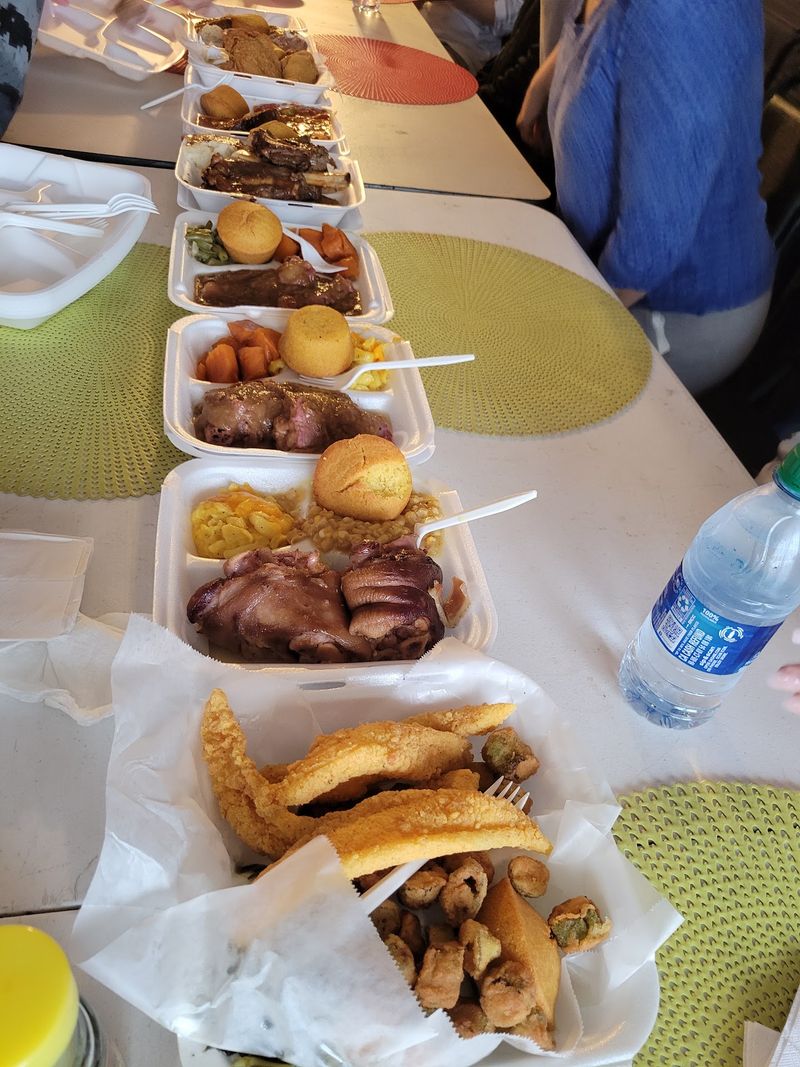
Here is something that surprises people. The vegetable side of soul food is loaded with nutrition, and greens are the star of that story.
Collards, cabbage, mustard, and turnip greens deliver fiber along with vitamins A, C, and K. Add folate, iron, and calcium to the list.
Sweet potatoes and yams bring beta-carotene and manganese to the table. Black-eyed peas and lima beans contribute protein, magnesium, and thiamin without much effort.
The catch comes from traditional preparation. Fatty pork used for seasoning, plenty of frying, and butter or lard push the fat, sodium, and calorie numbers upward.
None of that makes the food bad. It just means balance matters when you are ordering a full plate lunch.
A practical move is loading up on vegetable sides and choosing one baked or stewed meat instead of two fried items. Baked chicken and greens make a lighter plate that still hits.
Splitting a dessert is another easy adjustment. Peach cobbler and banana pudding are famous for a reason, but half a serving still counts as a win.
Filling roughly half your plate with vegetables is the general guideline nutritionists suggest. Given how good the greens are here, that advice is not exactly a sacrifice.
Cultural Significance Of Soul Food In Communities
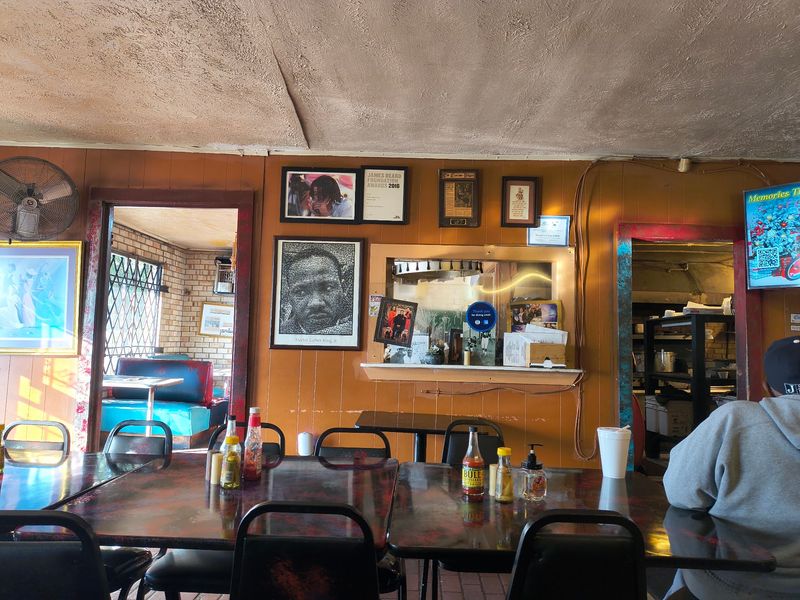
Walls covered in framed newspaper clippings and civil rights memorabilia tell you this is more than a lunch counter. The history is literally hanging around the dining room.
Soul food traces back to the transatlantic slave trade, where enslaved Africans made extraordinary meals from scraps and small garden plots. Survival cooking became cultural identity.
During the Great Migration, soul food restaurants and church kitchens turned into gathering places. They held communities together when very little else did.
The word soul entered the vocabulary in the mid-1960s, alongside the Civil Rights and Black Nationalist movements. It described care, pride, and connection as much as it described food.
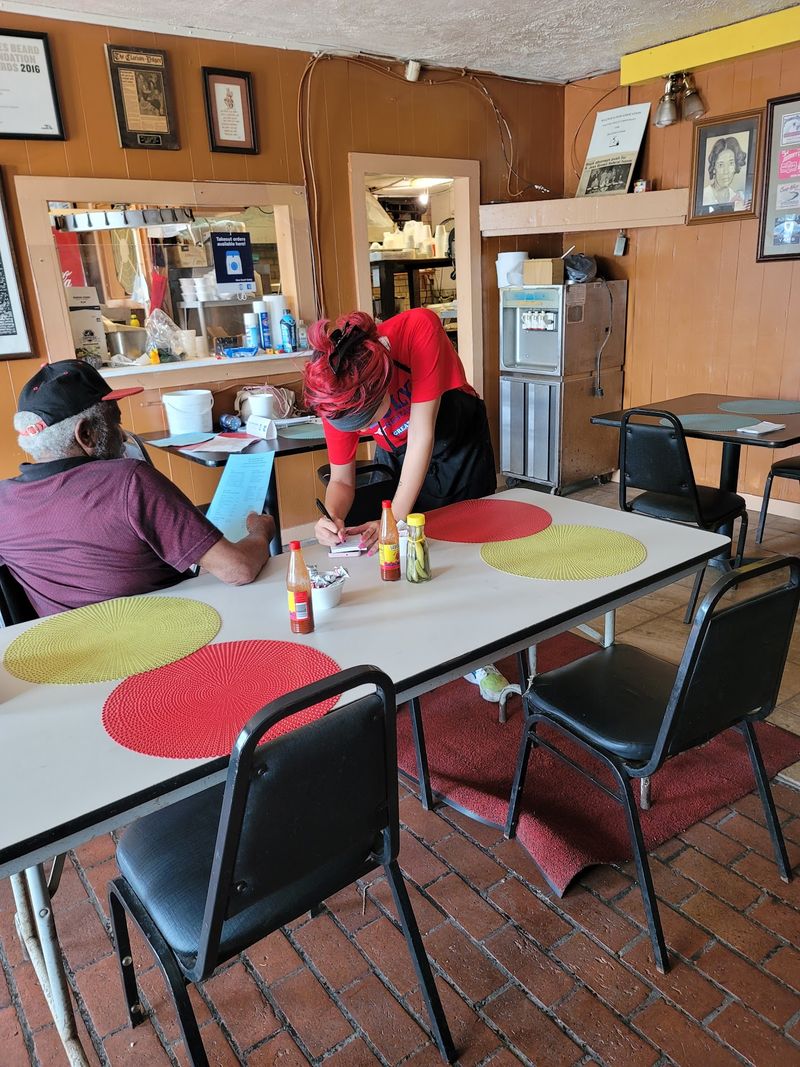
Opened in 1982 by Tyrone Bully and his father, this restaurant fits squarely into that lineage. Family members work the counter, and the dining room is small enough that strangers end up sharing tables.
The 2016 James Beard Foundation American Classic honor put a national spotlight on it. Food Network and Travel Channel cameras followed.
What the awards cannot capture is the ordinary weekday rhythm. City workers, retirees, and road trippers all end up in the same room eating the same greens.
Jackson’s identity is woven into places like this. Feeding people is the job, but preserving heritage is the legacy.
Tips For Preparing Soul Food At Home
Trying to copy this cooking at home is ambitious, but a few habits get you close. Start with seasoning in layers rather than dumping everything in at once.
Keep paprika, cayenne, garlic powder, onion powder, black pepper, thyme, and sage within arm’s reach. Those seven do most of the work.
For catfish, soak the fillets in buttermilk before dredging them in seasoned cornmeal. That soak is the difference between crispy and sad.
Collards need a real cleaning. Soak and rinse them several times to lose the grit, pull the tough stems, chop, then simmer with smoked turkey or ham hocks.
Oxtails and turkey necks demand time you cannot rush. Low heat over several hours is what makes the meat fall apart on its own.
A Dutch oven is your best friend here. Southern cooks have leaned on them for stews, beans, and frying for generations.
Want a lighter version? Bake instead of fry, use smoked turkey rather than pork fat in greens, cut back sugar in cobbler, and add more vegetables.
Swapping butter for olive, canola, or peanut oil helps too. The flavor stays honest, and your doctor stays calmer.
Seasonal Produce Impact On Menu Selection
Daily specials at a soul food kitchen are basically a weather report for the garden. What grows nearby ends up on the steam line.
Fried green tomatoes are the clearest example. They appear when tomatoes are plentiful and still firm, which is a short and glorious window.
Okra follows the summer heat. Fried or stewed with tomatoes, it peaks when Mississippi gets uncomfortably humid.
Cooler months shift the menu toward collards, turnips, and mustards. Those greens actually taste better after a light frost, which old-school cooks have known forever.
Sweet potatoes come out of the ground in fall, and suddenly candied yams and sweet potato pie start showing up everywhere. Timing is not a coincidence.
Long before farm-to-table became a marketing phrase, rural Mississippi families lived it. They grew string beans, corn, peas, and greens because that was simply how you ate.
Enslaved communities relied on small plots for potatoes, greens, corn, carrots, and okra, and those crops became the backbone of the cuisine. Seasonality was built in from the start.
Practical advice for visiting eaters. Ask what came in fresh that day, because the daily special often reflects the best produce in the kitchen.
Doors open at 11 AM on weekdays, and popular items sell out. Early arrivals get the widest choice.