
This Nevada Trail Is The Perfect Perch For Stargazing On Crisp Autumn Nights
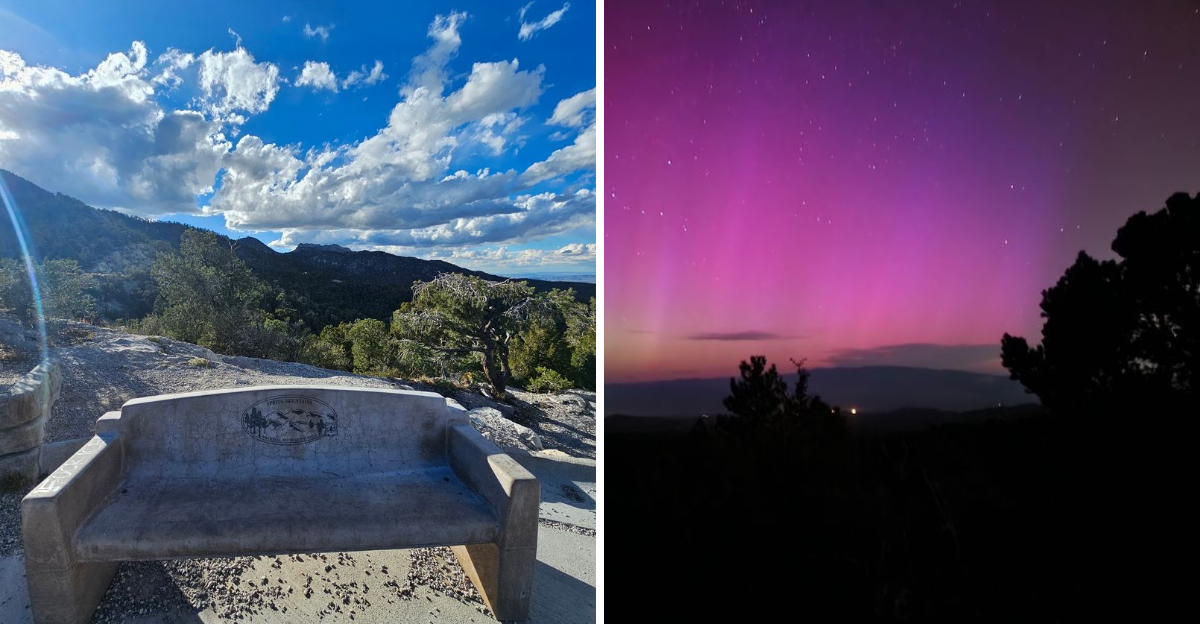
A short paved path leads straight into one of the darkest skies left in Nevada. Cool autumn air clears the haze and stars snap into sharp focus overhead.
Coyotes start calling once the last cars pull away. Owls join in, and the mountain seems to wake up right as everyone else goes quiet.
Getting here takes barely an hour, yet the silence feels like a different planet entirely. No glow on the horizon, no crowd noise, just wind moving through pine trees.
Old signposts along the trail hint at a stranger history than most visitors expect. Faded panels once explained a chapter of Nevada history most travelers never learn about.
Layers help once the temperature drops fast at elevation. Ready to see why stargazers keep quietly returning here?
A Paved Path Built For Everyone
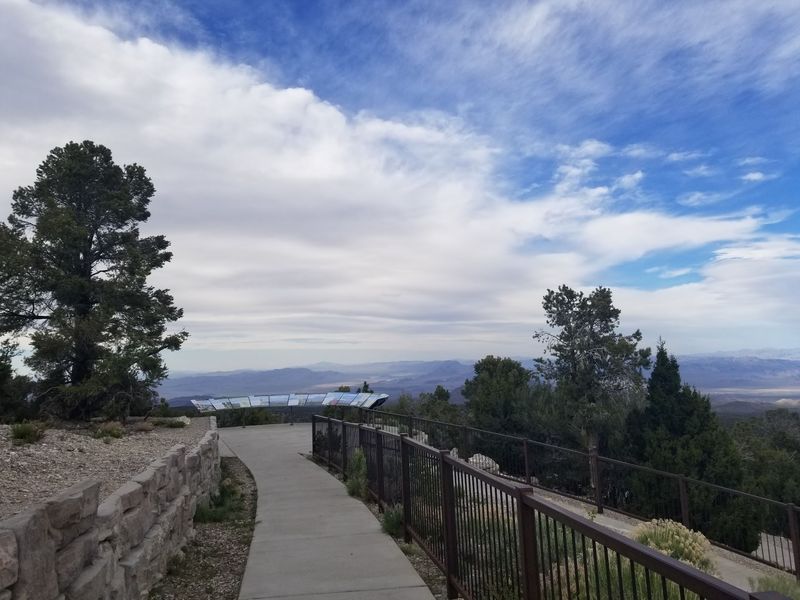
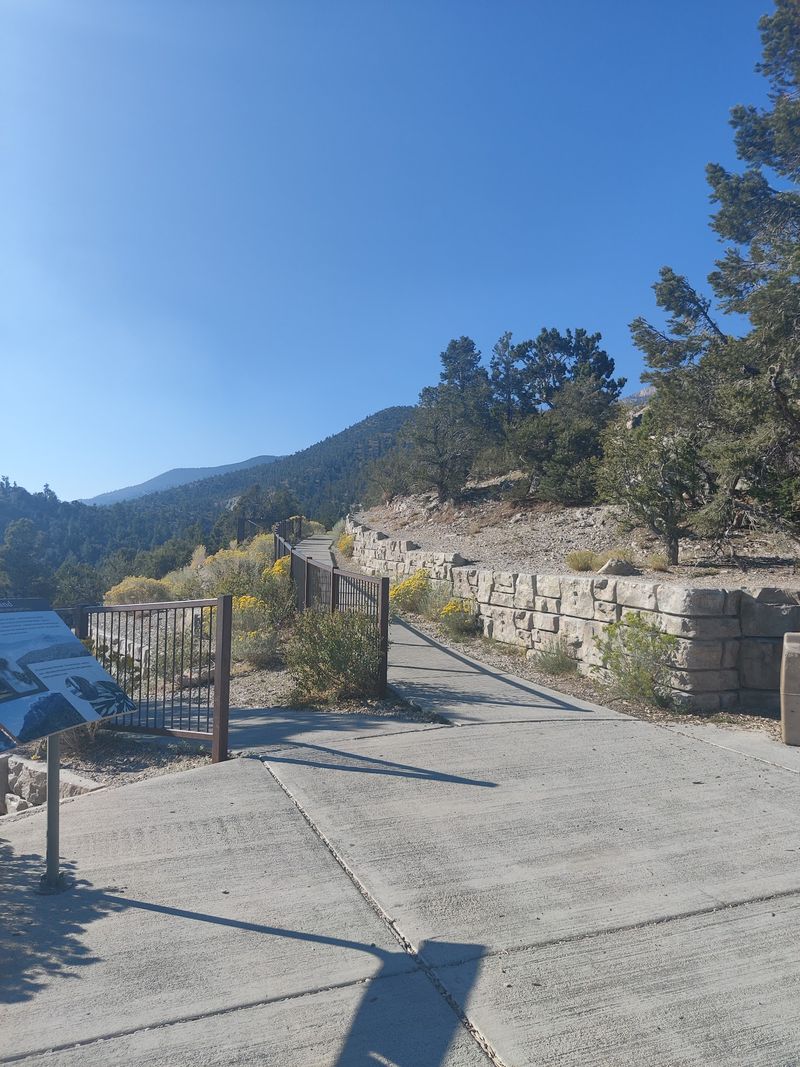
Short walk, huge payoff. The trail at Desert View Overlook runs on smooth concrete, with sturdy railings along the drop-off side.
Most visitors finish it in a few minutes. That makes it friendly for grandparents, strollers, wobbly toddlers, and anyone hauling camera gear or a chair.
The path starts right by the parking area, where the view already impresses. Keep walking and it improves with every step, opening toward the desert far below.
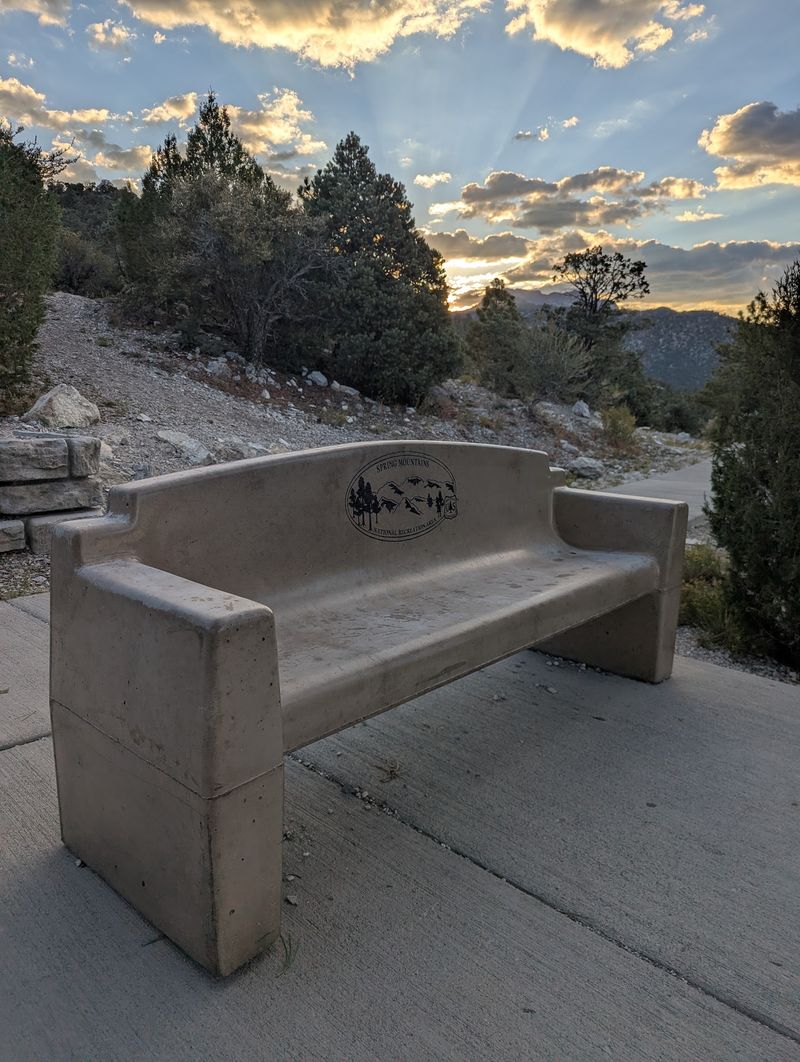
Benches and picnic spots sit near the route, which helps if the elevation leaves you breathing harder than expected. The overlook rests high among the pines at a notable elevation, so pace yourself.
For stargazers, the paved surface matters more than it sounds. Flat, predictable ground means fewer stumbles once darkness settles in and headlamps go red.
You can set up a tripod without wrestling loose gravel. You can also step back to the car quickly when the temperature dips.
Accessibility rarely pairs with dark-sky viewing this well. Here in Nevada, the combination feels almost too convenient for a spot this quiet.
The Drive Up Lovell Canyon Road
Twelve paved miles change everything. Lovell Canyon Road climbs away from the desert flats and delivers a full costume change in scenery.
Joshua trees appear first, spiky and scattered. Junipers take over next, then pinyon and pines crowd the roadside.
Pull-outs dot the route, and many double as dispersed camping spots. Side roads branch off toward more secluded corners, though those unpaved tracks favor higher-clearance vehicles.
Elevations along the canyon generally run somewhere between 5,000 and 7,000 feet. That climb explains the cooler air and the sharper night skies waiting above.
Drive it slowly and you will notice rolling ridges, open meadows, and cliff walls catching late light. Wildlife sometimes wanders near the shoulder, so keep your speed reasonable.
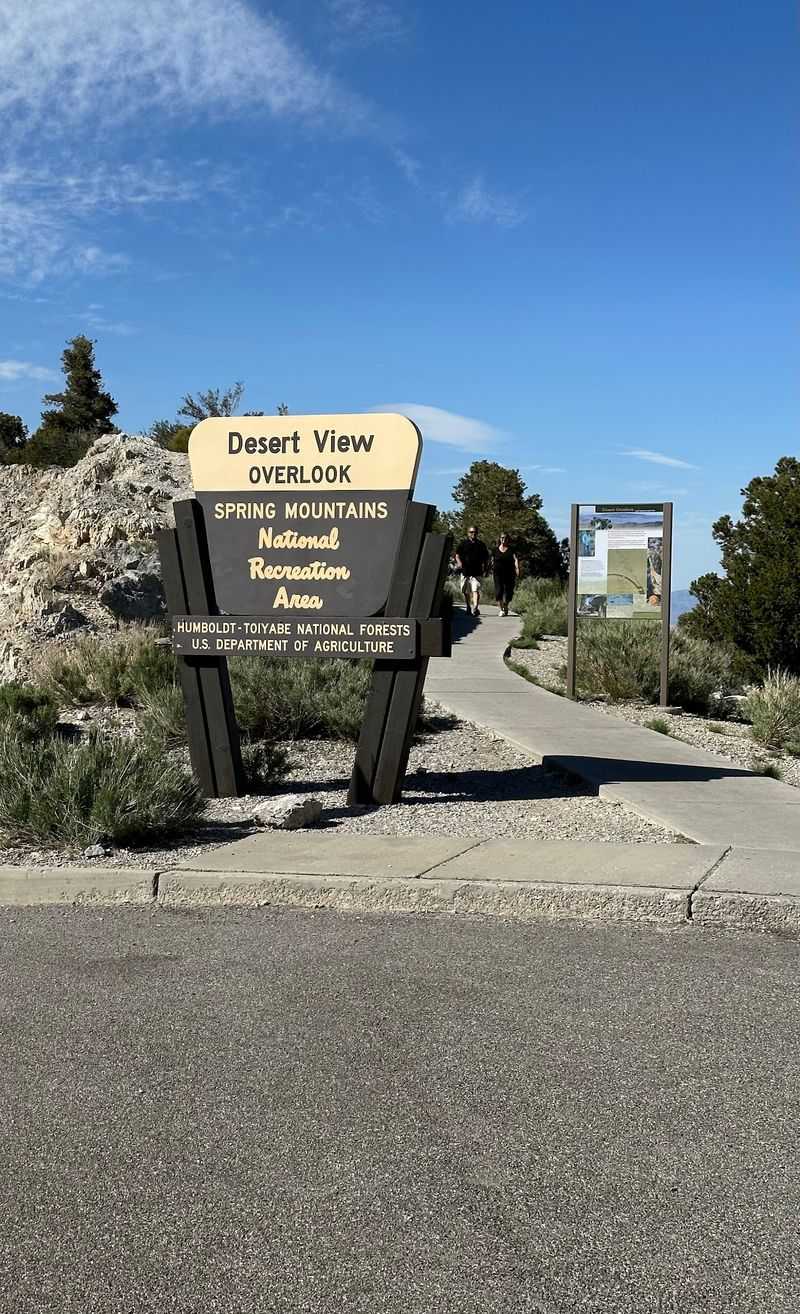
Plug this into your map before leaving town: Desert View Overlook, Deer Creek Highway (SR-158), Spring Mountains National Recreation Area, Nevada.
Cell service can get spotty as you gain elevation. Download directions early and the drive stays stress-free.
Why Autumn Nights Steal The Show
Summer haze packs up and leaves. Autumn air over the Spring Mountains turns crisp, dry, and remarkably clear.
Cooler air usually carries less moisture. Less moisture means less blur, and constellations snap into sharper focus overhead.
Fall also thins the crowd. Weekend traffic on the mountain drops once snowboarders and summer picnickers lose interest.
Daytime temperatures stay comfortable for hiking the short path at Desert View Overlook. Evenings cool fast, which is exactly what stargazers want.
Aim for nights near a new moon. A bright full moon washes out fainter stars, no matter how dark the surroundings.
Check a clear sky forecast before committing to the drive. Cloud cover and transparency ratings can save you a wasted trip.
Arrive before sunset if possible. Watching the desert below fade from gold to purple sets the mood, and it gives your eyes time to adapt.
Fall and spring rank as prime seasons across this part of Nevada. Autumn simply adds that extra bite of chill to the air.
Valley Views That Stretch For Miles
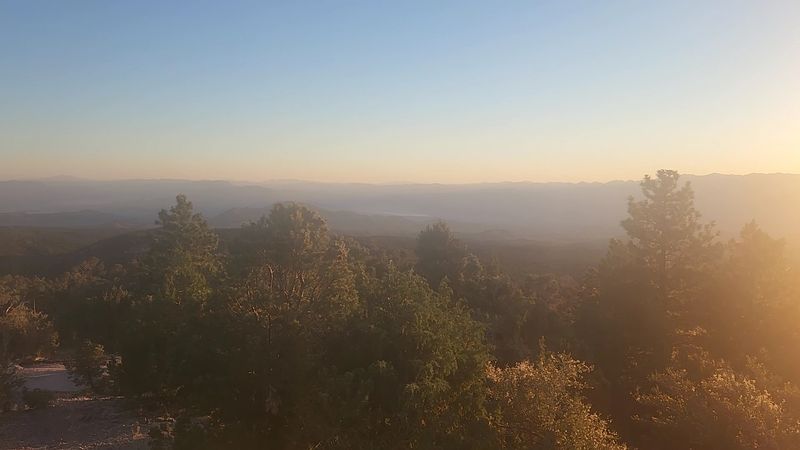
You can see for miles here. The overlook faces out across open desert, with ridgelines stacking up toward the horizon.
Visitors consistently mention the valley view, and photographs rarely capture the scale. The drop-off below the railing does most of the talking.
Sunrise fans swear by early visits. Light rakes across the desert and the whole basin glows before the heat arrives.
Sunset works just as well, especially in autumn when the air runs clean. Bring a chair and let the colors do their thing.
After dark, that same open exposure becomes an advantage. Fewer trees blocking the horizon means more sky to scan.
Big birds often ride the thermals above Desert View Overlook during daylight hours. Wild burros have been spotted along nearby roads too.
Parking sits close enough that you can shuttle gear in one trip. That keeps the setup simple when temperatures start dropping.
Few roadside stops in southern Nevada hand over this much horizon for so little effort.
Layers, Snacks, And A Red Flashlight
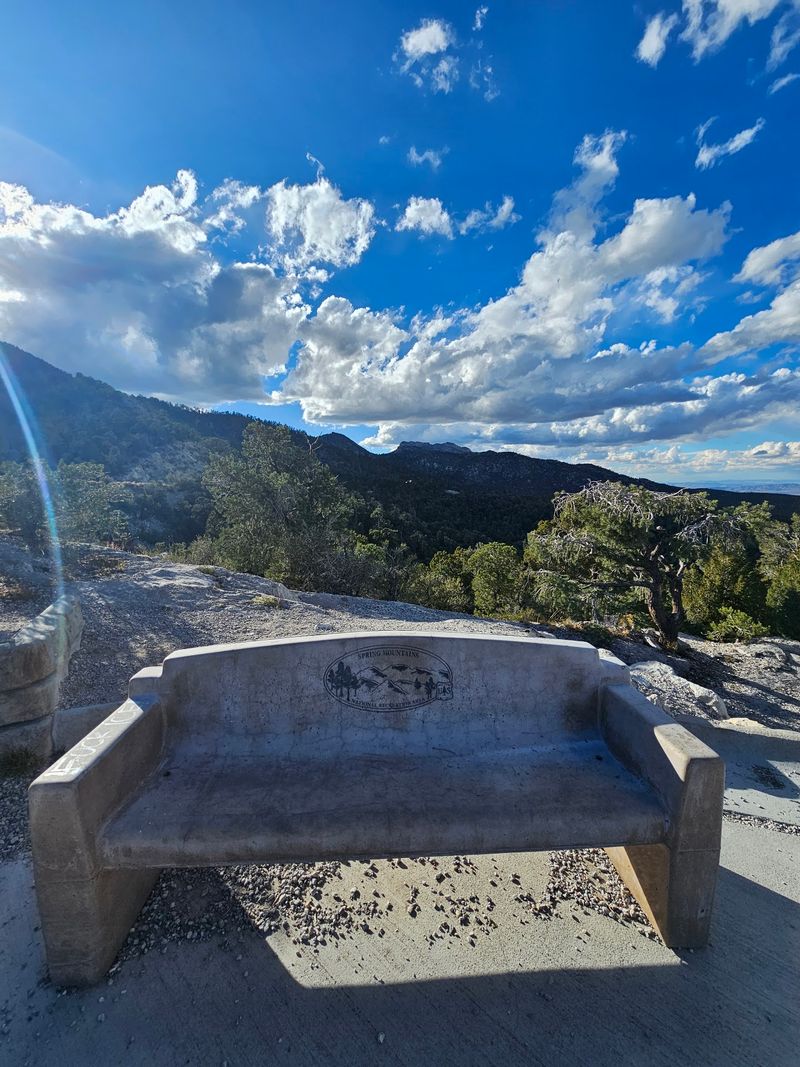
Cold sneaks up fast at 8,000 feet. Temperatures near Desert View Overlook often run twenty to thirty degrees below the valley floor.
Layers solve almost everything. A fleece, a windproof jacket, a beanie, and warm socks turn a shivery night into a comfortable one.
Pack a blanket for your chair. Sitting still under an open sky drains body heat quicker than walking does.
Water deserves attention too. Dispersed areas along Lovell Canyon Road offer no potable water, and restrooms are not available at the overlook.
Bring snacks that travel well. Nuts, fruit, sandwiches, and a thermos of something warm keep energy up during long viewing sessions.
Swap white light for red. Red flashlights protect your night vision, and your companions will thank you.
A star chart app with a night mode helps identify constellations without ruining anyone’s dark adaptation.
Trash bags matter. Pack out everything you carry in and leave this corner of Nevada exactly as you found it.
Coyote Songs And Nighttime Company
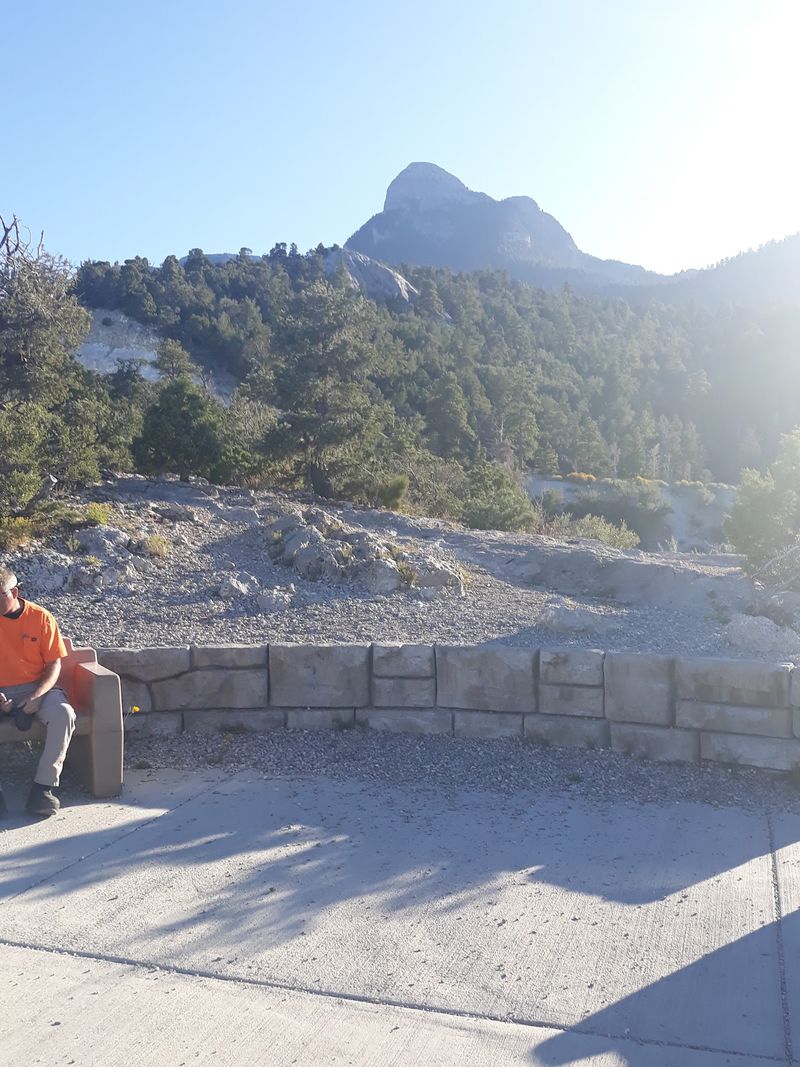
The soundtrack starts once the cars leave. Coyotes call across the canyons, and their voices carry a long way in thin mountain air.
Owls sometimes join in. Small rodents rustle through dry brush, going about their business under the stars.
Standing at Desert View Overlook after dark feels less like sightseeing and more like eavesdropping. The mountain gets busy exactly when people go quiet.
Keep food sealed and stored in your vehicle. Wildlife should stay wild, and easy snacks teach bad habits.
Watch for animals on the road during the drive out. Burros and deer move around at night and headlights startle them.
Give any animal plenty of space. Observing from a distance keeps everybody safe and makes for better memories anyway.
The Spring Mountains shelter species found almost nowhere else, thanks to layered ecological zones stacked by elevation.
That biodiversity turns a simple stargazing trip into something richer. Nevada’s night sky supplies the visuals while the desert handles the audio.
Empty Signposts And Cold War Echoes
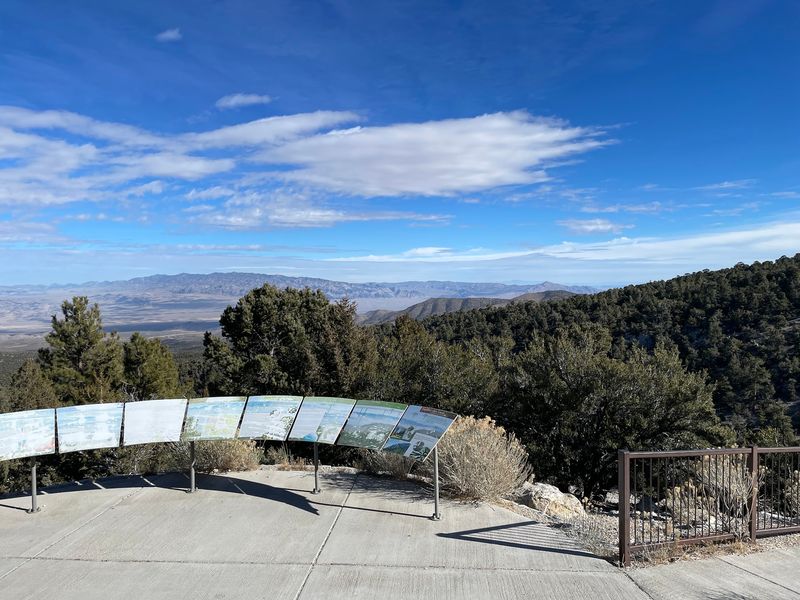
Here is an odd detail. Interpretive signs once lined the path at Desert View Overlook, and many frames now stand empty or badly faded.
Older visitors remember reading about the desert stretching out below. Some panels reportedly touched on nuclear testing history visible from this vantage point decades ago.
Others described how Southern Paiute and Chemehuevi people used these forests and mountains. That cultural connection runs deep across the region.
Weather and sun have taken a toll on the remaining markers. Reports vary, and current conditions may differ from what you find online.
Even without full signage, the overlook holds its story. Standing there, you sense the strange overlap of quiet wilderness and mid-century history.
Reading up before your visit fills the gap nicely. A little background makes the darkness feel layered rather than empty.
Autumn nights amplify that mood. Stars overhead, silent desert below, and a landscape in Nevada that has witnessed plenty.
Bring curiosity along with your telescope.
Daytime Trails Worth Adding To The Plan
Why arrive at midnight? Show up in the afternoon and the Spring Mountains hand you plenty to do first.
Trails throughout the recreation area suit hikers, mountain bikers, and horseback riders. Designated roads also draw off-road enthusiasts.
Lovell Canyon itself functions as an important watershed, fed by springs that support ponderosa pine and pinyon-juniper woodlands.
Walking those cooler forest paths in autumn beats almost any summer hike in the valley. Shade, pine scent, and moderate temperatures make the difference.
Griffith Peak rises nearby, watching over the canyon country. Its profile helps you get oriented on the drive.
Short options exist too. The paved loop at Desert View Overlook takes minutes and still delivers a full panorama.
Time your hiking so you finish before sunset. That leaves energy for the main event once the stars come out.
Sturdy shoes, sun protection, and extra water round out the daytime kit. Nevada’s high desert rewards preparation more than bravado.
Solitude Without A Long Expedition
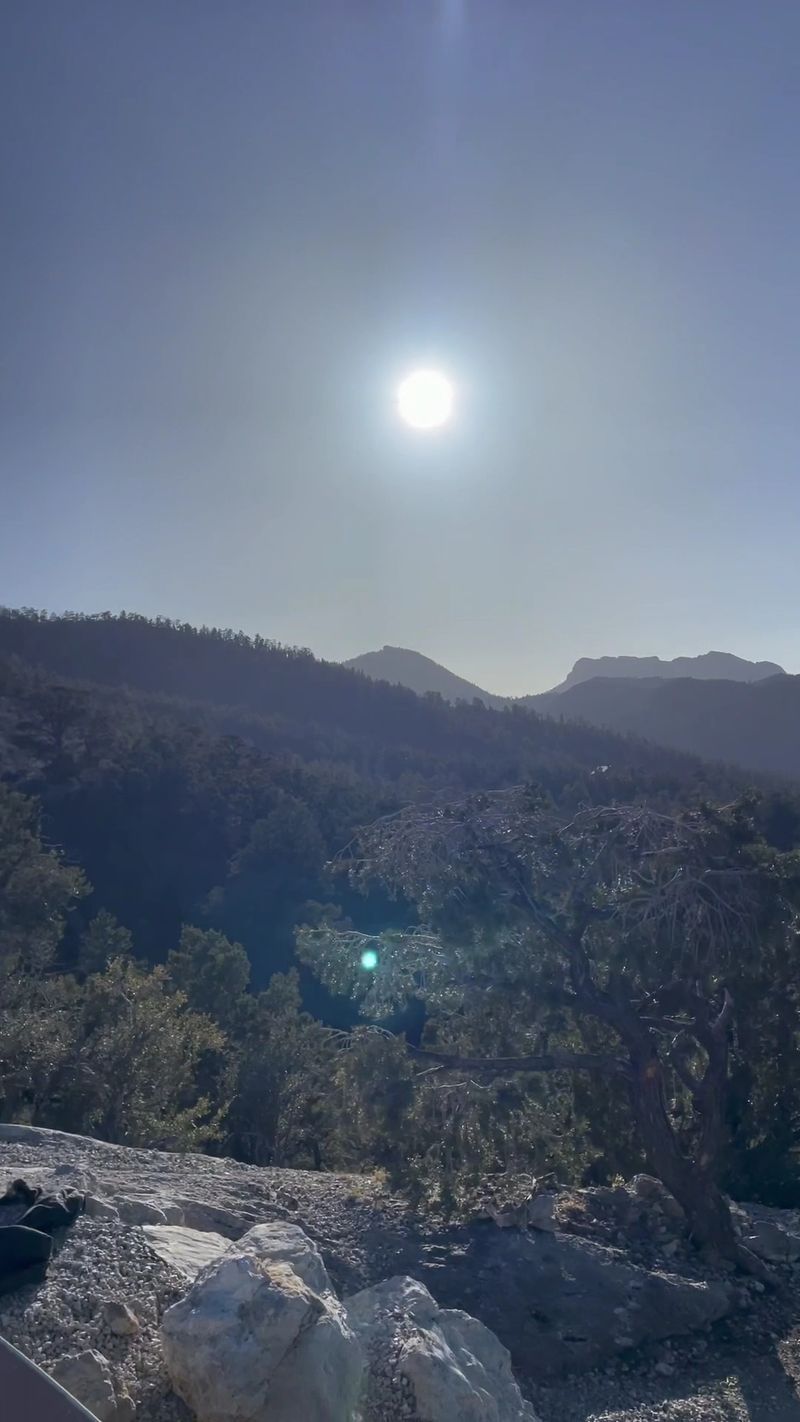
Quiet arrives fast up here. Once the last day-trippers roll out, Lovell Canyon settles into real silence.
Pull-outs along the road offer dispersed camping and a fair amount of seclusion. Views come standard.
Reaching that stillness takes under an hour from the Strip, which feels almost unfair. Most dark-sky escapes demand far longer drives.
Weekdays tend to be emptiest. Even Saturdays can feel surprisingly uncrowded at Desert View Overlook, according to frequent visitors.
No city hum, no traffic, no glow on the horizon in most directions. Just wind moving through pines and the occasional distant call.
Solitude like this has become rare near a major metro area. Treat it gently and it stays available.
Keep voices low and lights dim if others are set up nearby. Stargazers protect each other’s night vision by habit.
Leave No Trace principles apply everywhere in this part of Nevada. Haul out trash, avoid new fire rings, and stay on established roads.
How The Mountains Got Their Shape
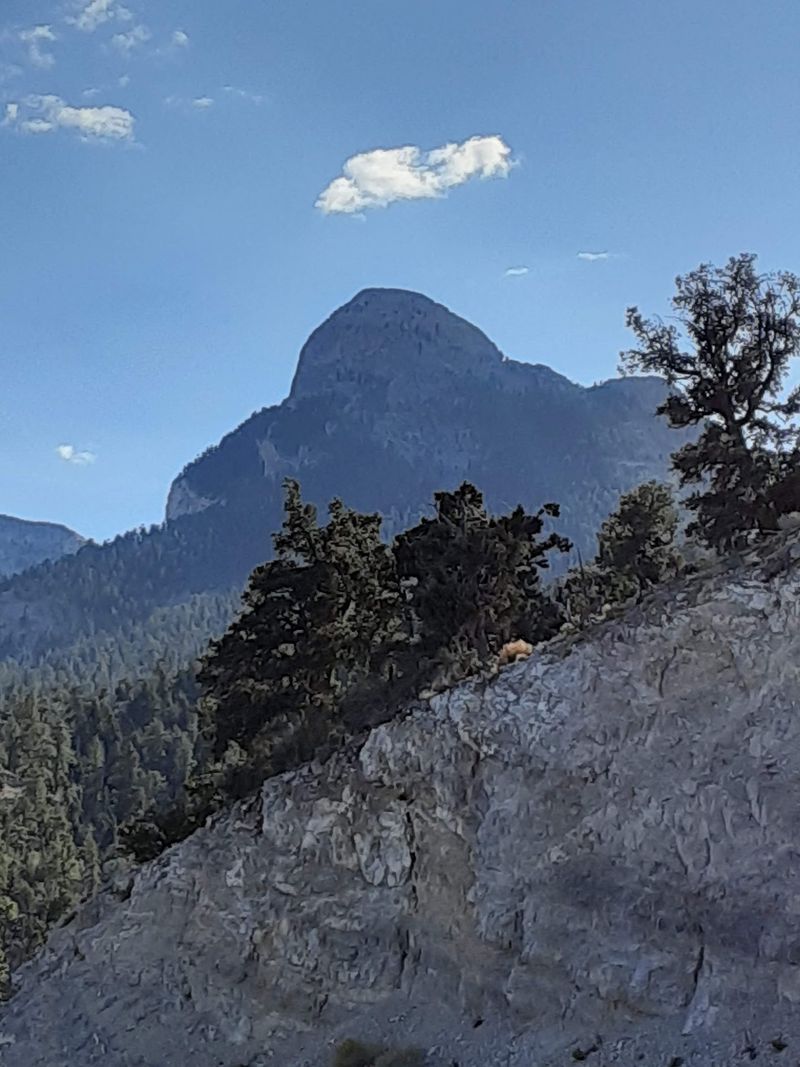
Ancient seabed, modern mountains. The Spring Mountains formed largely from sedimentary rock laid down underwater long ago.
Powerful forces folded and faulted those layers. Uplift and erosion then carved the cliffs, ridges, and narrow canyons you see today.
That geology explains the dramatic backdrop behind Desert View Overlook. It also explains the elevation gain that keeps the air so cool.
The whole recreation area covers more than 317,000 acres, with seven distinct ecological zones stacked by altitude.
Congress established the Spring Mountains National Recreation Area in 1993. It draws over a million visitors annually, most seeking relief from Mojave Desert heat.
Rock layers become part of the stargazing experience after dark. Silhouetted ridgelines frame the sky and give constellations something to rise behind.
Daylight visits let you appreciate the details up close. Limestone textures and twisted strata tell a long story.
Understanding the ground under your feet makes the sky overhead feel even bigger. That contrast defines this corner of Nevada.
Keeping The Darkness Dark
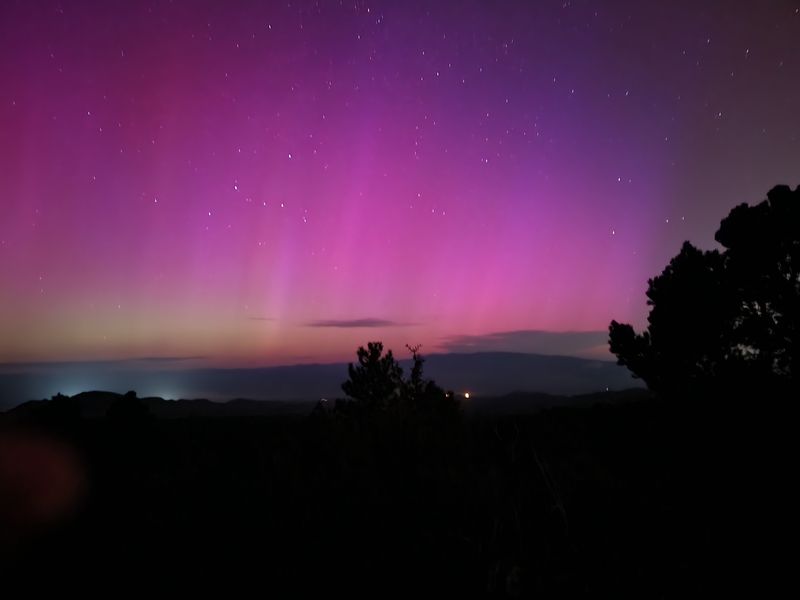
Dark skies are a resource. Southern Nevada still holds some of the most pristine night skies in the country, and places like Lovell Canyon prove it.
Low population density across much of the state helps enormously. Wide remote basins and high-elevation terrain do the rest.
Arid air stays clear and dry, which cuts haze. Fewer particles mean crisper views of the Milky Way.
Visitors protect all of that with small choices. Shielded lights, red beams, and pointing headlamps downward go a long way.
Turn off vehicle headlights promptly on arrival. Interior dome lights can ruin a group’s adaptation in seconds.
Respect posted rules and stay on established roads near Desert View Overlook. Protecting habitat protects the quiet too.
Nothing about a dark sky is guaranteed forever. Growth and lighting choices shape what future visitors will see.
Autumn nights here feel like a reminder of what the sky used to look like everywhere. Guarding that view is part of the trip.