
Getting A Ticket To This Alabama Factory Tour Feels Like A Golden Opportunity
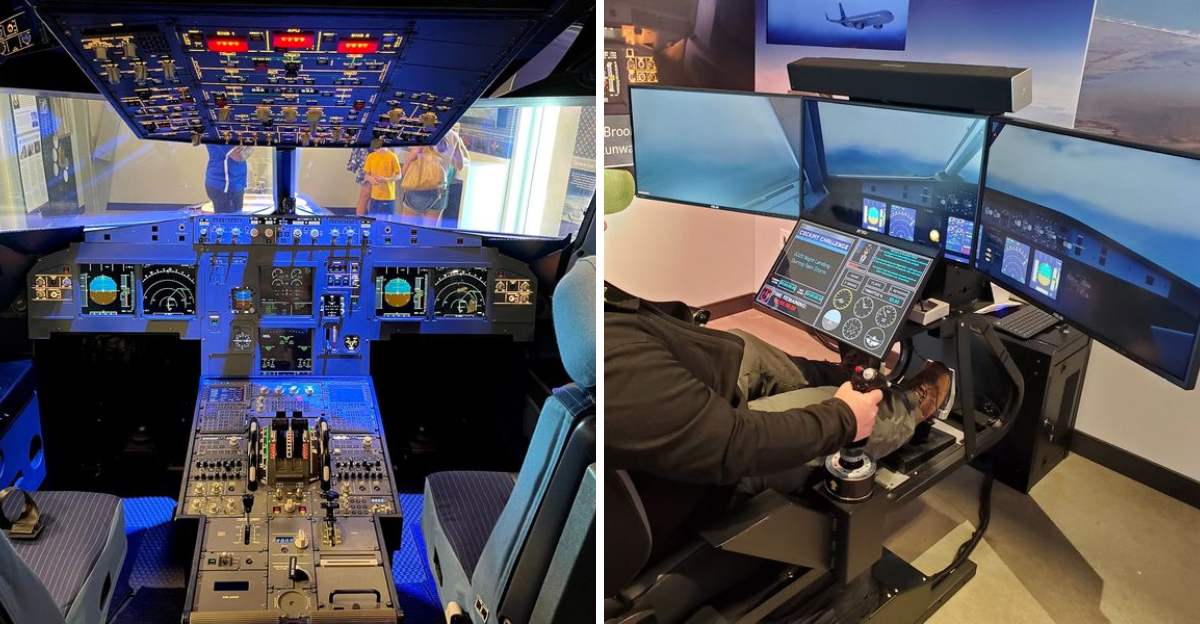
Public tours of a working jet assembly line are rare, and one stop in Alabama pulls it off anyway. A guided bus ride carries visitors straight onto the factory floor.
Wings, fuselage sections, and tail pieces all come together under one roof longer than two football fields. Fourth-floor viewing decks put the whole operation on full display.
Flight simulators and virtual reality stations fill the exhibit hall before the bus even loads. Kids sprint for the controls while parents study the airplane parts up close.
Alabama has quietly grown into a real hub for building commercial jets. Few places let regular travelers watch that process happen up close.
A seat booked ahead of time makes all the difference here. Ready to watch an actual airliner take shape in front of you?
A Century Of Flight At Brookley
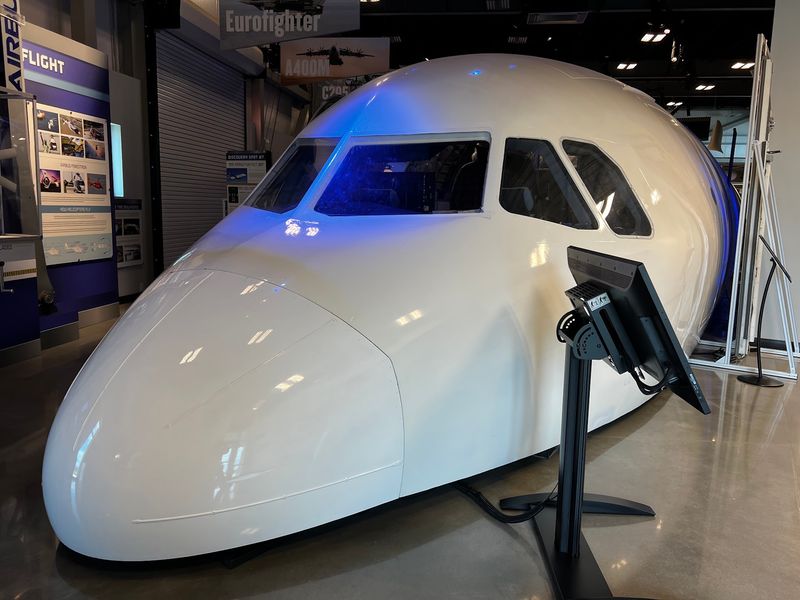
Airfields rarely get second acts this good. The ground beneath Flight Works Alabama has been tied to flying machines for close to a century.
Mobile Aeroplex at Brookley once served as the city’s first municipal airport. Military aviation operations began supporting the site back in 1939.
Decades later, the runways found new purpose. Aviation companies moved in, repair shops opened, and the complex slowly rebuilt its reputation.
The turning point arrived in 2012, when Airbus chose Mobile for its first U.S.-based commercial aircraft production facility. Production began in 2015, and the region changed direction almost overnight.
Flight Works Alabama opened later as the public face of that story. Guests can find it at 2000 Aerospace Drive, Mobile, AL 36615, right beside the action it explains.
Displays trace the arc from experimental flyers to modern jetliners. The pacing feels approachable, never heavy with dates and jargon.
Visitors with a soft spot for history tend to linger here longest. Younger guests usually sprint ahead toward the interactive gear.
Both reactions make sense. Knowing what came before makes the hangar view later in the day land with far more weight.
Over Forty Hands-On Exhibits Packed Into One Room
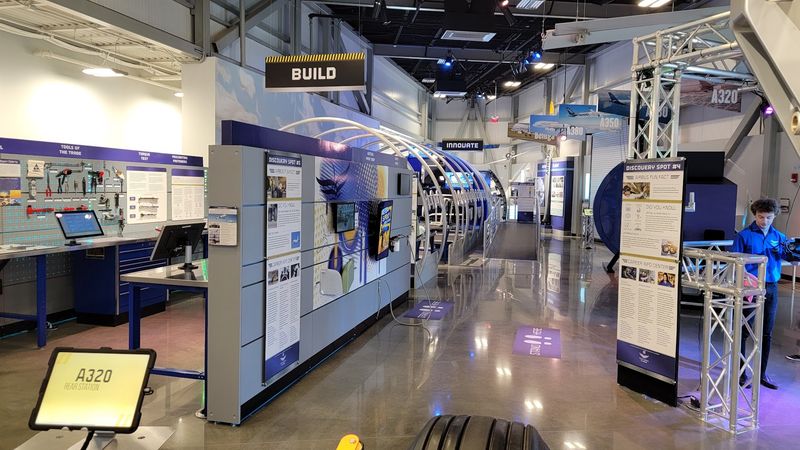
Small footprint, enormous payload. Flight Works Alabama fills roughly 15,000 square feet with more than 40 hands-on exhibits, and the space works harder than its size suggests.
Guests often walk in expecting a quick loop. Many stay two hours or longer without noticing the clock.
Stations explain lift, drag, thrust, and control surfaces through things you can actually push and pull. Reading signs is optional here.
Kids gravitate to the moving parts. Adults quietly test themselves on tool identification and aircraft systems.
Displays also break down what happens inside an airliner. Wings, engines, landing gear, and cabin layouts all get their moment.
The layout encourages wandering rather than following arrows. Nothing feels roped off or overly precious.
Staff members circulate with answers, then step back so families can explore at their own speed. That balance gets praised constantly.
A gift shop and vending machines sit near the entrance for a quick reset. Restrooms stay noticeably clean.
Plan on ninety minutes minimum inside the exhibition hall. Rushing it wastes the best warm-up available before the factory bus rolls out.
Taking The Controls Of A Simulated A320
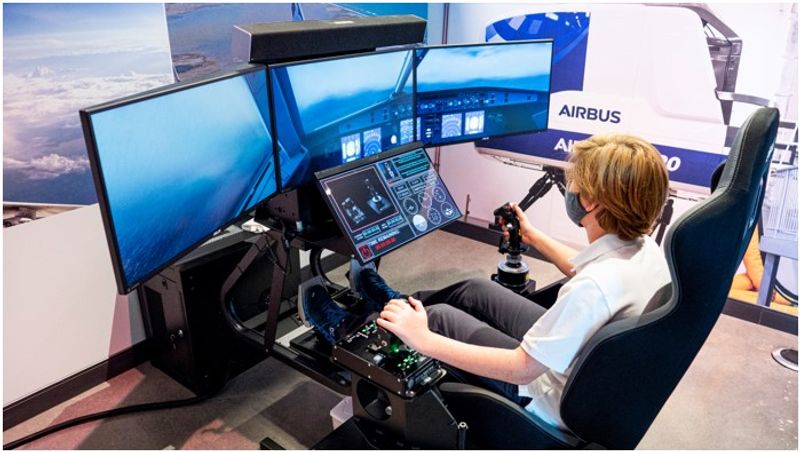
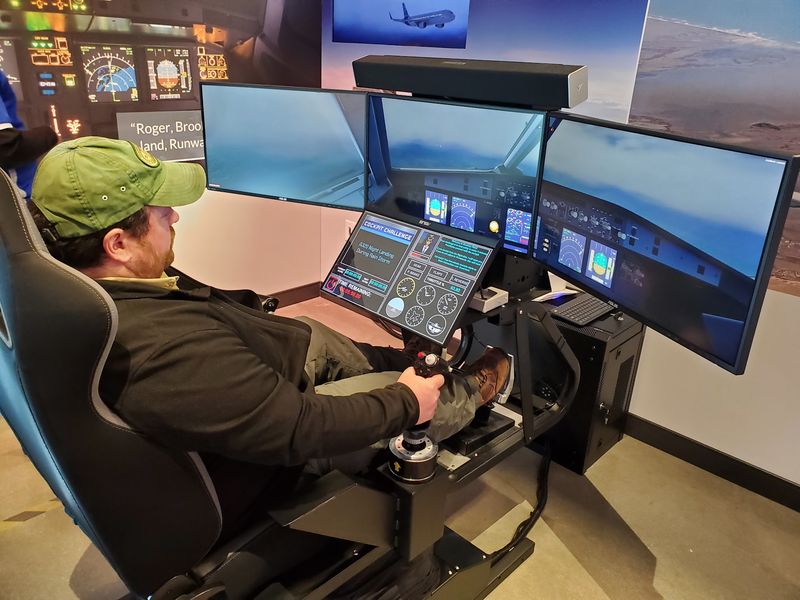
Ever wanted to land a jet over a Gulf Coast city? The A320 simulator at Flight Works Alabama hands over the side stick and lets guests try.
Takeoff comes first, followed by a circuit above Mobile. Then the runway reappears, and confidence usually evaporates.
Landing looks simple from a passenger seat. Holding a stable approach proves far trickier than expected.
Repeat attempts are common. Visitors regularly describe the simulator as addictive, which explains the friendly queue on busy afternoons.
Virtual reality headsets add another layer. Space station scenarios and immersive training experiences put guests inside environments they will never otherwise visit.
Reactions get animated. People reach out to touch objects that exist only in the goggles.
Drone piloting rounds out the tech corner. A high-tech drone navigates an obstacle course under visitor control, rewarding steady hands.
Staff reset and clean equipment between users, keeping turnover smooth. Nobody feels hurried off the controls.
Weekday afternoons tend to be quietest for simulator time. Arrive then, and the cockpit might belong to your group alone.
The Bus Ride That Changes Everything
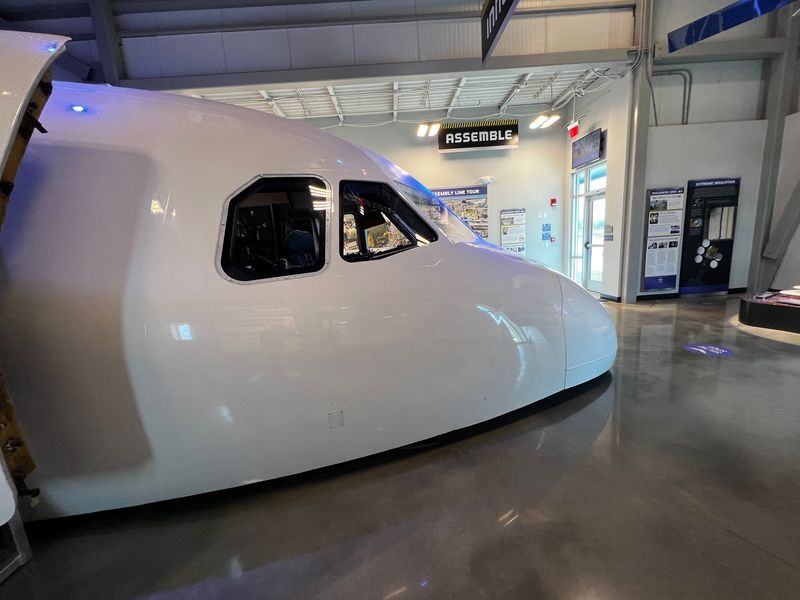
Exhibits are the appetizer. The guided bus ride is the reason tickets disappear.
Groups gather inside the Flight Works Alabama exhibition hall before boarding. A short drive carries them to the Airbus U.S.
Manufacturing Facility next door.
Access like this stays rare. Very few active commercial aircraft assembly lines welcome the general public at all.
Guides talk through what waits ahead, setting expectations before anyone steps off. The briefing matters, since rules tighten once wheels stop.
Guests then climb to a fourth-floor viewing area. The elevation reveals the full sweep of the operation in one glance.
Scale registers immediately. Aircraft that look enormous at an airport gate look even bigger stripped of paint and surrounded by scaffolding.
Tours run by appointment only. Public tour days, school field trips, and private group bookings each have their own slots.
Booking early is the practical move. Popular dates fill well ahead, especially during school breaks.
Riders often go quiet during that first look through the glass. Watching real jets take shape has that effect on people.
Inside A Hangar Longer Than Two Football Fields
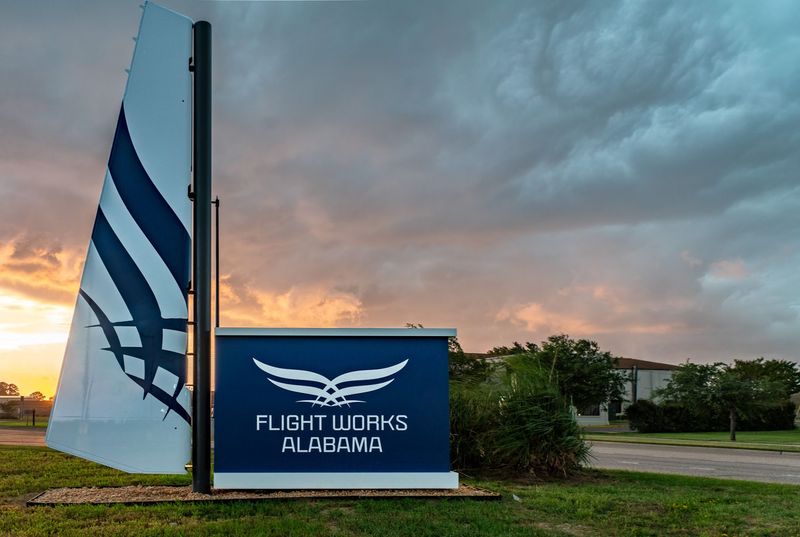
Numbers help, but nothing prepares the eyes. The A320 Final Assembly Line hangar stretches longer than two football fields.
Its ceiling climbs about 91 feet. Standing beneath that much open air rearranges your sense of proportion.
Components arrive from Airbus sites around the world. Wings, fuselage sections, and tail units converge in one enormous room.
Assembly follows a flow-line principle. Aircraft move through five distinct workstations, each adding another layer of completion.
Nothing looks chaotic. Crews work in organized zones while parts wait in labeled positions nearby.
Overhead cranes and mobile platforms shift constantly. Movement never stops for long.
From the elevated viewing area at the Flight Works Alabama tour, the sequence reads clearly left to right. Guides point out which jet sits at which stage.
Comparing an early-station skeleton with a nearly finished airframe delivers the biggest impression. Progress becomes visible in a single sweep of the room.
Guests frequently mention how quiet and orderly the floor feels. Precision, not noise, defines the atmosphere down there.
Millions Of Parts Becoming One Airplane
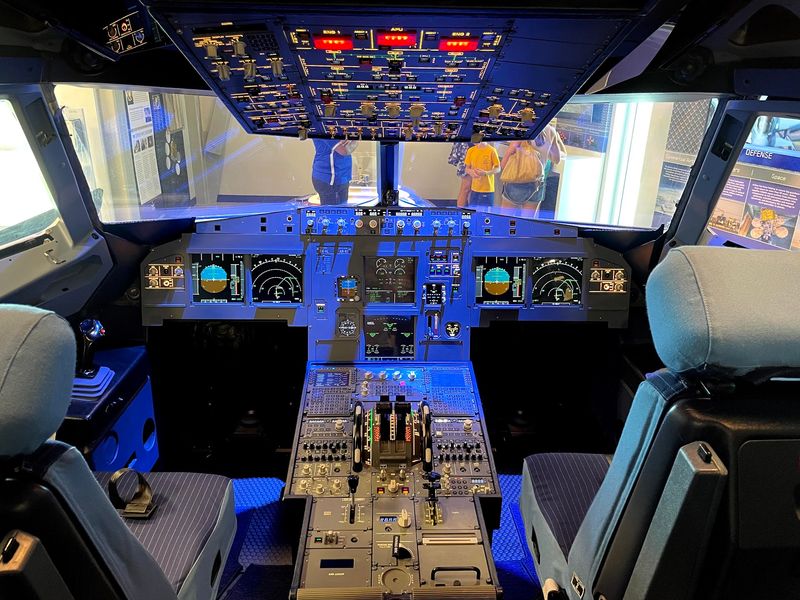
Millions of individual parts eventually answer to one flight number. Watching that math resolve is the strange joy of this tour.
Fuselage sections join. Wings attach.
Tails go on.
Then the interior work begins. Seats, galleys, and cockpit components slot into place inside the cabin shell.
Wiring and systems disappear behind panels. What passengers eventually see hides an astonishing amount of hidden engineering.
Paint arrives near the end. Airline liveries transform anonymous gray airframes into recognizable brand ambassadors.
Final preparations follow before delivery. Checks, adjustments, and documentation close out the process.
Guides on the Flight Works Alabama tour explain each stage without drowning listeners in technical language. Questions get real answers.
Guests often say the progression stuck with them more than any single aircraft. Seeing raw pieces and finished jets in the same room does that.
Photography stays off-limits on the factory floor, so memories carry the load. Honestly, that restriction makes people look harder.
Nobody boards a commercial flight the same way afterward. Every rivet suddenly has a backstory.
Two Aircraft Families Under One Roof
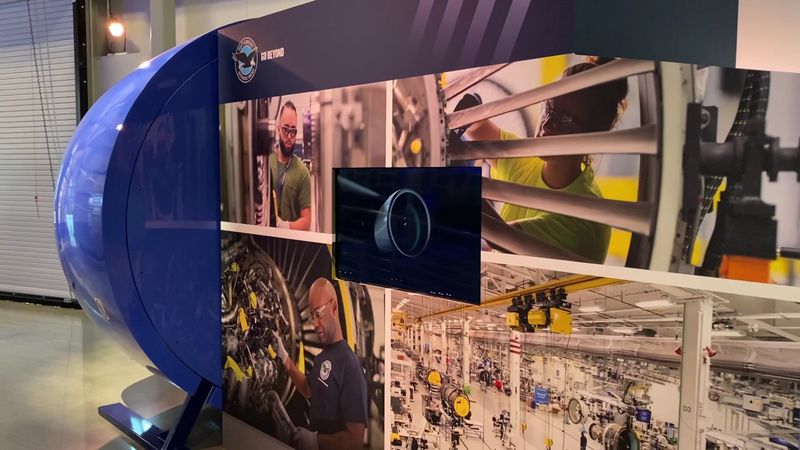
Double the aircraft, double the interest. The Mobile plant serves as an assembly and delivery site for both the Airbus A320 and A220 families.
A320 production launched the facility. A220 capability followed with an expansion announced in 2017.
Both are single-aisle jets. Both show up regularly at American airports.
Carriers including Delta Air Lines, JetBlue, and Spirit fly aircraft assembled in Alabama. Passengers rarely realize where their plane was born.
Comparing the two build processes ranks among the tour’s highlights for aviation fans. Differences in structure and layout become obvious side by side.
Guides at Flight Works Alabama explain how each family fits into airline fleets. Context turns metal into meaning.
Spotters get a small thrill from identifying liveries in progress. Not every visit shows the same customers.
What appears on the floor varies by day and production schedule. Nothing is guaranteed, which keeps repeat visits interesting.
Return guests often report seeing completely different aircraft. The line never freezes in place for long.
Where Future Engineers Get Their Start
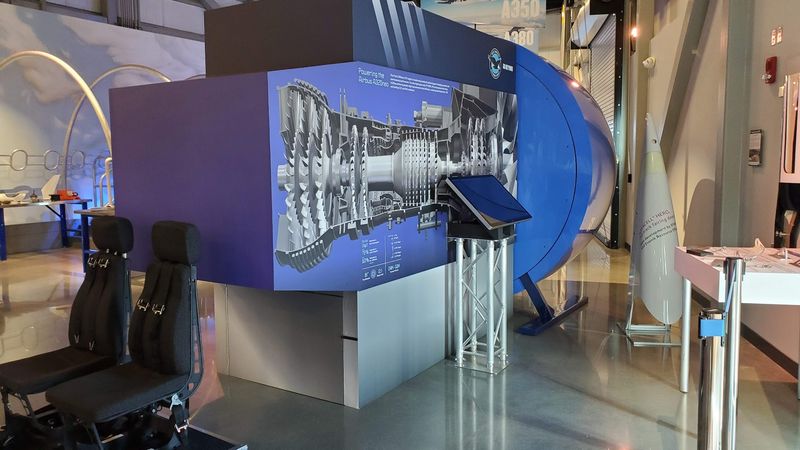
Career day, but with jet engines. Education sits at the center of everything Flight Works Alabama does.
The building operates as an aerospace exhibition and education center, not simply a museum. Workforce development shapes the programming.
Exhibits cover aviation history and science while quietly introducing job pathways. Signage highlights real roles inside the industry.
FlightPath9 prepares high school seniors for careers in aviation manufacturing. Students gain exposure to skills employers actually need.
Field trips arrive regularly. Teachers rate the visit highly as a hands-on science outing.
Camps for kids appear on the calendar too. Younger participants get structured time with the exhibits and equipment.
Staff members lean into curiosity rather than lecturing. Enthusiasm from the front desk crew gets mentioned constantly by families.
Parents of aviation-obsessed children find the environment especially rewarding. Questions never seem to run out of patience.
Alabama benefits from that pipeline. A growing aerospace sector needs technicians, engineers, and inspectors ready to step in.
Inspiration here often outlasts the visit itself. Plenty of kids leave with a new answer for what they want to be.
Rules Worth Reading Before You Go
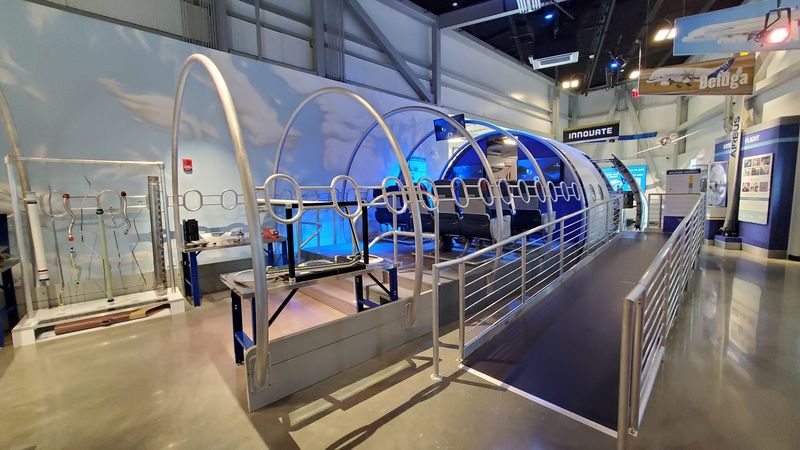
Skip the fine print and risk missing the whole show. Factory access comes with real requirements.
Tours operate by appointment only. Walk-ins cannot join the assembly line portion.
Visitors must be at least 10 years old for the factory tour. Younger children can still enjoy the exhibition hall.
Anyone 18 or over needs a government-issued photo ID. Leave it in the car and the tour ends at the door.
Closed-toe shoes are mandatory. Sandals will not pass, no matter how warm Mobile gets.
Bags stay behind before boarding. The factory floor has no storage for personal items.
Photography is welcome throughout the exhibit area at Flight Works Alabama. Cameras go away once the manufacturing facility begins.
Public tour days, school field trips, and private group bookings each fill differently. Reserving early beats hoping for openings.
Details can change, so confirming current requirements before traveling is wise. Policies at active industrial sites evolve.
Preparation takes ten minutes. The payoff is standing above a working aircraft assembly line, which few travelers ever manage.
How Airbus Reshaped Mobile’s Economy
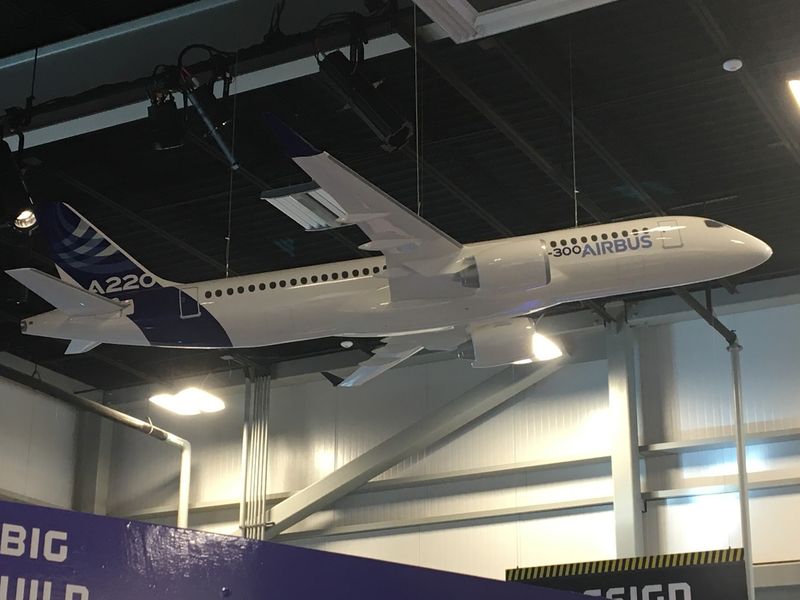
One factory, an entire regional makeover. Airbus Mobile employs well over 1,600 people directly.
Supply chains support many more jobs across the area. Suppliers, logistics firms, and service providers all feed the operation.
The Port of Mobile plays a starring role. Deepwater access allows large aircraft components to arrive by ship from global Airbus sites.
Intermodal links move those pieces the final stretch. Geography turned out to be a serious advantage here.
Aerospace growth in Alabama accelerated after the plant opened. Additional companies followed the anchor tenant.
Mobile now ranks among notable commercial aerospace production centers worldwide. Few would have predicted that shift two decades ago.
Tour guides at Flight Works Alabama weave this economic thread into the narrative. Understanding the stakes makes the hangar view richer.
Visitors interested in industry and trade find plenty to chew on. Discussion often continues in the parking lot afterward.
Locals speak about the change with obvious pride. Watching a city reinvent itself around engineering is a story worth hearing firsthand.
A Second Assembly Line Joins The Party
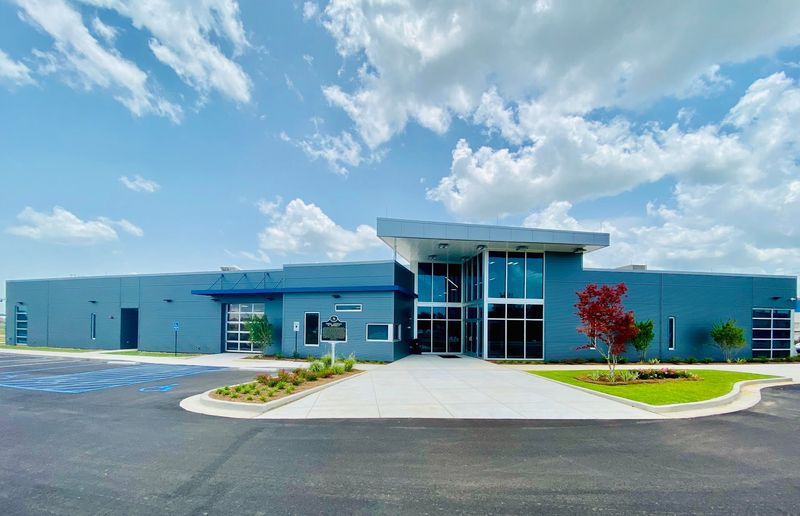
Growth keeps landing on this campus. A second A320 final assembly line opened in October 2025.
Capacity for the A320 family effectively doubles. More aircraft can move through Mobile than before.
Airbus has stated goals of reaching 75 single-aisle aircraft per month globally. Mobile carries part of that ambition.
Expansion strengthens the site’s standing among worldwide manufacturing locations. Investment on this scale signals long-term commitment.
For visitors, the practical result is a busier, more dynamic operation. Activity levels on any given day may vary with production schedules.
Guides at Flight Works Alabama keep commentary current as the campus evolves. Details shift, and the narration follows.
Repeat guests notice changes between visits. New buildings, new aircraft, new stages in progress.
Aviation enthusiasts treat that unpredictability as a bonus. Nobody sees the identical tour twice.
Alabama’s aerospace future looks steady rather than speculative. Concrete, steel, and hiring numbers back it up.
Coming back in a few years will likely reveal an even larger operation. That prospect alone justifies a return trip.
Practical Tips For A Smooth Visit
Plan smart and the day runs beautifully. Budget at least ninety minutes to two hours for the exhibition hall alone.
Add the factory tour and the visit stretches longer. Rushing defeats the purpose.
Quieter periods often fall on weekday afternoons. Some guests have had the simulators nearly to themselves.
Weekend mornings can also be relaxed. Field trip days bring more energy and more noise.
Wear comfortable closed-toe shoes from the start. Switching footwear later is not an option for the factory portion.
Vending machines handle snacks and drinks. A small gift shop covers souvenirs, though shopping is hardly the main event.
Staff at Flight Works Alabama get consistent praise for patience and knowledge. Asking questions is encouraged, not tolerated.
Families with aviation-obsessed kids should allow extra time. Simulators tend to swallow schedules whole.
Confirm tour availability well before traveling to Mobile. Appointment slots are limited and demand runs high.
Arrive curious, leave impressed. Few places in Alabama let ordinary travelers watch airliners come together in real time.